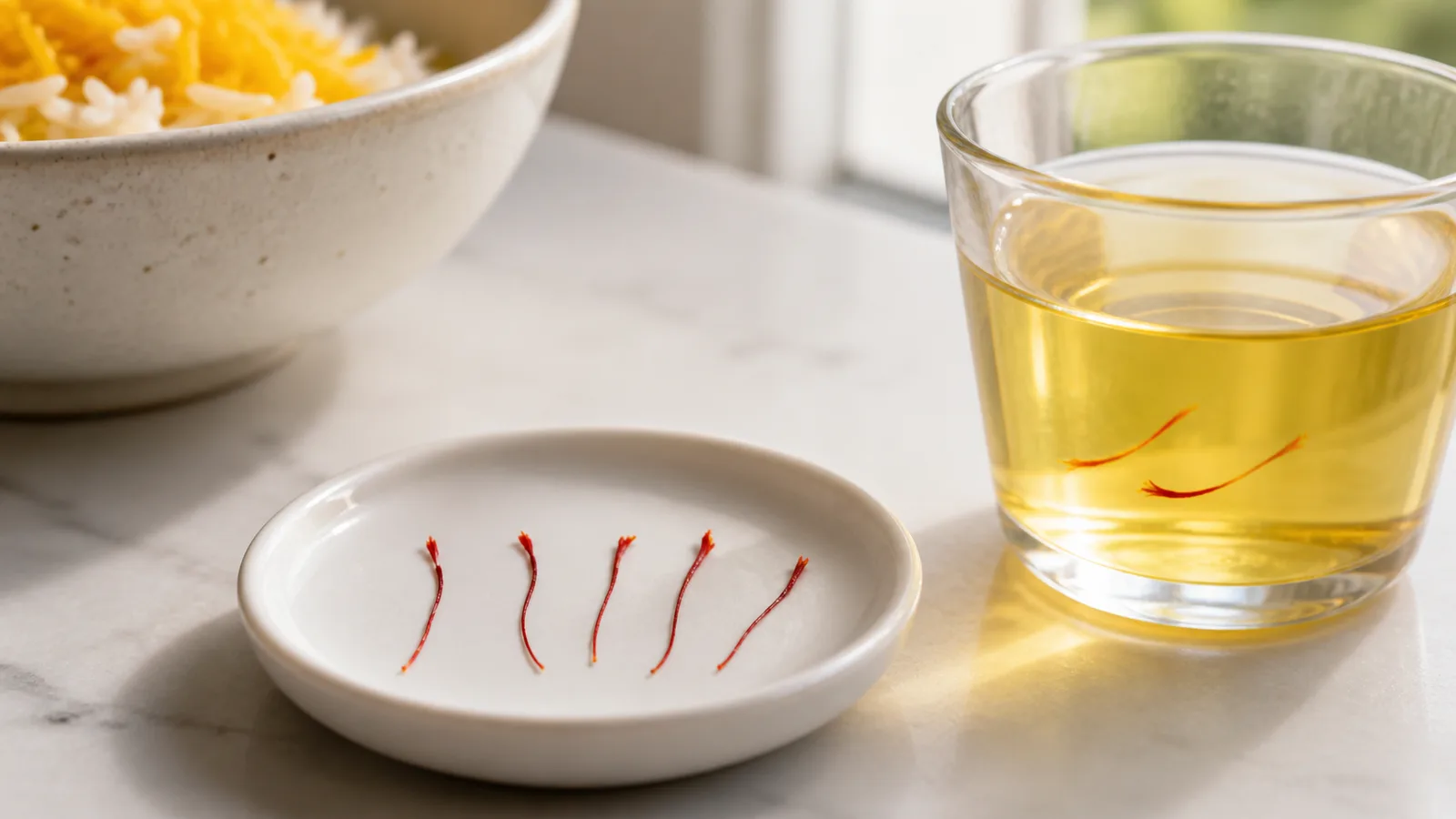
When Not to Use Saffron: Important Precautions & Risks
Do not use saffron if you have had an allergic reaction to it, if the product may be contaminated or misidentified, or if taking it again has been medically discouraged. Stop using it when a new reaction appears. Ask a qualified healthcare professional before taking a concentrated saffron extract or supplement during pregnancy or breastfeeding, alongside medicines, before surgery, or when managing a health condition.
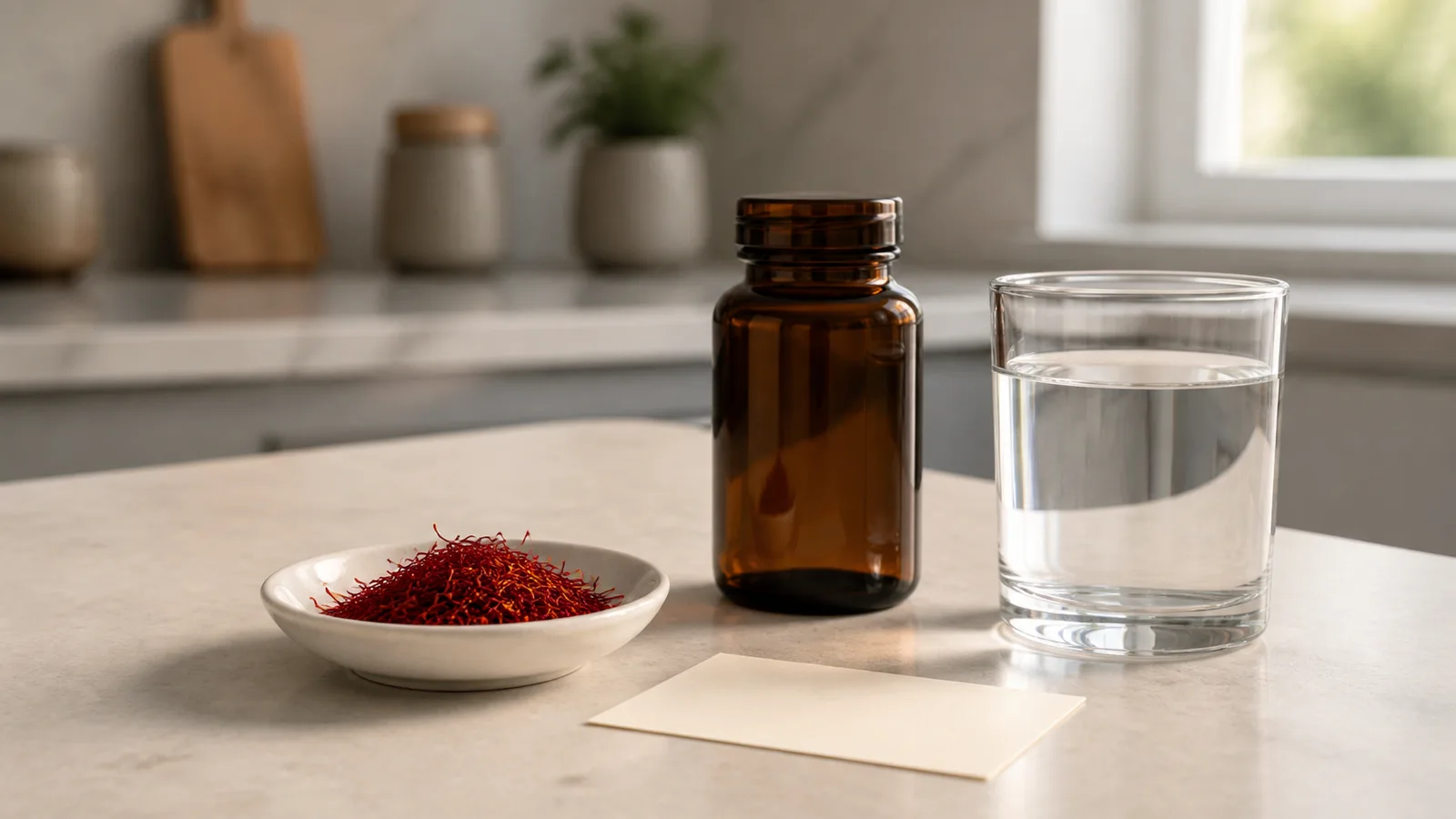
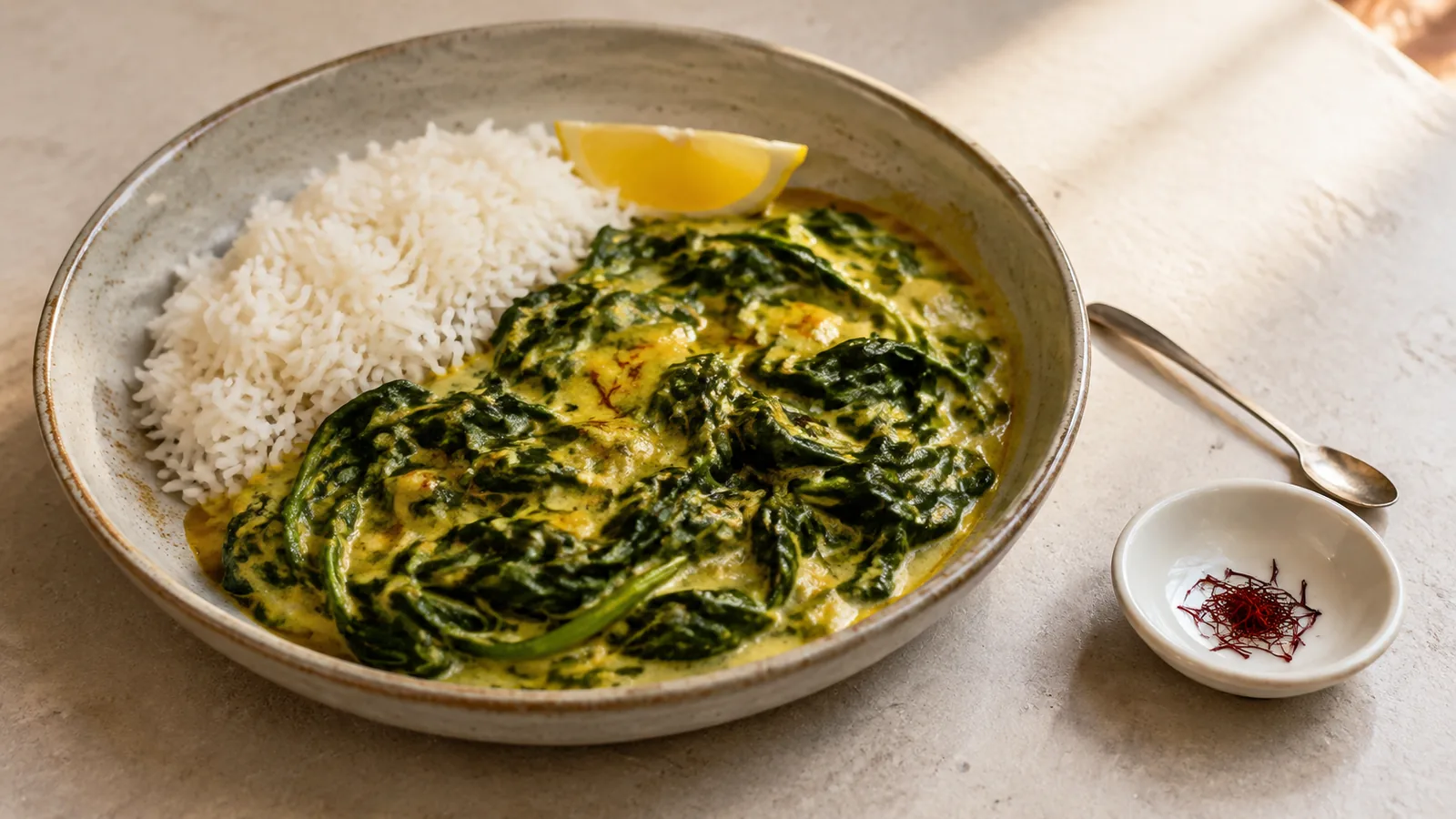
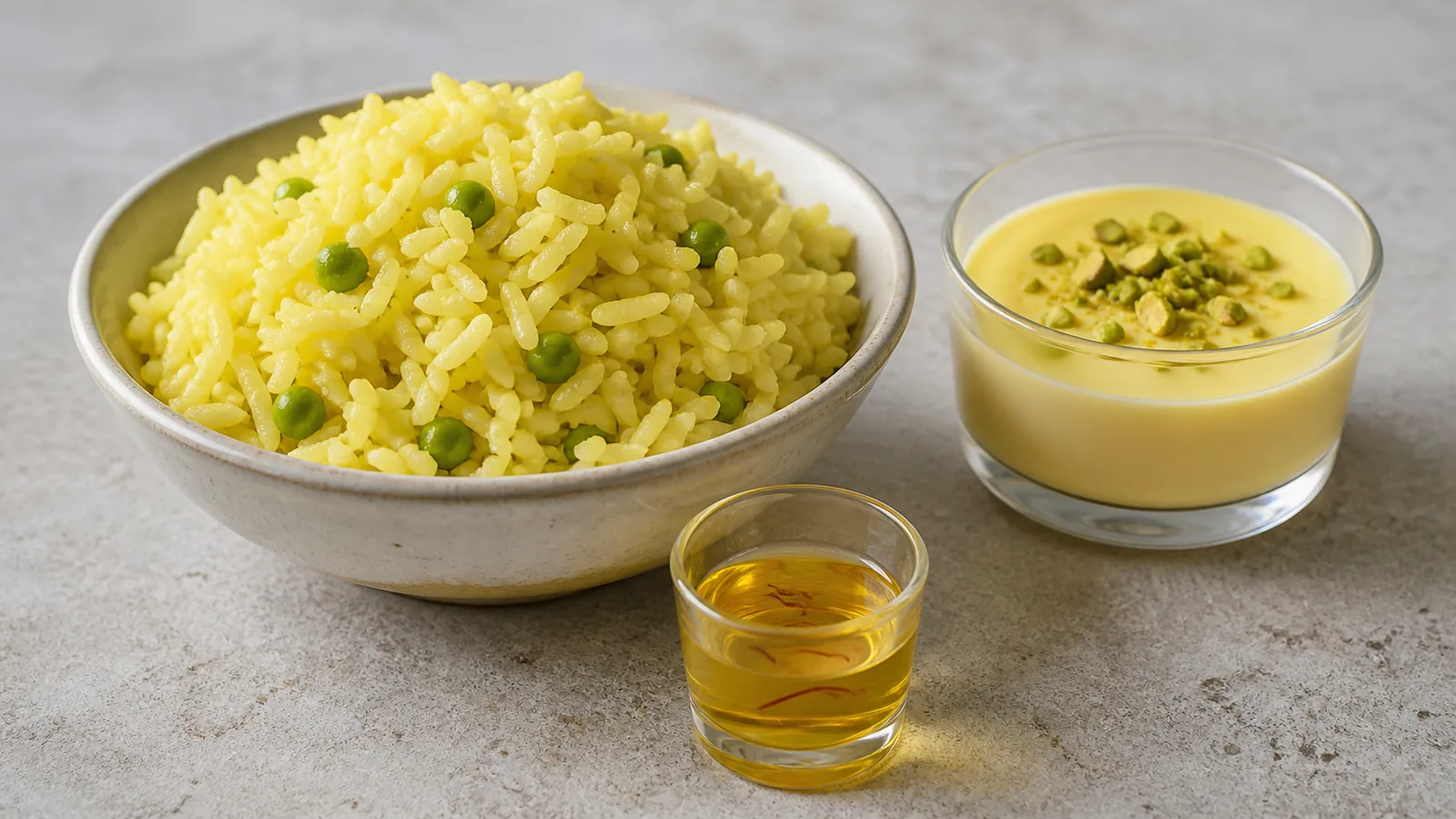
These saffron consumption guidelines distinguish an occasional amount in food from capsules, gummies, extracts and strongly concentrated drinks. A pinch used to flavour rice is not the same exposure as a daily supplement. The product, amount, frequency and reason for use all matter, so a blanket safe-or-unsafe answer can be misleading.
Pregnancy and Saffron Use
Pregnancy calls for caution with medicinal amounts and concentrated products. Saffron is sometimes described online as a way to stimulate uterine contractions or start labour, but that is not a safe reason to experiment with it. A current review of saffron practices and pregnancy evidence found that the evidence base remains limited and depends heavily on preparation, dose and timing.
An ordinary culinary amount and a supplement are not interchangeable. Do not increase the amount, drink a highly concentrated infusion or take an extract because the spice is “natural.” If you are pregnant, trying to become pregnant or breastfeeding, show your midwife, doctor or pharmacist the actual product and ask about your intended use. Seek prompt care for bleeding, severe abdominal pain, contractions, fainting or another worrying symptom rather than trying to manage it with saffron.
Allergic Reactions to Saffron
Can you be allergic to saffron? Yes. Published research on saffron hypersensitivity identified IgE-recognised proteins in a small group of people, while separate research describes occupational allergy to saffron pollen. That does not tell us how common saffron allergy is in the general population, and pollen exposure during processing is not identical to eating the dried stigmas.
Saffron allergy symptoms can include itching, hives or a rash; swelling of the lips, face, tongue or throat; coughing, wheezing or breathing difficulty; vomiting or abdominal symptoms; dizziness; or collapse. Mild digestive discomfort alone may have another cause, but it should not be dismissed when it begins after the product.
Stop using the suspected product after a saffron allergic reaction. Breathing trouble, throat or tongue swelling, blue or grey lips, sudden confusion, fainting or rapidly worsening symptoms can indicate anaphylaxis and need emergency help. Follow your prescribed allergy plan and use an adrenaline auto-injector if you have been told to do so; the NHS anaphylaxis guidance explains the emergency signs and actions.
Who should not use saffron without individual advice?
Who should not take saffron? A person with a known saffron allergy should not take it. Beyond that clear rule, “who should not use saffron” depends on the form and the person’s circumstances. Someone considering food seasoning is making a different decision from someone planning a daily concentrated extract.
Medical Conditions and Saffron
Speak with a clinician or pharmacist before concentrated use if you have low blood pressure, unexplained fainting, a bleeding disorder, liver or kidney disease, a significant heart condition, or another condition that requires regular monitoring. This is not a claim that saffron inevitably worsens each condition. Human interaction and safety data are incomplete, and caution matters when symptoms or laboratory values could change for several reasons.
The same principle applies to prescription medicines, over-the-counter drugs and other supplements. Anticoagulants, antiplatelet medicines, blood-pressure treatment, sedating products and medicines with a narrow therapeutic range deserve a product-specific review. Do not stop a prescribed medicine to make room for saffron. The FDA advises consumers to discuss supplements alongside their medicines because interactions can increase, reduce or unpredictably alter effects.
Tell the surgical team about saffron supplements and concentrated botanical products before an operation or procedure. They can decide whether and when a product should be paused; do not invent your own stopping interval.
Saffron and Fertility
Saffron is sometimes marketed as a fertility booster, while other pages warn that it disrupts hormonal balance. Neither slogan is a sound basis for use. The evidence does not establish that culinary saffron improves fertility, nor does it show that normal food use routinely disturbs hormones.
If you are having fertility treatment or actively trying to conceive, avoid experimenting with high-dose extracts or unmeasured concentrates. Ask the treating team whether a product fits your plan, especially during the period when pregnancy may have begun but is not yet confirmed.
Overuse of Saffron
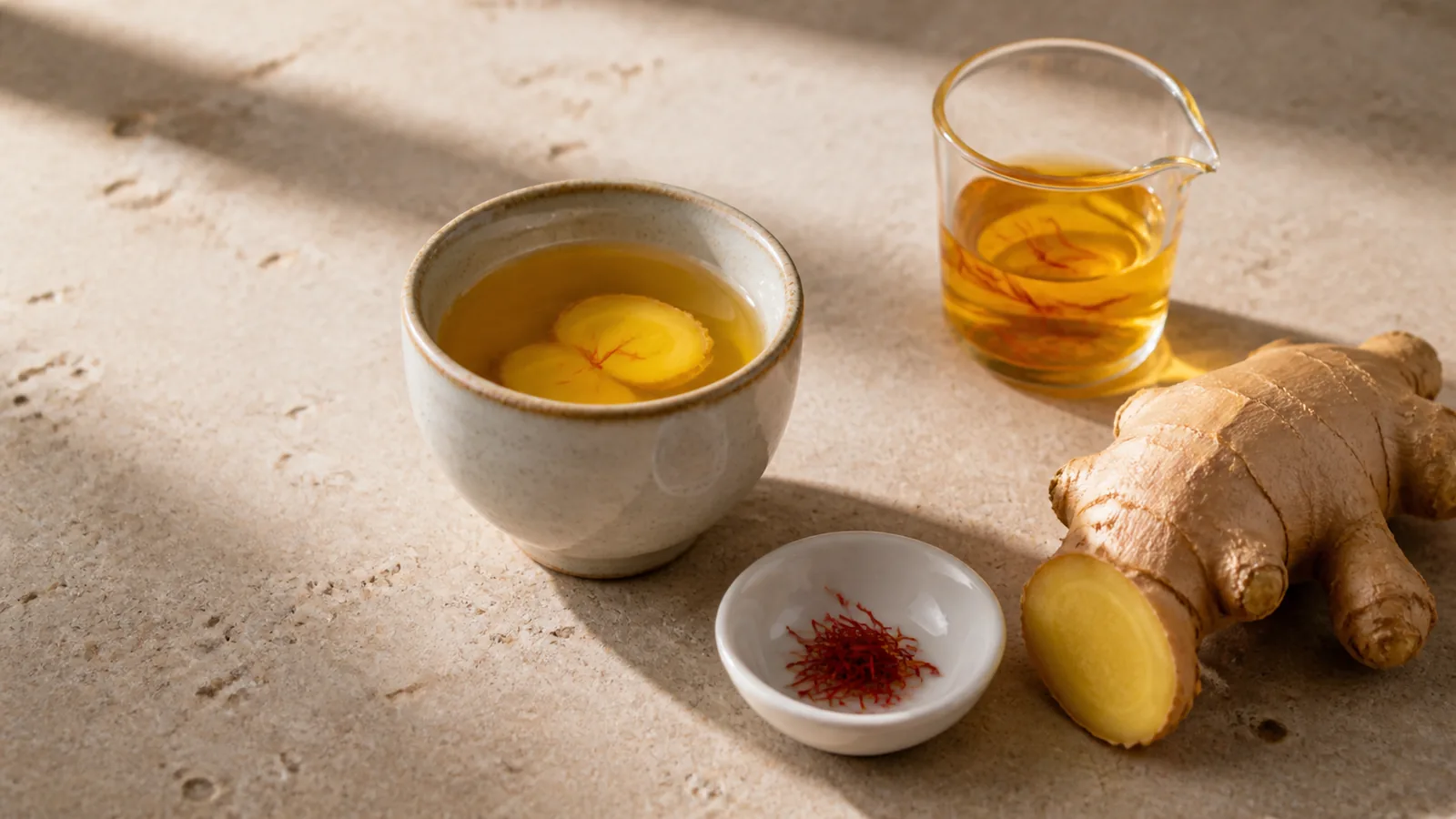
How much saffron is too much cannot be answered safely with one number for every thread, tea, powder, capsule and extract. Products vary in composition and concentration, and loose threads vary in size. Counting strands is therefore a poor way to copy a research dose or judge an overdose.
A 2026 systematic review of saffron adverse events found that single-ingredient preparations were generally tolerated in clinical trials, but adverse effects still occurred and were most often gastrointestinal. The authors identified greater monitoring concerns around higher-dose or prolonged medicinal use. That finding supports moderation and product-specific advice; it does not create a household “recommended limit.”
Nausea, vomiting, diarrhoea, abdominal discomfort, headache, dizziness, sleepiness, agitation, rash or another new symptom after taking saffron deserves attention. Stop the product and seek advice if symptoms are persistent, recurrent or concerning. Severe symptoms, collapse, breathing difficulty, uncontrolled vomiting, unusual bleeding, a seizure or altered consciousness require urgent care. Keep the package available so clinicians can see the ingredients and strength.
If a child swallowed a concentrated product, you took much more than intended, or the substance may not be true saffron, contact your local poison service or emergency service promptly. Do not wait for symptoms or induce vomiting unless a professional tells you to. Our evidence-led guide to too much saffron explains why popular gram thresholds are not reliable self-dosing rules.
Do not use a product you cannot identify or trust
True culinary saffron is the dried red stigma of Crocus sativus. Do not consume a decorative garden crocus, an unidentified flower or “meadow saffron” (Colchicum autumnale), which is a different and poisonous plant. A name that includes the word saffron does not prove the plant is edible.
Set aside a package with a broken seal, damp or mouldy threads, insects, a chemical odour, undeclared ingredients or a label that does not match what you ordered. Powder and mixed supplements make visual identification harder. Contact the seller about a quality problem and report a suspected supplement reaction through the FDA’s adverse-event guidance if you are in the United States.
Use saffron for flavour, not in place of care
Do not use saffron to delay assessment of persistent pain, bleeding, breathing problems, low mood, fertility concerns or another unexplained symptom. It should not replace prescribed treatment, and the possibility that an extract helped an outcome in one trial does not prove that tea or culinary threads will treat the same condition.
The simplest rule is to match caution to exposure. Use genuine saffron sparingly as food if it is appropriate for you. Pause and get individual advice before concentrated or medicinal use when pregnancy, medicines, surgery, allergies or health conditions are involved. If a reaction has already started, deal with the reaction first and leave the product alone.