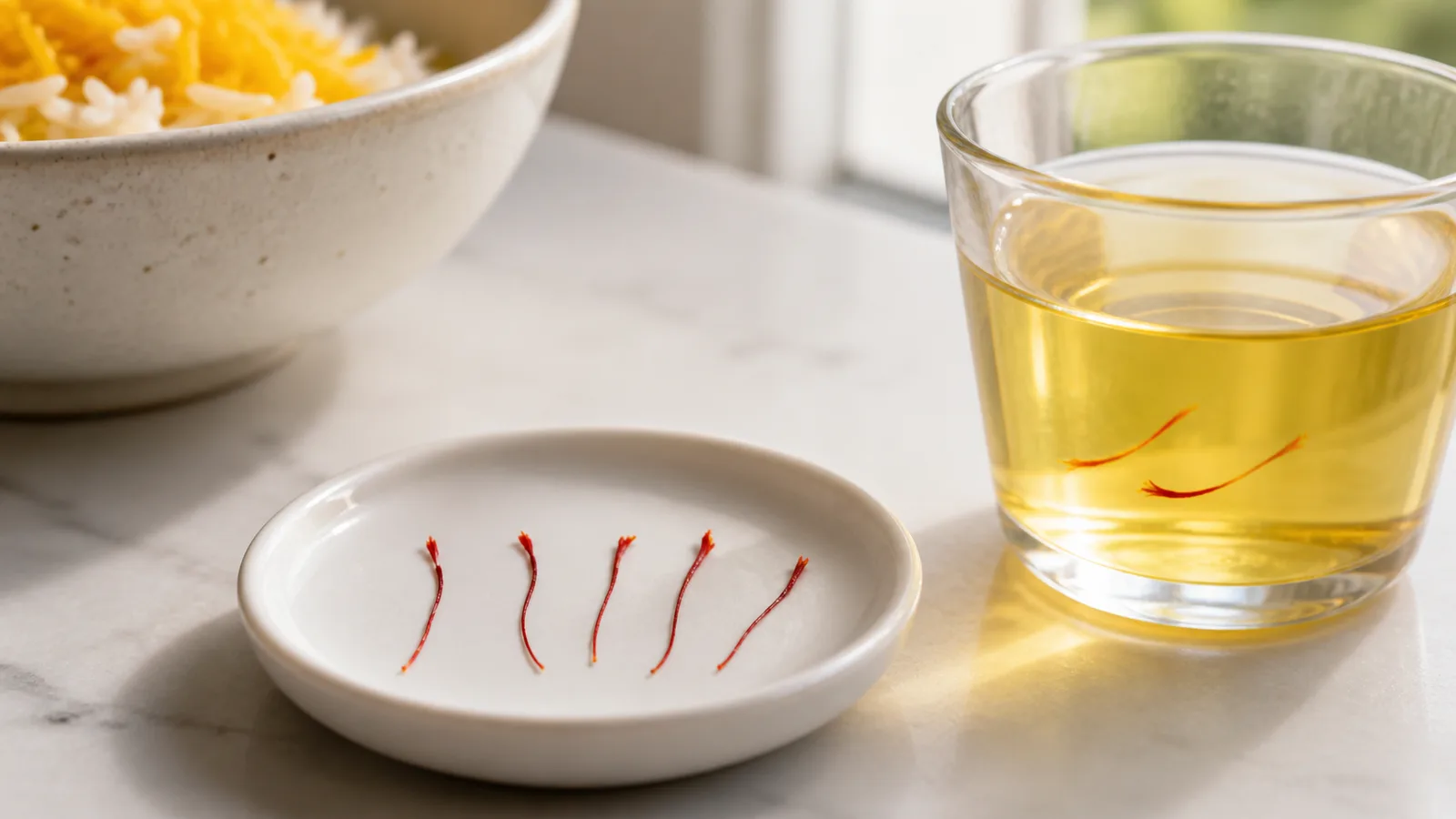
Is Excessive Saffron Consumption Harmful?
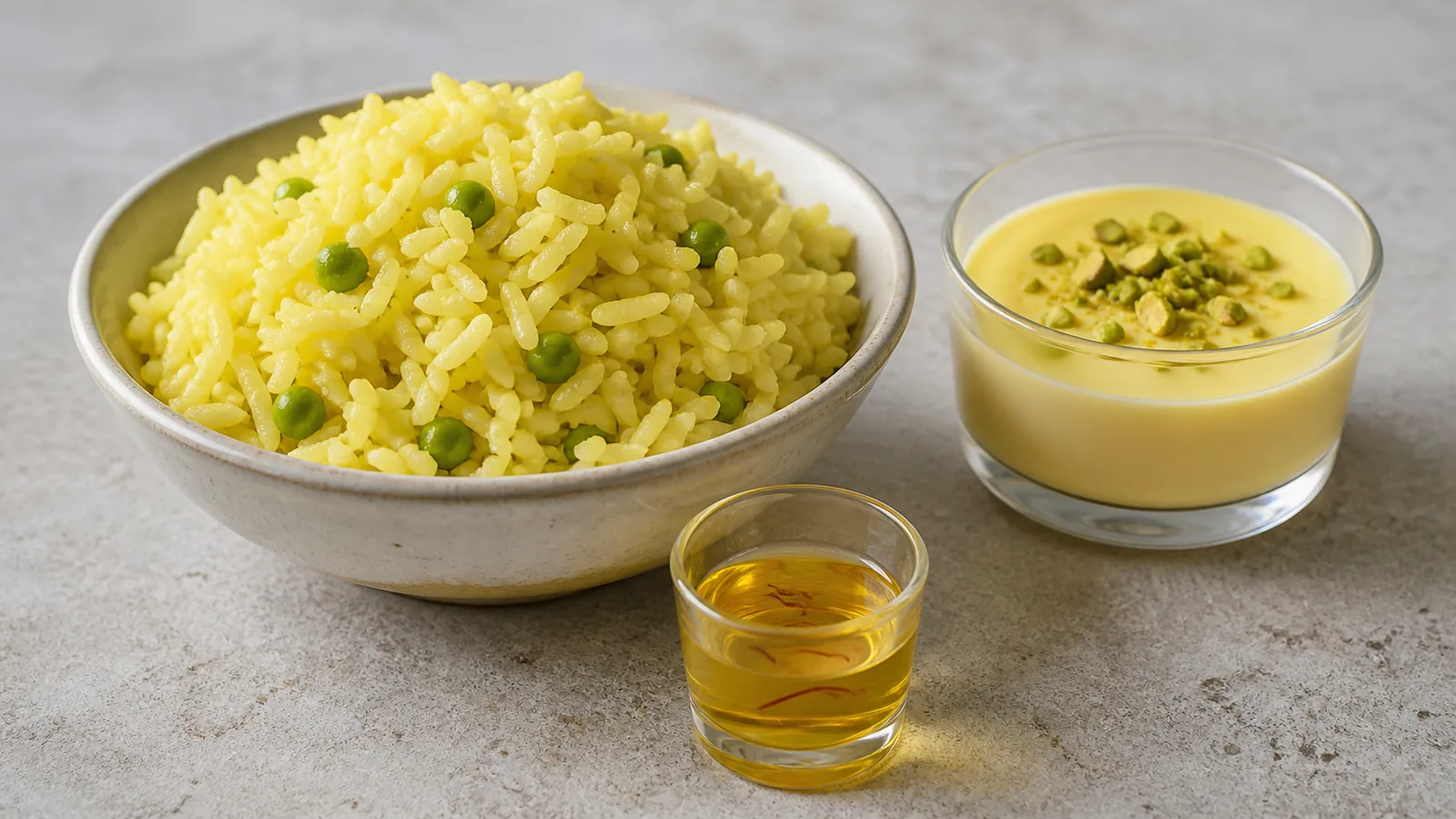
Yes, too much saffron can be bad for you. The small amount used to flavour rice, tea or dessert is different from swallowing a concentrated extract or a large quantity of threads. Ordinary culinary use is generally the lower-risk context; there is no single gram figure that makes every product and every person safe.
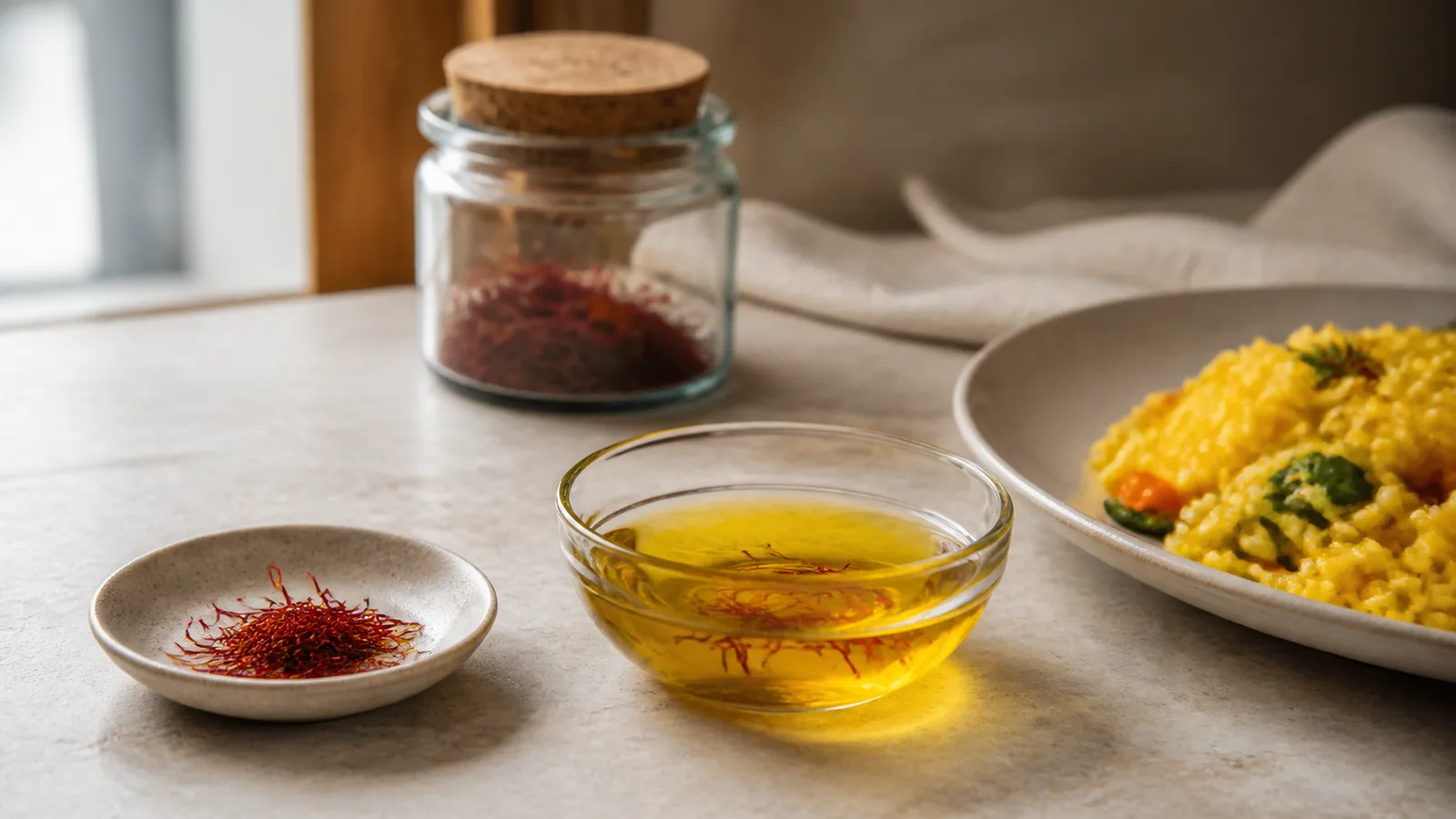
Eating too much saffron can require prompt advice. If you think you have taken a large amount, or you feel unwell after using saffron, do not wait for a blog threshold. Contact a local poison service, pharmacist, doctor or emergency service and tell them the product, form, amount and time of use.
How much saffron is too much?
Saffron safety depends partly on the form. Whole threads, powdered spice and standardised extracts are not interchangeable. Thread size and moisture vary. Powder packs densely and is difficult to inspect. An extract may be concentrated to particular compounds. A milligram number from a clinical trial therefore cannot be translated into a safe spoonful or strand count for an unrelated retail product.
The US Food and Drug Administration lists saffron for use as a natural flavouring and colouring ingredient in food, under good manufacturing practice. That supports its ordinary seasoning role; it is not approval of a self-prescribed medicinal dose, and it does not guarantee the identity or quality of every supplement sold online.
The previous version of this article treated two widely repeated gram cut-offs as universal facts. Human evidence does not justify using those numbers as a home dosing rule, so they have been removed. Safe use depends on the actual preparation, duration, medicines, health conditions, pregnancy status and the reason for taking it.
What side effects have been reported?
A 2026 systematic review of saffron adverse events included 102 clinical trials and one case report. Saffron monopreparations were generally tolerated, but adverse events were still recorded; gastrointestinal problems were the most frequent and were usually minor and self-limiting. The authors cautioned that some potentially significant events with higher-dose or prolonged medicinal use may justify clinical monitoring.
That evidence supports a measured answer, not a dramatic list of guaranteed symptoms. Nausea, stomach discomfort, vomiting or diarrhea can occur, but any of those symptoms has many possible causes. Dizziness or feeling faint also deserves attention, especially if it follows a supplement, a larger-than-food amount or use alongside medication.
Can saffron cause diarrhea?
Yes, diarrhea has been reported during saffron use, particularly in medicinal-use evidence, but it is not proof that saffron caused every episode. Stop the suspected product, drink fluids as appropriate and seek medical advice if symptoms are severe, persistent, bloody, accompanied by marked weakness, or occurring in a child, older adult or someone with a significant medical condition.
Kesar is another common name for saffron, so searches for “kesar side effects” describe the same spice, Crocus sativus. A product sold under either name can still differ in purity, dose and form.
What counts as a saffron overdose?
A saffron overdose is an amount that produces toxicity or requires clinical assessment; it cannot be diagnosed from a fixed online number alone. A small amount used in food is not the same situation as suspected saffron poisoning or saffron toxicity. If a person has swallowed a large quantity of threads, powder or capsules, keep the container and ingredient label. Do not induce vomiting unless a poison professional instructs you to do so.
Seek urgent help for trouble breathing, facial or throat swelling, collapse, confusion, a seizure, persistent vomiting, severe weakness or any rapidly worsening symptom. These are general emergency signs, not a claim that saffron always causes them.
A small placebo-controlled study in 30 healthy adults tested saffron tablets for seven days and found changes in blood pressure and some laboratory measurements at the tested amounts, even though the changes remained within clinical ranges in that short trial. The study is useful evidence that a “natural” product can have measurable effects. It does not establish a universal overdose threshold.
Pregnancy, breastfeeding, children and medicines
Pregnancy is not the time to experiment with saffron supplements or large quantities. A 2026 review of saffron use in pregnancy found the clinical efficacy and safety evidence limited and inconclusive. That uncertainty is a reason to ask an obstetric clinician, not a reason to assume either guaranteed harm or guaranteed safety.
The same caution applies during breastfeeding and before giving a supplement to a child. People taking prescription or over-the-counter medicines, preparing for surgery, or managing blood pressure, bleeding, mood, kidney, liver or other medical conditions should discuss the exact product with a qualified professional. The FDA advises reviewing supplements alongside medicines and highlights particular concerns around pregnancy, breastfeeding, children and surgery.
Food use is not the same as supplement use
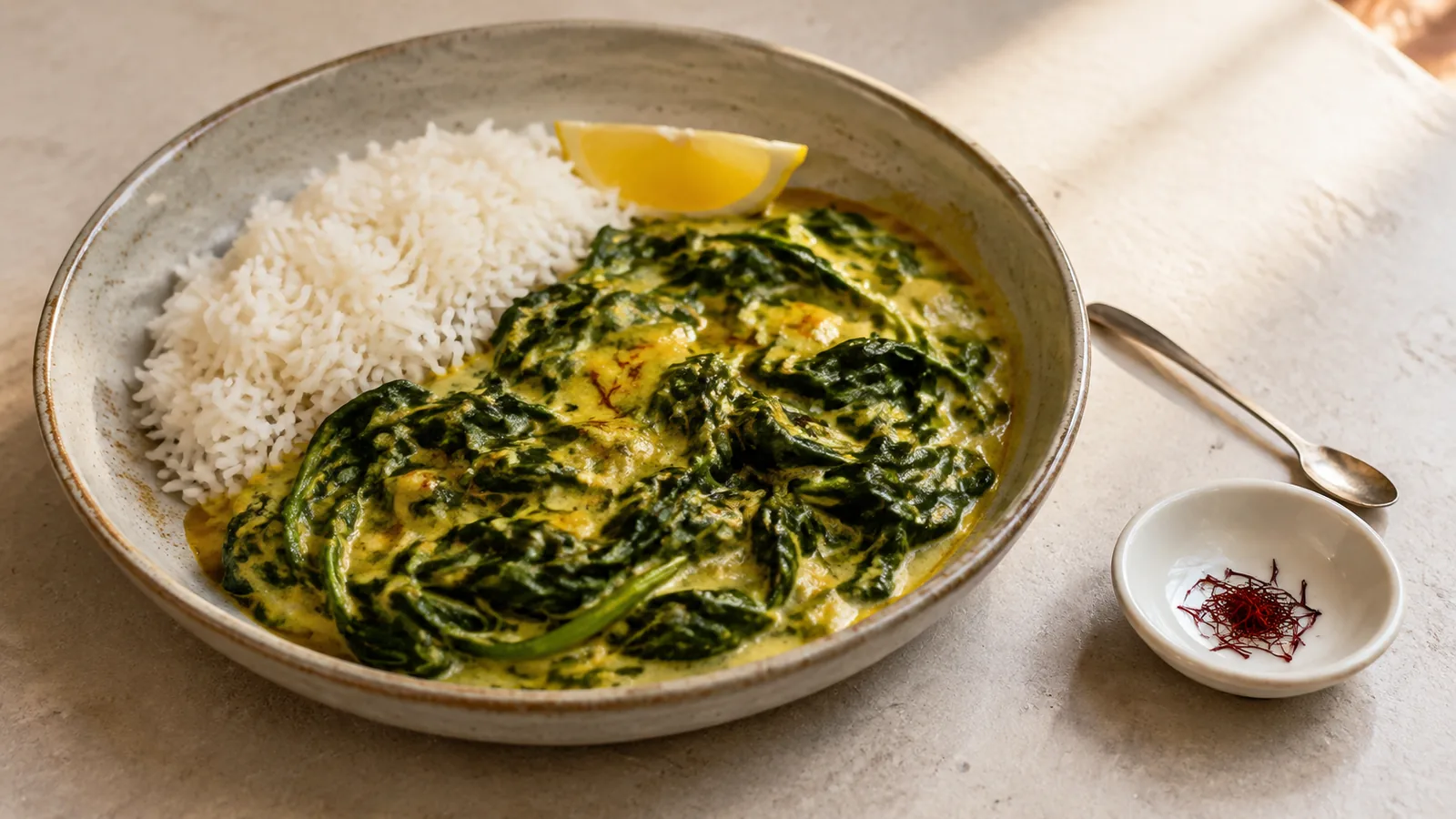
A few threads bloomed for a pan of rice are used for taste, aroma and colour. A daily capsule is a repeated exposure with a labelled dose, extract ratio and other ingredients. Do not assume that a supplement is simply “food in a smaller container,” and do not replace the label dose with a guessed number of threads.
If you use saffron in cooking:
- start with the modest amount the recipe calls for;
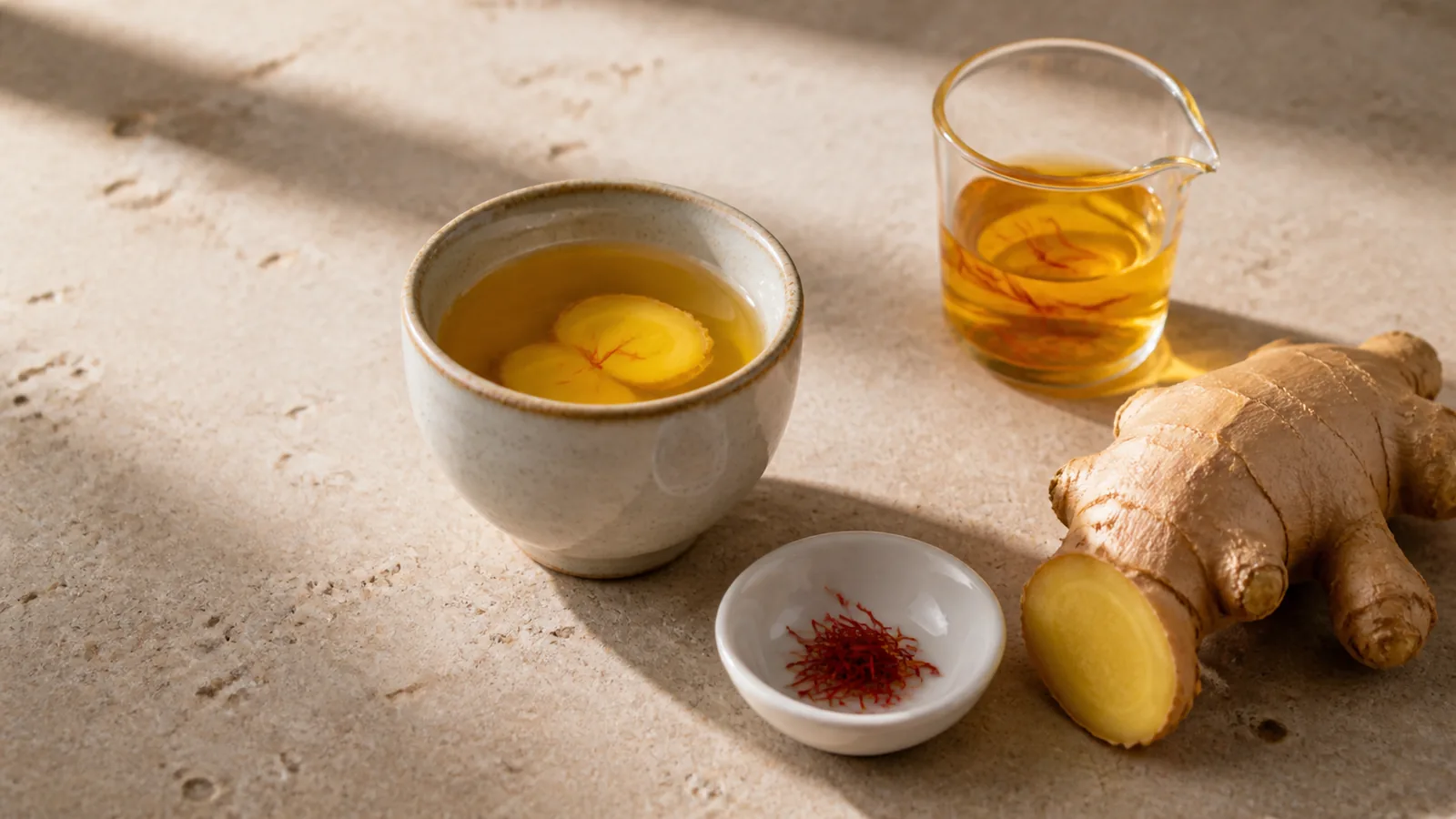
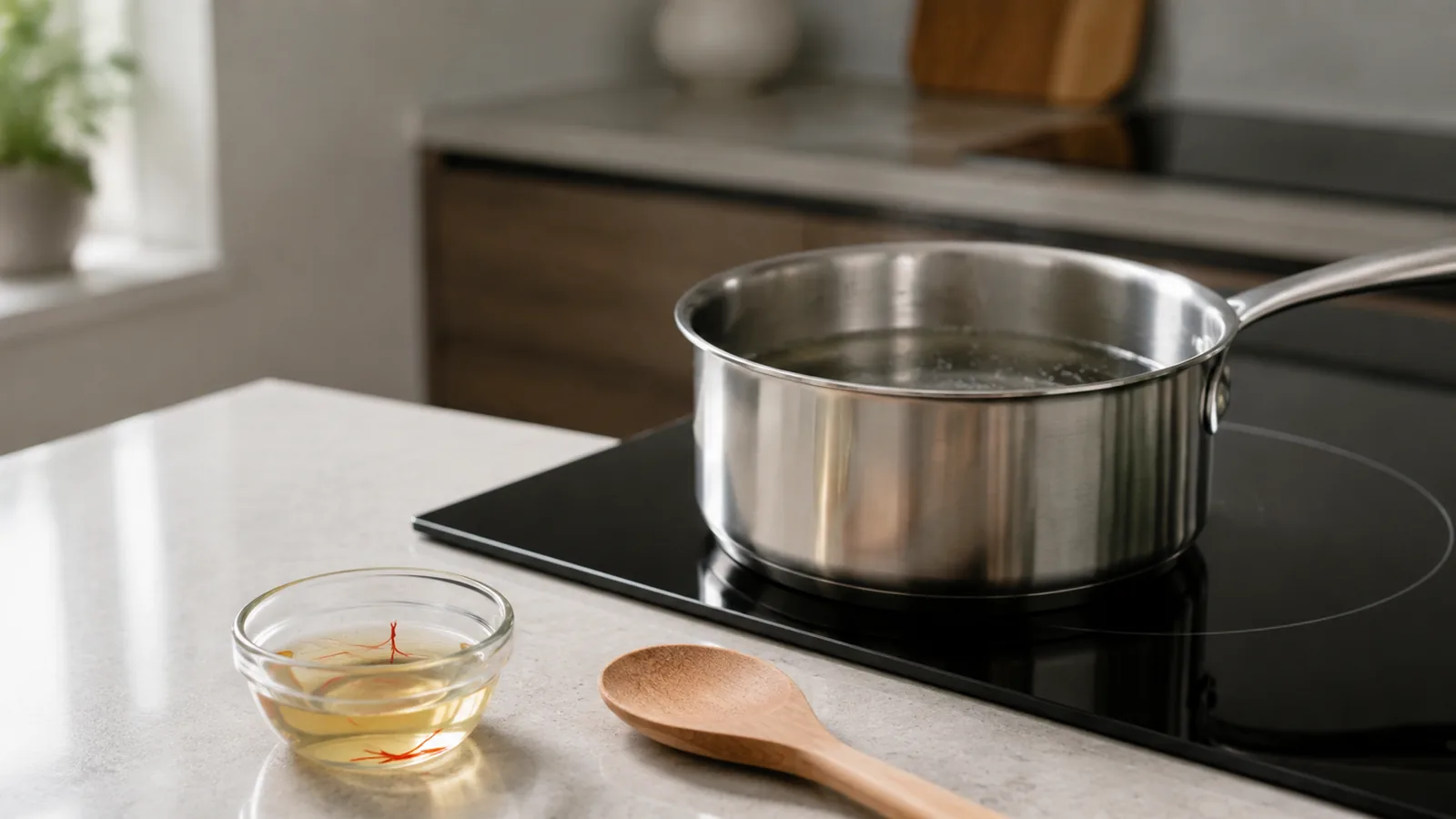
- bloom the threads in warm liquid so a small quantity spreads through the dish;
- do not add more simply to make the colour darker;
- store it dry, sealed and away from light; and
- stop using a product that smells unusual, appears dyed or causes a reaction.
Our guide to a culinary saffron strand count explains why a small pinch is a cooking reference rather than a medical dose.
Quality affects the risk question too
Saffron is vulnerable to substitution and adulteration. Buy from a seller that identifies the spice as Crocus sativus, supplies clear pack information and does not make treatment or cure claims. Whole threads are usually easier to inspect than anonymous powder, although appearance alone cannot certify purity. Our all-red saffron selection shows the culinary form we sell.
So, is too much saffron bad for you? It can be. Keep culinary use modest, treat supplements as a separate health decision and get individual advice when medicines, pregnancy, illness or a suspected overdose are involved. The safest response to concerning symptoms is prompt professional help, not another internet dose chart.