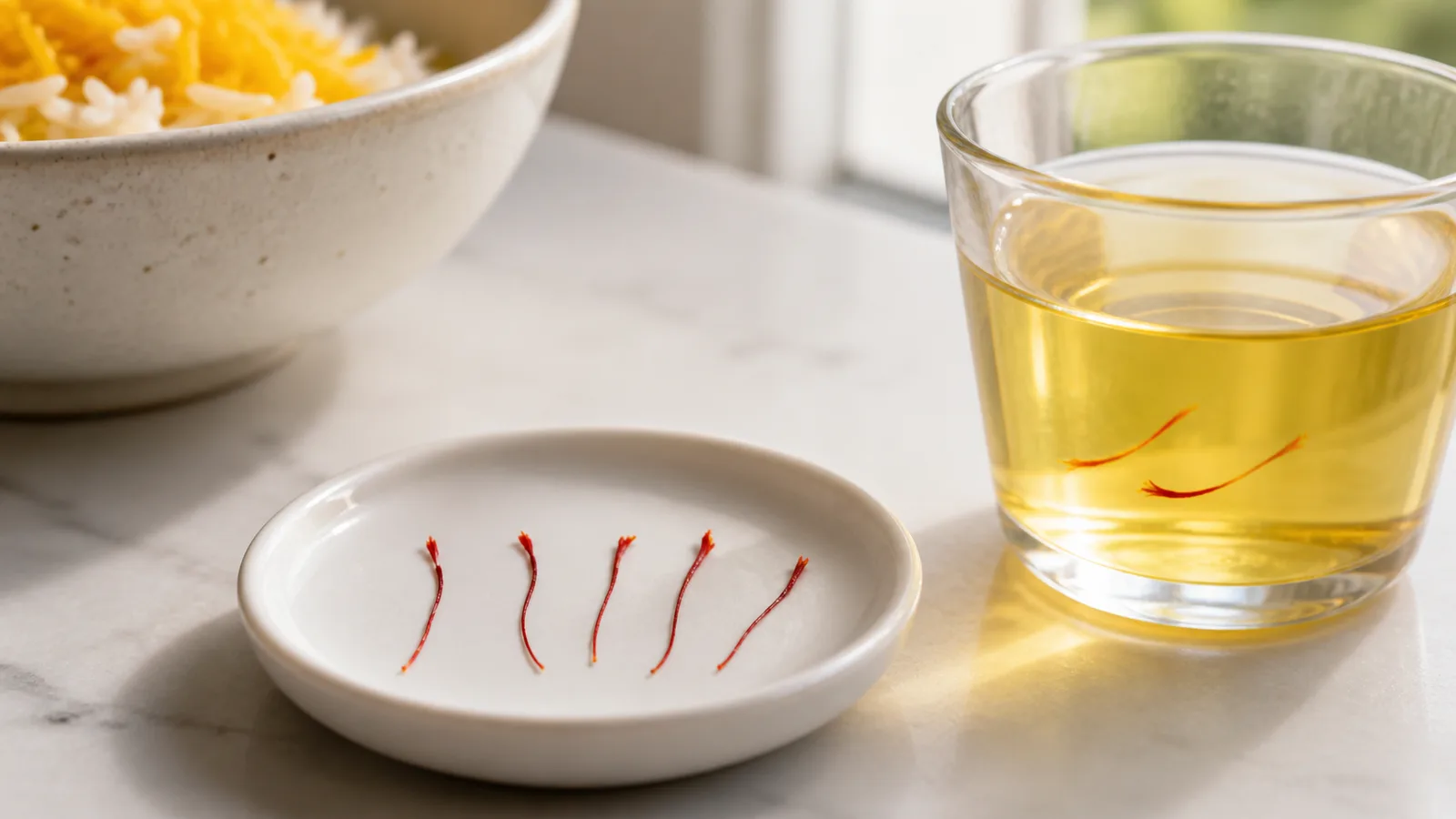
How Many Strands of Saffron to Eat a Day?
Can you eat saffron threads? Yes, the dried strands are edible, and a small pinch is all most people need. In cooking, a common amount is about 10 to 15 saffron strands a day, stirred into food or drinks such as tea. This is a culinary guideline, not a medical dose.
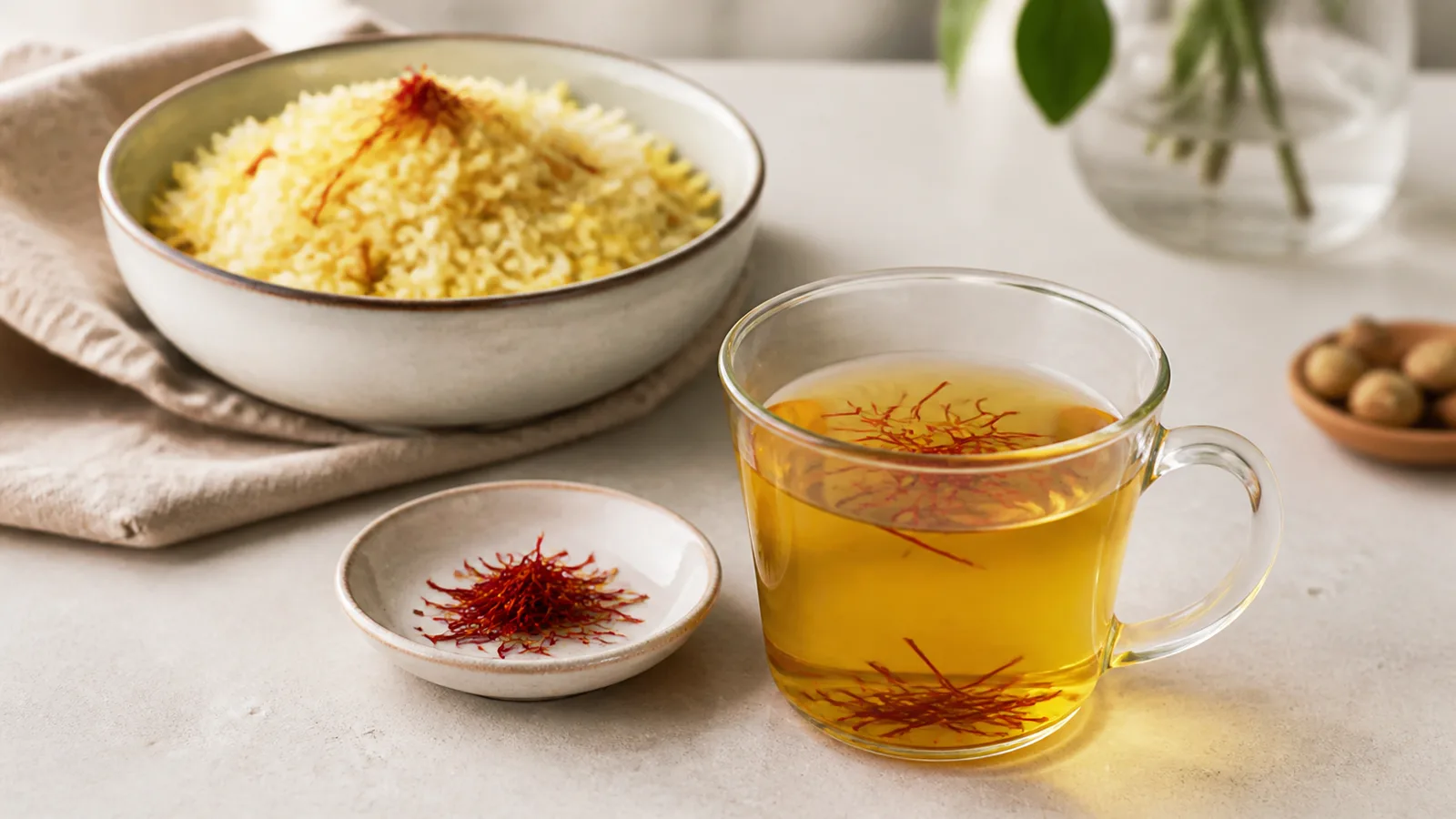
There is no medically established daily requirement for saffron and no dependable health dose measured by counting threads. Strands differ in length, thickness, moisture and whether they are whole or broken. Ten threads from one pack may not weigh the same as ten from another. If you use saffron as a spice, treat 10–15 strands as a practical starting pinch for one person, not a target you must consume every day.
Why a strand count cannot tell you a milligram dose
Searches such as “how many strands is 30 mg of saffron?” assume every strand has a standard size. It does not. A long, intact stigma branch can weigh several times as much as a short broken piece, and storage conditions can change moisture. Counting is convenient in the kitchen; it is not a sound way to reproduce a research dose.
If a clinician or a labelled supplement specifies milligrams, use that exact, identified preparation as directed. Do not open a capsule, replace it with an estimated number of culinary threads or assume that 30 mg of one standardised extract equals 30 mg of whole saffron. Extracts may be concentrated or standardised to particular compounds, while culinary saffron is the dried stigma itself.
Can You Eat Saffron Threads Directly?
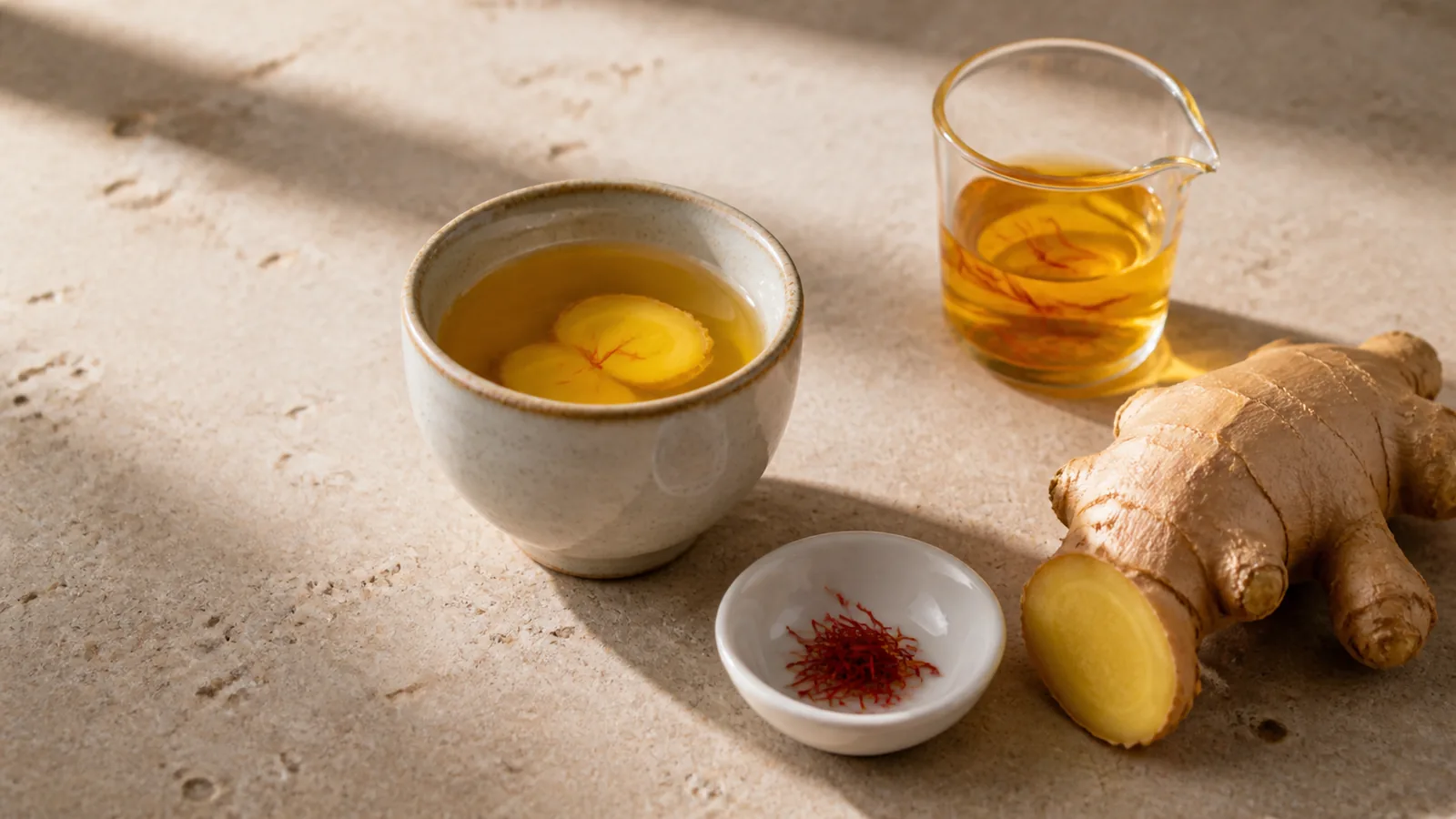
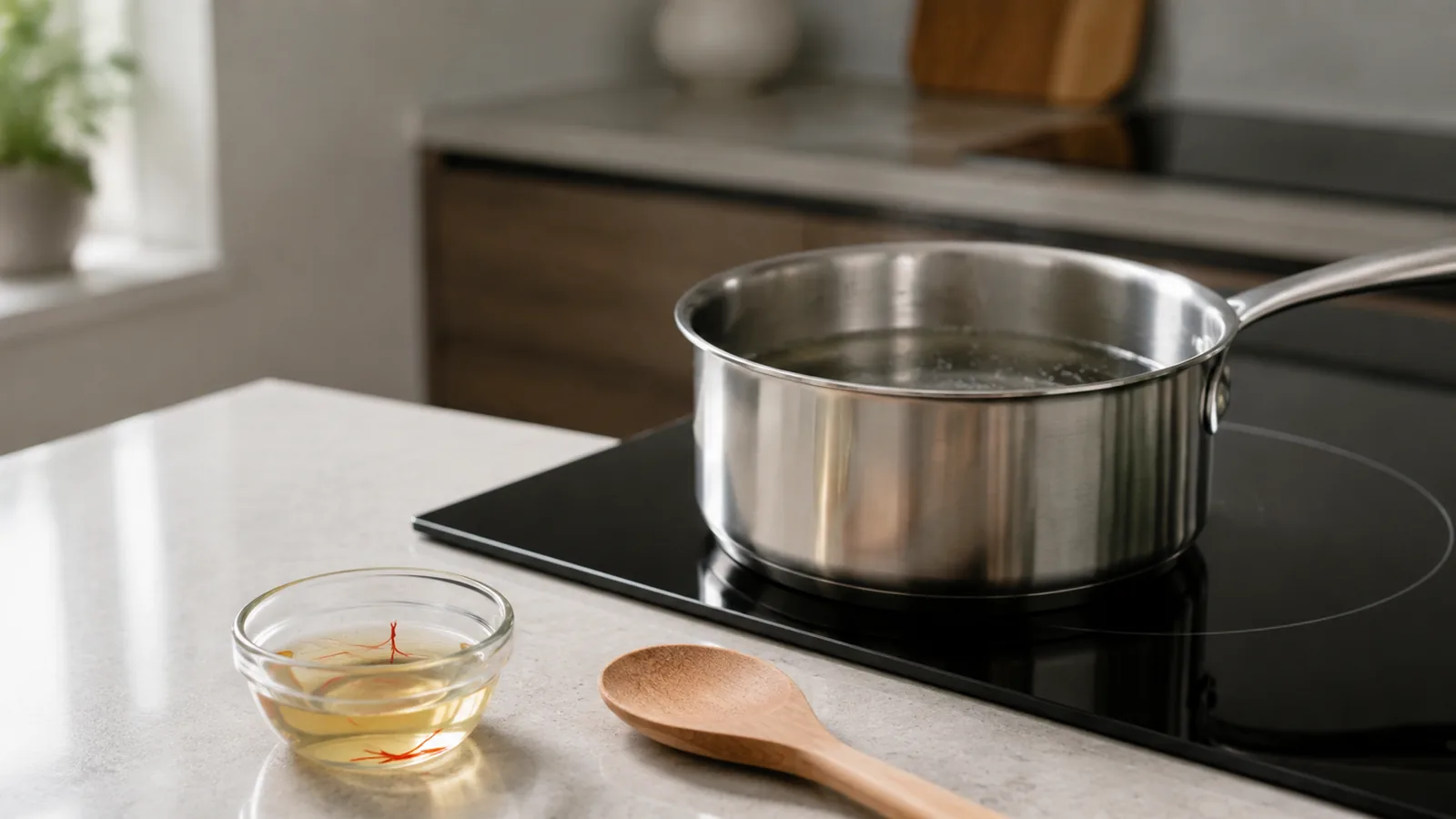
You can eat saffron threads raw, but swallowing them dry offers no known advantage. In food, gently crushing and steeping the threads in warm water, milk or broth helps distribute their colour, aroma and flavour instead of leaving a few concentrated bites. Ten to fifteen minutes is a useful kitchen steep; add both the liquid and softened threads to the dish.
If you prefer to chew one or two threads to check their character, expect a slightly bitter taste. Do not use taste alone as a purity test, and do not eat an unfamiliar product that may contain dye, filler or non-saffron fibres. Our guide to eating saffron raw explains direct use in more detail.
Ways to use 10–15 saffron strands
A small pinch is easiest to use when it is spread through a serving rather than swallowed at once:
- For saffron tea, steep the threads in hot water and drink it for flavour; do not present the cup as a treatment.
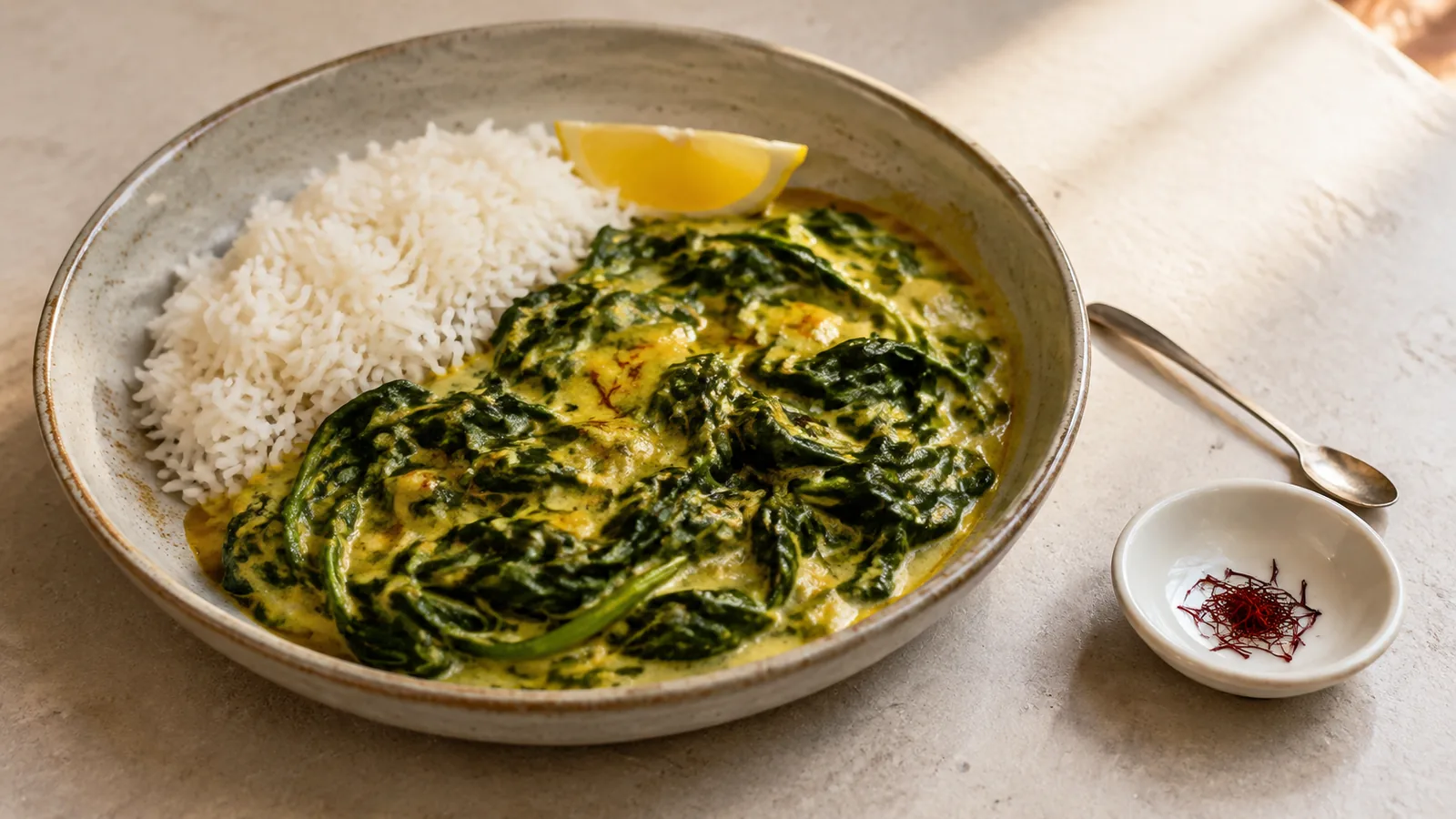
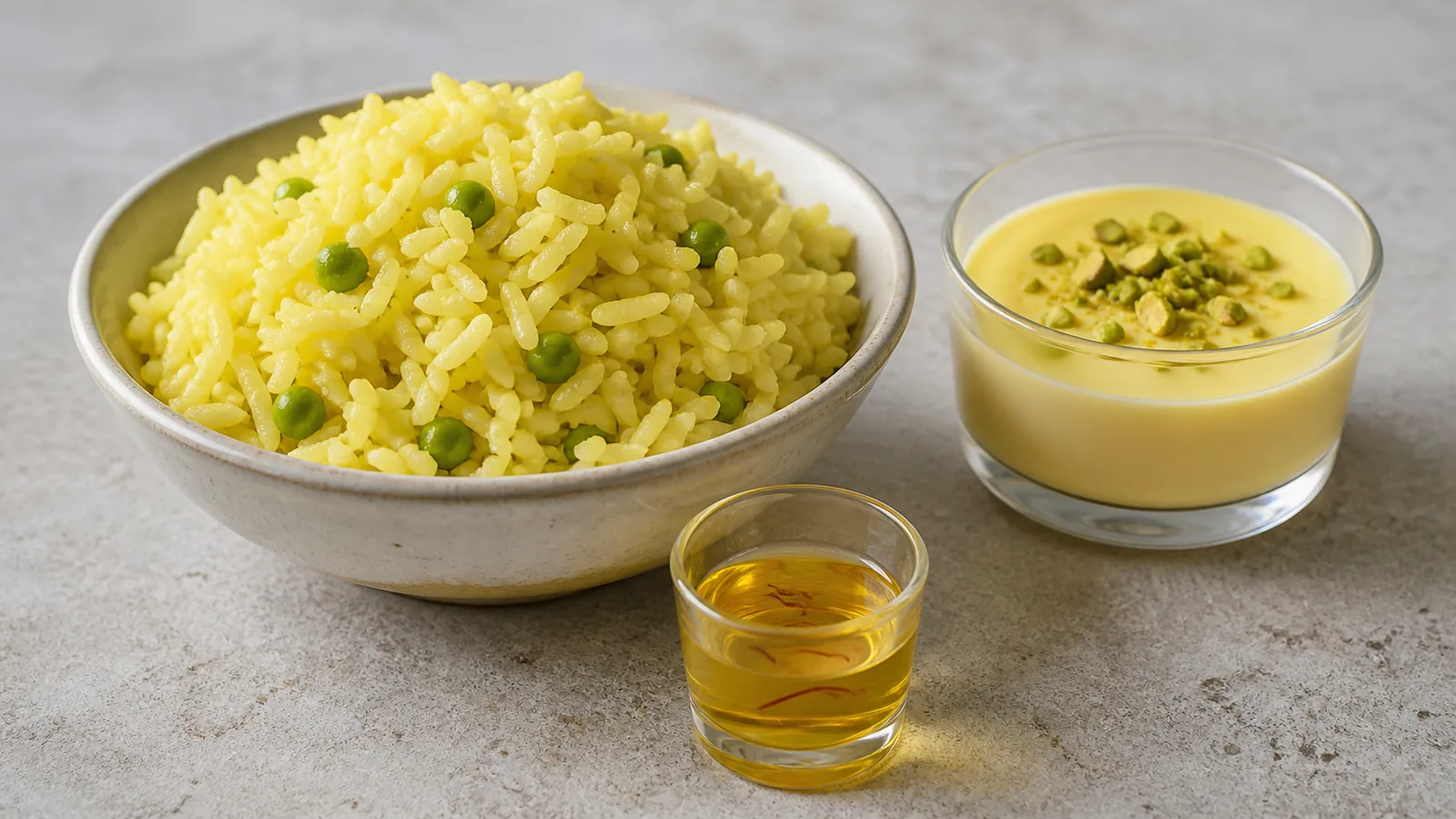
- For rice, bloom the threads in a spoonful of warm water, then stir or layer the infusion through the cooked grains.
- For milk, custard or dessert, steep the threads in some of the recipe’s warm liquid before combining it with the rest.
- For soup or sauce, add the prepared infusion late enough that its aroma remains noticeable.
The same pinch can taste very different across dishes. Plain rice reveals saffron readily; a strongly spiced stew may mask it. Add more for culinary reasons only after tasting, not because a strand-count article has turned a flexible seasoning into a daily quota.
What studies using 15, 28 or 30 mg actually mean
Clinical papers often test a named saffron extract or a defined preparation for a fixed period in a selected group of participants. Those numbers describe the study material, not a general recommendation and not an equivalent number of retail threads. For example, trials have examined standardised extracts at particular daily amounts, but that does not show that everyone should take the same dose or that loose spice will have the same composition.
A 2026 systematic review of adverse events examined 102 clinical trials and one case report involving saffron monopreparations. It found that saffron was generally tolerated, while adverse effects—most often gastrointestinal problems—were still reported and higher-dose or longer medicinal use warranted clinical monitoring. That is a more careful conclusion than saying that any amount used in a trial is automatically safe for everyday self-treatment.
The colour, bitterness and aroma of saffron come principally from crocins, picrocrocin and safranal. Research interest in those compounds does not turn a kitchen pinch into a proven therapy. Use food for enjoyment; discuss a supplement or health goal with a qualified professional.
Safety Considerations for Saffron Consumption
Normal seasoning use and concentrated supplementation are different decisions. The US Food and Drug Administration lists saffron for use as a flavouring and colouring ingredient in food, subject to good manufacturing practice. That status does not certify every online product, promise a health benefit or establish a personal medicinal dose.
Speak with a healthcare professional before using saffron as a supplement if you:
- are pregnant, trying to become pregnant or breastfeeding;
- take prescription or over-the-counter medicines;
- have a medical condition, are preparing for surgery or are treating a symptom;
- want to give a supplement to a child; or
- have previously reacted to saffron or another plant product.
The FDA advises discussing medicines and dietary supplements together with a health professional, with particular caution around pregnancy, breastfeeding, children and surgery. Stop using the product and seek appropriate medical help if you develop a concerning reaction. For an unexpectedly large ingestion or acute symptoms, contact a local poison service or emergency clinician rather than relying on a blog threshold.
How much saffron is too much?
There is no universal “too much” number that can be safely expressed as strands. Body size, pregnancy, medicines, health conditions, the actual product and whether it is food or an extract all change the question. Old online claims about a single safe gram limit or a fixed toxic dose should not be used for self-dosing.
For cooking, excess usually announces itself first through waste and bitterness. Start with 10–15 strands for an individual serving, bloom them and taste the finished dish. A family recipe can be scaled carefully, but a large pile of saffron is no longer an ordinary seasoning pinch and should not be swallowed as an experiment.
Choosing threads for everyday cooking
Whole red threads are easier to inspect than an anonymous powder. Look for a seller that identifies the product as Crocus sativus, protects it from moisture and light, and provides clear pack information. Store the jar tightly closed in a cool, dry cupboard. You can view our all-red saffron selection when you need culinary threads.
So, how many saffron strands per day? For ordinary food or tea, 10–15 strands is a modest culinary starting point, not a prescription and not a requirement. Count for flavour; use an identified product and professional guidance when the purpose is medical.