Is It Safe to Eat Saffron Without Cooking?
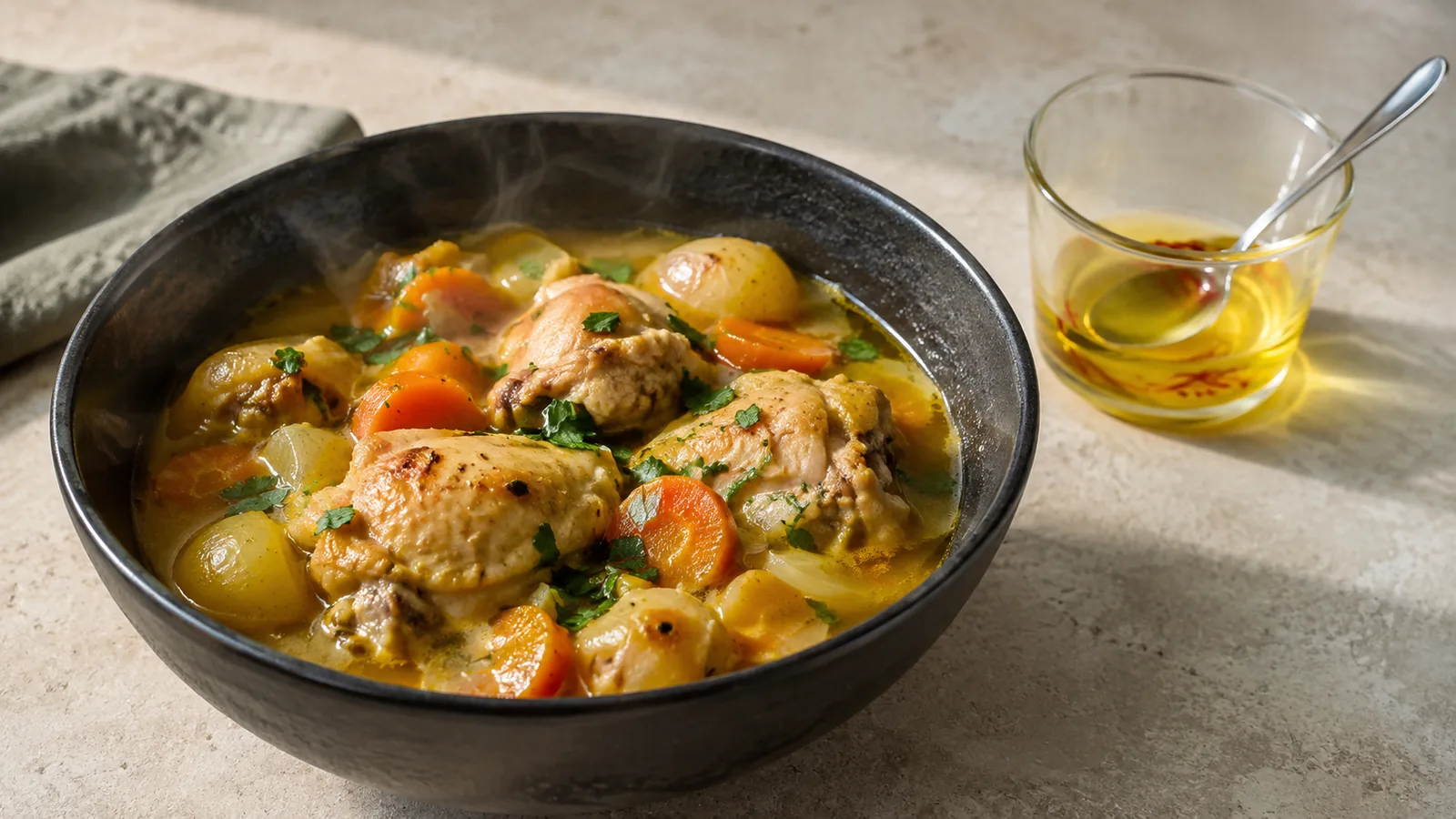
You can eat saffron raw, but it is rarely the best way to enjoy this spice. Raw saffron threads taste bitter and feel dry. Their strong pigment can stain your tongue and teeth. For this reason, most chefs bloom saffron in warm liquid before adding it to recipes. This method improves both taste and aroma while avoiding unwanted staining.
Can saffron be eaten raw? Yes. Saffron threads are edible. If your question is “Can I eat saffron threads directly?”, you can chew or swallow a few genuine strands, and you do not have to remove them from a finished dish. “Raw saffron” usually means the dried red stigmas of Crocus sativus eaten without blooming or cooking; the commercial spice is not normally a fresh flower straight from the field.
The important words are genuine and small culinary amount. An unknown dyed fibre, safflower or another plant sold under a similar name is not automatically safe because true saffron can be eaten.
What does saffron taste like when eaten raw?
A dry thread tastes earthy, slightly bitter and a little hay-like. The fragrance is more complex than the taste alone, with warm floral and honeyed notes that become easier to notice once the threads meet warm liquid. Eating a strand directly concentrates the bitterness in one spot; it does not show how saffron tastes in a balanced dish.
Texture is another reason people prefer preparation. A dried stigma is fine but fibrous. Blooming softens it and distributes its colour and aroma instead of leaving an intense thread on the tongue.
Can you eat saffron threads or swallow them?
Can you swallow saffron threads? Yes, in a normal food quantity. They do not need to be strained from tea, milk, broth or rice. Chewing them is also possible, although it offers no established health advantage over eating them as part of the dish.
Do not treat a loose handful as a serving simply because each strand is small. Thread size and weight vary, and a pinch shared among several portions is different from repeatedly swallowing concentrated material. If you are unsure what the fibres are, do not taste-test them to identify the product.
Safe Amounts and Health Considerations
Small amounts used in cooking are generally well tolerated by most adults. The US Food and Drug Administration lists Crocus sativus as a flavouring and colouring food substance. That food-use context is not a recommendation to eat a supplement dose of dry threads.
Clinical trials have used measured powders and extracts, sometimes around 30 mg per day and sometimes other amounts. Those figures describe particular study products and participants. They do not create a universal raw-saffron serving. Likewise, old thresholds such as “under one gram is safe,” “1.5 grams causes symptoms” or “5 grams is toxic” are not suitable home dosing rules.
A 2026 systematic review of human adverse events found saffron generally well tolerated, with gastrointestinal problems reported most often and usually described as mild. Higher or prolonged medicinal use may warrant monitoring. Our daily saffron safety guide explains why study doses, food portions and supplement labels should not be mixed together.
Best Way to Prepare Saffron
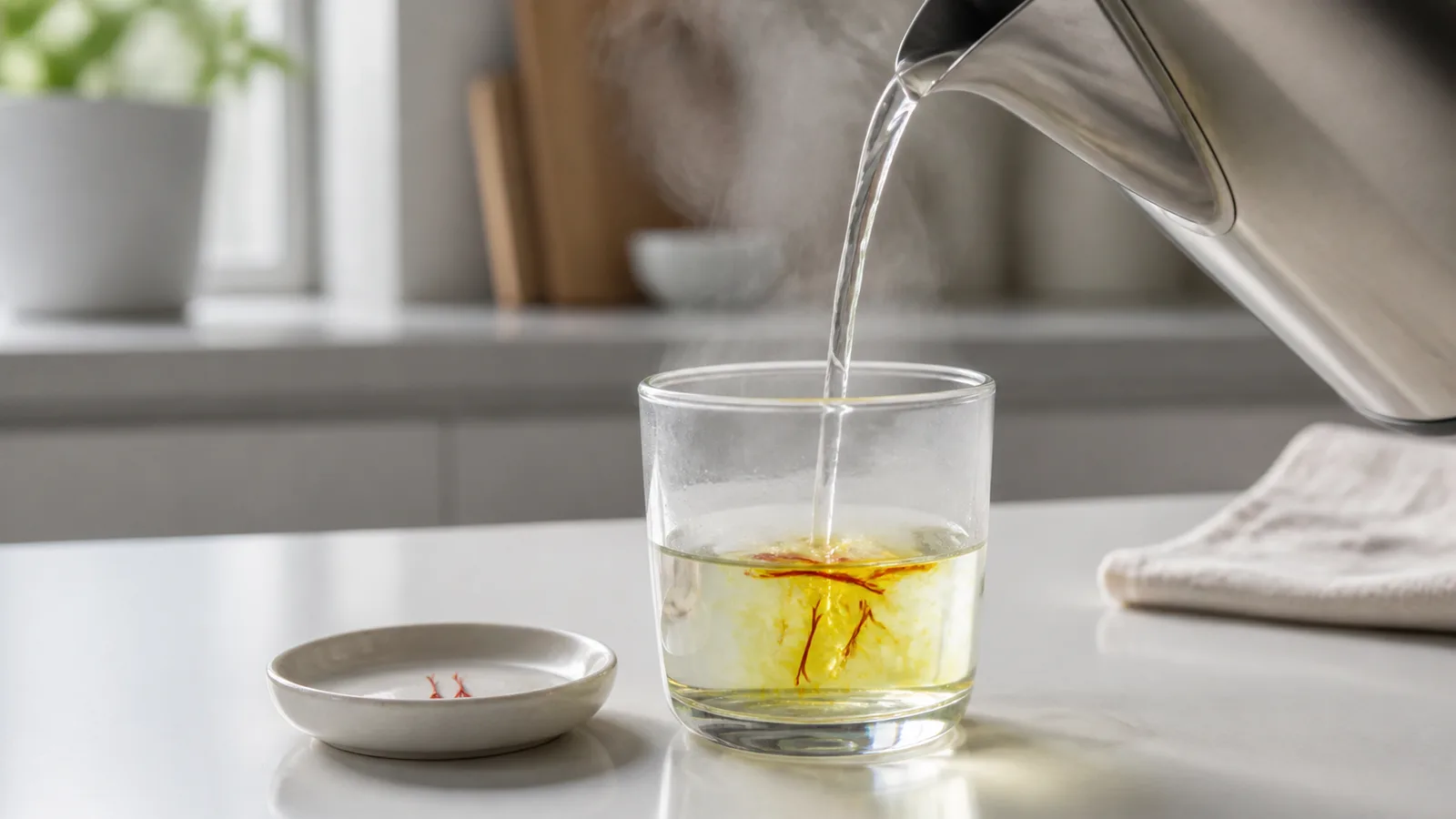
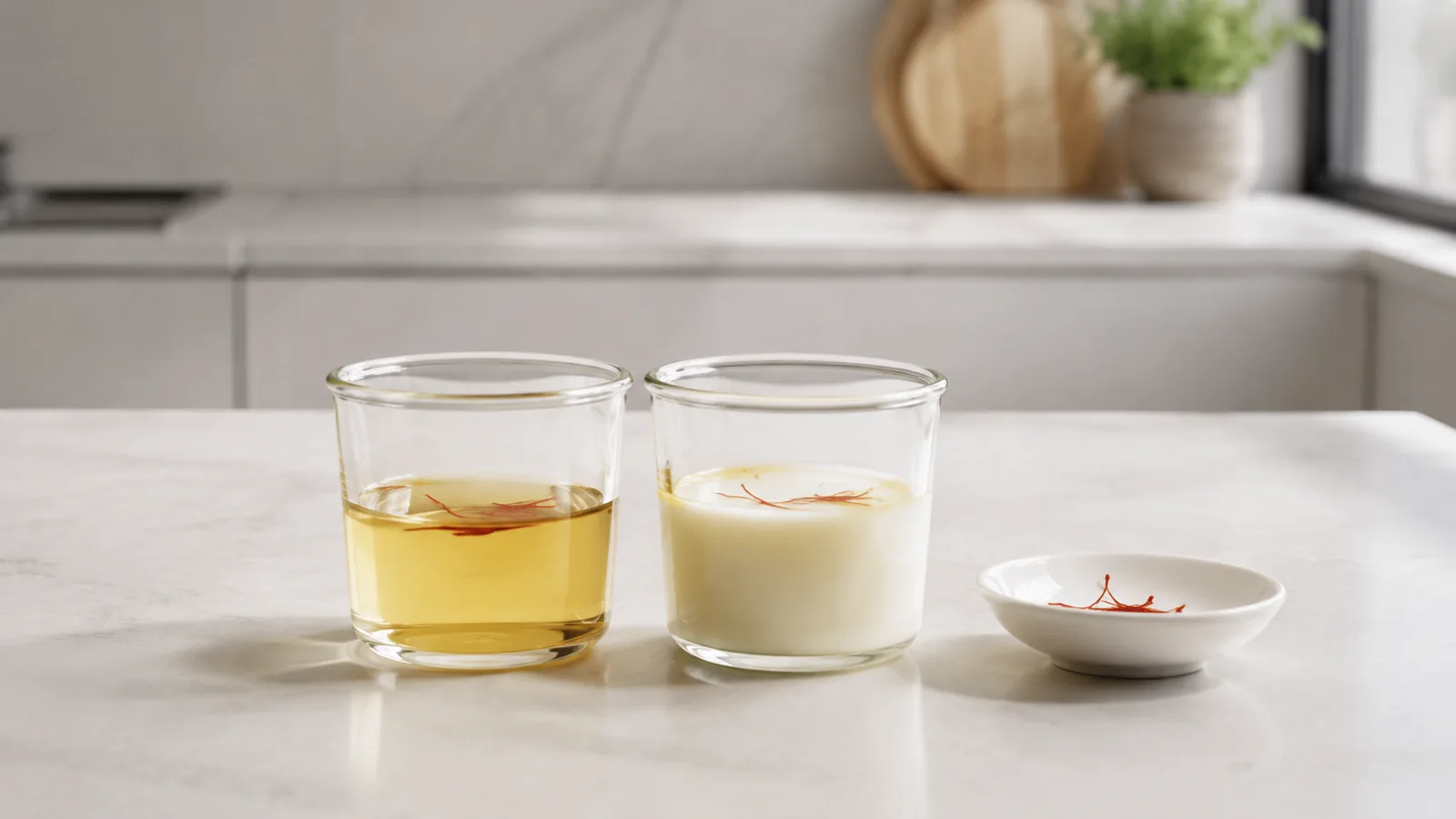
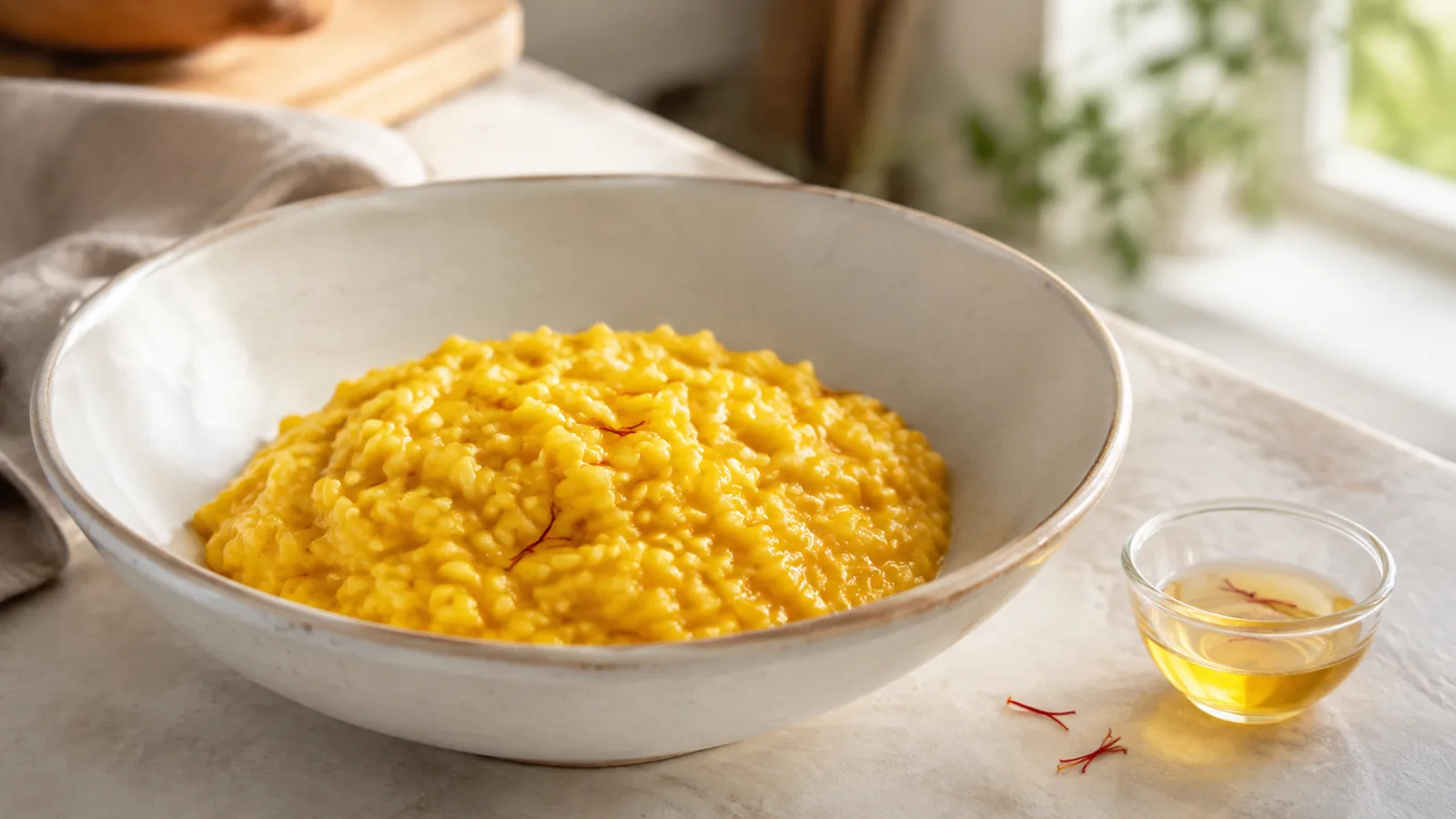
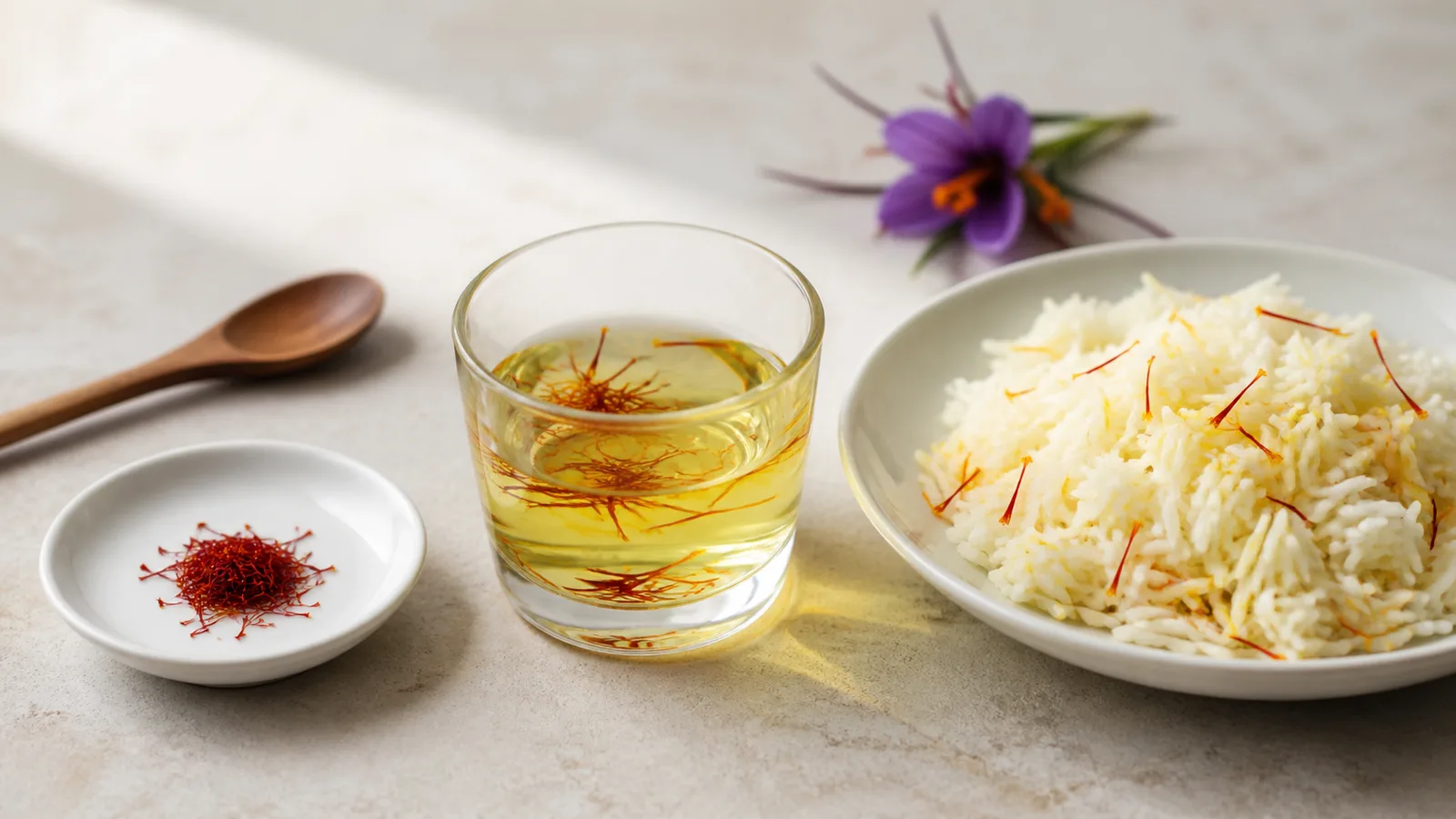
Blooming saffron before use brings out its full potential. If you are deciding how to eat saffron for the best flavour, place a pinch of threads in warm water, milk, or broth. Let it soak for ten to fifteen minutes. Press the threads lightly with a spoon to release flavor and color. The infusion then blends evenly into the dish.
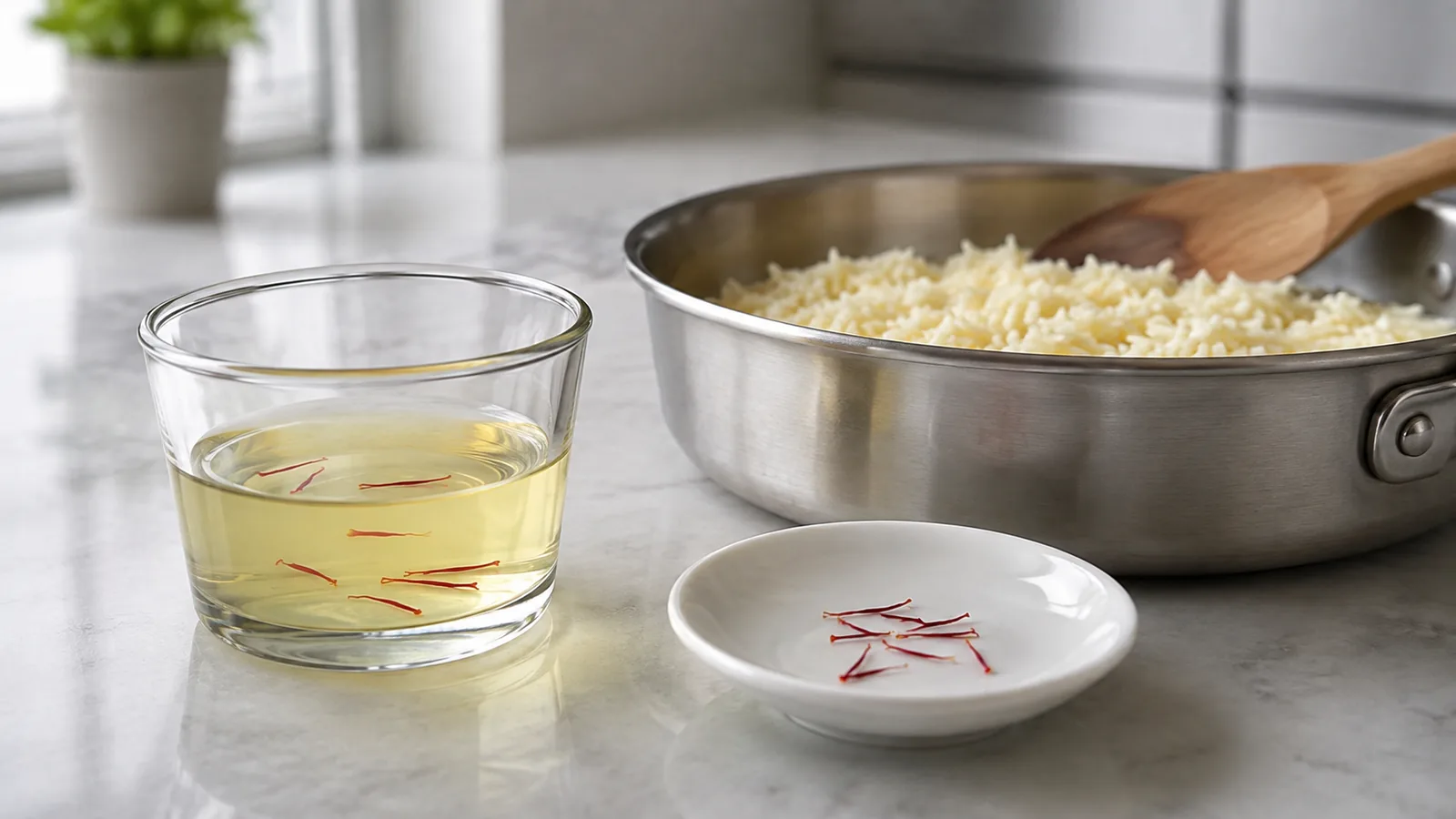
Use warm rather than aggressively boiling liquid and cover the small cup while it rests, so the aroma is not lost to the room. Add both the liquid and softened threads to rice, soup, sauce, custard or dough unless a recipe specifically asks you to strain them.
Grinding before blooming
For faster, more even release, crush the threads gently with a pinch of sugar or salt that already belongs in the recipe. A powder has more exposed surface area, so handle it carefully and use it promptly. Grinding is optional; whole threads work well when given enough time.
Using saffron with or without food
There is no need to eat raw saffron on an empty stomach. In food, it is easier to measure, gentler on a sensitive stomach and better dispersed. If you use tea or milk, remember that caffeine, sugar and other ingredients bring their own effects. A packaged extract should be used according to its label rather than treated like a kitchen pinch.
Why Preparation Improves the Experience
Tasting a strand raw reveals its intense flavor, but it often feels harsh. Blooming mellows the bitterness and spreads the fragrance throughout the dish. It also makes the golden colour easier to distribute, so one part of a recipe is not pale while another contains a dark, bitter clump.
A review of saffron’s chemistry and pharmacology describes the different sensory roles of crocins, picrocrocin and safranal, which contribute colour, bitterness and aroma. Preparation changes how readily you experience them; it does not turn the spice into a stronger medicine. There is no good evidence that swallowing raw threads provides more health benefit than using the same culinary amount properly in food.
Who should be cautious with more than food use?
A few threads in a shared meal are not the same as a strong drink or extract. Pregnant readers should not experiment with medicinal amounts. A 2026 review of saffron during pregnancy found limited and inconclusive evidence alongside dose-related concerns, including uterine stimulation and associations between higher or occupational exposure and miscarriage risk.
Breastfeeding evidence is also limited. Ask a pharmacist or clinician before concentrated use if you take prescription medicine, use several supplements, are preparing for surgery or manage a bleeding, blood-pressure, glucose, liver, kidney or mental-health condition. Young children should not be given dry fibres or supplements without age-appropriate advice; use saffron, if at all, as part of ordinary food.
Check that the threads are really saffron
True saffron consists of the dried red stigmas of Crocus sativus. Kesar, azafran and zafran are common names for the same spice in different languages. Safflower is another plant, while meadow saffron or autumn crocus is Colchicum autumnale and contains the poison colchicine.
Buy from a traceable seller and look for clear species and batch information. Very cheap powder, fibres with an unnaturally uniform dye-like colour or a product that will not identify its contents deserves caution. Home colour tests may reveal an obvious fake, but they cannot certify purity or contaminants.
Can I eat saffron raw? The short answer
Yes. You can eat or swallow a few genuine saffron threads, and the softened threads may stay in the finished food. Blooming is usually the better choice because it softens the texture and distributes flavour, aroma and colour.
Keep the amount culinary, verify the product and do not convert a supplement trial into a raw-thread serving. If your goal is simply to enjoy saffron, warm liquid and a well-planned dish will give those precious strands far more room to work.