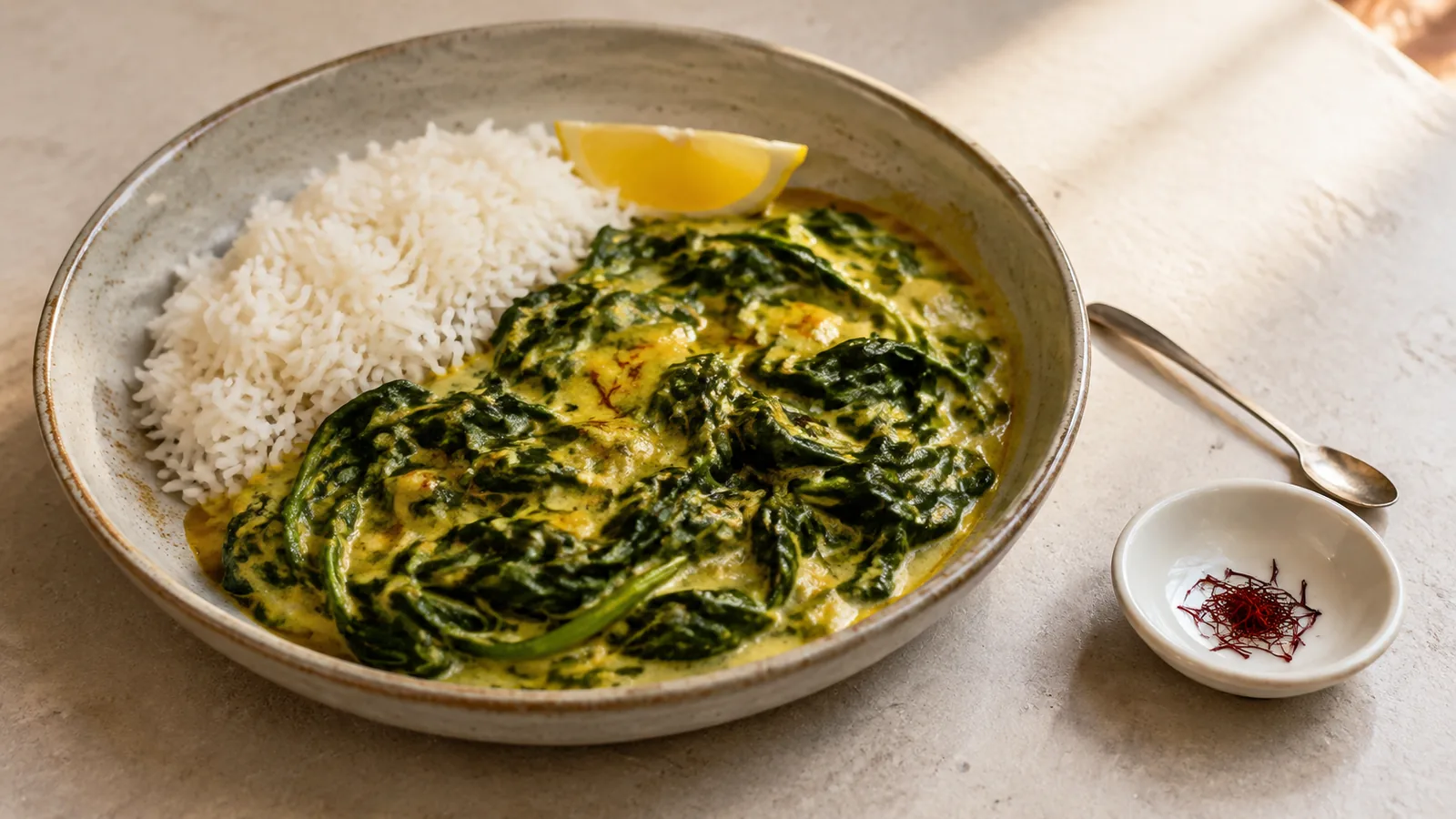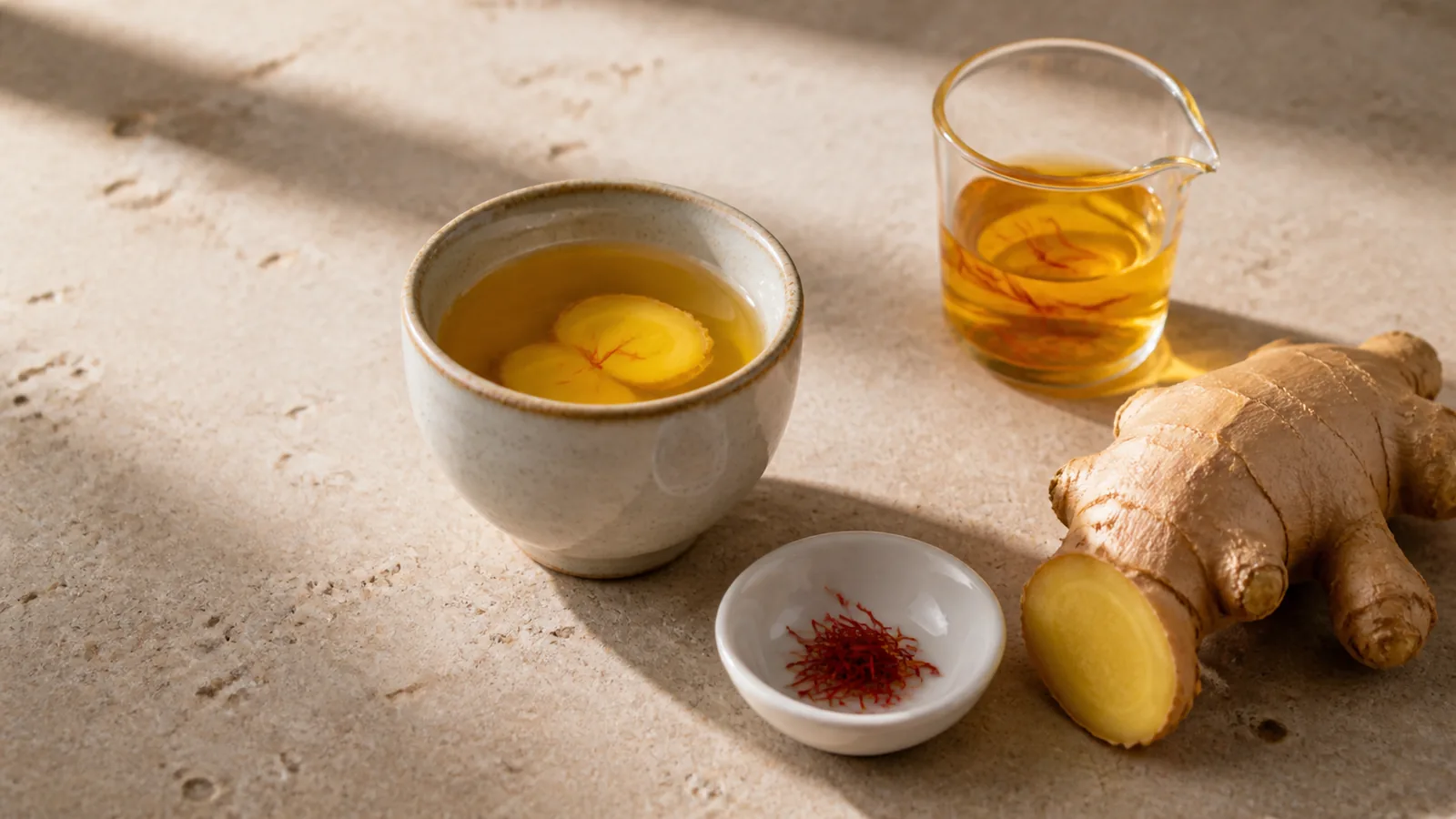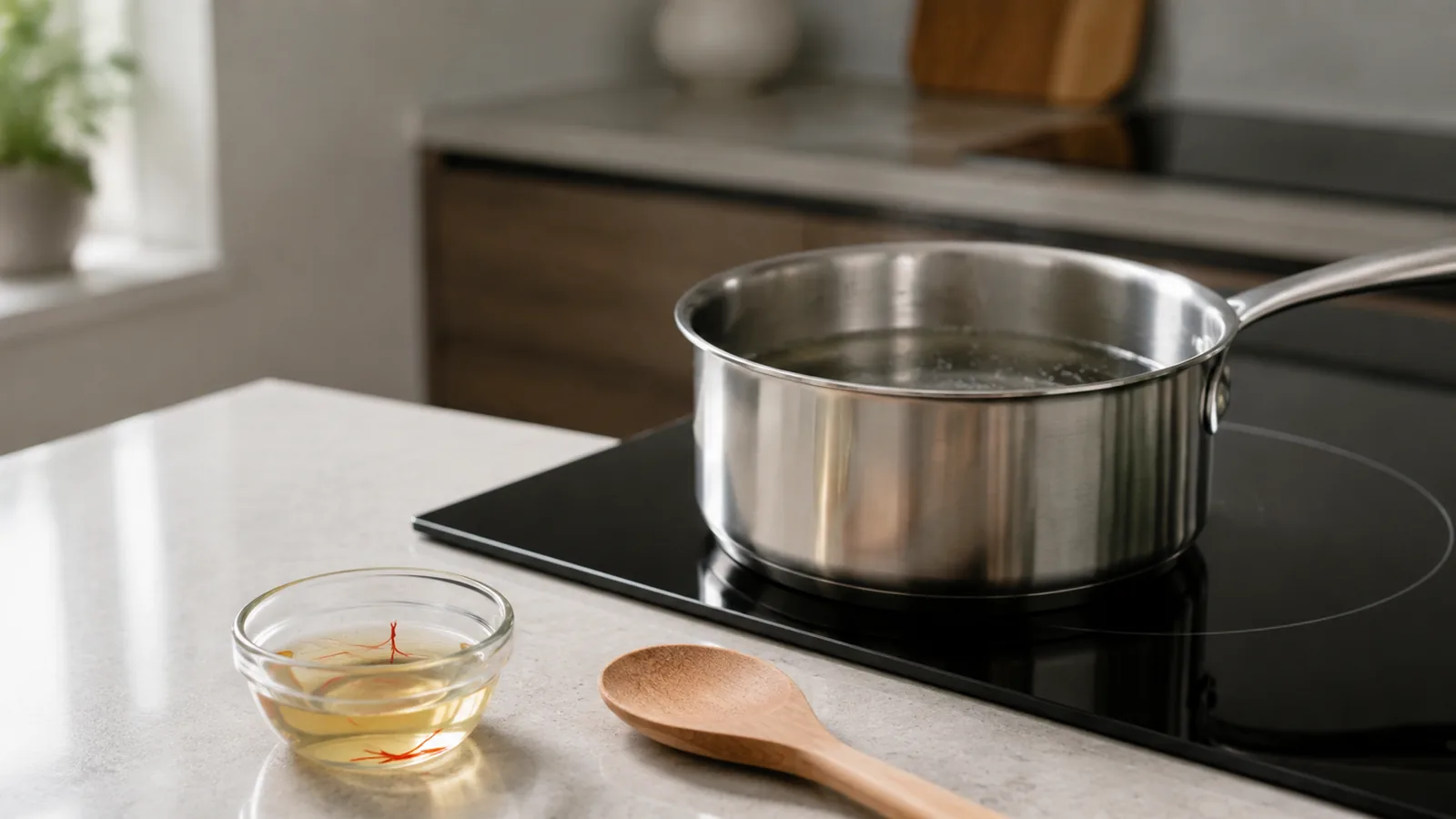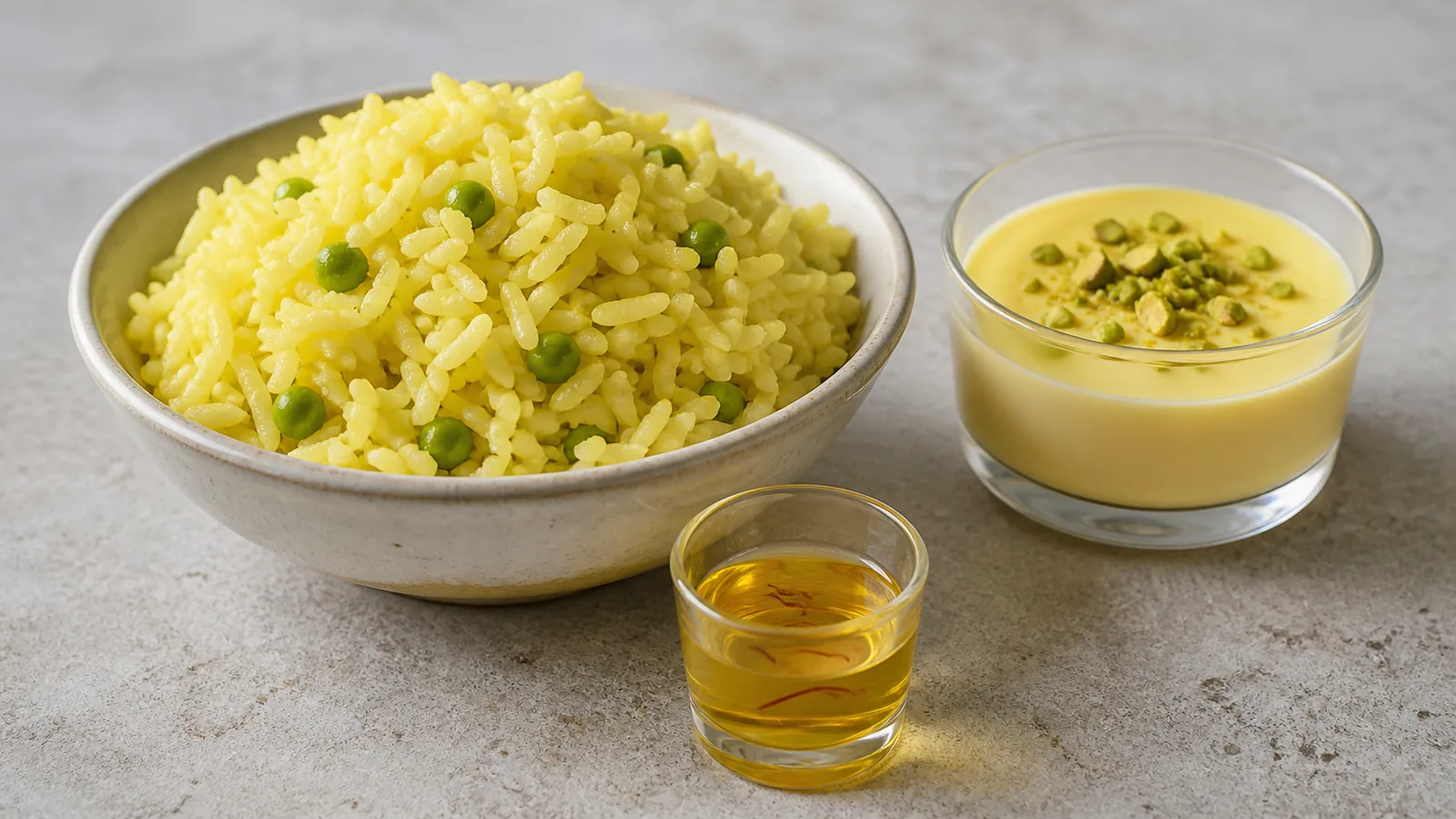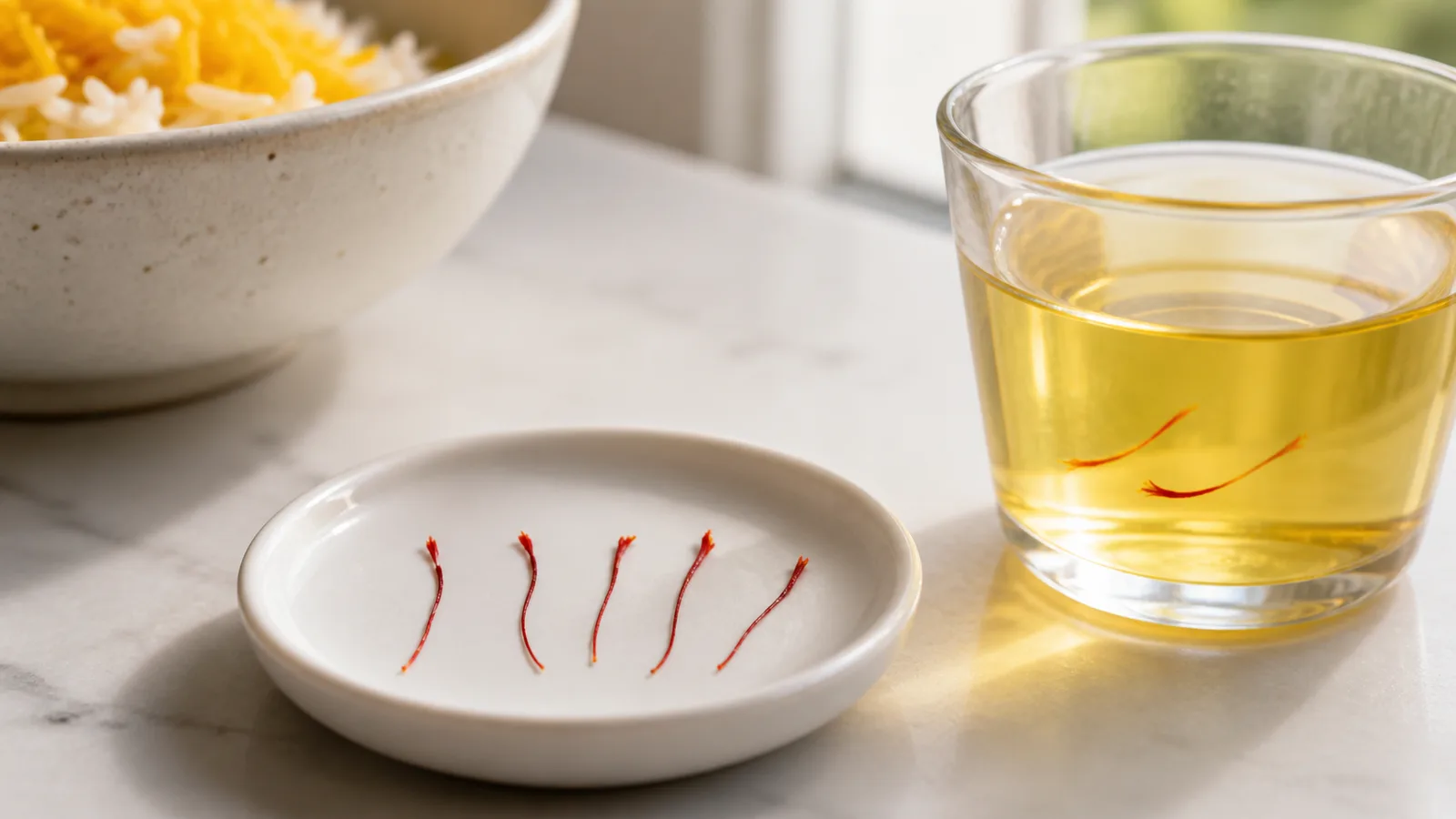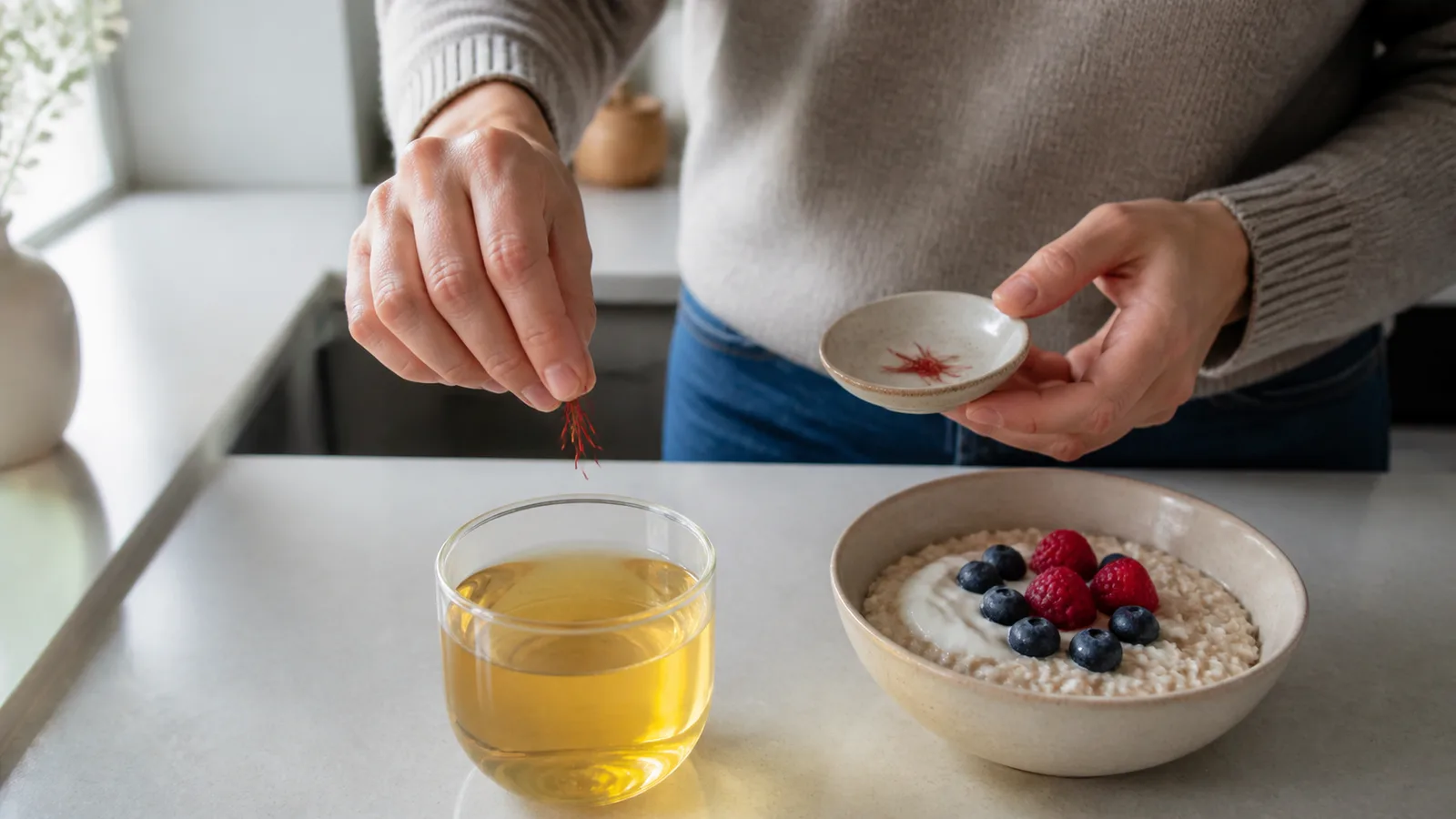
Taking saffron every day can mean two very different things. Using a small pinch in rice, soup, or tea is an ordinary food habit. Taking a measured extract every morning is supplement use, with a higher and more consistent exposure. The first mainly adds color, aroma, and flavor. The second has been studied for several health outcomes, but it does not guarantee that a healthy person will feel a daily change.
If you are eating saffron every day, keep the amount culinary and pay attention to how you respond. If you are considering a capsule or gummy, check the exact extract, amount per serving, other ingredients, medicines you take, and the length of use. Research findings from one standardized product cannot automatically be transferred to every tea, powder, or supplement.
What happens if I take saffron every day?
For most people, a modest culinary amount simply becomes part of the diet. With concentrated daily saffron use, studies have reported possible changes in mood and a few other measured outcomes, as well as side effects such as nausea, digestive discomfort, dry mouth, reduced appetite, headache, or dizziness. A 2026 systematic review found saffron generally well tolerated in human trials, but it also concluded that higher-dose or longer medicinal use deserves clinical monitoring.
That review does not establish lifelong safety. Most trials have lasted weeks or months, not years, and they used particular extracts or weighed stigma preparations. “Daily” therefore describes frequency, not a scientifically agreed dose or product.
Can I drink saffron every day?
A lightly prepared saffron drink can fit into an adult’s normal diet if it agrees with them. Use a few genuine threads for flavor rather than making an unusually concentrated brew. Saffron tea and saffron milk also inherit the properties of everything added to them: sugar changes the nutrition, dairy may be unsuitable for some people, and a mixed herbal tea can cause effects unrelated to saffron.
Drinking saffron tea every day is not a requirement for health, and stronger color is not evidence of a better dose. Stop if the drink repeatedly causes nausea, diarrhea, headache, itching, or swelling. Pregnancy, breastfeeding, regular medication use, a prior spice allergy, or an upcoming procedure are good reasons to ask a clinician before making concentrated saffron a routine.
How much saffron per day?
There is no universal evidence-based daily saffron intake for the general public. Clinical trials often use measured preparations, commonly around tens of milligrams, but doses, extracts, participants, and study goals vary. A trial amount is not automatically a personal recommendation, and milligrams of a standardized extract cannot be compared reliably with an unweighed pinch or an unknown powder.
For cooking, use only what the recipe needs. A small pinch is usually enough for a family dish once it has been bloomed properly. If a healthcare professional recommends a supplement, follow the verified product and plan they reviewed; do not convert the study dose from another formulation or take extra because an effect is not immediate.
Daily saffron consumption and mood
Mood is one of the better-researched uses of saffron supplements. A 2026 meta-analysis of 34 randomized trials found improvements on self-reported depression and anxiety scales, while clinician-rated scales did not show the same clear effect. The authors rated the overall certainty moderate and noted substantial variation between studies.
This is promising evidence for a possible complementary role, not proof that ordinary saffron food will “boost serotonin” each day or replace mental-health treatment. Someone with persistent low mood, anxiety, or thoughts of self-harm needs professional care. Do not stop prescribed medication or add a concentrated extract without discussing it with the prescriber.
Is saffron a laxative?
Saffron should not be described as a dependable laxative. Loose stools and other gastrointestinal symptoms appear in adverse-event reporting, but a side effect is not the same as a tested constipation treatment. If saffron makes you have diarrhea, that is a reason to reduce or stop the product—not evidence that it is “detoxing” the body.
For ongoing constipation, look first at fluid, fiber, activity, medicines, and medical causes with appropriate professional guidance. Do not keep increasing the strength of saffron tea in an attempt to force a bowel movement.
What the research says about other claimed benefits
Memory and cognitive function
Small trials have examined saffron in people with mild cognitive impairment or Alzheimer’s disease. A systematic review found encouraging results but judged the evidence too limited and potentially biased to support clinical recommendations. Those patient studies do not show that daily saffron sharpens focus or prevents cognitive decline in a healthy person. Memory changes should be assessed rather than self-treated with a spice.
Libido and sexual health
A meta-analysis reported improvements in some measures of sexual function, particularly erectile-function and satisfaction scores, across a small evidence base. It does not establish higher testosterone, guaranteed performance, or a general blood-flow effect. Daily saffron is not a substitute for investigating medication effects, cardiovascular risk, hormonal disorders, pain, or relationship factors that can affect sexual wellbeing.
Blood pressure, cholesterol, and heart health
Some pooled trials report small changes in blood pressure or metabolic markers. One blood-pressure meta-analysis found reductions of less than 1 mmHg systolic and about 1.2 mmHg diastolic and cautioned that the effect may not be clinically important. Other reviews have reached mixed results for cholesterol, glucose, and body measurements. Saffron should not replace prescribed treatment, blood-pressure checks, exercise, sleep, or an overall heart-supportive diet.
Appetite and weight loss
Saffron is sometimes marketed as an appetite suppressant. Yet a meta-analysis of 25 randomized trials found no significant overall reduction in weight, body mass index, waist circumference, or hip circumference. A person may notice an appetite change, and reduced appetite is also reported as a side effect, but daily saffron is not a dependable weight-loss method.
Skin health
Saffron contains plant compounds studied for antioxidant activity, but that does not prove that eating it each day will brighten skin, erase fine lines, or prevent environmental damage. Human evidence for those visible claims is inadequate. Topical saffron mixtures can stain or irritate skin, and another ingredient in a homemade mask may cause the reaction.
Possible side effects of taking saffron daily
The reported effects are usually mild, but the product and amount matter. Watch for:
- nausea, stomach discomfort, loose stools, or diarrhea;
- headache, dizziness, dry mouth, or an unwanted loss of appetite;
- rash, itching, or swelling after eating or handling saffron; and
- symptoms that begin after changing brands, which may point to another ingredient or contamination.
Facial or tongue swelling, breathing difficulty, throat tightness, fainting, or a rapidly spreading allergic reaction requires emergency care. Multi-gram ingestion is far outside culinary use and most research; contact local poison-control or emergency services after an unusually large ingestion or severe symptoms.
Who should be especially cautious?
- Pregnant or breastfeeding people: evidence for concentrated use is limited. Normal seasoning and medicinal dosing are different, but supplements or deliberately strong preparations should not be used without obstetric guidance.
- People taking medicines: emerging evidence suggests saffron constituents may affect some drug-metabolizing enzymes, although the real-world importance is uncertain. A pharmacist can review the exact extract alongside anticoagulants, blood-pressure or blood-sugar medicines, psychiatric treatment, and drugs with a narrow safety range.
- People with allergies: saffron allergy appears uncommon, but a published anaphylaxis case means new rash, swelling, or breathing symptoms should be taken seriously.
- Children: keep saffron supplements and gummies out of reach; they can look like sweets and are not interchangeable with seasoned food.
A practical daily routine
- Choose whole, deep-red threads from a source that can identify the origin and batch.
- Bloom a modest pinch and divide it across the food the recipe serves.
- Use saffron for its flavor; do not keep increasing it to chase an immediate health effect.
- If you use an extract, record the product, serving, start date, medicines, and any symptoms.
- Reassess whether the routine is useful instead of assuming that daily use must continue indefinitely.
Our guide to using saffron in tea, milk, water, and meals covers practical preparation. If you are choosing saffron for a recipe, you can also compare the formats in our product range.
Evidence reviewed
- 2026 systematic review of adverse events from saffron preparations
- 2026 meta-analysis of randomized trials on mood, depression, and anxiety
- Systematic review and meta-analysis on mild cognitive impairment and dementia
- Systematic review and meta-analysis of sexual-function outcomes
- Meta-analysis of blood-pressure trials
- Meta-analysis of saffron supplementation and body measurements