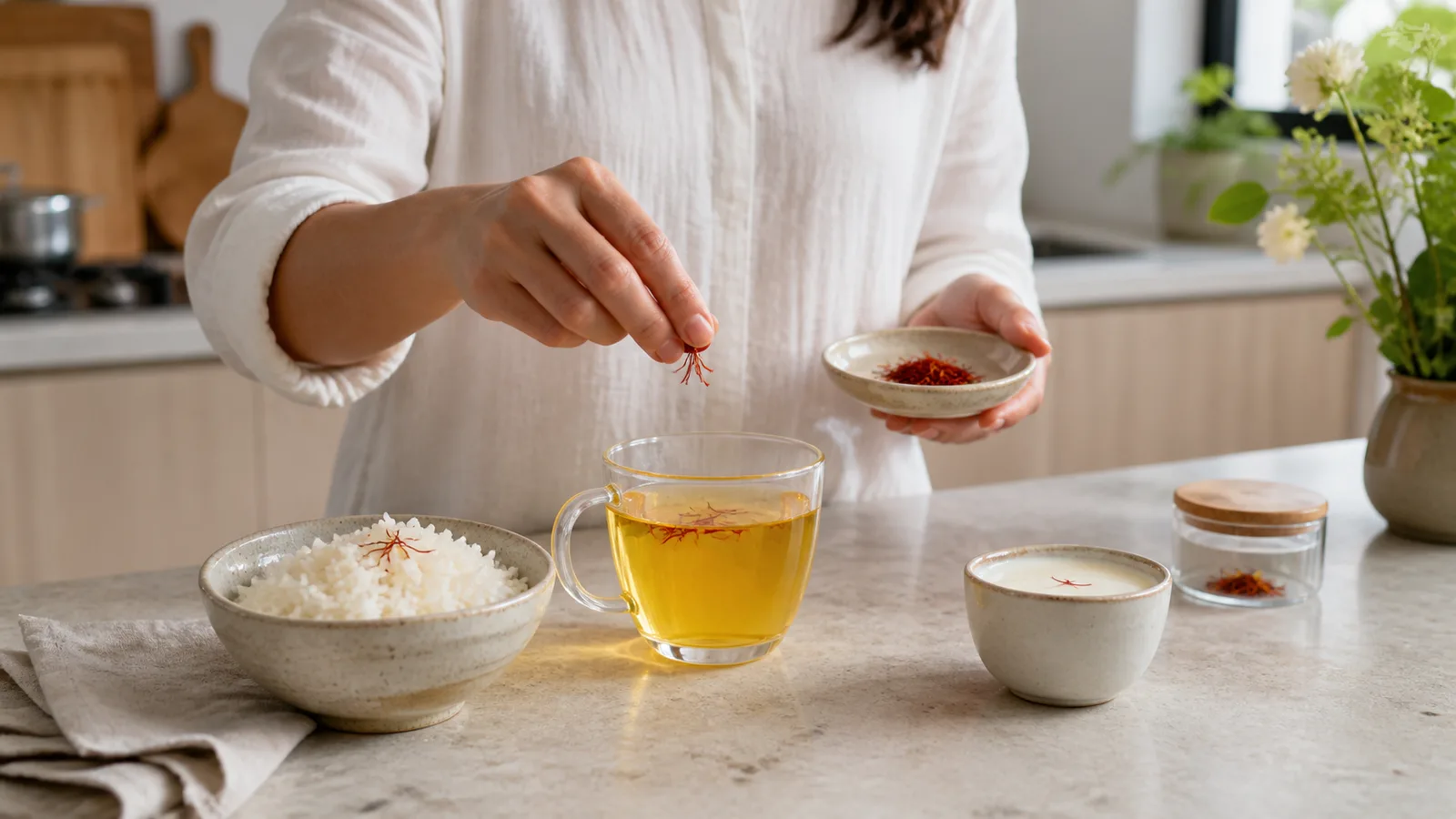
How should you consume saffron daily? The simplest approach is to use a small culinary pinch in tea, milk, water, rice, soup, or another meal. Let the threads soften in warm liquid first so their colour and aroma spread evenly. You do not need to take saffron on an empty stomach, and more is not automatically better.
Daily use should have a practical reason: perhaps you enjoy the flavour, want a fragrant alternative to another drink, or cook with it regularly. It should not become a promise that one cup will improve every aspect of mood, sleep, digestion, skin, and immunity. Those claims go well beyond what a food-sized serving can establish.
If you are asking how to drink saffron, tea, milk, and plain infused water are the most direct options. If you want to know how to eat saffron or how to incorporate saffron in diet planning, bloom the threads and add the infusion to rice, soup, or another familiar recipe. That is also a more useful answer to how to take saffron daily than treating a spice like a medicine.
How to use saffron daily: start with real threads
True saffron is the dried red stigma of Crocus sativus. Whole threads are easier to inspect than an unlabelled powder, which matters because expensive spices can be diluted with other plant material. The US Food and Drug Administration lists saffron as a flavouring and colouring food substance and describes genuine filaments in its saffron inspection method.
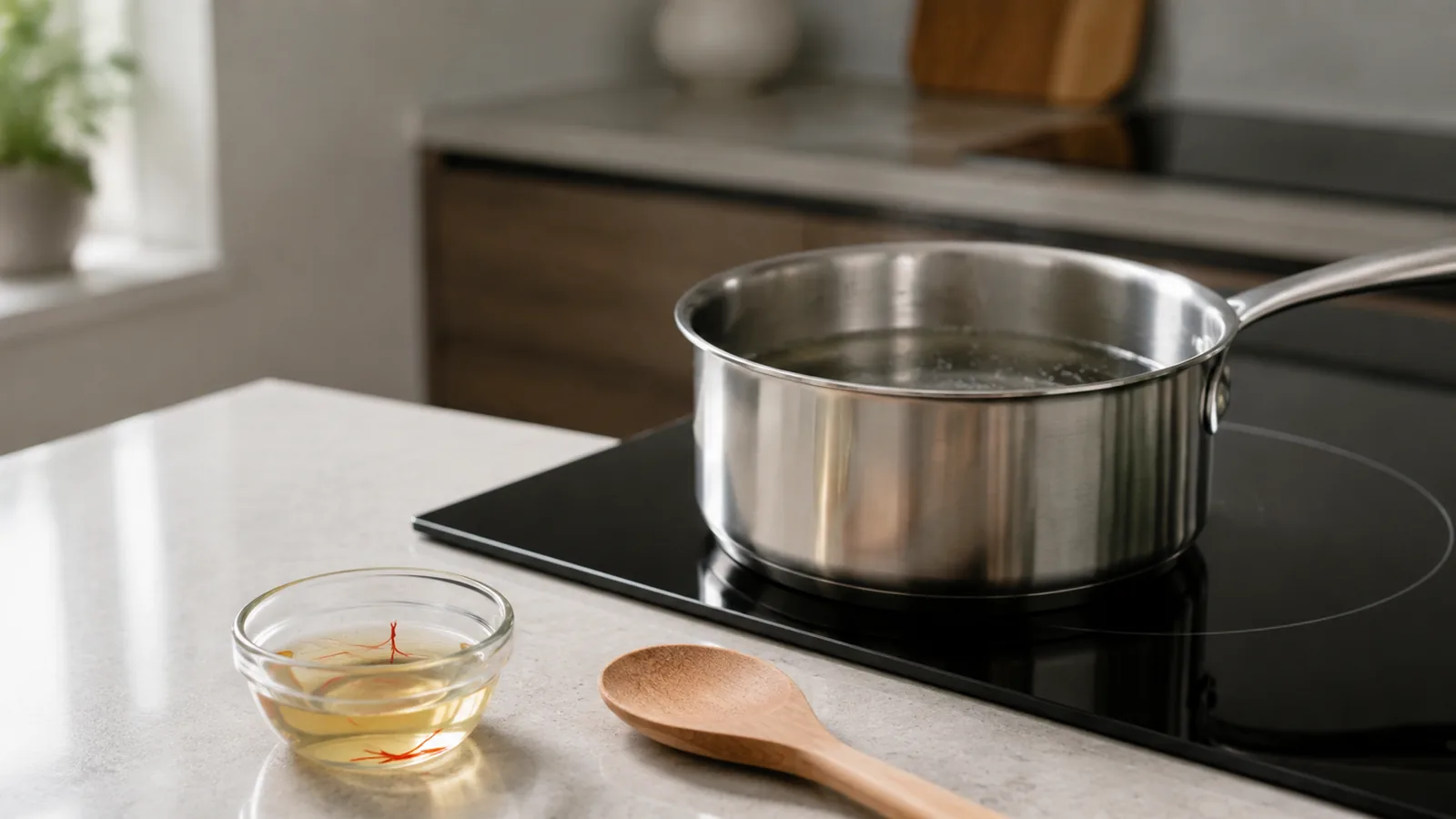
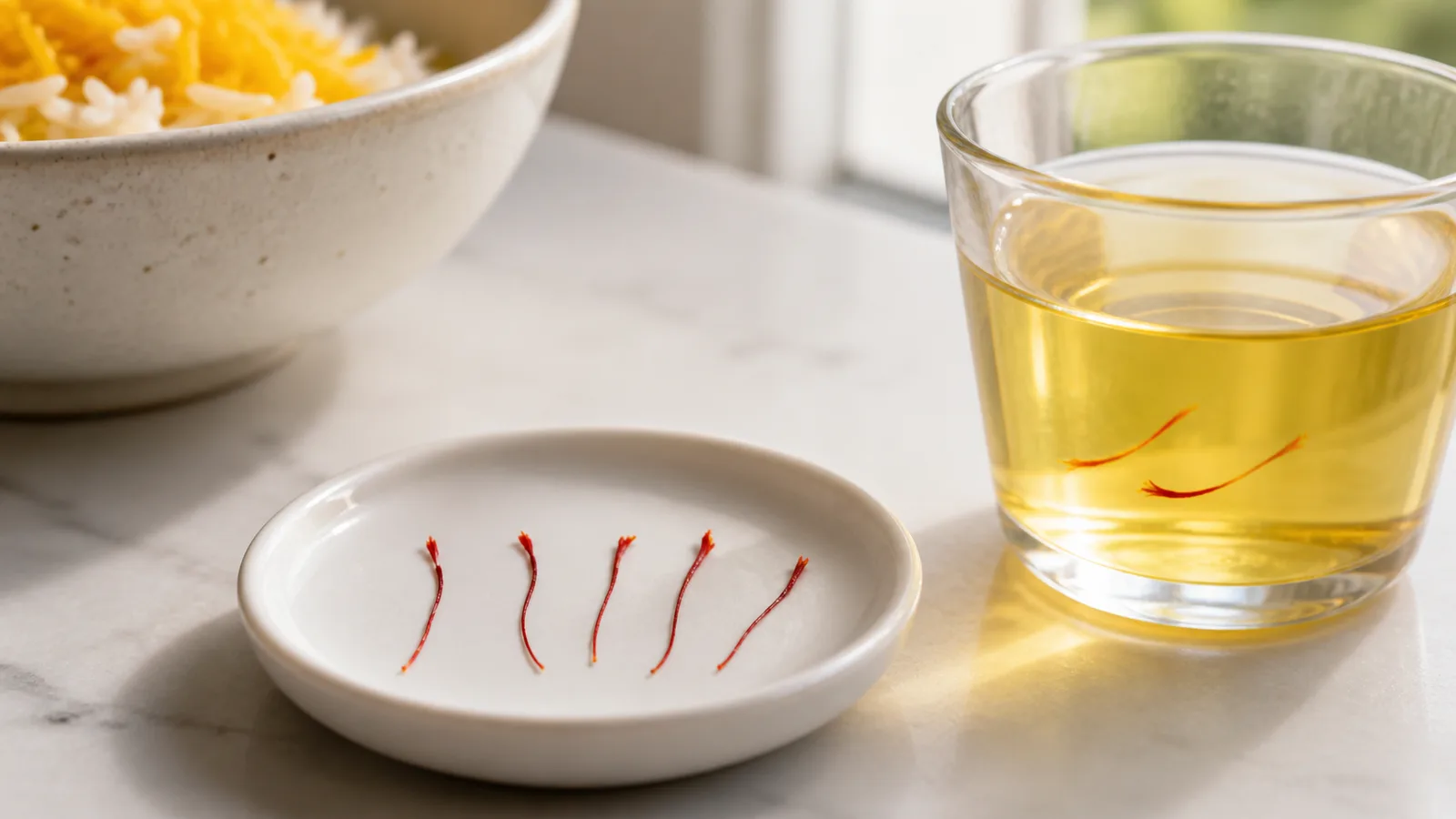
For one drink or a small dish, begin with a few threads rather than a large heap. Thread size and potency vary, so counting strands is not a medical dose. Crush them lightly between clean fingers or with a mortar, then steep them in a little warm water or milk for 10 to 15 minutes. Add both the liquid and the softened threads to the recipe.
Warm liquid releases colour and aroma without scorching the spice. You can prepare the infusion while the rest of the meal cooks. Saffron does not have to be boiled for a long time, and sprinkling dry threads onto a finished dish usually gives less even flavour.
Six practical ways to consume saffron
1. Make saffron tea
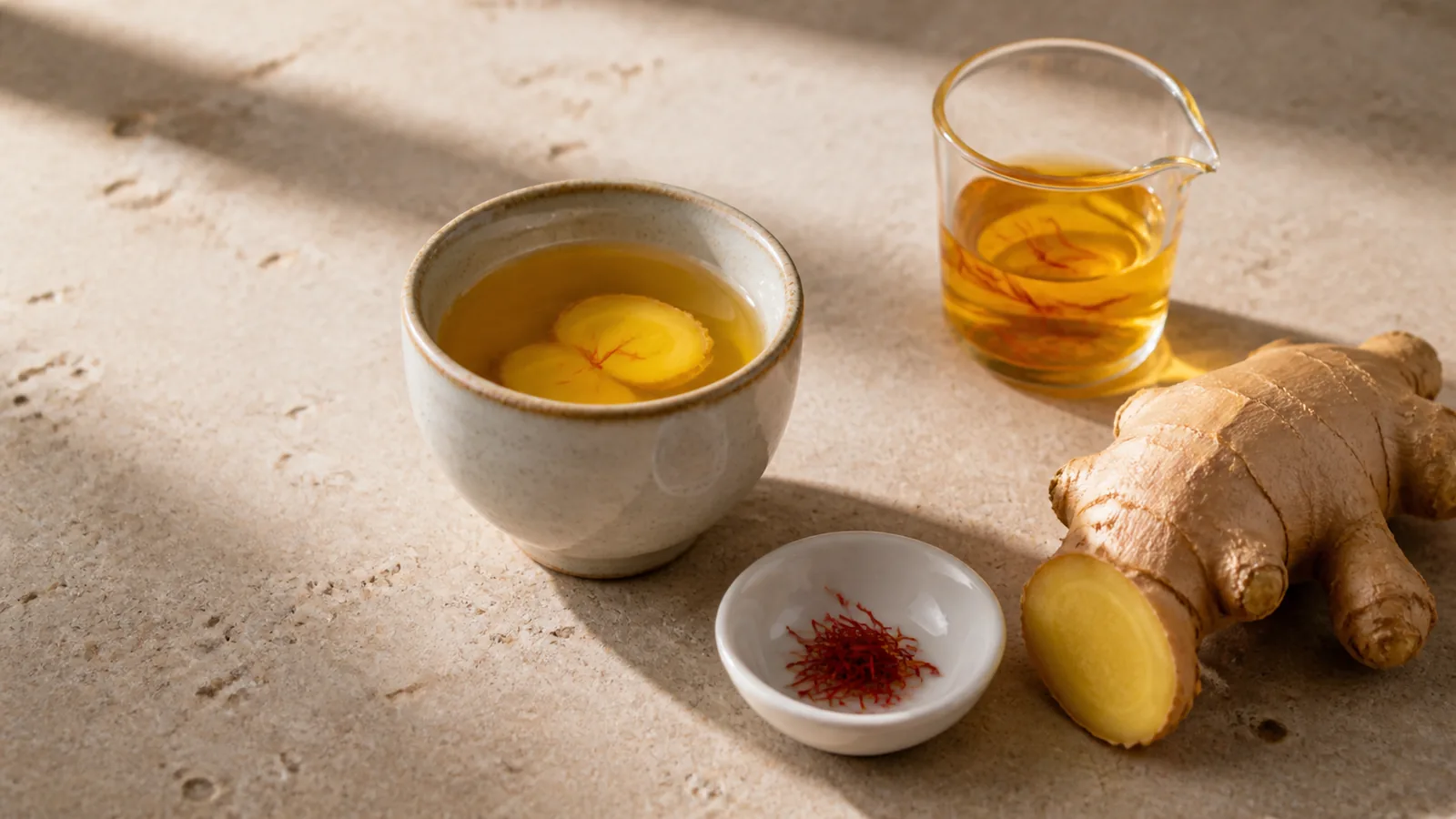
Place a few lightly crushed saffron threads in a mug, add hot water, and steep for about 5 to 10 minutes. The result should be aromatic, not harsh. Lemon, ginger, honey, or a cinnamon stick can change the flavour, but they are optional. Honey also adds sugar, so use it because you like the taste rather than because the tea “needs” it.
Saffron tea can be a calm daily ritual. Evidence from standardised extracts cannot be transferred directly to a homemade cup, however, because the dose and composition are different. It is more accurate to enjoy the drink than to promise that it will treat anxiety, depression, insomnia, or digestive disease.
2. Prepare saffron milk
Saffron milk, often called kesar doodh, is made by steeping a few threads in warm dairy milk or an unsweetened plant-based alternative. Cardamom pairs naturally with it. If you add honey, let the drink cool slightly first and adjust it to your own taste.
The drink does not automatically “boost immunity,” brighten the complexion, or guarantee better sleep. One 2025 trial studied 20 mg and 30 mg doses of a specific standardised extract in adults with moderate insomnia, not ordinary homemade saffron milk. Its findings therefore should not be used as a promise for every cup; the published trial details are useful context for that distinction.
3. Drink saffron water
For a lighter drink, steep a few threads in warm water and drink it when convenient. Leaving it overnight is optional, not a requirement. There is no good evidence that drinking saffron water first thing in the morning or on an empty stomach unlocks special benefits.
If a morning glass helps you remember it, that is a routine choice. If saffron makes your stomach feel uncomfortable, take it with food or stop using it and seek advice if symptoms persist.
4. Add the infusion to rice and savoury meals
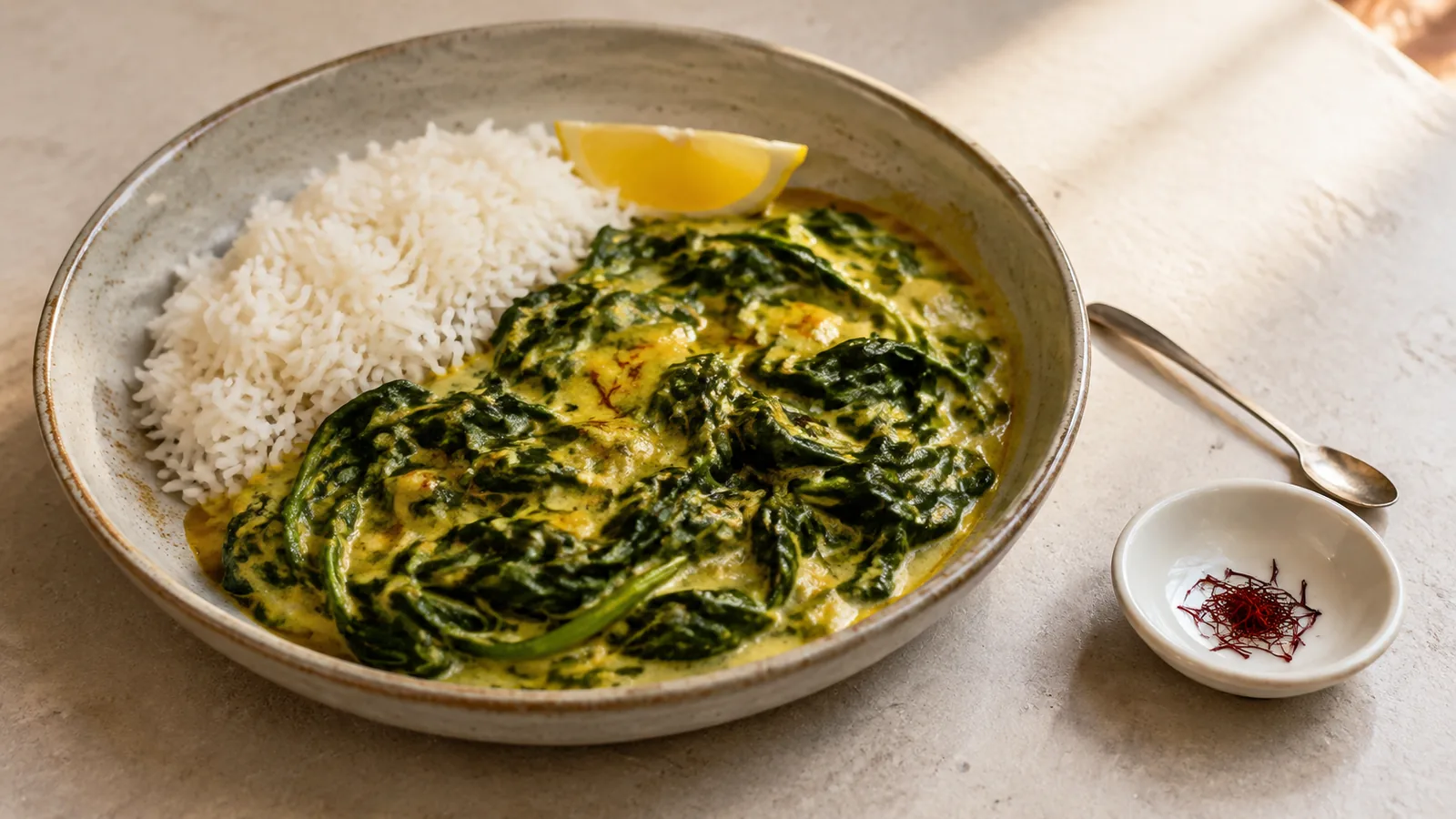
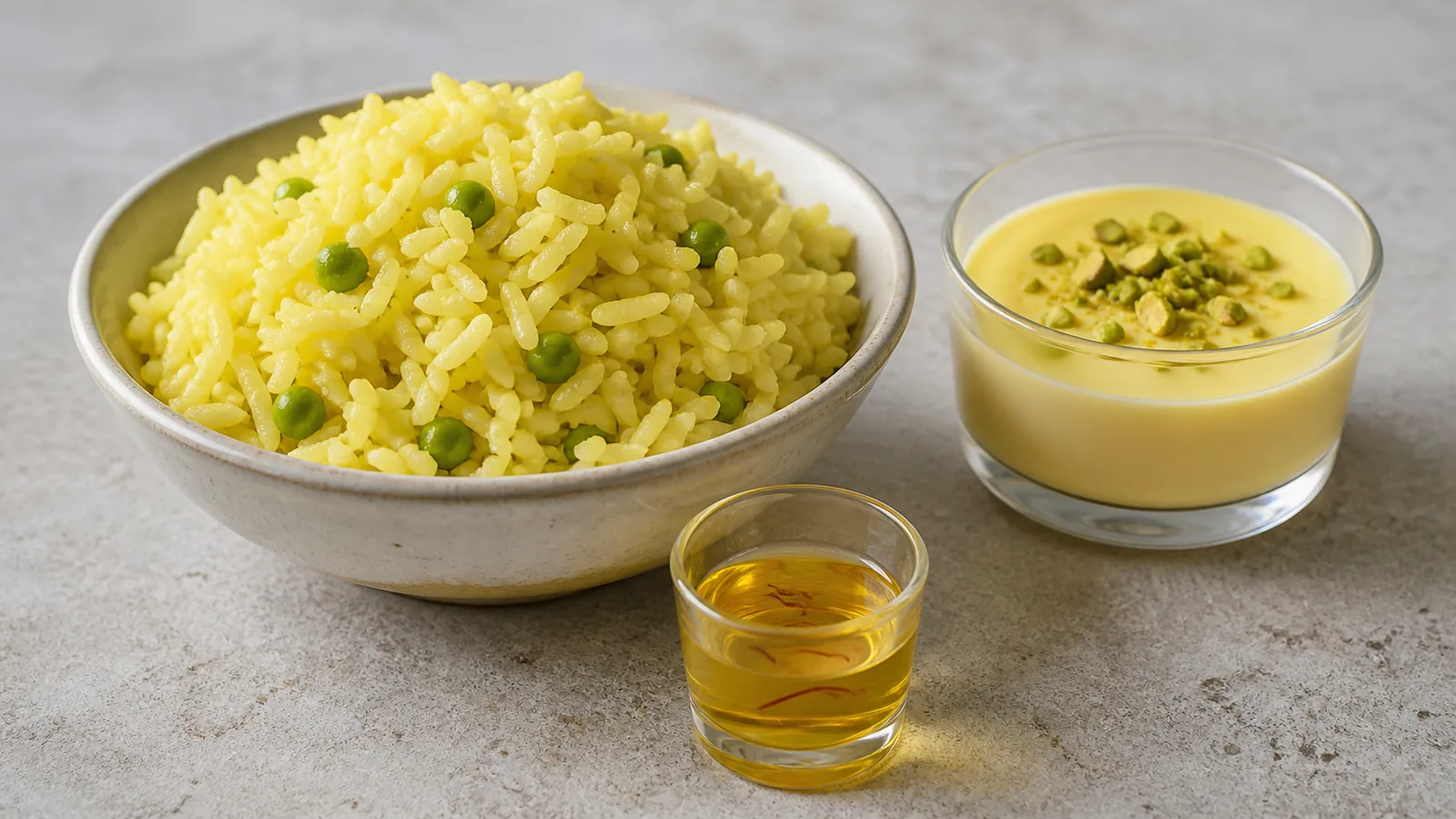
A small saffron infusion works well in Persian rice, risotto, paella, soups, and gentle stews. Add it while there is still enough cooking time for the flavour to spread, but avoid hiding it under too many strong spices. In rice, you can mix the infusion through a small portion first, then fold that coloured rice back into the rest.
This is often the easiest way to incorporate saffron into a normal diet because it serves a clear culinary purpose. You can use it occasionally or daily; there is no SEO-friendly “perfect routine” that every person needs to follow.
5. Use it in desserts
Saffron suits rice pudding, custard, ice cream, cakes, and fruit compotes. Bloom it first so the finished dessert does not contain isolated bitter spots. Because desserts may contain substantial sugar, their overall nutritional effect comes from the whole recipe, not from the saffron alone.
6. Combine it with familiar foods
A spoonful of saffron infusion can be mixed into plain yogurt, oatmeal, or a smoothie when the flavour fits. It can also season a savoury sauce or broth. Choose one method you genuinely enjoy instead of adding saffron to every drink and meal in the same day.
How much saffron should you take each day?
There is no universal daily saffron requirement. A small culinary amount used to flavour food is different from a concentrated extract measured in milligrams. Clinical studies often examine specific standardised products around 20 to 30 mg per day for limited periods and defined outcomes. That does not make 30 mg a general recommendation, and it does not tell you how many threads your particular jar contains.
A recent review of saffron research and safety notes that evidence varies by product, dose, population, and outcome. Keep culinary use modest. Do not measure saffron in spoonfuls or assume that a stronger colour means a healthier drink.
What about saffron capsules and tablets?
A supplement is not simply a convenient version of saffron tea. Extracts may be standardised to particular compounds, and brands can differ in identity, strength, testing, and recommended use. Research on one named extract cannot validate every capsule sold as saffron.
Speak with a pharmacist or clinician before taking a daily saffron supplement if you use prescription medicine, have a medical condition, are preparing for surgery, or are pregnant or trying to conceive. A 2025 review found potential effects on drug-metabolising CYP enzymes but also stressed that the clinical importance and dose thresholds remain uncertain; see the drug-interaction review. Do not stop or replace prescribed treatment in order to take saffron.
Does saffron skincare count as consumption?
No. A face mask is topical use, not a way to consume saffron. Milk, yogurt, or honey masks are sometimes suggested for complexion and pigmentation, but a kitchen mixture is not a standardised skin treatment and may irritate sensitive skin. Saffron can also temporarily stain pale fabric and skin.
If you try a cosmetic product, check its full ingredient list and patch-test it first. Persistent pigmentation, irritation, acne, or another skin concern deserves advice suited to its cause rather than a stronger homemade mask.
A daily routine that stays sensible
- Choose genuine saffron threads from a traceable seller.
- Use a few threads in one drink or meal and let them infuse first.
- Keep the rest of the recipe in mind, especially added sugar.
- Do not treat food, tea, or saffron water as a replacement for medical care.
- Ask a healthcare professional before moving from culinary use to a concentrated daily supplement.
That is the best way to consume saffron for most people: modestly, in food or a drink you enjoy, without turning the routine into a cure-all. You can browse our saffron product range if you need whole threads for tea, saffron milk, rice, or cooking.