Saffron is usually well tolerated in the small amounts used to season food, but concentrated extracts and unusually large amounts can cause side effects. The most consistently reported problems are digestive symptoms such as nausea or diarrhea. Headache, dry mouth, reduced appetite, dizziness, and allergic reactions have also been reported. What matters is the form, the amount, the other ingredients in the product, and the person taking it.
This distinction is important: a few threads steeped for cooking are not equivalent to a capsule, gummy, or standardized extract. Clinical studies use measured preparations, and their results should not be turned into a universal daily dose. Anyone who is pregnant, takes regular medication, has an upcoming procedure, or has reacted to a spice before should discuss supplemental saffron with a qualified healthcare professional.
What are the negative effects of saffron?
A 2026 systematic review examined 102 clinical trials and one case report involving saffron preparations. About 17.5% of participants were estimated to have experienced an adverse event related to saffron, with gastrointestinal problems reported most often; most were minor and self-limiting. The review nevertheless called for clinical monitoring when medicinal preparations are used at higher doses or for longer periods. Earlier evidence reviews also list nausea, dry mouth, poor appetite, and headache among the more common saffron side effects.
- Digestive upset: nausea, stomach discomfort, loose stools, or diarrhea
- Nervous-system symptoms: headache or dizziness in some users
- Mouth and appetite changes: dry mouth or reduced appetite
- Allergic symptoms: itching, rash, swelling, wheezing, or—in rare cases—a severe reaction
The presence of a symptom after taking saffron does not automatically prove saffron caused it. Gummies and combination supplements may contain sweeteners, colorings, herbs, or other active ingredients that can also trigger a reaction.
Can saffron cause diarrhea?
Yes. Diarrhea and other gastrointestinal complaints are among the adverse effects reported in human saffron studies. If saffron tea, an extract, or saffron gummies repeatedly cause diarrhea, stop taking that product rather than trying to push through the symptoms. Persistent diarrhea, severe abdominal pain, blood in the stool, signs of dehydration, or symptoms in a child require medical advice.
Check the full ingredient list as well. A gummy may contain sugar alcohols that loosen stools, while a tea blend may contain several herbs. That makes the product—not just the words “Crocus sativus” on the label—the correct unit to assess.
Saffron allergy and reactions on the face
A saffron allergy appears uncommon, but a published case report documents anaphylaxis. Stop using the product if it causes hives, itching, facial or lip swelling, or a spreading rash. Trouble breathing, throat tightness, faintness, or swelling of the tongue is an emergency and needs immediate medical care.
“Saffron side effects on the face” can also refer to topical use. A homemade mask, cream, or infused oil may irritate the skin or cause contact dermatitis, and saffron pigment can temporarily stain pale skin or fabric. Do not put an untested mixture over the whole face. Patch-test a small area first, avoid the eyelids and broken skin, and wash it off if burning or swelling develops. A reaction can also come from honey, fragrance, essential oil, or another ingredient in the recipe.
Is too much saffron toxic?
Culinary use involves a small pinch. Multi-gram ingestion is a very different exposure and falls far outside ordinary cooking and most clinical research. Toxicology literature describes greater risk as the amount rises, but it does not establish one reliable “safe maximum” that applies to every whole-spice, extract, adult, and medical circumstance. For that reason, internet claims that a precise number of grams is safe should not be treated as dosing advice.
If someone has swallowed an unusually large amount or develops repeated vomiting, marked dizziness, unusual bleeding, confusion, fainting, or severe weakness, contact local poison-control or emergency services. Do not wait for symptoms to become severe, and take the product container with you so clinicians can see its ingredients and strength.
Pregnancy and breastfeeding
Pregnancy evidence is limited and not conclusive. Food seasoning and concentrated medicinal use should not be treated as the same exposure. Because high experimental doses and traditional use around labor raise concerns about uterine effects, pregnant people should avoid saffron supplements or deliberate high-dose use unless their obstetric clinician specifically approves the product and amount. Evidence is also insufficient to assume concentrated saffron is safe while breastfeeding.
This caution applies particularly to extracts, gummies, tinctures, and strongly brewed preparations. It is not a claim that a normally seasoned meal causes miscarriage.
Medication and health-condition precautions
Research on saffron–drug interactions is still developing. Laboratory and animal evidence suggests that saffron constituents can affect some cytochrome P450 enzymes used to process medicines, including CYP3A4, but the clinical importance and the doses at which this occurs are not yet clear. This is a reason to check—not to assume an interaction has occurred.
Ask a pharmacist or prescribing clinician before taking a saffron extract if you use a medicine with a narrow safety range, take several medicines, are being treated for blood pressure or blood sugar, take an anticoagulant, or are preparing for surgery. Bring the exact supplement label. Evidence does not justify claiming that saffron plus an antidepressant routinely causes serotonin syndrome, but people taking psychiatric medication should still have a clinician review any concentrated herbal supplement rather than adding it on their own.
Saffron extract, tea, and gummies are not interchangeable
Saffron in food or tea
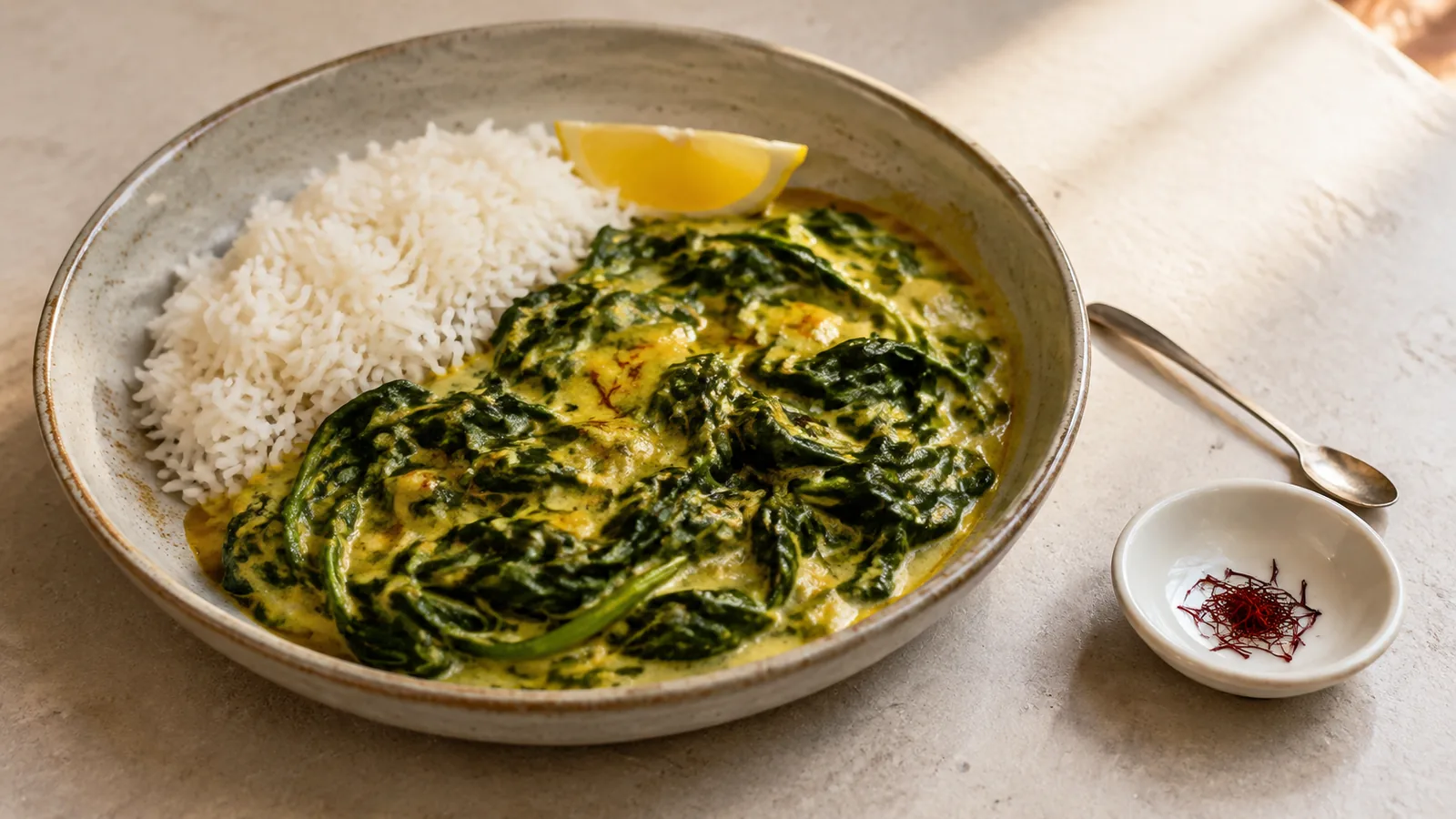
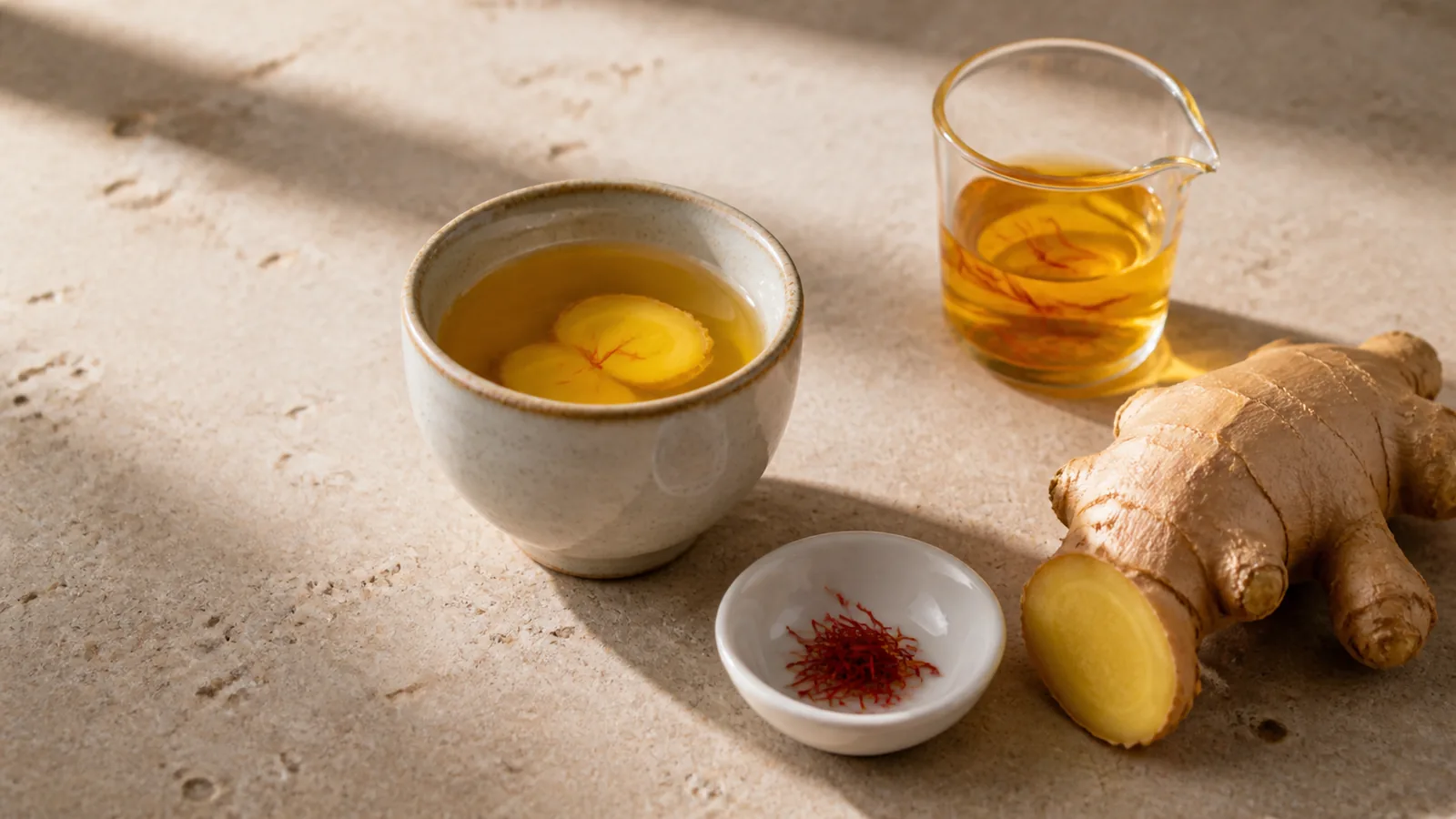
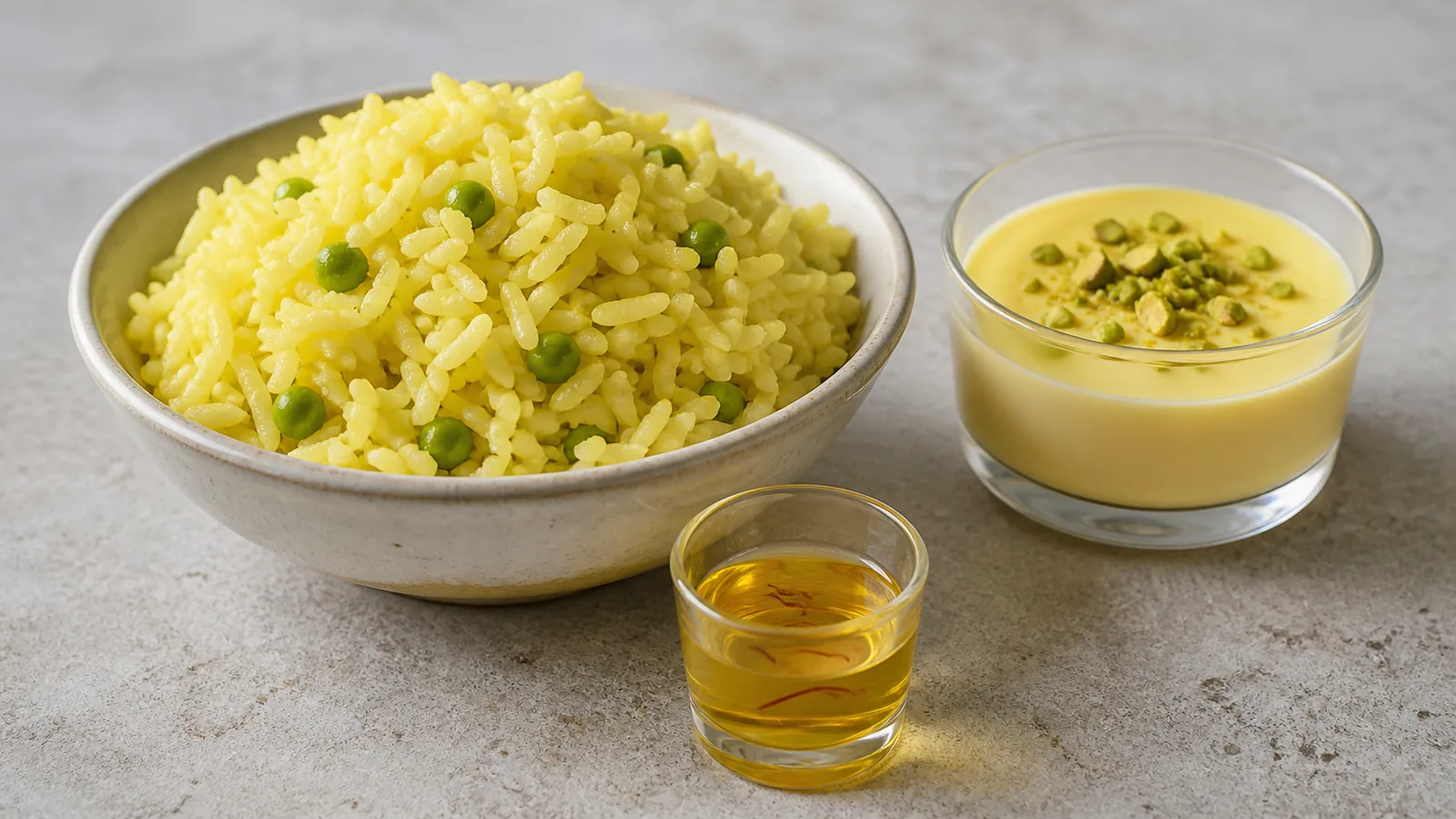
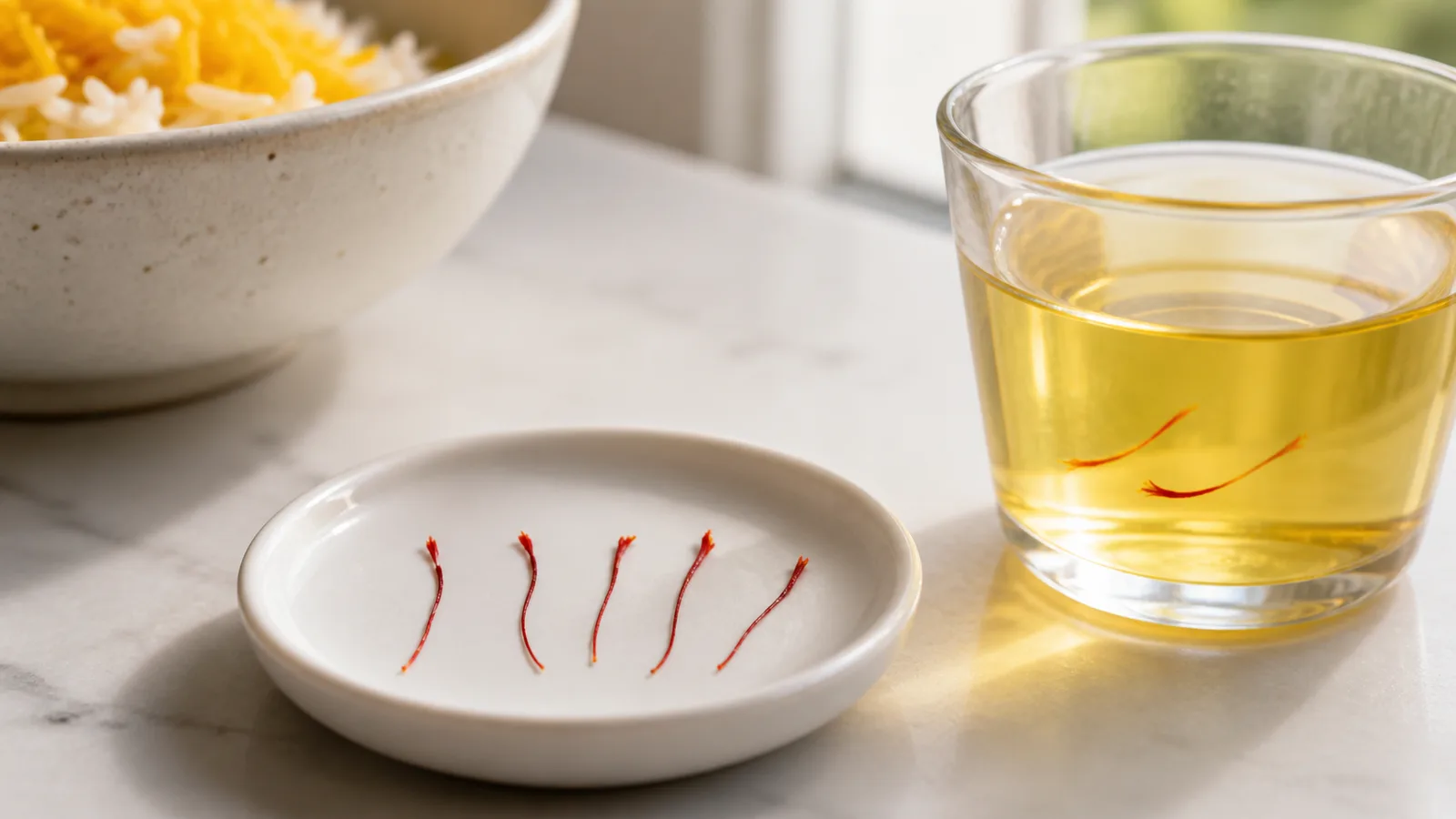
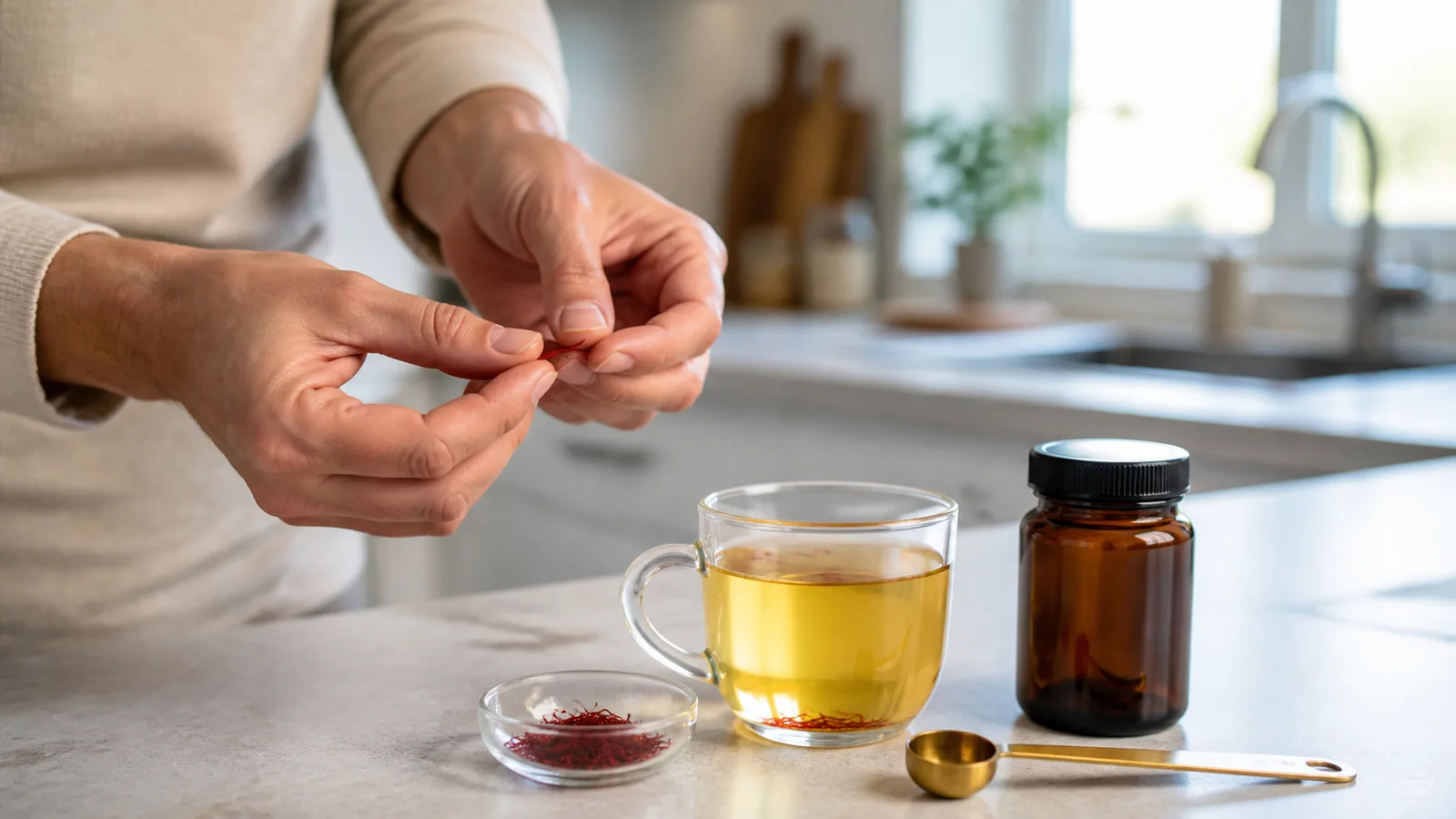
A few genuine threads used to flavor a dish or lightly steeped in a drink provide a relatively small, visible amount. Keep the portion culinary and avoid repeatedly adding more because the color seems weak; pale color can reflect the product, steeping method, or storage rather than a need for a larger dose. Our guide to using saffron in everyday food and drinks explains practical culinary methods.
Saffron extract and gummies
Extracts may be standardized and more concentrated than the spice. Read the amount per serving, the number of servings, all additional actives, and the manufacturer’s directions. More is not better. Keep gummies away from children, who may mistake them for sweets. If a label hides the saffron amount inside a proprietary blend or makes treatment claims, choose a better-documented product.
Purity and contamination matter
Some apparent side effects may arise from adulteration or contamination rather than authentic saffron. Powder is harder to inspect and can conceal added dyes or plant material. Whole red threads are easier to assess, although appearance alone cannot prove purity. Buy from a seller that can identify the origin and batch and provide meaningful quality testing. Do not consume a product with a chemical odor, unexplained residue, moisture damage, or a broken seal.
How to reduce the risk of saffron side effects
- Use modest culinary amounts for food and drink; do not copy high-dose advice from social media.
- Treat a standardized extract as a supplement, not as a stronger version of seasoning.
- Check the serving size and every ingredient in gummies, teas, and blends.
- Do not use a new topical saffron mixture over a large area without a patch test.
- Stop after a suspected reaction and record the product, amount, timing, and symptoms.
- Seek professional advice before supplement use during pregnancy, breastfeeding, regular medication use, or treatment for a chronic condition.
For cooking, start with a small amount of genuine saffron and judge it by aroma and flavor, not by the idea that more must be healthier. You can view our saffron products and their individual formats before choosing one for a recipe.
Evidence reviewed
- 2026 systematic review of adverse events from saffron monopreparations
- Evidence map of saffron meta-analyses, including commonly reported side effects
- Review of saffron and constituent toxicology across exposure conditions
- Published case report of saffron anaphylaxis
- 2025 review of saffron constituents and cytochrome P450 interactions
- 2026 integrative review of saffron use and safety evidence during pregnancy