Why is saffron good for men? It can be an enjoyable spice, and research has explored saffron extracts for mood and sexual function. Those possible benefits are not uniquely male, and the evidence does not support the common claims that saffron raises testosterone, prevents heart disease, burns fat, or guarantees better erections.
The most useful way to look at saffron benefits for men is outcome by outcome. Some areas have small clinical trials; others have only laboratory mechanisms or marketing language. Culinary saffron and a standardised supplement also should not be treated as the same intervention.
Kesar is another name for saffron, so searches for kesar benefits for male health are asking about the same spice. The benefits of saffron for men do not change with the name, and claims about saffron benefits for male health still need evidence for each outcome.
Saffron benefits for men: the evidence at a glance
- Mood: adult trials suggest possible improvements on some self-reported depression and anxiety scales, but results differ by measure and are not specific to men.
- Sexual function: small, older trials and reviews report promising signals, including in erectile-function questionnaires, but the evidence base is limited and varied.
- Testosterone: there is no good clinical evidence that saffron reliably raises testosterone in healthy men or treats hypogonadism.
- Fertility: a large placebo-controlled study found no significant improvement in semen parameters.
- Heart health and weight: some pooled biomarker changes are small or inconsistent; saffron is not a substitute for established prevention or weight care.
Mood, anxiety, and stress
A 2026 systematic review of 34 randomised trials found that saffron supplementation improved some self-reported depression and anxiety scores. It did not find significant effects on several clinician-rated or other mood scales, and variation between studies was high. The authors rated the overall certainty as moderate.
These trials involved adults rather than establishing a special male effect. They also studied defined supplements for at least four weeks, not a single cup of saffron tea. Saffron should not replace assessment or treatment for depression, anxiety, or ongoing stress. Anyone having thoughts of self-harm needs urgent local help, not a supplement.
Claims that crocin and safranal simply “increase serotonin” and therefore improve every man’s mood are too certain. Proposed mechanisms can guide research, but they do not predict an individual response.
Libido, erections, and sexual health
Saffron has a traditional reputation as an aphrodisiac. A 2019 meta-analysis of five small studies, with 173 participants in total, reported an overall improvement in sexual-dysfunction measures. The studies included men and women, differed from one another, and were too few to establish which people or formulations are most likely to benefit.
An earlier review focused on erectile dysfunction and semen parameters and also reported positive questionnaire signals in a small set of trials. That is not the same as proving that saffron improves blood flow, works like an approved erectile-dysfunction medicine, or has no side effects.
Erection problems can arise from diabetes, blood-vessel disease, hormone or nerve problems, medication, alcohol, smoking, anxiety, depression, and relationship factors. The US National Institute of Diabetes and Digestive and Kidney Diseases explains these causes in its erectile-dysfunction guidance. If the problem keeps happening, speak with a clinician rather than assuming poor circulation is the only explanation.
Does saffron support testosterone?
No reliable clinical evidence shows that saffron raises testosterone in healthy men. Reducing oxidative stress in a laboratory model does not demonstrate hormone balance in a person, and claims about testosterone or muscle mass are not meaningful outcomes unless the relevant measures were collected under an appropriate protocol.
Low energy, reduced libido, mood changes, or difficulty gaining muscle do not diagnose low testosterone. The Endocrine Society recommends a diagnosis only when compatible signs or symptoms occur alongside consistently low, accurately measured levels, confirmed with repeat morning testing; see its testosterone guideline. A saffron supplement should not delay that evaluation.
Saffron and male fertility
Fertility claims deserve separate scrutiny from libido and erectile-function claims. A double-blind trial randomised 260 infertile men to 60 mg of saffron per day or placebo for 26 weeks. It found no statistically significant improvement in sperm density, motility, morphology, or seminal antioxidant capacity; the placebo-controlled semen study is an important counterweight to smaller positive reports.
If conception is taking longer than expected, both partners may need an evidence-based assessment. Do not increase a saffron dose or combine multiple “male vitality” supplements in response to a semen result.
Heart health and circulation
Reviews of saffron supplements have reported small average changes in some cardiovascular risk markers. For example, a meta-analysis of eight trials found reductions of less than 1 mmHg in systolic and around 1.2 mmHg in diastolic blood pressure, while warning that the effect may not be clinically important; see the blood-pressure review.
That does not show that saffron improves blood circulation enough to prevent cholesterol build-up, hypertension, heart attack, or stroke in men. It also is not a reason to stop blood-pressure or cholesterol medicine. Smoking status, physical activity, diet, sleep, diabetes care, and clinically indicated treatment have far more established roles.
Weight management and appetite
Saffron is not a dependable appetite suppressant. A meta-analysis of 25 randomised trials in people with overweight or obesity found no significant pooled reduction in body weight, BMI, waist circumference, or hip circumference. The weight evidence does not support calling saffron a fat-burning aid.
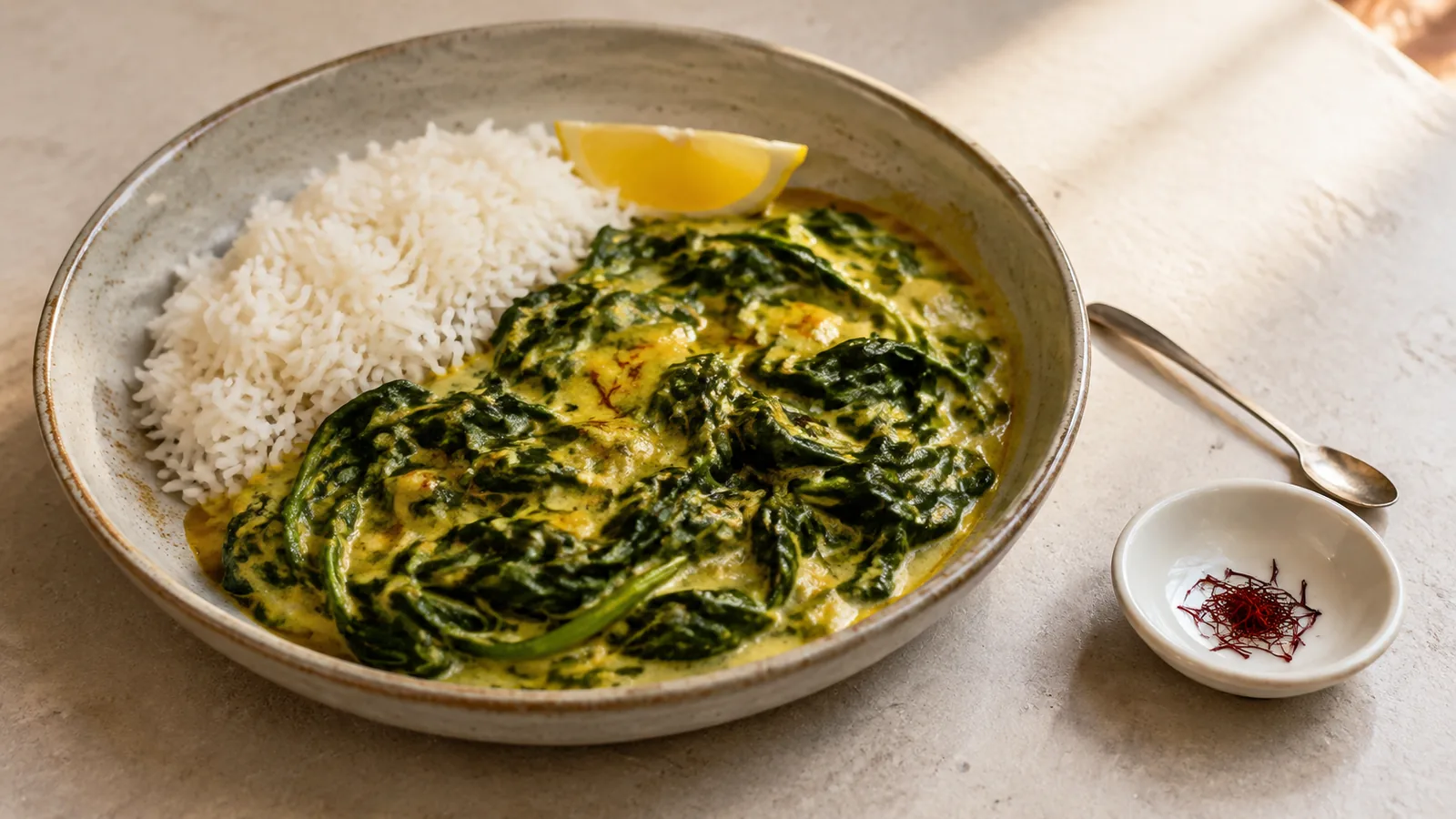
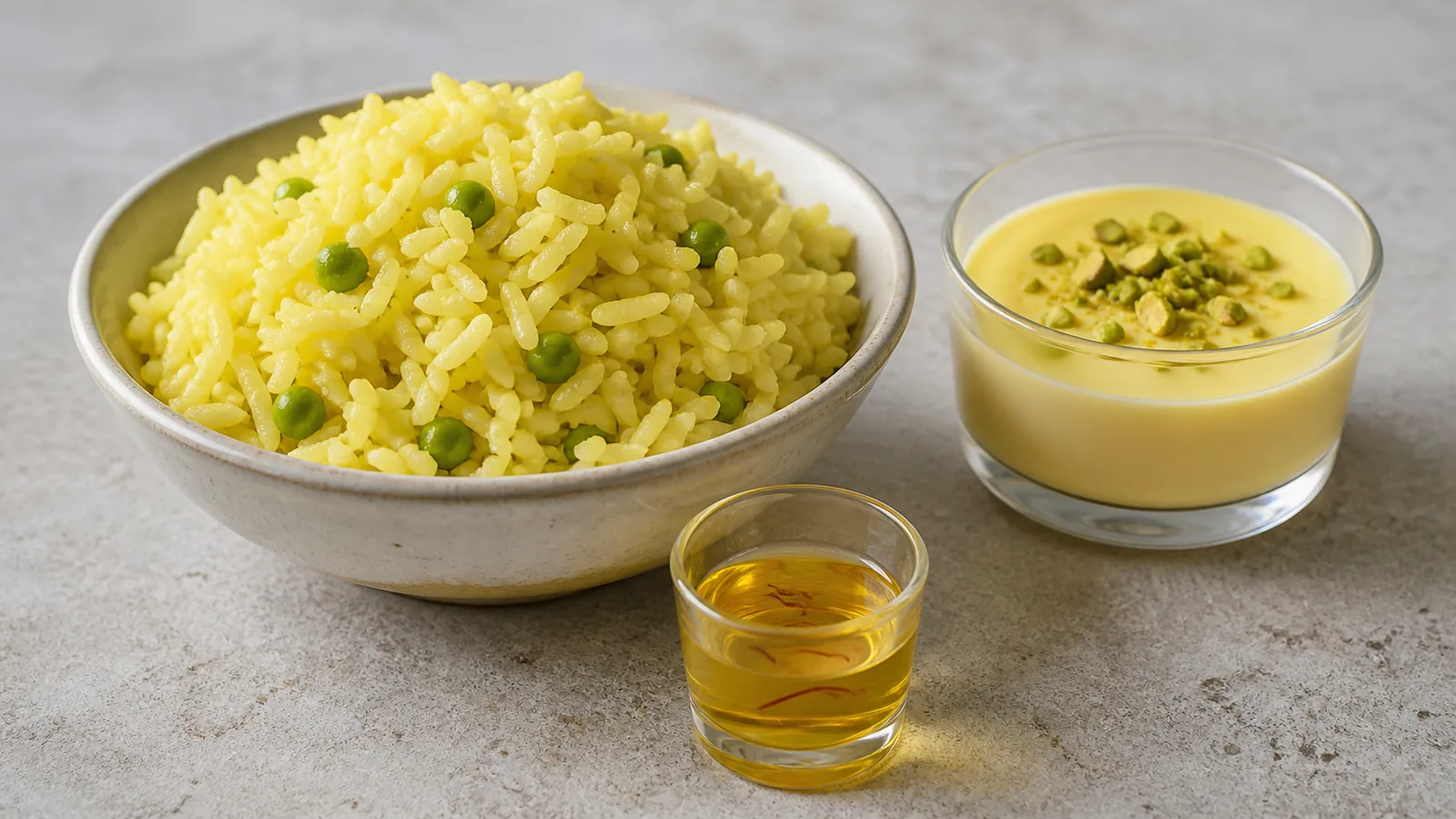
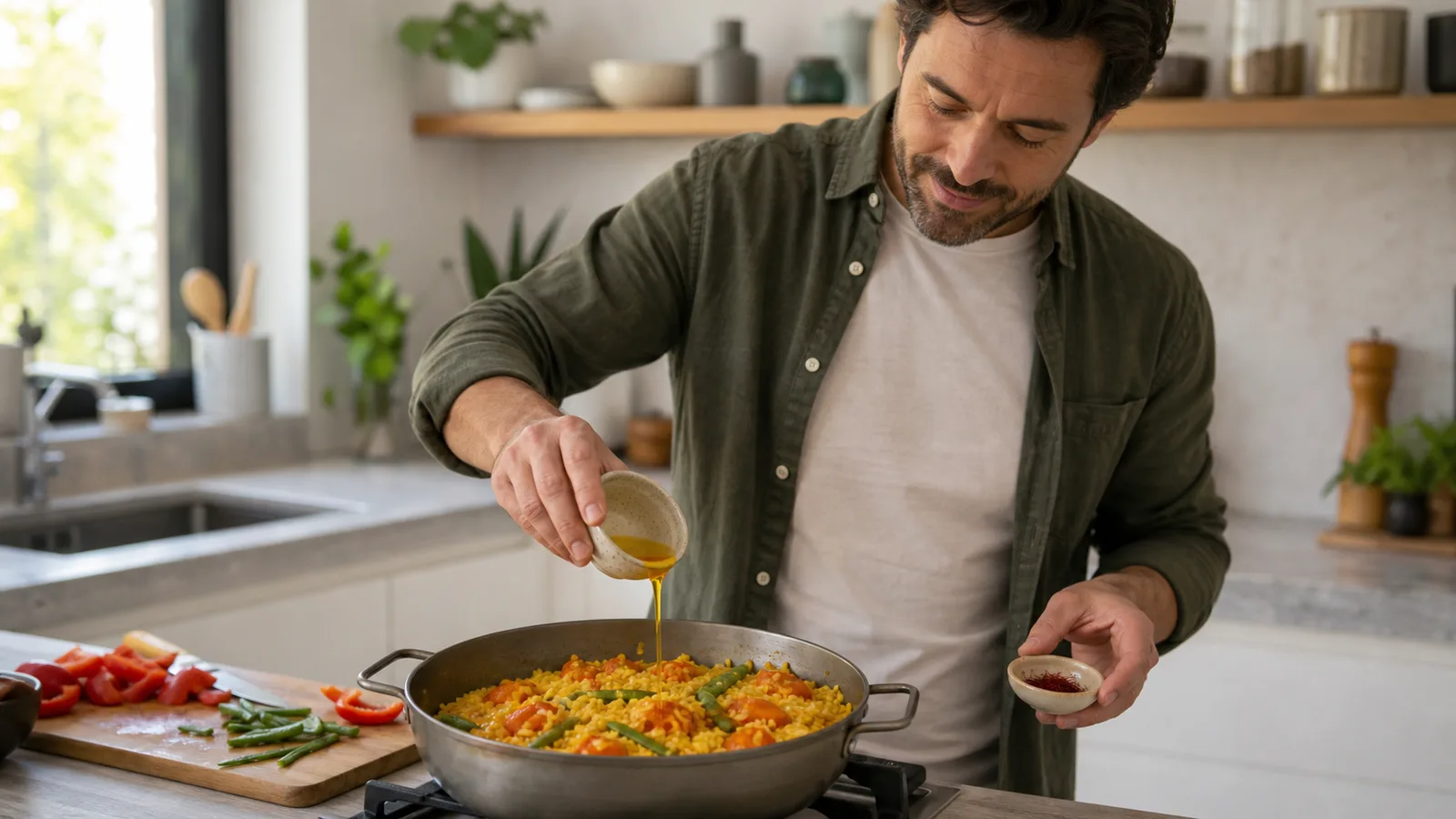
Used as a spice, saffron adds aroma with very little energy. An unsweetened infusion can replace a sugary drink, and a fragrant rice or vegetable dish may help make a balanced meal enjoyable. Those are food choices, not proof that saffron suppresses cravings or changes body composition.
Antioxidants and inflammation
Saffron contains crocin, crocetin, and safranal, compounds studied for antioxidant and anti-inflammatory activity. These mechanisms are scientifically interesting. They do not mean a culinary serving lowers a man’s risk of diabetes, cancer, or heart disease, and they do not justify describing saffron as an anti-inflammatory treatment.
The amount in a recipe is small, so saffron is not a meaningful source of “essential nutrients” in the way that vegetables, fruit, legumes, whole grains, fish, or other substantial foods can be. Its culinary value is flavour, aroma, and colour.
How men can use saffron
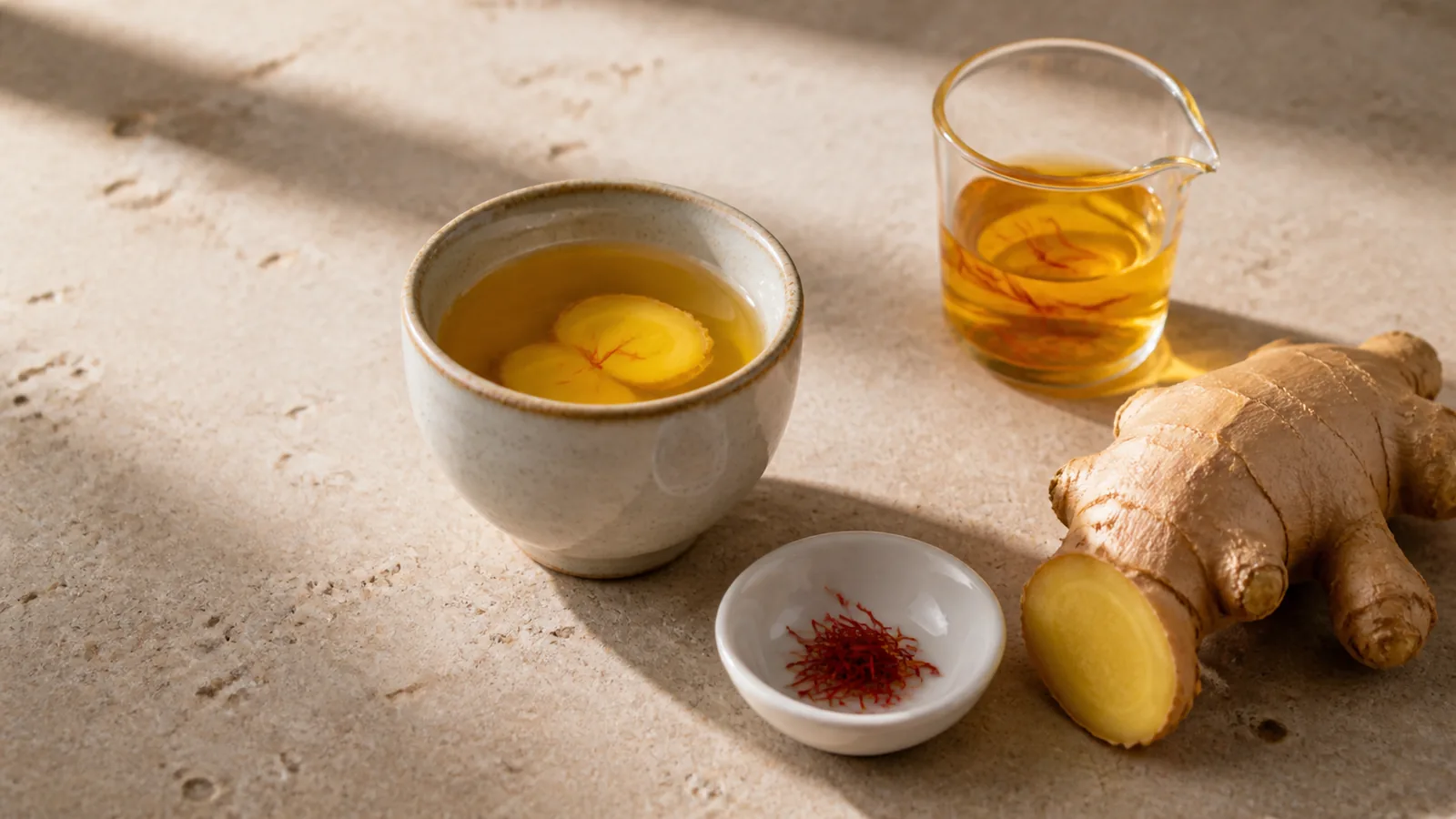
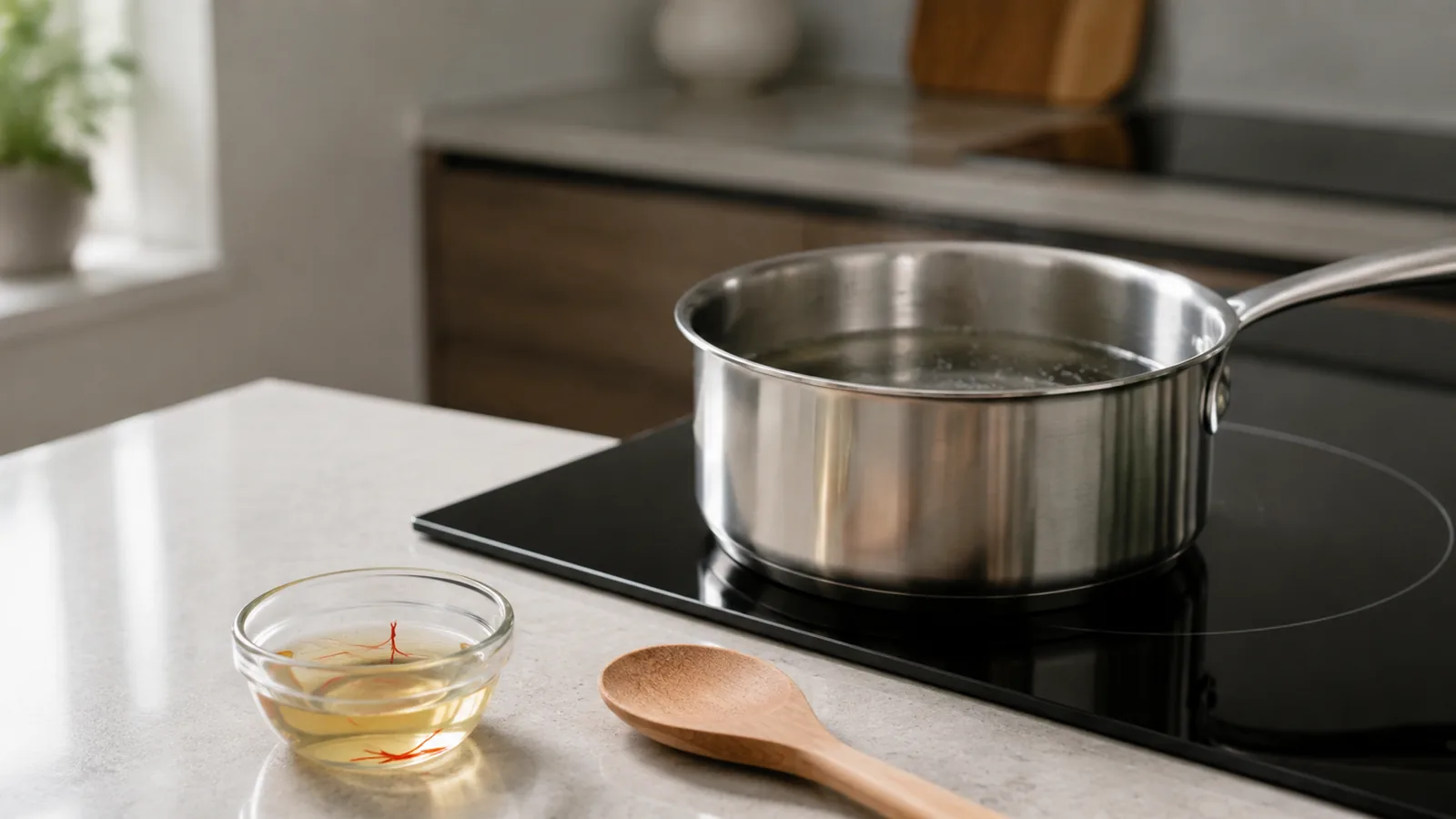
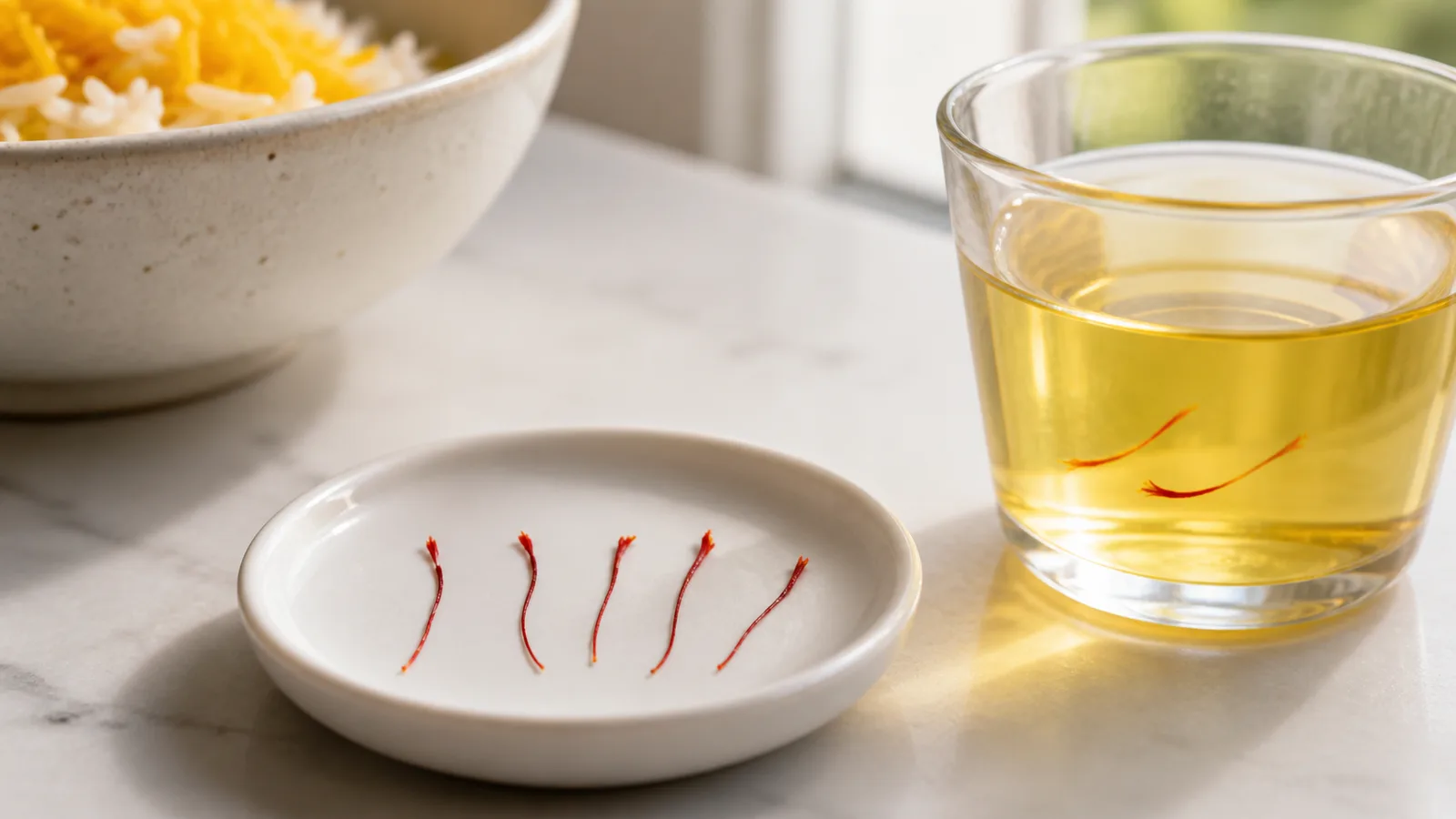
For ordinary food use, bloom a few genuine threads in warm water and add the infusion to rice, soups, stews, vegetables, or a drink. Saffron milk and tea are pleasant options; neither needs a health promise to be worthwhile.
Topical saffron-infused oil is sometimes promoted for inflammation. Applying an oil to the skin is unrelated to male hormone, heart, or sexual-health outcomes, and a carrier oil may be doing most of the moisturising. Patch-test cosmetic products and do not use kitchen preparations on irritated skin.
Supplement safety
A concentrated extract can differ substantially from food. Talk with a pharmacist or clinician before using one if you take regular medication, have low blood pressure, a bleeding condition, heart or kidney disease, or are preparing for surgery. Do not combine saffron with erectile-dysfunction medicine, hormone products, antidepressants, or other supplements on the assumption that “natural” combinations are automatically safe.
Choose a product that identifies the extract and dose rather than promising testosterone, fertility, or sexual performance. Stop and seek advice if it causes a concerning reaction.
The bottom line
Saffron for men’s wellness is best understood as a spice with a few areas of early-to-moderate supplement research. Mood and sexual-function findings are promising but limited; testosterone, fertility, weight-loss, and disease-prevention promises are not supported. Persistent symptoms deserve care matched to their cause.
For culinary use, you can browse our saffron product range. Enjoy it for its flavour and place any health expectations within the actual evidence.