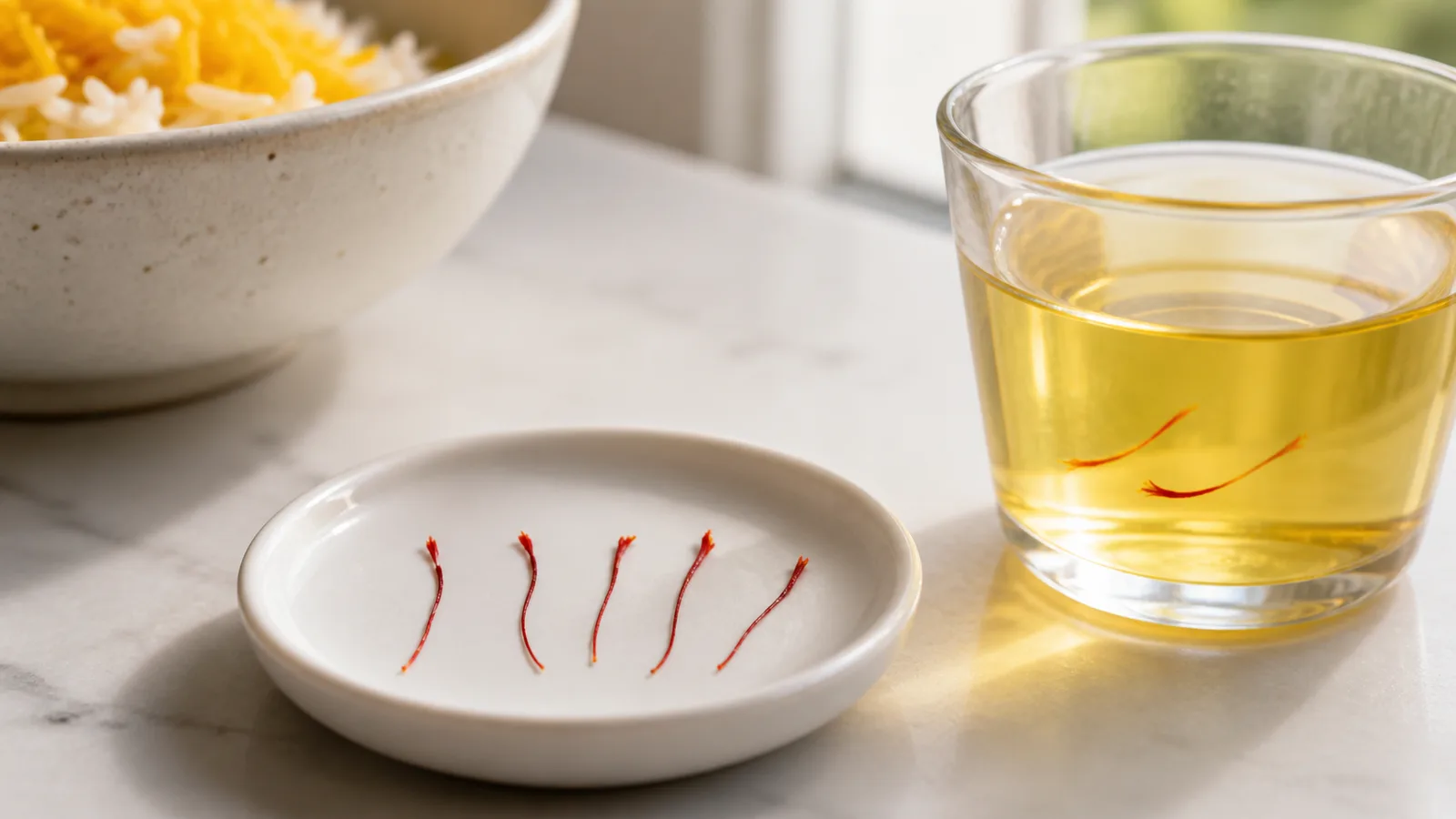
Saffron adds a floral, hay-like aroma and a warm, earthy character with a clean bitter edge. Some people describe a honeyed impression, but saffron does not make food sugary. A useful saffron taste profile separates aroma, bitterness and colour; a balanced saffron flavor profile is distinctive without tasting harsh or perfumed.
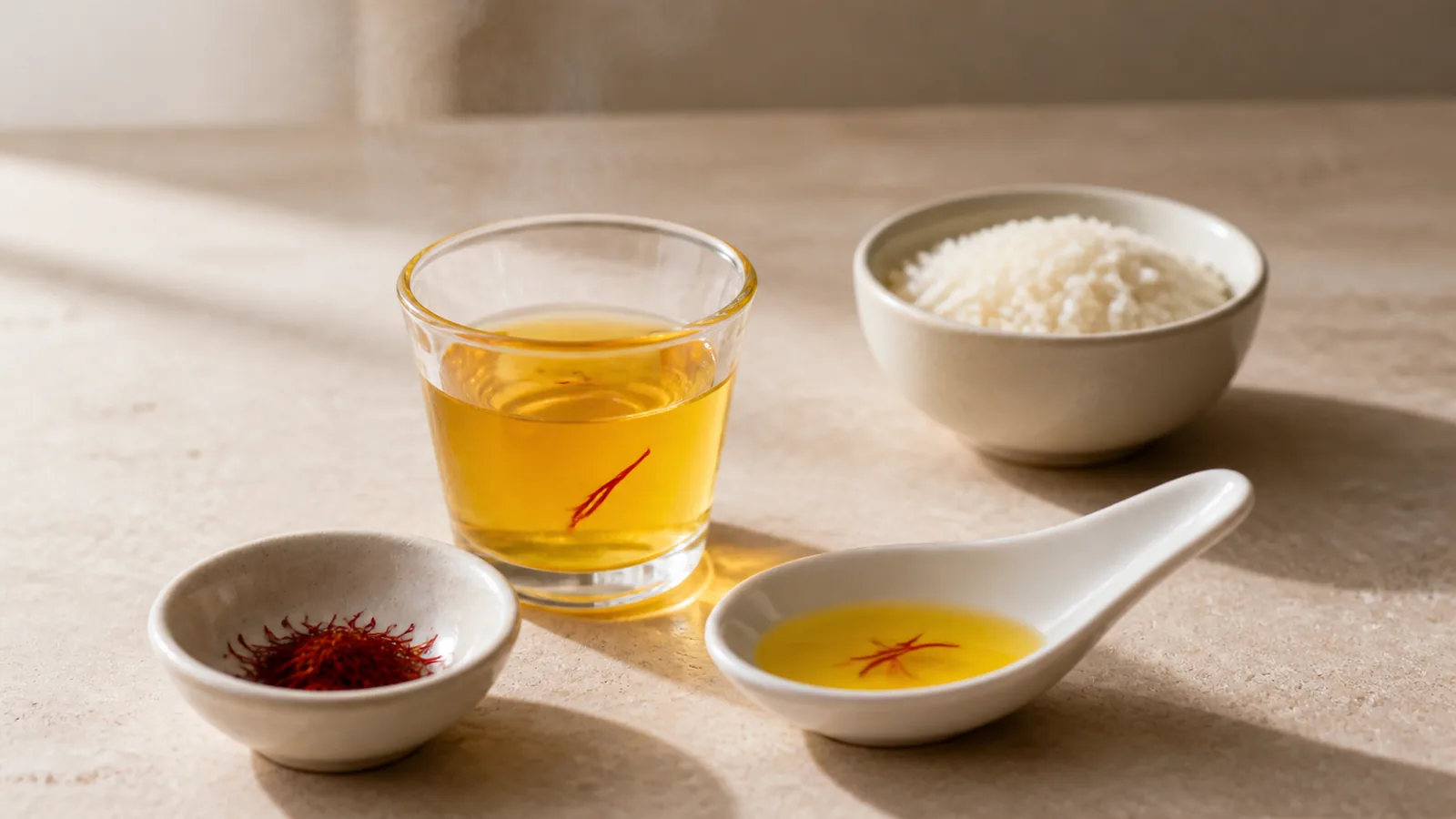
What Flavor Does Saffron Add?
The flavor of saffron is difficult to compare with a single familiar ingredient. Smell and taste work together: its volatile aroma can seem floral, dry, grassy or gently sweet-smelling, while the tongue notices a mild bitterness. The result is subtle yet complex.
This explains why descriptions of the flavour of saffron vary. One cook may focus on flowers and honey; another notices hay, warm earth or a faint mineral quality. Those words are comparisons, not a promise that saffron will taste exactly like lavender, sugar or soil.
The Main Parts of the Saffron Flavor Profile
Floral and Earthy Notes
The spice’s most recognisable quality reaches the nose first. Freshly bloomed threads have a fragrant, floral side balanced by something drier and earthier. In a mild dish, that aroma can add depth without overpowering the main ingredient. In a strongly smoked, chilli-heavy or very garlicky dish, it may be hard to notice.
Bitterness
A slight bitter taste is normal and useful. It gives structure to the aroma and keeps saffron from seeming like perfume. Strong bitterness is usually a sign of too much spice, uneven distribution or several threads concentrated in one mouthful.
Sweetness and Aroma
Saffron is often called slightly sweet because its scent can suggest honeyed flowers. That is an aromatic association rather than added sugar. Milk, cream, fruit and desserts can make the association more obvious; broth and rice tend to reveal the drier, savoury side.
Golden Color
Color influences how food is perceived, but it is not flavor. Saffron releases a yellow-to-golden hue as it infuses. Turmeric or colouring can make a dish look similar without recreating saffron’s aroma or bitter taste, so appearance alone is not a reliable sensory test.
Why Saffron Has These Sensory Effects
Saffron’s principal sensory compounds have different jobs. Crocins are strongly associated with its colour, picrocrocin with bitterness, and safranal with characteristic aroma. A recent peer-reviewed review of saffron extraction and composition discusses these colour, taste and aroma compounds.
They do not behave identically during storage and cooking. Aroma compounds are volatile, while colour may remain obvious after fragrance has weakened. That is why an old batch can still turn water yellow while offering a muted taste experience.
What Saffron Tastes Like in Different Foods
Rice and Grains
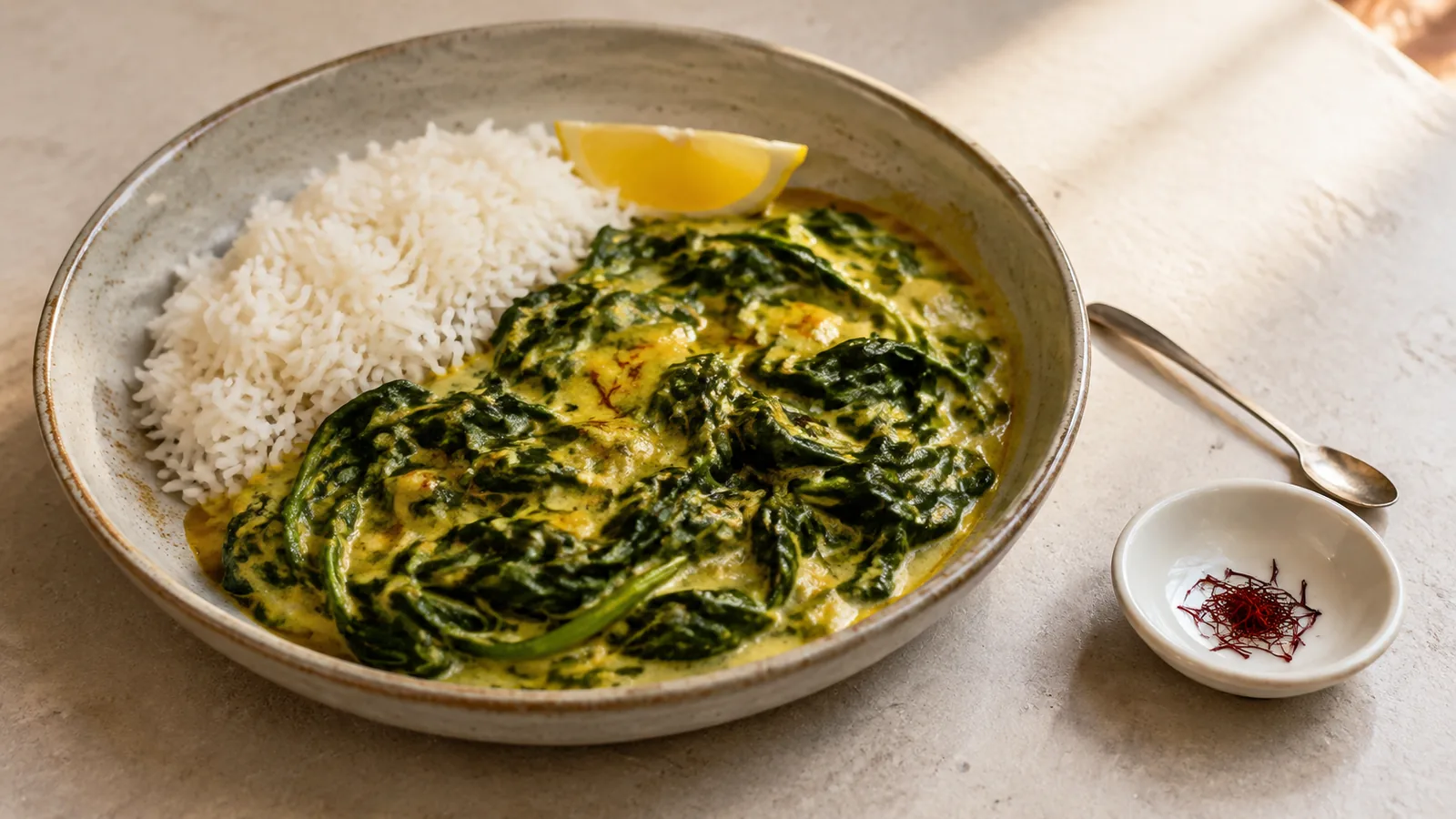
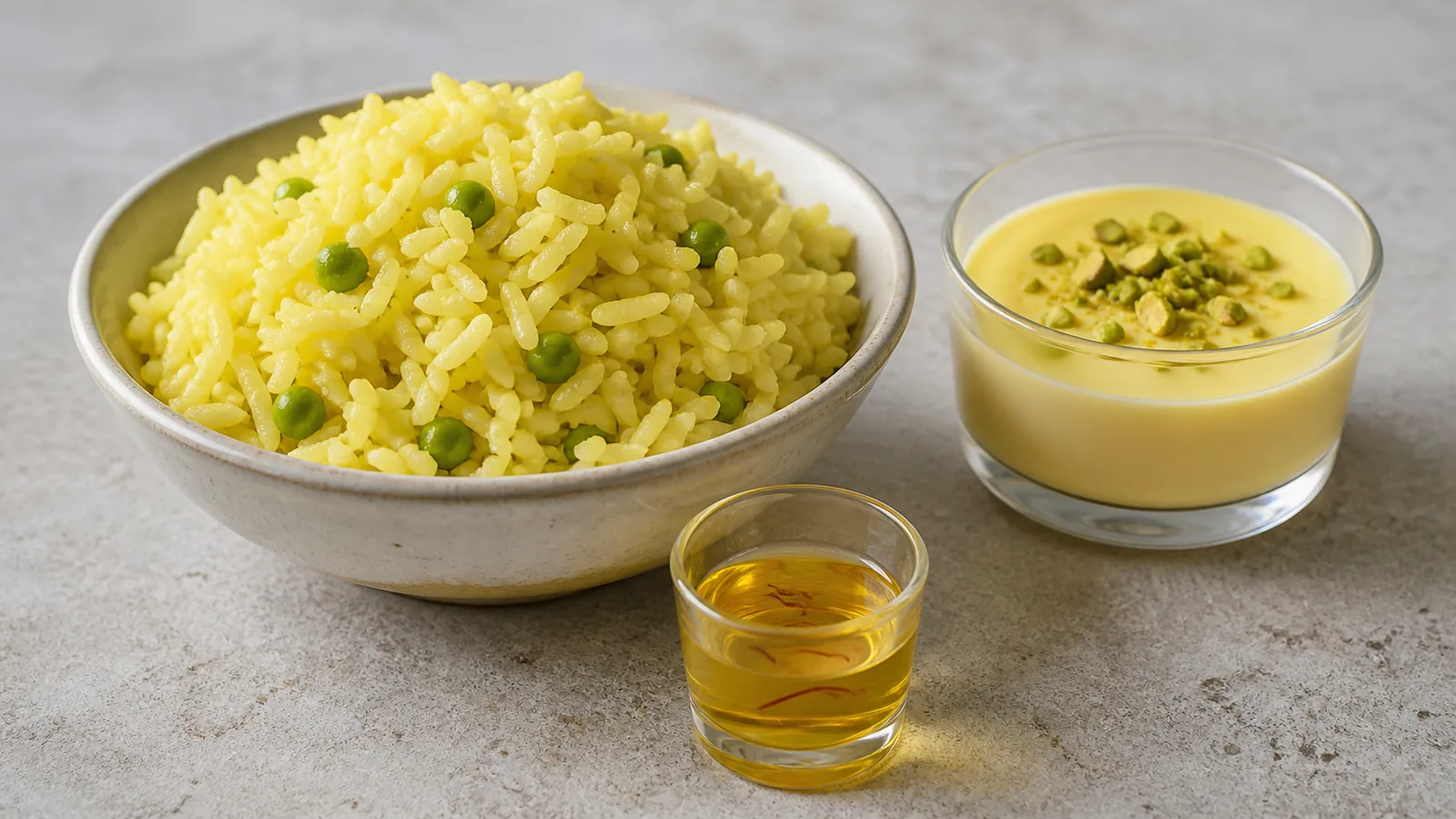
Rice provides a mild base that makes saffron easy to recognise. The aroma rises with the steam, the bitter edge is softened by the grain and fat, and the golden colour spreads visibly. Onion, butter, mild stock, cardamom or cumin can support it when used in proportion.
Soups and Stews
In broth, saffron feels warm and savoury. It can connect chicken, seafood, vegetables and rice without becoming a separate sauce. Long hard boiling can reduce the fragrance, so a bloomed infusion is often best added during the later part of cooking.
Chicken and Other Mild Proteins
Chicken, fish and shellfish allow the floral and earthy notes to remain clear. Lemon, yoghurt and gentle spices work well beside it. Heavy smoke or a dense spice crust may leave mostly colour visible.
Desserts and Baked Goods
Dairy, sugar, nuts and fruit bring forward saffron’s honeyed side and soften bitterness. It works in custard, rice pudding, ice cream, cake and pastry. Rose water, cardamom and vanilla are compatible, but using all of them heavily can hide the saffron.
Drinks
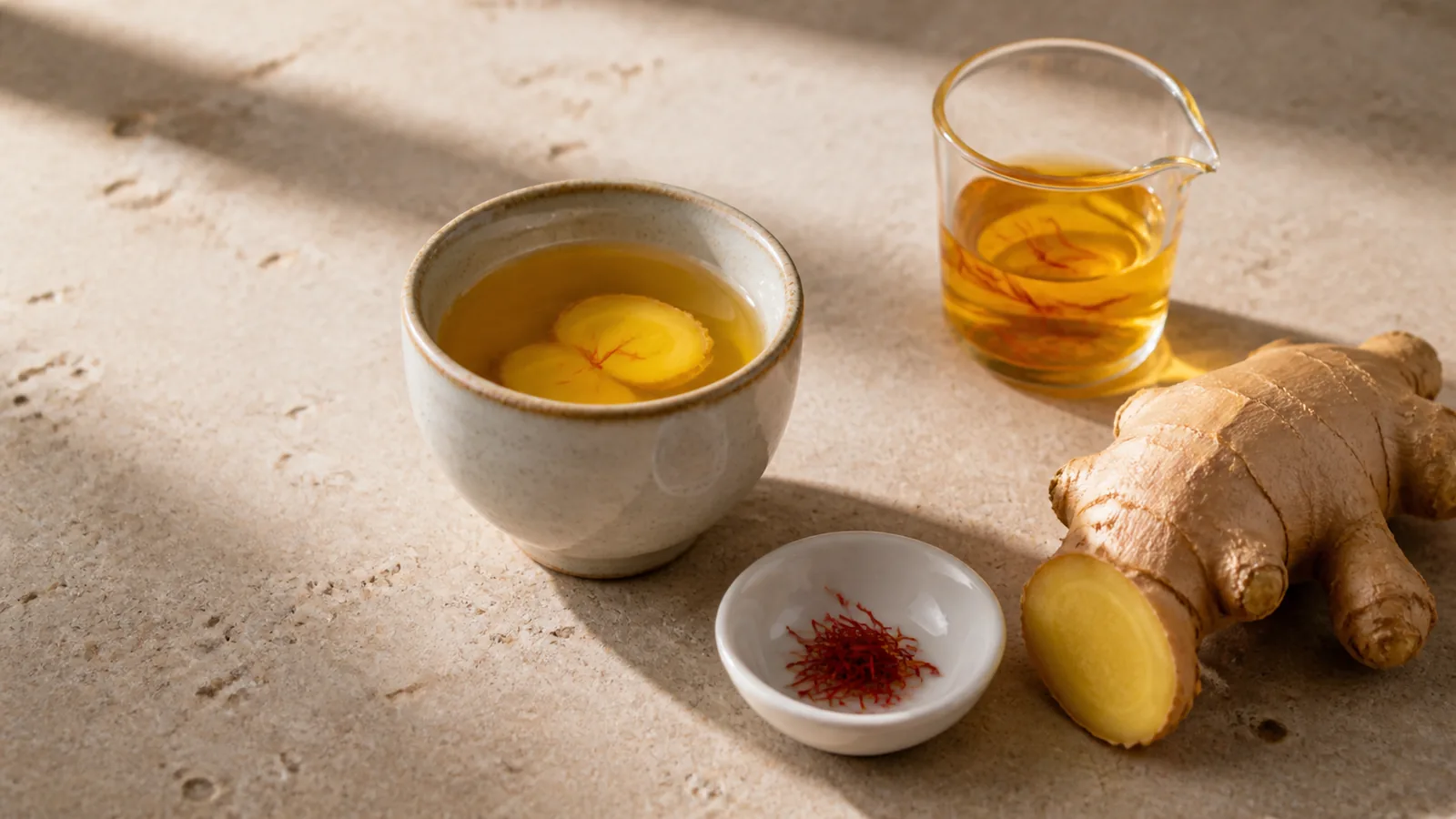
In warm milk, tea or a simple infusion, saffron can be especially aromatic because there are fewer competing flavors. The dose should still be modest. A drink that tastes aggressively bitter is usually too concentrated.
For examples across these categories, see recipes that use saffron.
How to Release Maximum Flavor
- Measure the threads instead of tipping directly from the packet.
- Crush them gently in a dry mortar or between clean fingers.
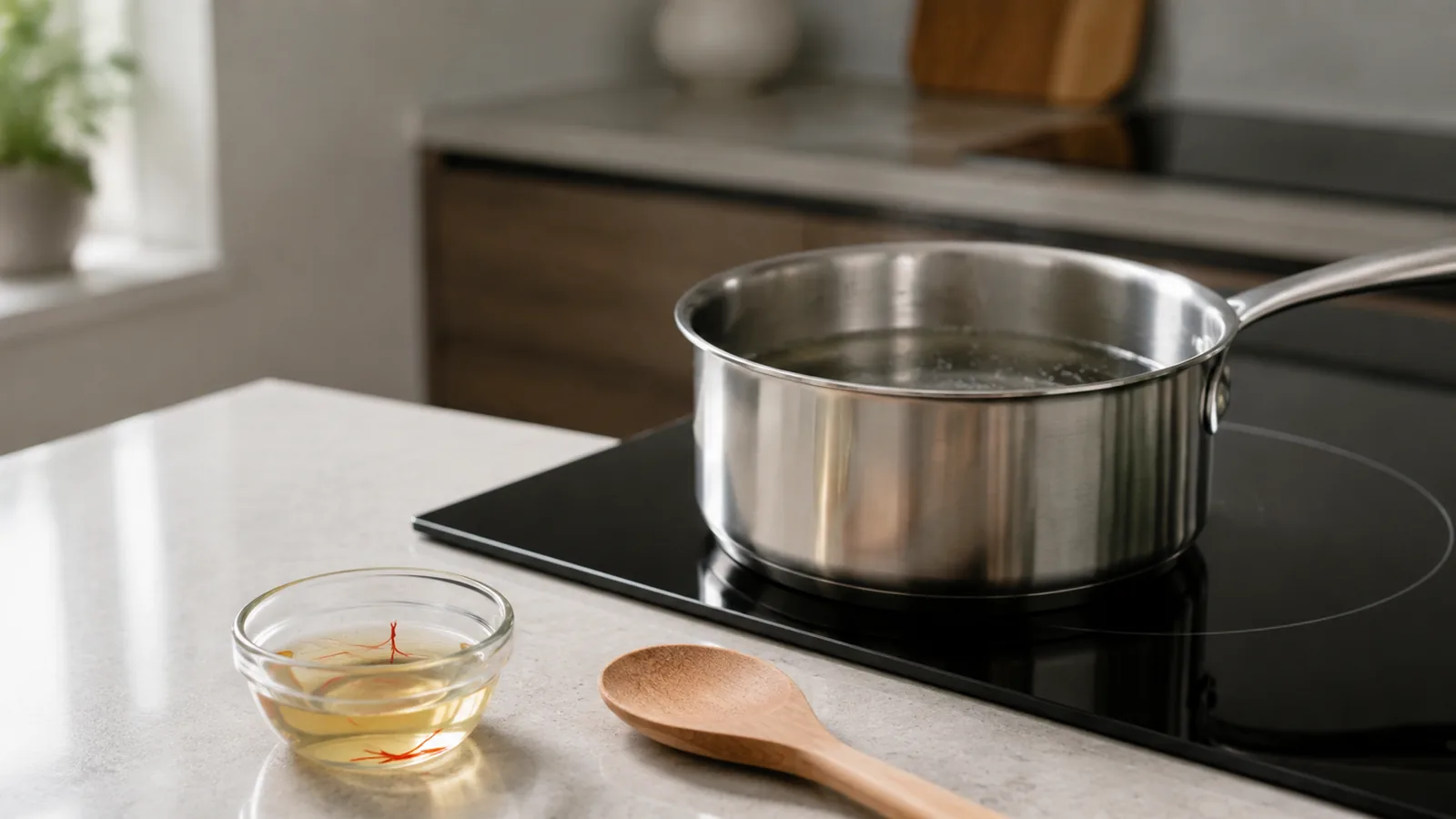
- Add a few spoonfuls of warm water, milk or stock.
- Cover and leave for 10 to 20 minutes.
- Add the liquid and softened threads where they can spread evenly through the dish.
- Avoid an unnecessarily long rolling boil.
- Taste the finished food before deciding it needs more.
Warm liquid extracts more evenly than scattering dry threads over a nearly finished dish. The practical guide to adding saffron to a dish explains timing for rice, broth, baking and dairy recipes.
How to Taste Saffron on Its Own
Smell a few dry threads, then bloom a measured pinch in a small cup of warm water. Cover it for 10 minutes. Smell the infusion before taking a small taste once it is comfortably warm.
Look for an aroma that is floral and hay-like, a clean bitter edge and a lingering warm impression. Do not expect sugar-like sweetness or chilli heat. This simple test is useful when learning a new batch, although it does not replace formal laboratory testing for authenticity or grade.
What Changes the Flavor of Saffron?
- Quantity: too little disappears; too much becomes bitter and medicinal.
- Distribution: a bloom tastes more even than several dry threads in one bite.
- Heat: gentle cooking integrates the spice; prolonged hard boiling can flatten aroma.
- Freshness: air, heat, light and moisture gradually weaken the sensory profile.
- The recipe: salt, sugar, acid, fat and serving temperature all change perception.
- The taster: people use different words and have different thresholds for aroma and bitterness.
Common Misunderstandings
- “Saffron is sweet”: it can smell honeyed, but it does not sweeten food like sugar.
- “Yellow food tastes of saffron”: colour and flavor are separate signals.
- “More is more luxurious”: excessive saffron can make a dish unpleasant.
- “It tastes like turmeric”: turmeric has its own earthy taste and cannot reproduce saffron aroma.
- “Every batch is identical”: origin, processing, grade, age and storage affect the result.
Choosing Saffron for Flavor
Whole red threads are easier to inspect, measure and bloom than an unidentified powder. They should smell distinctive and release colour gradually in warm liquid. Store them sealed, dry and away from heat and light. If a batch gives strong colour but almost no fragrance, adding more may deepen the yellow without restoring the missing aroma.
Current thread-form options are listed in the saffron shop.
The Short Answer
What taste does saffron add? Expect floral and earthy notes, a hay-like warmth, a honeyed aromatic impression and genuine mild bitterness. In the right amount, it enriches sweet and savory recipes while leaving their main ingredients recognisable. Blooming a measured pinch is the clearest way to experience saffron flavors rather than colour alone.