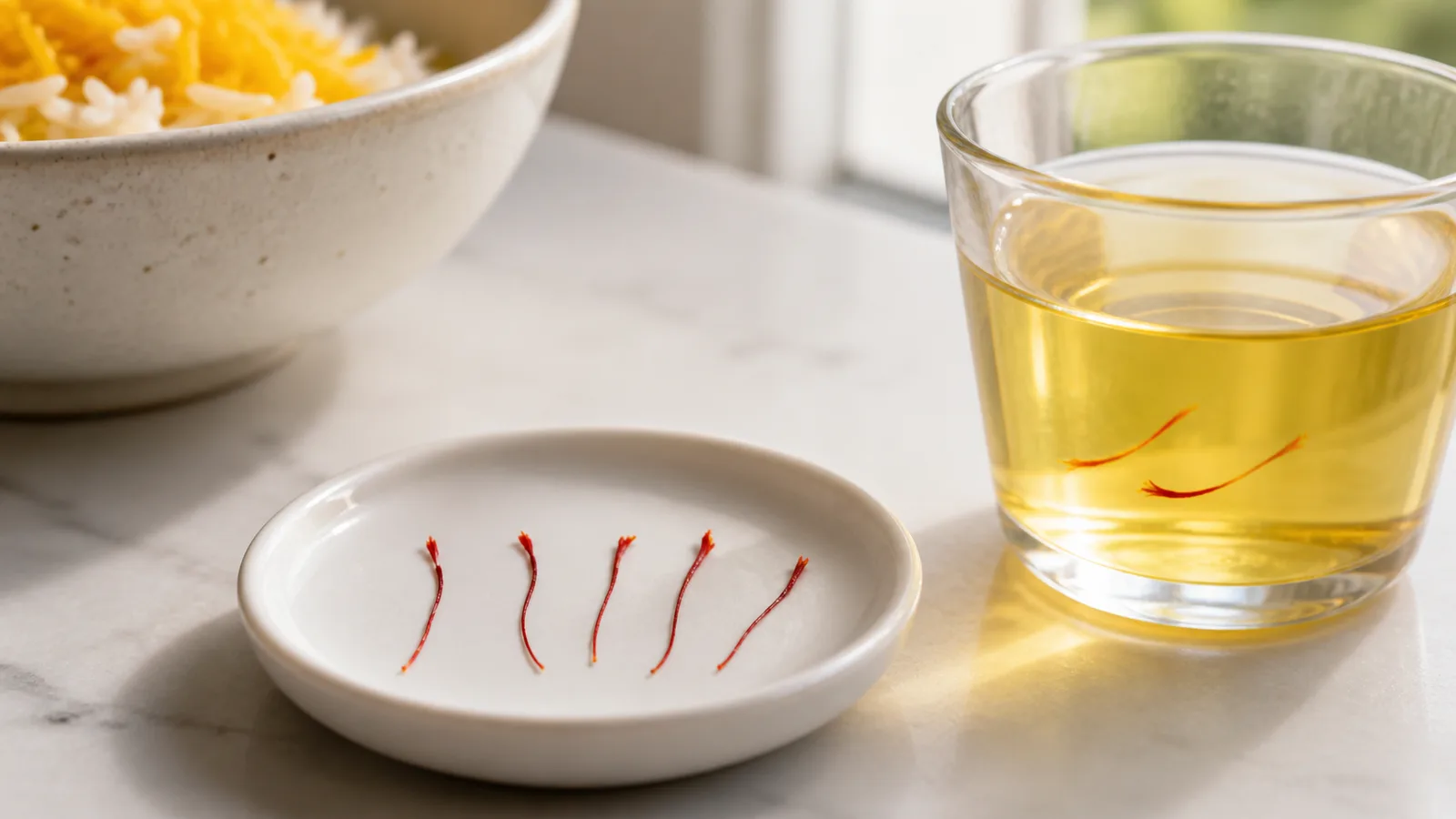
What are the saffron benefits? The certain benefits are culinary: a tiny amount gives food a distinctive aroma, bittersweet depth and golden colour. Researchers have also studied standardised saffron preparations for mood, cognition, sleep, sexual function and cardiometabolic measures. Some results are encouraging, but they do not make culinary saffron a treatment or prove every popular claim.
Saffron Health Benefits: A Comprehensive Overview
Saffron contains crocins, crocetin, picrocrocin, safranal and many other compounds. Laboratory antioxidant activity helps researchers propose mechanisms, but it is not itself proof that eating a few threads prevents disease. Human outcomes depend on the preparation, amount, study population and length of use.
The possible benefits of saffron therefore need to be discussed outcome by outcome, with culinary effects separated from findings about concentrated research preparations.
A broad meta-research review of saffron health outcomes found positive signals across several areas, while also finding that the scientific and reporting quality of the underlying reviews needed improvement. That mixed picture is the right starting point: saffron is well studied for a spice, yet many conclusions remain less certain than advertising suggests.
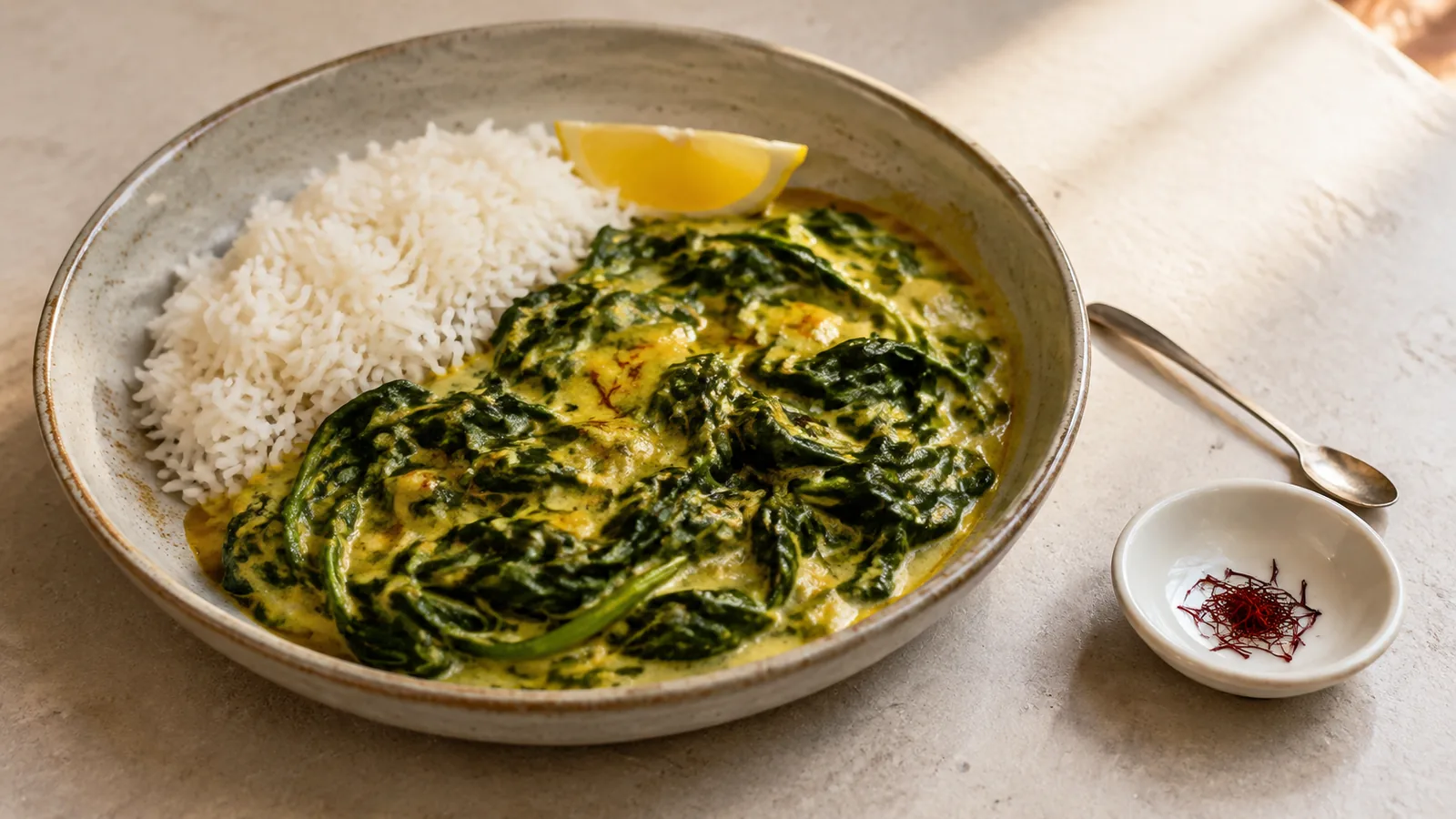
Benefits of Eating Saffron in Food
The practical advantages of saffron are easiest to see in the kitchen:
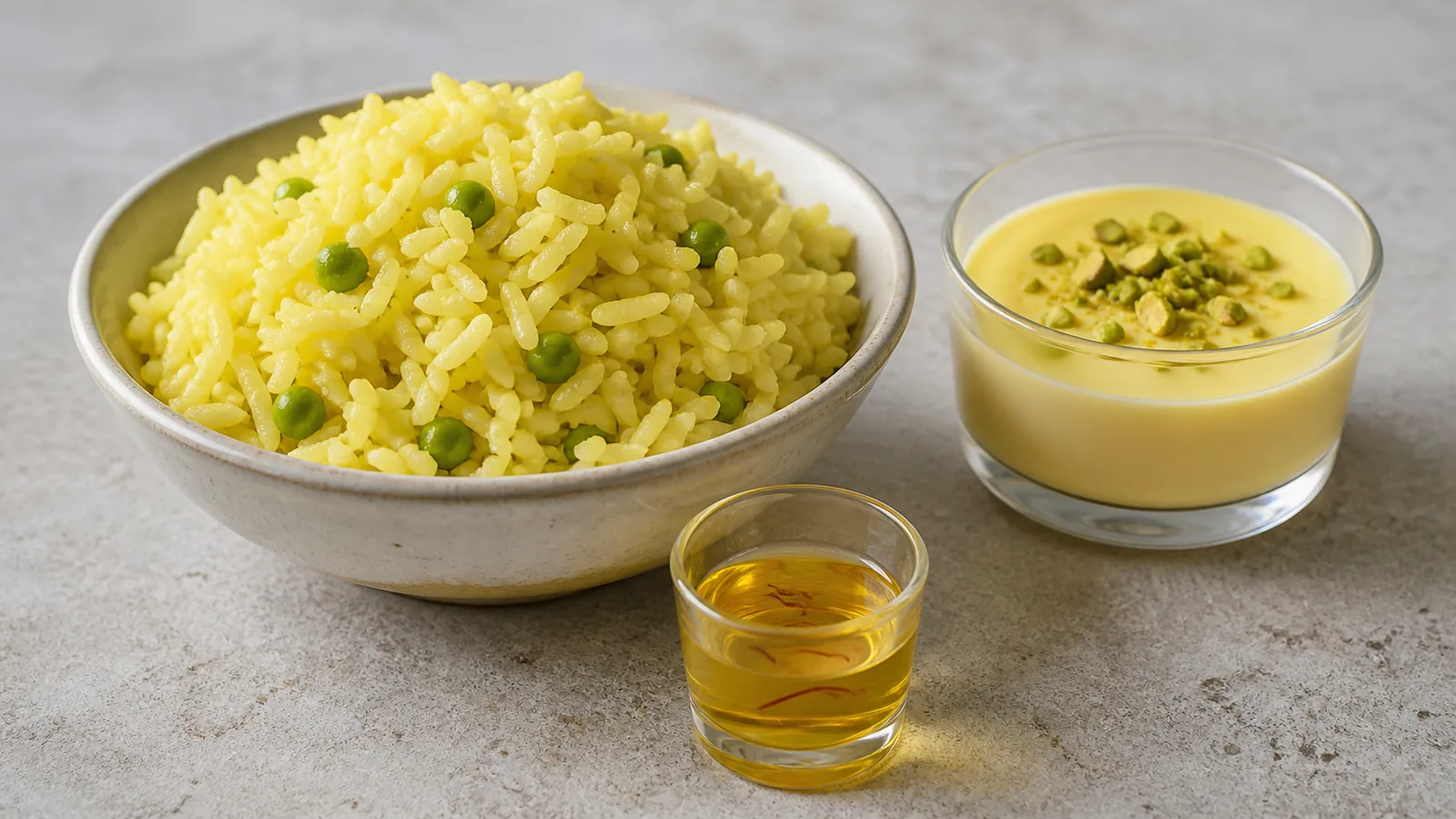
- a small pinch colours an entire pot of rice, soup, milk or stock;
- its floral, hay-like and honeyed notes add complexity without a bulky ingredient;
- it works in savoury food, baking, desserts and drinks;
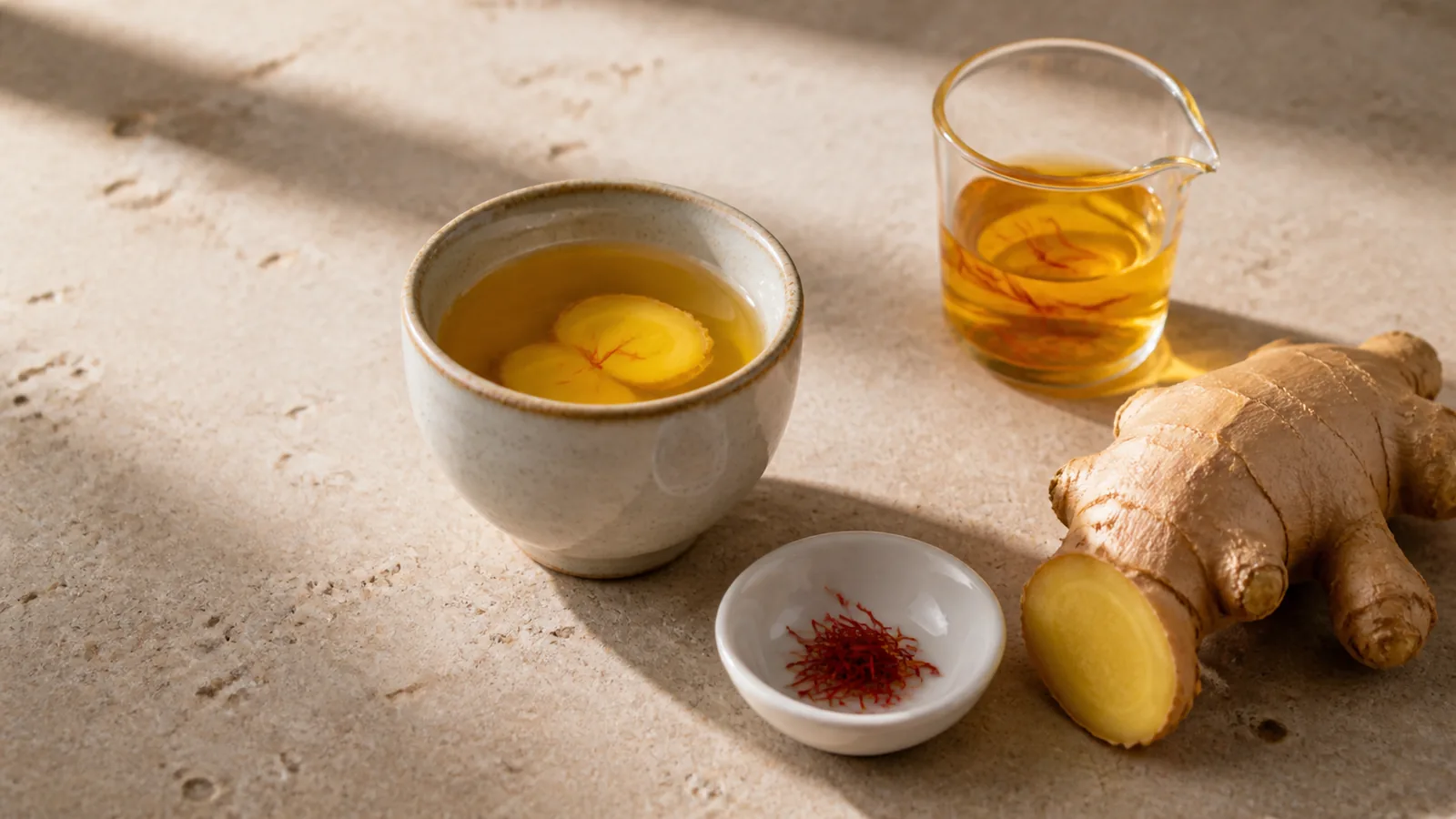
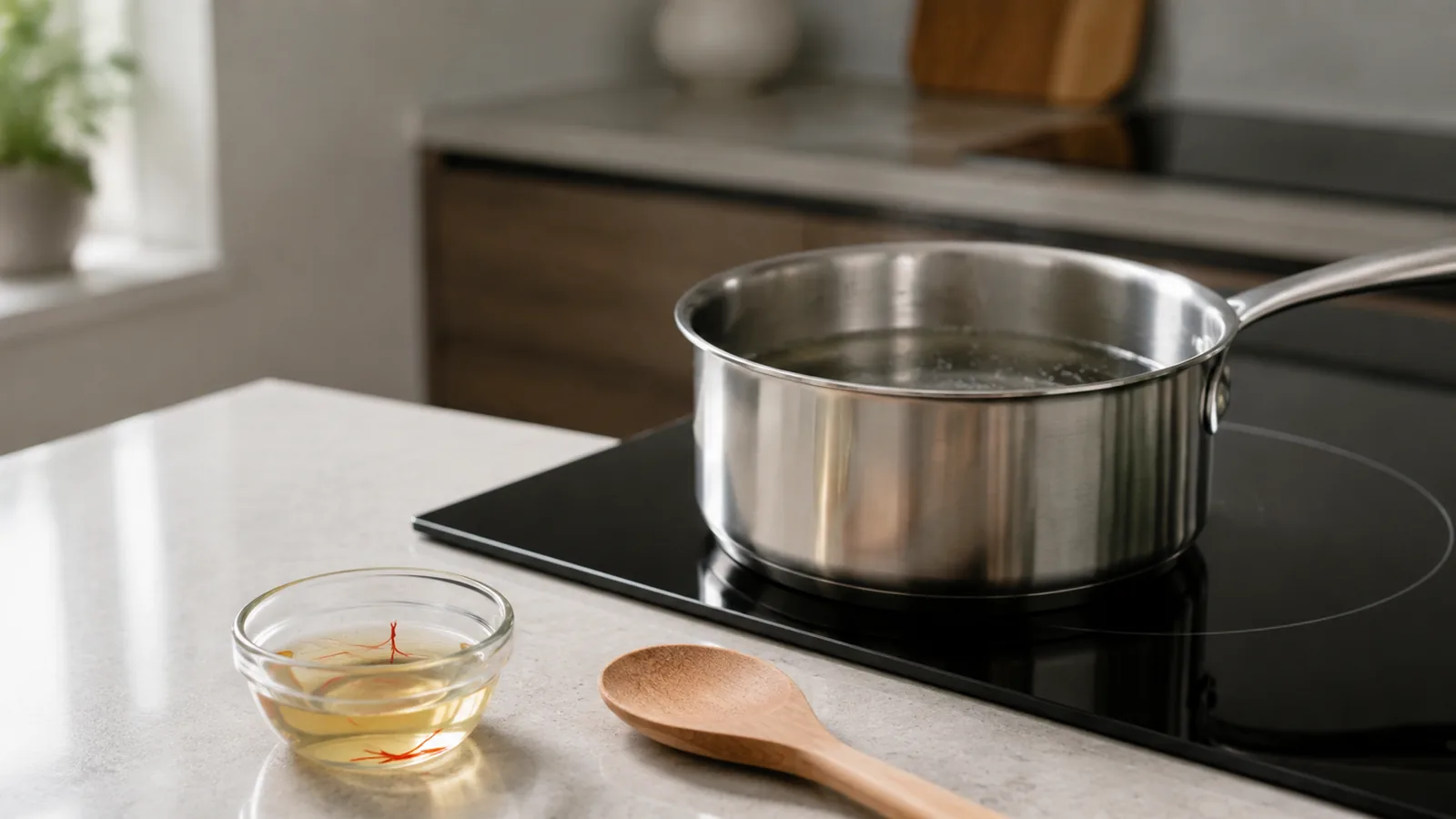
- whole threads are easy to bloom and distribute through a recipe;
- the ritual of preparing a traditional dish can carry cultural and personal value.
These are genuine benefits of eating saffron without turning food into medicine. A culinary pinch also exposes a person to far less material than many research extracts, so a supplement trial cannot be used to promise the same effect from dinner.
Mood, Anxiety and Stress
Mood is one of the most researched areas. A 2026 GRADE-assessed review of 34 randomised trials found improvements on some self-reported depression and anxiety scales, but not on several clinician-rated or other mood measures. The certainty was moderate and results varied considerably between studies.
That evidence supports continued research into saffron as a possible complementary intervention. It does not justify calling the spice a natural antidepressant, promising a serotonin increase or advising someone to replace therapy or prescribed medication. Anyone with persistent low mood, anxiety, thoughts of self-harm or impaired daily life should seek qualified care.
Memory and Cognitive Function
Trials have investigated cognition in healthy people and in particular neurological conditions. Some reviews report favourable signals, but studies use defined extracts, varying outcome tests and selected participant groups. It is not established that regular culinary use improves memory, focus or mental clarity in everyone.
Saffron should not be presented as a way to prevent dementia or reverse cognitive decline. New or worsening memory problems deserve medical assessment because medicines, sleep, mood, nutritional deficiencies and illness can all contribute.
Sleep
Some trials of standardised preparations report changes in sleep-quality scores. The evidence does not mean saffron acts as an immediate sedative, and it cannot predict whether one cup of saffron tea will make a person sleepy. Product, dose, sleep problem and study duration matter.
Ongoing insomnia, loud snoring with breathing pauses, severe daytime sleepiness or a sudden sleep change should not be managed with saffron alone.
Heart and Metabolic Health
Researchers have measured blood pressure, glucose, cholesterol and other cardiometabolic markers. A 2025 meta-analysis in metabolic syndrome and related conditions reported small changes in several laboratory measures, while finding no significant improvement in BMI or waist circumference. Such surrogate measurements are not proof that saffron prevents heart attacks or treats diabetes.
Do not change blood-pressure, cholesterol or diabetes medicine because of saffron. A clinician can judge whether a supplement is appropriate alongside the person’s diagnosis and treatment.
Weight, Appetite and Digestion
Saffron is often promoted for appetite control and metabolism. A meta-analysis of 25 randomised trials found no significant reduction in body weight, BMI, waist circumference or hip circumference. A small product-specific study does not establish ordinary saffron as a weight-loss aid.
Claims that saffron boosts digestion, detoxifies the body or fixes bloating are also not established clinical benefits. It may simply be an enjoyable flavour in a meal or unsweetened drink.
Sexual and Reproductive Health
Clinical studies have examined sexual function and fertility-related outcomes in selected groups. Results vary by condition, sex, extract and measurement, and they should not be turned into a general promise of higher testosterone, improved fertility or treatment for erectile dysfunction.
Fertility concerns, pain or persistent sexual dysfunction deserve proper assessment. Saffron is not a substitute for investigating cardiovascular, hormonal, medication-related or psychological causes.
Skin and Anti-Inflammatory Claims
Saffron has a history in cosmetics and laboratory studies of inflammation and microbes. Evidence is not strong enough to promise that a homemade saffron mask treats acne, removes pigmentation, prevents ageing or creates a permanent glow. Direct application may irritate skin or trigger allergy, and staining can be mistaken for improvement.
Use products formulated for skin as directed and seek dermatological advice for a persistent rash, acne, pigment change or lesion. Eating saffron has not been shown to target a particular skin problem.
Iranian, Persian and Zafran Benefits
Iranian saffron benefits and Persian saffron benefits are not a separate set of medical effects. They refer to saffron grown or traded from a particular origin. People searching for zafran benefits are also asking about saffron; zafran is another name for the spice. If each product is genuine Crocus sativus, health research is better interpreted by preparation and measured composition than by nationality.
Origin can influence sensory character, grading language, traceability and price. It does not prove that one country’s threads cure more conditions. For food, compare authenticity, freshness, aroma, colouring strength and the grade supplied.
Safety and Sensible Use
A culinary amount and a concentrated supplement need separate risk assessments. A current systematic review of human safety data found preparations generally well tolerated, with gastrointestinal effects most commonly reported, but recommended more caution and monitoring for higher-dose or prolonged medicinal use.
Avoid saffron after a known allergy. Ask a clinician before supplement-style use during pregnancy or breastfeeding, for children, with regular medication or with a medical condition. Never take a large amount to chase a stronger benefit.
The Balanced Answer
Saffron health benefits should be described in layers. Its culinary advantages are clear. Human research has promising findings in some areas, especially certain mood outcomes, but also inconsistent results and important limits. Enjoy saffron as food; treat extracts as specific products requiring specific evidence and safety advice.
Browse our saffron products, or read who should avoid saffron and when professional advice matters.