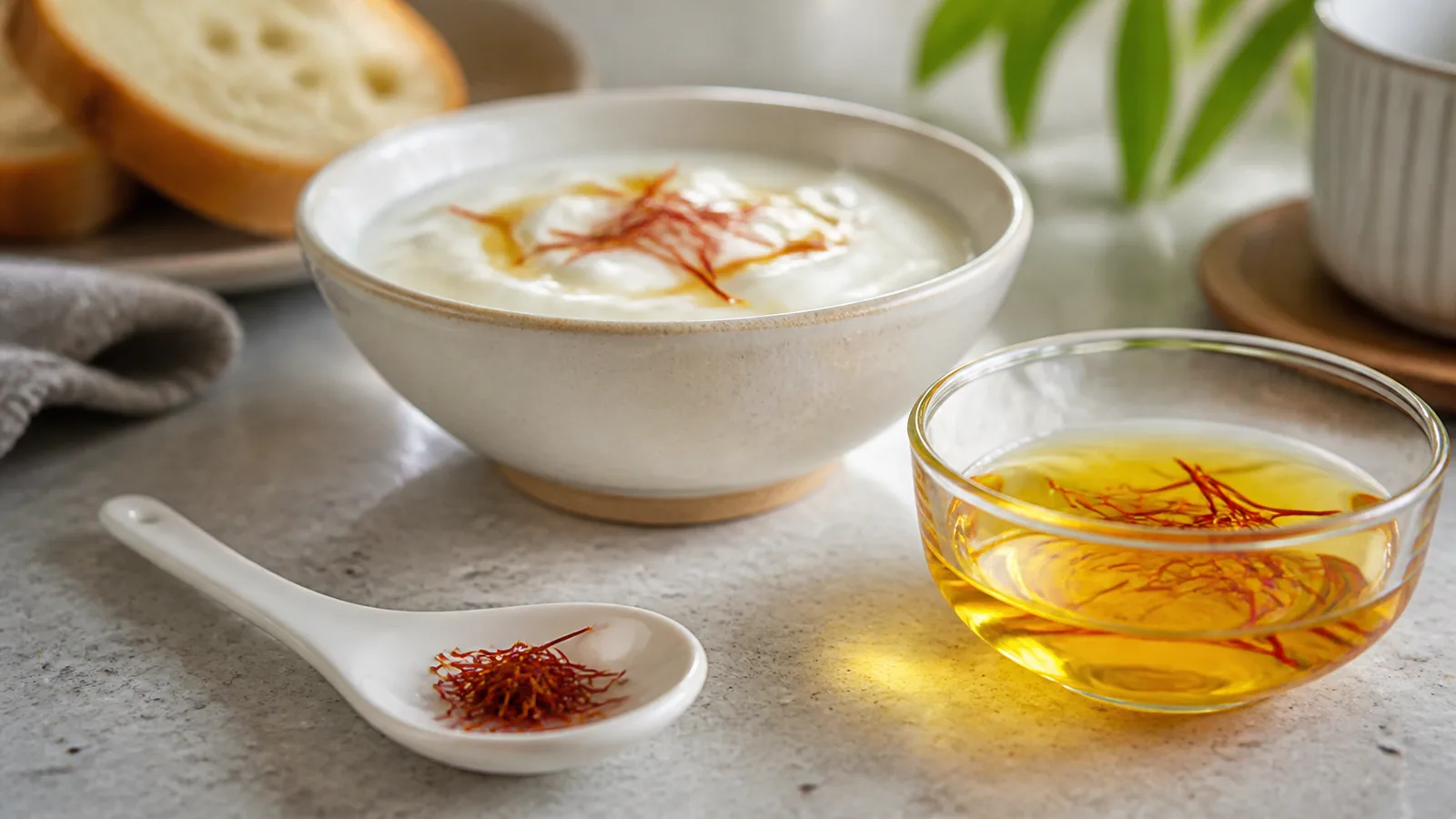
What are the benefits of eating raw saffron? A few genuine dried threads can add aroma, colour and characteristic plant compounds to food. There is no good evidence that chewing saffron dry unlocks extra health benefits. Blooming the threads usually gives a better culinary result and does not make them less “natural.”
What Are the Benefits of Eating Raw Saffron?
Commercial saffron is normally dried after harvest. Here, “raw saffron” means food-grade dried Crocus sativus stigmas that have not been cooked or steeped. It does not mean eating a crocus flower, corm or unidentified garden plant.
The certain benefit is culinary: saffron can make a modest portion of food smell and taste distinctive. Human research has also examined standardised preparations, but those results do not prove that a few dry threads act as a treatment.
Improved Mood
Mood is among the more studied uses of saffron extracts. A review of saffron evidence reviews describes promising findings as well as weaknesses in study quality and reporting. It does not show that raw saffron immediately raises serotonin or works as a natural antidepressant.
Persistent low mood, anxiety, major sleep changes or thoughts of self-harm need professional help. Saffron in a meal is not a substitute for that care.
Better Digestion
There is not enough reliable evidence to say that raw threads stimulate digestive enzymes or relieve bloating and cramps. Some people may simply enjoy saffron in warm milk, tea or rice, while concentrated use can cause nausea. Ongoing digestive symptoms deserve a proper assessment rather than an improvised spice remedy.
Antioxidant and Anti-Inflammatory Effects
Saffron contains crocins, crocetin, picrocrocin and safranal. These compounds show antioxidant and other biological activity in laboratory work. “Antioxidant” does not mean that eating the spice prevents disease, and raw consumption has not been established as superior to ordinary culinary use.
Heart Health Benefits
It would be too strong to promise that raw saffron improves circulation, lowers cholesterol or controls blood pressure. Research uses defined products and outcomes, while cardiovascular risk depends on many factors. Anyone managing blood pressure, cholesterol, bleeding risk or heart disease should follow clinical advice and be cautious with concentrated supplements.
Improved Sleep
Trials have studied certain saffron extracts for sleep, but that is not proof that chewing dry threads is a sedative. A small warm drink may be a calming routine, yet the time, temperature and setting can matter as much as the ingredient. Persistent insomnia has many possible causes and should not be masked with escalating doses.
How to Eat Raw Saffron
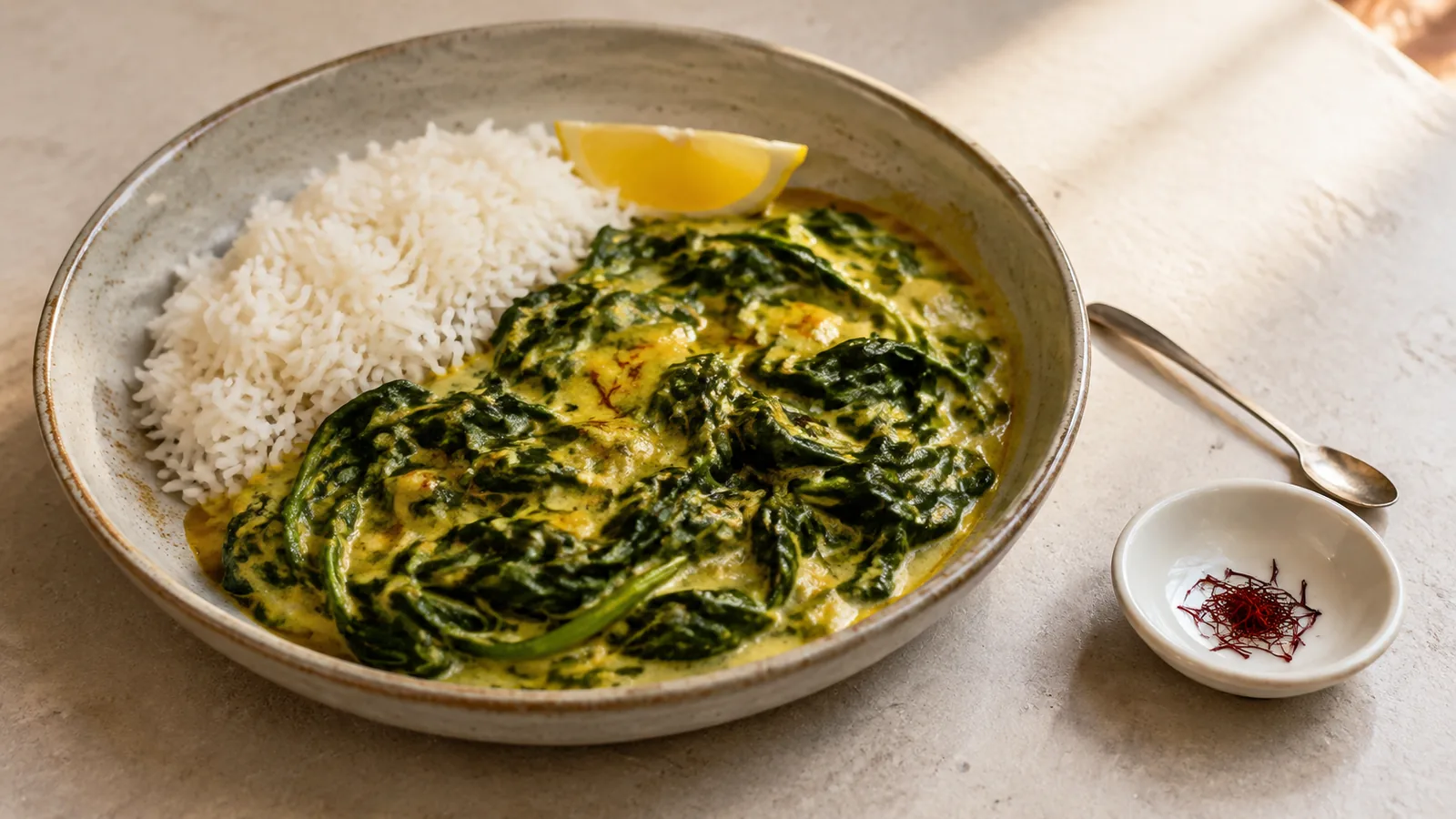
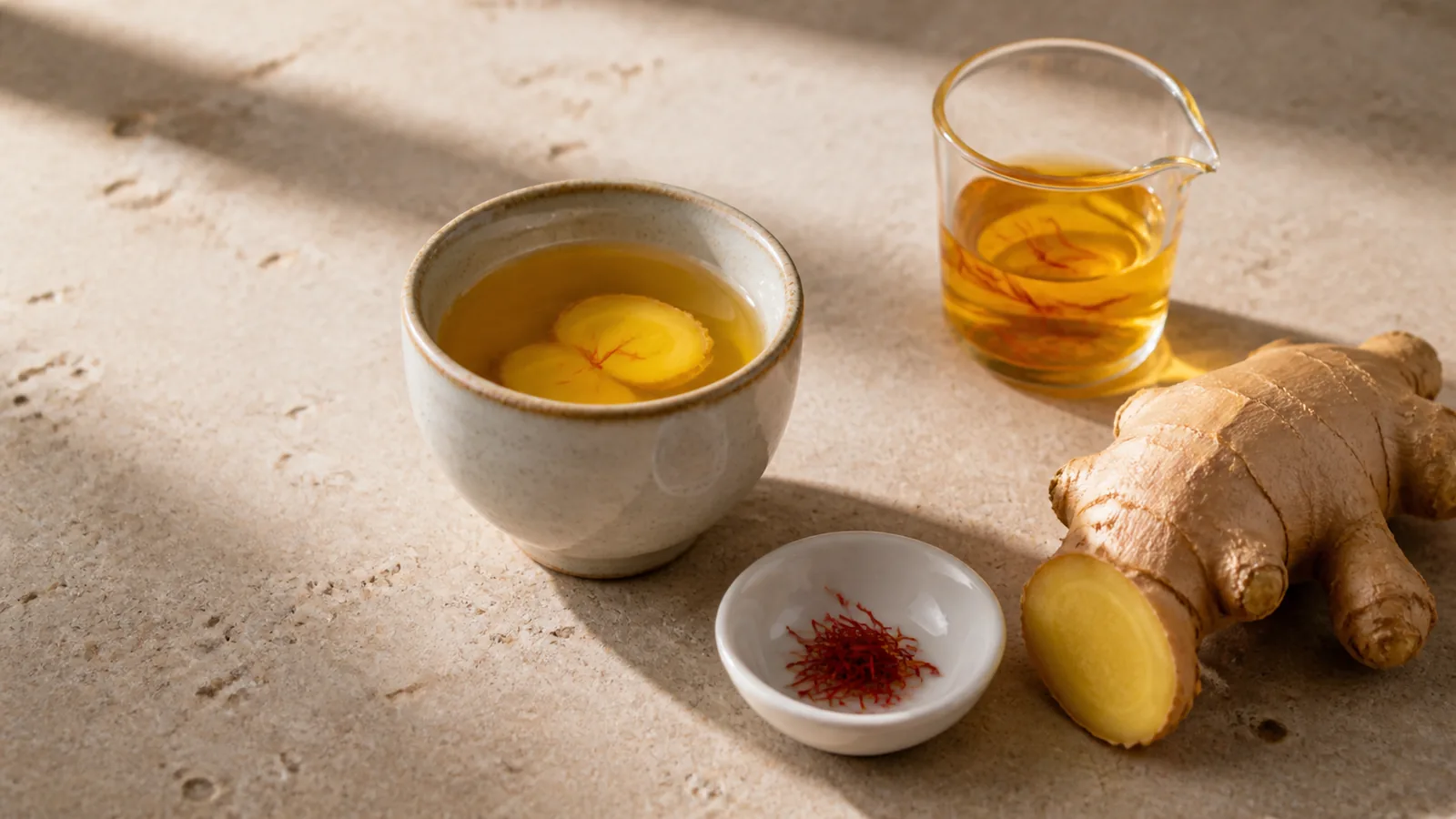
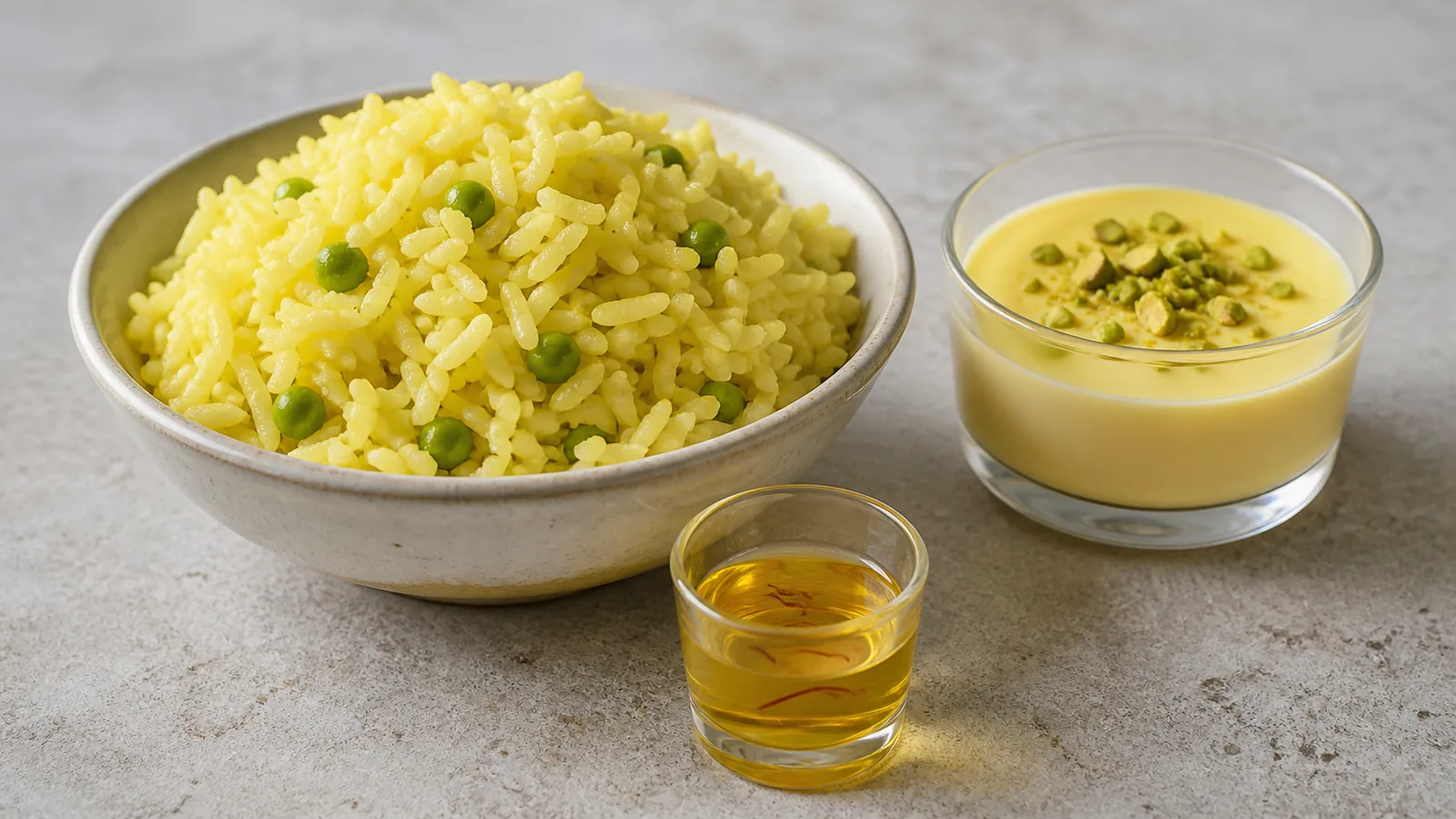
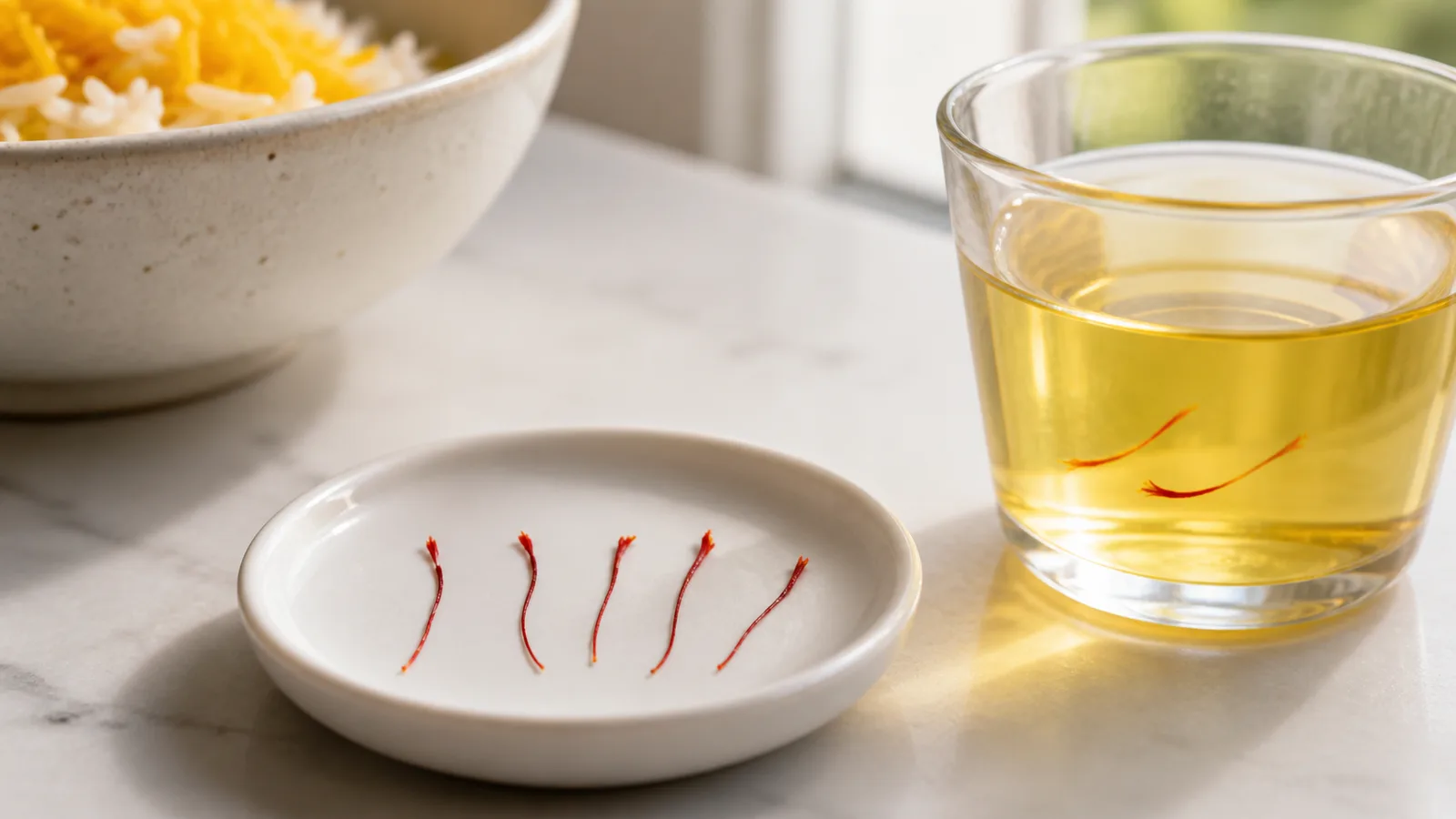
You can leave a few dry threads on yoghurt, rice, custard or fruit when their wiry texture suits the dish. For fuller flavour, crush a small culinary pinch and bloom it in warm water or milk for 15 to 20 minutes, then consume both the liquid and softened threads.
Choose a sealed, traceable food product. Threads should be dry, predominantly deep red and free from mould, pests or a chemical odour. More is not better; thread sizes and products vary, so follow a reliable recipe rather than a universal daily thread count.
Pregnancy, breastfeeding, planned surgery, medicines, bleeding conditions, low blood pressure or previous allergy are reasons to ask a doctor or pharmacist before repeated concentrated use.
Conclusion
Eating raw saffron is reasonable in a small food amount, but it has no proven advantage over blooming or cooking the threads. Enjoy it for flavour and colour, describe research cautiously, and keep supplements separate from kitchen practice.
Read is saffron safe to eat raw? for the safety details, or browse our food-grade saffron.