Is saffron worth it? It can be, if you want its particular aroma, colour, and flavour and will use it in dishes where those qualities matter. It is poor value when the threads are stale, adulterated, badly stored, or bought for health promises that the product cannot guarantee.
Saffron is expensive by weight, but recipes use little. The useful comparison is often cost per dish, not price per kilogram. A small, sound pack that flavours several shared meals may make more sense than a cheaper large pack that loses aroma in the cupboard.
Saffron Value and Benefits: Is It Really Worth the Cost?
Saffron value is not one number. It combines quality, usable quantity, freshness, traceability, packaging, and the result in your food. Country of origin and grade may affect price, but neither should replace evidence about the product in front of you.
Decide first what you are buying. Threads for a paella or biryani are a kitchen purchase. A supplement is a different product with a different safety and evidence question. A claim that saffron is an “investment” may refer to farming, wholesale trade, or simply an expensive jar; those meanings should not be mixed.
The High Cost of Saffron
Saffron comes from the stigmas of Crocus sativus. Each flower carries three, and the dry saleable weight is small. Flowers open over a concentrated period, so picking, separation, drying, sorting, testing, packing, and storage all require timely work.
That production chain explains a high base cost, but it does not make every expensive offer good. Retail prices also reflect origin, quality category, testing, pack size, duties, transport, seller costs, and packaging. A decorative box can cost more without improving the spice.
Very low prices deserve scrutiny because high-value saffron attracts substitution, added plant material, excessive yellow style, colouring, moisture, and misleading origin claims. Whole threads are easier to inspect than powder, although visual appearance alone cannot prove purity or grade.
The Unique Flavor and Aroma
Saffron can taste honeyed, hay-like, floral, earthy, and gently bitter. Safranal contributes strongly to aroma, picrocrocin to bitterness, and crocins to colour. The balance varies with crop, processing, storage, age, and cooking.
No common substitute reproduces all three effects. Turmeric gives strong yellow colour but a different flavour. Annatto and paprika also behave differently. A substitute may suit a recipe, yet the result is not the same dish merely because it looks golden.
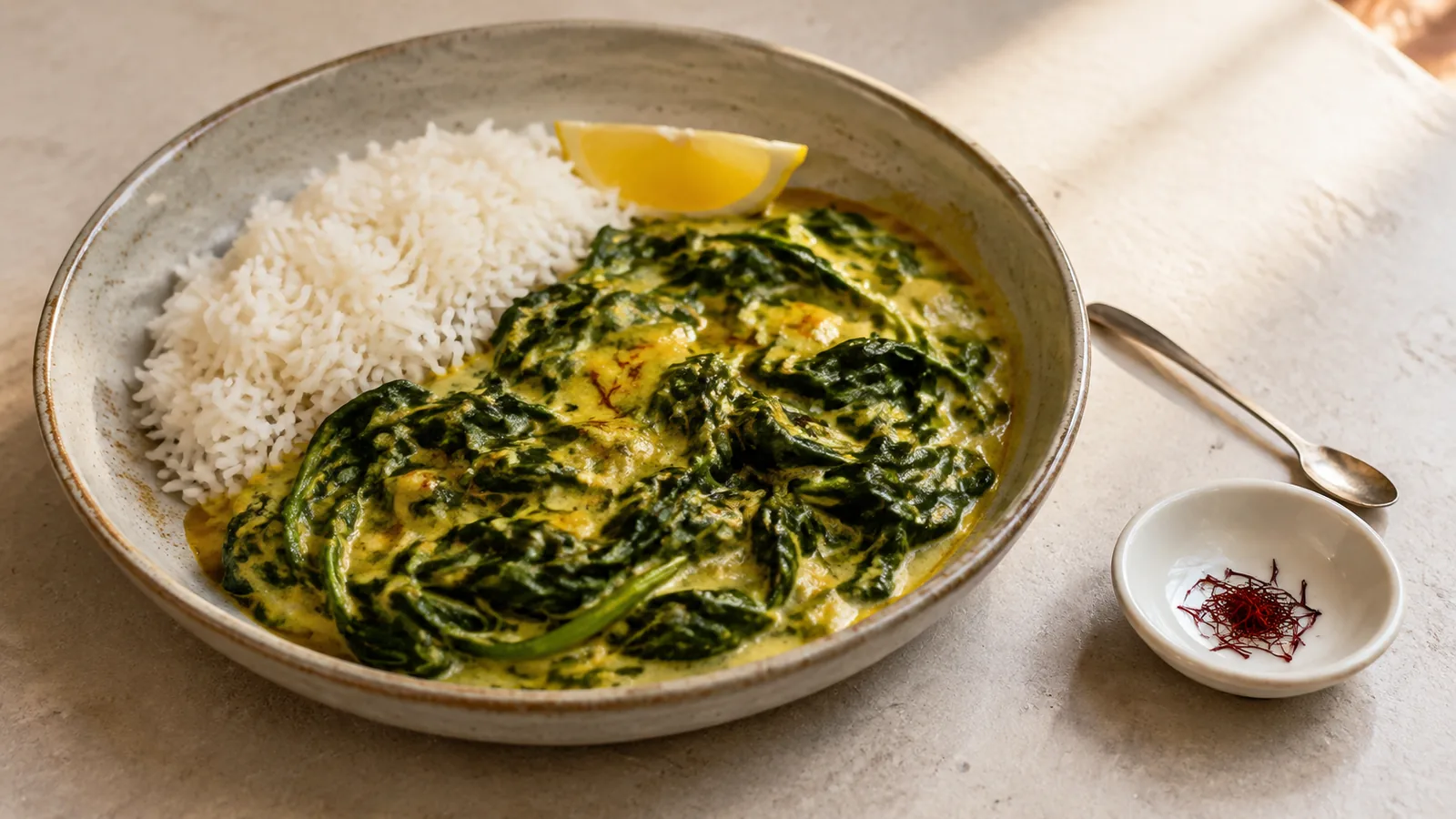
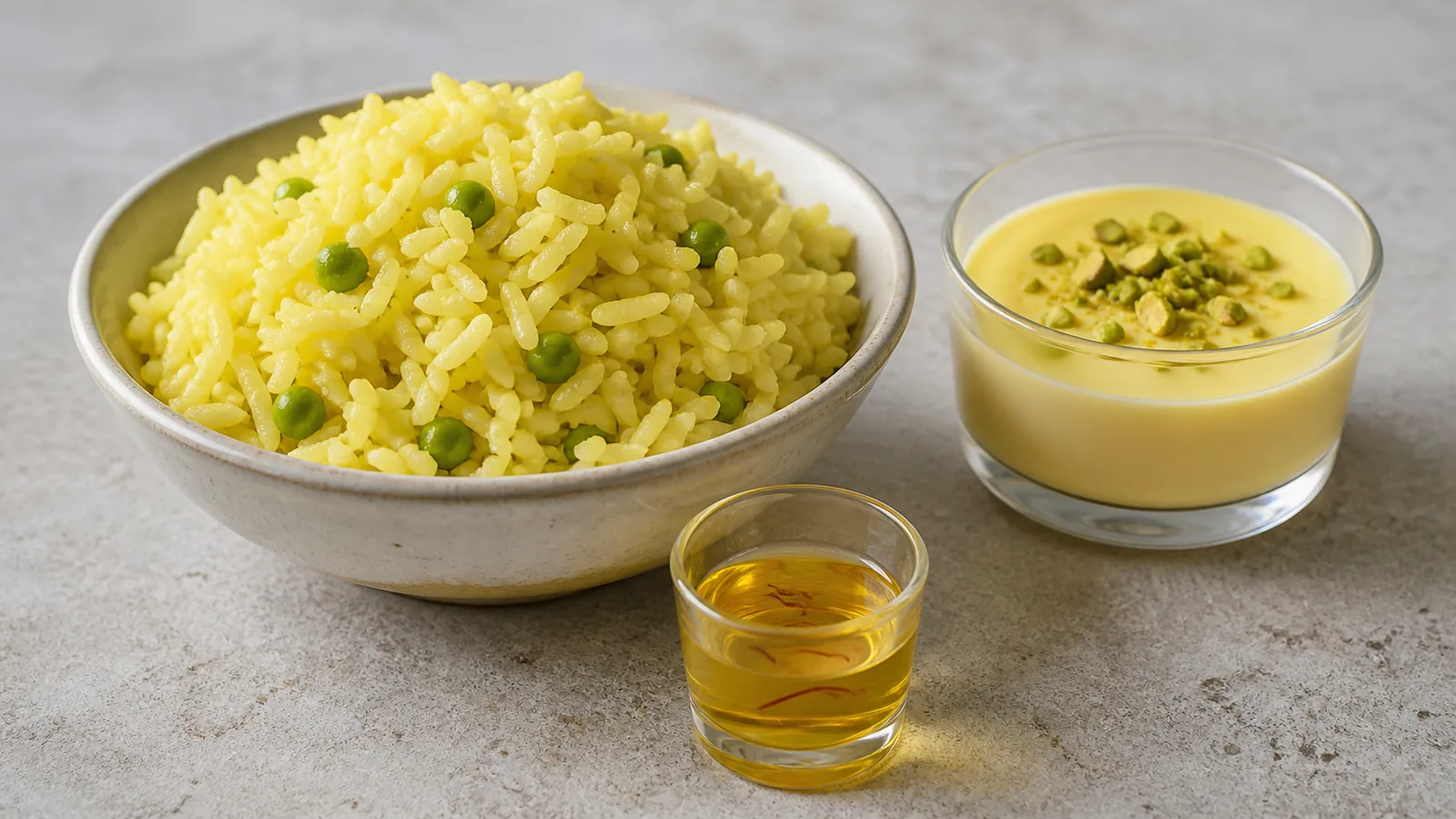
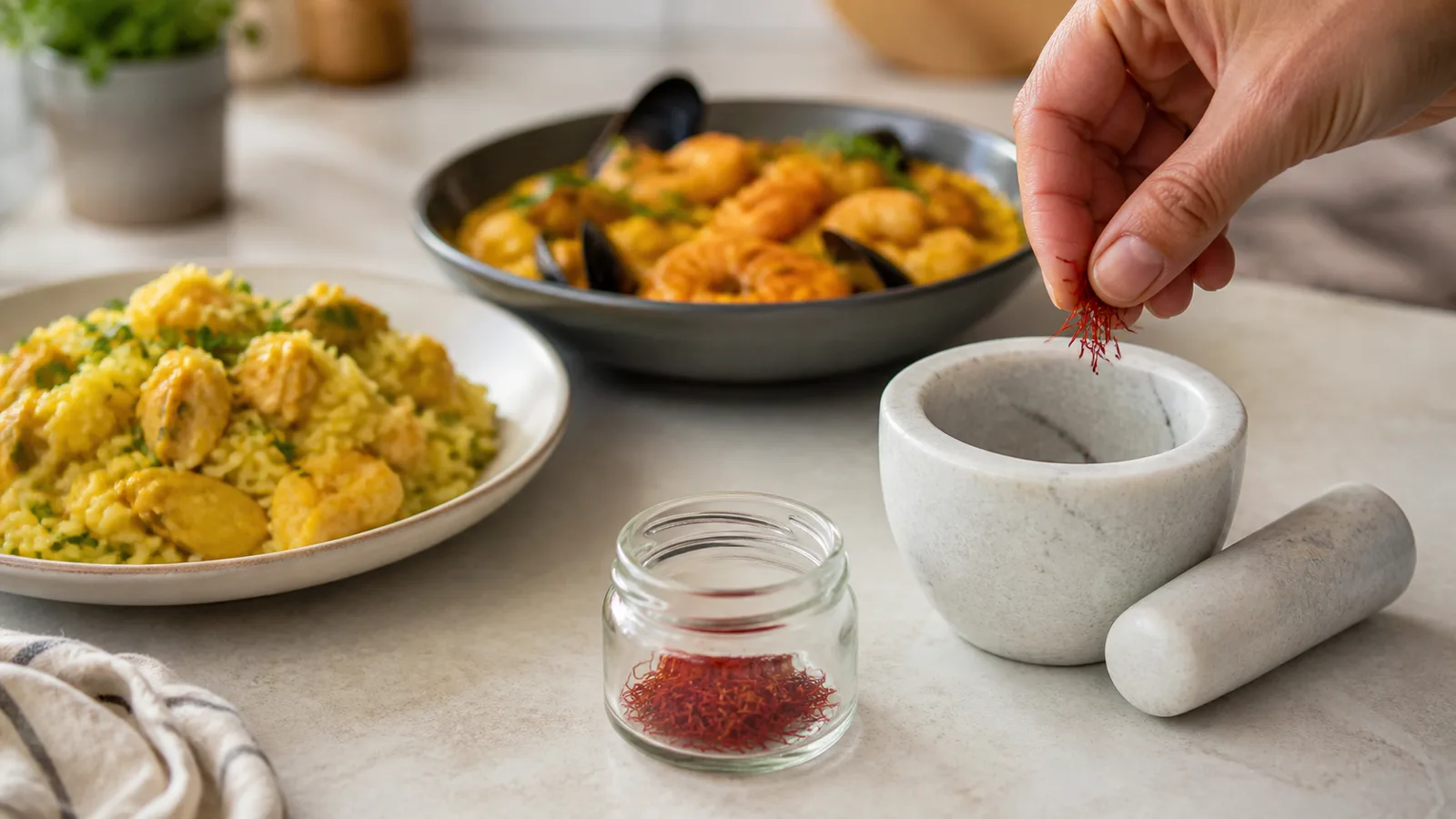
This is where saffron can justify its price for a cook. A light infusion adds a recognisable character to rice, seafood, sauces, breads, milk desserts, and drinks. If the recipe is dominated by several stronger flavours, the difference may be harder to notice and the purchase less rewarding.
Health Benefits of Saffron
Health research can make saffron sound more valuable, but it should not be used to guarantee a return. Researchers have studied defined saffron preparations in relation to mood, sleep, cognition, metabolic measures, and other outcomes. A culinary pinch is not interchangeable with a standardised extract from a trial.
A review of saffron meta-analyses reported promising findings while also concluding that the methodological quality of the evidence needed improvement. Saffron should not be sold as a cure for depression, heart disease, inflammation, memory problems, or digestive illness.
Buy food saffron for food. If you are considering a supplement for a symptom, evaluate the exact formulation, dose, evidence, interactions, and your health history with a qualified clinician or pharmacist. A medical promise is not a quality certificate.
How to Make the Most of Saffron
Buy an amount you can use while it remains aromatic. Keep the container tightly closed in a cool, dry, dark place, away from the stove, kettle, sunlight, and strong odours. Grind only what you need.
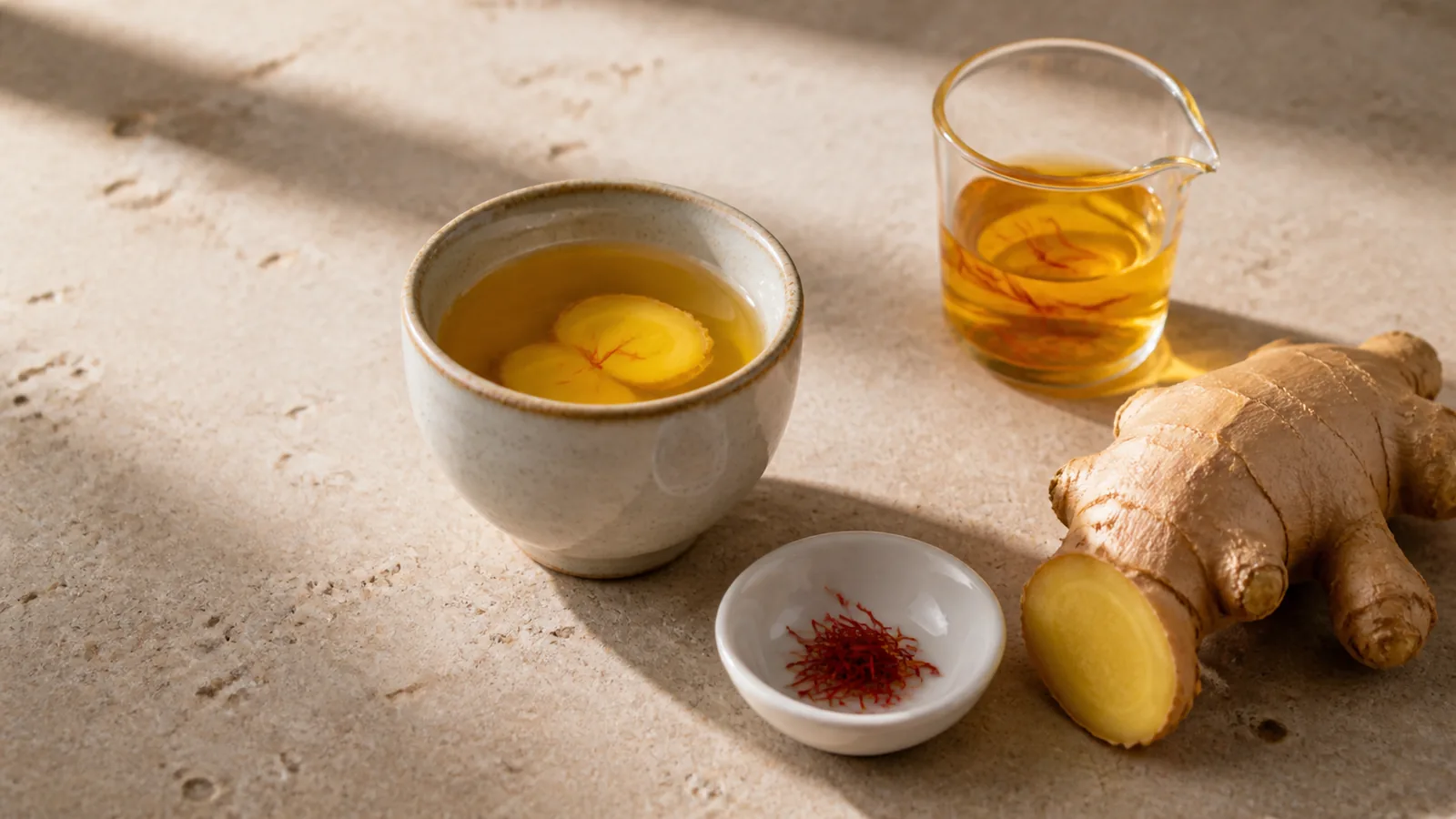
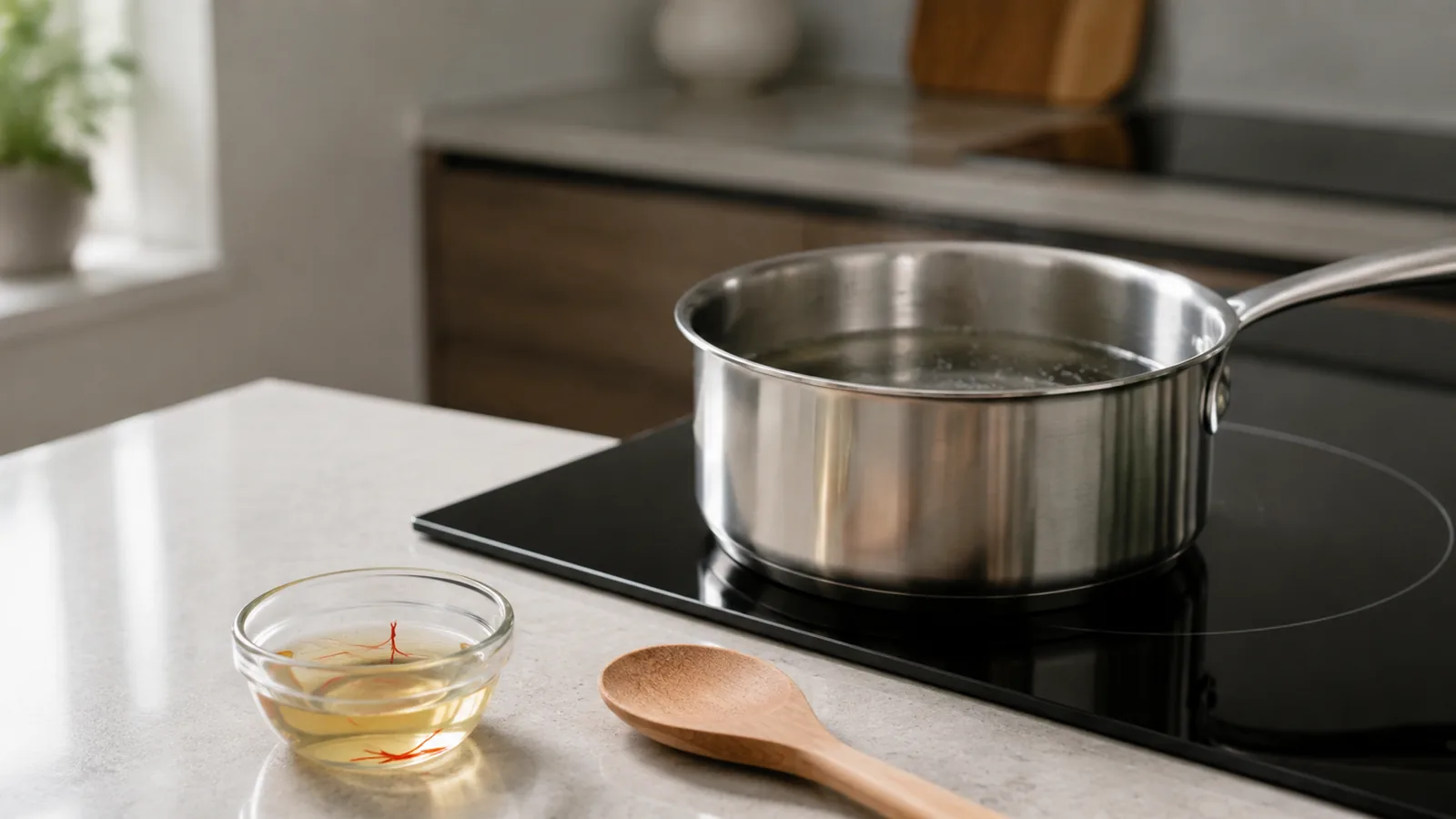
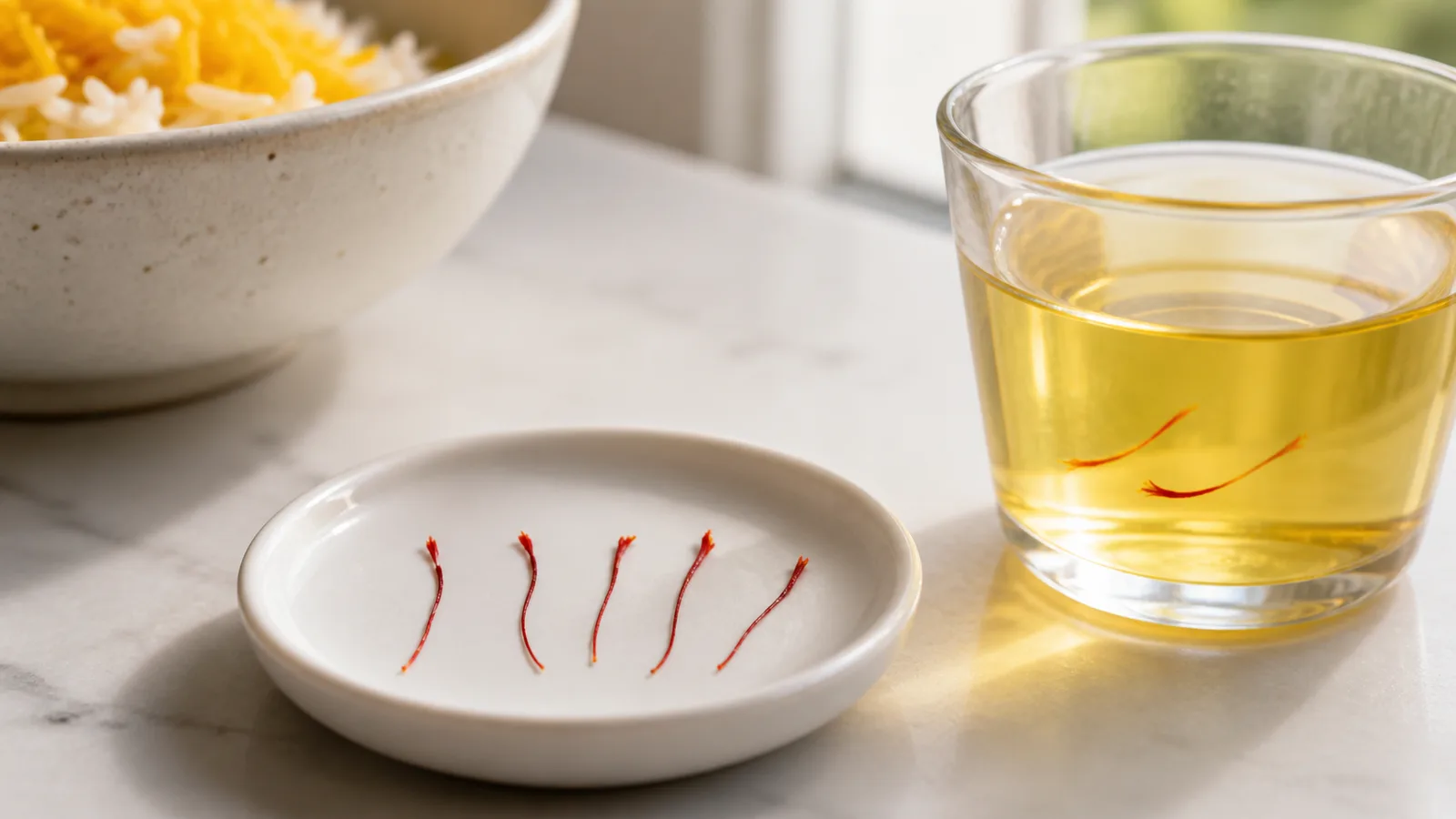
For most dishes, gently crush a modest pinch of threads and steep them in warm water, milk, cream, or stock for 10 to 15 minutes. Add both the liquid and softened threads. This spreads the colour and aroma, so you need less than if you scatter dry threads unevenly.
Match the timing to the recipe. Add saffron early enough to blend into rice or sauce, but avoid a long aggressive boil when aroma matters. In a slow stew or reduced milk dessert, reserve the infusion for a later stage. Taste before adding more; excess saffron can become bitter.
Is Saffron Worth It for You?
Saffron is likely worth buying when you already have a recipe in mind, appreciate its flavour, will store it properly, and can verify basic seller and product information. Start with a small pack if it is new to you. That lets you learn the flavour without tying up money in more spice than you need.
It may not be worth it when you want yellow colour alone, rarely cook, dislike the taste, or are choosing between saffron and a more important household expense. Luxury language should never pressure someone into a purchase.
Is saffron good to invest in? As a farming or financial proposition, that cannot be answered from the retail price. A saffron investment in cultivation or wholesale stock depends on yield, corm health, climate, labour, drying capacity, food-safety controls, market access, contracts, working capital, and price volatility. Saffron is not a passive asset, and rising shop prices do not ensure a grower or trader will profit. Seek appropriate agricultural, legal, tax, and financial advice before treating saffron cultivation or stock as an investment.
For a deeper buyer checklist, see whether saffron is worth the money. Current retail context is available on our saffron price page, and the product collection shows available formats and pack sizes.
Saffron is worth the cost when the product is genuine, the quantity suits your cooking, and the flavour matters in the finished dish. Judge it by what you can verify and use, not by a medical promise or the idea that an expensive spice must automatically be a good investment.