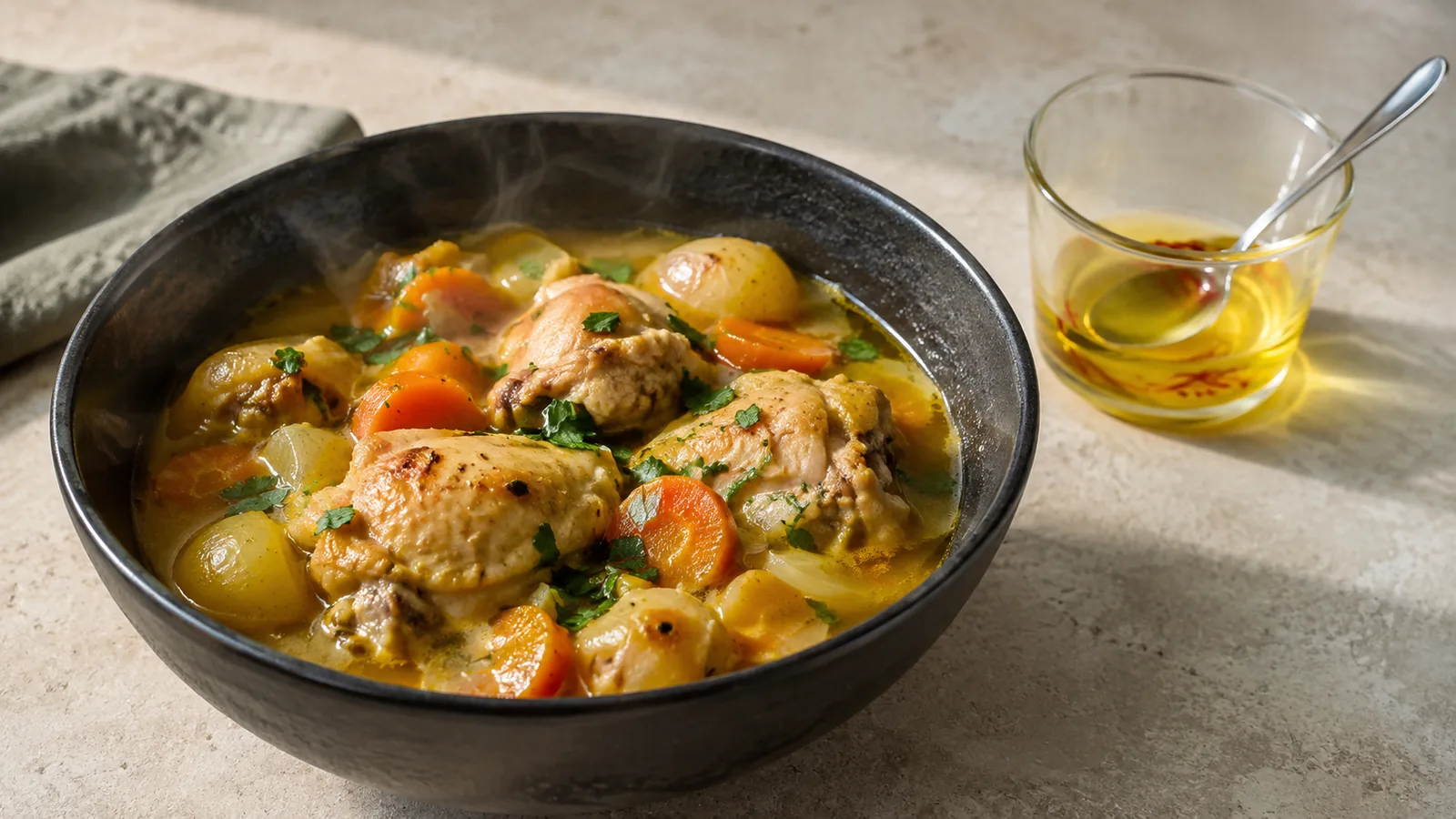
Add saffron to food when you want three things from one small ingredient: a golden colour, a distinctive aroma, and a gently bitter, honeyed depth. It can make rice, broth, sauce, bread, dessert, or a drink feel complete without adding bulk or heavy heat.
The best reason is culinary. Saffron has an interesting research history, but a pinch in dinner should not be sold as treatment for depression, inflammation, weight, digestion, or heart disease. Good food does not need an exaggerated medical promise.
Benefits of Adding Saffron to Food: Enhance Flavor and Health
The benefits of adding saffron to food begin with how it changes the finished dish. Crocins supply colour, picrocrocin contributes bitterness, and volatile compounds including safranal help create its aroma. The effect depends on quality, storage, amount, infusion, timing, and the ingredients around it.
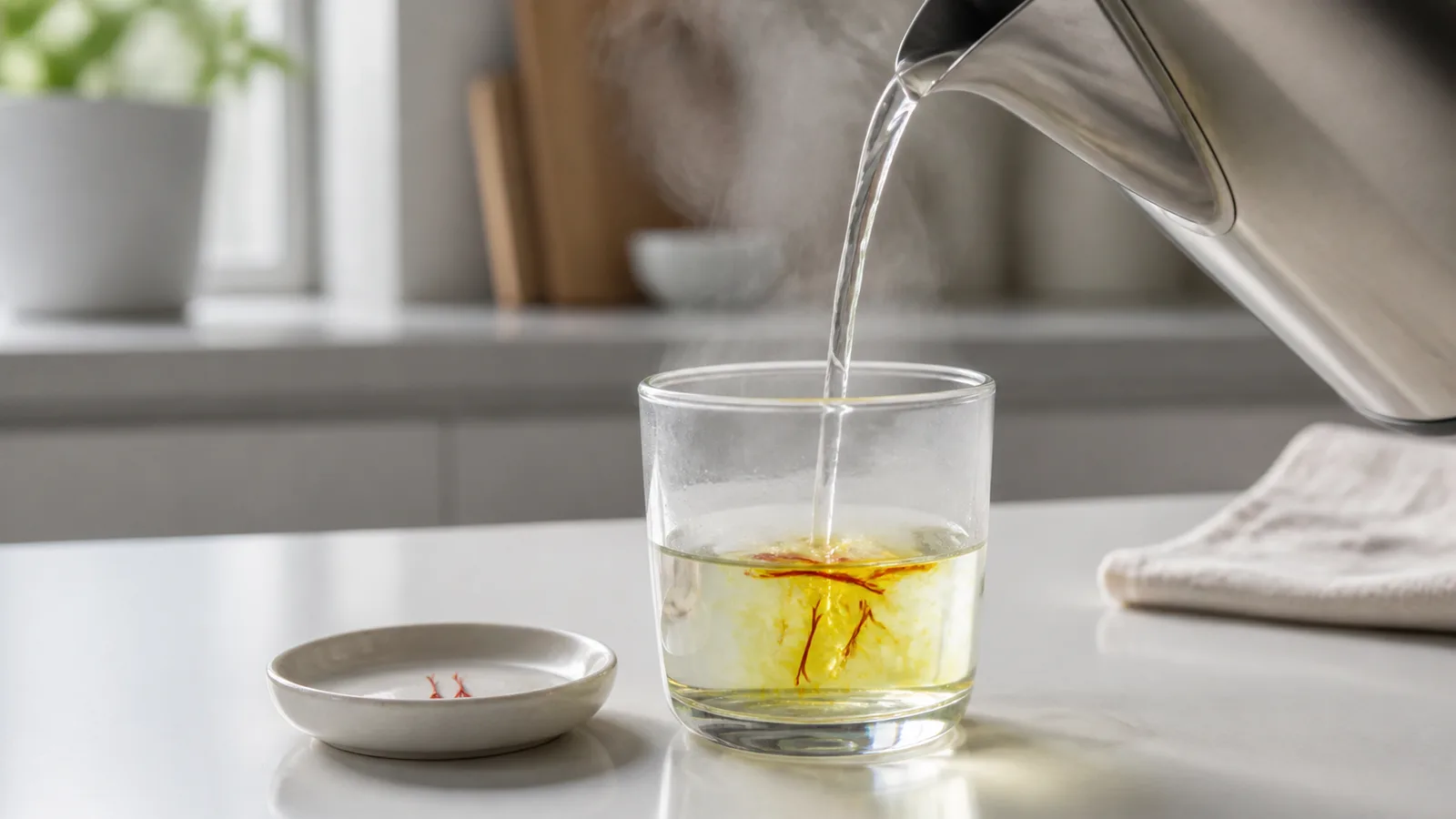
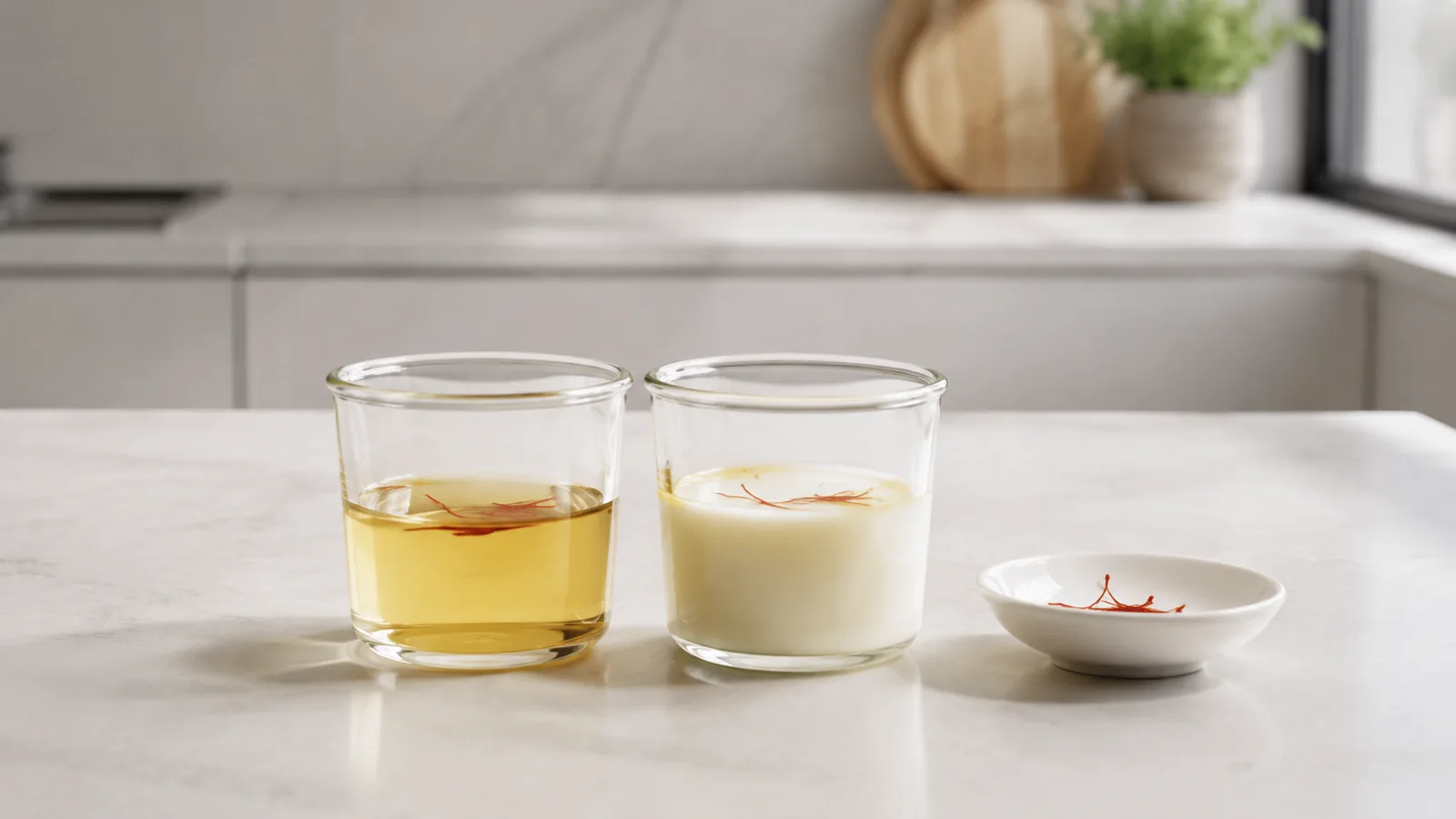
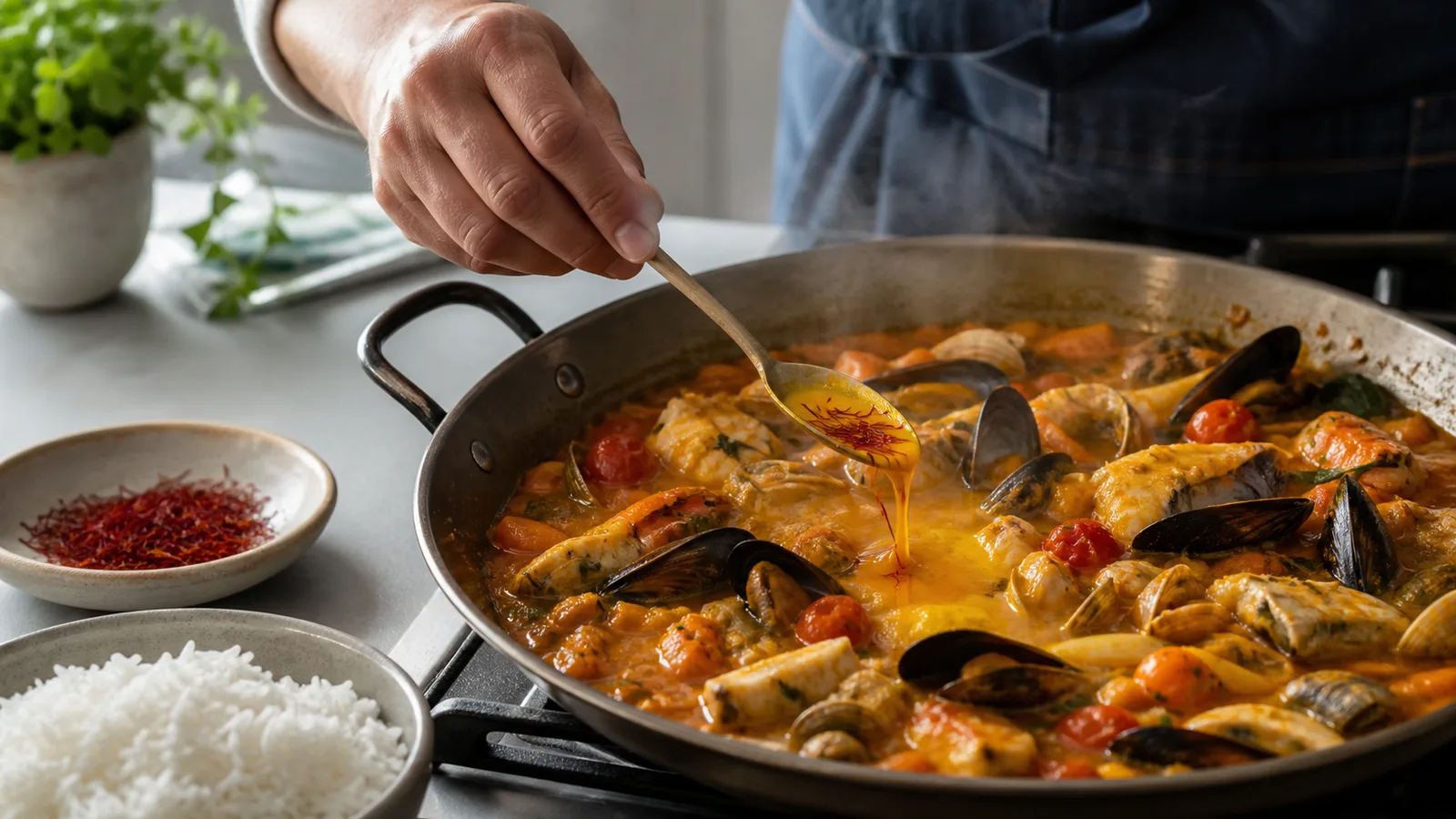
A small quantity works because saffron is concentrated. Lightly crush the threads, steep them in warm water, milk, cream, or stock for 10 to 15 minutes, and add the infusion and softened threads. This distributes the spice more evenly than dropping dry strands in one place.
Enhancing Flavor and Aroma
Saffron can seem floral, hay-like, earthy, warm, faintly metallic, or honeyed, with a clean bitterness underneath. It is not simply sweet, and it does not taste like turmeric. Its aroma becomes especially noticeable when warm food reaches the table.
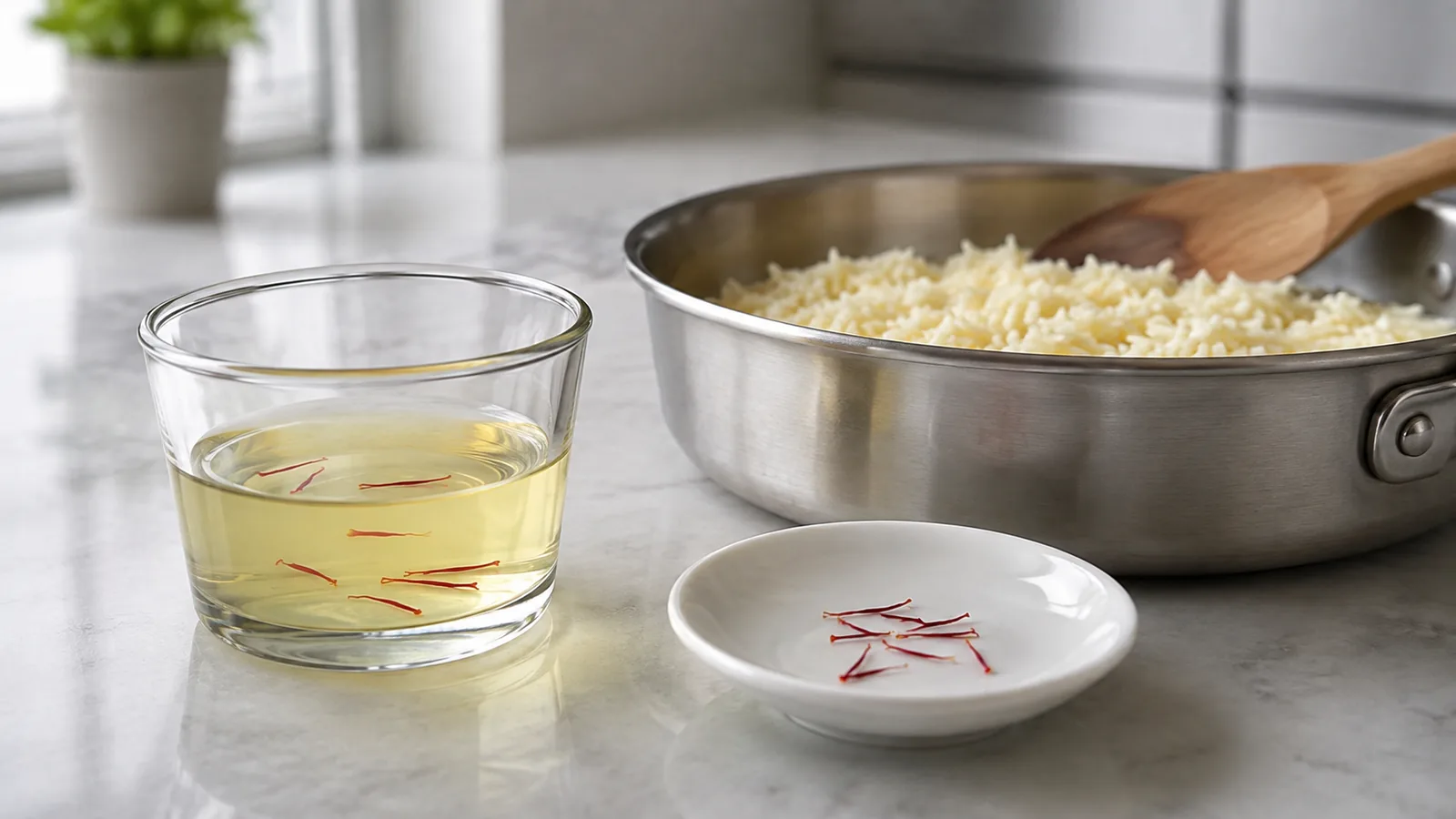
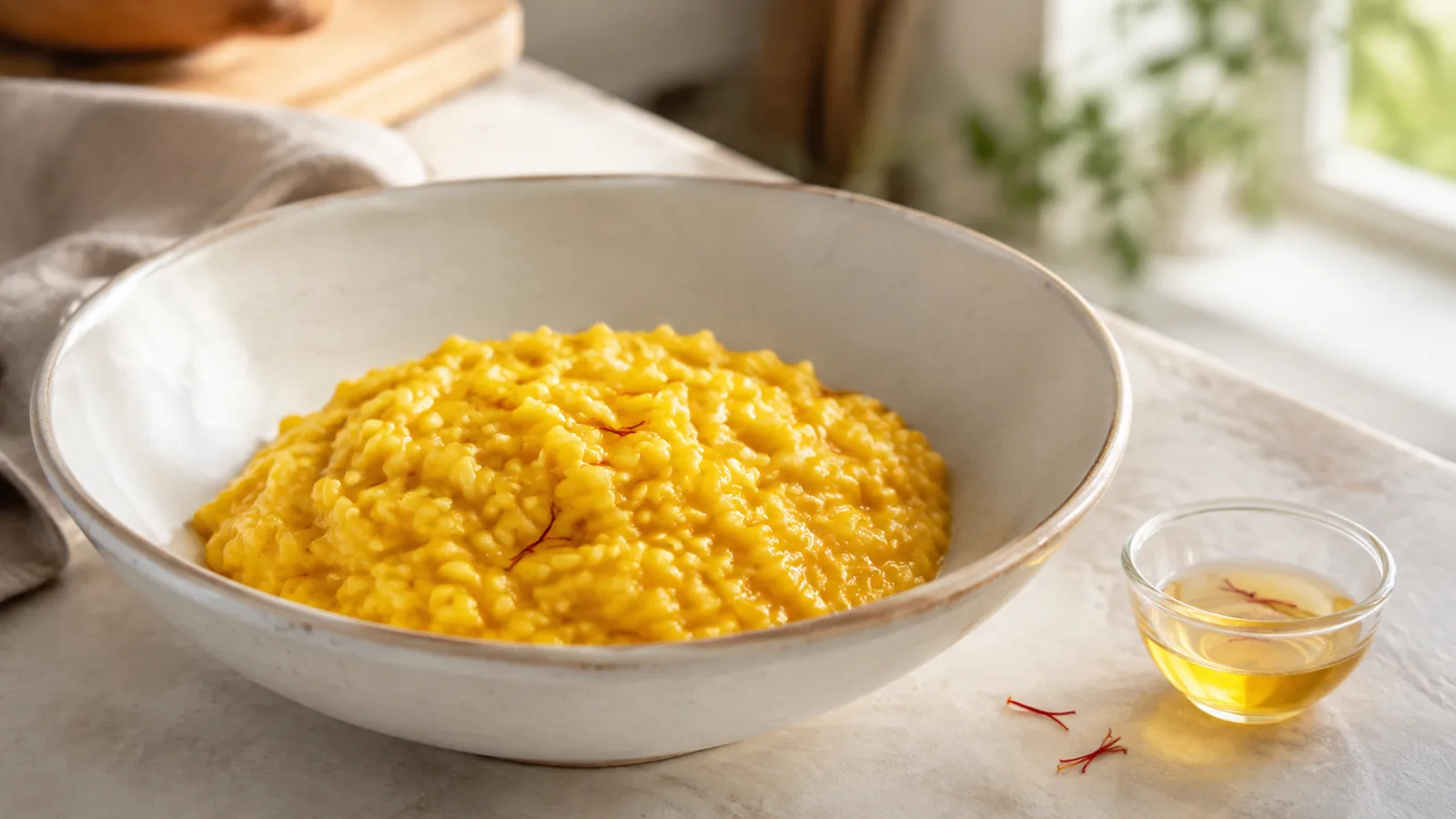
In rice, saffron can create fragrant golden sections among paler grains. In seafood broth or a light sauce, it brings a high aromatic note without chilli heat. In milk, custard, ice cream, or cake, fat and sweetness soften the bitterness while leaving the aroma recognisable.
Balance matters. Saffron may disappear behind a large amount of smoked spice, chilli, or a heavily reduced stock. Adding more is not always the answer; reducing competing flavours or choosing a different recipe can make better use of the spice.
Adding a Touch of Color
A warm infusion releases a clear golden-yellow colour. This can brighten paella, biryani, risotto, Persian rice, soup, milk sweets, bread, and drinks. Variation often looks more natural than uniform colour: a drizzle over part of the rice creates golden streaks instead of dyeing every grain.
Colour alone does not prove quality. An immediate neon-yellow cloud can be a reason to investigate added dye, while genuine saffron varies in release rate and intensity. Thread structure, aroma, traceability, seller information, storage, and credible testing should be considered together.
Use saffron for its own colour rather than adding an unnecessary artificial colour alongside it. If a recipe needs only yellow appearance and none of saffron’s flavour, a different ingredient may be more economical, though it will produce a different dish.
Health Benefits of Saffron
Saffron contains compounds studied for antioxidant and other biological activity. Clinical research has examined defined preparations in relation to mood, sleep, cognition, metabolic measures, and more. Laboratory activity does not establish that any saffron meal prevents disease, and results from a measured extract do not apply automatically to a culinary pinch.
A review of saffron meta-analyses reported promising findings while also concluding that the methodological quality of published reviews needed improvement. This is a reason to describe evidence carefully, not to promise improved mood, digestion, weight loss, or heart health from regular use.
Searches for “Iranian saffron benefits” often mix origin, quality, and health into one idea. Iranian saffron has an important production and culinary heritage, but origin by itself does not guarantee a medical effect. Product form, composition, dose, evidence, and the person using it still matter.
Enjoy saffron as food. If you are considering a concentrated supplement for a symptom, discuss the exact product and your medicines or health conditions with a qualified clinician or pharmacist.
Cultural and Historical Significance
Saffron appears in Persian, South Asian, Mediterranean, Middle Eastern, North African, and European food traditions. It has coloured festive rice, scented sweets and drinks, flavoured sauces, and marked hospitality or celebration. Each tradition has its own recipes and technique.
Using saffron can connect a cook to that knowledge, particularly when a family method is taught and repeated. That connection should be specific rather than reduced to generic claims about royalty, wealth, or “ancient secrets.” Historic anecdotes need a place, period, and source.
Versatility in Cooking
The uses of saffron in food cross savoury and sweet cooking. It pairs well with rice, seafood, chicken, lamb, onion, garlic, tomato, citrus, cardamom, rose, pistachio, almonds, and dairy. The combination should serve the recipe; saffron does not need to be added everywhere simply because it is expensive.
For a long-cooked stew or milk reduction, add the infusion during a later stage so more aroma remains. For bread and cake, add it with the wet ingredients. For tea or warm milk, steep the crushed threads gently and leave the softened strands in the drink if you like.
Store unused saffron tightly closed in a cool, dry, dark cupboard. Moisture, light, heat, air, and strong surrounding odours reduce its useful life. Grinding only what you need helps preserve the rest.
Our saffron collection shows current thread formats and pack sizes. For detailed preparation, see the best way to use saffron; for product questions, contact us.
Why add saffron to food? Use it when the dish will benefit from its recognisable aroma, natural golden colour, and layered flavour. Those are concrete reasons a cook can taste and see. Health research can be discussed separately and accurately, without asking the dinner plate to prove more than it can.