Saffron can be worth the money when you want its particular aroma, flavour, and golden colour—and when you buy a genuine product in an amount you will actually use. It is poor value when the threads are stale, adulterated, badly stored, or purchased because of exaggerated health promises.
The useful way to judge saffron value is by the dish rather than by the price per kilogram. A recipe normally needs a small pinch, often shared among several servings. That makes the cost per plate much lower than the headline price suggests. Even so, saffron is not essential to every kitchen, and a lower-priced spice will be the sensible choice when its flavour suits the meal just as well.
Saffron Value: Is It Worth the Money?
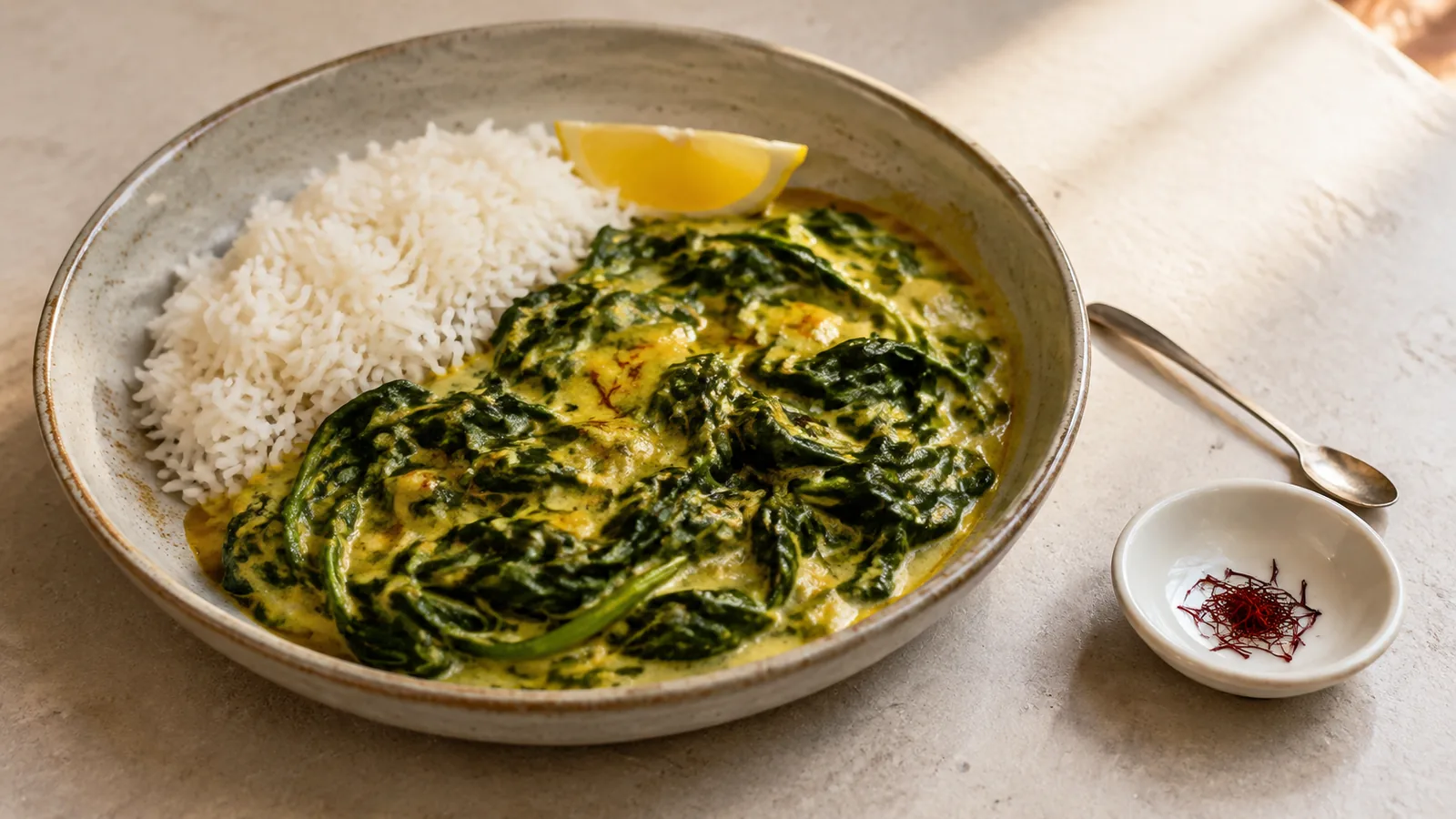
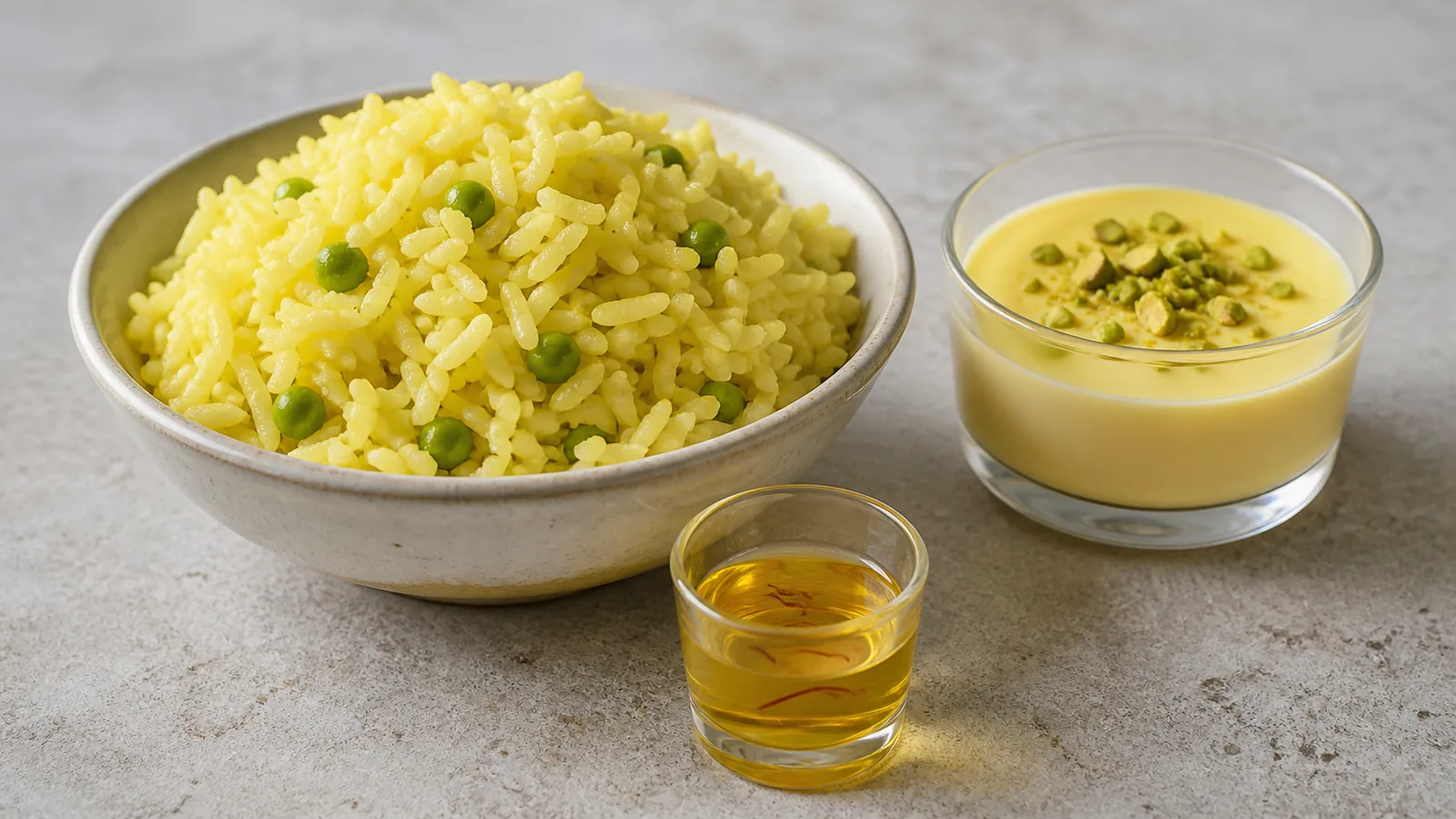
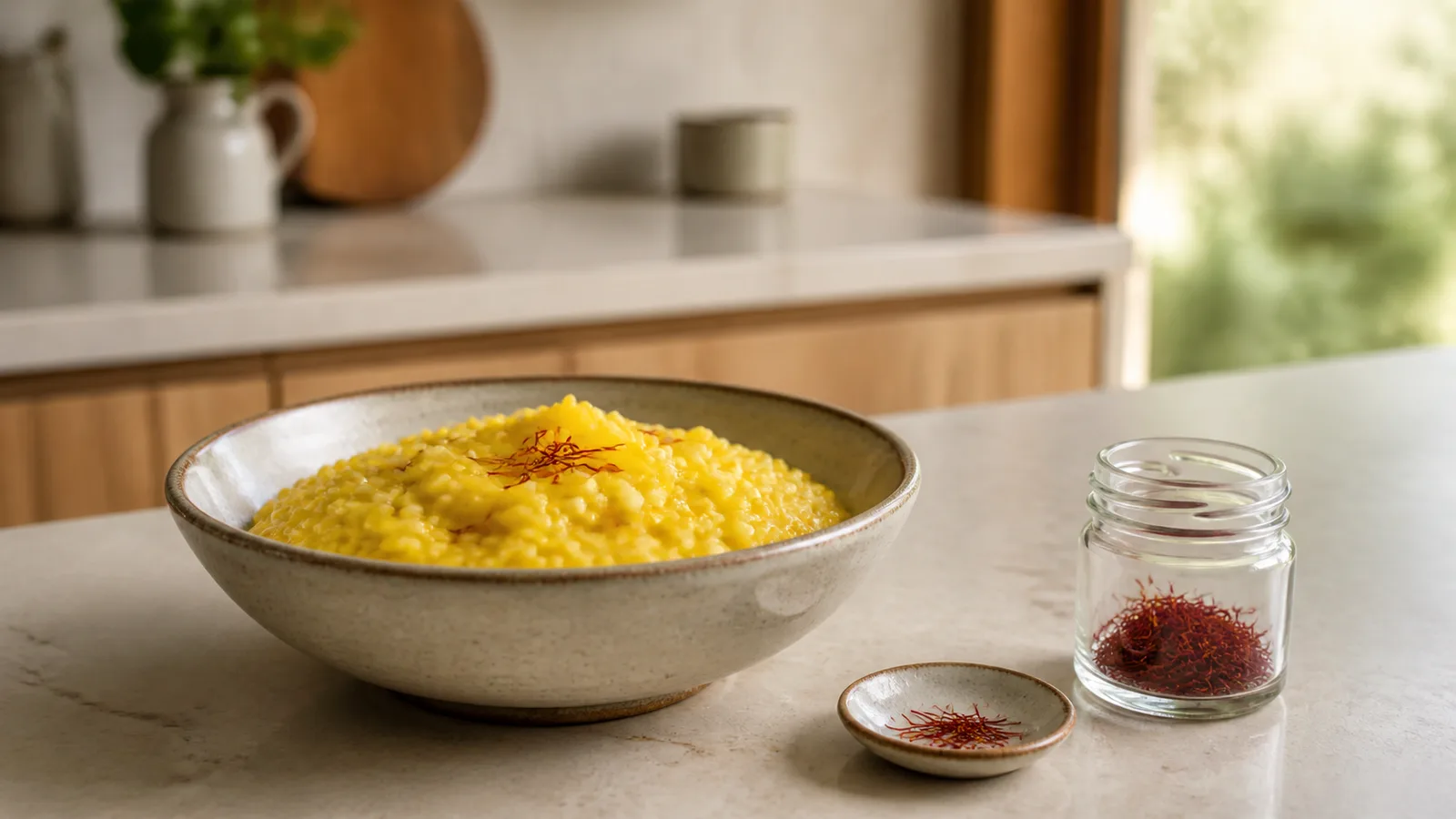
“Is saffron worth it?” has no universal answer. For someone making paella, risotto alla Milanese, Persian rice, bouillabaisse, or a saffron dessert, the real ingredient can supply a fragrance that colouring alone cannot copy. For a recipe that needs only a yellow shade, paying for premium threads may make little sense.
How much is saffron worth? The retail number answers only part of that question. What is saffron worth to a particular cook depends on authenticity, freshness, the amount a recipe uses, and how much that distinctive flavour matters. Is saffron worth the price? It can be, once those practical details—not prestige alone—support the purchase.
Before comparing prices, compare like with like. Whole threads and powder carry different authenticity risks. Origin, harvest, thread composition, moisture, storage, testing, package size, and seller margin can all affect the price. A suspiciously cheap offer is not a bargain if it contains dyed fibres, excess yellow style material, fillers, or threads that have lost their aroma.
1. The High Cost of Production
Saffron comes from the stigmas of Crocus sativus. Each flower produces only three stigmas, which must be separated and dried with care. The crop flowers over a short period, and much of the harvesting and processing is done by hand. Labour, land, drying, sorting, testing, packaging, and losses along the supply chain all contribute to the final price.
That explains why saffron is expensive by weight, but it does not prove that every expensive package is excellent. Price is evidence of cost, not authenticity. A trustworthy seller should identify the product clearly, keep it protected from light and moisture, and avoid making a grade claim that cannot be supported.
The current international specification is ISO 3632-1:2025, which applies to dried saffron in filament, cut-filament, and powder forms and sets product requirements. An ISO reference can help explain a testing framework, but a logo or loose mention on a product page is not the same as seeing relevant test information for the batch.
2. Unique Flavor and Aroma
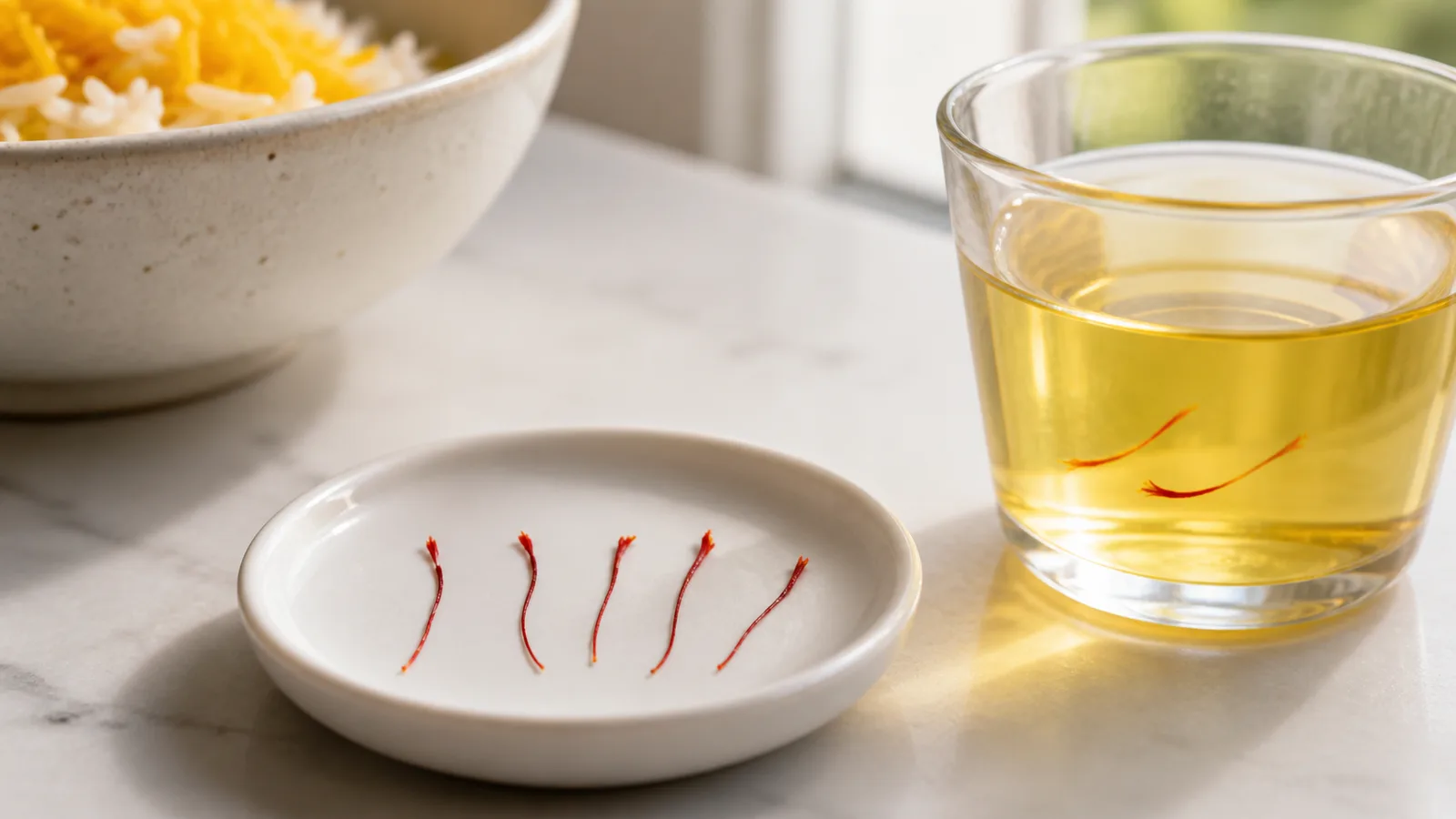
Saffron’s strongest case is culinary. Properly steeped threads release a floral, hay-like aroma, a slight honeyed character, and a gentle bitterness. No single substitute reproduces that combination. Turmeric, annatto, or food colouring may supply colour, but they create a different dish.
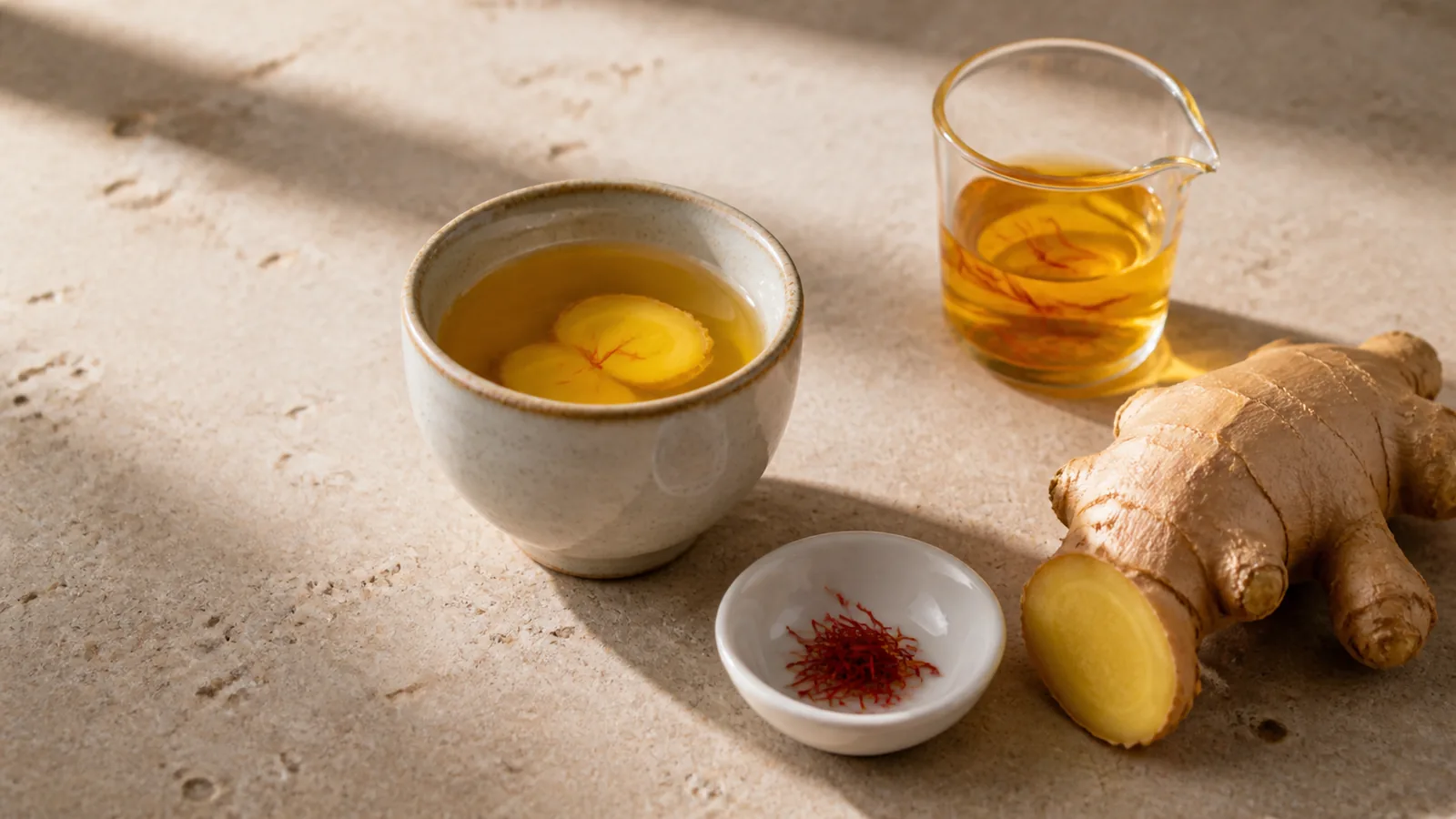
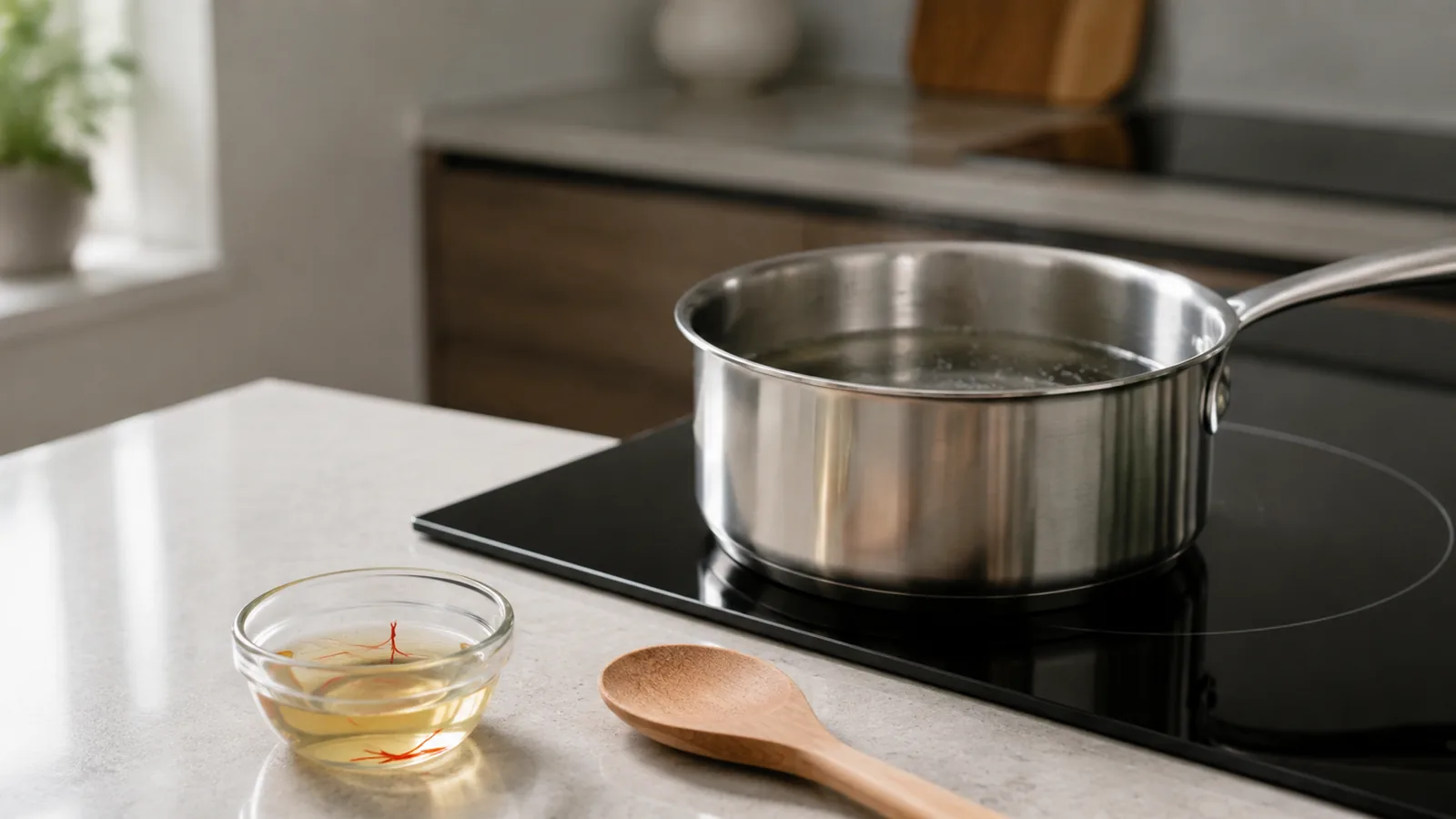
Technique determines whether the purchase pays off. Crush the threads lightly, steep them in warm—not aggressively boiling—water or milk, and add both liquid and threads to the recipe. Give the infusion time to develop. Throwing dry threads into a large pot at the last moment can waste much of their aroma.
Use enough to be noticed, not enough to make the food bitter. If a small package flavours several shared dishes, the value of saffron is better measured as repeated meals and memorable flavour than as grams sitting in a jar.
3. Health Benefits
Saffron contains crocin, crocetin, picrocrocin, and safranal, and researchers have studied standardised products for several outcomes. Mood has one of the more substantial bodies of human research. A 2026 systematic review of clinical trials found promising results in some populations, but preparations and study designs differed.
That evidence does not make culinary saffron a treatment for depression, memory loss, sexual dysfunction, eye disease, or any other condition. Nor does it prove that buying the most expensive threads produces a larger health effect. A study extract, a supplement, and a pinch in dinner are not interchangeable exposures.
If the proposed value rests mainly on treating a symptom, discuss the goal with a qualified clinician and compare the exact product with the evidence. For cooking, judge saffron on food quality and enjoyment. This keeps a legitimate culinary purchase separate from a medical promise the seller cannot guarantee.
4. Long Shelf Life
Dried saffron does not suddenly become useless on one date, but its aroma and colouring strength fade with poor storage and time. It is therefore better to buy a modest quantity you can finish than a large “economy” pack that sits open for years.
Keep threads in a tightly closed, food-safe container in a cool, dry, dark cupboard. Protect them from steam, direct sun, strong surrounding odours, and repeated temperature changes. Do not store the jar over the cooker. Use a clean, dry spoon or fingers so moisture does not enter.
Check the aroma before an important recipe. If the threads smell faint, dusty, musty, or unlike saffron, they will not deliver the result that justified their cost. Whole threads also let you inspect colour and shape more easily than powder, although appearance alone cannot prove quality.
5. A Symbol of Luxury
Saffron has a long association with special meals, hospitality, ceremony, and skilled regional cooking. That history can add meaning to a birthday dish or a family recipe. It does not need to become a performance of wealth. The most convincing luxury is a well-made dish in which the ingredient is recognisable and used with restraint.
Presentation and storytelling can raise a retail price without improving the contents. If you are buying saffron as a gift, look beyond a large box and ornate sleeve. Check the net weight, thread condition, harvest or packing information, storage protection, seller identity, and return policy.
Saffron price in Iran—or in any producing country—can change with harvest conditions, grade, exchange rates, packaging, export costs, and the sales channel. A single number copied into an evergreen article quickly becomes misleading. Compare the current price for the same weight and form at the point of purchase.
Conclusion: Is Saffron Worth the Money?
For a cook who values saffron’s genuine aroma and uses it carefully, yes: a small amount can be worth the price. For someone seeking only colour, buying a large package without a plan, or expecting a guaranteed health result, it may not be.
Ask four questions before paying: Is it genuine? Is the quality explained rather than merely advertised? Will I use it while it is aromatic? Does the cost per dish feel reasonable to me? Those answers say more than a dramatic price-per-pound comparison.
If you decide saffron suits your cooking, compare the weight, form, and current price in our saffron selection. Buy enough for the meals ahead, store it well, and let the finished food—not a luxury label—justify the purchase.