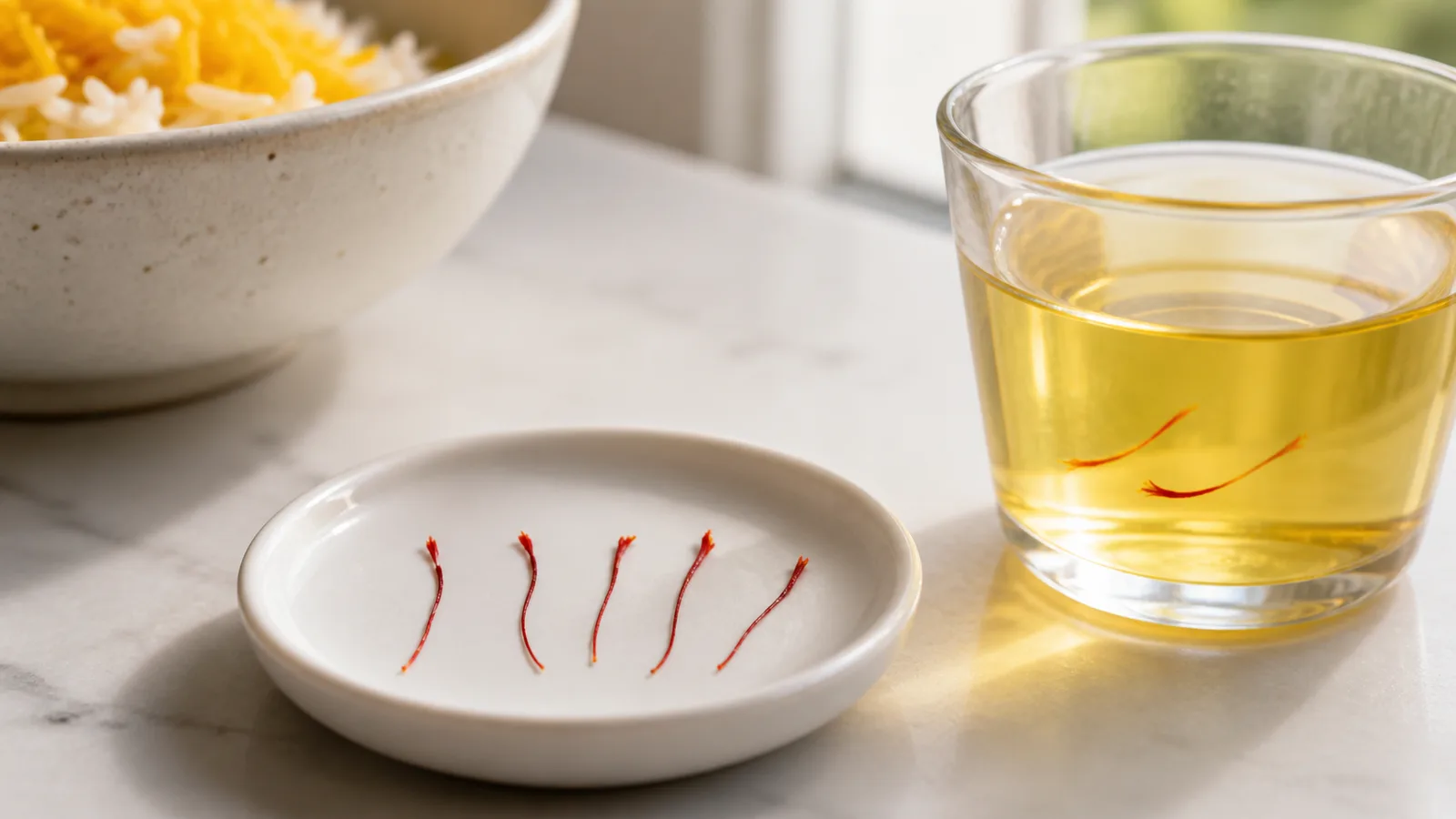
Yes, saffron is expensive when you compare spices by weight. That is only half the story, though. A recipe uses a small amount, so the cost per plate can be quite reasonable even when the price per kilogram sounds startling. The useful question is not simply “Is saffron expensive?” but what you receive for the amount you actually use.
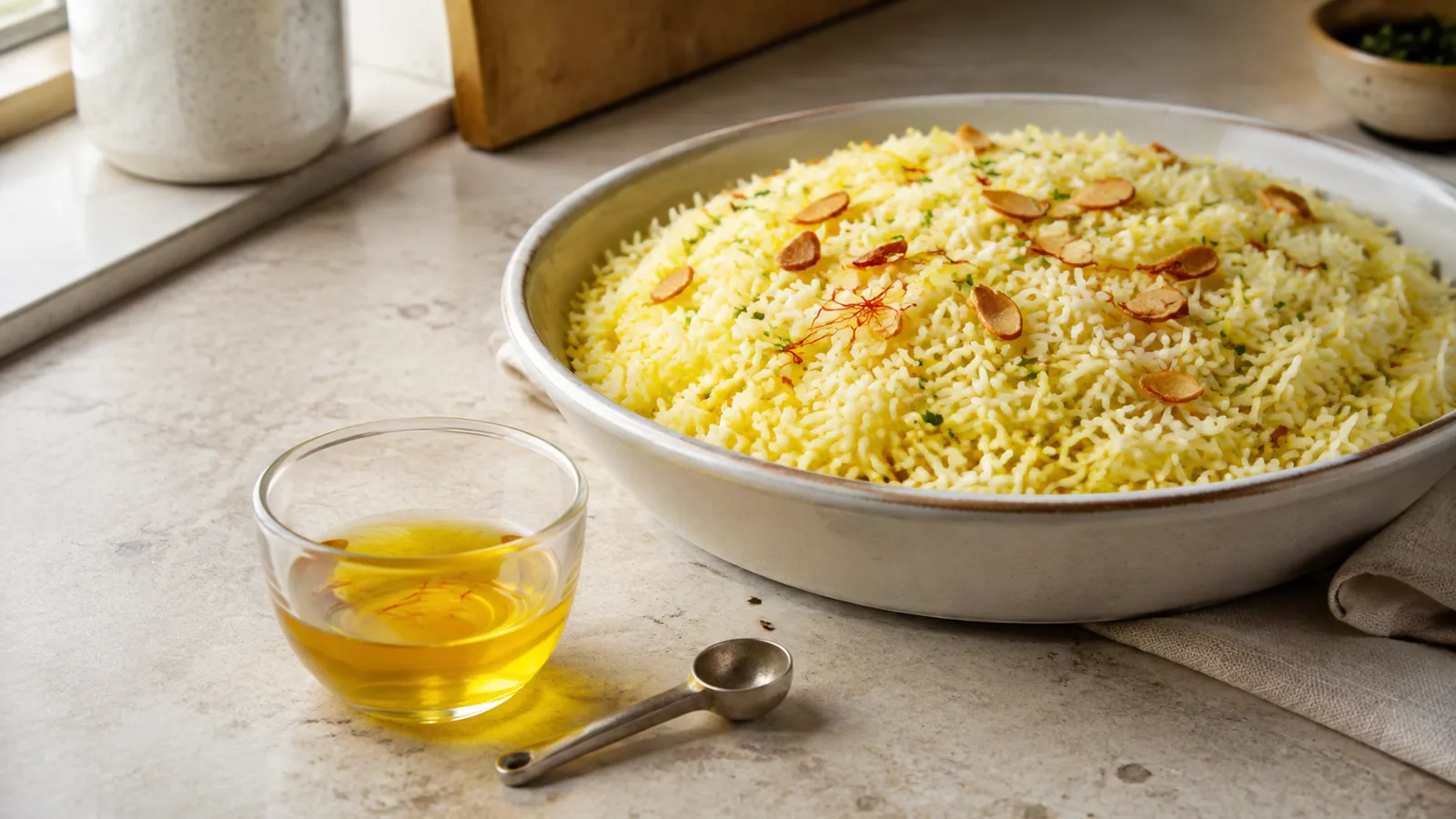
Is saffron really expensive for everyday cooking?
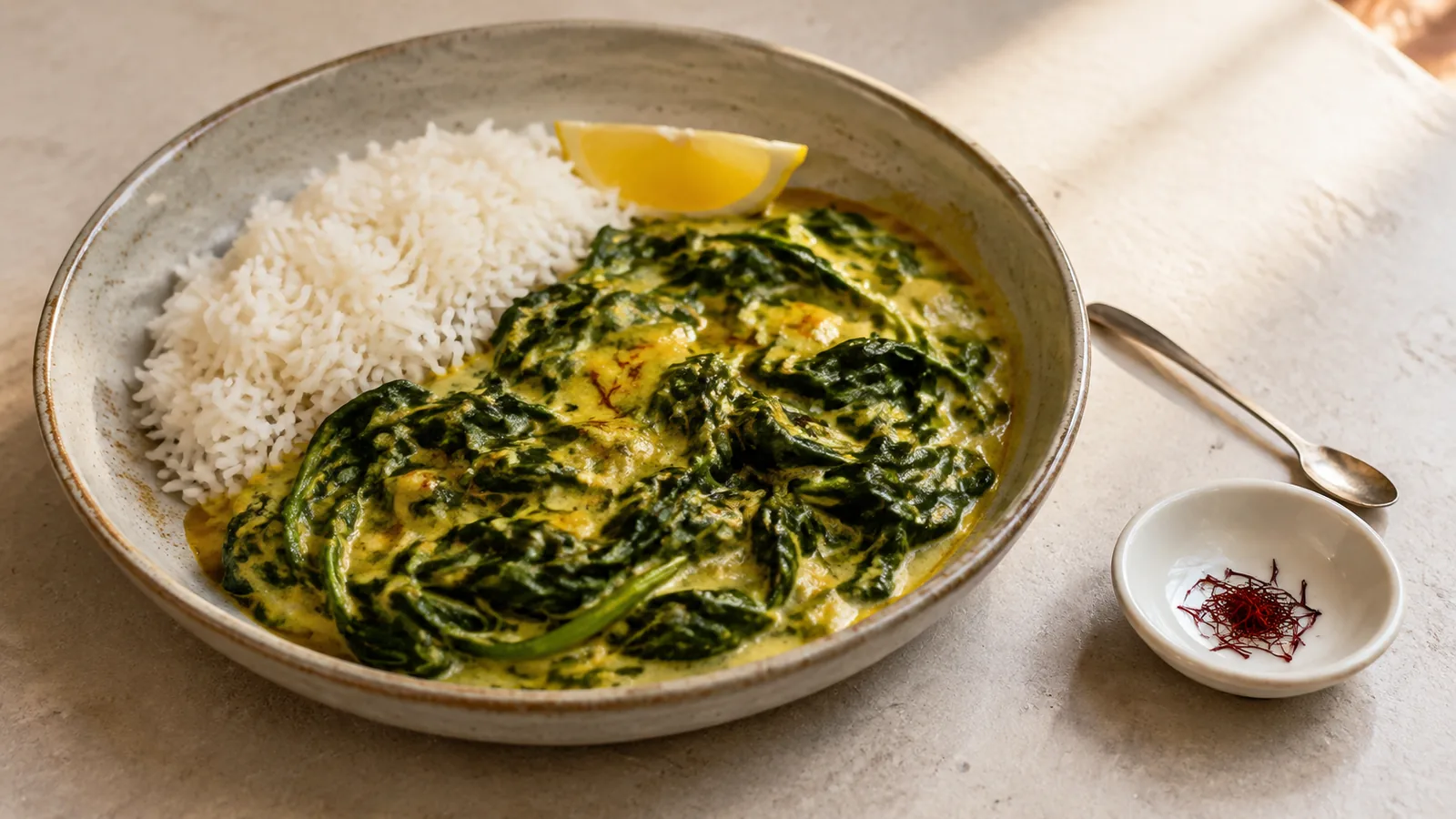
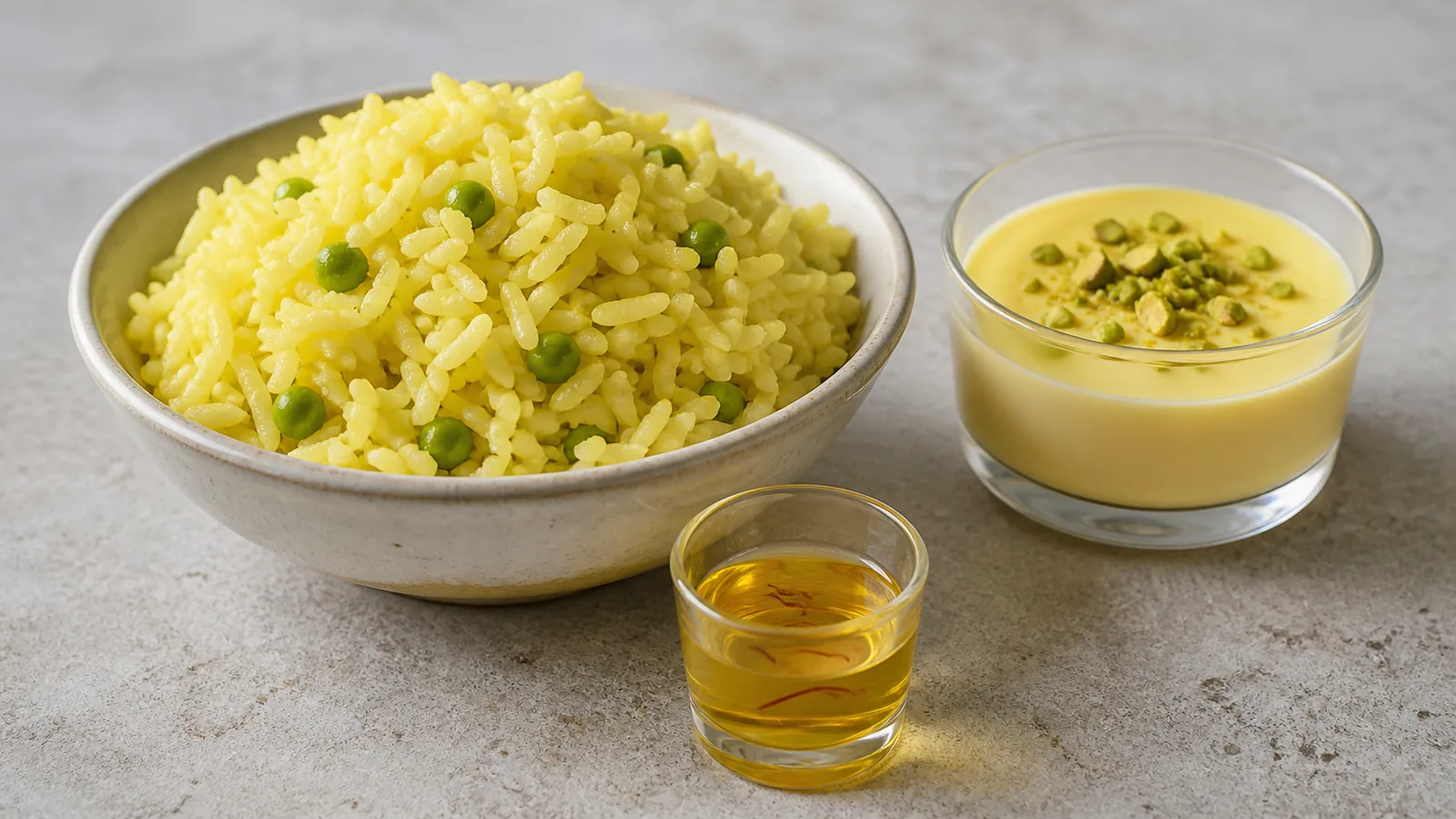
A small jar of genuine saffron usually costs more per gram than familiar spices such as cumin, paprika or cinnamon. Unlike those ingredients, saffron is rarely measured by the teaspoon. A pinch of threads, infused and divided through a pot of rice, stew or dessert, can serve several people.
That makes two comparisons important:
- Price per gram tells you why saffron is classed as a luxury spice.
- Price per recipe or serving tells you whether it is expensive in your kitchen.
The first number is high. The second depends on the recipe, the pack price and how accurately you measure the threads. Buying a large quantity is not automatically better value if it loses aroma before you can use it.
Why does such a small amount cost so much?
Saffron is made from the dried red stigmas of Crocus sativus. Each flower provides just three stigma branches, and separating them is delicate work. A peer-reviewed review estimates that producing one kilogram of dried saffron requires roughly 150,000 flowers and 370–470 hours for picking, separation and drying. Its account of saffron harvesting and post-harvest work puts the high price into practical terms.
The crop has a concentrated harvest
Saffron flowers during a short seasonal window. Growers cannot leave the open blooms waiting while they spread the work evenly over many months. Flowers have to be gathered and the red stigmas removed promptly, so a great deal of labour is concentrated into harvest time.
Fresh stigmas lose weight during drying
The spice in the jar is a dried product. Moisture leaves the fresh stigmas during processing, which means the finished weight is much smaller than the volume handled in the field. Drying conditions also influence colour, aroma and flavour; speed alone is not the goal.
Processing is more than putting threads in a packet
After drying, saffron still has to be sorted, graded, protected from moisture and light, packed and traced through the supply chain. These steps add cost, but it would be misleading to say a costly processing plant is the main reason saffron is expensive. The unusually low yield and concentrated manual harvest come first; equipment and packaging sit on top of them.
How much should saffron cost?
There is no honest timeless figure. Saffron prices vary by country, crop year, grade, thread composition, pack size, tax, currency and sales channel. A fixed statement such as “one gram always costs this much” can be obsolete almost as soon as it is published.
Compare offers using the same unit. Divide the pack price by its net weight to find the price per gram, then compare like with like: whole threads against whole threads, similar grades against similar grades, and the same tax or delivery basis. Very small packs often cost more per gram, while a decorative gift box can cost far more than the saffron inside it.
Does expensive saffron mean better saffron?
Not by itself. A sensible price supports careful growing and handling, but the highest price is not proof of purity or freshness. Look for clearly identified net weight, origin and grade information, intact deep-red threads, protective packaging and a seller who explains the product without making impossible promises.
An unusually low price deserves scrutiny because genuine saffron takes so much work to produce. An unusually high price also deserves a comparison. You may be paying for a tiny pack, elaborate packaging or a retail location rather than a better spice.
How to get better value from saffron
- Buy an amount you can use while it is aromatic. A smaller fresh pack is better value than a large neglected one.
- Measure the threads. Adding more than a recipe needs wastes saffron and can make the flavour harsh.
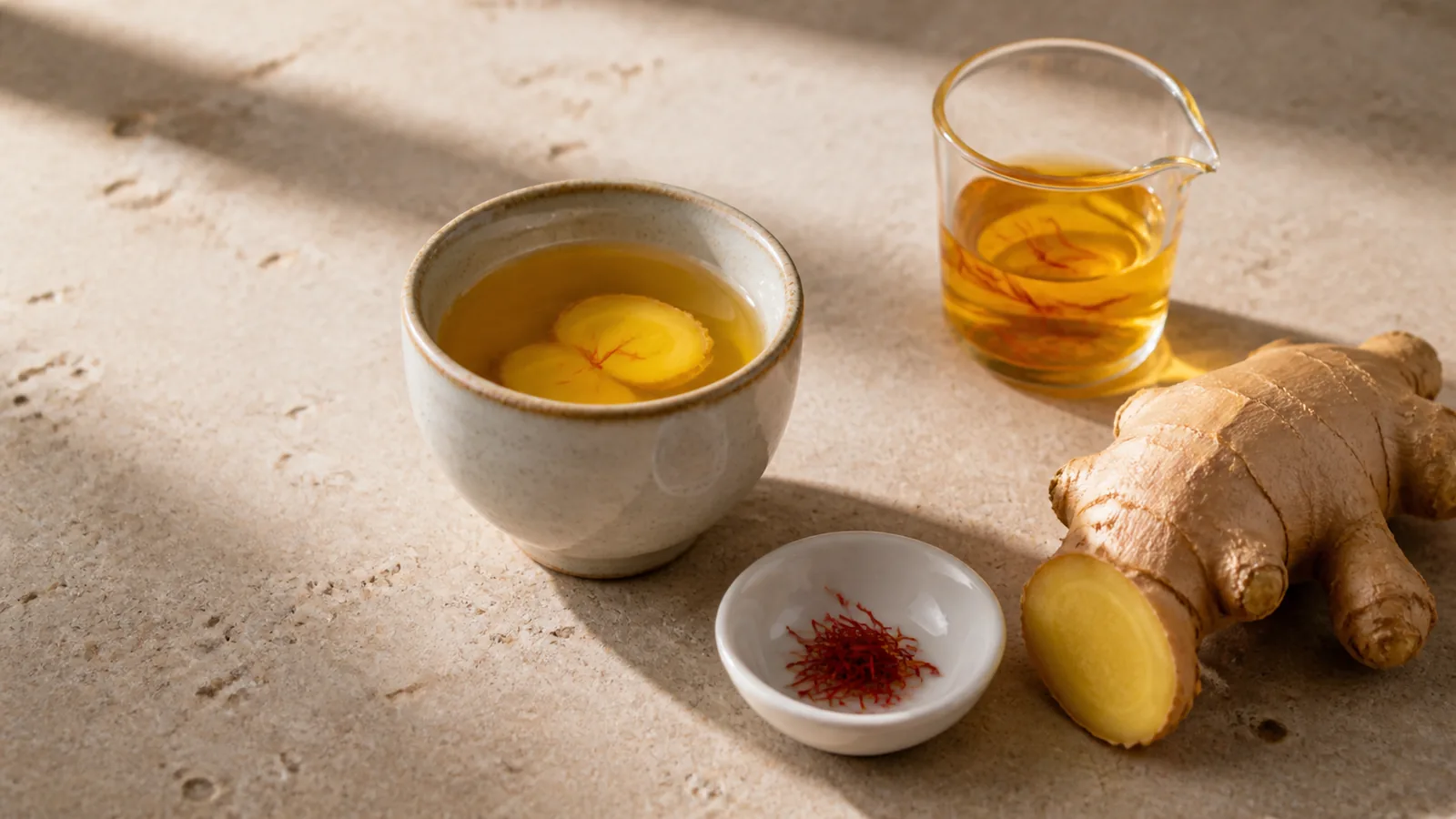
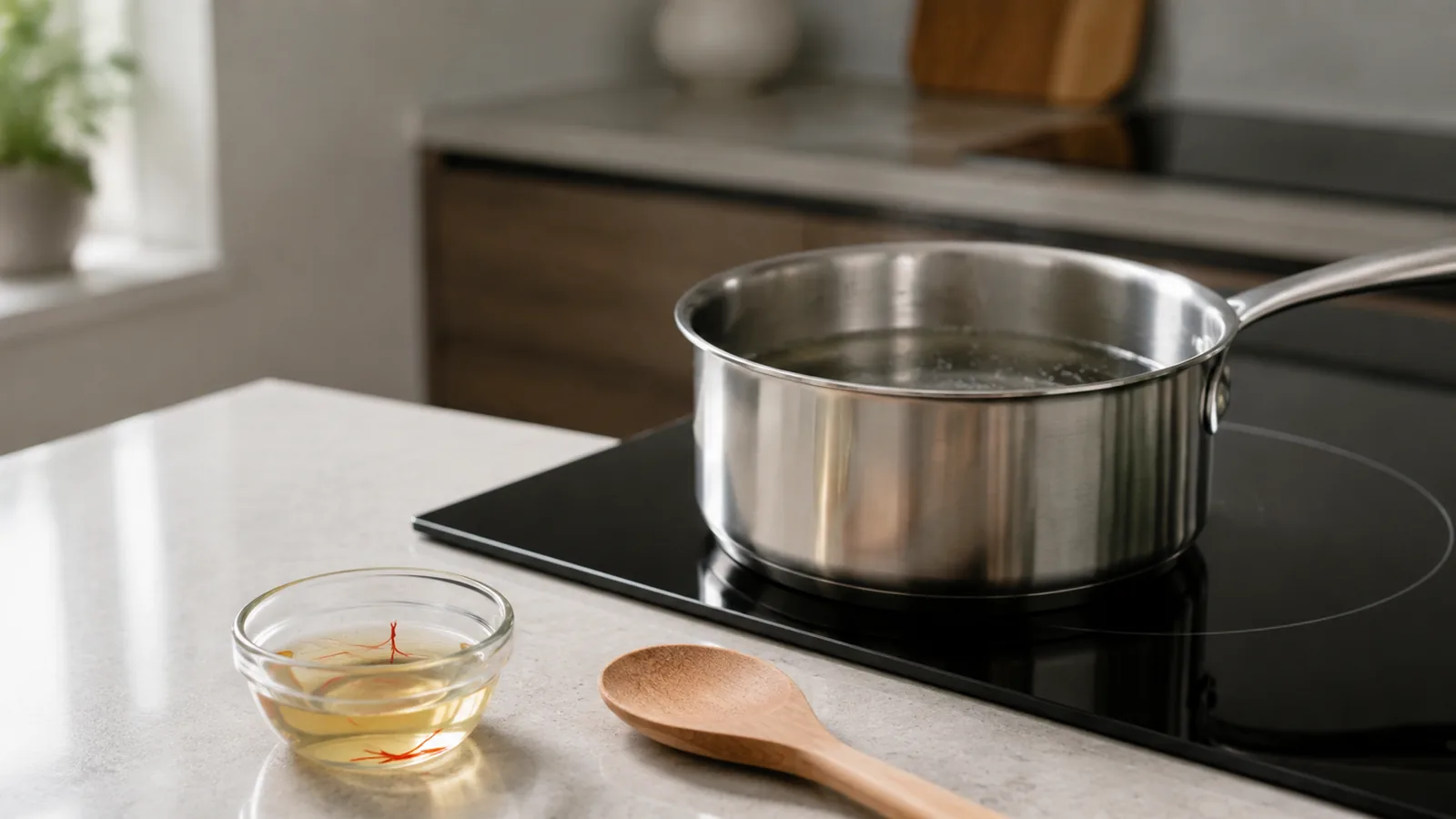
- Infuse it carefully. Crushing a measured pinch and steeping it in warm liquid helps distribute the colour and aroma through the whole dish.
- Store it well. Keep the container tightly closed, dry, cool and away from light and cooking steam.
- Compare the product, not the box. Calculate price per gram and read what the pack actually contains.
So, is saffron worth its price?
That depends on what you want from it. Saffron has a distinctive aroma, golden colour and flavour that another yellow spice does not reproduce exactly. If those qualities matter to the dish, a measured pinch can be worthwhile. If you only want colour, saffron may be an unnecessarily expensive choice.
Saffron really is expensive by weight because the finished threads concentrate an exceptional amount of flower handling and skilled processing. It does not follow that every saffron dish is expensive. Judge the pack by its quality and price per gram, then judge the recipe by the small amount it uses. For the broader comparison with vanilla, cardamom and other costly spices, see which spice is the most expensive by weight.