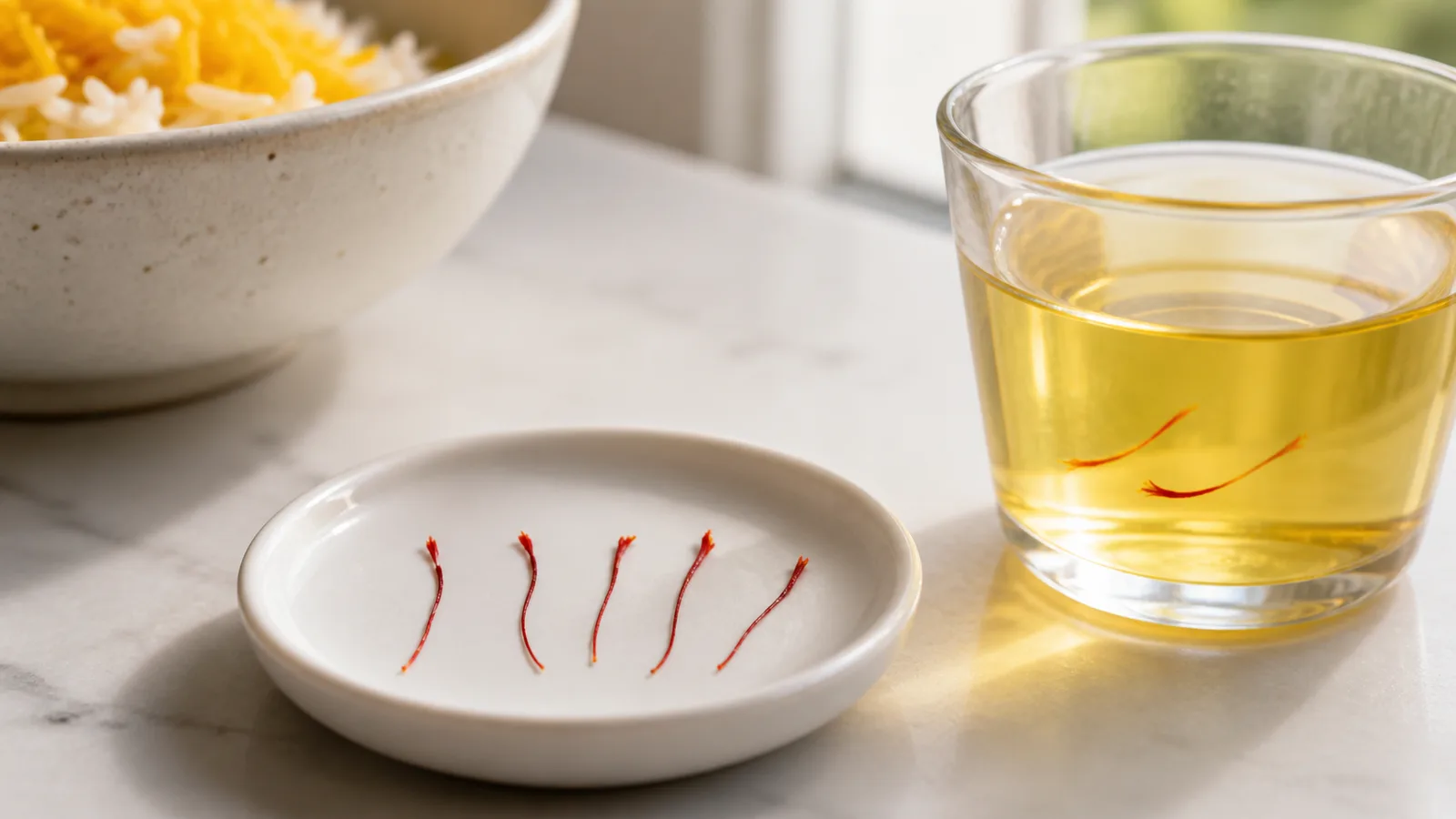
Is saffron healthy? In the small amount used to season food, it can be part of a healthy diet and adds colour, aroma and flavour without much sugar, salt or fat. Saffron also contains biologically active compounds that researchers have tested in supplements. That does not make it a cure, a multivitamin or a substitute for medical treatment.
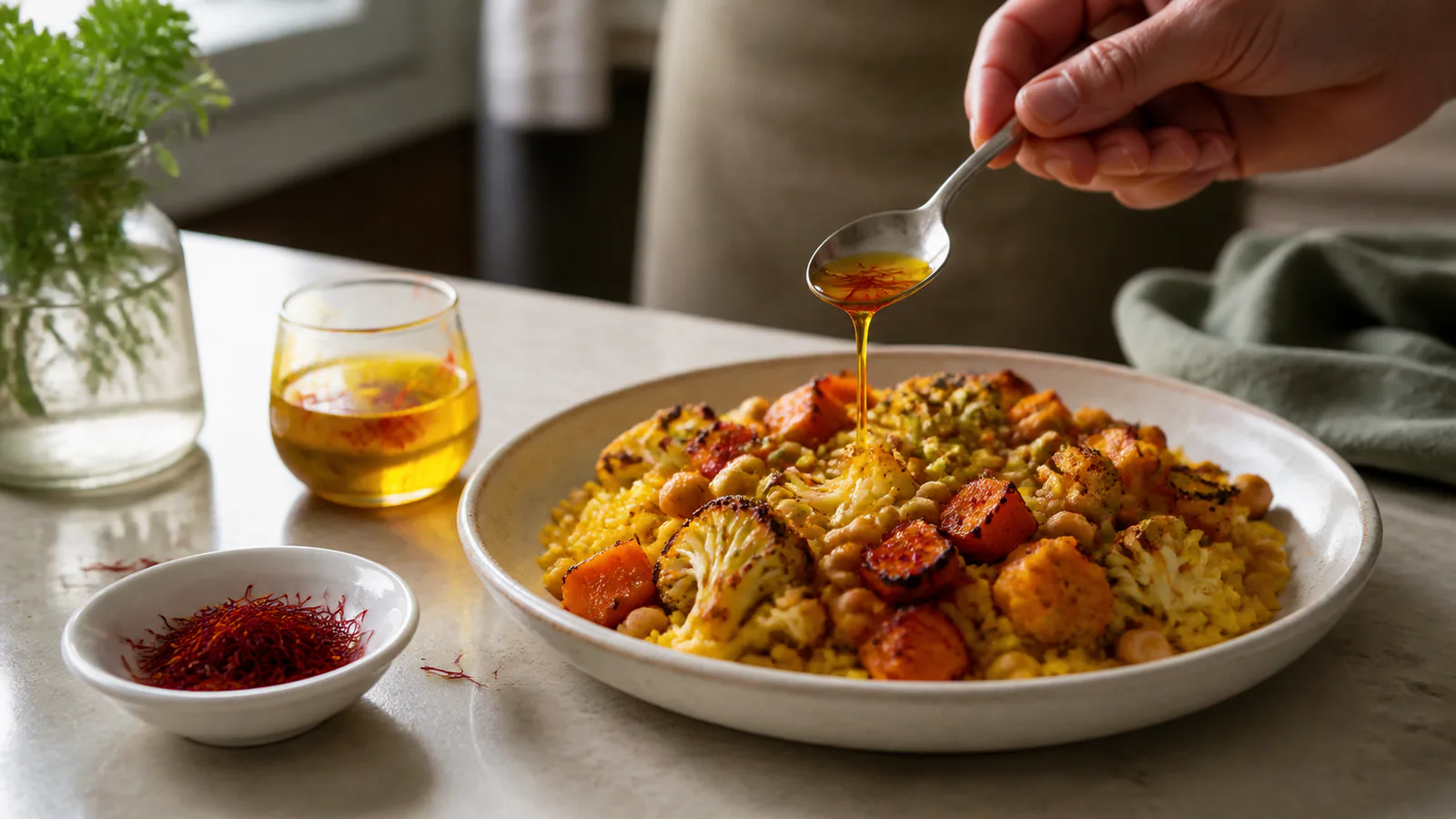
The distinction between spice and supplement is important. A few threads in a meal are a culinary amount. A capsule or extract can provide a concentrated, standardized dose, so its possible benefits, side effects and interactions deserve a different level of care.
What is in saffron?
Saffron is the dried stigma of Crocus sativus. Its best-known constituents include crocin and crocetin, which contribute colour; picrocrocin, associated with taste; and safranal, an important part of its aroma. Researchers have catalogued many other volatile and non-volatile compounds, but a claim such as “more than 150 compounds” does not by itself tell us whether a serving improves health.
Nutrient tables may also list vitamin C, B vitamins, iron, potassium, magnesium or manganese per 100 grams. A normal recipe uses a tiny fraction of 100 grams, so saffron is not a practical way to correct a vitamin or mineral deficiency. Claims that its iron increases red blood cells, its potassium prevents heart attacks, its manganese controls diabetes or its vitamin C boosts immunity ignore the very small serving size and overstate what the food can do.
What saffron health benefits have human evidence?
The research is more substantial for some outcomes than for others. An evidence map of saffron meta-analyses found signals for mood, cognition and selected metabolic measures, but it also judged the quality of the existing reviews to need improvement. Many trials are small, short, use different extracts and come from a limited number of research groups.
That means the sensible wording is “may help in a studied population,” not “will prevent disease.” It also means a result from a standardized extract cannot automatically be attributed to the few threads in dinner.
Mood, anxiety and sleep
Mood is one of the better-studied areas. Reviews of randomized trials suggest that some saffron or crocin preparations can improve scores for depression and anxiety compared with placebo. A 2024 systematic review of neurological and psychiatric trials also reported generally good tolerance, while emphasizing that preparations and study settings varied.
This is not evidence that ordinary food use reliably raises serotonin, and “natural antidepressant” is too strong a label. Anyone being treated for depression, anxiety or another mental-health condition should not stop or replace prescribed care. Our focused review of saffron and mood explains the trial evidence in more detail.
Small randomized trials also provide early support for sleep quality. A systematic review of five trials described the findings as initial support, not proof that saffron treats every cause of insomnia.
Cognition and brain health
Small trials in people with mild cognitive impairment or Alzheimer’s disease have reported promising changes on cognitive scales. The evidence remains too limited for saffron to be recommended as a treatment, and it does not show that saffron prevents dementia in healthy people. Claims that it treats Parkinson’s disease or broadly “strengthens the brain” are not established by comparable human evidence.
Blood sugar, cholesterol and blood pressure
Some pooled trials have found modest average changes in selected cardiometabolic markers. For example, a 2025 review of 25 randomized trials in people with metabolic syndrome or related conditions reported small reductions in fasting glucose, HbA1c, total cholesterol and blood pressure. It did not find significant changes in several other measures, including BMI, waist circumference, LDL or HDL cholesterol.
These results do not prove that saffron prevents diabetes, atherosclerosis, heart attack or stroke. The average blood-pressure changes were small, and saffron must not replace medication, diet, activity or follow-up. It may also be relevant to medicine dosing, which is one reason people taking blood-pressure or diabetes drugs should discuss concentrated saffron products with their clinician.
Eye health
A few clinical studies have tested standardized saffron in people with particular eye diseases, especially age-related macular degeneration. A systematic review of ocular research called the findings promising but said further clinical studies were needed. This is not proof that saffron prevents ordinary age-related vision loss, and it is not a reason to delay an eye examination.
Which popular benefits remain unproven?
Several claims in older saffron articles rely on tradition, laboratory mechanisms or the nutrient content of an unrealistic 100-gram portion. Human evidence does not currently justify saying saffron:
- boosts the immune system or prevents infections;
- prevents or treats cancer;
- treats asthma or another respiratory disease;
- relieves arthritis or other pain reliably;
- cures constipation or a digestive disorder;
- raises iron levels or prevents anaemia;
- builds bone, increases calcium absorption or prevents osteoporosis;
- reduces bleeding; or
- creates enough metabolic change to act as a weight-loss treatment.
Antioxidant activity is real chemistry, but it is not a clinical outcome. A compound can affect a cell or biomarker in an experiment without preventing illness in a person. Cancer, breathing difficulty, persistent pain, unusual bleeding and symptoms of anaemia all need appropriate assessment rather than a spice-based remedy.
Is saffron good for digestion or weight loss?
Saffron has a long history in food and traditional practice, and some trials have examined appetite or metabolic measures. The results do not make it a reliable treatment for constipation, indigestion or obesity. In the 2025 cardiometabolic review above, body mass index and waist circumference did not significantly change overall.
Its clearest digestive benefit in everyday life is culinary: a small amount can make a nourishing dish more aromatic and appealing. If saffron itself causes nausea, reduced appetite or stomach discomfort, stop the concentrated product and seek advice if symptoms persist.
How much saffron should you use?
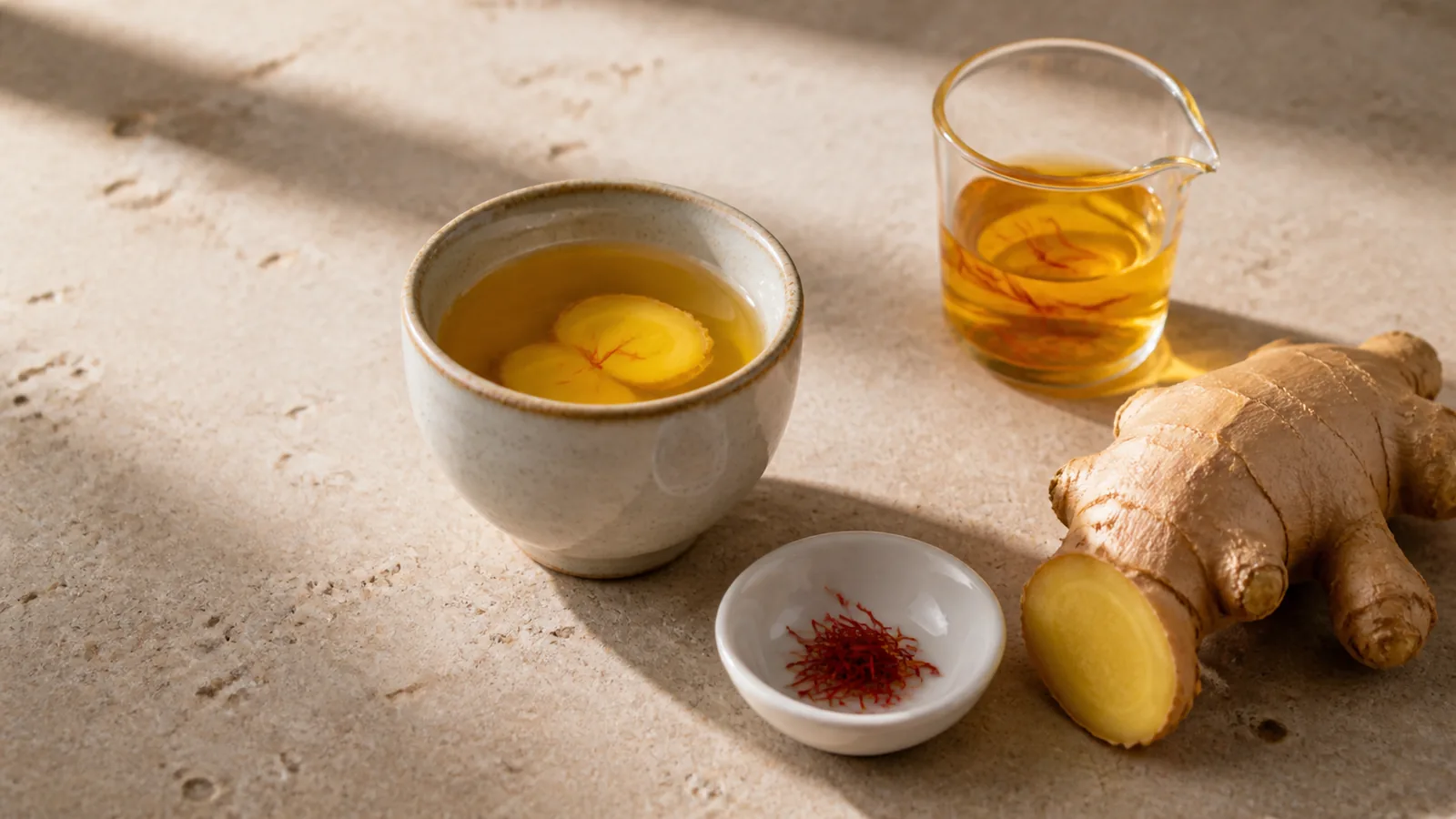
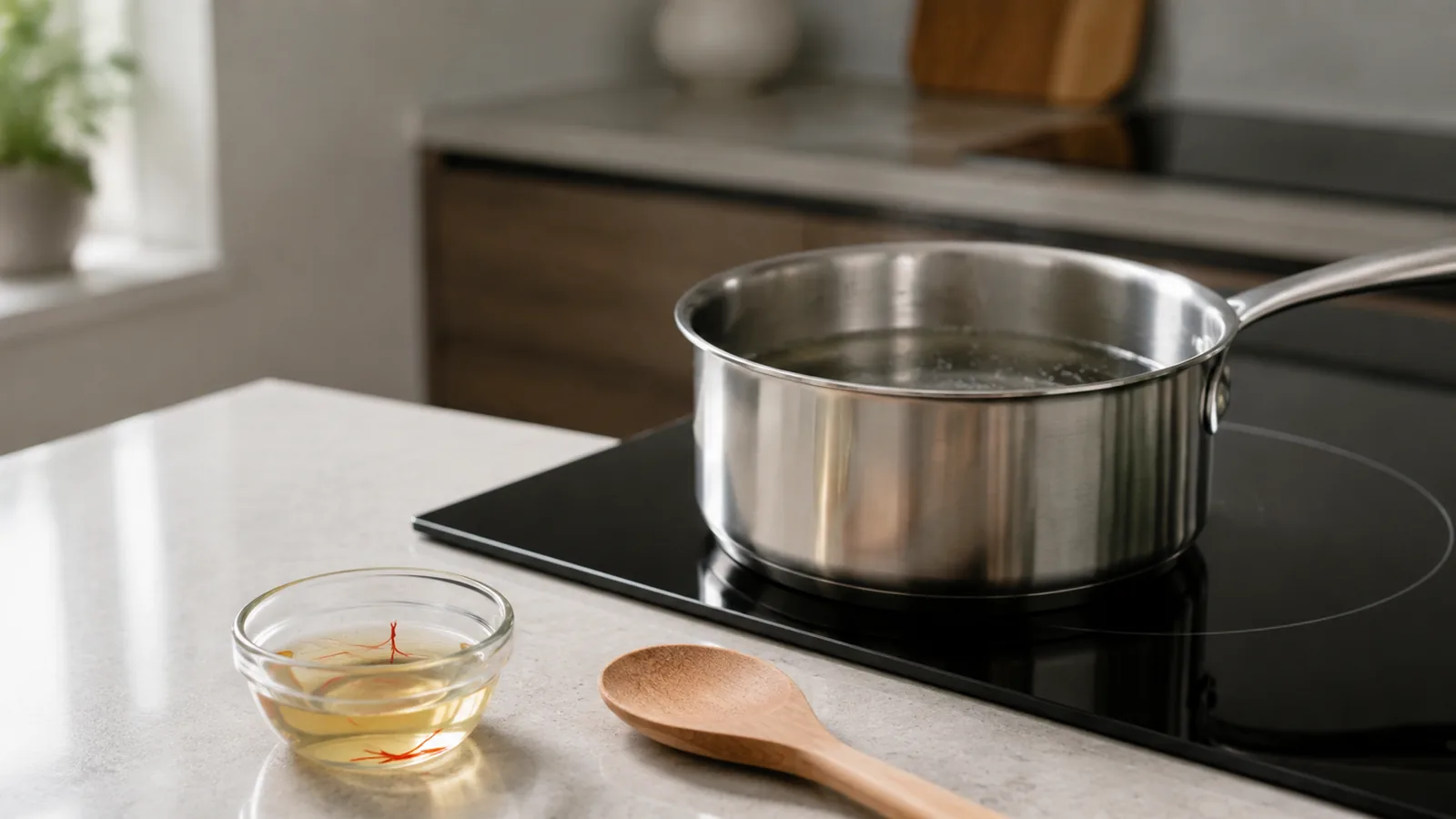
Use culinary saffron to taste. Crush a small pinch of threads, steep it briefly in warm water, and add the infusion to rice, soups, sauces, tea or desserts. There is no need to chase a clinical-trial dose when the purpose is cooking.
Do not use the old recommendation of 0.5 to 1 gram every day as a general health routine. That is far more than an ordinary seasoning amount and is not supported as a universal daily target. Research doses often concern specific extracts or preparations and cannot be converted safely into a one-size-fits-all thread dose.
A 2026 systematic review of human safety reports found saffron preparations generally well tolerated, with gastrointestinal complaints the most common adverse effects. It also concluded that higher-dose or prolonged medicinal use may warrant clinical monitoring. Reported effects across trials include nausea, headache, dry mouth, appetite changes and dizziness.
Who should ask before using a supplement?
Get individualized advice before taking saffron capsules, extracts or a daily medicinal amount if you:
- are pregnant, trying to conceive or breastfeeding;
- are giving it to a child;
- have a bleeding disorder, low blood pressure, kidney or liver disease, or another significant condition;
- take anticoagulants, blood-pressure medicine, diabetes medicine, antidepressants or several prescriptions; or
- have reacted to saffron or related plants.
A clinician or pharmacist can review the exact product rather than the word “saffron” alone. The label should identify the botanical material, amount per serving, extract ratio where relevant, other ingredients, batch and credible quality testing.
How to make saffron a healthy part of a meal
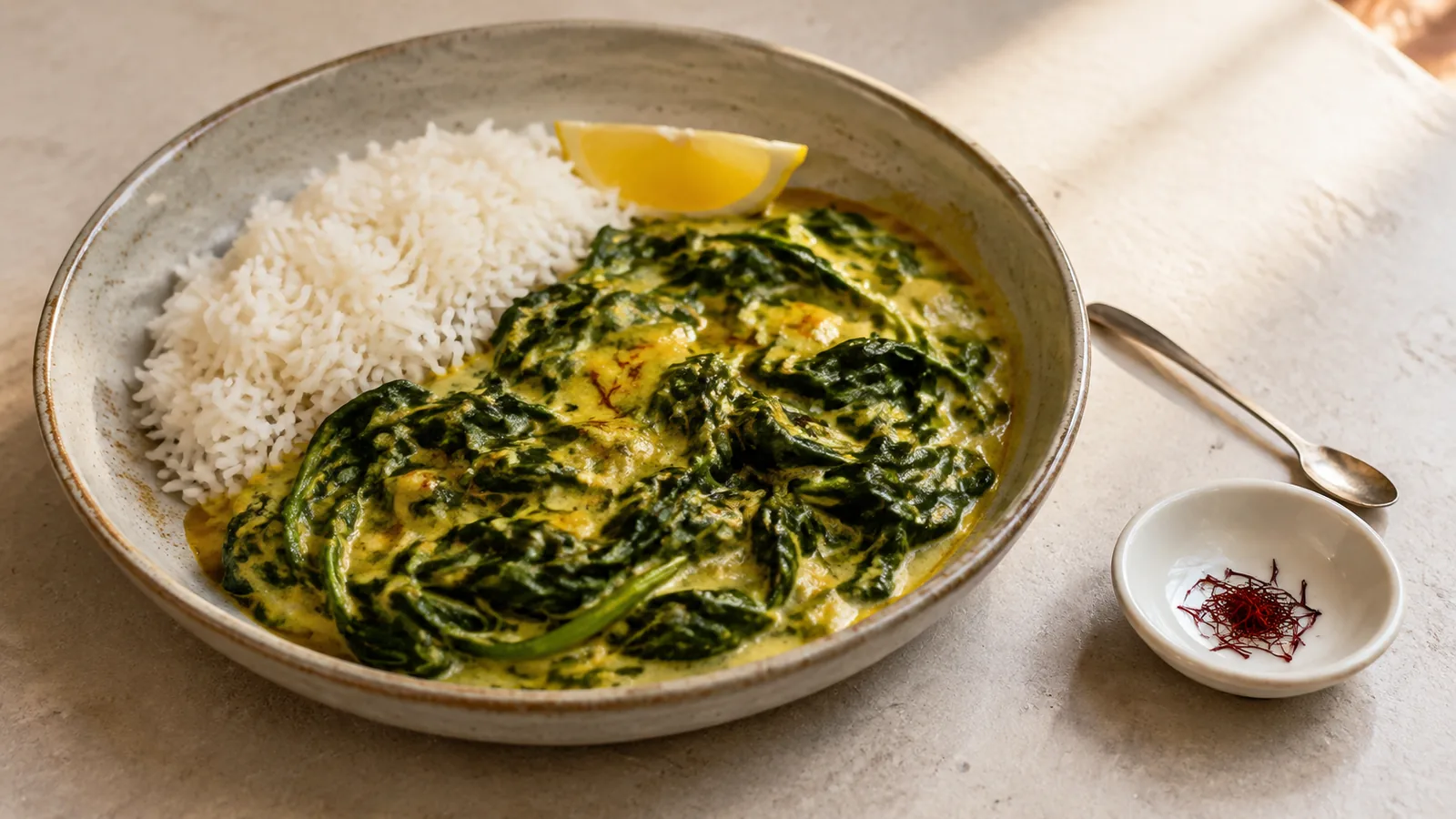
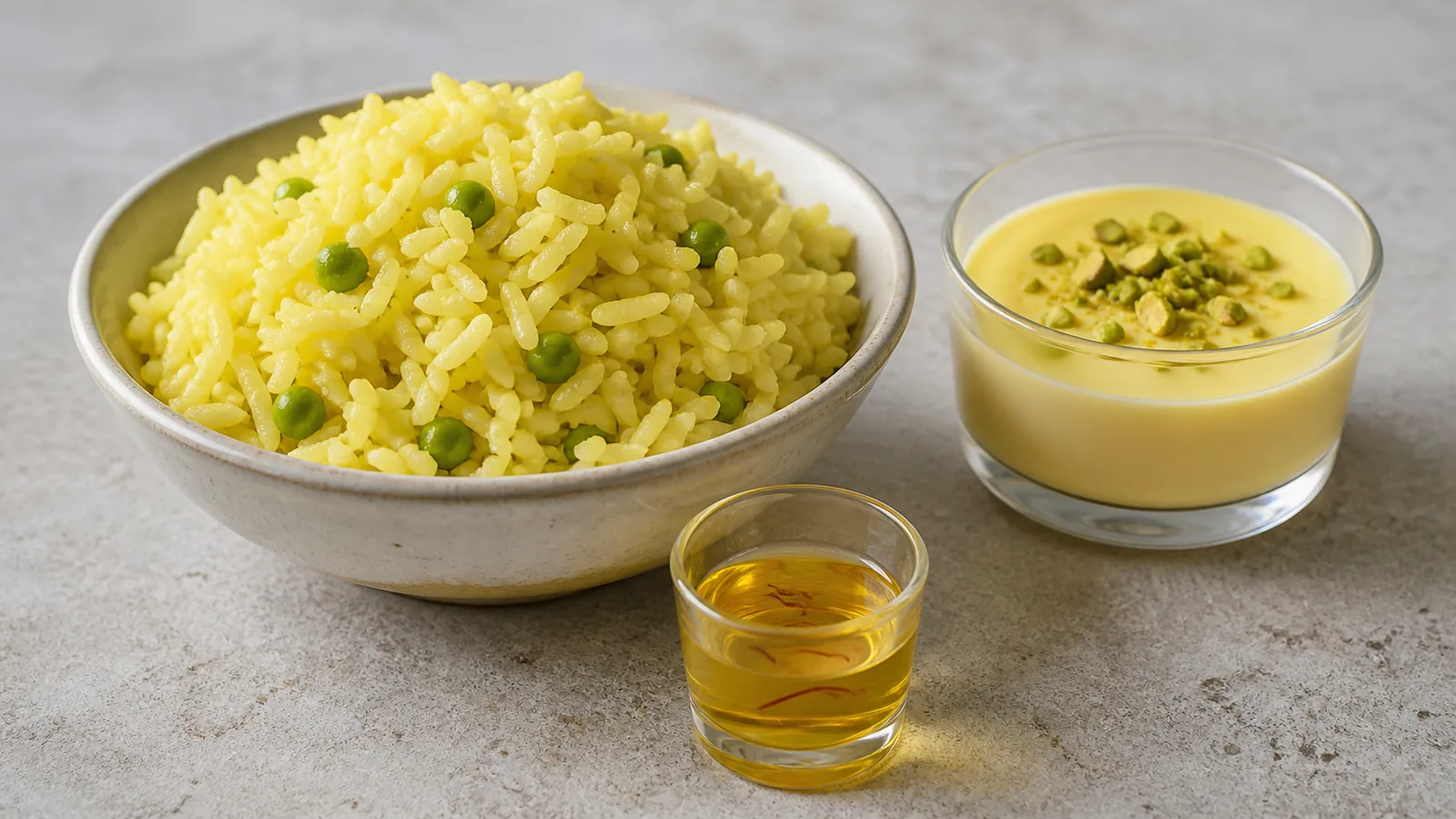
The practical value of saffron is that a little creates a distinctive dish. Use it with foods that already support a balanced pattern: rice with vegetables and beans, fish, yogurt, fruit, nuts or a lightly sweetened drink. It can help build flavour without relying on excess salt or sugar, although it does not cancel out the rest of a recipe.
Choose clean, dry threads from a traceable seller and store them airtight, away from heat, moisture, light and strong odours. A trustworthy product should not need promises about curing disease. If you are buying saffron for cooking, our saffron collection lists the available food products and their formats.
So, is saffron healthy?
Yes, saffron can be a healthy culinary spice. Its most credible clinical research concerns particular standardized products used for mood, cognition, sleep and selected metabolic outcomes, and even there the evidence has limits. Saffron is not a meaningful vitamin source at normal serving sizes and has not been proved to prevent cancer, build bone, cure digestive disease or replace heart and diabetes treatment.
Enjoy a small amount for its flavour, aroma and colour. Treat a concentrated extract as a supplement, not as an extra-strong seasoning, and seek professional advice when your health condition or medicines make that distinction important.