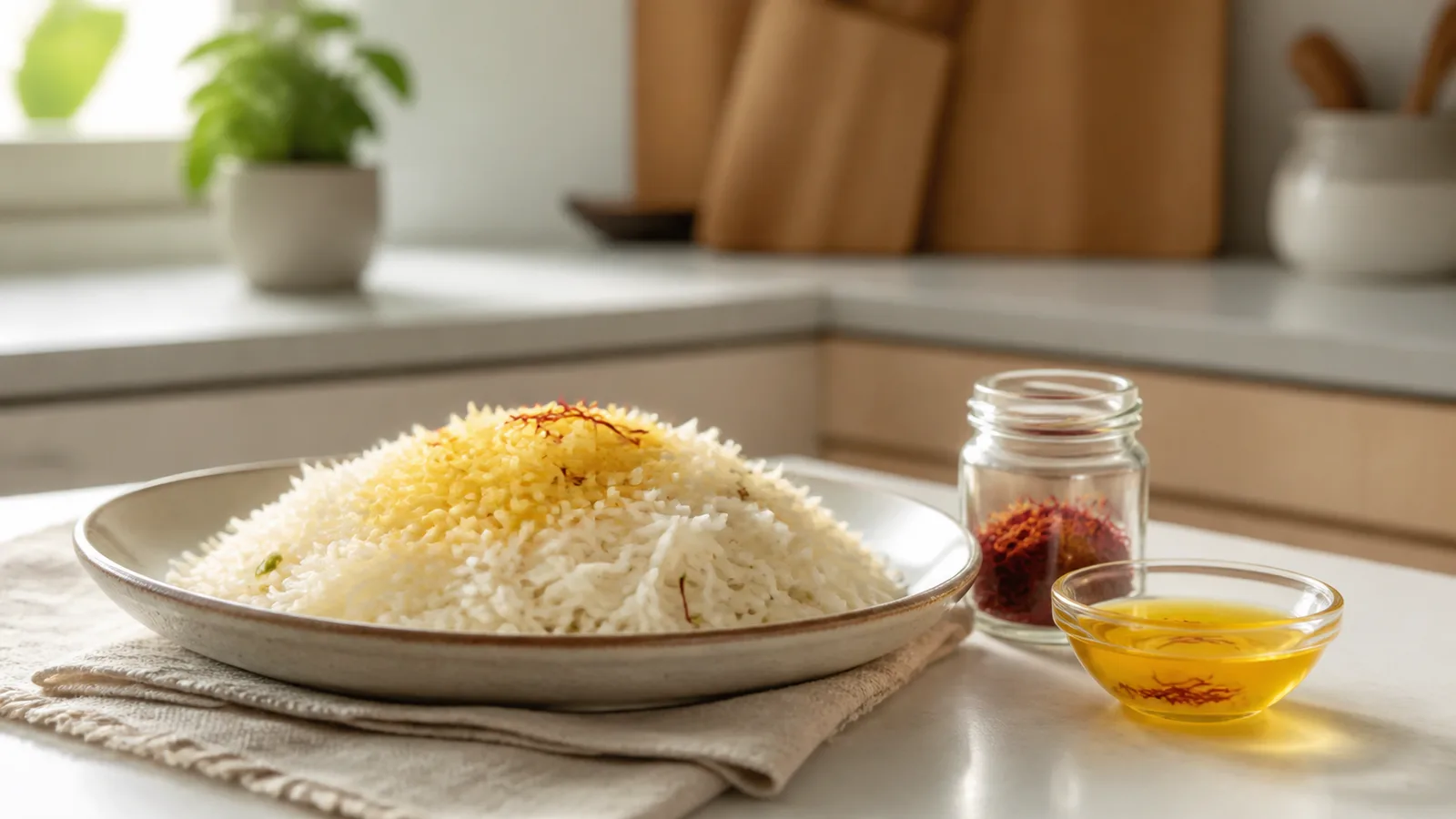
Saffron side effects depend heavily on how the spice is used. A few threads in a meal are not the same exposure as a daily capsule or concentrated extract. In clinical trials, reported problems have most often been mild and temporary, particularly digestive symptoms. That does not make every product or dose safe for every person.

Extra care is sensible if you are pregnant or breastfeeding, take medicine that affects bleeding or blood pressure, have an operation planned, or live with liver or kidney disease. Stop using a saffron product and get medical advice if symptoms begin after you take it.
What side effects can saffron cause?
A 2026 systematic review gathered human safety information from 102 clinical trials and one case report involving saffron-only preparations. About 78% of the trials reported safety information. The authors estimated adverse events at roughly 17.5%, with gastrointestinal problems the most frequently reported; most were minor and self-limiting. The review of saffron adverse events still advises clinical monitoring for medicinal use at higher doses or over longer periods.
Across the wider research literature, reported symptoms include nausea, stomach discomfort, reduced appetite, headache, dizziness and dry mouth. A symptom appearing during a study is not always proved to have been caused by saffron, and trial products differ in extract, strength and quality. Those limits are why a neat universal list can sound more certain than the evidence allows.
Kesar is another common name for saffron, so “kesar side effects” does not describe a different spice. The preparation and amount still determine the exposure.
Get urgent help for trouble breathing, swelling of the lips, tongue or throat, fainting, a widespread rash, unusual heavy bleeding, or severe and persistent vomiting. Saffron allergy appears uncommon, but anaphylaxis has been documented in a case report.
Are saffron blood thinning effects proven?
Saffron blood thinning effects are often repeated as fact online. Does saffron thin blood in real use? The human evidence is limited and mixed. Laboratory work using platelets suggests that saffron extracts can affect platelet aggregation under experimental conditions. That does not tell us whether normal food use causes clinically important bleeding.
In a double-blind study, 60 healthy volunteers took a placebo, 200 mg saffron tablet or 400 mg saffron tablet daily for seven days. Researchers found no between-group difference in the measured coagulation and anticoagulation markers, including PT and PTT. The short coagulation trial argues against calling saffron a demonstrated blood thinner at those studied doses, but it cannot settle long-term use, interactions or risk in people with a bleeding disorder.
If you take warfarin, another anticoagulant, an antiplatelet medicine such as clopidogrel, or regular aspirin, do not add a saffron supplement on the assumption that it is harmless. Ask the prescriber or pharmacist first. The same applies before surgery or dental procedures and if you bruise easily, have frequent nosebleeds or have a diagnosed clotting condition. This is a precaution around uncertain interaction evidence, not a claim that culinary saffron has been shown to thin everyone’s blood.
Can saffron lower blood pressure?
A small seven-day trial in 30 healthy adults found that 400 mg saffron tablets changed standing systolic and mean arterial pressure, while other measured changes remained within normal ranges. A later meta-analysis of eight randomized trials found average reductions of less than 1 mmHg systolic and about 1.2 mmHg diastolic, which the authors said might not be clinically important.
That evidence does not make saffron a blood-pressure treatment. It does mean that someone with low blood pressure, dizziness on standing or several blood-pressure medicines should discuss concentrated saffron with a clinician. Seek advice if a new supplement is followed by lightheadedness, fainting, palpitations or an unusual change in home readings.
Can saffron cause diarrhea, nausea or headaches?
Yes, digestive discomfort is the clearest recurring category in human safety reports. Saffron can be associated with nausea, abdominal discomfort, reduced appetite and sometimes diarrhea. Headache and dizziness are also reported. These effects are more relevant to concentrated preparations than to the tiny amount normally used to season a shared dish.
If symptoms are mild, stop the new product and check the ingredient list rather than assuming saffron is the only possible cause. Capsules can contain fillers or several botanicals, and tea blends may include other herbs. Persistent diarrhea, dehydration, blood in the stool, severe pain or a severe headache needs medical assessment.
Capsules, extracts, tea and saffron water
“Saffron supplement side effects” covers products that may not be comparable. A research-grade standardized extract, loose threads, a capsule, a tablet and a multi-ingredient powder can deliver very different compounds and amounts.
- Capsules, pills and tablets: check the amount per serving, extract ratio, other ingredients, serving frequency and independent quality testing. Do not assume the dose used in a short trial is a recommended daily dose.
- Saffron extract: concentration matters. Findings from one named extract cannot automatically be transferred to every brand or to culinary threads.
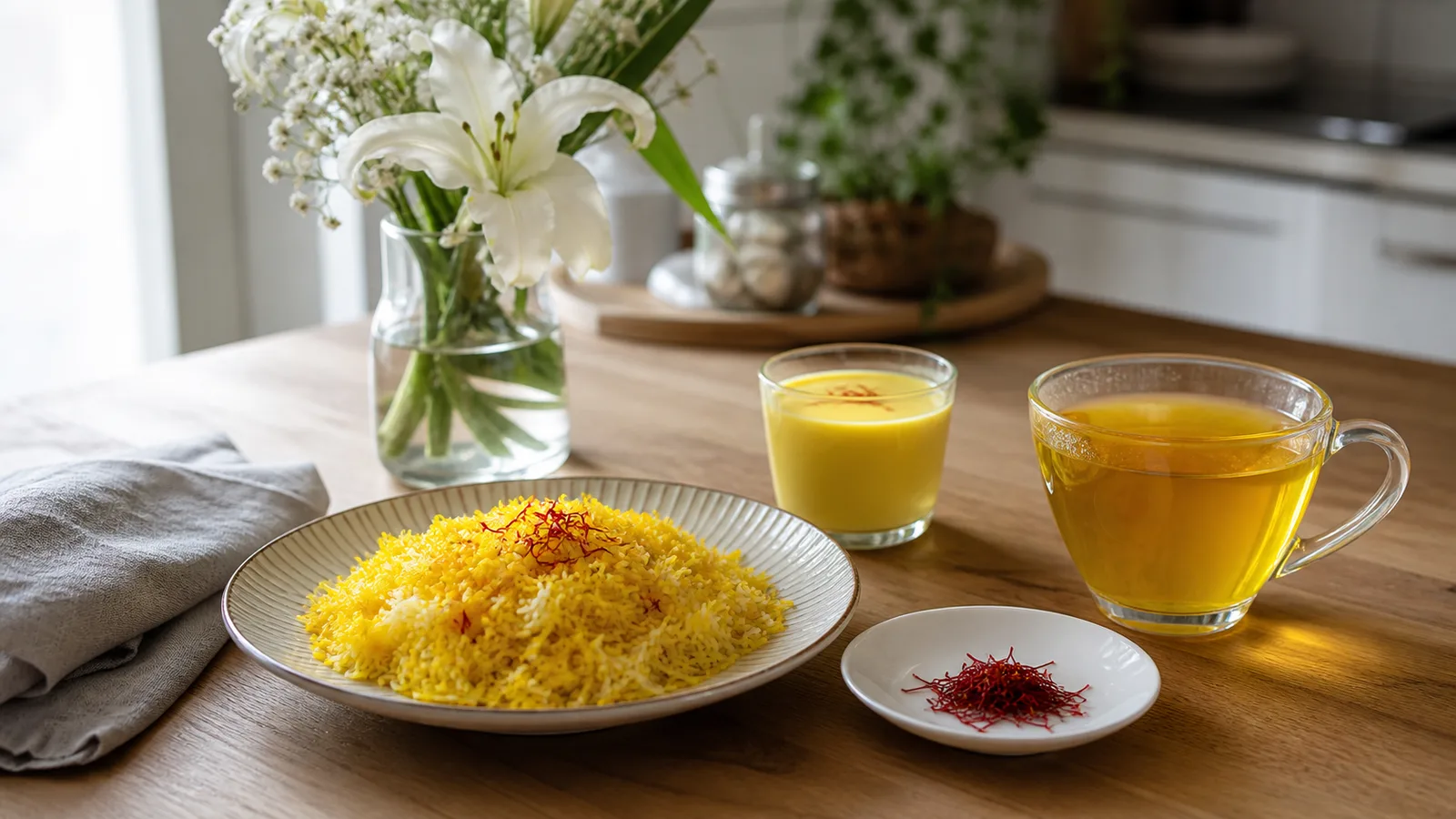
- Saffron tea or water: strength depends on how many threads are used and how long they steep. Saffron tea side effects are therefore more likely to reflect the amount used, other herbs in the blend and individual sensitivity than the word “tea” itself. A lightly infused drink is not equivalent to swallowing an extract, but repeated strong preparations still add to total exposure.
- Multi-ingredient products: another botanical, stimulant, colour or undeclared ingredient may be responsible for a reaction.
The US National Center for Complementary and Integrative Health notes that supplements may interact with medicines and may not contain exactly what buyers expect. Its dietary and herbal supplement guidance also points out that many products have not been tested in pregnant people, nursing mothers or children.
Pregnancy, breastfeeding and fertility
Using the small amount of saffron found in food is a different decision from taking it medicinally. Evidence for concentrated saffron during pregnancy remains limited, and some research has examined effects on cervical ripening and labour. A recent review of saffron in pregnancy concluded that the safety evidence is still inconclusive and that standardized preparations and long-term data are needed.
For that reason, do not start a saffron supplement during pregnancy, while trying to conceive or while breastfeeding without discussing the actual product and amount with an obstetric clinician or pharmacist. There is no sound basis for the claim that saffron changes a baby’s complexion, and a breastfeeding warning should be based on limited exposure data rather than an invented claim about a newborn’s digestion.
There is also no good evidence for a special list of saffron side effects in men. Dizziness, nausea, allergy and product interactions are not male-only effects. Questions about fertility, sexual function or hormones need evidence for the specific preparation and condition rather than a generic sex-based warning.
Children and saffron
A small amount of saffron used in family food is not equivalent to giving a child an adult supplement. Robust pediatric dosing and long-term safety data are lacking. Do not use saffron to reduce a child’s fever, improve vision or strengthen bones; those claims are not established treatments and can delay appropriate care.
Parents should speak with a pediatric clinician before giving saffron tea, drops, capsules or extracts, particularly to a baby or a child who takes medicine or has allergies. A child with breathing difficulty, facial swelling, unusual sleepiness, repeated vomiting or another serious reaction needs urgent medical help.
Kidney and liver concerns
The old warning that excessive saffron directly causes yellow skin, fatigue and kidney damage was too definite. One very small seven-day safety trial recorded changes in blood urea nitrogen and creatinine at research doses, but the values stayed within normal ranges and did not establish kidney injury. Yellowing of the skin or eyes is a warning sign that deserves prompt medical assessment, whatever the suspected cause.
Current evidence also does not prove that ordinary culinary saffron damages the liver or that it detoxifies and protects it. People with liver or kidney disease may handle medicines and supplements differently, and multi-ingredient products can complicate the picture. Our evidence review of saffron for liver health separates human findings from detox claims and laboratory research.
Skin, face and inhalation reactions
Saffron side effects on the face can come from saffron itself or another ingredient in a cosmetic mixture. Stop using the product if you develop burning, swelling, hives or a spreading rash. Do not apply a homemade mixture near the eyes, and seek urgent care for facial swelling with breathing or swallowing difficulty.
The effects of smoking saffron have not been established in clinical research. Burning plant material creates smoke and fine particles; inhaling it adds a respiratory exposure that eating the spice does not. Do not burn saffron as a treatment or inhale it in search of a faster effect.
How to reduce the risk of saffron side effects
- Keep culinary use modest and use genuine threads from a traceable seller.
- Treat a concentrated extract as a supplement, not as ordinary seasoning.
- Show the full label to a clinician or pharmacist if you take medicines or manage a medical condition.
- Avoid stacking tea, capsules and another saffron product without counting the total exposure.
- Stop a new product if a reaction appears, and keep the packaging in case an ingredient needs to be identified.
The practical conclusion is measured rather than dramatic. Saffron is generally well tolerated in human studies and the small amounts used in food are not the same as medicinal dosing. The disadvantages of saffron become more relevant when the preparation is concentrated, the label is unclear, use is prolonged or the person has medicines and health conditions that change the risk.