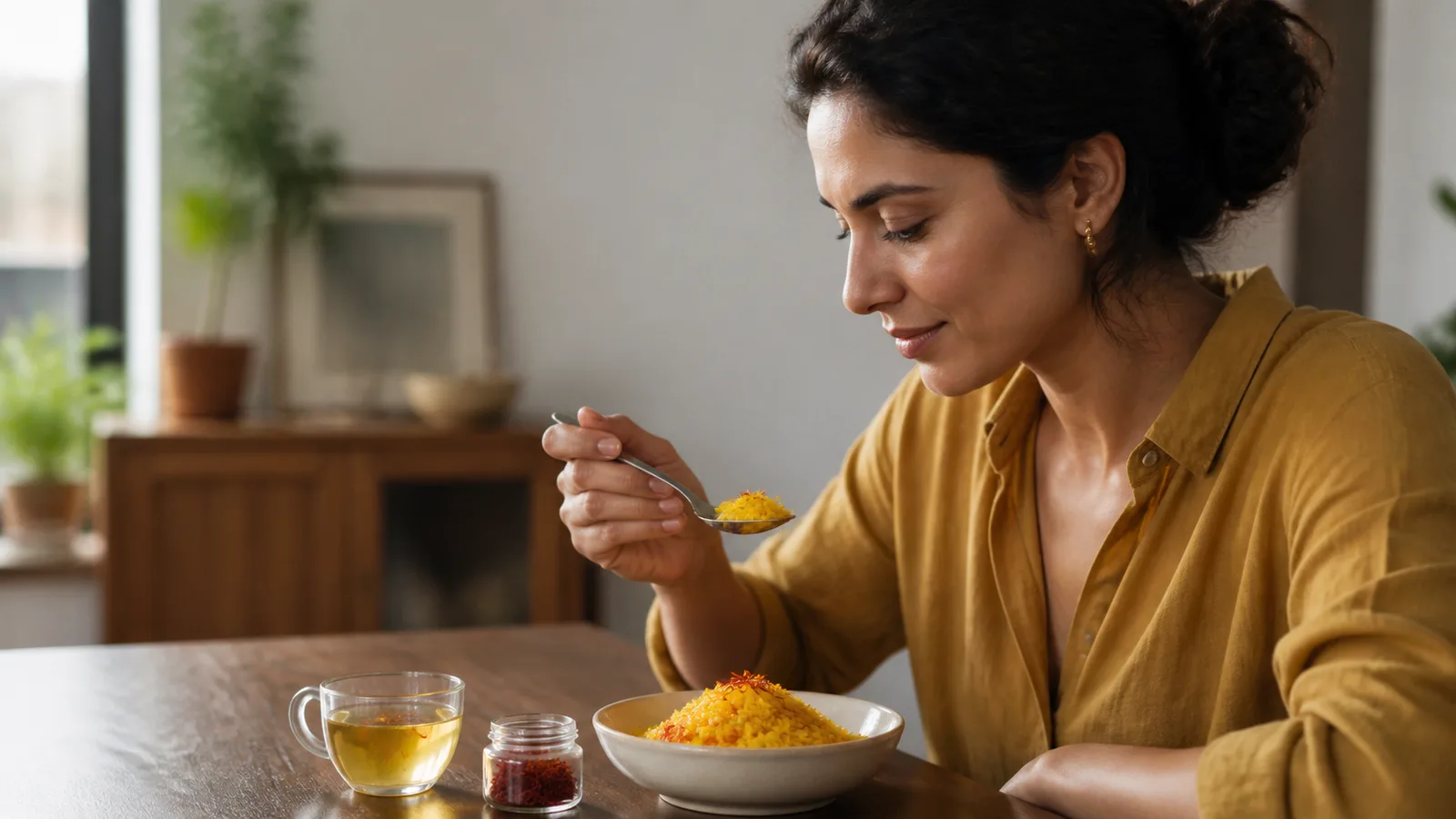
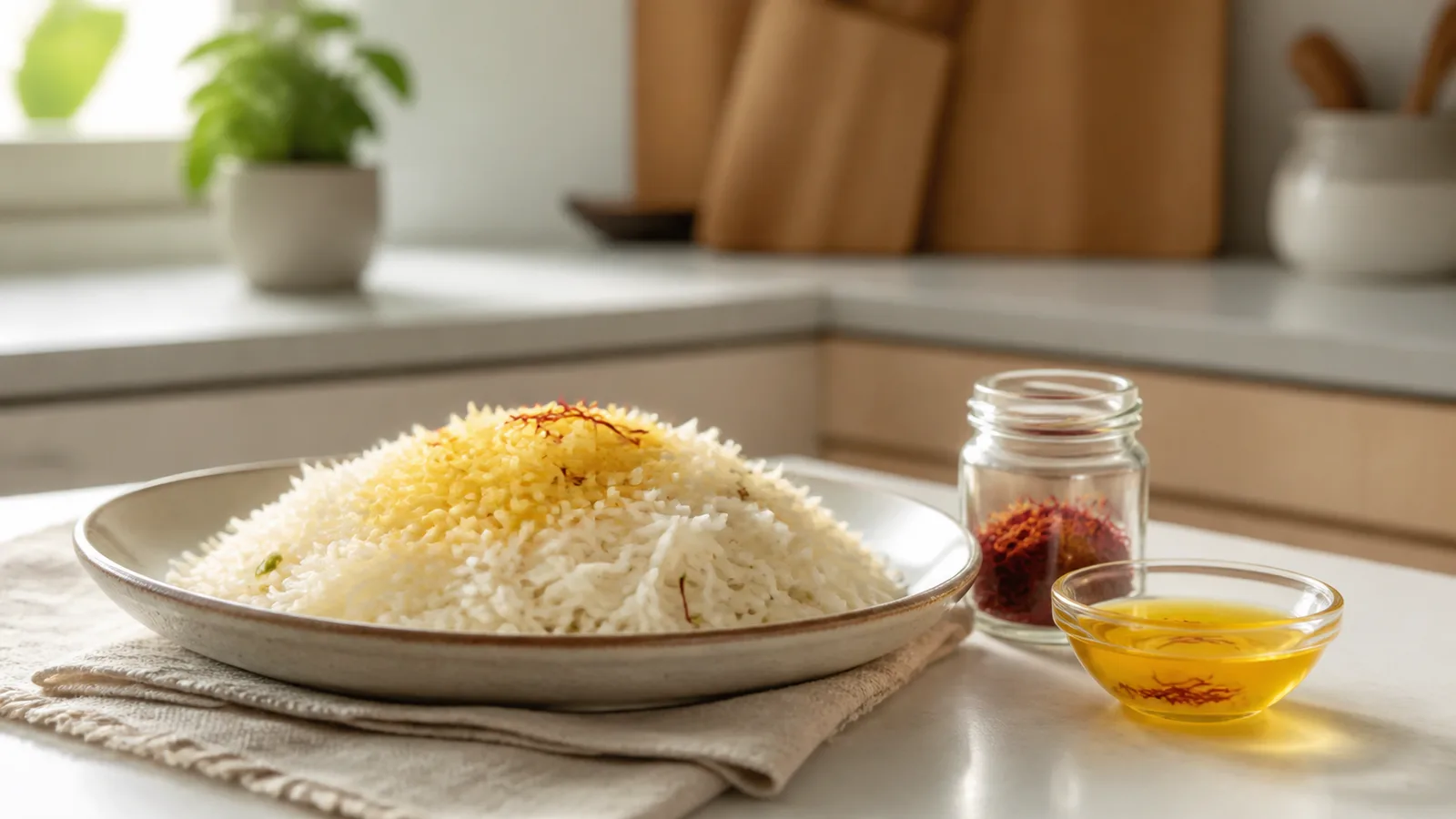
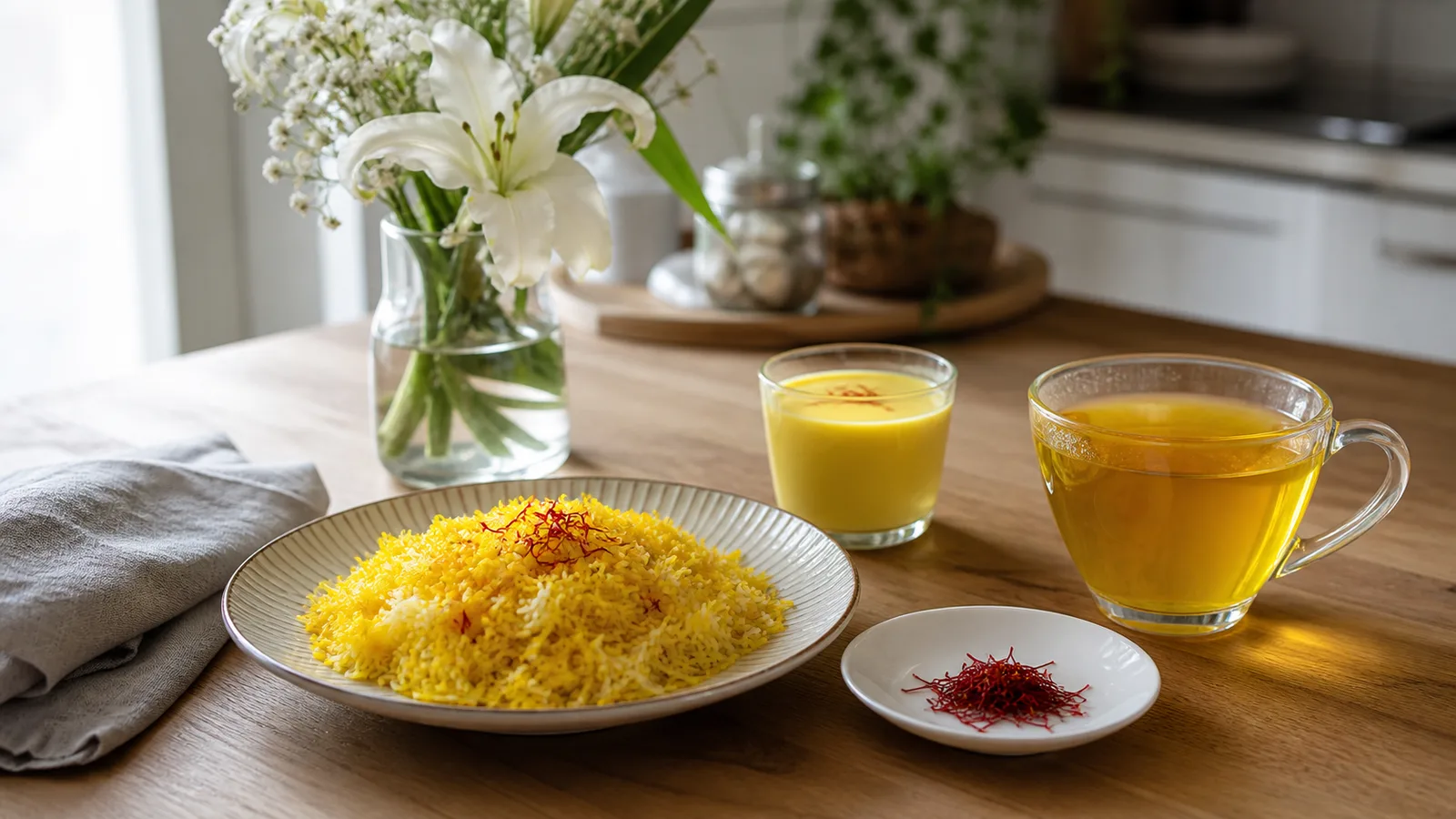
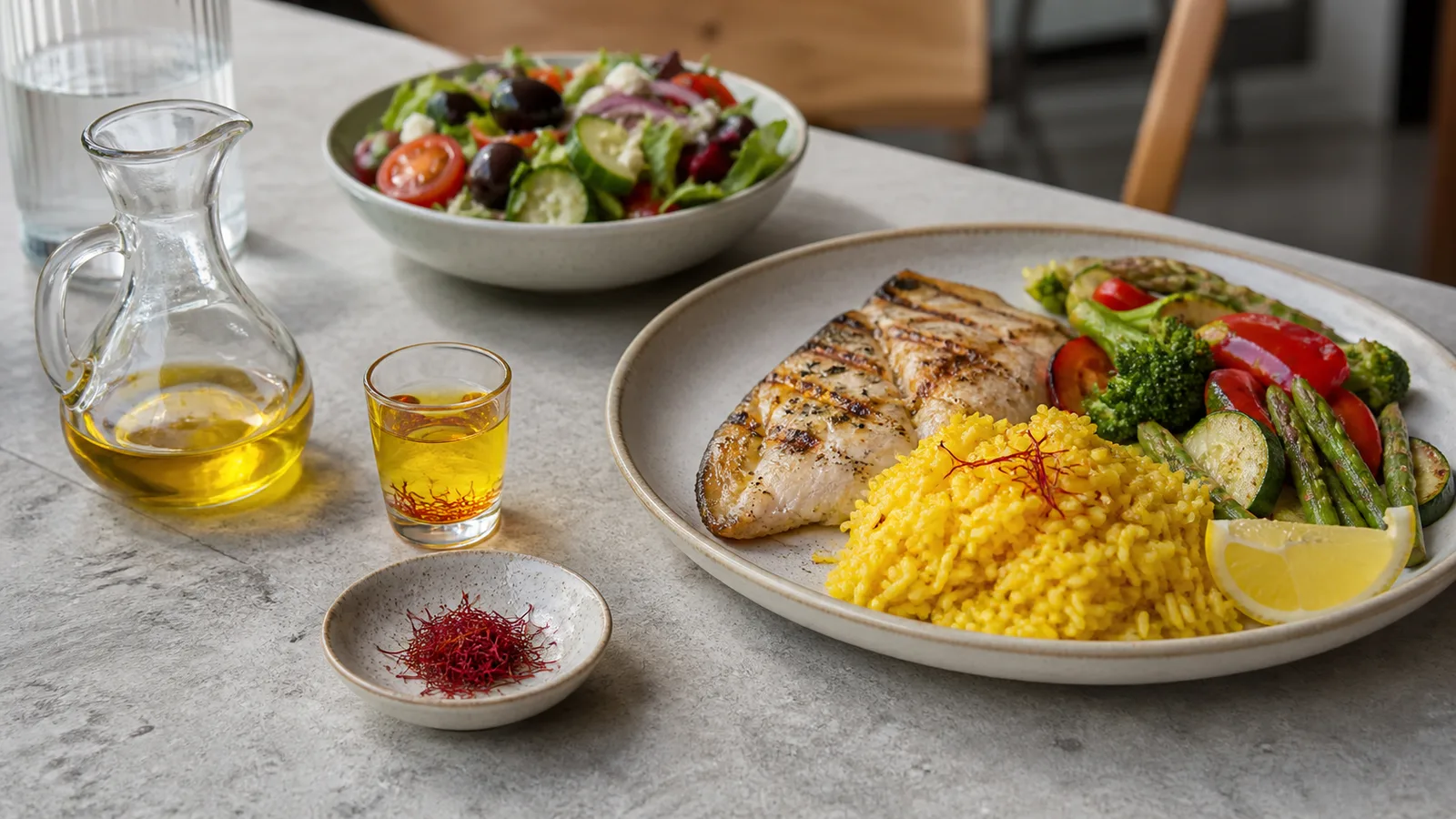
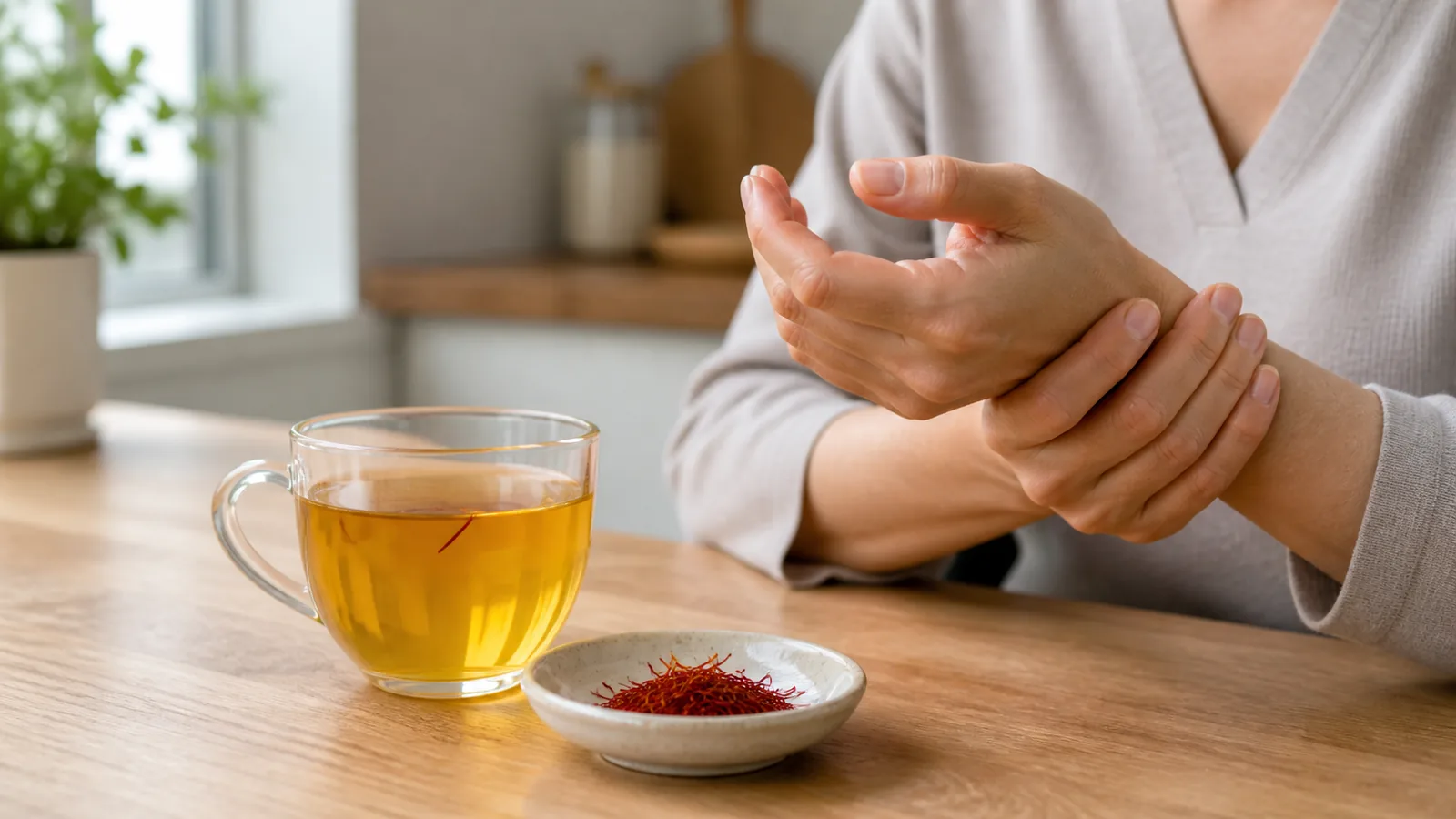
Saffron for liver health is an interesting research topic, but it is not a proven liver detox or a treatment for fatty liver disease. A small amount of saffron used as a spice can be part of an ordinary diet. Concentrated extracts and supplements are a different matter: a few short clinical trials have measured liver enzymes and inflammatory markers, yet they have not shown that saffron clears “toxins,” reverses liver disease or prevents liver injury.

If you have abnormal liver tests or a diagnosed liver condition, the useful question is not simply “Is saffron good for the liver?” It is whether a particular product, dose and reason for taking it make sense alongside your diagnosis and medicines. That decision belongs with a clinician who can see the whole picture.
Does saffron detox the liver?
No good human evidence shows that saffron “detoxes” the liver. The liver already processes nutrients, medicines and many substances the body needs to remove. A food does not flush the organ clean, and a change in one blood marker is not proof that toxins have left the body.
The word detox is often used loosely in wellness marketing. The US National Center for Complementary and Integrative Health says that studies of commercial detox and cleanse programmes in people have generally been few and low quality. Its review of detoxes and cleanses also notes that some products have involved hidden ingredients or false disease-treatment claims.
That does not make saffron nutritionally worthless. Saffron is the dried red stigma of Crocus sativus, used in very small amounts for colour, aroma and flavour. It contains compounds such as crocin, crocetin, picrocrocin and safranal, and laboratory studies explore their antioxidant and inflammatory pathways. Those experiments help researchers form hypotheses. They do not establish that a cup of saffron tea or a supplement produces a clinically meaningful liver detox in a person.
Is saffron good for fatty liver?
Fatty liver disease is now also called metabolic dysfunction-associated steatotic liver disease, or MASLD; older studies often use the name nonalcoholic fatty liver disease, or NAFLD. It is more than a vague feeling of heaviness after eating. Doctors use medical history, blood tests and imaging, and sometimes a liver biopsy, to identify fat, inflammation or scarring. The NIDDK diagnosis guide explains why liver enzymes alone cannot determine the type or severity of disease.
One double-blind trial enrolled 76 adults with NAFLD. Half received 100 mg of saffron daily and half received a placebo for 12 weeks, while both groups received similar diet and physical-activity advice. Some inflammatory and oxidative-stress markers changed, but ALT and AST liver enzymes, body measurements and body composition did not differ significantly. The published trial therefore offers a reason for further research, not evidence that saffron removes liver fat or treats fatty liver.
Another clinical trial in people with type 2 diabetes reported changes in liver enzymes after saffron supplementation. That population and outcome cannot be stretched into a treatment claim for everyone with fatty liver. Enzyme values are useful clues, but they are not the same as imaging-confirmed fat reduction, improvement in fibrosis, fewer complications or longer life.
For people who have overweight or obesity and fatty liver, gradual weight loss, appropriate food choices and physical activity have much stronger clinical support. The NIDDK treatment guidance says that losing 3% to 5% of body weight can reduce liver fat in some people, while a larger loss may be needed to reduce inflammation and scarring. Rapid weight loss can make liver disease worse, so this is a managed health plan rather than a crash detox.
What research on saffron and liver health actually shows
A 2021 systematic review pooled nine randomized trials that reported ALT, AST or alkaline phosphatase. It found a small average reduction in ALT, but no significant effect on AST or alkaline phosphatase. Results for ALT varied considerably between studies, and the authors called for larger trials in more diverse groups. Read in full, the meta-analysis of liver-enzyme trials is much more cautious than the claim that saffron “supports optimal liver function.”
There are also many cell and animal studies involving crocin, safranal or saffron extracts. Some report effects on oxidative stress, inflammation or experimentally induced injury. These models are useful for understanding possible mechanisms, but an extract given to an animal at a laboratory dose is not interchangeable with culinary saffron, and protection in an induced injury model is not proof of prevention or treatment in people.
This distinction matters when reading phrases such as “saffron benefits for liver health.” The current evidence is best described as preliminary:
- There is human research on short-term biomarkers.
- Results are mixed and do not prove detoxification.
- Trials have not established saffron as a treatment for fatty liver, hepatitis, cirrhosis or liver cancer.
- Food use and concentrated supplement use should not be treated as the same exposure.
Can saffron cause liver damage, and is it safe for the liver?
Ordinary culinary use is not the same as taking a high-dose extract every day. The available clinical literature does not establish a common pattern of saffron-caused liver injury, but that is not a guarantee that every supplement is harmless. Product identity, concentration, adulteration, other ingredients, medicines and an individual’s health can all change the risk.
People sometimes search for “LiverTox saffron” or “LiverTox saffron liver injury.” LiverTox is an NIH reference on liver injury from medicines, herbs and dietary supplements, but it covers selected agents rather than certifying every unlisted ingredient as safe. Its herbal and dietary supplement overview explains that supplement-related liver injury can be difficult to trace and that the responsible ingredient may be uncertain.
Stop a non-essential supplement and seek medical advice if new symptoms begin after taking it, especially yellow skin or eyes, dark urine, pale stools, persistent nausea, unusual itching, swelling, confusion or pain in the upper-right abdomen. Severe or rapidly worsening symptoms need urgent care. Keep the package and ingredient list because a clinician may need to identify everything in the product.
Culinary saffron and supplements need different decisions
A few threads steeped into food are used for flavour, colour and aroma. A capsule or extract can deliver a larger, standardized or sometimes poorly verified amount. That difference is why evidence from a supplement trial should not be used to prescribe a home tea, and why a traditional culinary use should not be used to declare a concentrated product safe.
Before taking a saffron supplement for liver support, ask:
- What exact ingredient and amount does the label provide?
- Has the product been independently tested for identity and contamination?
- Could it interact with prescription medicines, other supplements or a planned procedure?
- Are you pregnant, trying to conceive, bleeding easily, or managing low blood pressure or another condition that changes the risk?
- What measurable outcome will you and your clinician use to decide whether it is helping?
The NCCIH supplement-safety guidance points out that interactions and contamination are two important concerns and that manufacturers do not have to prove a dietary supplement safe and effective before it reaches the US market. Our overview of saffron side effects covers the broader precautions without treating food use and supplementation as equivalent.
What genuinely supports liver health?
The answer depends on what is affecting the liver. Fatty liver linked with metabolic health, viral hepatitis, alcohol-associated disease, medicine-related injury and bile-duct problems do not share one remedy. A proper diagnosis comes first.
For fatty liver, a clinician may focus on gradual weight change, physical activity, diabetes and cholesterol management, food quality and alcohol intake. Someone with suspected supplement-related injury needs a different assessment. Normal-looking skin and an absence of pain do not rule out liver disease, because fatty liver is often silent.
Saffron can still have a place in meals. Use it because its flavour and colour suit the dish, not because the dish has been turned into a detox treatment. If future high-quality trials show a meaningful liver benefit from a defined saffron preparation, they will need to specify the people studied, the dose, the duration, the safety findings and an outcome that matters beyond a laboratory marker.
For now, the most accurate conclusion is modest: research on saffron and liver health is promising enough to continue, but not strong enough to support claims that saffron cleanses the liver, removes liver fat or treats liver disease.