Saffron does not simply “make you happy” on demand. Its color, aroma, and place in a comforting meal may make a moment more enjoyable, while clinical research suggests that certain saffron extracts may reduce some depression and anxiety symptom scores. Those are different effects. Neither means that ordinary culinary saffron creates lasting happiness or that it can replace mental-health care.
The most accurate view of saffron mood benefits is cautiously positive: randomized trials provide a genuine signal worth studying, but the products, doses, and participants vary. Most studies have been short. A person’s mood is also shaped by health, sleep, stress, relationships, circumstances, and mental illness, none of which can be reduced to one spice.
Everyday pleasure is not the same as treating depression
Happiness can describe a passing feeling, general life satisfaction, or emotional wellbeing. Clinical studies usually measure something narrower. Researchers ask whether scores on validated questionnaires change over time in people with depressive or anxiety symptoms. A lower symptom score does not show that every participant felt happy, and it does not establish a universal mood-lifting effect.
Depression is also different from an ordinary low day. The US National Institute of Mental Health describes it as an illness that can cause persistent symptoms affecting sleep, appetite, concentration, enjoyment, work, and other daily activities. Diagnosis considers the number, duration, severity, and impact of symptoms, as well as other health conditions that might explain them.
This is why language matters. It is reasonable to say that saffron has been studied for mood symptoms. It is not reasonable to promise that eating it will make a person happy, cure depression, or prevent anxiety.
Why researchers study saffron and mood
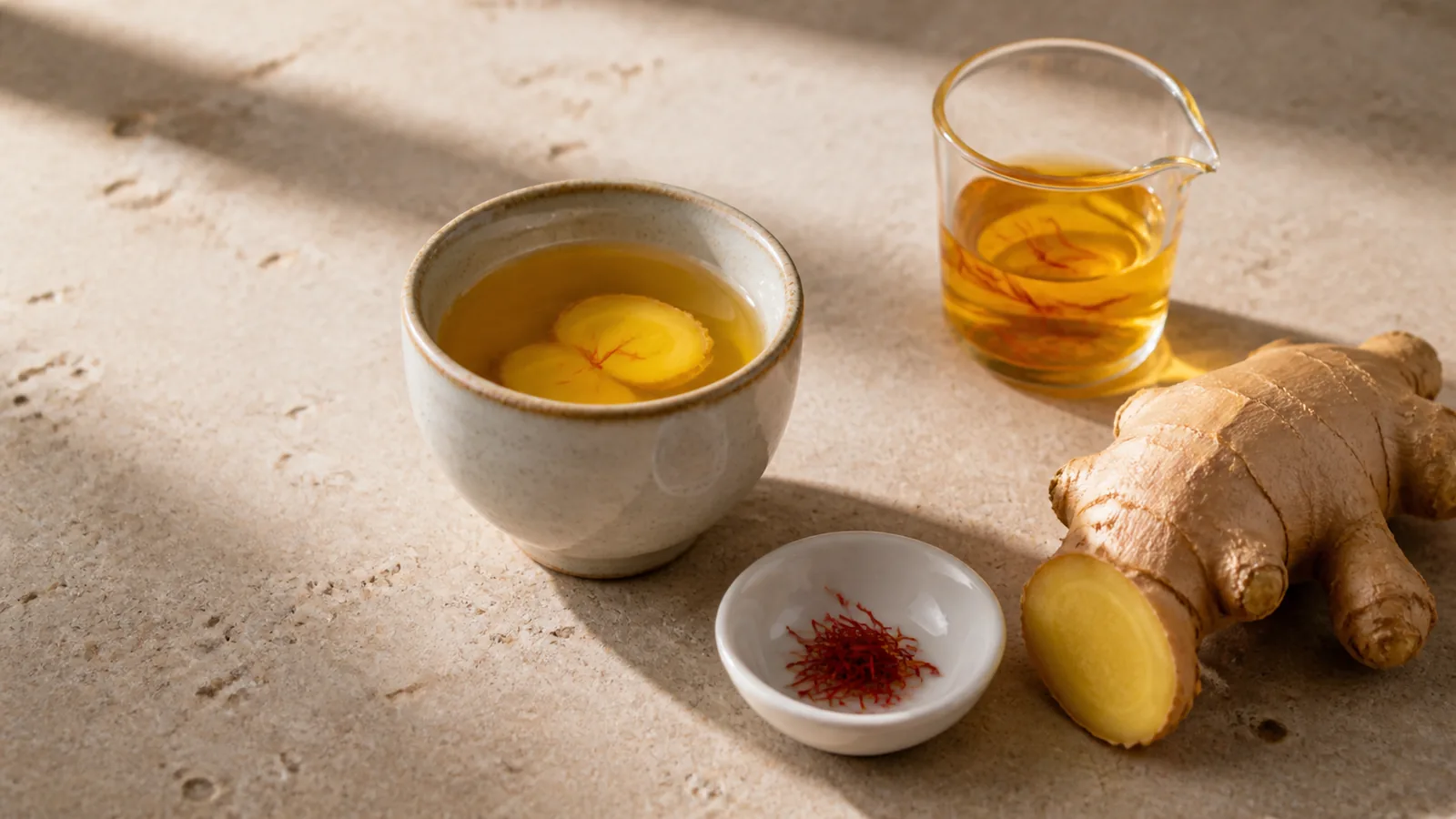
Saffron comes from the dried stigmas of Crocus sativus. Its best-known constituents include crocin-related pigments, which give the spice its color, and volatile compounds such as safranal, which help create its aroma. Laboratory and animal research has explored possible antioxidant, inflammatory, and neurotransmitter-related pathways.
These ideas can help scientists form a hypothesis, but they do not prove a treatment effect in people. Claims that saffron “boosts serotonin” or restores “healthy brain chemistry” are too definite for the available evidence. Human trials are more useful because they compare a specified saffron preparation with a placebo or another treatment under controlled conditions.
The 12-week study behind the original claim
One source frequently used for the claim that saffron improves happiness is a 2016 randomized, double-blind, placebo-controlled trial. It enrolled 60 adults with anxiety and depression. Participants received either a capsule containing 50 mg of saffron stigma extract or a placebo twice daily for 12 weeks.
Researchers administered the Beck Depression Inventory and Beck Anxiety Inventory at the start, week six, and week 12. Fifty-four people completed the study. At 12 weeks, the saffron group had greater improvements in both questionnaire scores than the placebo group, with the reported difference reaching statistical significance. The paper described side effects as rare.
That is a meaningful result, but its limits are equally important. The study was small and assessed one defined capsule at 100 mg per day, not saffron in food or tea. The questionnaires were self-reported measures, the follow-up was only 12 weeks, and six participants did not complete the trial. It cannot tell us whether the effect lasts, which patients are most likely to benefit, or whether other saffron products behave the same way.
What reviews of the evidence show
A 2018 meta-analysis of randomized trials found that saffron reduced depression severity more than placebo in the pooled studies and produced results similar to the antidepressants tested. However, many underlying trials were small, short, and conducted by a limited number of research groups. “Similar” pooled results do not prove that saffron and antidepressant medicines are interchangeable for an individual patient.
A newer GRADE-assessed meta-analysis of 34 randomized trials reported improvements on self-rated Beck depression and anxiety scales, but not on several clinician-rated scales. Variation between study results was high, and the authors rated the overall certainty as moderate. This mixed pattern supports further research, not a blanket promise.
Another large 12-week trial published in 2025 studied 202 adults with subclinical depressive symptoms. A 28 mg daily standardized extract improved the primary depression score more than placebo, with a small effect size, but most secondary outcomes did not differ between groups. The trial’s PubMed record again shows why the exact population, product, and outcome matter.
Can cooking with saffron improve your mood?
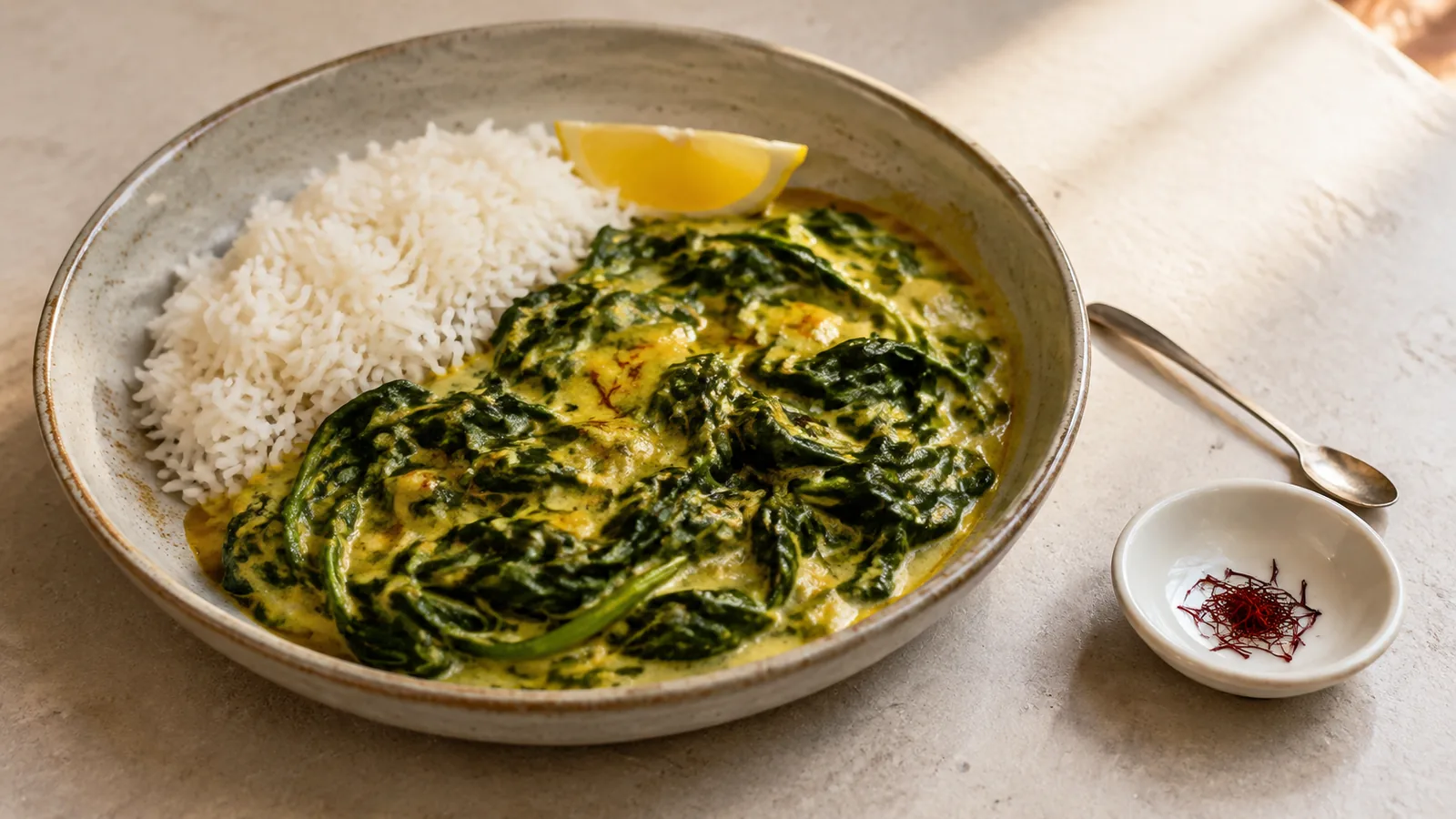
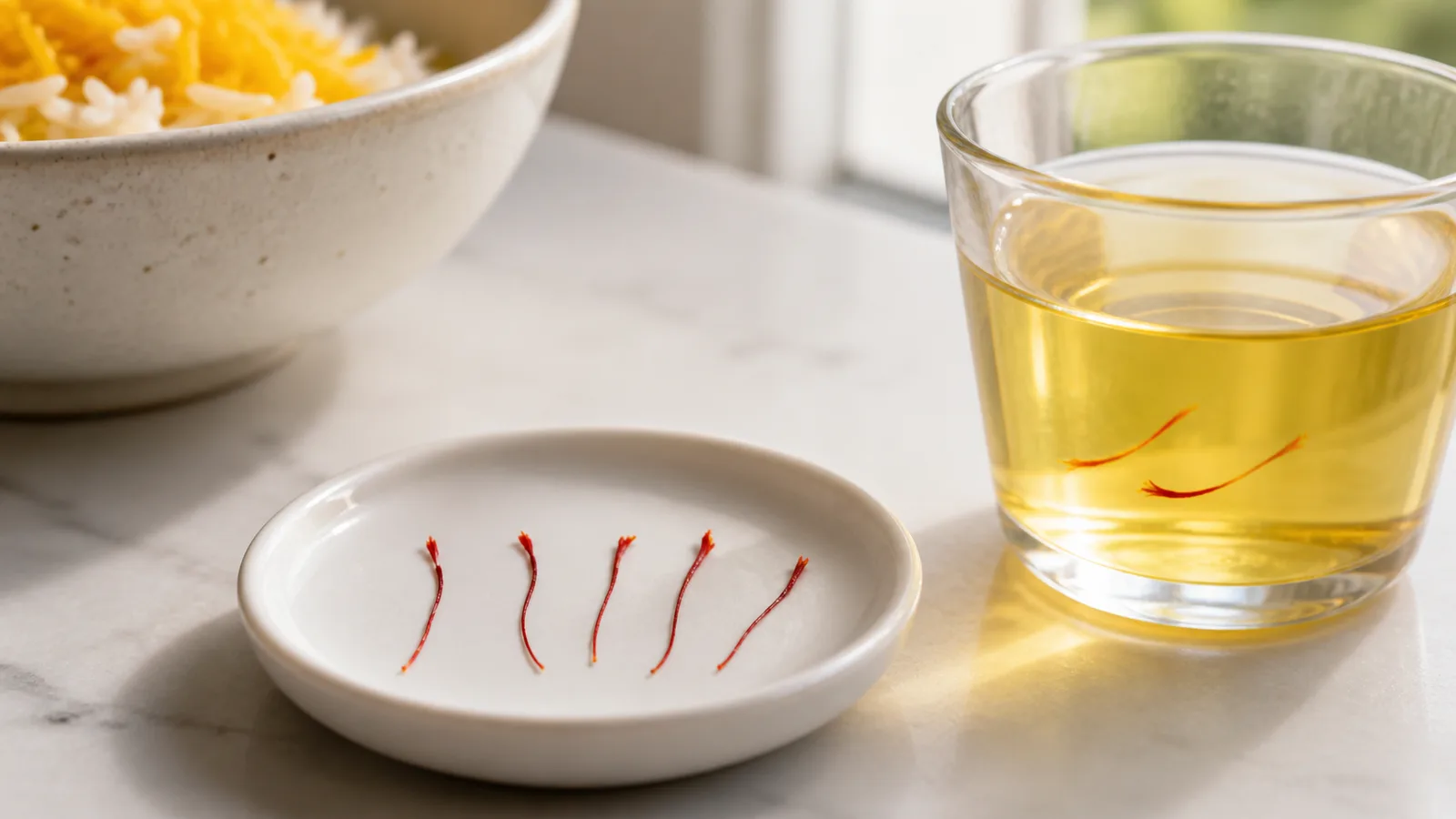
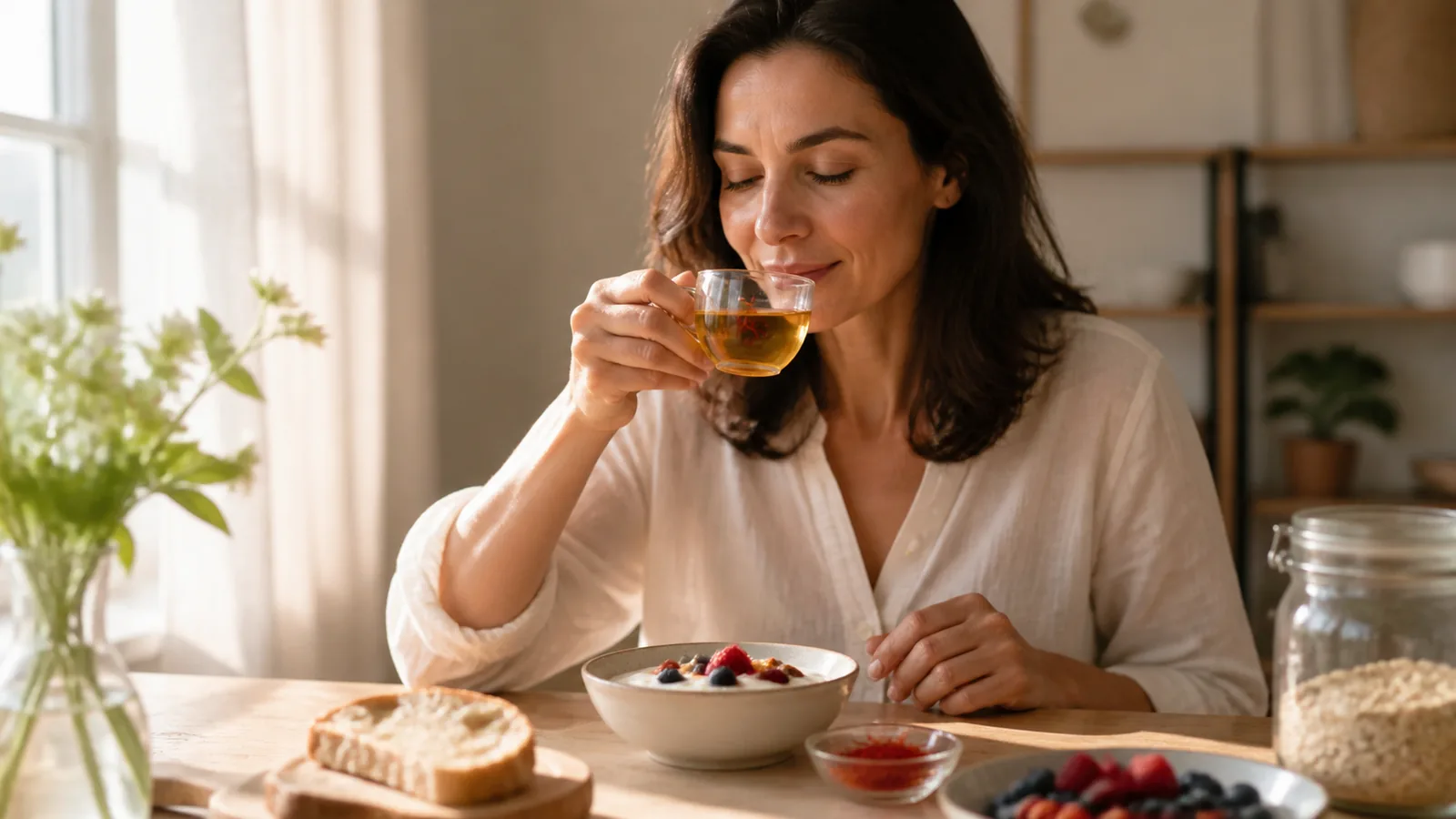
Food can provide comfort and pleasure. The aroma of blooming saffron, its vivid color, and the care involved in preparing a familiar dish may make eating more enjoyable. Sharing a meal can add social connection. These are real human experiences, but they are not the same as a pharmacological antidepressant effect.
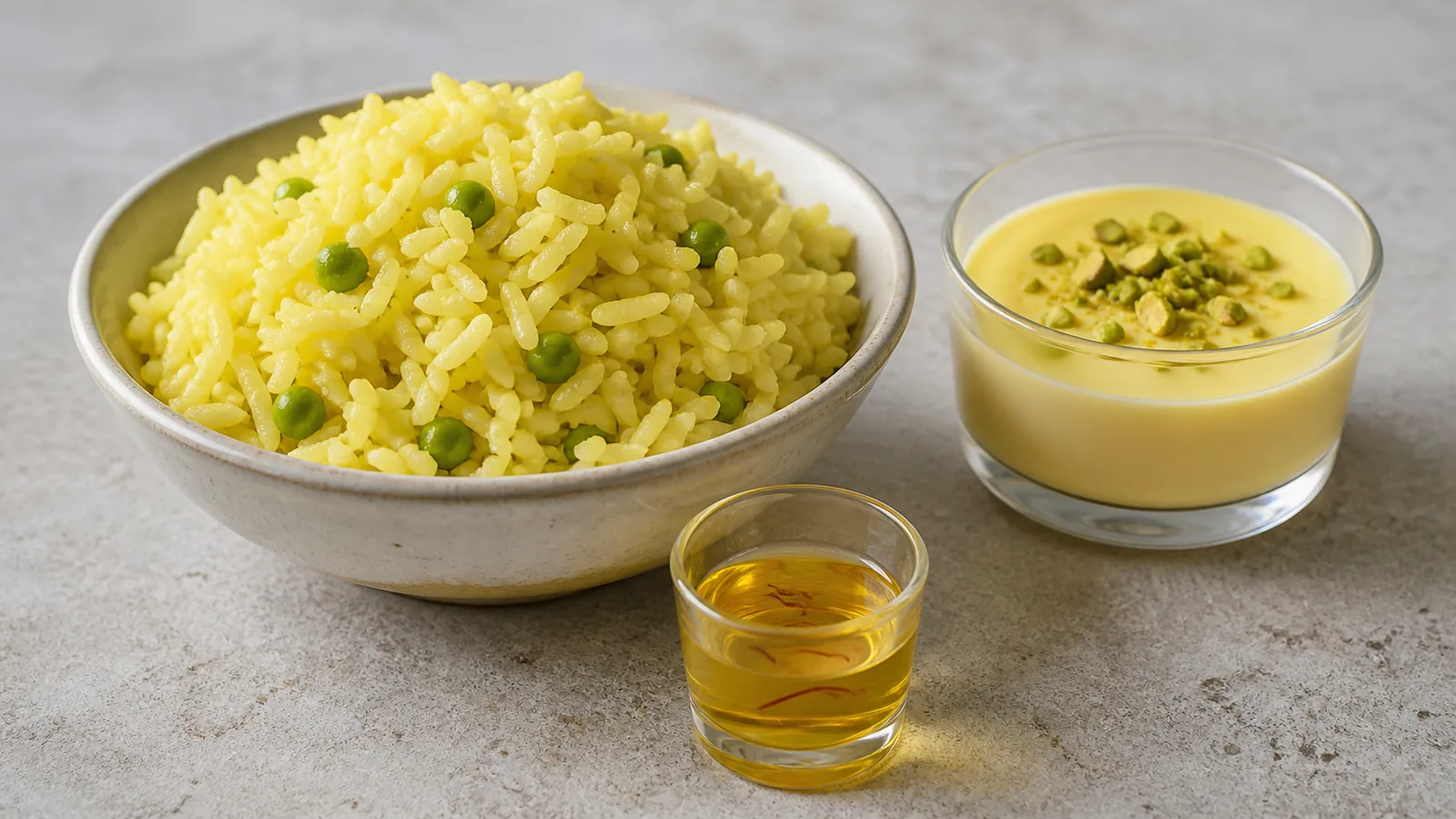
The clinical trials cited above tested capsules with measured extracts. A few threads in rice, milk, or tea have not been shown to deliver the same dose or the same chemical profile. There is no sound basis for telling someone to consume culinary saffron every day as a treatment for depression or anxiety.
If you enjoy saffron as a spice, use it for its flavor, aroma, and color. It can be part of a pleasant routine without carrying a medical promise. That distinction lets food remain enjoyable while keeping health decisions grounded in evidence.
Supplements require a separate safety decision
A supplement concentrates the ingredient and should not be treated like a normal serving of food. Products may differ in the part of the flower used, extraction method, amount, standardization, and other ingredients. A dose from one study should not be copied onto a different product.
The US Food and Drug Administration does not approve dietary supplements for safety and effectiveness before they are sold. Its consumer guidance on dietary supplements advises people not to substitute a supplement for prescription medicine and to speak with a doctor, pharmacist, or other healthcare professional before use. Pregnancy, existing health conditions, upcoming surgery, and other medicines can all change the risk.
The claim that saffron works faster than fluoxetine or causes fewer side effects is not established by the 12-week placebo trial. Small head-to-head studies cannot support a general promise that one option is safer or faster. Never stop or alter an antidepressant without the prescriber’s guidance; abrupt changes can cause withdrawal symptoms and a return or worsening of illness.
When low mood needs professional help
Persistent sadness, loss of interest, hopelessness, marked changes in sleep or appetite, trouble functioning, or symptoms that keep returning deserve attention from a qualified healthcare professional. Evidence-based care may involve psychotherapy, medication, or both, selected for the person’s needs and medical situation.
The National Center for Complementary and Integrative Health advises against using a complementary approach to replace conventional care or delay seeing a provider about depression. A clinician can also help determine whether a medicine, thyroid problem, sleep disorder, or another condition is contributing to a change in mood.
If someone is in immediate danger or having thoughts of suicide, seek urgent local help. In the United States, call or text 988; elsewhere, contact the local emergency or crisis service.
So, does saffron make you happy?
Saffron can make a meal more inviting, and some people may associate its aroma and color with comfort or celebration. Clinical research also suggests that standardized saffron extracts may reduce certain depression and anxiety symptom scores in some adults. Neither effect justifies saying that saffron reliably creates happiness.
The sensible conclusion is narrower: saffron mood benefits are promising enough for continued research, yet product differences and evidence limits prevent a one-size-fits-all recommendation. Enjoy culinary saffron as food. Treat supplements as a health decision, and keep persistent or severe mood symptoms in the hands of a qualified professional.