For most adults with healthy kidneys, the relationship between saffron and kidney health is reassuring: the small amount used in food is not known to harm the kidneys. That is different from saying saffron protects the kidneys, however. Human research has not shown a clear improvement in the main kidney marker, creatinine, and much of the protective evidence comes from animals or laboratory models.
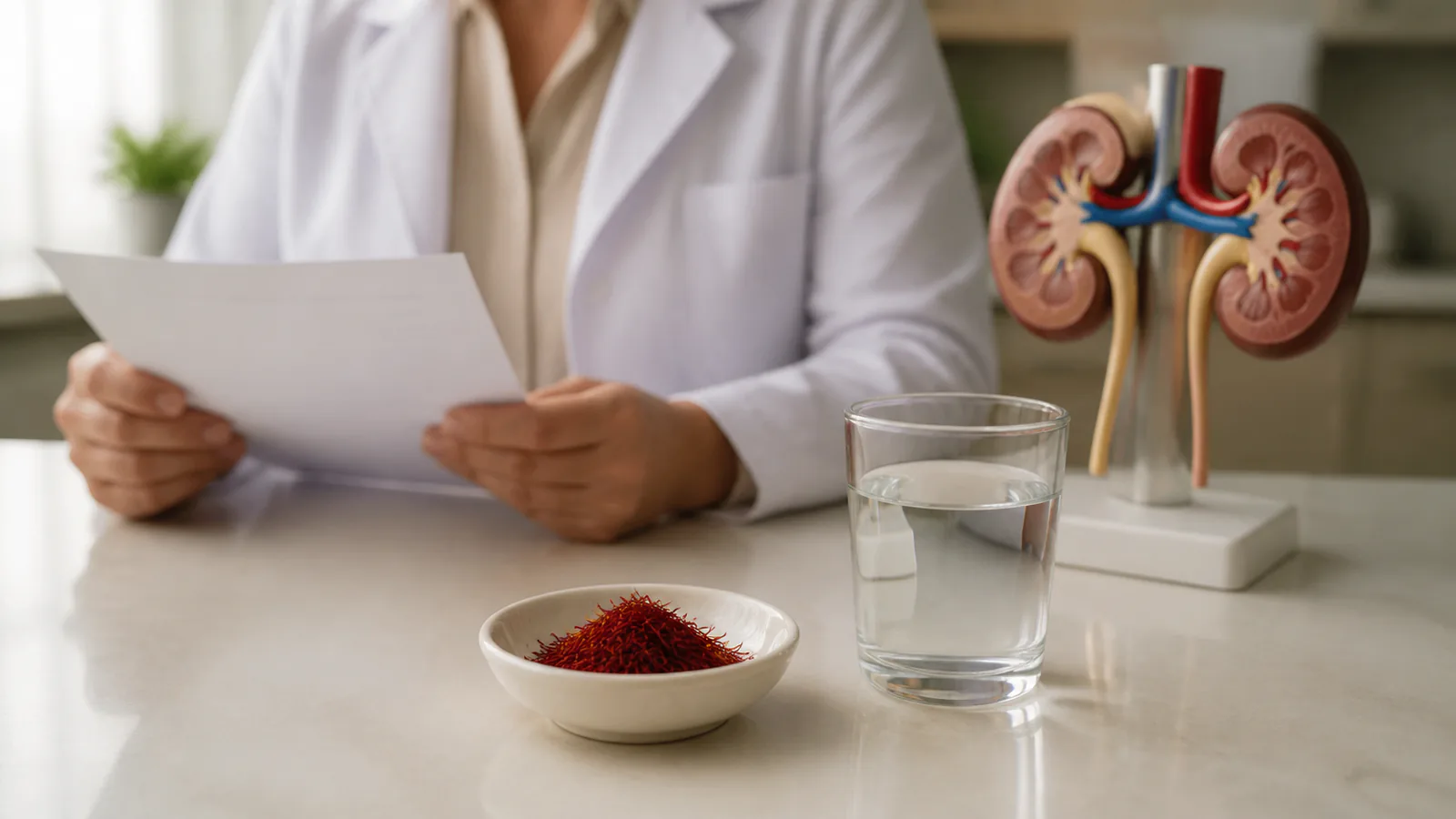
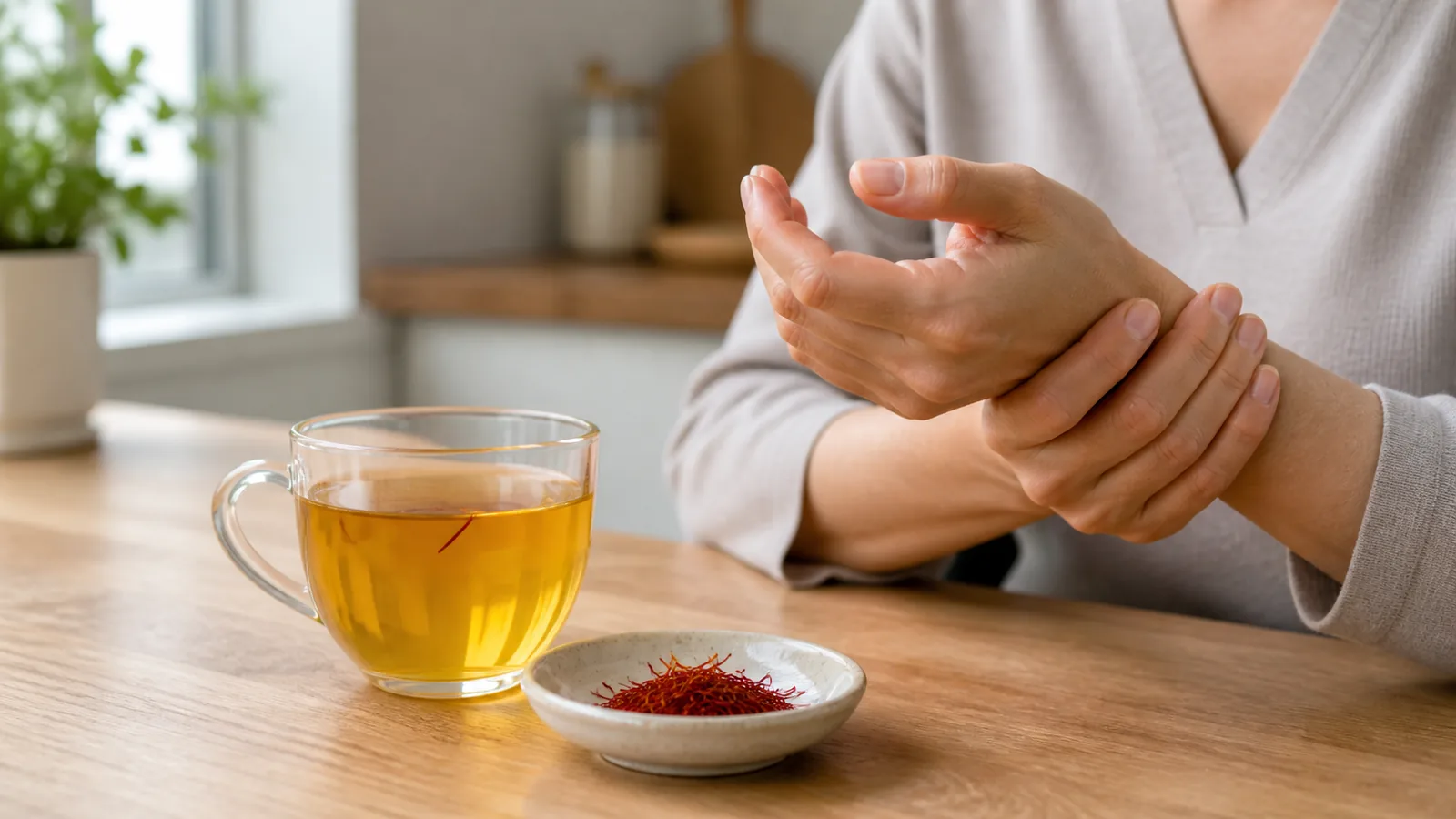
If you have chronic kidney disease (CKD), receive dialysis, have a transplant, are pregnant, or take several medicines, ask your clinician before using a saffron extract or daily supplement. A pinch in a shared dish and a concentrated capsule are not equivalent exposures.
Saffron and kidney health: the short answer
The best answer depends on the form and the person using it:
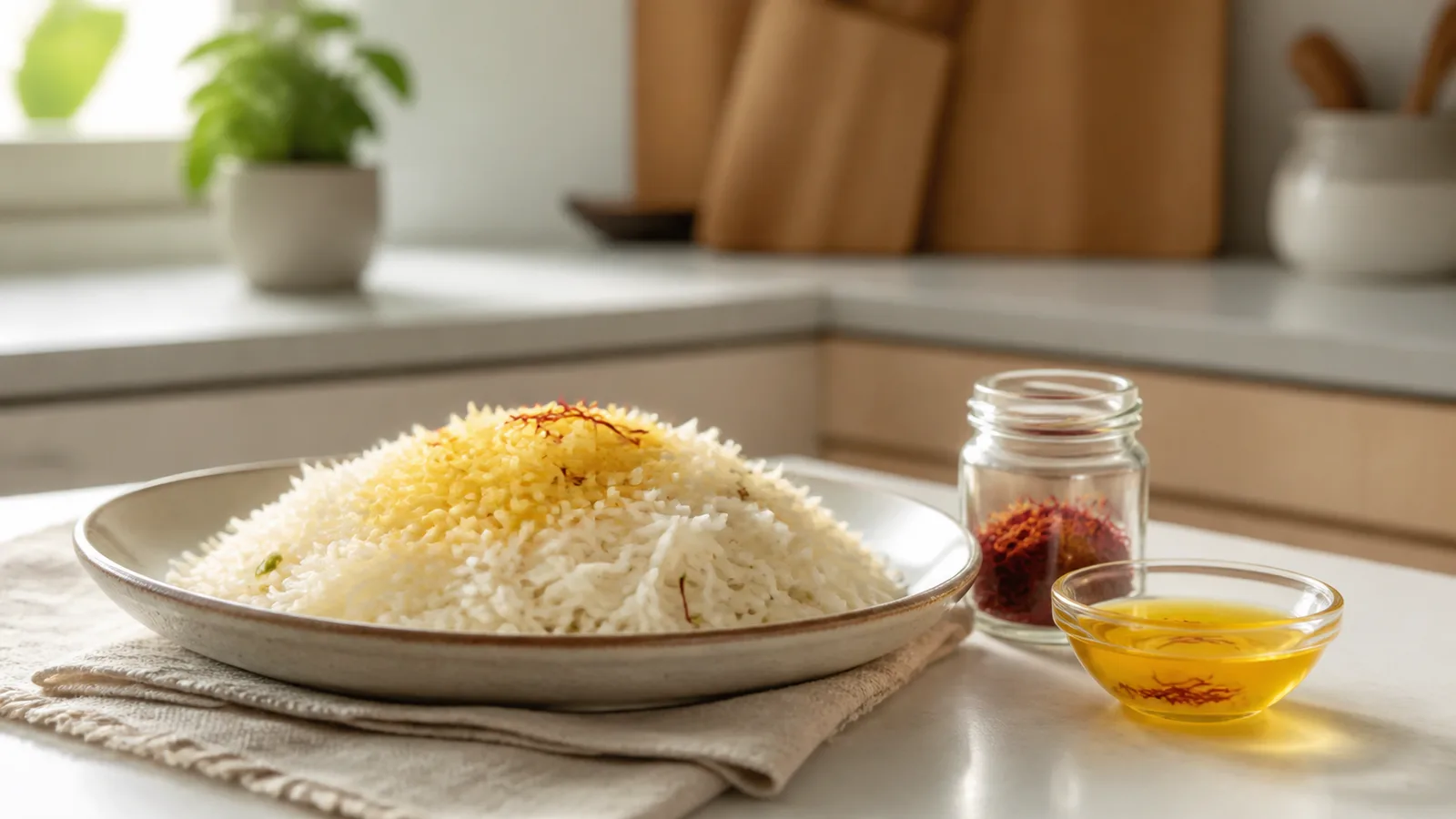
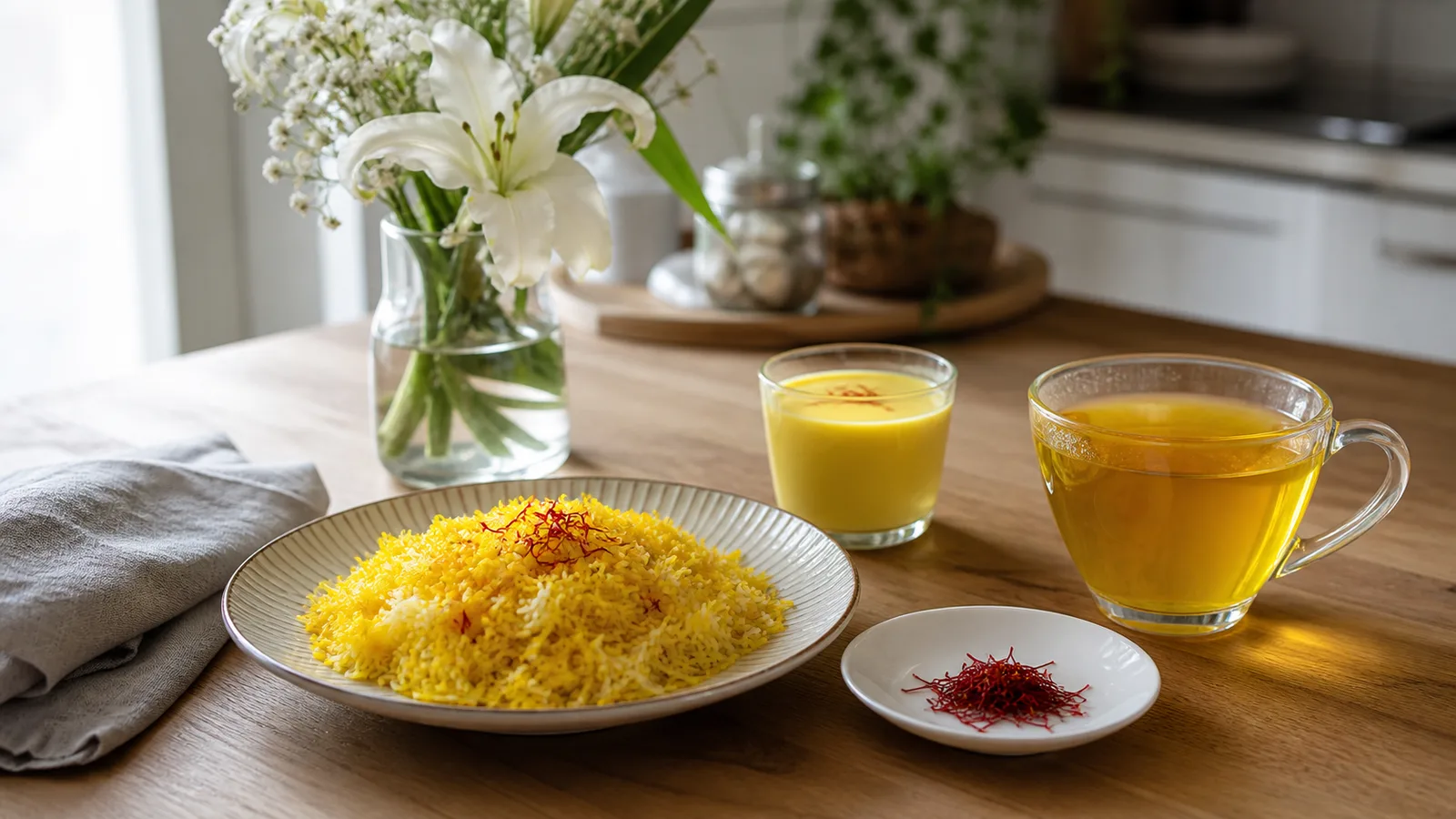
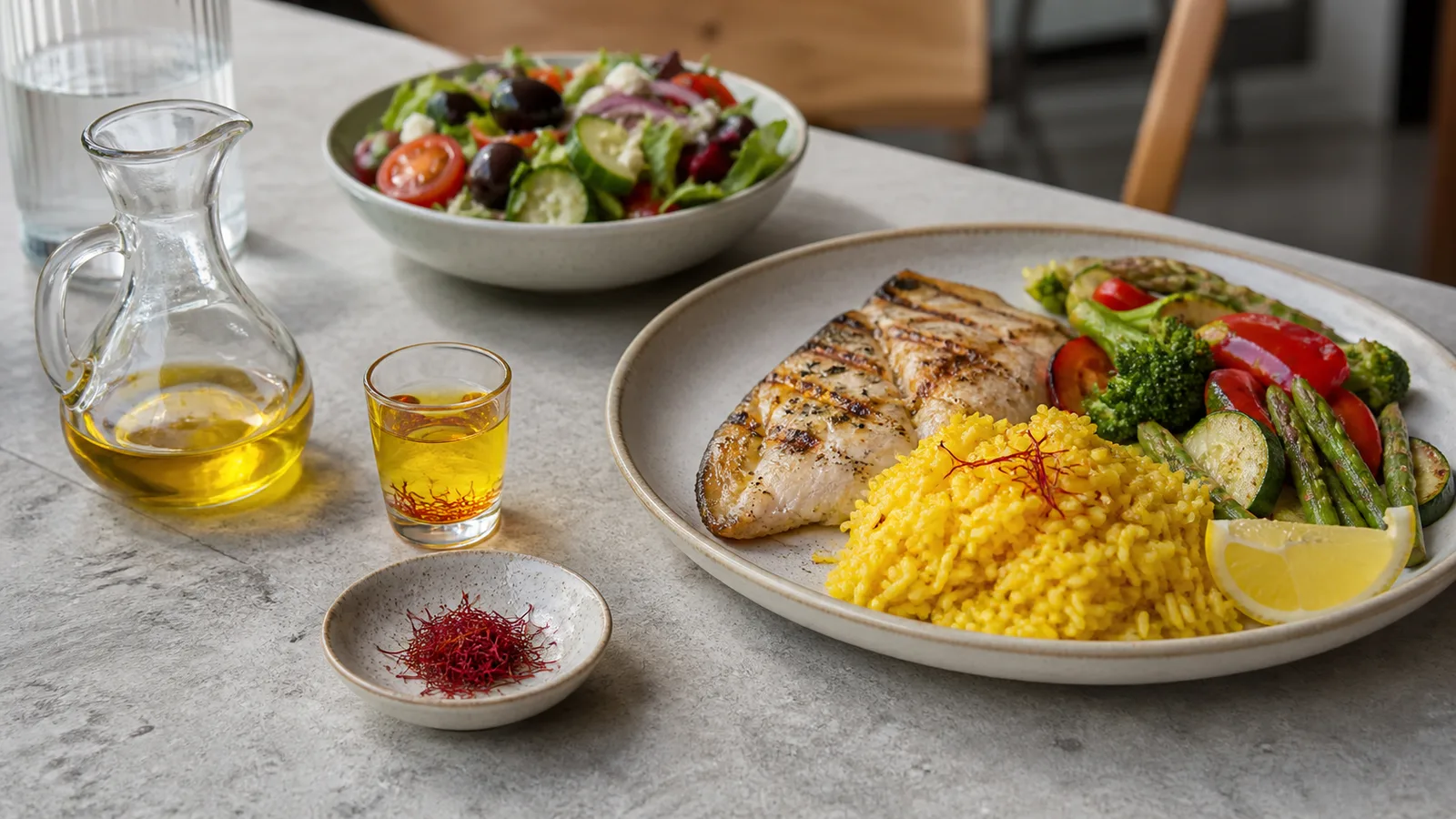
- Culinary saffron: the few threads used to flavour rice, tea or a meal are unlikely to place a meaningful burden on healthy kidneys.
- Saffron supplements or extracts: these deliver a standardized or concentrated amount and should be treated like a supplement, especially if kidney function is reduced.
- Very large amounts: these are not normal food use. More is not better, and high intake can cause unwanted effects.
- Existing kidney disease: safety cannot be assumed from studies in otherwise healthy participants. Your kidney team should review the product, dose and medicines together.
This distinction matters because search results often mix recipes, animal experiments and human supplement trials as though they answer the same question. They do not.
What human kidney research actually found
Two 2022 reviews pooled randomized trials that measured renal markers during saffron supplementation. One meta-analysis of nine trials found no significant change in serum creatinine, urea or related kidney measures compared with control groups. A separate review of 11 trials reported a small reduction in blood urea nitrogen but no significant effect on creatinine.
Those results do not show that saffron is hard on healthy kidneys at the studied amounts. They also do not establish it as a kidney treatment. The trials varied in participant health, preparation, dose and duration, and most were not designed to prove long-term safety in people with advanced CKD.
Why animal studies are not enough
Crocin, crocetin and safranal are among saffron’s studied constituents. In cell and animal models, saffron preparations have sometimes reduced markers of oxidative stress or injury after exposure to medicines and toxins. A review of this nephroprotective research found promising preclinical results but also noted that human studies were not available for toxin-induced kidney injury.
That evidence can justify further research. It cannot justify telling a person to use saffron to prevent kidney damage, “detox” the kidneys, improve filtration or balance electrolytes. Those claims go beyond what has been demonstrated in people.
Does saffron raise creatinine?
The pooled clinical evidence above did not find a significant increase in creatinine. Still, a normal average result across a group does not guarantee that every product is suitable for every individual. Kidney function, hydration, other illnesses and medicines can all affect a creatinine result.
If a blood test changes after you start any supplement, tell the clinician who ordered the test. Do not use saffron to lower creatinine, and do not delay evaluation of an abnormal result.
How much saffron is safe for the kidneys?
There is no established kidney-specific daily allowance for saffron. Around 30 mg per day appears in a number of short clinical trials, but that is a research dose for particular standardized preparations, not a universal recommendation and not proof of safety for someone with kidney disease.
A recent systematic review of human safety reports found that saffron preparations were generally well tolerated. Reported adverse effects were most often minor gastrointestinal symptoms, while higher-dose or prolonged medicinal use warranted clinical monitoring. Headache, nausea, appetite changes, dry mouth or dizziness have also been reported in the wider clinical literature.
For ordinary cooking, use saffron for aroma and flavour rather than trying to reach a supplement dose. If you are considering a capsule or extract, follow the product label only after checking that the amount and formulation are appropriate for you.
Who should be especially careful?
Speak with a qualified health professional before medicinal or supplemental use if any of these applies:
- you have CKD, reduced kidney function, kidney stones under investigation, or receive dialysis;
- you have a kidney transplant or take anti-rejection medicine;
- you take anticoagulants, blood-pressure medicine, diabetes medicine or several prescription drugs;
- you are pregnant, trying to conceive or breastfeeding;
- the user is a child; or
- you have previously reacted to saffron or related plants.
Evidence about saffron use during pregnancy remains limited and inconclusive, according to a 2026 evidence review. Normal seasoning and a concentrated preparation should not be treated as interchangeable. Children also should not be given a medicinal dose based on an adult trial; a paediatrician can advise when there is a genuine clinical reason to consider a supplement.
What about saffron’s wider health benefits?
Saffron contains carotenoid pigments and aromatic compounds, including crocin, crocetin, picrocrocin and safranal. Although nutrient tables may list B vitamins or vitamin C, the amount of spice used in a meal is too small to make saffron a practical vitamin source. Its colour and chemistry are interesting; they do not make it a replacement for a varied diet.
The source article behind this expanded guide also promised benefits for immunity, cancer, digestion, weight, mood and brain health. Those topics do not all have the same level of evidence:
- Mood: randomized trials and meta-analyses suggest some standardized preparations may improve symptoms of mild-to-moderate depression or anxiety. That does not mean eating saffron reliably “raises serotonin,” and it should not replace prescribed treatment.
- Cognition: small trials in mild cognitive impairment and Alzheimer’s disease are encouraging, but a systematic review concluded that the evidence was insufficient for clinical recommendations. Evidence for treating Parkinson’s disease is not established.
- Weight and metabolic measures: some trials report changes in appetite or selected metabolic outcomes, but products and populations differ. Saffron is not a stand-alone weight-loss treatment.
- Digestion: traditional use and preliminary research do not prove that saffron treats constipation or gastrointestinal disease.
- Immunity and cancer: antioxidant activity in a laboratory is not proof that a food “boosts” immunity or prevents or treats cancer in people. Saffron must never replace screening or oncology care.
Our broader guide to Iranian saffron’s health evidence separates established findings from early research. For mood specifically, the review of saffron and mood explains what human studies measured and where the limits remain.
Product quality matters more with a supplement
A supplement can expose you to much more saffron extract than a recipe. Check the botanical name, amount per serving, extraction ratio, other ingredients, lot number and independent quality testing. Avoid products that promise to cleanse the kidneys, cure CKD or treat cancer. Those are warning signs, not evidence.
Whole threads should be clean, dry and sold by a traceable supplier. Store them airtight, away from heat, light and moisture. Good storage protects flavour; it does not turn saffron into a medicine.
So, is saffron hard on the kidneys?
Small culinary amounts are not known to be hard on healthy kidneys. Human trials have not shown a meaningful worsening of creatinine on average, but they also do not prove that saffron protects or treats the kidneys. The safest course is to enjoy it as a spice and treat extracts as concentrated supplements.
If you have CKD, dialysis, a transplant, an unexplained kidney result or a complex medication list, take the exact product label to your clinician or renal pharmacist before using it. That advice is more reliable than applying a dose from a study conducted in a different population.