If you are considering how to take saffron for depression and anxiety, begin with the treatment plan, not the product. Saffron may reduce some self-reported symptoms in some adults, but it is not an approved treatment for either disorder and should not replace psychotherapy, prescribed medication, or urgent support. A clinician or pharmacist should review the exact supplement, your medicines, pregnancy status, and health history before concentrated use.
Most positive clinical studies use a defined saffron extract every day for at least four weeks. A few threads in food or tea are not the same exposure. The familiar figure of about 28–30 milligrams comes from certain study protocols; it is not a universal dose or a reason to measure culinary threads on a household scale.
How to take saffron for depression and anxiety safely
A sensible process has six parts:
- Get the symptoms assessed. Anxiety, depression, medication effects, grief, sleep problems, thyroid disease, substance use, and other conditions can overlap.
- Review current care. Do not stop or reduce a prescribed medicine to make room for saffron.
- Choose one identifiable product. The label should state the saffron ingredient and amount per serving rather than hide it in a proprietary “mood” blend.
- Define one outcome. Track a specific symptom or validated score instead of waiting for a vague sense of emotional balance.
- Use the research timeline. Trials usually assess change after several weeks, not after one drink or one capsule.
- Review benefit and harm. Record unwanted effects and agree in advance when to stop or seek advice.
This is not a prescription. It is a way to avoid the common mistakes of guessing a dose, changing several treatments at once, or interpreting every good or bad day as a supplement effect.
Does saffron help anxiety or depression?
A 2026 meta-analysis combined 34 randomized, placebo-controlled trials with 1,769 adults. Saffron was associated with improvements on some self-reported depression and anxiety scales. Clinician-rated measures did not show the same clear effect, results differed substantially among studies, and the certainty was rated moderate.
That is a genuine clinical signal, but it is not proof that saffron works for every person or every diagnosis. It supports saffron as a possible complementary intervention after an individual review. Our fuller analysis of whether saffron may reduce anxiety explains the difference between occasional stress, anxiety symptoms, and an anxiety disorder.
How saffron may affect mood
Crocin, crocetin, and safranal are studied in relation to neurotransmitters, inflammation, oxidative stress, and stress responses. Much of the detailed mechanism work comes from cells or animals. Human trials usually measure symptoms and functioning rather than serotonin or dopamine signaling in the brain.
It is therefore inaccurate to say that saffron works by correcting a serotonin or dopamine imbalance. Anxiety and depression are not diagnosed as a simple shortage of either chemical. A possible mechanism should not be turned into a reason to combine saffron casually with psychiatric medicine.
How much saffron for anxiety?
There is no official saffron dosage for anxiety. Many current mood studies use standardized extracts around 28–30 milligrams per day. Other trials have used different preparations and amounts. The product chemistry, participants, outcome, and duration belong with the number; without them, the number is misleading.
How much saffron per day for anxiety is safe for a particular person cannot be answered from an article. Pregnancy, bleeding risk, allergies, surgery, blood pressure, blood sugar, and regular medicine use can change the decision. Gram-level amounts are far beyond normal culinary exposure and most mood research.
Saffron extract for anxiety
A saffron extract is closer to the form used in most clinical trials than tea or food, but extracts are not automatically equivalent. They may differ in plant part, extraction method, crocin and safranal markers, serving size, other ingredients, and batch testing. The word “standardized” has no single legal definition for supplements in the United States and does not by itself prove quality.
Look for a clear Supplement Facts panel, manufacturer contact information, lot details, an expiration date, and independent testing for identity and contaminants. Avoid a product that promises to treat depression, replace medication, work instantly, or raise several neurotransmitters. The FDA does not approve dietary supplements for safety and effectiveness before they are sold.
Saffron supplement for depression and anxiety
A supplement trial is easiest to interpret when saffron is the only new variable. Keep therapy and prescribed medication stable unless the treating professional changes them. Record the product, amount, time taken, sleep, mood or anxiety measure, side effects, and significant events that could affect symptoms.
Do not increase the serving after a few days because nothing feels different. Mood studies generally assess outcomes after four to twelve weeks, and there is no guaranteed first day of benefit. Our review of how quickly saffron works separates research duration from individual onset.
How to use saffron for anxiety in food or tea
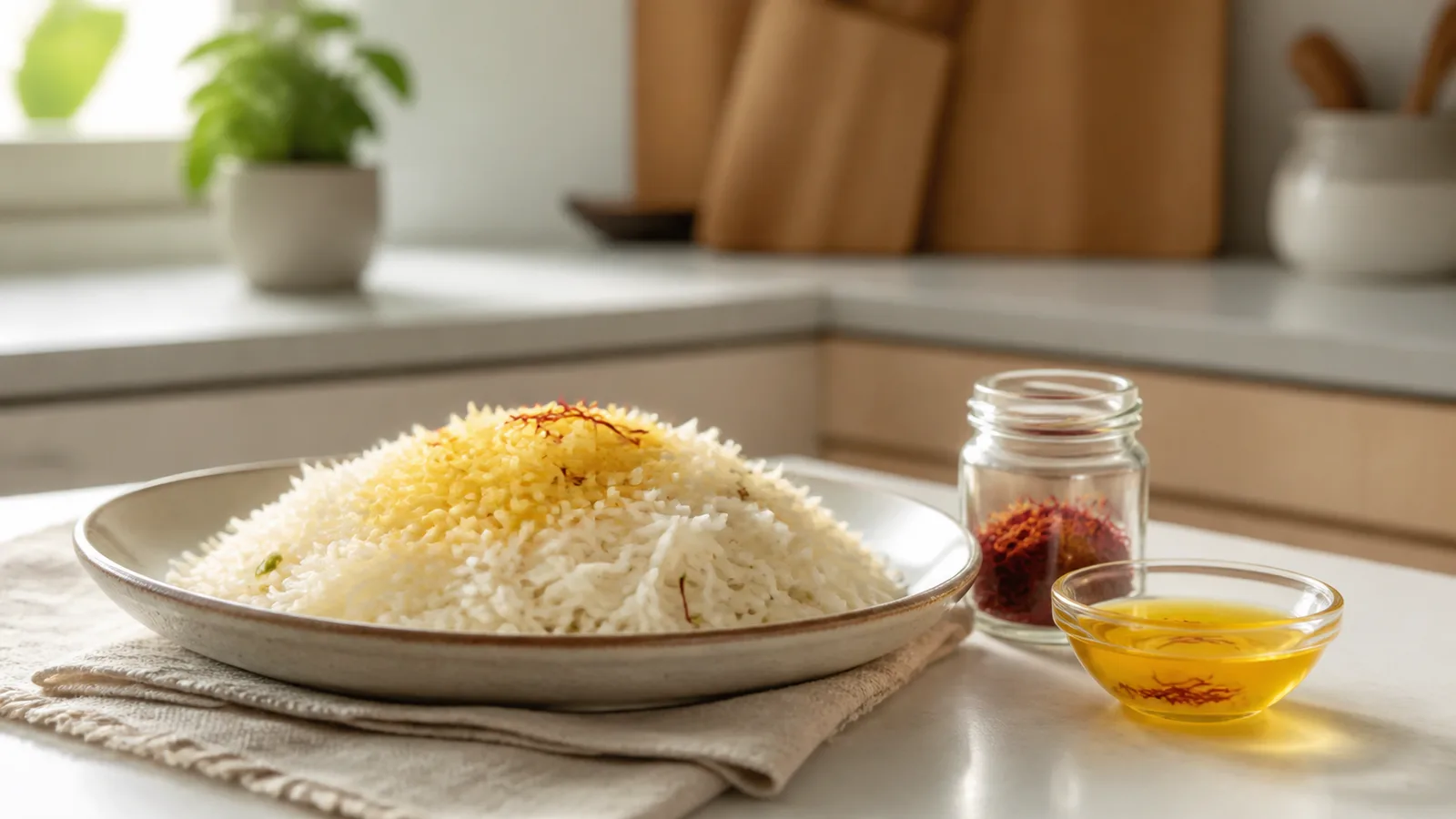
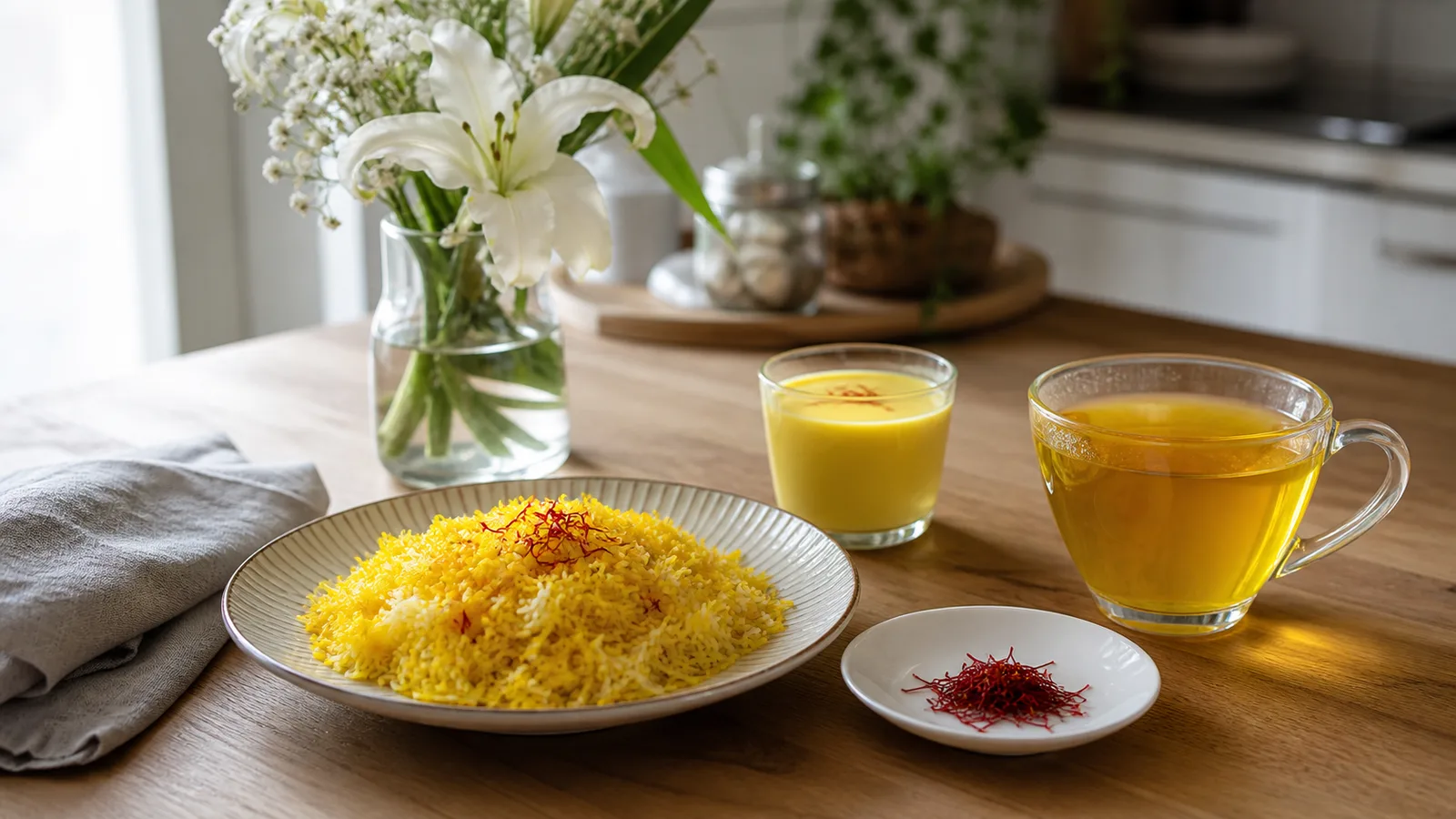
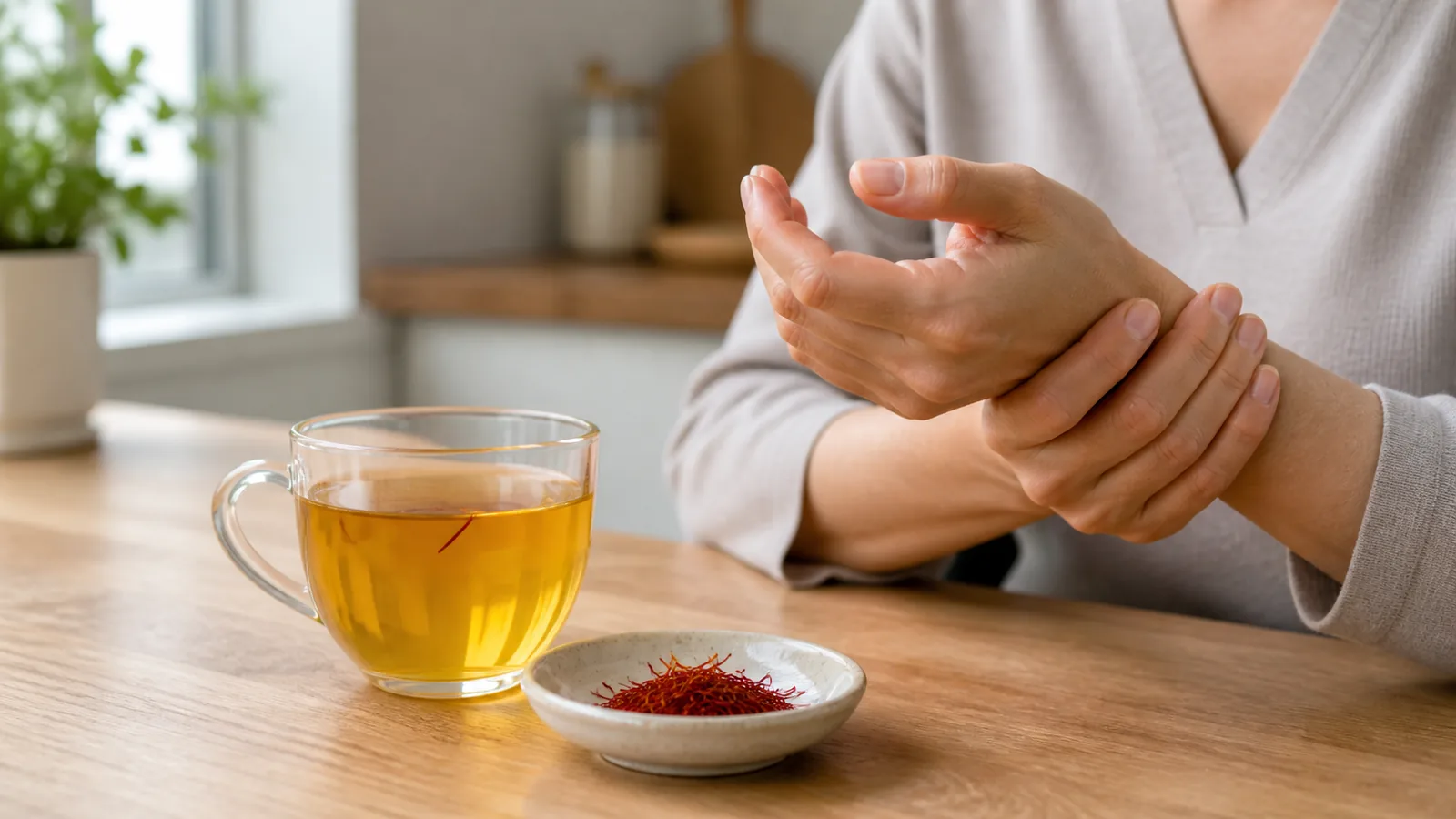
For culinary use, crumble or gently grind a few authentic threads and bloom them in warm water before adding the liquid to rice, milk, soup, or another dish. A cup of saffron tea can be an enjoyable routine. The pause, warmth, and aroma may feel calming, but tea has not been shown to reproduce the dose or outcomes of a standardized extract trial.
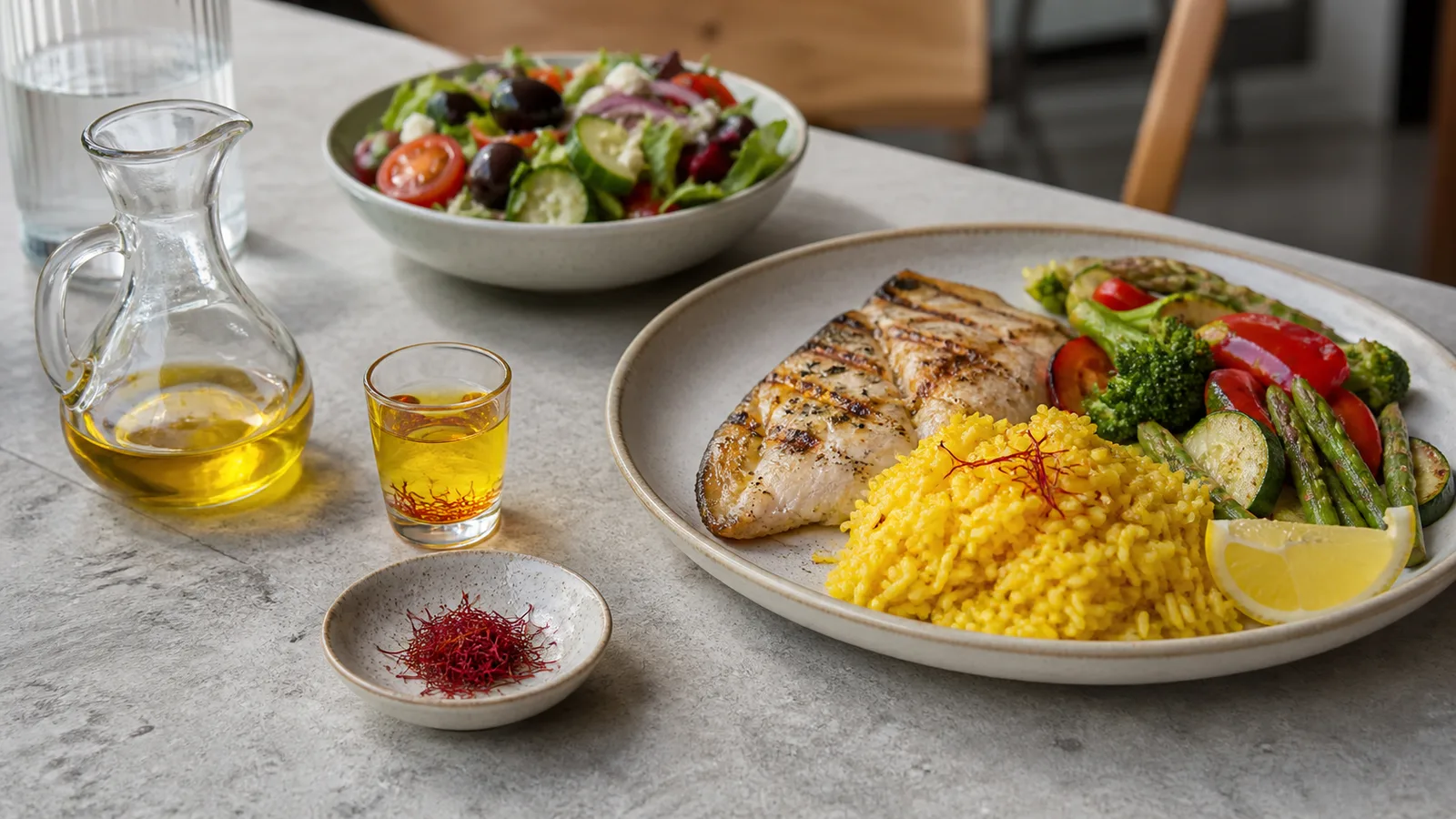
Food should remain food. It is not necessary to force a strong infusion, drink it several times daily, or count threads as though they were a medicine. Smoothies and warm milk also do not make saffron more clinically effective.
How to take saffron for brain health
There is no established saffron regimen for preventing dementia or protecting a healthy brain. Small trials in mild cognitive impairment and Alzheimer’s disease have produced promising results on cognitive scales, but reviews describe too little high-quality evidence for a clinical recommendation. Those studies do not establish a prevention dose for healthy adults.
Mood, sleep, focus, and cognition are different outcomes. A person who sleeps better may think more clearly, but that does not prove saffron protected neurons or enhanced memory directly.
When saffron should not be the next step
Seek professional help when symptoms persist, worsen, interfere with daily life, or include panic, severe sleep loss, inability to care for yourself, or substance misuse. In immediate distress or with thoughts of self-harm, use local emergency or crisis services now.
Do not start a concentrated saffron product without specific advice during pregnancy or breastfeeding, before a procedure, after a prior saffron or spice reaction, or while taking medicines with potential bleeding, sedating, psychiatric, neurological, blood-pressure, or blood-sugar effects.
Side effects and stop signals
Short trials often report good tolerability, but nausea, digestive upset, dry mouth, reduced appetite, headache, dizziness, and allergic reactions have been reported. New agitation, insomnia, palpitations, rash, facial swelling, fainting, unusual bleeding, severe vomiting, or worsening mental-health symptoms should not be treated as proof that the supplement is “starting to work.”
Stop and seek appropriate advice. Keep the packaging because a pharmacist may need the full ingredient list. Our detailed guide to saffron side effects and warning signs treats food, tea, extracts, gummies, and topical products separately.
Questions to take to a clinician or pharmacist
- Does this product interact with any medicine or supplement I already use?
- Does its extract and amount resemble the research for my actual goal?
- What single outcome should we track, and for how long?
- Which side effects mean I should stop?
- When should my diagnosis or current treatment be reviewed instead?
Saffron for depression and anxiety is best approached as a possible addition to care, not a natural alternative that makes established treatment unnecessary. Use culinary saffron for flavour and enjoyment. Treat an extract as a biologically active supplement, with a clear product, a defined goal, a realistic research period, and professional oversight.
Evidence reviewed
- 2026 GRADE-assessed meta-analysis of saffron trials for depression, anxiety, and mood
- Twelve-week randomized saffron-extract trial in adults with low mood
- Systematic review of saffron clinical evidence in neurological and psychiatric research
- Systematic review and meta-analysis of saffron for cognitive impairment
- NCCIH: anxiety and complementary health approaches
- FDA: questions and answers on dietary supplements
- NIH Office of Dietary Supplements: labels, standardization, and quality