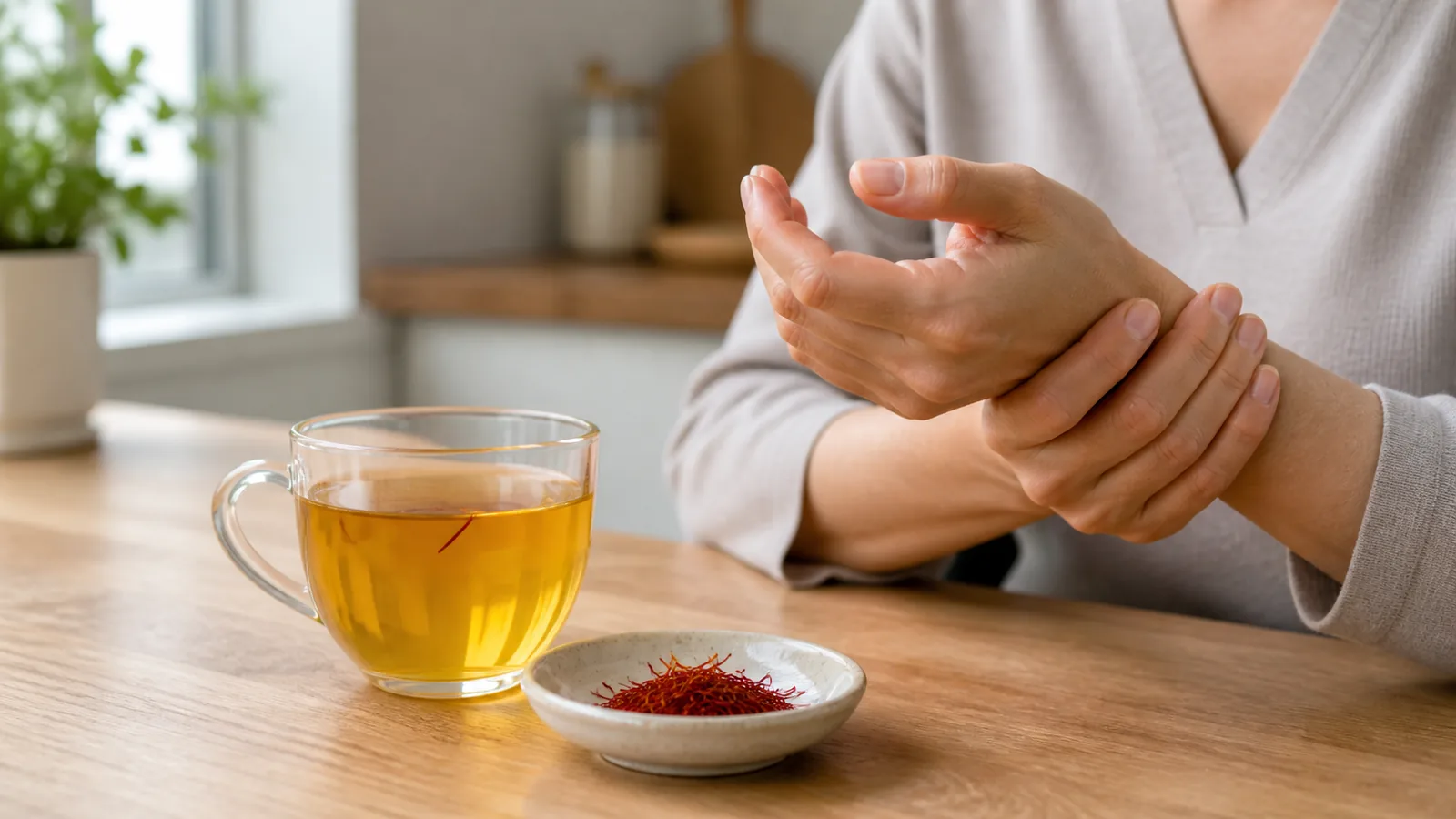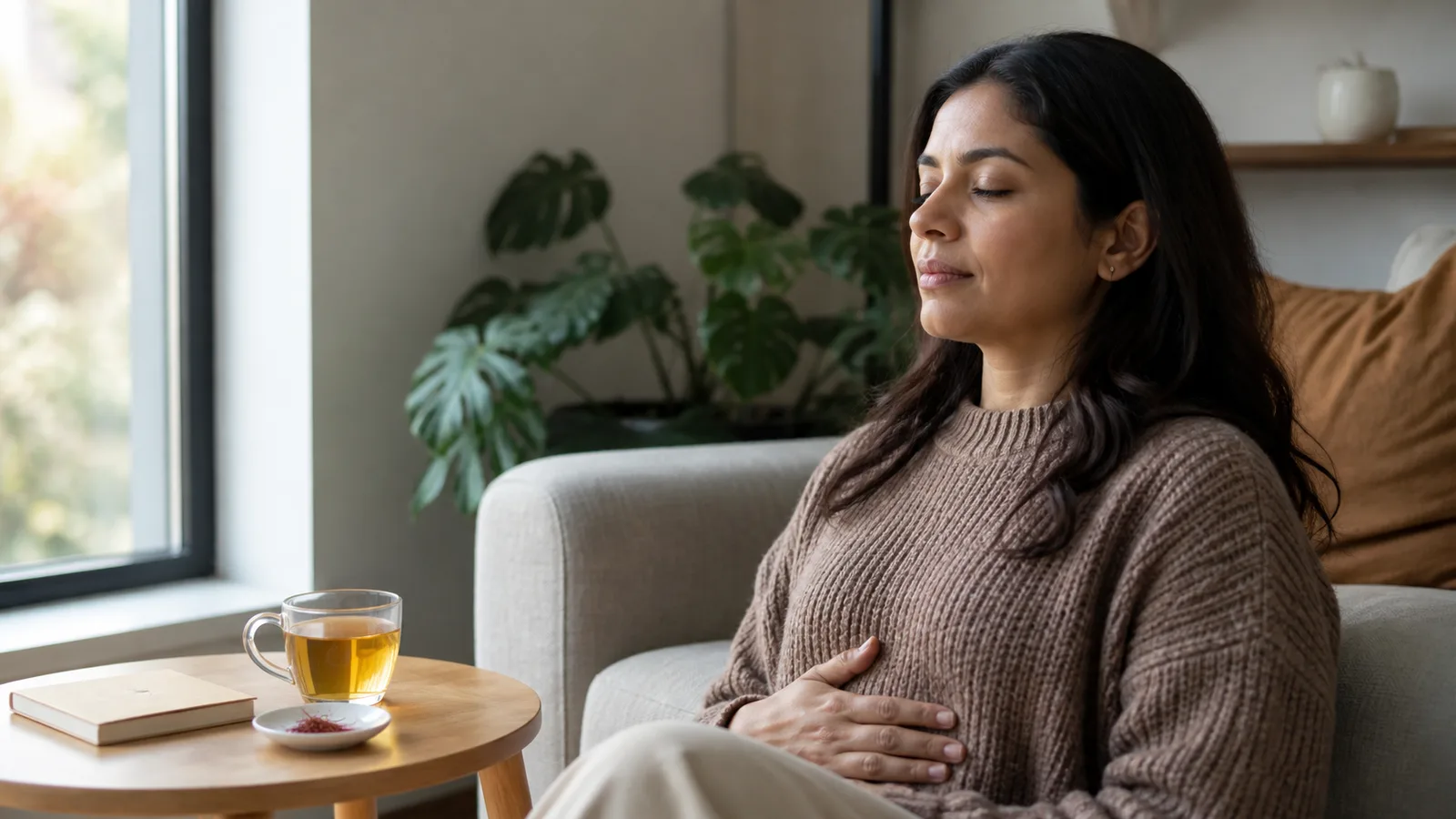
Can saffron reduce anxiety? It may reduce some self-reported anxiety symptoms in some adults, according to randomized trials and meta-analyses. The evidence is promising but not uniform: clinician-rated anxiety measures have not always shown the same improvement, studies use different extracts and populations, and most last only a few weeks. Saffron is better described as a possible complementary option than as a proven treatment or a natural replacement for care.
Anxiety also has many forms. Brief worry before an event is not the same as generalized anxiety disorder, panic disorder, trauma-related symptoms, or anxiety caused by medicine, caffeine, thyroid disease, or another condition. The potential benefits of saffron for anxiety have to be read in that context.
Does saffron help with anxiety?
The strongest recent overview is a 2026 meta-analysis of 34 randomized, placebo-controlled trials with 1,769 adults. Saffron was the only difference between the intervention and control groups, and studies lasted at least four weeks. The analysis found improvement on the self-reported Beck Anxiety Inventory, but not a significant effect on the clinician-rated Hamilton Anxiety Rating Scale. The certainty was judged moderate, and results varied substantially among studies.
That distinction matters. A self-report scale captures a person’s experience; a clinician-rated scale uses a structured assessment. Neither is meaningless, but disagreement between them makes a simple “saffron reduces anxiety” claim too confident. The evidence supports continued research and a cautious conversation with a health professional.
Does saffron help with anxiety and depression?
Anxiety and depression often occur together, so many saffron studies measure both. In the same 2026 review, some self-reported depression scores improved, while clinician-rated depression and broader mood measures did not show the same clear effect. A large twelve-week trial in adults with subclinical depressive symptoms also found a modest difference on one depression measure but no clear between-group differences on several secondary outcomes.
Saffron may therefore have a complementary role for selected adults, but it should not be used to diagnose or self-treat a mental-health disorder. Psychotherapy, medication, or both are established treatments for anxiety disorders. If someone is already receiving care, adding a supplement should be discussed rather than done in place of that care.
How saffron might affect anxiety
Crocin, crocetin, and safranal are among saffron’s best-studied compounds. Laboratory and animal studies examine their effects on neurotransmitter systems, inflammation, oxidative stress, and stress-related behavior. Researchers use those findings to propose mechanisms for human trials.
Human studies have not shown that saffron simply raises serotonin in the brain. Most trials measure symptoms through questionnaires or interviews, not neurotransmitter signaling. Depression and anxiety are also not explained by a single chemical shortage. “May interact with serotonergic pathways” is a research hypothesis; “increases serotonin and naturally calms everyone” is a marketing conclusion.
Does saffron help with stress?
Stress is a response to pressure, while an anxiety disorder can remain severe and difficult to control even when an immediate stressor is absent. Some saffron trials enroll adults who report stress, low mood, or mild anxiety rather than people with a diagnosed disorder. Their results cannot be applied automatically to panic attacks or severe generalized anxiety.
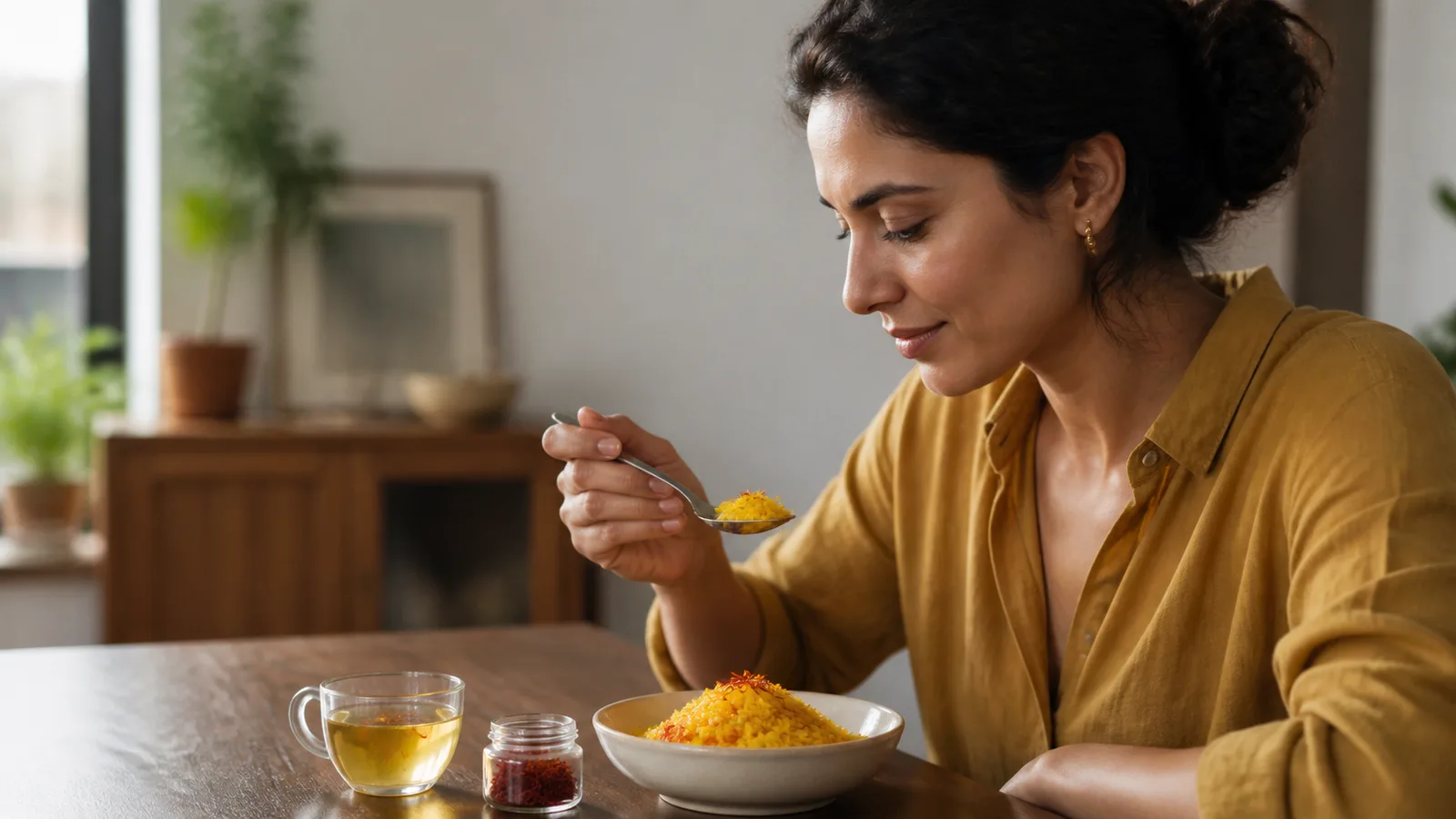
A warm cup of saffron tea may feel calming because of the pause, aroma, and routine. That experience can be pleasant without proving a pharmacological anti-anxiety effect. The word “calming” should describe an individual experience, not a guaranteed property of the spice.
How long does it take for saffron to work for anxiety?
Clinical trials usually assess regular use after four to twelve weeks. A study duration is not an exact onset time, but it is better evidence than the common promise of results in seven to ten days. There is no well-established day on which a saffron supplement for anxiety begins to work.
Our detailed saffron effectiveness timeline compares the research periods used for mood, anxiety, sleep, cognition, and inflammation. Symptoms that are severe, worsening, or affecting work, sleep, relationships, or daily tasks should be addressed now rather than after an unsupervised supplement trial.
How much saffron for anxiety?
There is no universally recommended saffron dosage for anxiety. Many modern mood studies use a standardized extract around 28–30 milligrams per day, while other trials use different preparations and amounts. Those figures describe research protocols, not a dose that can be transferred to every capsule, gummy, powder, tea, or person.
The old advice to take one to three grams daily was unsafe and far outside most clinical research. Gram-level amounts are not a reasonable starting dose. Product concentration, authenticity, medicine use, pregnancy, health conditions, and the reason for use all affect the risk.
How to use saffron for anxiety
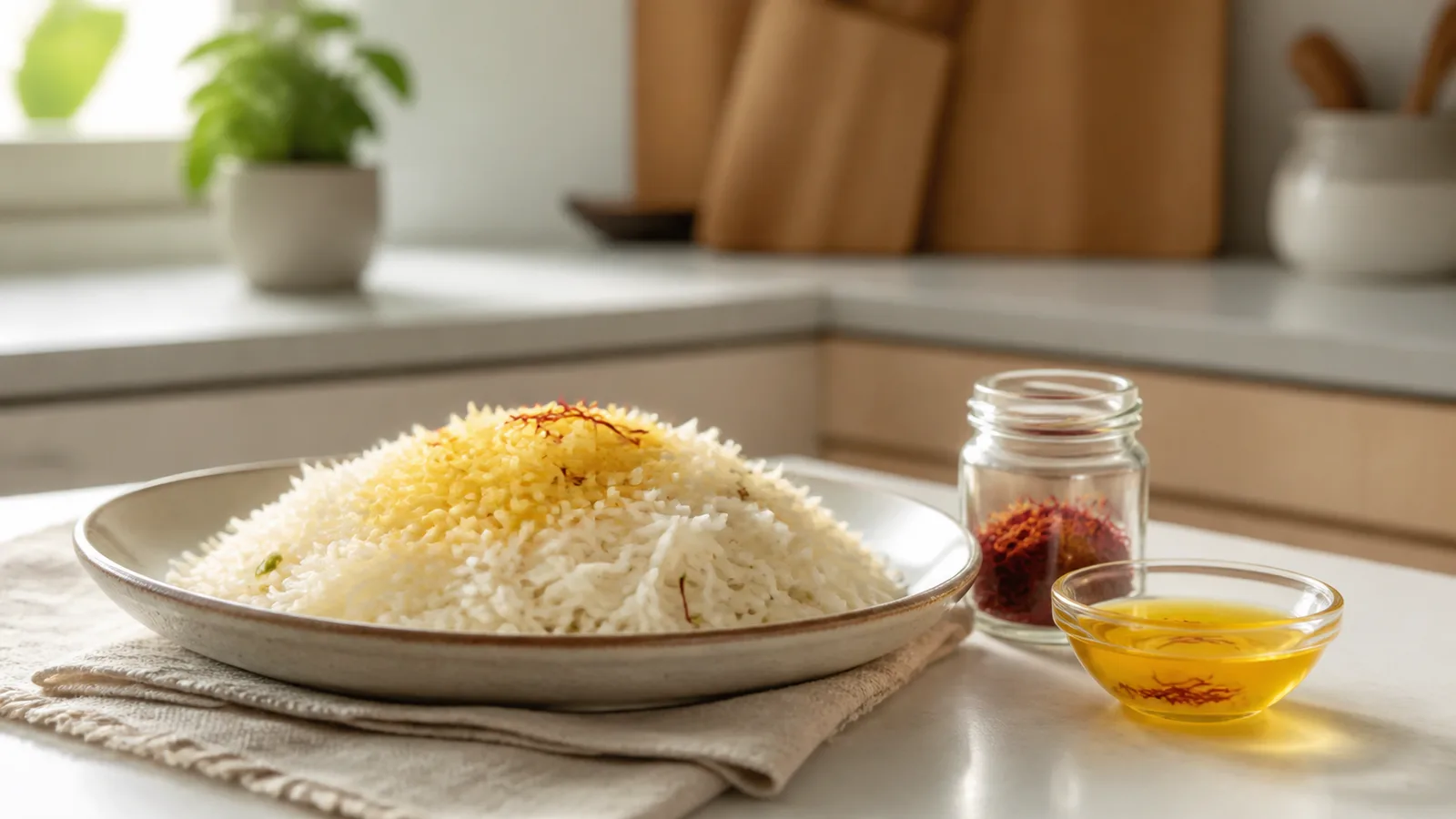
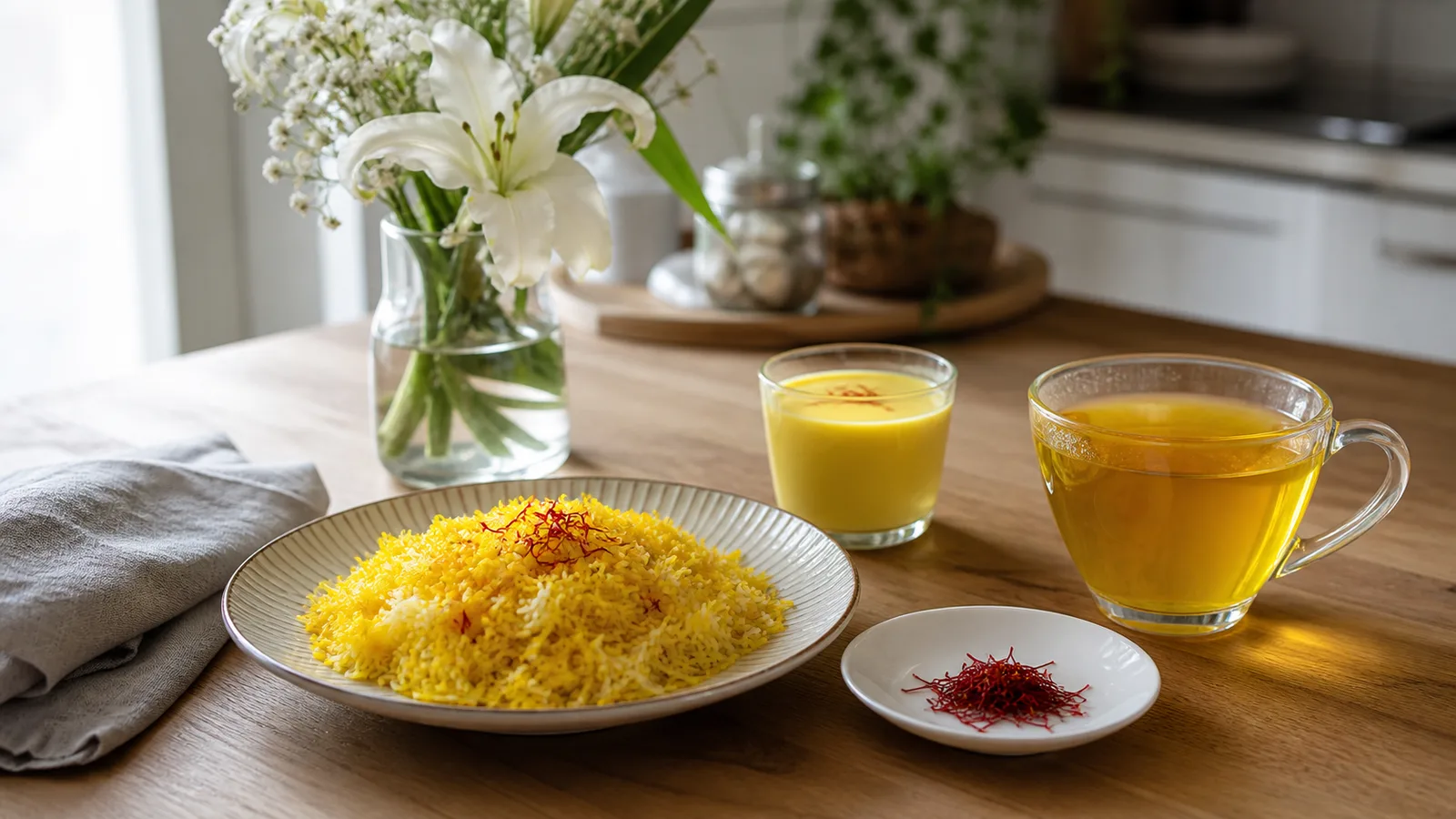
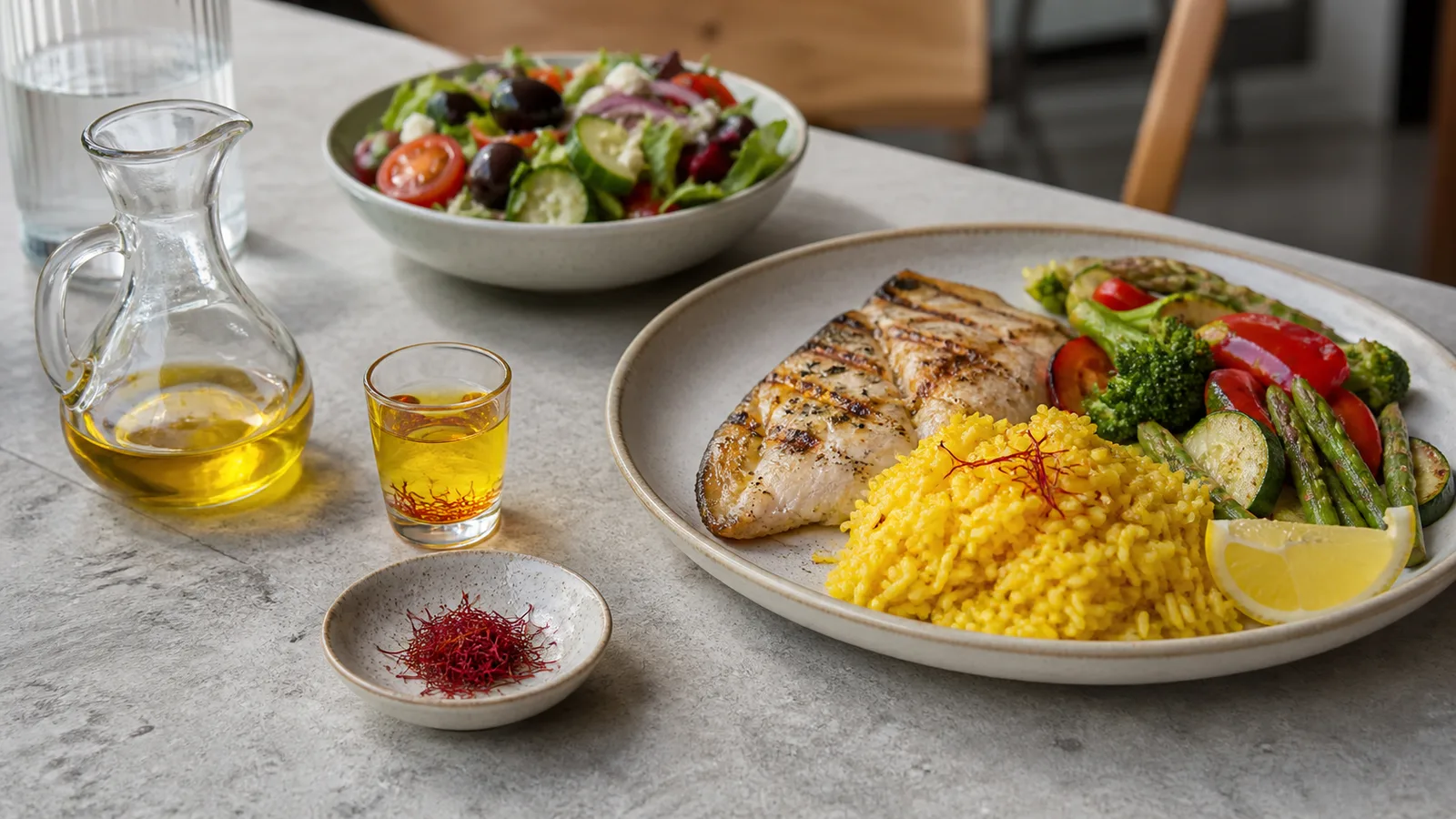
First decide whether the goal is culinary enjoyment or a concentrated health intervention. A few threads bloomed for rice, milk, or tea are food. A standardized extract is designed to deliver a measured amount and should be treated like a supplement. Saffron tea for anxiety has not been shown to reproduce the outcomes of extract trials.
If a clinician or pharmacist agrees that trying a supplement is reasonable:
- choose a single-ingredient product with a declared amount and independent quality information;
- avoid proprietary “mood” blends that hide the quantities of several ingredients;
- record the product, amount, start date, symptoms, and unwanted effects;
- do not change prescribed treatment at the same time; and
- set a review point based on the research rather than increasing the amount after a few days.
This approach does not guarantee a benefit. It simply makes the decision safer and the result easier to interpret.
Can saffron cause anxiety?
Increased anxiety is not usually highlighted as a common saffron effect in short trials, but no supplement is calming for everyone. A new feeling of agitation, racing heartbeat, dizziness, insomnia, nausea, or panic after starting a product should not be dismissed as an adjustment period. Stop the product and seek advice, particularly when symptoms are strong or persistent.
The saffron may not be the only possible cause. A supplement can contain added stimulants, several herbs, an inaccurate amount, or contaminants. Anxiety can also coincide with changes in caffeine, medicine, sleep, illness, or life circumstances. Keep the packaging so a pharmacist can review the actual ingredients.
Saffron versus prescription anxiety medication
Small saffron studies are sometimes summarized as showing equivalence to an antidepressant. That wording can hide the sample size, short duration, selected participants, specific extract, outcome scale, and lack of long-term relapse data. It does not establish saffron as a substitute for an individually prescribed medicine.
Prescription treatments have known indications, dosing guidance, interaction information, and clinical monitoring. They may also take time to work and can have side effects, but that does not make an unregulated supplement safer. Stopping some psychiatric medicines suddenly can cause withdrawal symptoms or a return of anxiety.
Other mental-health claims
Research into sleep, cognition, and mood should not be bundled into one promise of better mental health. A person who sleeps better may concentrate more easily; that is not proof that saffron directly enhances memory or protects brain cells. Small cognition studies have mainly involved mild cognitive impairment or Alzheimer’s disease and do not demonstrate prevention.
Our evidence review of saffron and the mind explains why mood scales, sleep scales, cognitive tests, and proposed neurotransmitter mechanisms answer different questions.
Safety and situations that need extra care
Short clinical trials often report good tolerability, but nausea, digestive upset, dry mouth, reduced appetite, headache, dizziness, and allergic reactions have been reported. Pregnancy, breastfeeding, an upcoming procedure, a spice allergy, or regular medicine use calls for product-specific professional advice before concentrated saffron.
Potential interactions are not fully mapped. A pharmacist should review psychiatric, neurological, blood-pressure, blood-sugar, blood-thinning, and other medicines. Our guide to saffron side effects and warning signs covers extracts, gummies, tea, food, and topical products separately.
If anxiety will not go away or is becoming difficult to control, professional help is appropriate. In immediate distress or with thoughts of self-harm, contact local emergency or crisis services. A complementary product should never be the reason to postpone care.
So, is saffron good for anxiety? It may help some adults as a carefully chosen complement, but the benefit is not certain, immediate, or explained by a proven serotonin increase. The safest answer respects both sides of the evidence: there is a real clinical signal worth studying, and there are important limits that product claims often leave out.
Evidence reviewed
- 2026 GRADE-assessed meta-analysis of saffron trials for anxiety, depression, and mood
- Twelve-week randomized saffron-extract trial in adults with low mood
- Twelve-week randomized saffron trial in adults with anxiety and depression
- NCCIH: anxiety, established care, and complementary health approaches
- NCCIH: using complementary approaches without delaying care
- Review of saffron safety and toxicology evidence