Can saffron help with focus? Possibly in some specific situations, but it has not been proved to work as a general-purpose focus booster. Small human studies have looked at cognition and attention-related conditions, while much of the confident language about blood flow, neurotransmitters and “new brain cells” still comes from laboratory or animal research. That makes saffron for focus and concentration an interesting subject, not a dependable shortcut to sharper thinking.
It also helps to separate focus from memory. Attention is the ability to stay with a task. Memory is the ability to retain and retrieve information. Learning and processing speed are different again. A study that changes one of these outcomes does not automatically show that saffron improves all of them.
What the research on saffron and focus actually measures
There is no large, convincing trial showing that a dose of saffron immediately improves mental clarity in healthy adults. A broader 2024 systematic review of neurological and psychiatric trials reported encouraging results across several conditions, including cognition and attention-deficit/hyperactivity disorder (ADHD). The trials, however, differed in their participants, extracts, outcomes and duration. Results in people with a diagnosed condition cannot simply be transferred to a healthy person studying for an exam or trying to finish a difficult afternoon at work.
Memory and cognitive function
Some saffron research has measured memory and learning in people with mild cognitive impairment or dementia. An earlier systematic review of five randomized trials found potentially useful cognitive results, but four trials involved people with Alzheimer’s disease or mild cognitive impairment and the reviewers judged the evidence at high risk of bias. A separate meta-analysis of four trials concluded that the evidence was not sufficient for clinical recommendations.
Those findings are worth studying, but they do not prove better attention, processing speed or everyday mental performance in healthy adults. They also do not show that saffron prevents cognitive decline.
Attention and ADHD
Saffron has also been studied in ADHD, where attention is one part of a diagnosed disorder. A 2024 systematic review found only four eligible clinical studies with 118 participants in total. The results were promising, but the authors called for larger, well-designed multicentre trials. One of the included pilot trials compared a defined saffron capsule with methylphenidate for six weeks in children and teenagers. It was not a test of culinary saffron, and it was far too small and short to make saffron a proven substitute for established ADHD care.
If attention problems are persistent or disruptive, particularly in a child, they deserve a proper assessment. Do not stop or replace prescribed ADHD medicine with saffron unless the treating clinician directs that change.
Could mood or sleep change concentration indirectly?
Stress, anxiety, low mood and poor sleep can make it harder to hold attention. Saffron extracts have been studied more often for mood and sleep than for healthy-adult focus. If one of those problems improves, concentration may feel easier as a secondary effect. That is different from demonstrating a direct stimulant-like boost.
This distinction matters when someone asks what saffron does to the mind. A calmer evening, better sleep or a change in mood may influence the next day’s work, but none guarantees improved memory or attention. Effects reported after several weeks of a particular extract should not be advertised as an instant mental boost from a cup of saffron tea.
What crocin and safranal can—and cannot—tell us
Crocin, crocetin and safranal are among saffron’s best-known constituents. Laboratory studies have explored antioxidant activity, inflammatory pathways and interactions with neurotransmitter systems. Animal experiments have also examined cerebral blood flow, learning and neurogenesis, the formation of new nerve cells.
These mechanisms can help researchers form a hypothesis. They do not show that eating saffron increases blood flow to the human brain, grows new brain cells or reliably enhances focus. Antioxidant activity in an experiment is not, by itself, proof that saffron prevents oxidative stress from impairing a person’s memory. Human outcomes have to be demonstrated directly.
Before reaching for saffron, look for the cause of poor focus
“Brain fog” is a description, not a diagnosis. Concentration can dip after too little sleep, an irregular meal, dehydration, prolonged stress or constant interruptions. It can also be affected by anxiety, depression, medication side effects, alcohol, thyroid problems, low vitamin B12, a sleep disorder or another health condition. The US National Institute on Aging’s guide to memory problems explains why finding the cause matters before spending money on an unproved memory product.
For an occasional unfocused day, the practical first steps are ordinary ones: sleep, eat, drink water, silence avoidable notifications and work on one defined task for a short block of time. Our guide to herbs and brain fog takes the same cause-first approach.
Speak with a health professional when the change is sudden, keeps returning, follows a head injury, or interferes with work, school, driving or daily tasks. New confusion, weakness, severe headache, speech difficulty or loss of consciousness needs urgent medical attention.
How to use saffron without confusing food and research
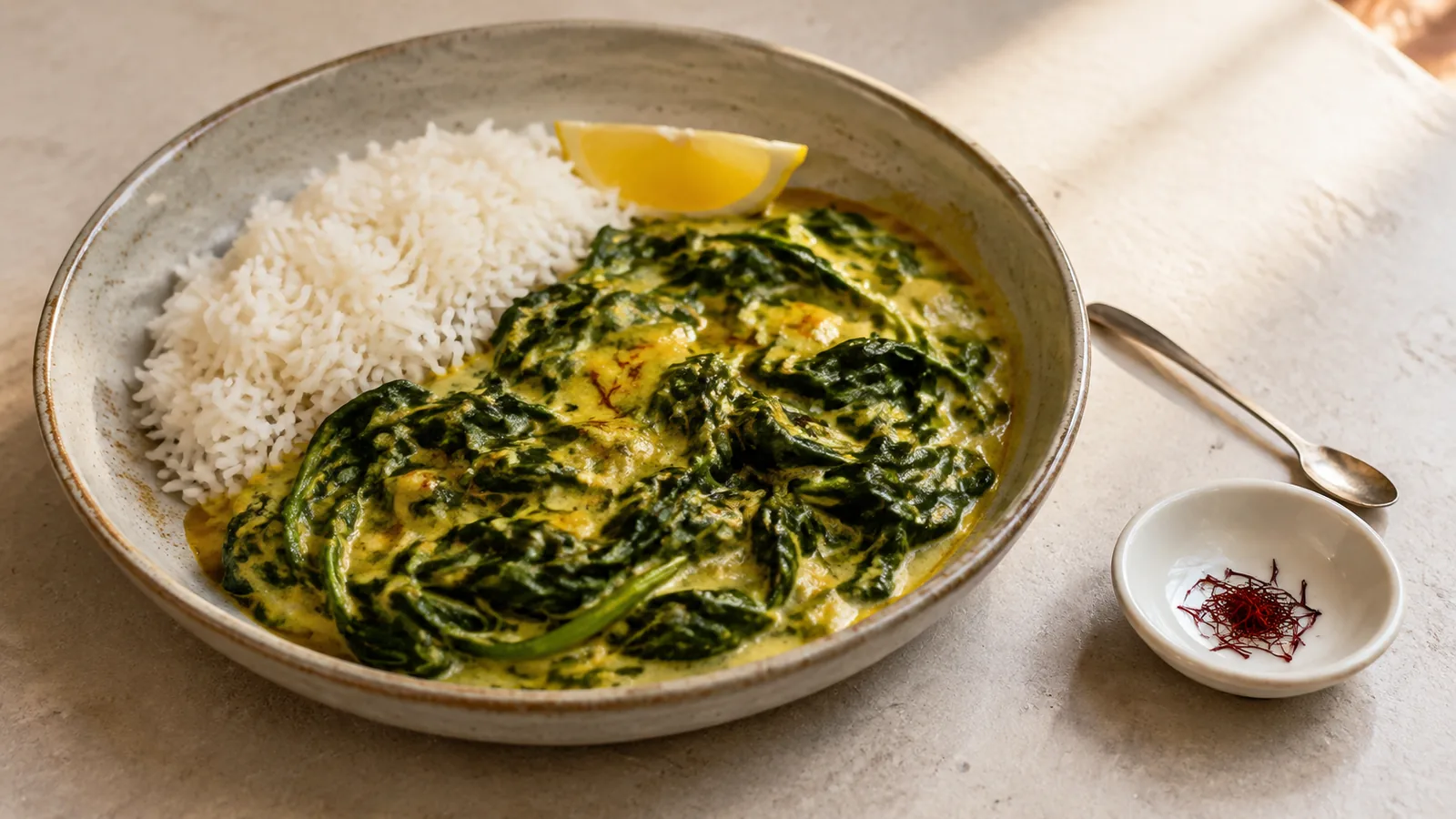
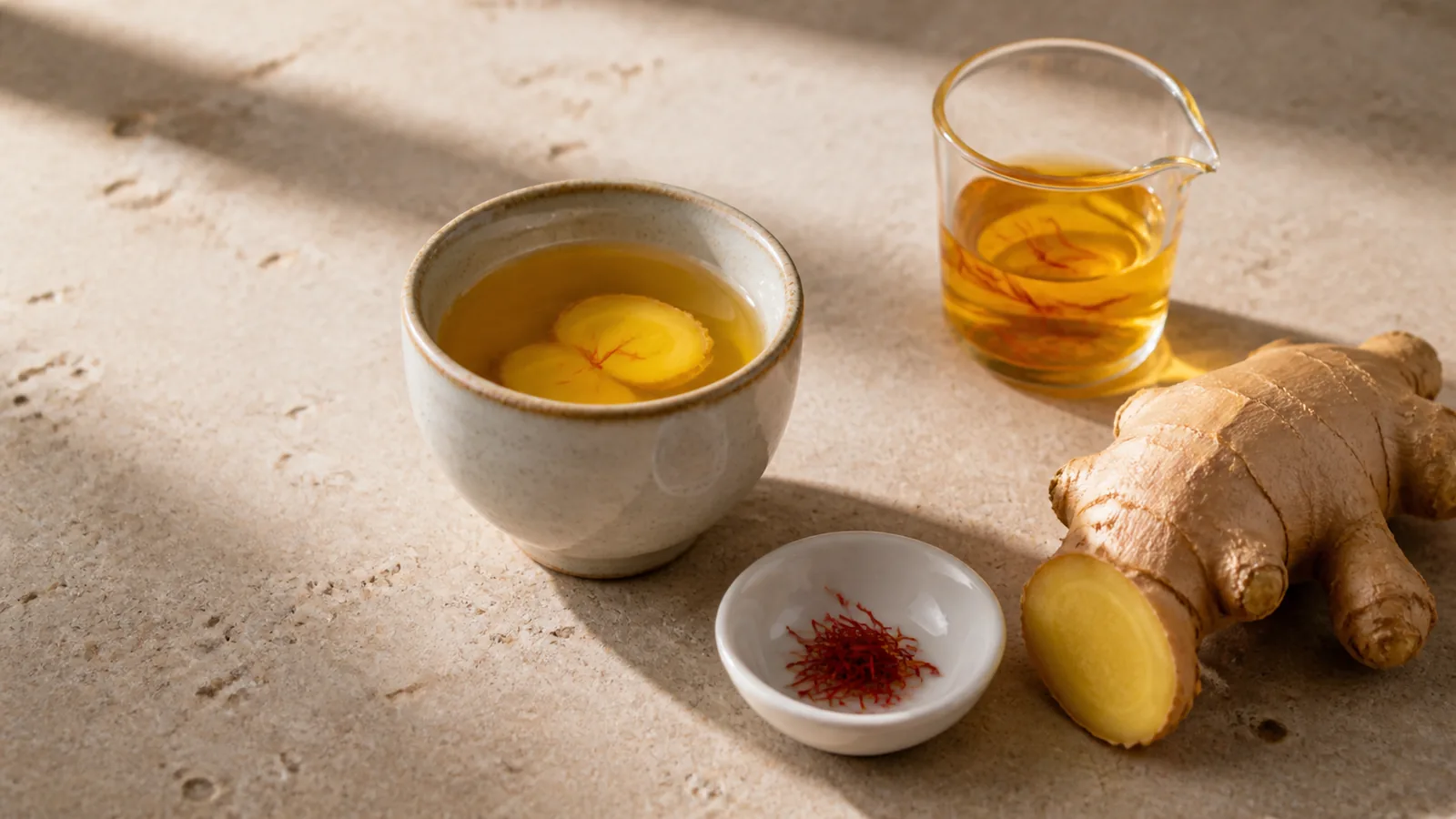
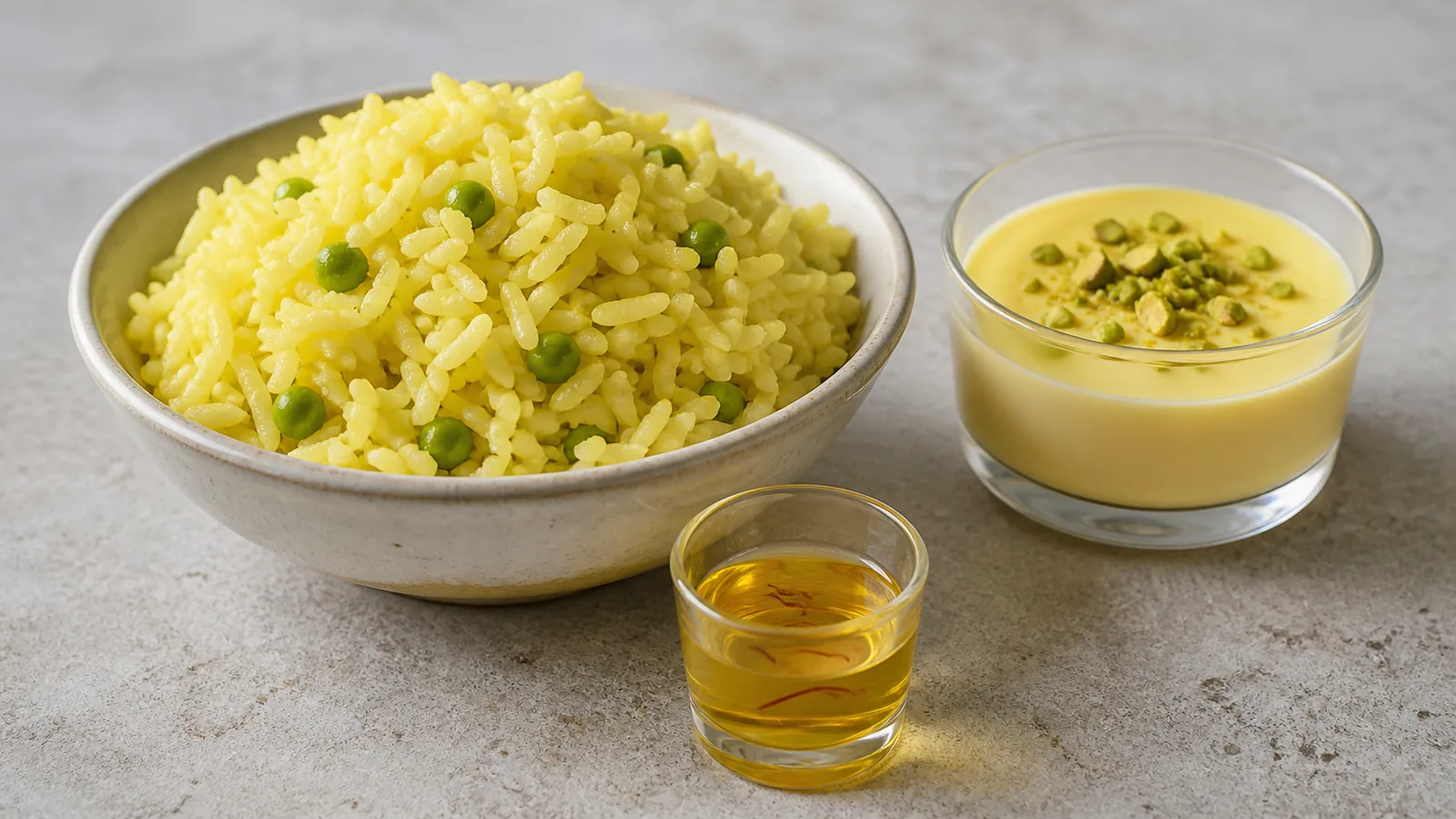
Saffron can be steeped in warm water or milk and added to tea, smoothies and meals for flavour and colour. A few threads in food are not equivalent to a concentrated supplement used in a clinical trial. The amount of crocin and safranal can differ by cultivar, storage, processing and extract specification.
The often-repeated “30 mg per day” figure comes from some trials of named, standardized saffron preparations. It is not an established dose for better focus, and milligrams of an extract cannot be converted reliably into a certain number of threads. There is also no evidence-based schedule for taking saffron before work, an exam or another task.
If you still want to try a supplement, choose a product that identifies its exact saffron extract and serving amount, and ask a pharmacist or clinician to check it against your medicines and health history. Track one meaningful outcome—such as how often you finish a planned work block—rather than relying on a vague impression of a “mental boost.” Stop if you feel unwell.
Safety and long-term use
Culinary use and concentrated daily supplementation are not the same exposure. Short trials do not establish that an extract is safe for indefinite use. Supplements can also vary in composition and may interact with medicines; the National Center for Complementary and Integrative Health recommends considering the safety of each complementary product individually.
Get professional advice before using a saffron supplement during pregnancy or breastfeeding, for a child, before surgery, or if you have a bleeding disorder, low blood pressure, bipolar disorder, an allergy, or take regular medicine. Our detailed guide to saffron’s possible negative effects covers warning signs and interaction questions.
Bottom line
Saffron may have cognitive benefits worth investigating, and small studies offer early signals in particular patient groups. It has not yet been shown to be a reliable focus or concentration enhancer for the general population. Enjoying saffron in food is reasonable for most people; using an extract to address persistent attention or memory problems calls for a clearer goal, a product-specific safety check and realistic expectations.
Evidence reviewed 28 August 2026. Research may change as larger trials become available.