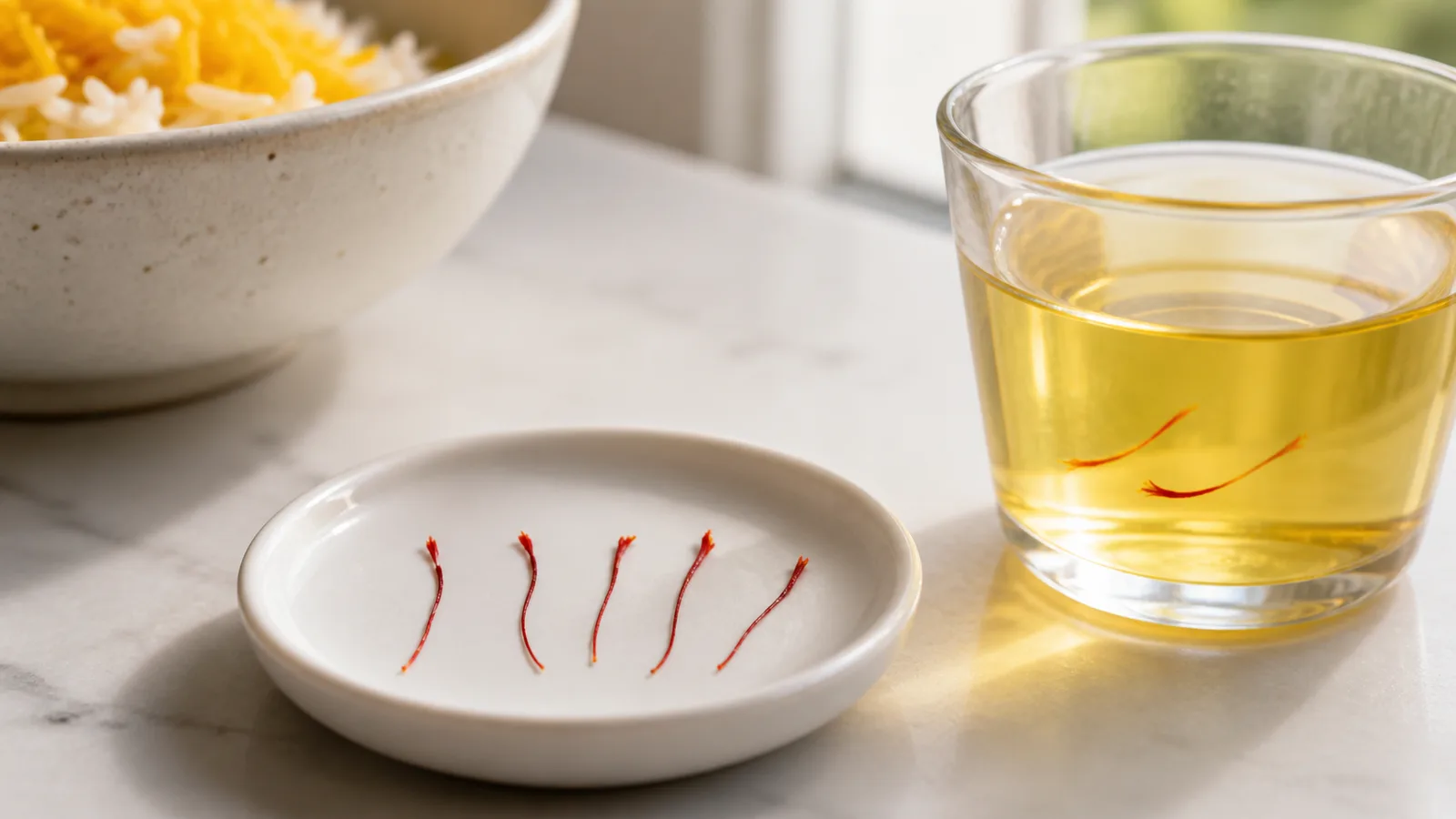
Learning how to identify high-quality saffron means looking at the whole picture: recognisable Crocus sativus threads, a clean vivid appearance, strong characteristic aroma, dry storage, traceable labelling, and a seller who can explain the batch. No single kitchen trick can prove purity.
What “good saffron” should mean
Good saffron is genuine dried stigma from Crocus sativus, handled and stored well enough to retain useful colour, aroma, and flavour. Quality and authenticity overlap, but they are not identical. Real saffron can be old or badly stored; a bright-looking imitation can be fresh but fraudulent.
This distinction matters when you ask how to know if saffron is good. Begin with the product’s identity and condition, then consider its culinary strength. Treat colour, scent, shape, price, origin, and a water check as pieces of evidence rather than separate pass-or-fail tests.
A practical first inspection
- Read the ingredient line: it should identify saffron, not a spice blend, colouring, or “saffron flavour”.
- Prefer visible threads: intact and cut filaments reveal more than an opaque powder.
- Check the package: it should be dry, sealed, clearly weighted, and protected from unnecessary light.
- Look for batch details: origin, lot or batch number, packing information, and a reachable seller improve traceability.
- Open it away from other aromas: the scent should be clear and characteristic, not musty, perfumed, or absent.
- Be sceptical of absolute claims: words such as premium, finest, and grade A need an explained standard behind them.
These checks help you avoid obvious problems. They cannot identify every plant adulterant, added dye, or mislabelled origin. Laboratory analysis is the stronger tool when purity must be established rather than estimated.
They are the practical clues people need when asking how to find real saffron or how to identify pure saffron. The wording changes, but the limit is the same: inspection can raise or lower confidence; it cannot certify the contents.
What genuine saffron threads look like
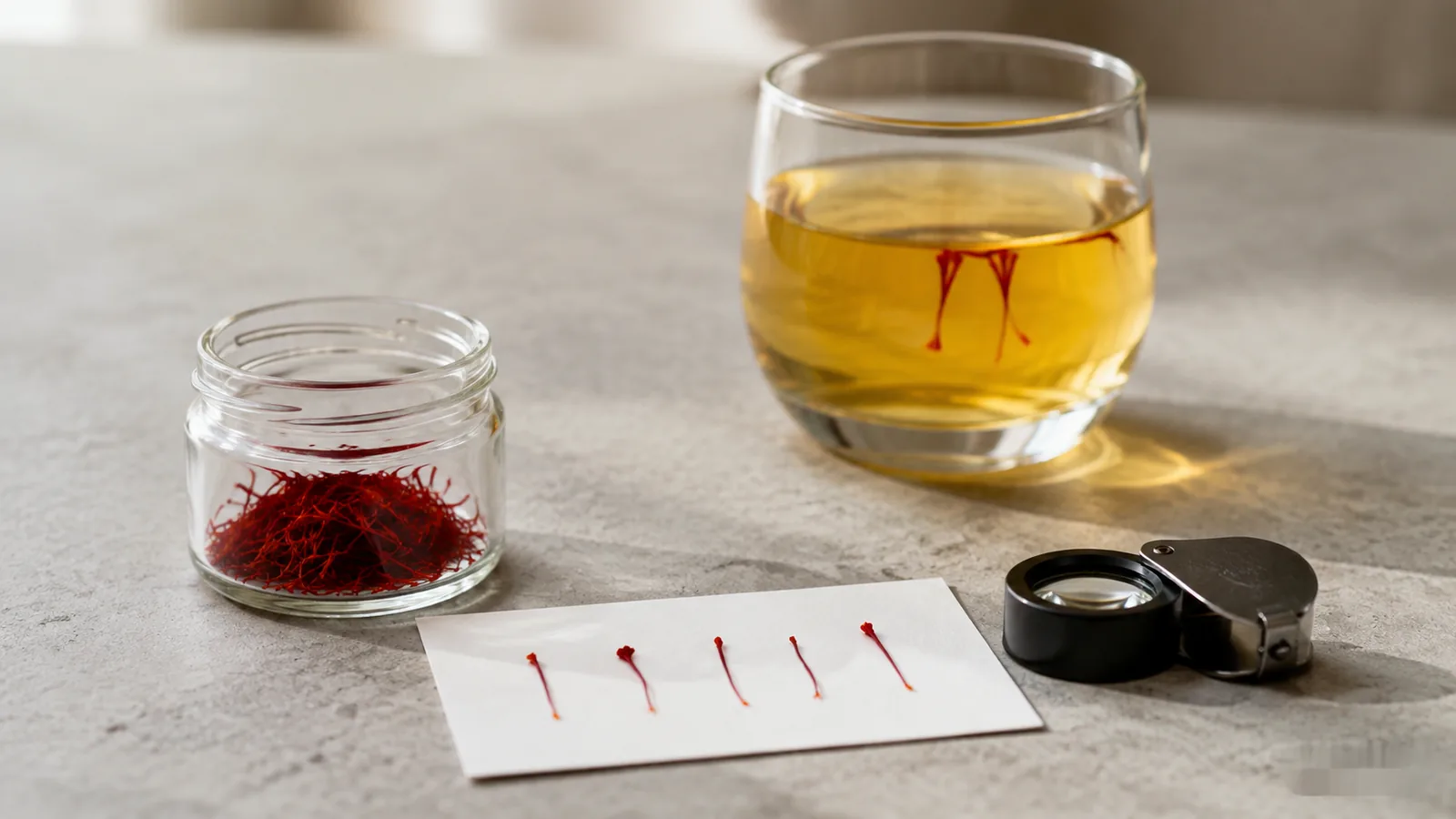
Saffron consists of dried red stigmas from the flower. Whole or partly intact filaments are irregular natural structures, not perfectly identical fibres. A thread may broaden or flare toward one end and narrow toward the other. Some pieces will be curled or broken after harvesting and packing.
Broken threads are not automatically poor saffron. “Whole and broken” describes physical form, while quality also depends on the proportion of red stigma, moisture, foreign matter, and the compounds responsible for colour, aroma, and flavour. A bag of beautiful long filaments can still be stale, and a carefully packed batch may contain genuine short pieces.
Colour is useful, but not decisive
Strong saffron is usually predominantly deep red. A small lighter orange or yellow section can be the base of the natural stigma; a large proportion of pale floral material contributes less culinary strength and may lower the grade. Dull brown colour can indicate age or poor storage.
Colour alone cannot answer how to tell real saffron. Other plant material can be dyed red, and genuine threads vary with cultivar, processing, grade, and storage. Be wary of a sample that looks unnaturally uniform, leaves loose coloured dust in the pack, or contains shapes unlike stigmas, but do not call a batch fake from one photograph.
How high-quality saffron smells and tastes
Fresh, well-stored saffron has a powerful and complex aroma often described as hay-like, floral, honeyed, earthy, or slightly metallic. The description is subjective; intensity and cleanliness matter more. Little or no scent points to age, weak quality, or poor storage, while perfume-like or chemical odours are a warning.
Authentic saffron is not supposed to taste sweet. Picrocrocin contributes a characteristic bitterness, while safranal is associated with aroma and crocins with colour. The old advice that good saffron “should never taste bitter” is therefore wrong. Do not chew an unknown sample to decide whether it is safe or genuine; taste is a culinary clue only after the source and condition are acceptable.
What the saffron water test can and cannot show
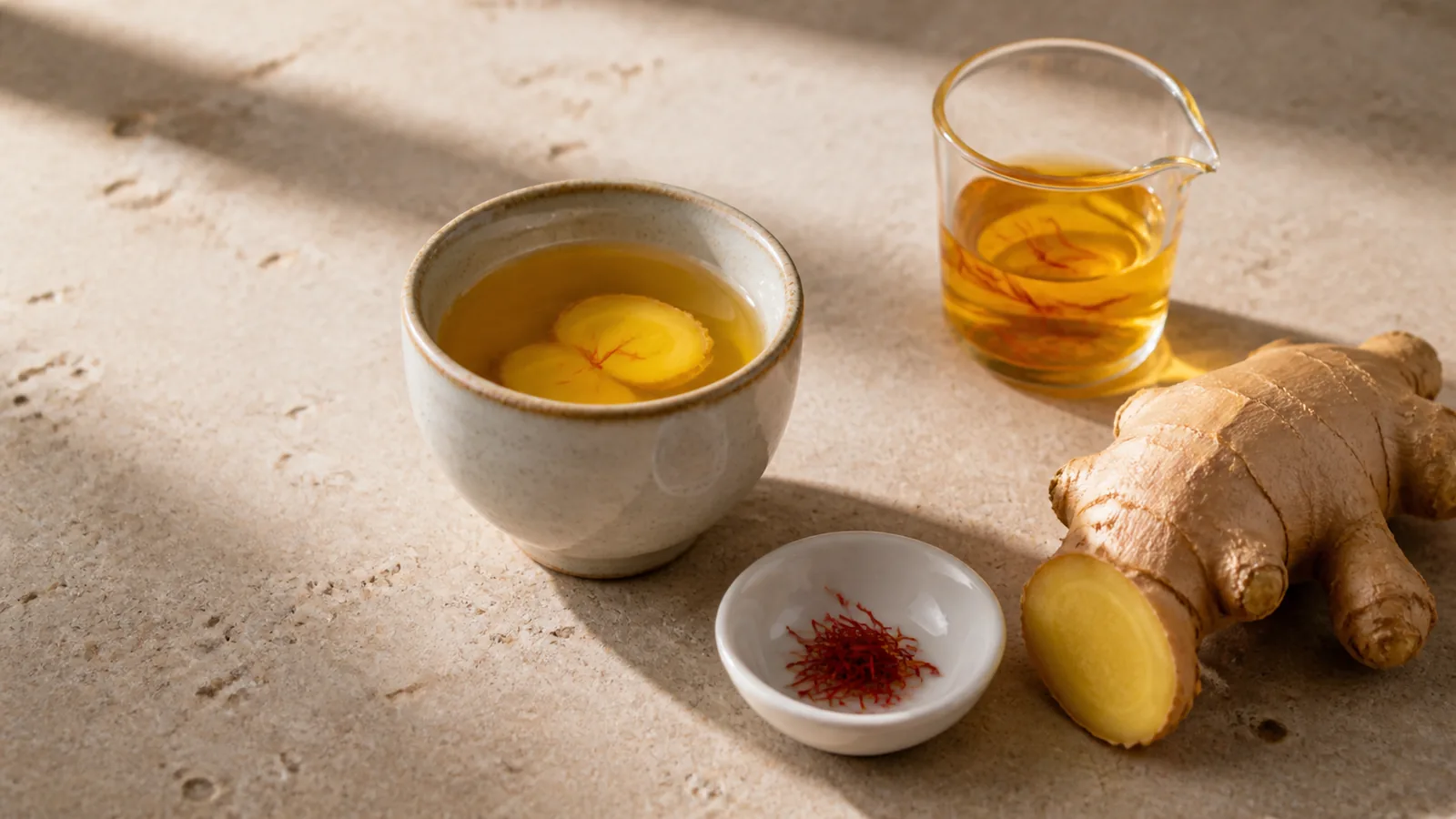
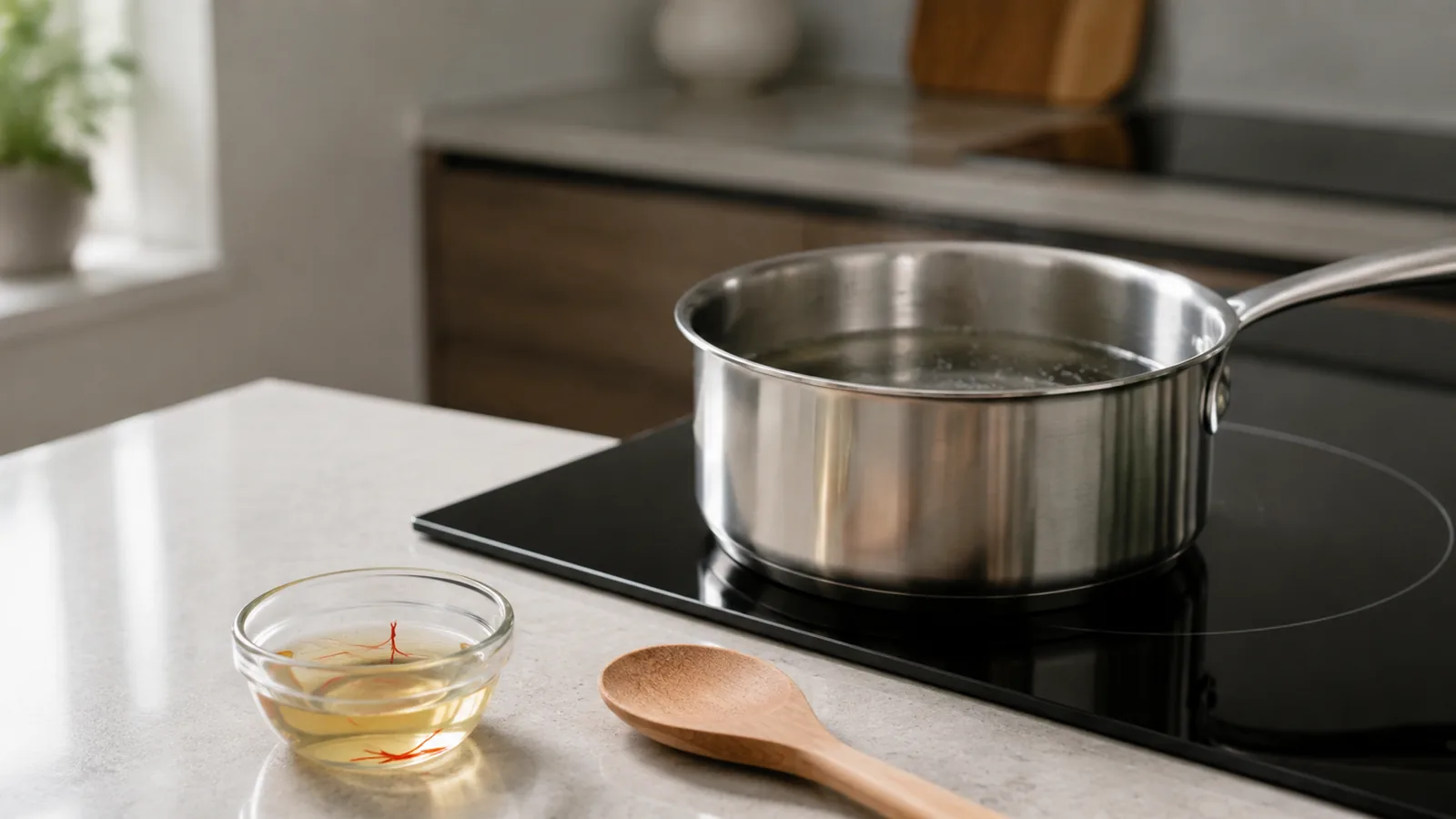
A simple saffron water test can reveal how a few threads behave, but it is a screening observation, not a purity certificate. Put a small number of threads in clear warm water and watch rather than stirring aggressively. Genuine saffron normally colours the water yellow to golden while the threads remain visible.
For that reason, a home saffron purity test should never be presented as conclusive. It may expose an obvious problem while missing a carefully prepared adulterant.
The exact speed and shade change with water temperature, thread size, whether the saffron was crushed, and the age and strength of the batch. An instant cloud of harsh red dye, colour rubbing off onto everything, or threads turning into obviously different plant material is suspicious. Yet sophisticated adulteration can imitate normal colour release, and weak genuine saffron can behave poorly.
That limitation is why a real saffron test in trade uses defined methods and equipment. Do not rely on viral tests involving burning threads, baking soda, paper staining, saliva, or claims that one exact number of minutes proves authenticity. They are not a substitute for traceable sourcing and laboratory work.
How saffron quality is tested professionally
The International Organization for Standardization’s overview of saffron quality explains that ISO 3632 covers filaments, cut filaments, and powder, with methods addressing flavour, aroma, colour strength, moisture, and foreign matter. The current ISO 3632-2 test-method record confirms that the standard applies to dried saffron in each of those forms.
A laboratory report is useful only when it can be tied to the product in front of you. Look for the sample or batch identifier, test date, laboratory name, method, and actual results. A generic badge or an old report for an unnamed sample does not certify every jar a seller offers.
Even standard quality measurements are not the end of food-fraud science. The European Commission’s Joint Research Centre has developed laboratory methods targeting adulterants in spices, including saffron, as described in its food-authentication research update. This is another reason to avoid claiming that a home colour test proves purity.
How to check if saffron is original before buying
Choose a traceable seller
A credible seller gives a real business identity, contact route, net weight, product form, origin statement, storage guidance, and sensible support if the pack arrives damaged. Reviews may show how orders were handled, but reviews alone cannot verify chemical quality.
Ask specific questions
Instead of asking whether the saffron is “the best,” ask which part of the stigma is included, whether the pack contains threads or powder, where it was produced, when it was packed, how it should be stored, and whether a current lot-linked analysis is available. Clear answers are more useful than a row of unexplained logos.
Compare price by weight
Saffron is labour-intensive and sold in small quantities. An implausibly cheap offer deserves extra scrutiny, but a high price does not prove authenticity. Compare grams, not jar size, and include delivery cost before judging value.
Understand origin claims
Iranian, Spanish, Kashmiri, Greek, Moroccan, and other origins can each produce genuine saffron. Origin is not a universal quality score. A geographic claim needs traceability; colour or aroma cannot prove a country by itself.
Powder or threads: which is easier to judge?
Threads are easier for a buyer to inspect because their natural shape remains visible. Powder offers convenience and may disperse quickly in food, but it also hides morphology and makes undeclared fillers harder to notice. ISO includes test methods for both, yet the home buyer has more visual information with threads.
If you prefer powder, buy a small sealed quantity from a traceable seller or grind verified threads yourself immediately before cooking. Do not assume powder is fake; simply recognise that it requires more trust in the supply chain.
Freshness is a separate check
A genuine batch can lose aroma after long exposure to light, heat, moisture, or air. Mould, damp clumps, insects, or a musty odour are reasons to discard it; brittleness alone is normal for a thoroughly dried stigma. Our guide to checking whether saffron has gone bad covers that storage decision in detail.
The best conclusion you can reach at home
You can screen saffron intelligently at home, but you cannot certify it there. Look for natural thread structure, predominantly red stigmas, strong clean aroma, gradual golden colour in water, dry sealed packaging, traceable labelling, and a seller who supports batch-specific claims. Treat any one feature as supporting evidence, not proof.
For clearly described thread formats and sourcing information, you can compare the options in our saffron shop.