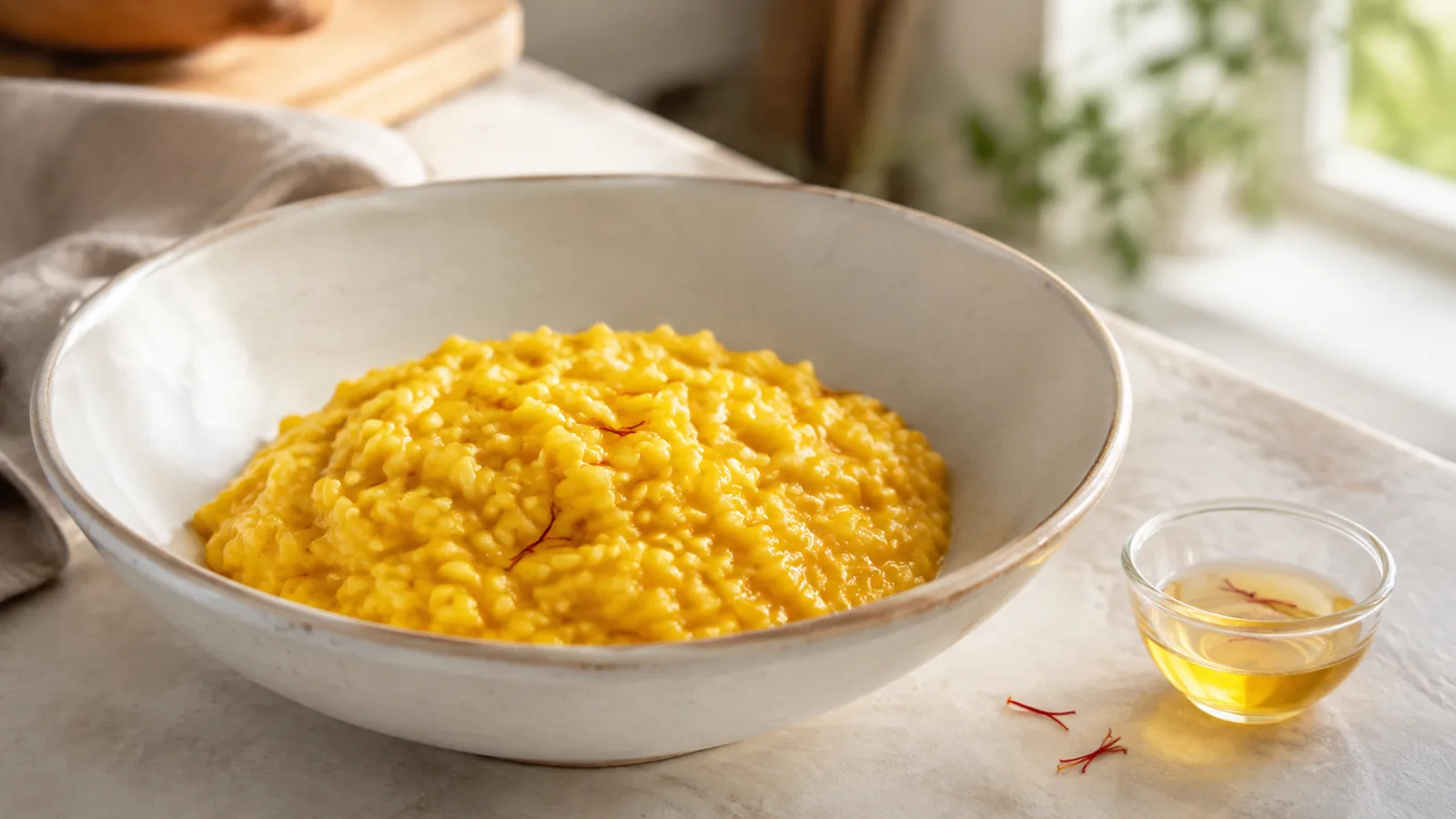
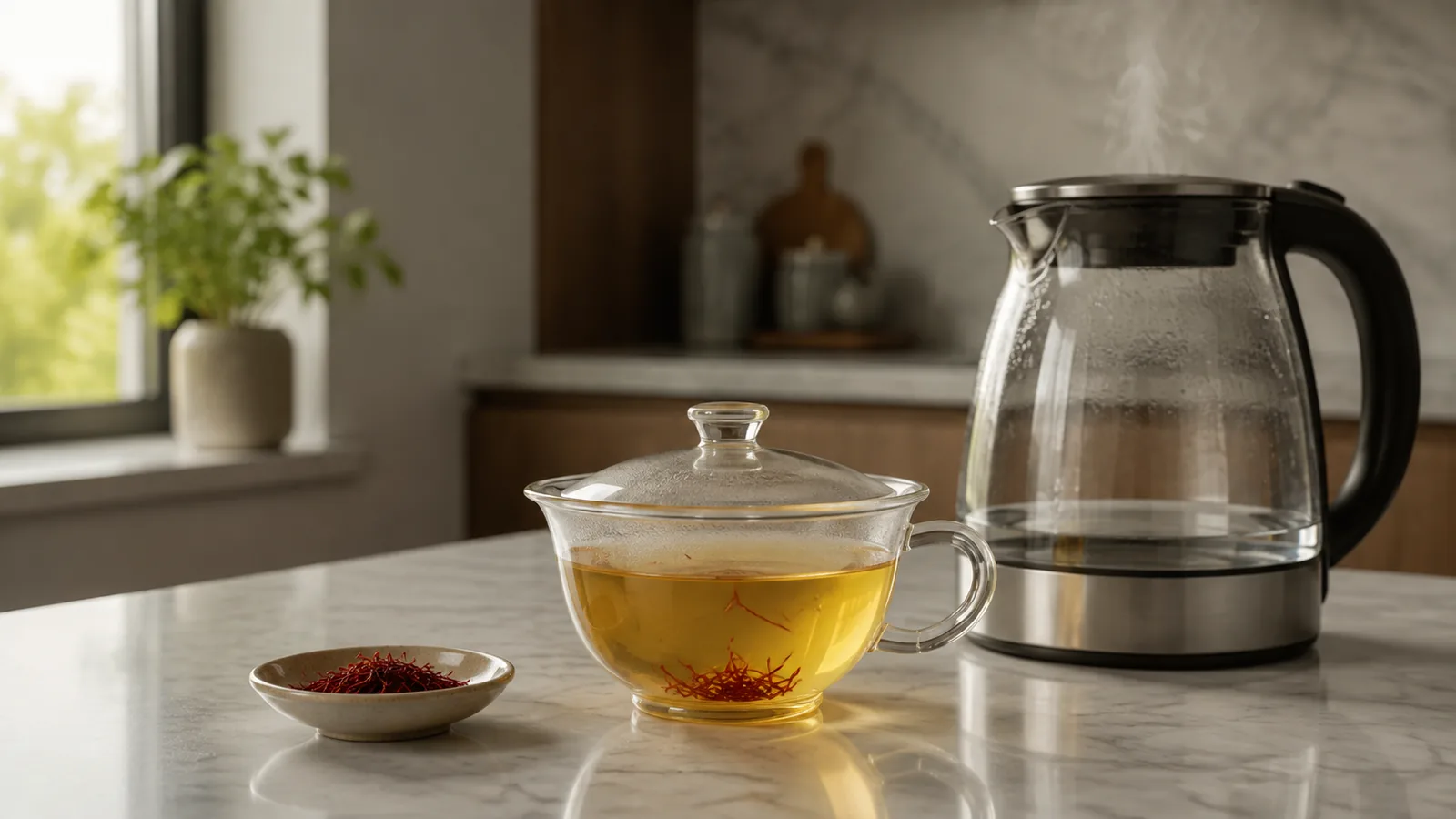
Do not keep saffron at a rolling boil to make tea. Pour hot water over lightly crushed threads, cover the cup and steep for 5 to 10 minutes. This is long enough for a golden colour and characteristic aroma to develop without cooking away the drink’s more delicate notes.
Boiling and steeping are different
Boiling means the liquid is bubbling continuously at its boiling point. Steeping means the ingredient rests in hot water after the kettle has come off the heat. Saffron tea benefits from the gentler second method: hot but not boiling water.
A brief encounter with boiling water does not instantly ruin saffron, but prolonged uncovered boiling is unnecessary. It can reduce the impression of delicate compounds and aromatic oils in the finished cup. It can leave the cup flatter or more bitter while volatile aroma escapes with the steam.
How long should saffron tea steep?
Five to 10 minutes is a practical range for a single cup made with lightly crushed threads. Start tasting near the five-minute mark. A longer rest can deepen the colour and flavour, especially when the threads are left mostly whole, but stronger is not always better.
If you are making a pot for several people, use the same time range and scale the saffron and water thoughtfully. The size of the pot alone is not a reason to boil it longer.
How to brew saffron tea
- Bring fresh water to a boil.
- While it heats, measure a modest pinch of saffron and crush the threads lightly.
- Place the saffron in a clean cup or teapot.
- Take the kettle off the heat and wait briefly for the most vigorous bubbling to settle.
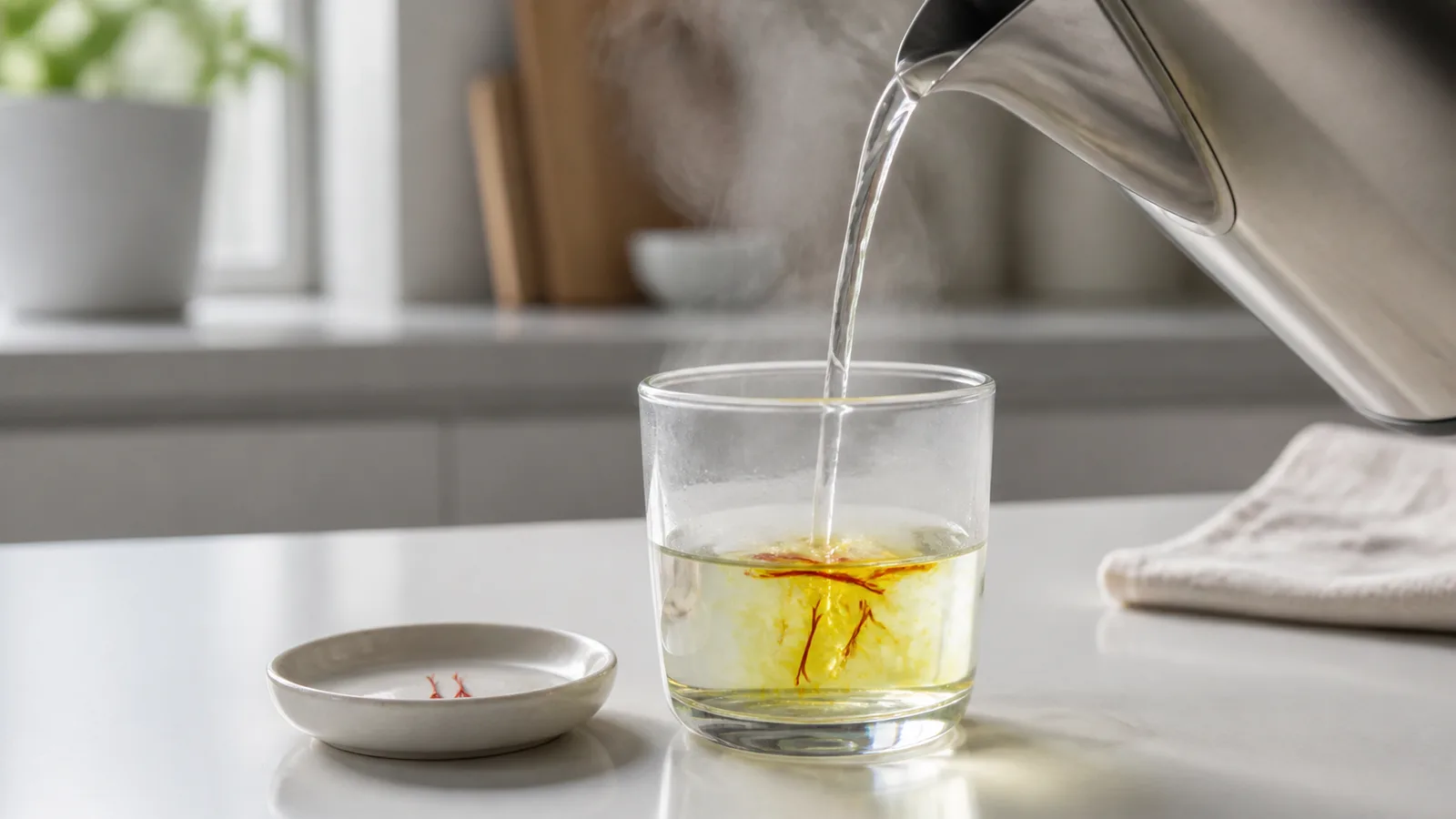
- Pour in the hot water, cover and steep for 5 to 10 minutes.
- Taste before adding anything else, then strain if you prefer a clear cup.
Covering the vessel helps retain heat and aroma. For a more detailed comparison of infusion techniques, see the best way to brew saffron.
Should the threads be crushed?
Light crushing increases the surface area exposed to water, so brewing saffron tea becomes quicker and more even. A mortar and pestle works well, but it must be clean; traces of coffee or strong spices can overwhelm the cup.
You can also use whole threads. They provide an attractive appearance and are easy to strain, though they may need a little more time to release their colour.
How many threads should you use?
Saffron is potent, and household thread counts vary because the stigmas differ in size. Use the amount given by a trusted recipe or begin with a small measured pinch for a cup, then adjust in later brews. Adding a large handful does not make a more refined tea; it can make the taste harsh.
A kitchen scale is more repeatable when preparing a larger pot or following a recipe by weight.
What should properly brewed saffron tea look and taste like?
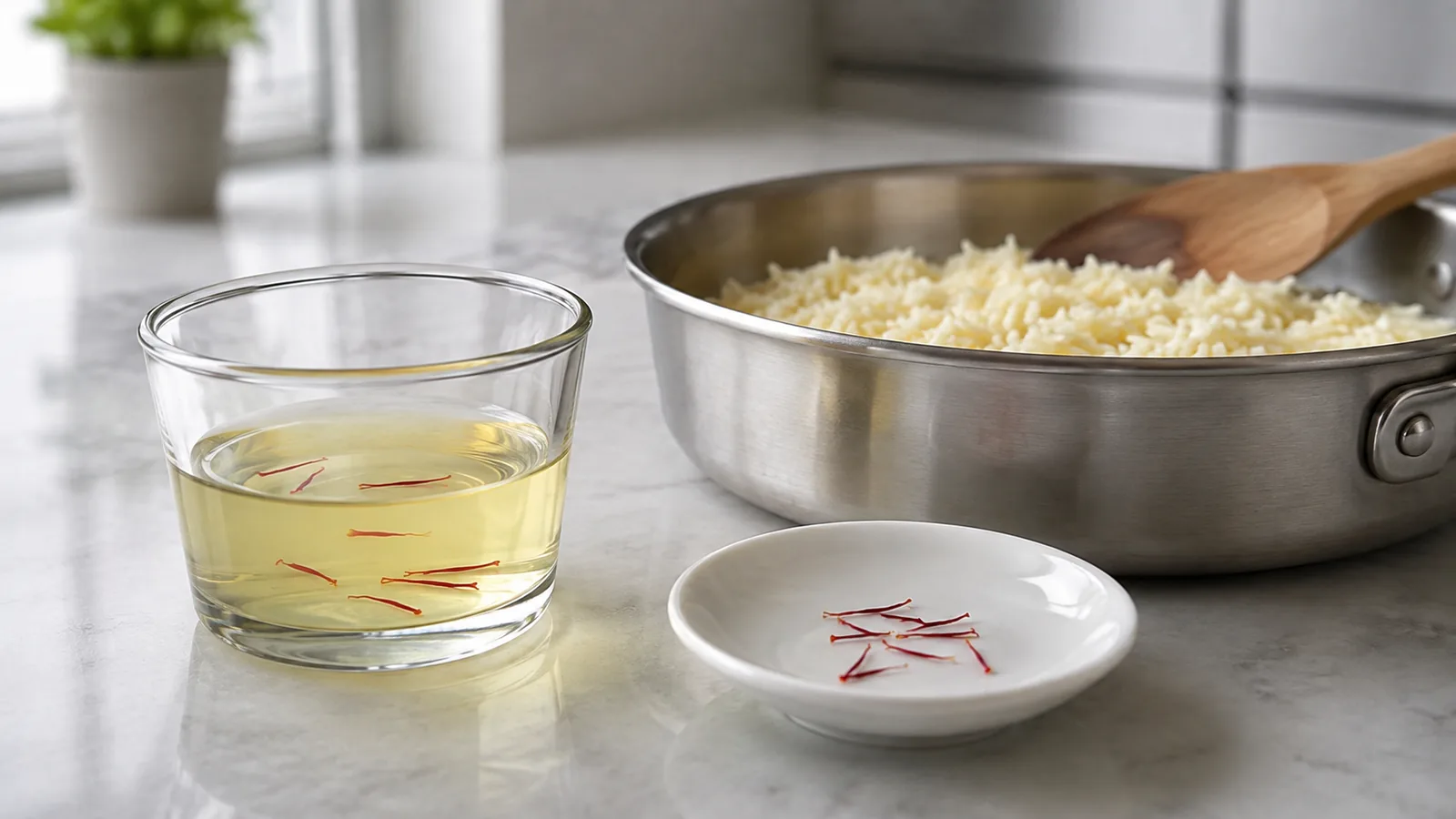
The liquid should develop a clear golden-yellow tone rather than an opaque or neon colour. The aroma is distinctive and floral, while the flavour can seem honeyed, earthy and gently bitter. It should not taste like turmeric, vanilla or a heavily perfumed syrup.
Old, damp or poorly stored threads may produce weak colour and aroma. Authentic saffron should still be handled carefully: good storage means keeping it airtight, dry and away from heat and direct light.
Adding honey, lemon or other tea
Honey softens bitterness, while a strip of lemon peel or a small squeeze of juice adds brightness. Add these after steeping so you can judge the saffron first.
Saffron can also be infused with black tea, green tea, ginger, cardamom, cinnamon or mild herbs that suit the drink. Brew each ingredient for the time it needs: delicate green tea may turn bitter if left too long, while sliced ginger can tolerate a longer infusion. Our guide to adding saffron to hot tea covers these combinations.
Can you make it on the stove?
Yes, but heat the water first, switch off the burner and then add the saffron. If other ingredients need simmering, cook those first. Add saffron for a final covered infusion after the pan comes off the heat.
For iced tea, brew a slightly concentrated cup with hot water, allow it to cool promptly and refrigerate it before serving over ice. Do not leave prepared tea standing at room temperature all day.
Common mistakes
- Boiling for the full brewing time: this drives aroma into the steam.
- Using too much saffron: excess threads can create bitterness.
- Leaving the cup uncovered: it loses heat and fragrance faster.
- Masking it immediately: strong sweeteners or spices make the brew harder to assess.
- Expecting artificial colour: genuine saffron normally develops a transparent golden tone.
The dependable method is simple: stop the boil, add lightly crushed saffron, cover and steep for 5 to 10 minutes. That gives the spice time to open up while keeping the tea clean, aromatic and pleasant to drink.