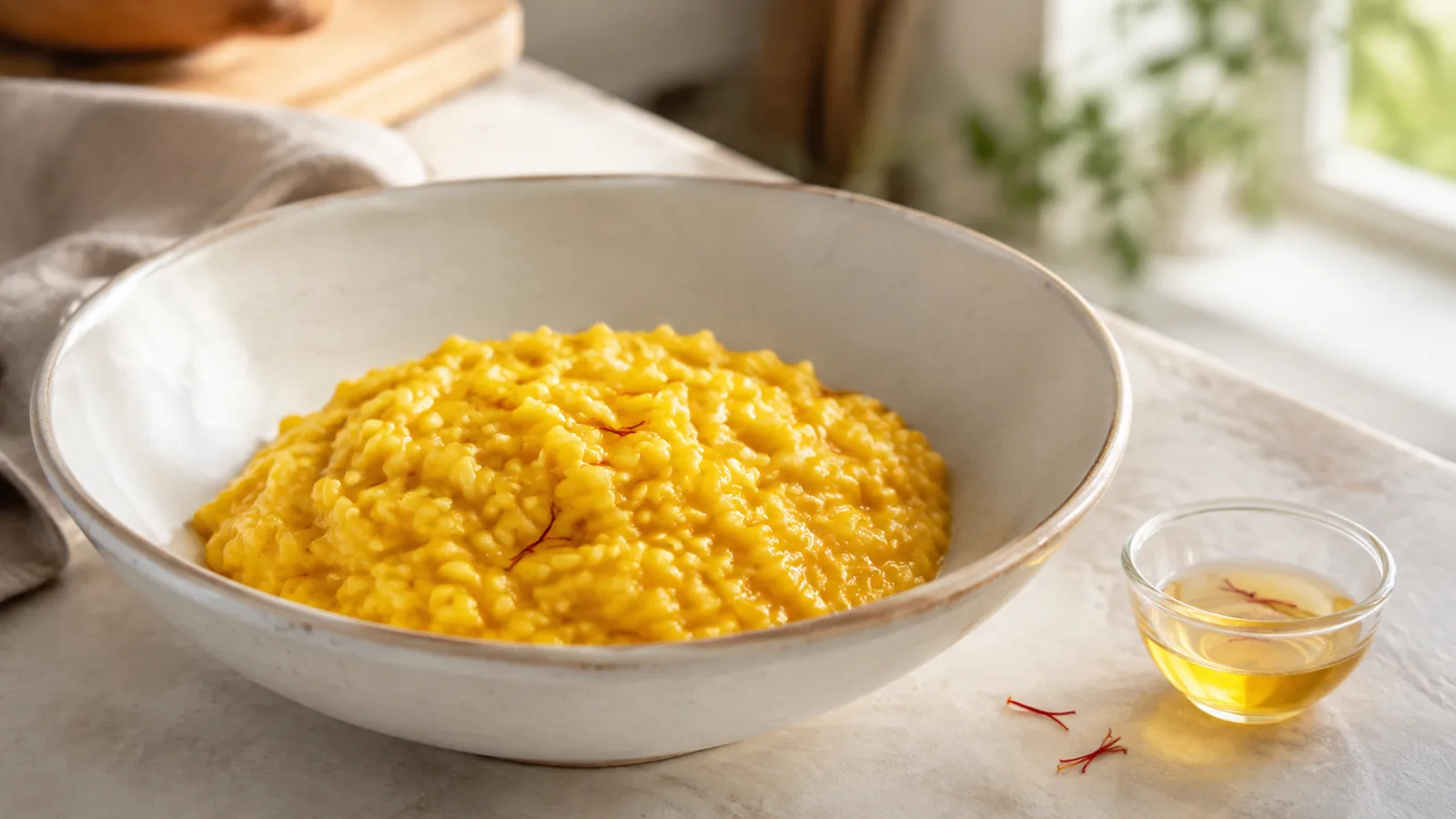
Easy saffron recipes should make the spice feel useful, not intimidating. These two measured dishes—a quick saffron chicken stew and a carrot-barberry pilaf—use familiar ingredients, one straightforward infusion and ordinary cookware. Make either recipe for four, or prepare them together when you want a colourful Persian-inspired dinner without an all-day project.
How to use saffron in these recipes
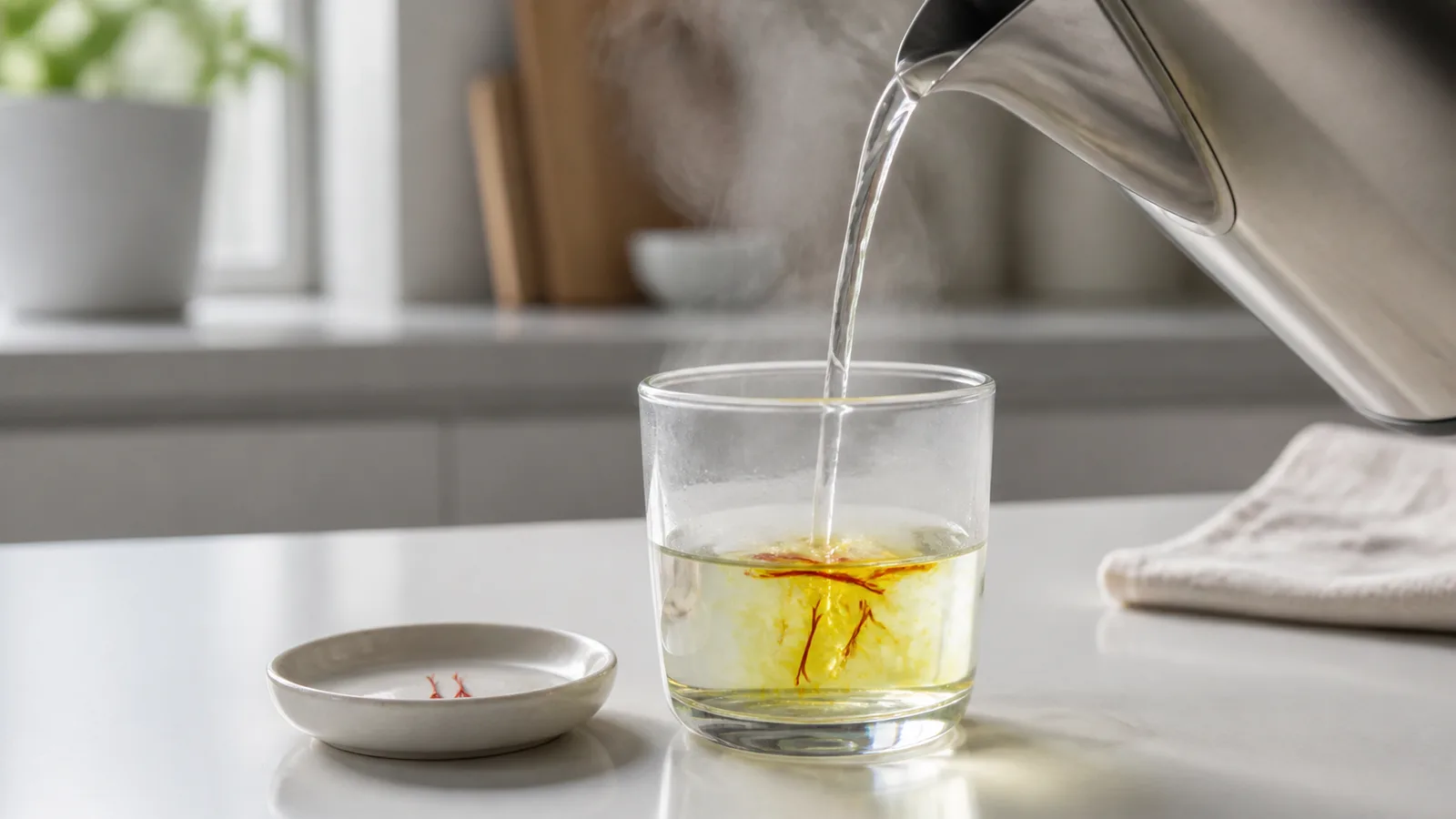
Whole saffron threads do release flavour, but grinding them lightly and steeping them first distributes that flavour much more evenly. For each recipe, grind the listed threads with a pinch of sugar, add the hot water, cover and leave for 15 minutes. The liquid should become a deep gold with a clean floral aroma.
Do not fry dry saffron in hot oil. Direct high heat can flatten its aroma, and burnt threads add bitterness. Our guide to brewing saffron for cooking explains how to prepare and hold the infusion if you want to make it earlier.
Recipe 1: easy saffron chicken stew
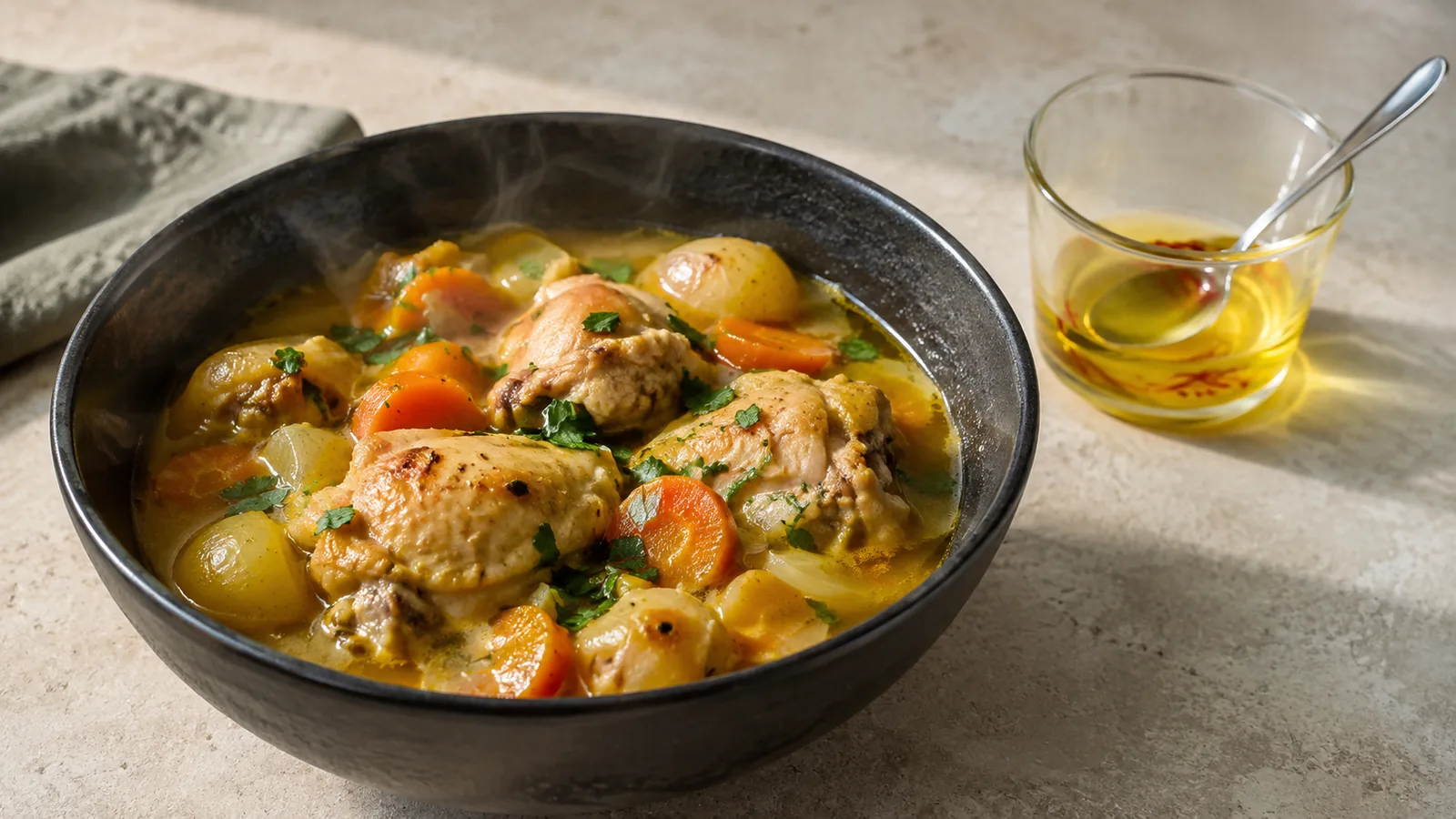
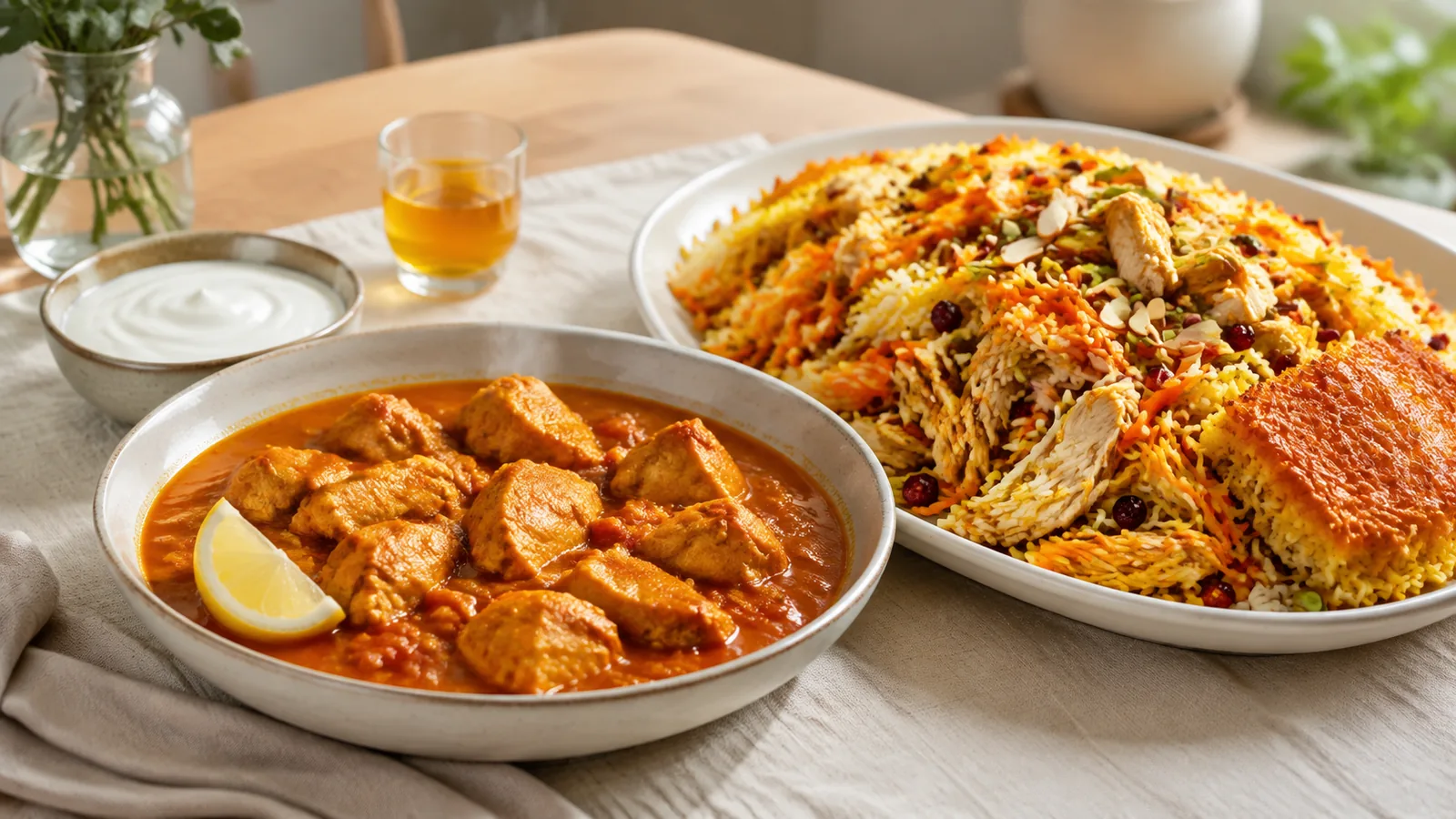
This is a light, tomato-based saffron chicken stew rather than a thick European-style stew. The sauce is brightened with lemon at the end and is meant to spoon over rice. Chicken thighs remain especially tender, although breast works if it is cut evenly and checked early.
Ingredients for four
- 600 g boneless, skinless chicken thighs or breast;
- 1 medium onion, finely sliced;
- 1 tablespoon neutral oil;
- 20 g unsalted butter, divided;
- 1 tablespoon tomato paste;
- 1/4 teaspoon saffron threads;
- 3 tablespoons hot water for brewing the saffron;
- 1/2 teaspoon turmeric;
- 1/2 teaspoon mild curry powder, optional;
- 250 ml unsalted chicken stock or water;
- 1–2 teaspoons fresh lemon juice;
- 3/4 teaspoon salt, plus more to taste;
- black pepper;
- lemon wedges and cooked basmati rice for serving.
Method
- Brew the saffron as described above. Cut the chicken into even 4 cm pieces and pat them dry. Keep the raw-chicken board and knife separate from anything that will be served uncooked.
- Heat the oil and half the butter in a wide saucepan over medium-high heat. Brown the chicken in two batches for 2–3 minutes per side. Transfer it to a clean plate; it will finish cooking in the sauce.
- Lower the heat to medium. Add the onion and a pinch of salt, then cook for 6–8 minutes until soft and lightly golden.
- Add the tomato paste, turmeric and optional curry powder. Stir for one minute, just until the paste darkens slightly and no raw spice remains.
- Pour in the stock, scraping the browned flavour from the base of the pan. Return the chicken and any juices to the sauce.
- Cover partly and simmer gently for 10–15 minutes. Check the thickest piece with a food thermometer; poultry should reach 74°C/165°F.
- Stir in the brewed saffron and remaining butter. Simmer uncovered for 2 minutes, then remove from the heat and add one teaspoon of lemon juice.
- Taste before adding more lemon, salt or pepper. Rest for 5 minutes and serve with rice and fresh lemon wedges.
Adding all the lemon early can make the sauce taste sharp after it reduces. Finish with a small amount, taste and adjust. If you want a thicker sauce, reduce it uncovered before the saffron goes in rather than adding flour.
For a pan-style version with roasted vegetables and an optional saffron sauce, see our complete saffron chicken recipe.
Recipe 2: saffron carrot pilaf with barberries
Saffron carrot pilaf combines separate grains of rice with sweet carrot, tart barberries, cooked chicken and a crisp potato tahdig. The sugar is optional: carrots already bring sweetness, and many cooks prefer the sharper contrast of unsweetened barberries.
Ingredients for four to six
- 400 g basmati rice;
- 300 g cooked shredded chicken;
- 350 g carrots, peeled and cut into thin matchsticks;
- 50 g dried barberries;
- 35 g slivered almonds;
- 25 g slivered pistachios;
- 1/3 teaspoon saffron threads;
- 4 tablespoons hot water for brewing the saffron;
- 30 g unsalted butter, divided;
- 2 tablespoons neutral oil, plus 2 tablespoons for the pot;
- 1 tablespoon sugar, optional;
- 1 teaspoon lemon juice;
- 1/4 teaspoon turmeric;
- 1 large potato, peeled and thinly sliced;
- salt and black pepper.
Rinse and parboil the rice
- Rinse the rice in cool water several times until the water is much clearer.
- Cover with cool water and 1 tablespoon salt. Soak for 1 hour, then drain.
- Bring a large pot of water to a vigorous boil. Add the rice and cook for 5–7 minutes.
- Test a grain: the outside should be tender but the centre should still have a firm white point. Drain at once and rinse briefly with lukewarm water.
Prepare the carrot and barberry filling
- Pick through the barberries, rinse them in a fine sieve and pat dry. Their folds can hold dust or grit.
- Heat 1 tablespoon oil and 10 g butter in a wide pan. Add the carrots, turmeric and a pinch of salt. Cook over medium heat for 6–8 minutes until flexible but not mushy.
- Add the shredded chicken and half the brewed saffron. Toss for 2 minutes, season with pepper and transfer to a bowl.
- Melt another 10 g butter in the pan. Add the barberries and optional sugar; stir for only 30–45 seconds. Remove immediately so they do not burn.
- Toast the almonds for one minute in the warm pan. Keep the pistachios aside for serving so their green colour stays fresh.
Layer and steam the pilaf
- Put 2 tablespoons each of oil and water in a clean heavy pot. Arrange the potato slices in one snug layer across the base.
- Spoon one-third of the rice over the potatoes. Add half the carrot-chicken mixture, then repeat. Finish with rice and mound it loosely rather than pressing.
- Make several steam holes with the handle of a spoon. Dot the top with the remaining butter.
- Wrap the lid in a clean tea towel, cover and cook over medium heat for 8 minutes. Reduce to low and steam for 35–40 minutes.
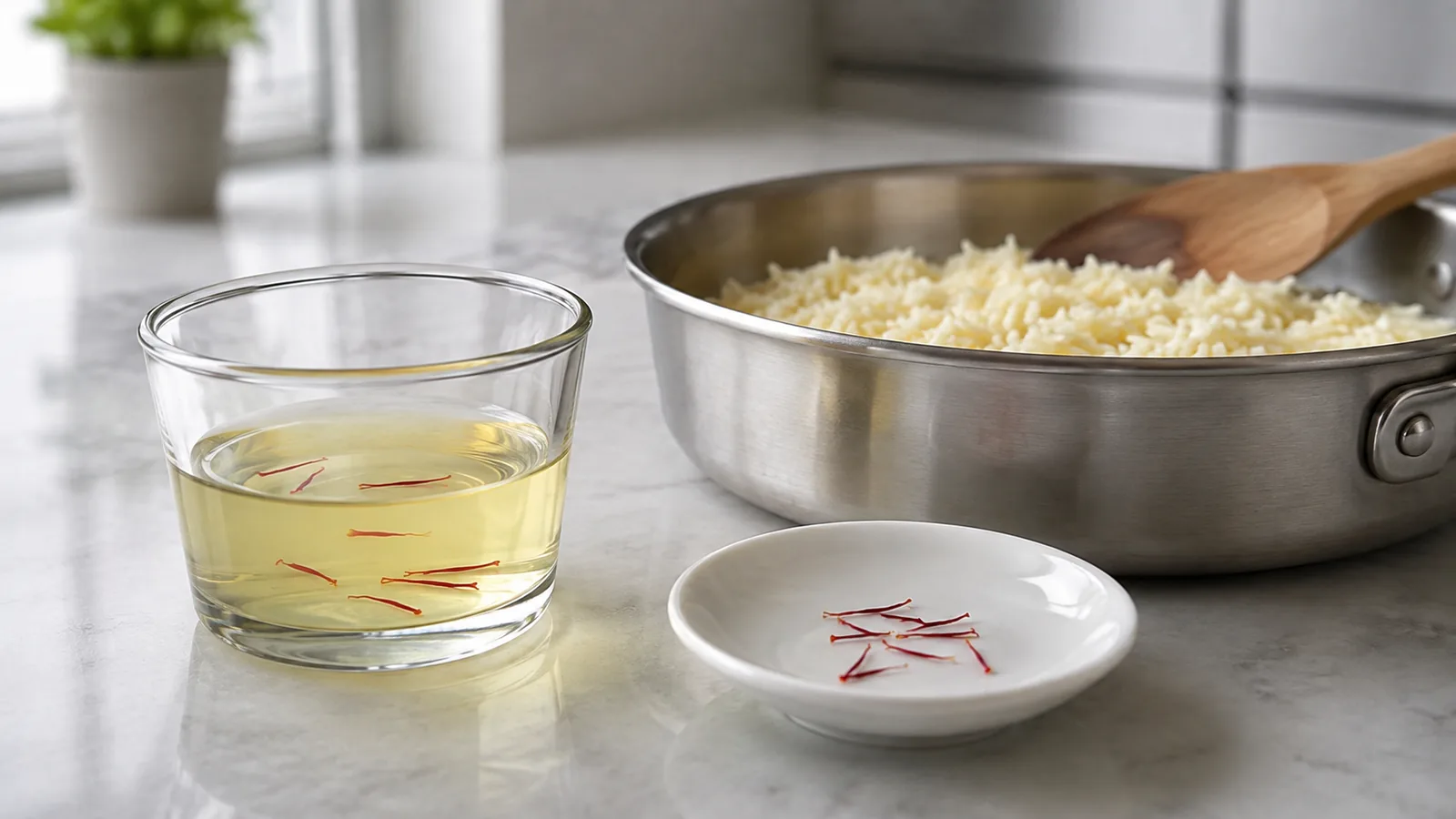
- Mix about 1 1/2 cups of the cooked rice with the remaining saffron infusion and lemon juice.
- Fold the plain, saffron and carrot rice together gently on a wide platter. Top with barberries, almonds and pistachios. Lift out the potato tahdig and serve it separately.
For a simpler version that puts barberries at the centre, our saffron rice with barberries guide gives the method without carrots.
How to cook both recipes for one meal
You do not need two full batches of chicken. Cook 900 g in the stew, then lift out about 300 g once it reaches temperature and before the final lemon is added. Shred that portion for the pilaf. Continue the stew with the remaining chicken while the rice steams.
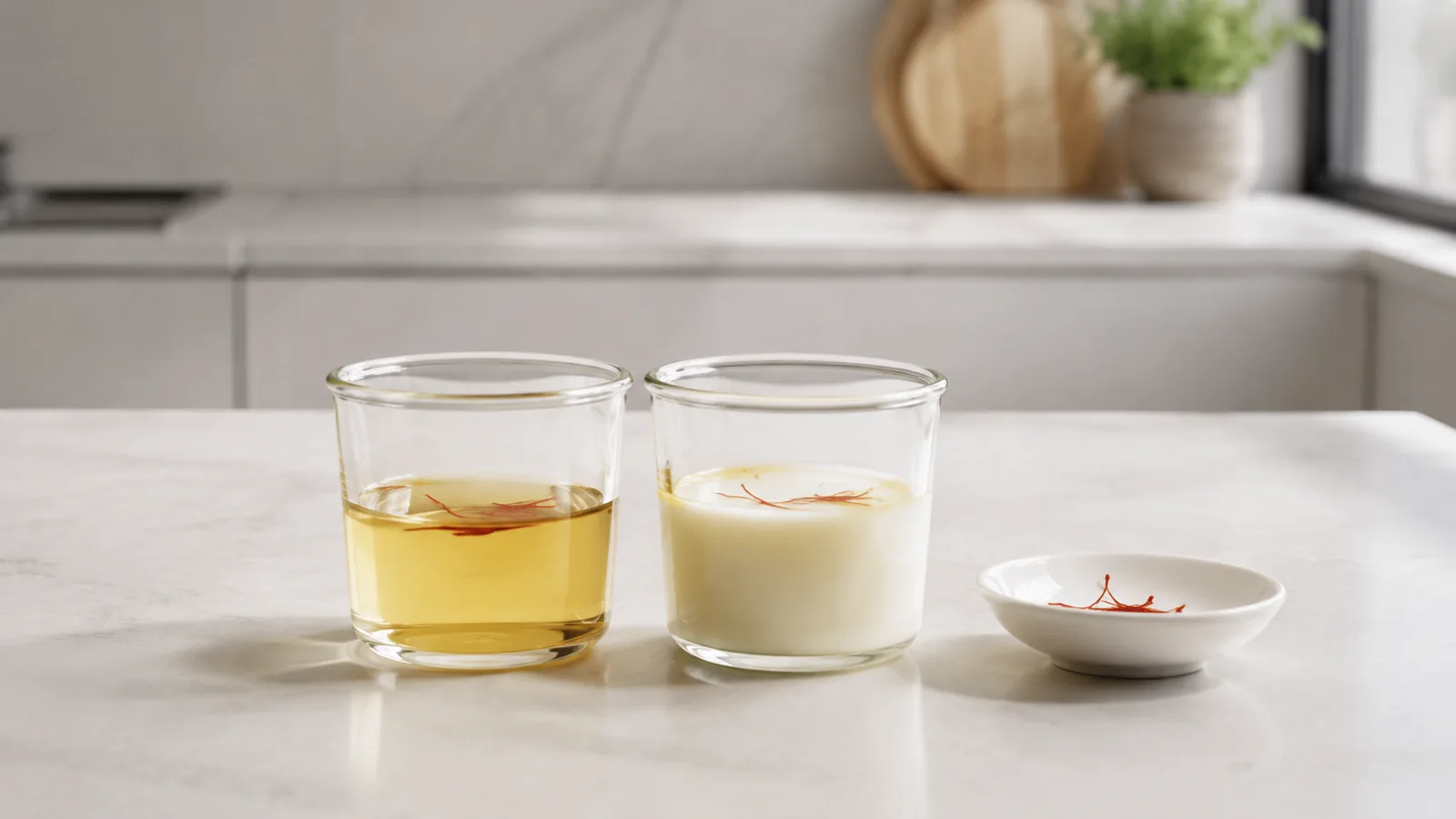
- Brew both saffron infusions first and keep them covered in separate cups.
- Start soaking the pilaf rice, then chop the onions and carrots.
- Brown the chicken and build the stew sauce.
- While the stew simmers, prepare the carrot-barberry mixture and parboil the rice.
- Once the pilaf is steaming on low, finish the stew and set the table.
If this feels like too much food, make one recipe and add a salad, plain yoghurt and fresh herbs. The goal of an easy saffron dinner is a good meal with manageable timing, not the largest possible spread.
Useful substitutions
Can I make the pilaf without chicken?
Yes. Omit the chicken and increase the almonds to 50 g. Add 200 g cooked chickpeas to the carrots for a more substantial meat-free pilaf. Check the seasoning after adding them; chickpeas dilute the salt and saffron.
Can I leave out barberries?
Use 40 g unsweetened dried cranberries, but expect a different flavour. Chop large cranberries so they distribute evenly, and omit the sugar. Raisins are sweeter and will move the dish away from its intended tart balance.
Can I use ground saffron?
Yes, if it is pure saffron rather than a mixed seasoning. Use the same volume, steep it in hot water and pour carefully so any coarse sediment stays in the cup. Pre-ground spice loses aroma faster, so check its scent before cooking.
Common problems with simple saffron dishes
The chicken is dry
The pieces were probably small, cooked in one crowded batch or simmered too long. Brown evenly sized pieces in batches and use temperature, not colour alone, to decide when they are done. Chicken breast needs less time than thigh.
The pilaf is sticky
Drain the rice while its centre is still firm and do not compress the layers. If the grains are fully soft before steaming, no later step can restore their structure. A wide platter also makes final folding gentler.
The saffron tastes bitter
Too much saffron, scorched dry threads or burnt barberries can all create bitterness. Use the measured quantity, brew it away from direct heat and add most of it late. A small infusion should smell clear and floral, not harsh.
The carrot pilaf is too sweet
Leave out the optional sugar and increase the barberries by 10–15 g. Lemon should brighten the dish, but do not pour in enough to make the rice wet. Sweetness is a preference, not a requirement.
Storage and reheating
Cool cooked food promptly and refrigerate it in shallow covered containers within two hours. Store the stew and rice separately for up to three or four days. Reheat the stew to a full simmer and warm rice until steaming throughout, adding a spoonful of water so the grains do not harden.
Freeze the chicken stew without lemon for up to two months, then thaw in the refrigerator and finish with saffron and lemon after reheating. Pilaf can be frozen, but pistachios and tahdig lose their best texture; add fresh nuts and make a new crisp side if presentation matters.
Two practical ways to start cooking with saffron
These easy saffron recipes show two useful techniques you can carry into other meals. The chicken stew uses saffron to finish a sauce; the carrot pilaf uses it to colour and perfume selected rice. Neither depends on a large dose. A careful infusion, sensible heat and ingredients that leave room for the spice will give you a better result than adding more threads to an unfocused dish.