Yes, saffron can go bad, but dry saffron usually loses strength before it visibly spoils. A clean, dry jar may simply deliver less aroma, flavour and golden colour as it ages. Discard the saffron if you find moisture, mould, insects, contamination, a damaged seal with an uncertain history or a distinctly abnormal smell.
Does Saffron Go Bad?
A realistic saffron shelf life has two parts: how long the spice keeps good cooking quality and whether the contents remain wholesome. The compounds behind its colour, bitterness and aroma change during storage. That does not mean every thread becomes unsafe on one universal date. The package wording, whether it has been opened, its storage conditions and its condition today all belong in the decision.
For ordinary household planning, aim to use an opened jar of well-stored threads within about one to two years for its best culinary quality. Some properly packed saffron remains useful longer, while a jar exposed to light, steam or repeated heat can fade much sooner. Follow any shorter period or specific storage direction printed by the producer.
How Long Does Saffron Last?
An Unopened Pack
An unopened commercial pack should be judged first by its label and the integrity of its seal. The date reflects the product and packaging assessed by that producer. Keep the pack in the conditions named on the label; a best-before period assumes that the package has not been damaged or stored in a hot, damp place.
Once the Pack Is Open
Opening introduces fresh air and creates opportunities for humidity or kitchen residue to enter. Whole threads kept airtight, cool, dark and dry can remain useful for years, but quality is easiest to protect when the working jar is small and opened briefly. Write the opening date on the container if the original package does not make it easy to remember.
Whole Threads and Powder
Whole saffron threads are easier to inspect and expose less surface area than pre-ground saffron. Powder can be genuine, yet it usually gives fewer visual clues and more of it meets air whenever the pack is opened. Buy only the amount you expect to use and keep the reserve sealed.
What Does the Expiry Date Mean?
Does saffron expire? It can lose quality and it can spoil, but a saffron expiry date needs the wording beside it. In US guidance, the Food and Drug Administration describes “Best if Used By” as a quality-based label: it marks the period of expected flavour and quality rather than making every food unsafe on the next day. Labelling rules and wording differ between markets, so the actual pack remains your starting point.
A date is not permission to ignore the condition of the food. It is also not a reason to promise that any old saffron is harmless. An intact dry product just past a quality date and a damp open jar of unknown history are very different cases.
Signs That Saffron Should Be Discarded
- Visible mould or fuzz: discard the entire contents rather than removing the affected threads.
- Dampness or condensation: unexpected moisture, wet clumps or sticky threads mean the dry-storage condition has failed.
- Insects or foreign material: webbing, larvae, droppings, grit or unexplained debris make the pack unsuitable.
- An abnormal odour: musty, sour, rancid, chemical or strongly contaminated smells are not ordinary saffron ageing.
- A compromised package: water damage, a split pouch, a loose seal or an unknown storage history lowers confidence in the contents.
- A recall or explicit discard instruction: follow the producer or food-safety authority even if the threads look normal.
Do not taste questionable saffron to test its safety. Heating mouldy or contaminated threads does not turn them into a sound ingredient.
Faded Saffron Is Not Always Spoiled Saffron
Colour, aroma and taste do not all change at the same pace. Research comparing fresh and stored saffron found that two years of storage altered its chemical and sensory profile, including changes in crocins, picrocrocin and volatile compounds. The practical lesson is simple: age can make saffron different and weaker without producing one visual moment called “expired.”
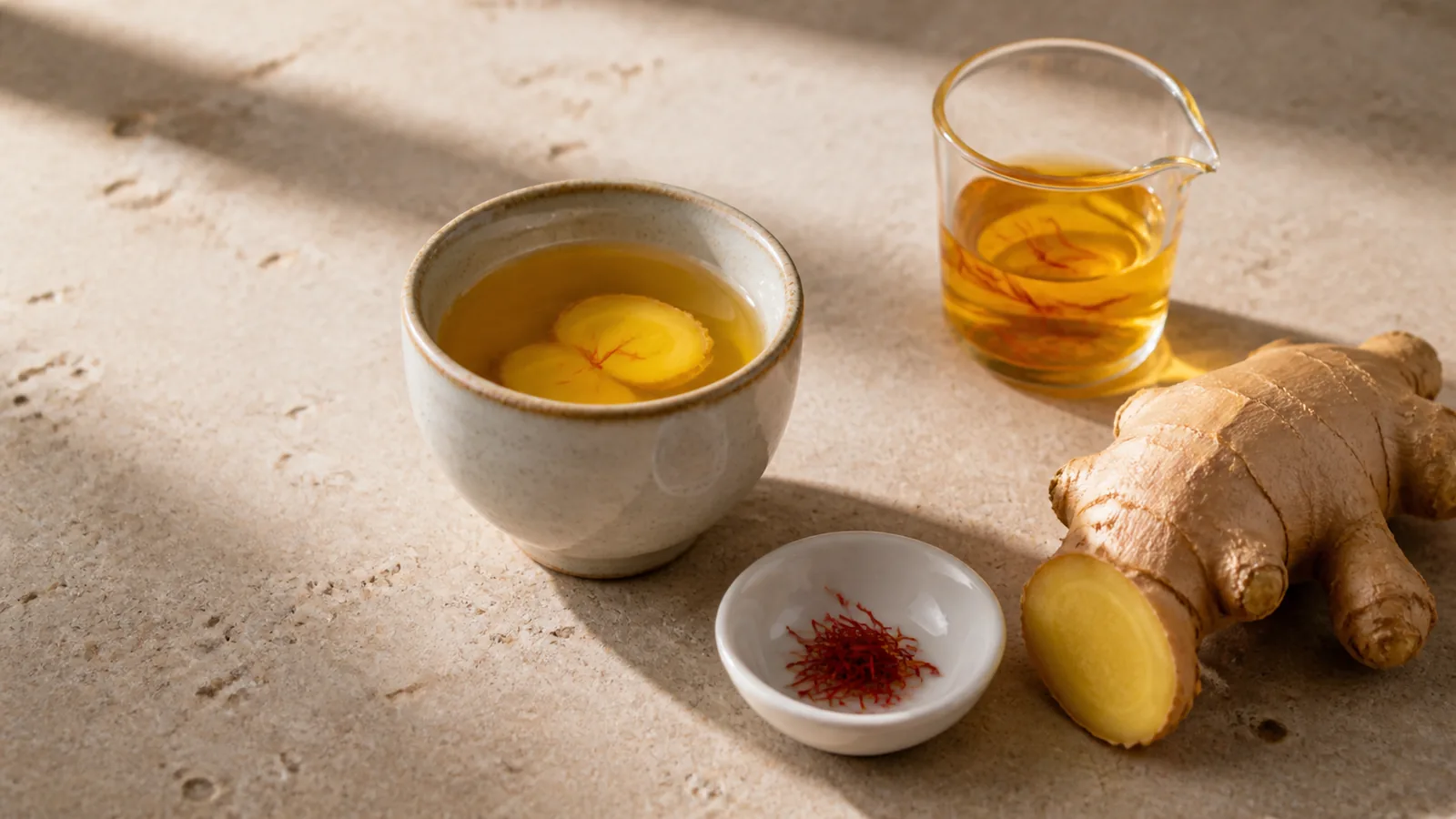
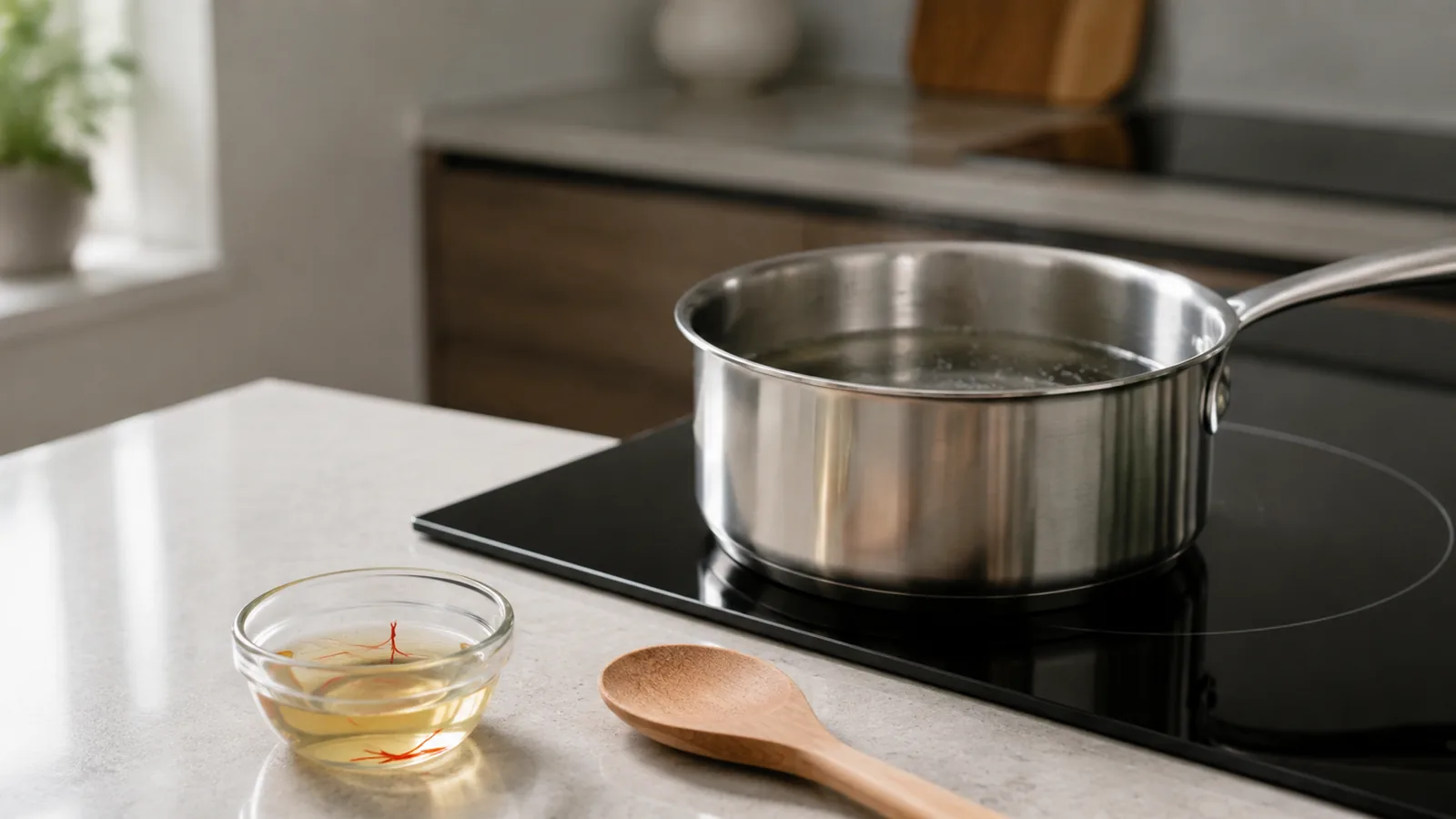
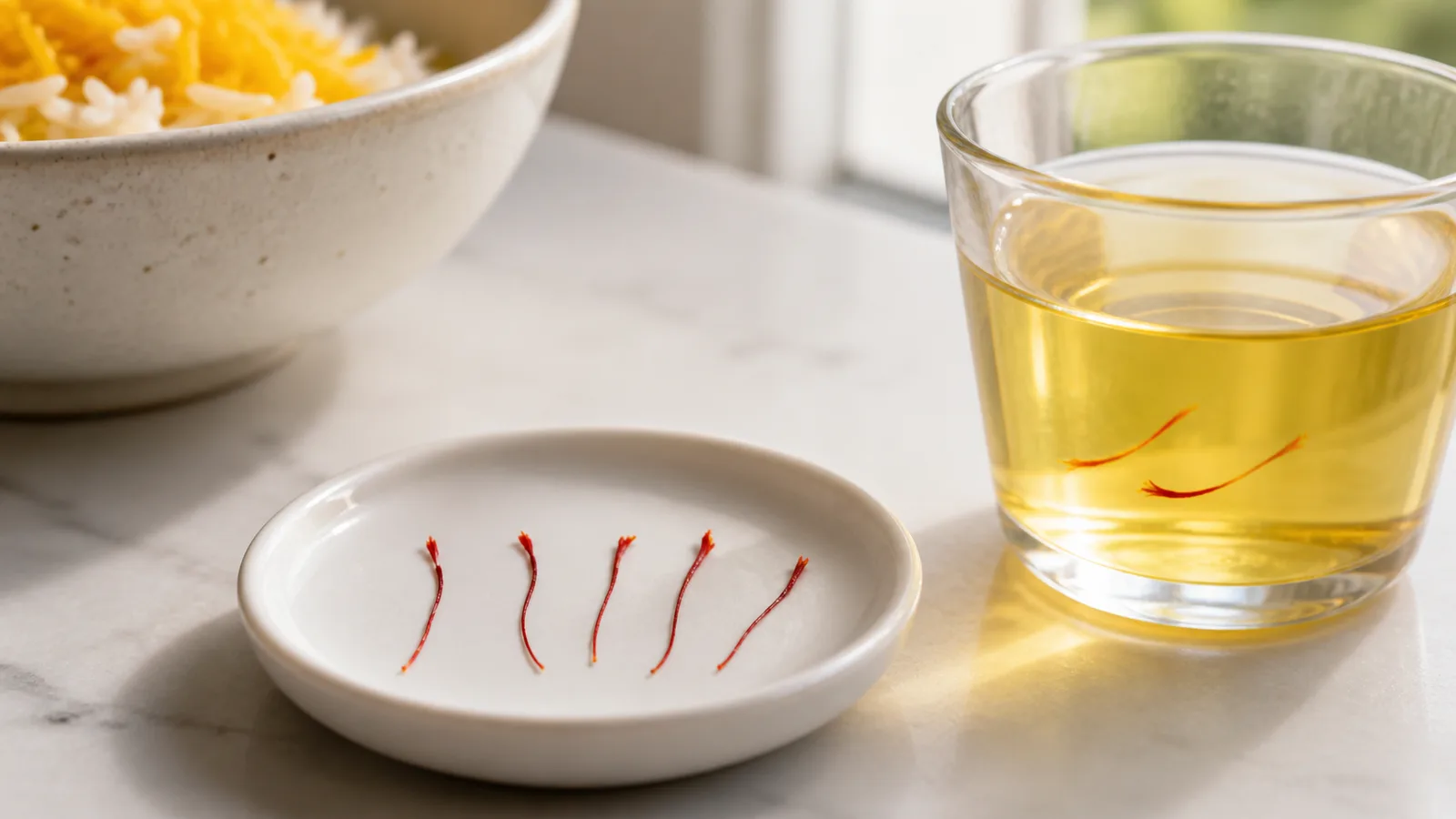
If the pack is dry, clean, sound and normal-smelling, test its culinary strength with a small measured infusion. Crush a few threads, steep them in warm water and compare the aroma and golden colour with what the same quantity produced when fresh. A weak result tells you that quality has fallen; it does not prove the cause, purity or safety of the batch.
Natural thread colour varies, so pale-looking material alone is not a complete test. Strong red colour alone is not proof of freshness either. Storage history, aroma, infusion performance and contamination signs should be considered together.
Can You Use Expired Saffron?
If “expired” means a quality date has recently passed, the seal and storage history are reliable, and the threads remain dry, clean and normal-smelling, they may still be usable in cooking. Expect less colour or flavour and test a small recipe amount first. If the label gives a safety-based instruction, or any discard sign is present, replace it.
There is no single medical condition called a side effect of expired saffron. Age alone mainly affects quality; the possible risk comes from whatever damaged or contaminated the product. If someone feels unwell after eating suspect saffron, stop using it, keep the package details and seek appropriate medical or food-safety advice.
Do not use questionable expired saffron on the face or in a homemade skin preparation simply to avoid wasting it. A food product that is too uncertain to cook with does not become a tested cosmetic.
What About 20-Year-Old Saffron?
A 20-year-old jar is far outside an ordinary household quality window. Even if it looks dry, its strength and storage history are difficult to establish, and an opened or poorly documented jar is not worth relying on. Retire it rather than trying to compensate by adding a larger amount to food.
How to Store Saffron Properly
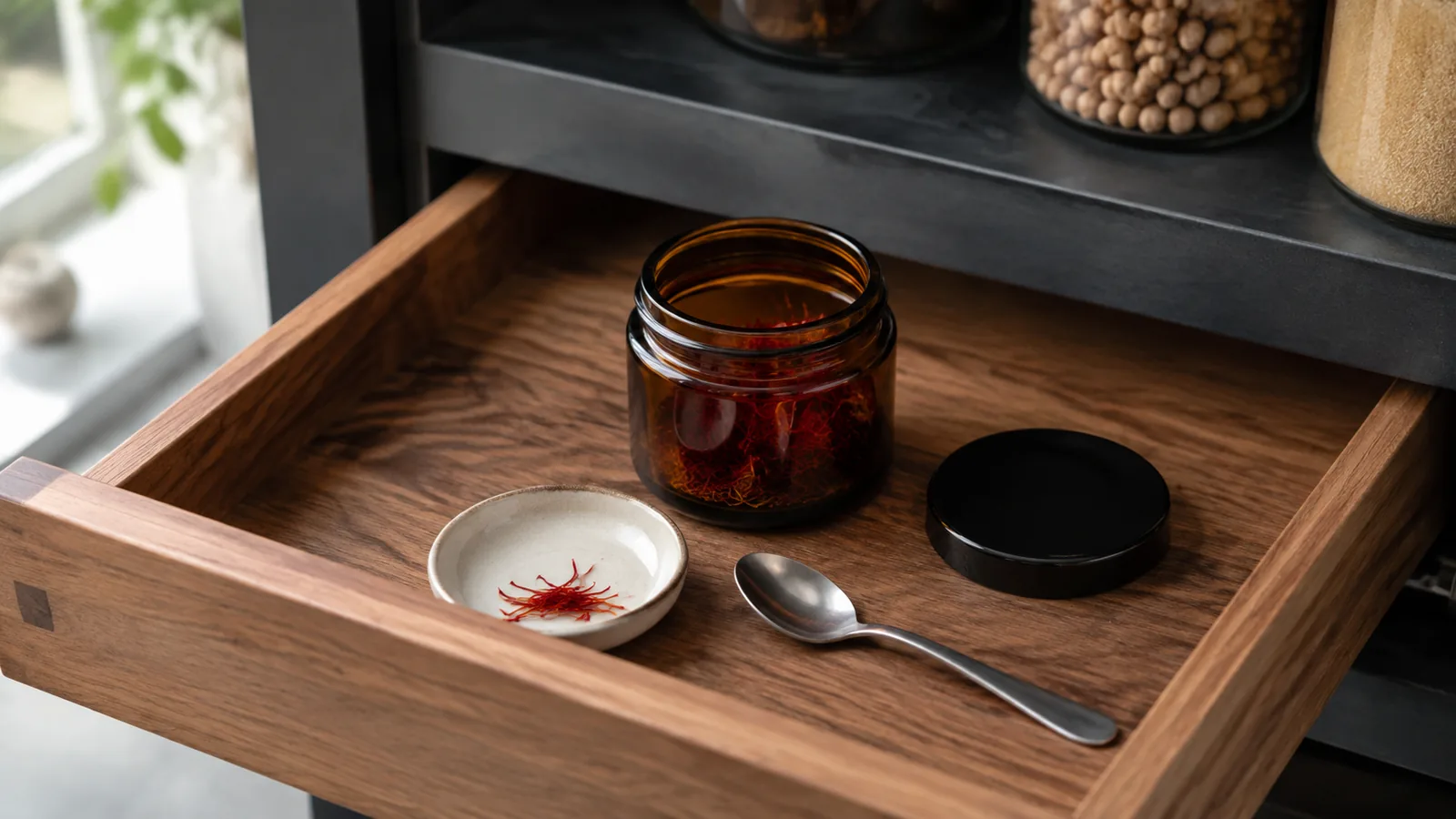
- Keep completely dry threads in a clean, food-safe container with a tight seal.
- Use an opaque container or place a clear jar inside a closed cupboard.
- Choose a stable, cool spot away from a sunny window, cooker, oven, dishwasher and kettle.
- Measure with clean, dry fingers, a spoon or tweezers; never hold the open jar over steam.
- For a larger purchase, divide the saffron into small sealed portions and open only one working portion at a time.
- Keep the lot, packed date, best-before date and opening date with the container.
Dry saffron does not normally need refrigeration. Repeatedly opening a cold jar in warm, humid air can create condensation. If the producer specifically requires cold storage, keep the container fully sealed and allow it to reach room temperature before opening.
This advice applies to dry threads or powder. Brewed saffron contains water and does not share a one-to-two-year pantry life. Our guide to the best methods for storing saffron separates dry-spice storage from prepared infusions.
The Short Answer
Saffron does expire as a quality product, and it can spoil when moisture or contamination reaches it. Use opened, properly stored threads within about one to two years for dependable cooking quality, while respecting the date and directions on the pack. Replace weak saffron when flavour matters; discard saffron that is damp, mouldy, infested, strangely scented or otherwise uncertain. For a fresh, traceable supply, see the current saffron range.