Is saffron better than vitamin C? No single ranking makes sense because they are fundamentally different. Vitamin C is an essential nutrient that the human body must obtain from food. Saffron is a spice containing compounds being studied for particular health effects. Saffron cannot replace vitamin C, and vitamin C does not provide saffron’s colour, aroma or flavour.
A useful saffron vs vitamin C comparison starts with the job you want each one to do. For meeting a vitamin C requirement or preventing deficiency, vitamin C is the relevant choice. For cooking with saffron or understanding research on saffron extracts, the question is different.
Vitamin C has an established nutritional role
Vitamin C, or ascorbic acid, is water soluble and essential because humans cannot make it. The NIH Office of Dietary Supplements fact sheet explains that vitamin C is required for collagen, L-carnitine and certain neurotransmitters. It also participates in immune function, acts as a physiological antioxidant and improves absorption of non-heme iron from plant foods.
That is why severe deficiency causes scurvy and weakens connective tissue. It is also why vitamin C matters for wound healing, tissue repair, skin, bones and blood vessels through collagen synthesis. Vitamin C also participates in the body’s handling of free radicals. “Supports immune function” does not mean a supplement prevents infections, and more is not automatically better once nutritional needs are met.
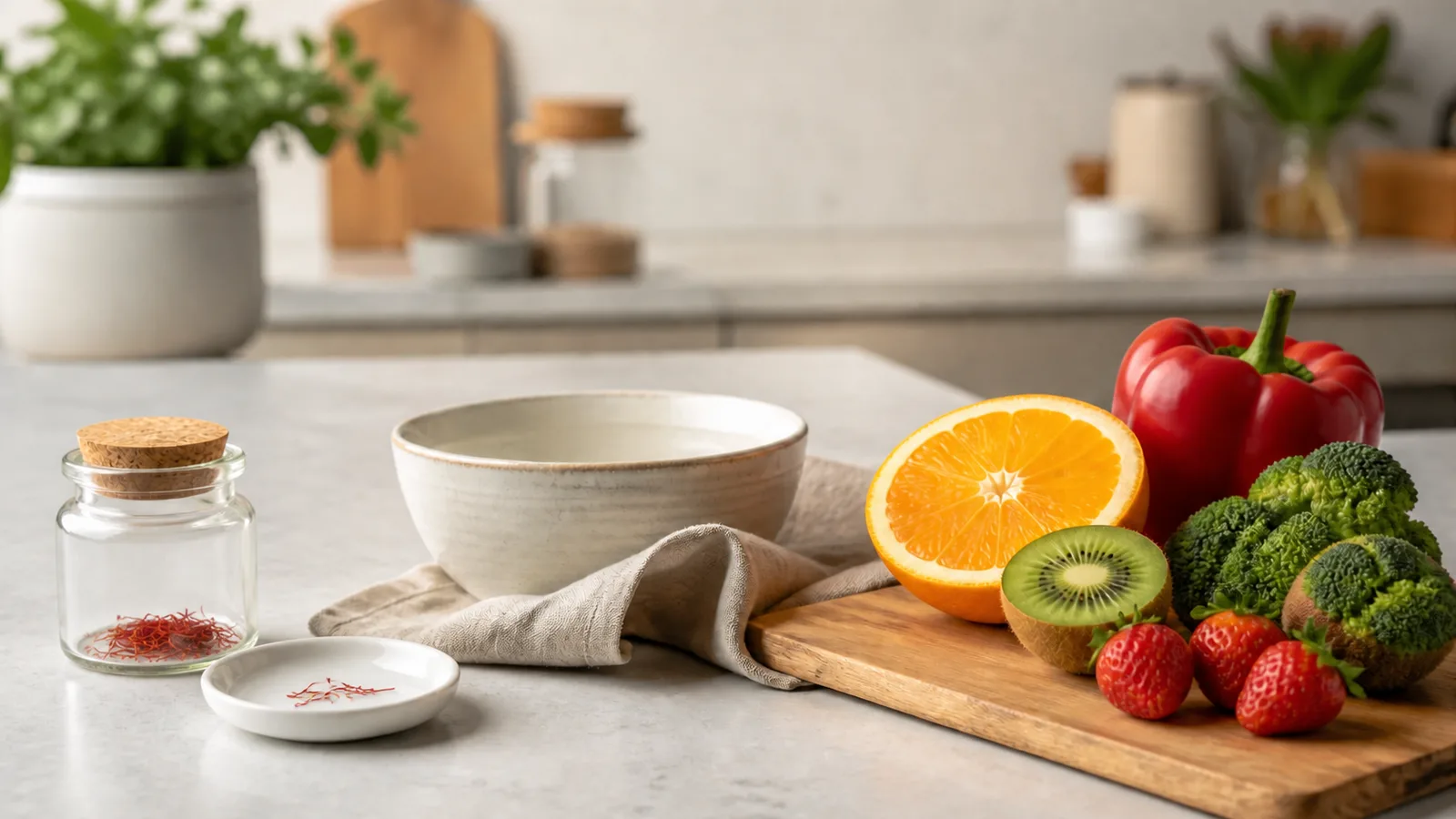
For adults, the U.S. recommended dietary allowance is 90 mg per day for men and 75 mg for women, with different recommendations during pregnancy and breastfeeding and an additional 35 mg for people who smoke. Fruits and vegetables—including citrus, peppers, kiwifruit, broccoli and strawberries—are the main food sources.
What saffron contributes
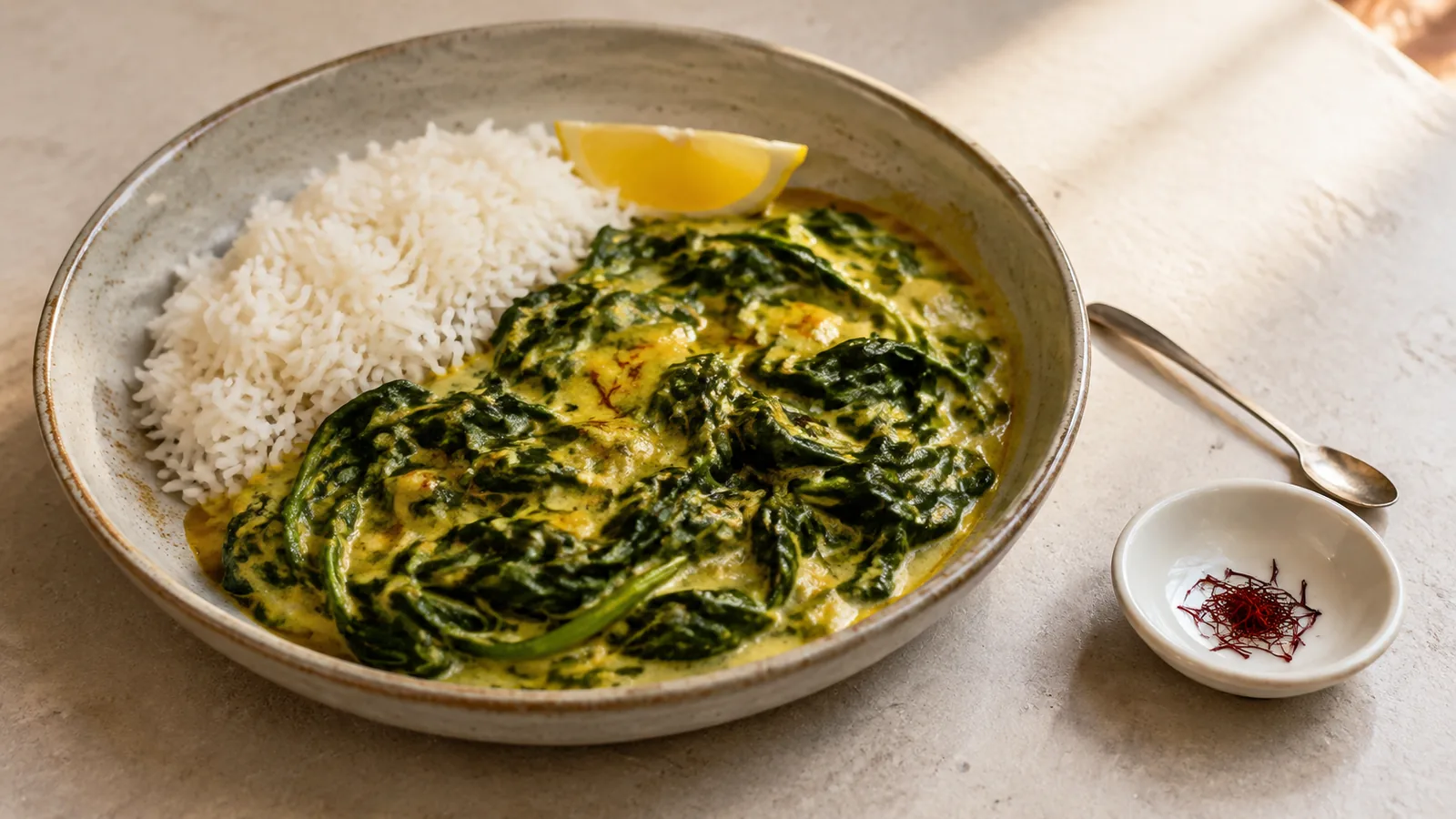
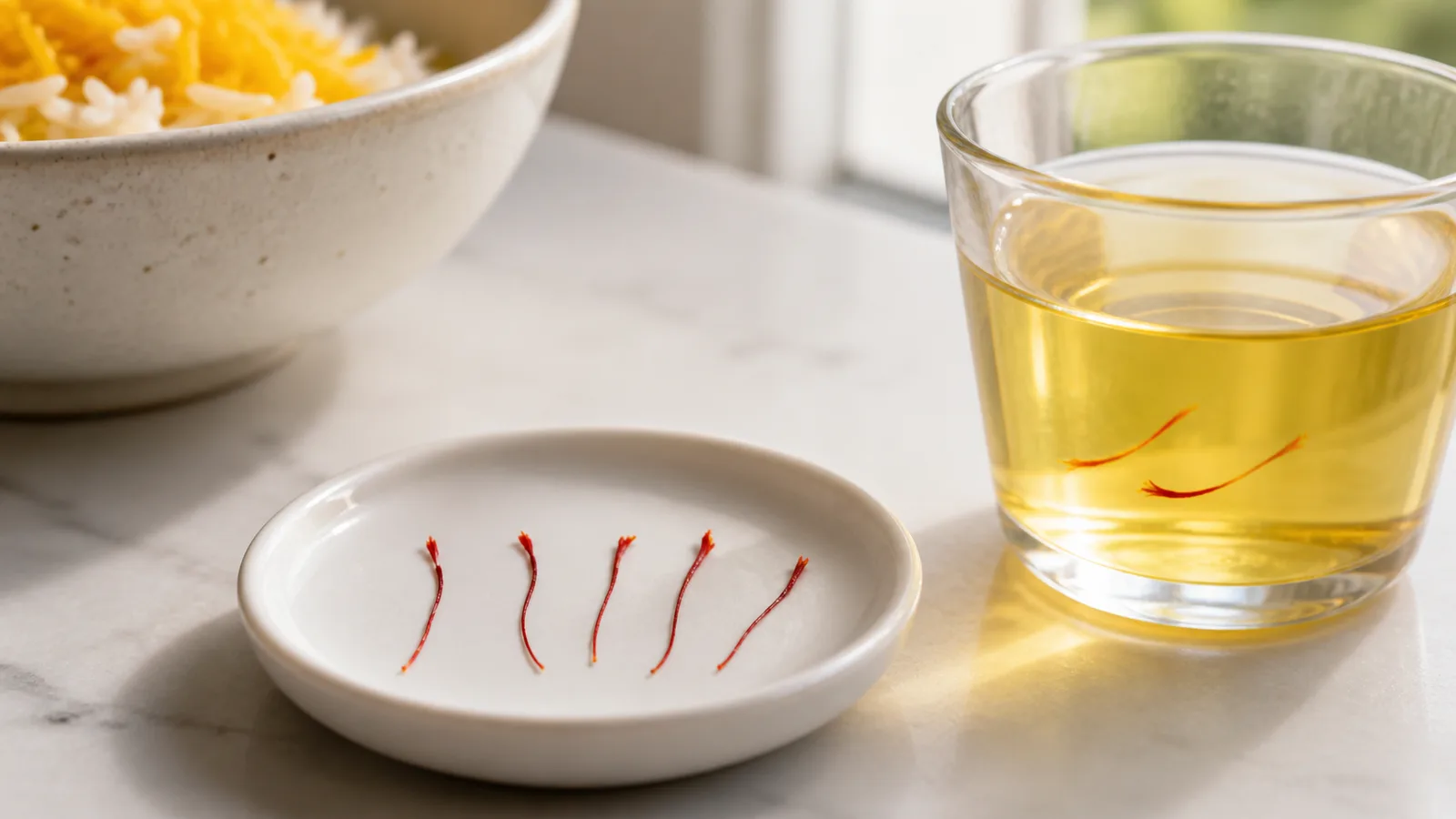
Saffron is the dried stigma of Crocus sativus. Crocin, crocetin and safranal are among its best-known constituents. They are not substitutes for ascorbic acid, and saffron is not an essential vitamin. Its ordinary culinary strengths are sensory: a small amount gives food a distinctive aroma, golden colour and flavour.
Standardized saffron extracts have also been tested for mood, depression, anxiety, sleep and cognitive outcomes. A 2026 meta-analysis of 34 mood and anxiety trials found improvements on some self-reported scales, while several clinician-rated measures were not significantly different. The studies varied considerably. That is promising research, not proof that saffron broadly enhances mental or physical well-being.
Saffron’s antioxidant activity is often used to make wider anti-inflammatory claims about cellular protection and premature ageing. An eight-trial meta-analysis of inflammatory markers found no significant overall change in CRP, TNF-α or IL-6. Laboratory antioxidant activity should not be turned into a promise that eating saffron prevents ageing or cognitive decline.
Vitamins in saffron do not make it a vitamin C source
Food-composition listings may show vitamins in saffron when calculated per 100 grams. That presentation is misleading for everyday use: saffron is normally eaten in tiny culinary amounts, not by the hundred grams. The actual vitamin contribution from a few threads is correspondingly small and can vary with the product.
If the goal is vitamin C, choose fruits, vegetables or another source whose vitamin C content is meaningful at the amount eaten. Do not count saffron toward treatment of a diagnosed deficiency unless a qualified dietitian or clinician has assessed the complete diet.
Saffron health benefits compared with vitamin C
For collagen, wound healing and vitamin C deficiency
Vitamin C is the clear answer. Its role in collagen synthesis is established, and saffron does not replace it. A skin-care or “anti-ageing” claim for saffron is not equivalent to meeting the body’s vitamin C requirement.
For immune function
Vitamin C has a recognized physiological role in immune function. Correcting inadequate intake matters, but taking large doses is not a guarantee against illness. Saffron has no established role as an essential immune nutrient and should not be presented as the stronger immune defence.
For mood, stress or anxiety
Saffron extracts have more direct clinical research in this area than vitamin C, but the evidence is mixed and product-specific. That does not make saffron “better for health” overall. It means the two substances answer different questions. A person with persistent mood or anxiety symptoms should keep established care in place rather than choosing between supplements.
For cognitive health
Both vitamin C status and saffron compounds appear in research on oxidative stress and cognition, but neither should be advertised as preventing cognitive decline. A 2024 review of saffron trials across neurological and psychiatric outcomes found a varied evidence base involving different conditions, products and treatment periods. That is not a universal prevention result.
For everyday food
They can comfortably coexist. A dish can use saffron for flavour while vegetables or fruit provide vitamin C. There is no nutritional contest, and combining the two does not create a special synergistic treatment.
Can you take saffron and vitamin C together?
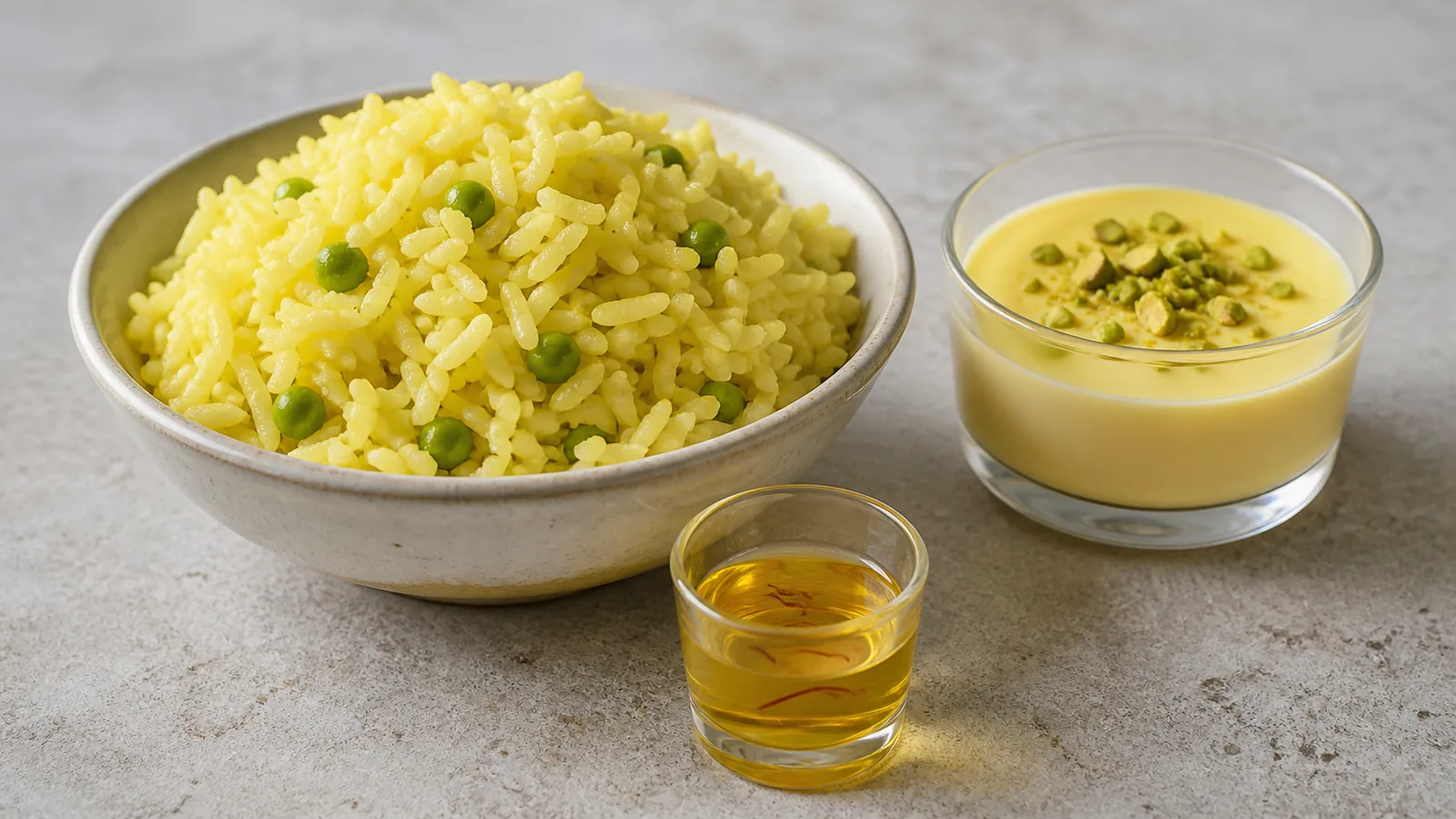
There is no general reason to separate normal culinary saffron from vitamin C in food. A meal containing saffron rice and vitamin-C-rich vegetables is ordinary eating. Concentrated supplements require a different check because dose, other ingredients, health conditions and medicines matter.
The absence of a documented saffron–vitamin C interaction is not proof that every multi-ingredient product is suitable for everyone. Read the whole label. Ask a pharmacist about the complete combination if you take prescription medicine, use several supplements, are pregnant or breastfeeding, or have an ongoing condition.
More is not automatically more protective
The NIH lists a tolerable upper intake level of 2,000 mg per day of vitamin C for adults from food and supplements combined. That is a maximum intake unlikely to cause harm, not a target. High supplemental intakes can cause gastrointestinal effects, and individual medical situations can change the advice.
A 2026 systematic review of saffron safety reports found saffron generally well tolerated in human studies, with gastrointestinal problems the most frequent adverse events and usually mild. The authors still called for clinical monitoring with higher-dose or prolonged medicinal use. Culinary use and concentrated extracts should not be treated as the same exposure.
Which should you choose?
Choose food sources of vitamin C to meet an essential nutritional need. Choose saffron in cooking when you want its flavour, colour and aroma. If you are considering a standardized saffron extract for a specific symptom, evaluate that evidence and product separately rather than comparing it with an essential vitamin.
The honest saffron and vitamin C comparison is therefore not “which offers more advantages for overall health?” Vitamin C has indispensable biological functions; saffron has culinary value and a developing, condition-specific research base. For whole threads intended for food, you can browse our product range of saffron without treating it as a replacement for vitamin C or medical care.