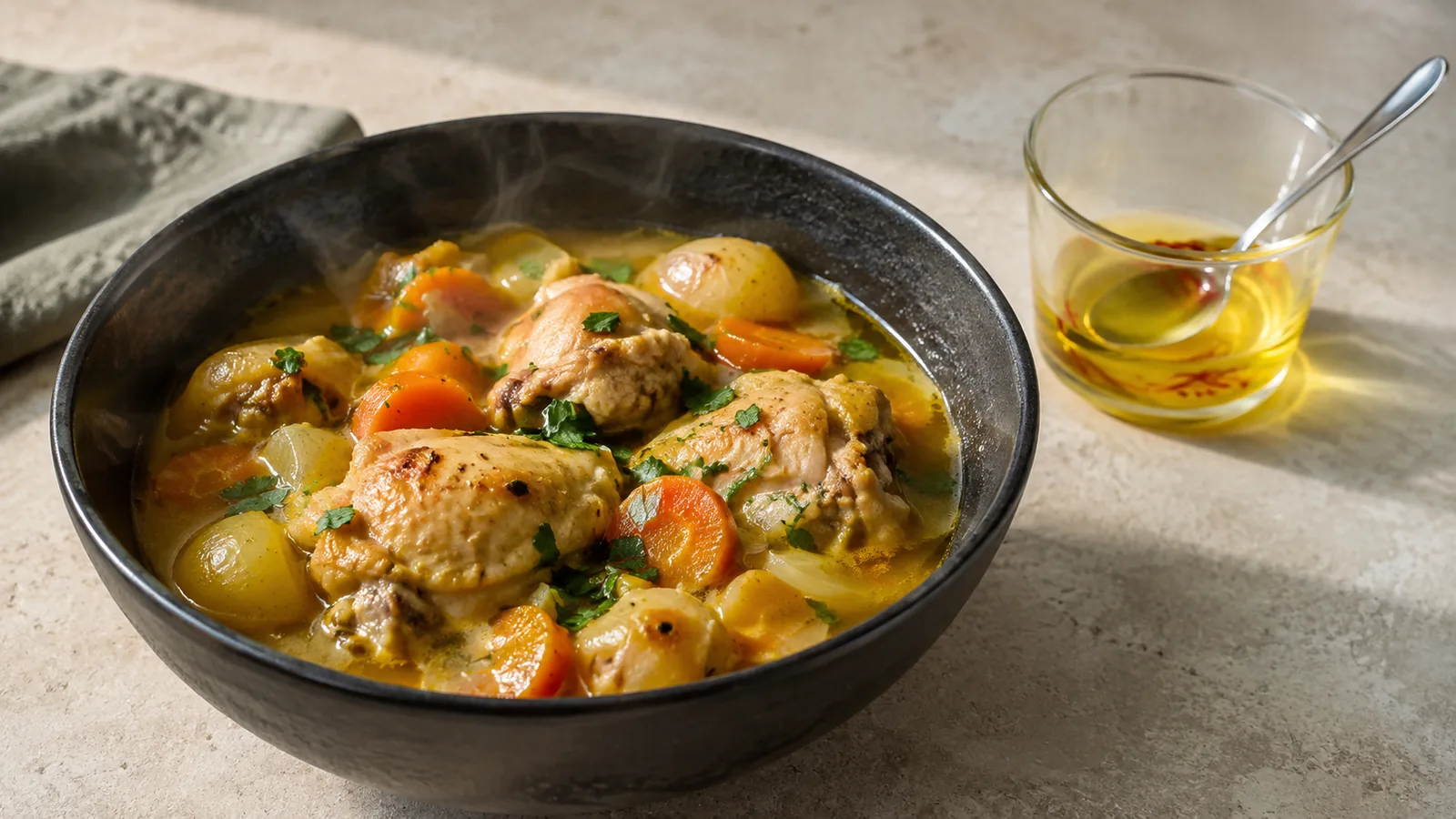
No. Real saffron threads do not completely dissolve or melt in milk. They soften and release colour, aroma and flavour into the liquid, but pieces of the plant remain. What cooks call saffron dissolving in milk is more accurately an infusion or extraction.

What happens when real saffron meets milk?
The dried red threads are stigmas from Crocus sativus. Warm milk draws compounds out of those stigmas. Crocins contribute golden colour, picrocrocin is associated with saffron’s gentle bitterness, and volatile compounds including safranal form part of its aroma.
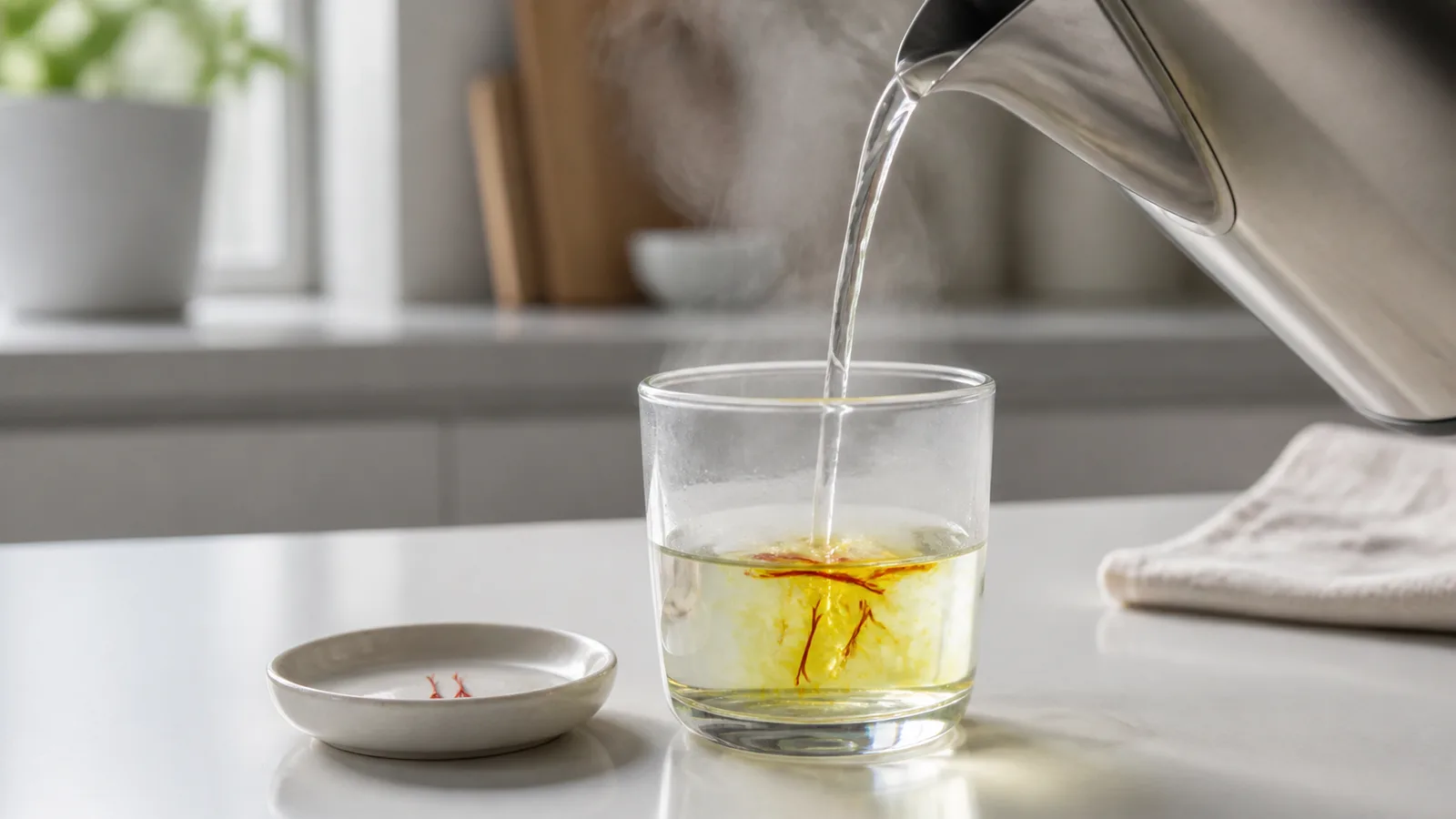
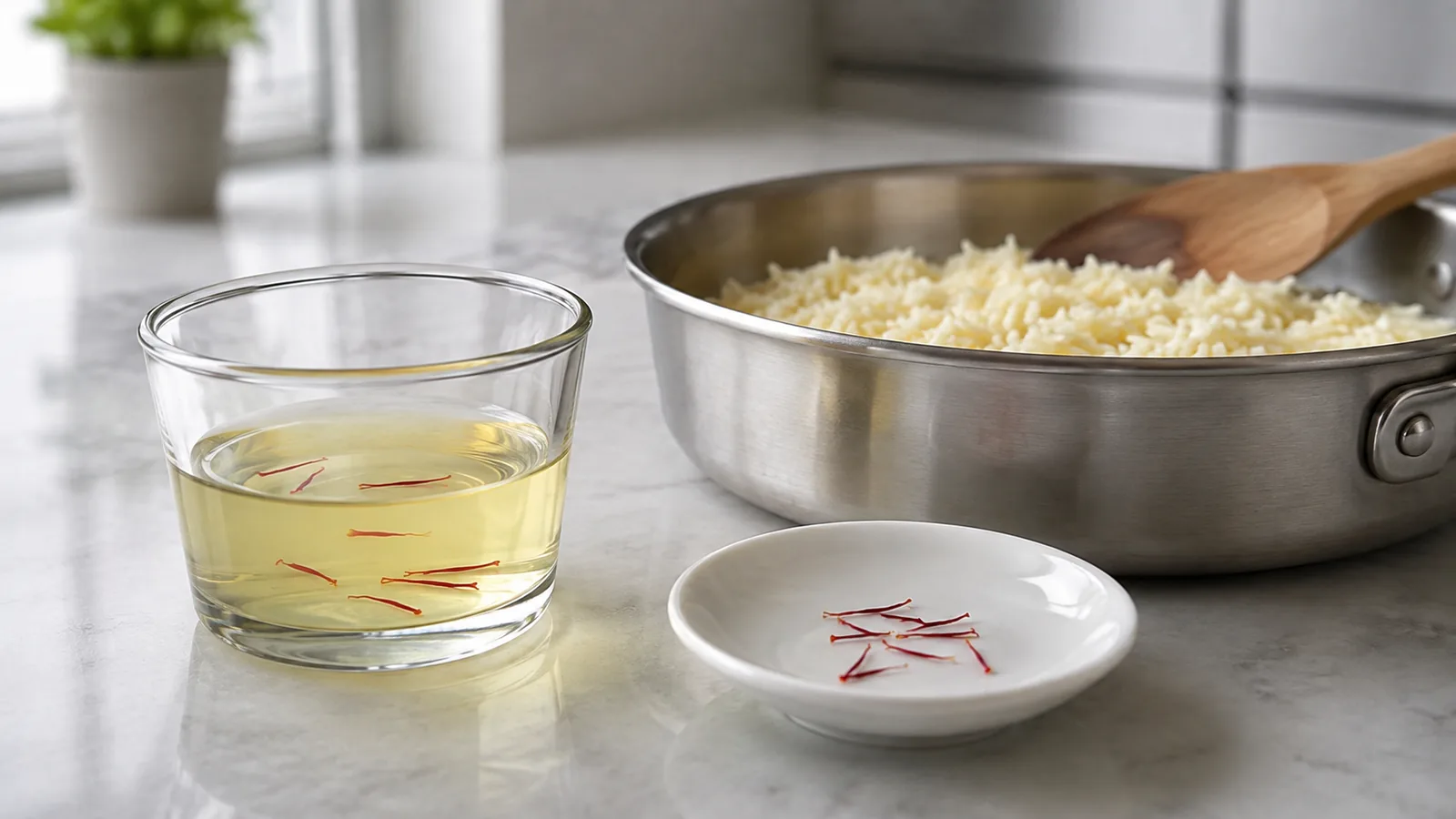
After steeping, the milk should move toward pale yellow or gold, depending on the amount used, the milk and the strength of the saffron. The threads may look softer and lighter, yet they should still be visible. That residue is normal. Saffron is not sugar or salt, so complete disappearance is not the expected result.
Why milk can carry saffron well
Milk contains a substantial water phase as well as fat and protein. This makes it a useful culinary carrier for saffron’s different sensory compounds. Crocins are water-soluble, while aroma behaviour can differ between water and fat. A 2024 food-chemistry study found that the distribution of saffron compounds changed with the water-to-oil balance, temperature and infusion time.
Milk is also opaque, so its colour will not look like a clear saffron-water infusion. Whole milk often appears creamy gold rather than transparent orange. A small amount in a large jug may create only a subtle change even when flavour has begun to develop.
How to infuse saffron in milk
- Measure a modest amount. Use enough for the volume and recipe rather than adding threads without a plan.
- Lightly crush the threads. A clean mortar and pestle increases the exposed surface. They do not need to become a fine powder.
- Warm a small portion of milk. It should be hot enough to aid extraction but does not need a hard boil.
- Add the saffron and wait. Stir once, cover if practical, and allow roughly 10 to 20 minutes for colour and aroma to develop.
- Combine with the rest of the recipe. Add both the infused milk and the softened threads unless a perfectly smooth texture is essential.
This small-volume method gives you more control than scattering dry threads through a large pan. Our guide to brewing saffron before cooking explains the same principle for water and other recipes.
Does the milk have to be warm?
Cold milk can extract saffron, but it works more slowly. The legacy claim that cold milk will not extract any colour or flavour is too absolute. If you are making an overnight drink or dessert, a refrigerated infusion has time to develop. For a recipe needed soon, gently warmed milk is more practical.
Avoid assuming that more heat always gives a better result. Prolonged boiling can weaken some saffron compounds and may also change the milk itself. A short period in a simmering pudding is normal; repeatedly boiling a tiny saffron portion is unnecessary.
Whole threads, crushed saffron and powder
Whole threads extract slowly and remain easy to recognise. Light crushing speeds the process while preserving some visible structure. Powder disperses fastest, but it is harder to inspect for purity and can leave fine material suspended in the milk.
If a commercial powder seems to vanish, that does not prove it is genuine or fake. Particle size alone changes what you can see. For an important purchase, rely on product traceability and suitable quality testing rather than one kitchen observation.
Why saffron milk may stay pale
A pale result can have several explanations:
- too few threads for the amount of milk;
- whole threads given too little time;
- old saffron or storage damage;
- a naturally opaque, high-fat or plant-based drink changing how the colour appears;
- weak, adulterated or mislabeled material.
Test a small sample in warm water if you need a clearer view of colour release. Our troubleshooting article on why saffron may not turn an infusion yellow separates preparation problems from age and quality concerns.
Can the remaining threads be eaten?
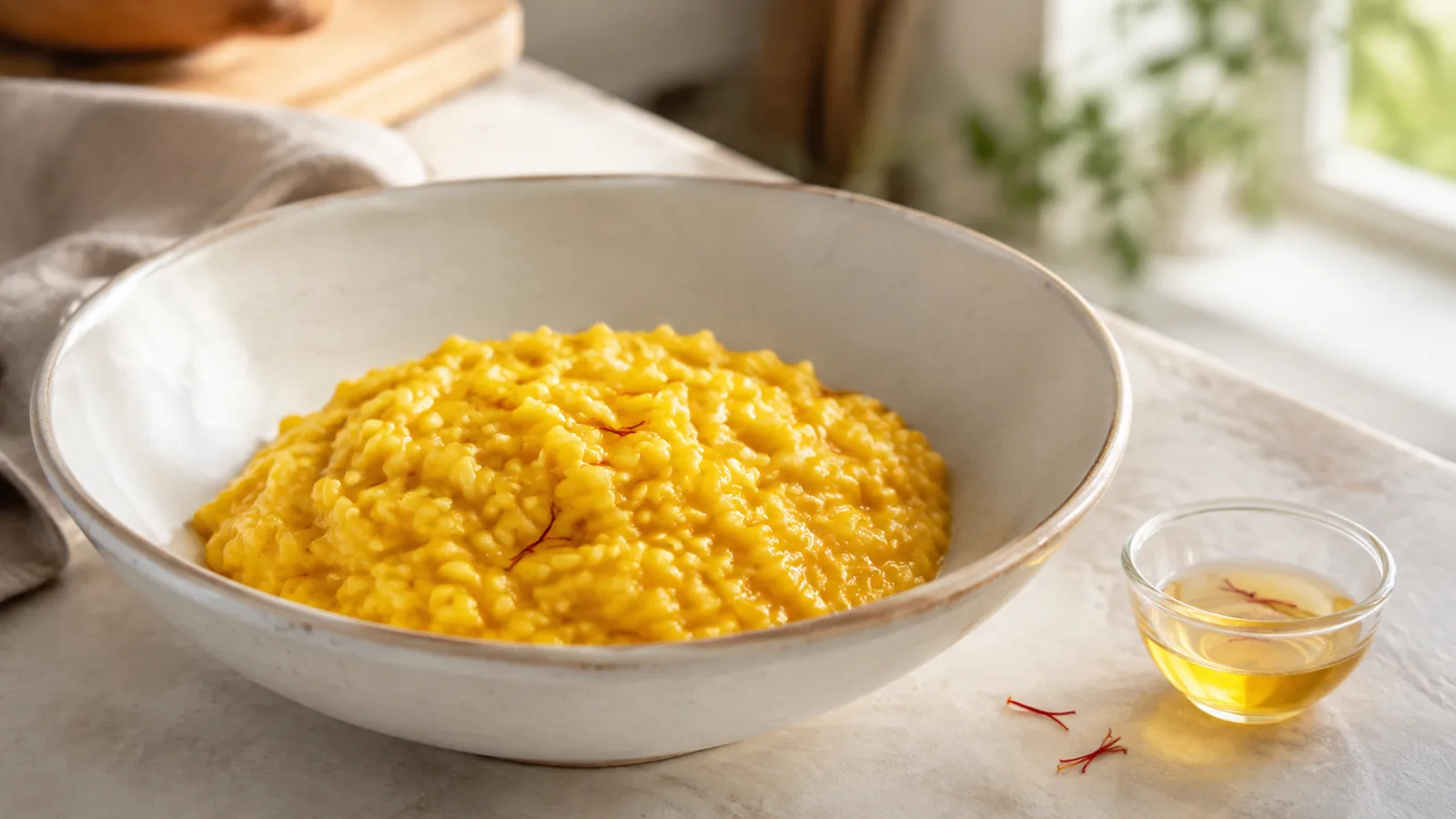
Yes, when saffron is used as a normal culinary spice, the softened threads can stay in the drink or dish. They may be visible in rice pudding, custard, tea, ice cream or warm saffron milk. If the texture is unwanted, strain the infused milk through a fine sieve after it has developed enough colour and aroma.
For a smooth dessert, crushing the threads more finely before steeping may be easier than straining. For a drink where visible threads signal the ingredient, leave a few intact. This is a presentation choice, not a test of whether the saffron worked.
Does dissolving prove saffron is real?
No. Genuine threads normally remain as plant material, while their colour moves into the milk gradually. An instant, unnaturally bright release or fibres that lose applied dye immediately can be a warning, but home tests are not definitive. Some genuine samples release colour faster than others because of age, dryness, grade and how finely they were broken.
The practical answer
Real saffron infuses milk; it does not disappear into it. Lightly crush the threads, steep them in a small portion of gently warmed milk, give the colour time to develop, then add the entire infusion to the recipe. Expect a golden liquid with softened thread fragments still present.
Source reviewed: the full peer-reviewed study of saffron extraction across water, oil, temperature and time.