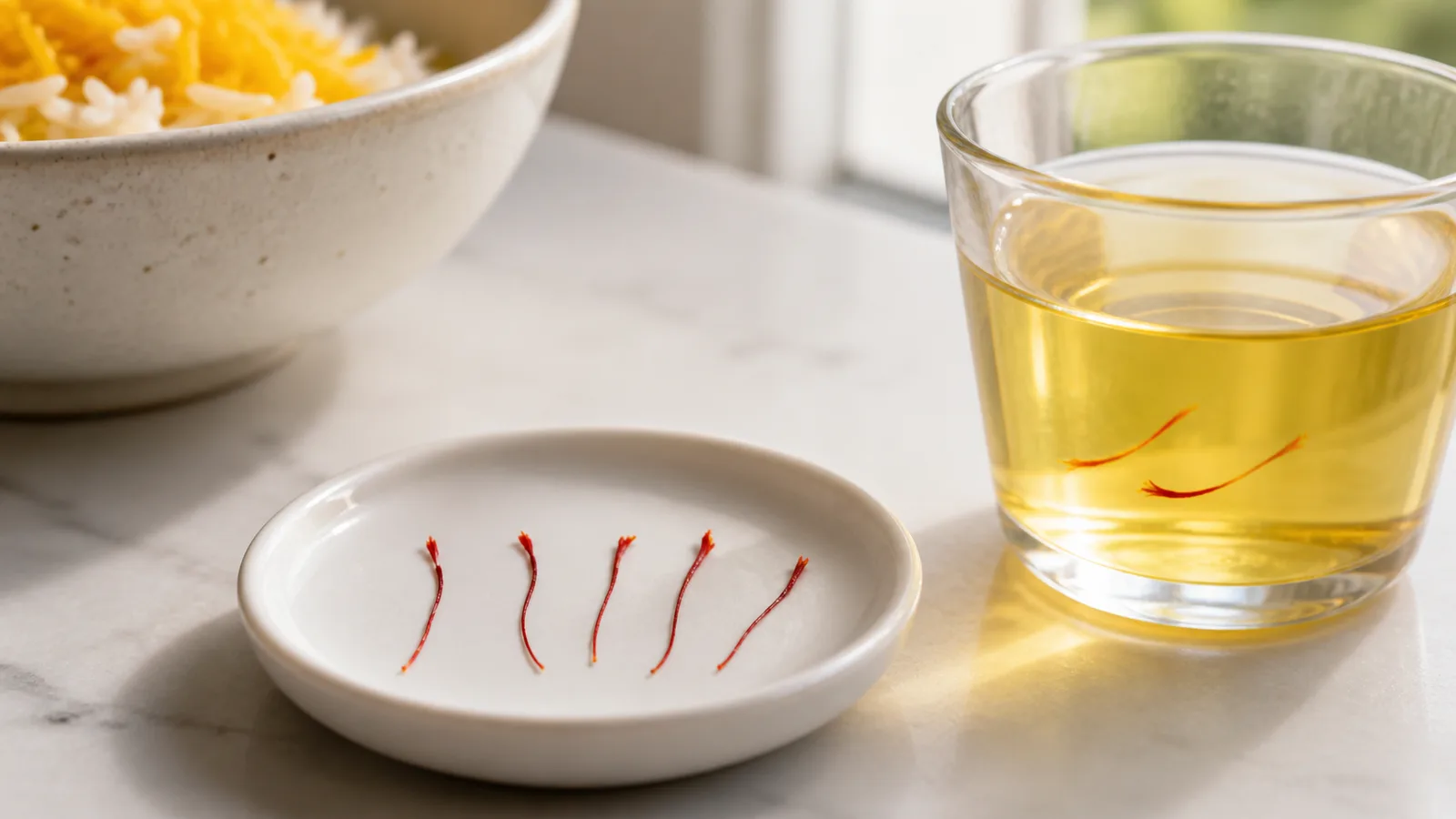
Fake saffron may imitate the colour or shape of real threads, but it rarely reproduces the complete authentic saffron taste: floral and honey-like in aroma, earthy on the palate and gently bitter. Taste can raise suspicion, yet it cannot prove authenticity on its own. Some adulterated products contain real saffron mixed with cheaper material, so they may retain part of the expected flavour.
Does fake saffron taste like real saffron?
Sometimes it tastes vaguely similar; often it does not. The answer depends on what “fake” means. A total substitute made from colored or dyed plant fibres may supply a golden hue and little else. Some fraudulent material uses synthetic dyes; that does not mean all look-alikes are synthetic. Safflower or other look-alike petals can appear thread-like but have a much weaker aroma. A diluted batch that still contains genuine saffron can smell and taste more convincing.
This is why the simple claim “fake saffron has no taste” is unsafe. Fraud ranges from substitution to bulking, added moisture and undeclared colouring. The sensory result changes with the material and the proportion used.
What real saffron should taste and smell like
Genuine saffron has a layered flavour profile. Its floral, honey-like sweetness is an aromatic impression rather than sugar, balanced by earthiness and mild bitterness. Its dry aroma may suggest warm flowers, hay and honey. In a mild infusion, earthiness and restrained bitterness become clearer. It is not sugary, chilli-hot or strongly perfumed.
Freshness, origin, drying and storage affect intensity, so authentic samples do not all taste identical. Weak flavour can reflect age or poor storage rather than fraud. An overly bitter sample can reflect excessive concentration rather than proving a counterfeit, while artificial sweetness may come from an added substance rather than saffron.
How imitation material can differ
- Dyed fibres or petals: may release colour quickly but provide little of saffron’s characteristic aroma.
- Safflower or marigold material: may resemble red or orange threads, with a different and usually quieter flavour.
- Turmeric or coloured powder: can make food yellow but brings its own earthy taste and hides the original material.
- Bulking with plant stems: increases weight while diluting aroma, taste and colour strength.
- Partly genuine mixtures: may pass a casual smell or taste check because some real saffron is present.
The European Commission’s coordinated herbs-and-spices survey used analytical methods rather than taste alone and found saffron samples at risk of adulteration. That distinction matters: a kitchen check is a screen, not a laboratory verdict.
A careful home comparison
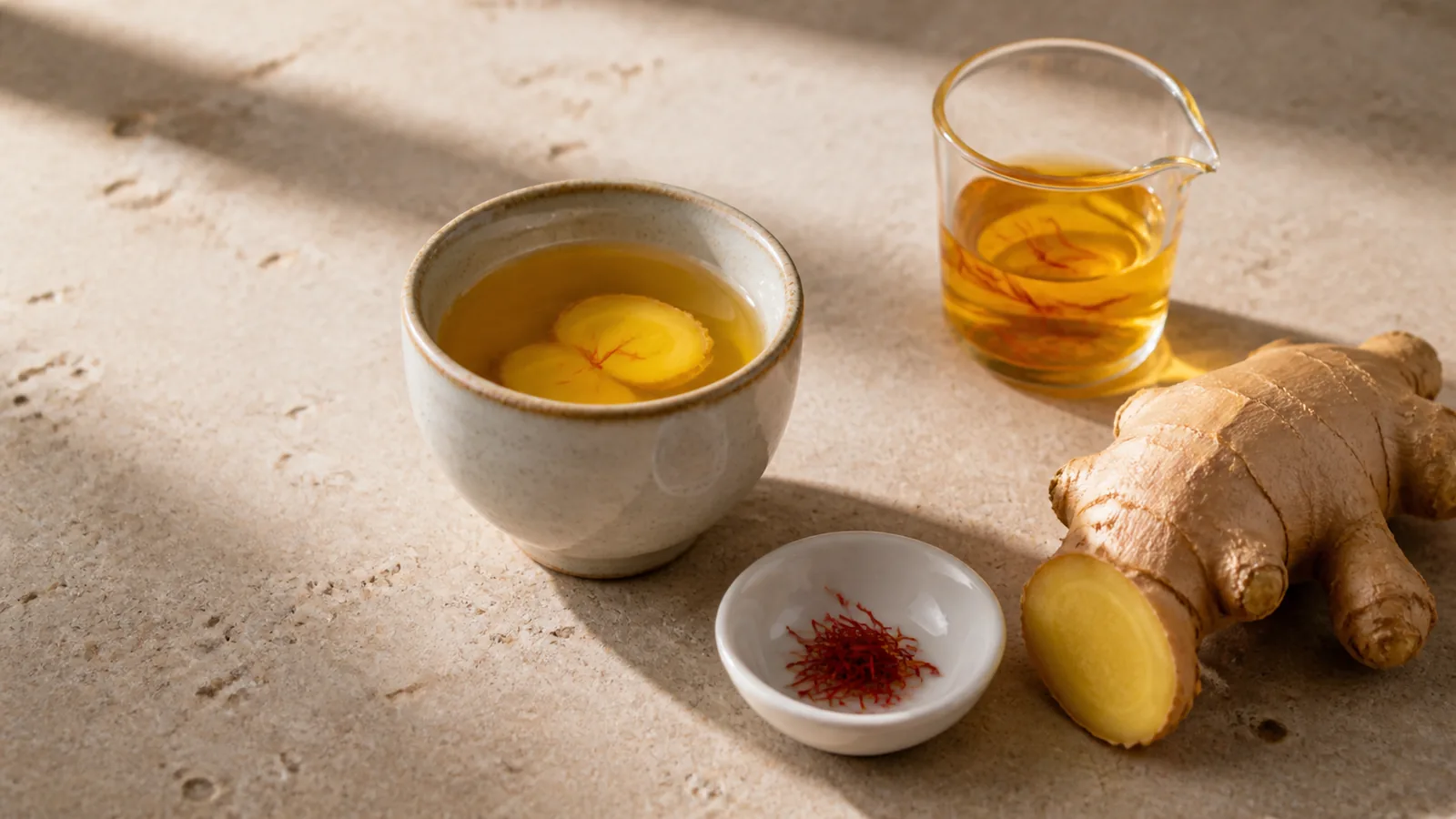
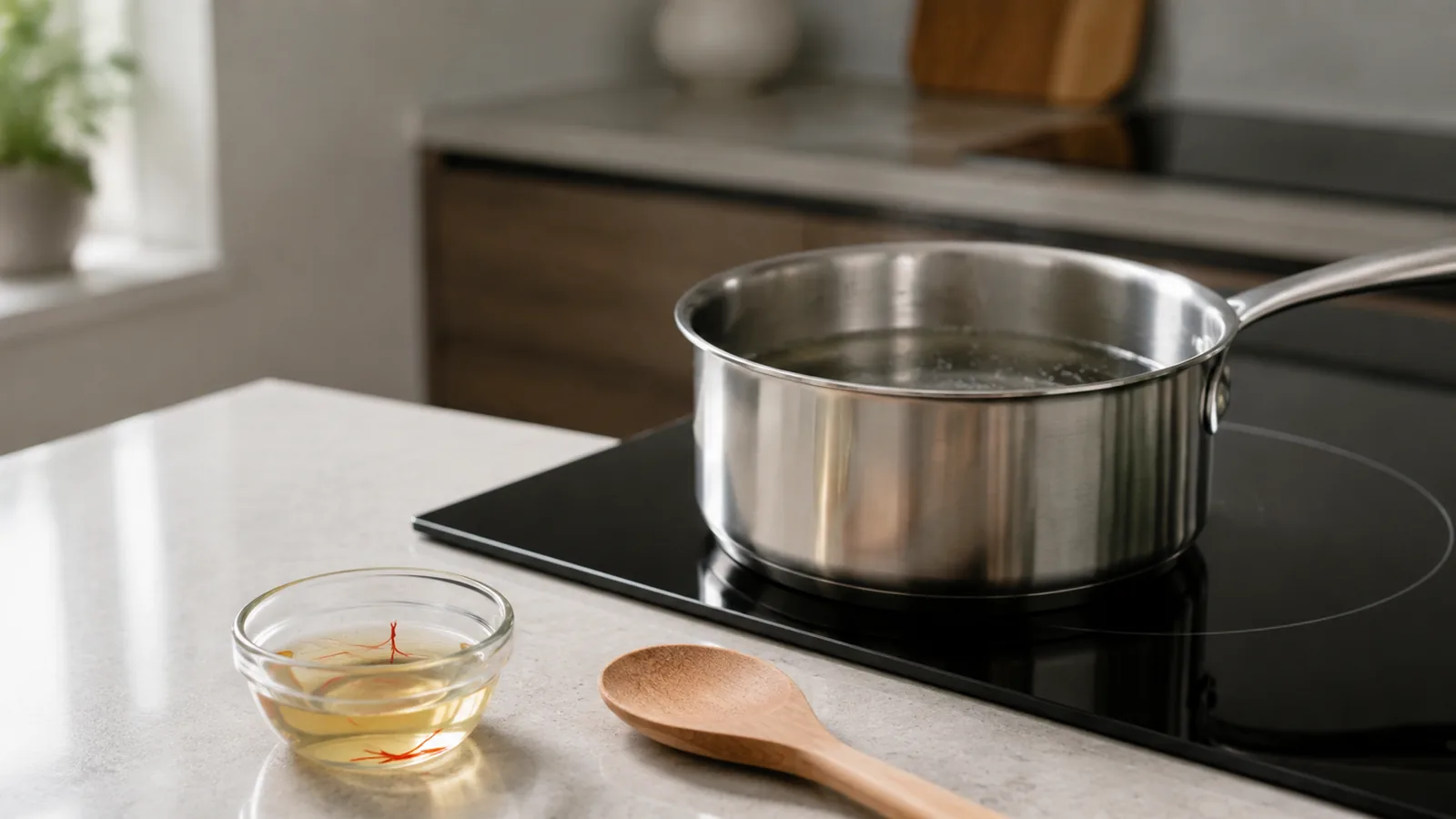
If the material appears safe and has no mouldy or chemical odour, a controlled infusion can help you compare it with a trusted sample.
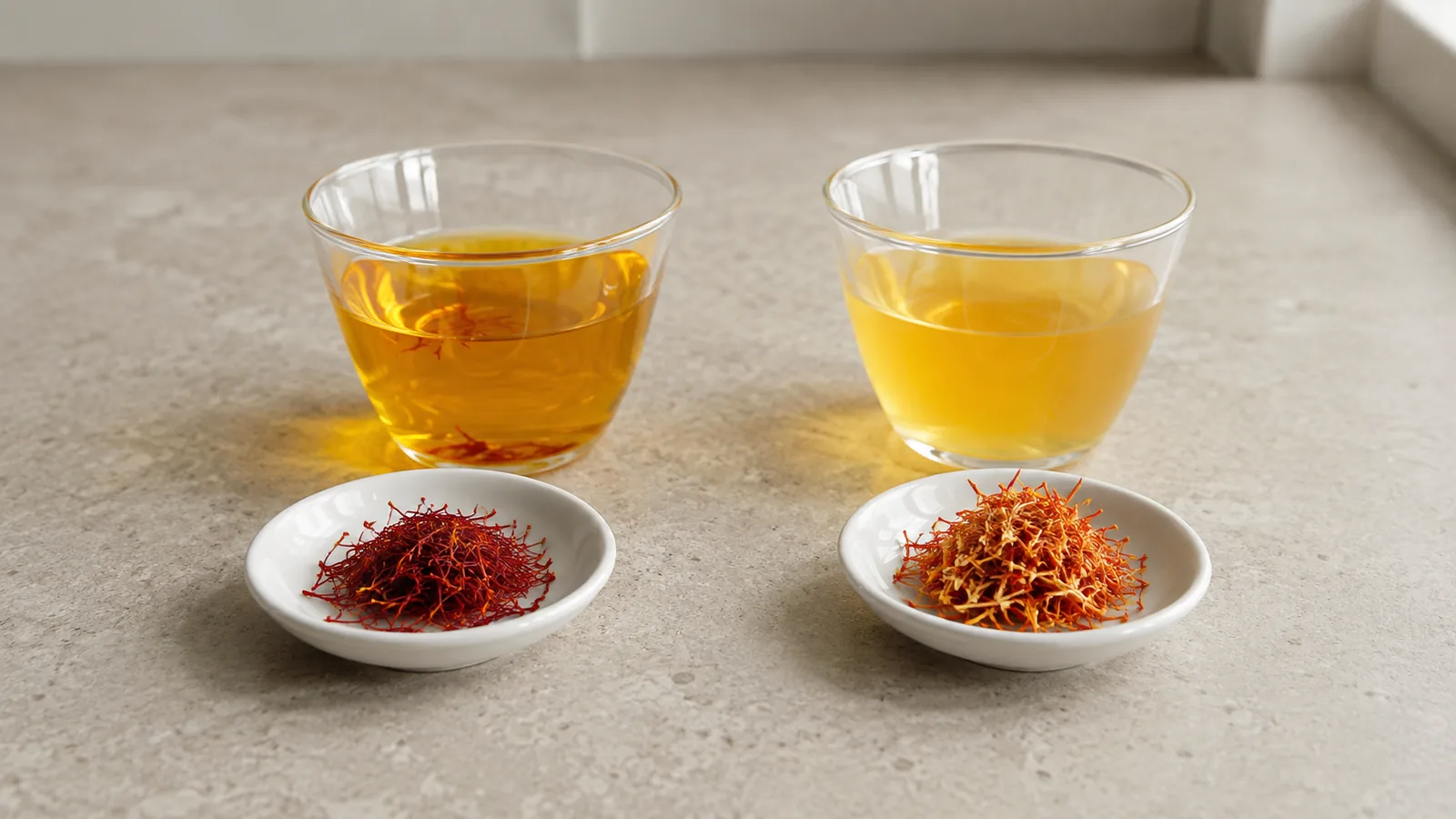
- Use equal weights in two clean, clear cups.
- Add the same volume of warm water at the same temperature.
- Wait 10–15 minutes without adding sugar, milk or other spices.
- Compare the dry aroma, infused aroma, colour development and flavour.
- Keep the packaging and lot information in case you need to contact the seller.
Real threads normally colour the water progressively while remaining visible. However, release speed varies with thread size, crushing and temperature. A dramatic “instant colour equals fake” rule is too crude to decide authenticity.
Why taste alone can mislead you
Preparation changes the result
A few uncrushed threads dropped into a large pot may taste weak. The same threads, lightly crushed and infused, can season it more evenly. Comparing different methods is not a fair test.
Storage changes the result
Light, heat, moisture and air weaken aroma. An old authentic sample may seem less convincing than a freshly opened adulterated mixture that contains added flavour or some genuine material.
People perceive flavour differently
One taster may notice honey and another hay. A mild bitter note can also be confused with ingredients already in the dish. Compare plain infusions rather than relying on memory after a complex meal.
What laboratory authentication adds
Commercial authentication can combine methods that examine colour and aroma compounds, microscopy and biological identity. A peer-reviewed study of commercial saffron samples explains why different tests answer different questions and why no single simple observation establishes both identity and purity.
That does not mean every household purchase needs laboratory testing. It means consumers should treat viral water tricks, taste rules and thread-shape tests as clues rather than guarantees.
Signs that deserve closer attention
- a price far below comparable genuine saffron with no clear explanation;
- vague origin, missing net weight or no seller contact information;
- large amounts of uniform flat petals rather than stigma-shaped threads;
- loose powder sold without credible traceability;
- an artificial chemical smell, visible dampness or staining that transfers immediately to dry fingers;
- a seller who guarantees authenticity from one theatrical home test.
None is conclusive in isolation. Price can be low for legitimate supply reasons, and genuine thread shapes vary. Use several observations together and ask the supplier for lot, origin and quality information.
How to reduce the risk when buying
Choose reputable suppliers and intact threads when possible, buy a quantity you can use while aromatic, and keep the original packaging. Low quality is not automatically the same as fraud, but traceable sourcing reduces uncertainty. Look for clear weight, seller identity, origin or packing information and a realistic returns process. Store the threads airtight, dark, cool and dry after opening.
Our detailed guide to identifying pure saffron puts appearance, infusion behaviour, standards and packaging in context without pretending one home trick is definitive.
Do not taste suspicious material
If the product smells like solvent, shows mould, feels damp or contains obviously foreign debris, do not taste it to investigate. Set it aside, retain its packaging and contact the seller or the relevant food-safety authority. Authenticity is an economic concern; contamination can become a food safety concern.
The short answer
Fake saffron usually lacks the balanced floral, honey-like, earthy and mildly bitter character of genuine threads, but a partly genuine adulterated mixture may taste convincing. Use taste as one clue, not as proof. A controlled infusion, thread inspection, traceability and appropriate testing provide a more reliable picture together.