Yes. Saffron is generally described as the world’s most expensive spice by weight. The qualification matters: it is not the most expensive thing in the world, and the price of a small retail jar cannot be compared blindly with wholesale lots or unrelated luxury materials.
The saffron cost value comes from an unusual combination of tiny yield, concentrated hand labour, a short harvest and careful drying. Fortunately, cooks use very little at a time, so the cost of one dish is far smaller than the price-per-kilogram headline suggests.
Why is saffron so expensive?
To answer “What is saffron and why is it so expensive?”, start with the flower and the tiny part that becomes the spice.
Each flower gives only three stigmas
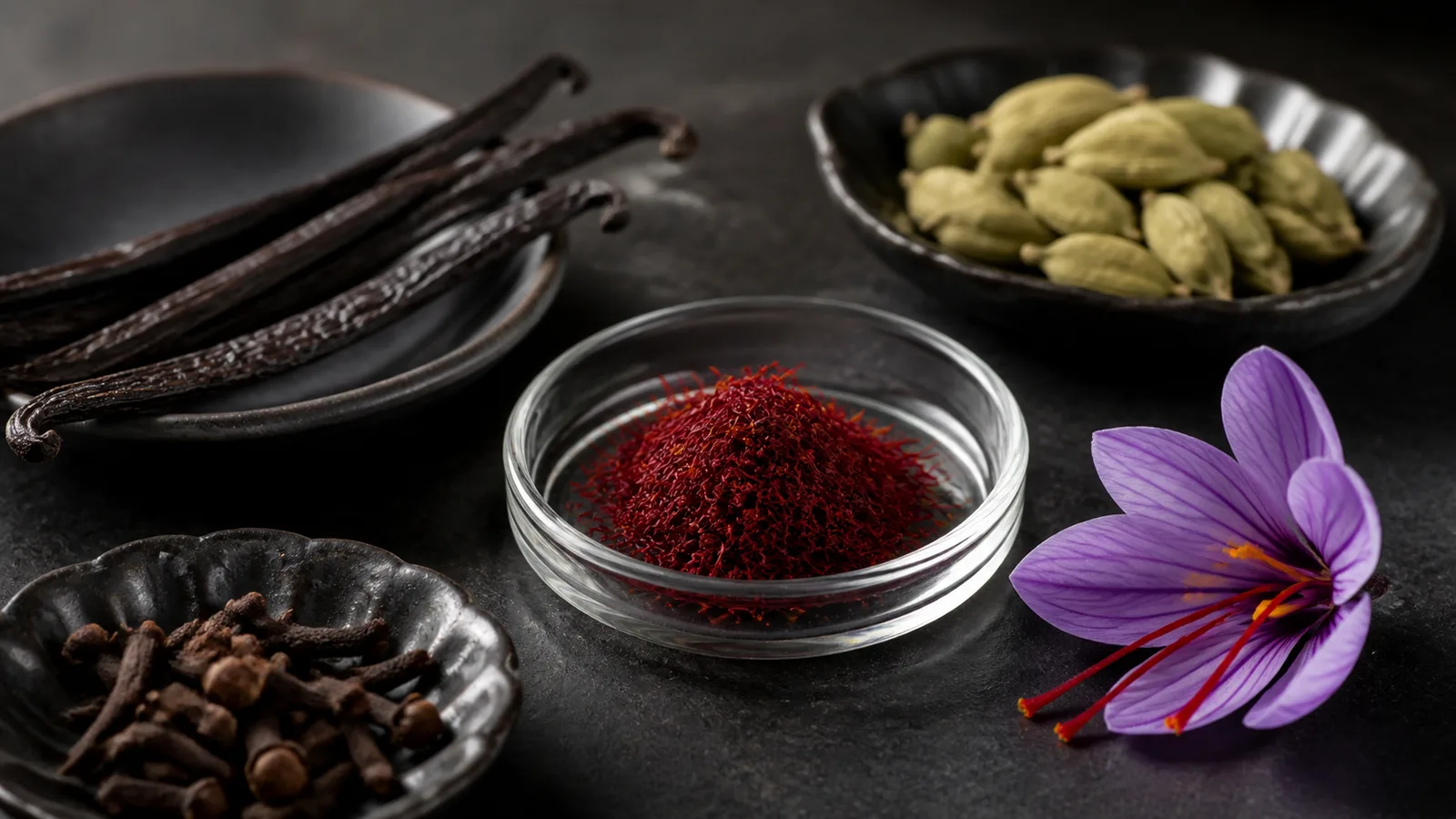
Saffron comes from the red stigmas of Crocus sativus. Each flower carries three. Growers must therefore handle a very large number of flowers to produce a marketable quantity of dry spice. Unlike a seed or bark that can be gathered in bulk, the valuable part is light and delicate.
The harvest happens in a narrow window
Flowers are picked during a short seasonal bloom. The stigmas are separated by hand and then dried with care. Delays, rough handling or poor drying can reduce aroma, colour strength and storage life. Much of the expense is labour concentrated into a few demanding weeks.
Yield and quality vary
Weather, field conditions and processing affect annual supply. Grade changes value as well: predominantly red stigmas usually cost more than material with a larger share of yellow or white style. Long presentation-grade threads may carry a premium over broken, lower-visual-grade material even when both are genuine.
Storage and trade add cost
Dry saffron needs protection from moisture, light, heat and strong odours. Testing, secure packaging, export handling and retail fulfilment add to the final saffron spice cost. A tiny jar also has more packaging cost per gram than a large lot.
Is saffron rare?
Saffron is cultivated commercially rather than found only as a vanishing wild resource. Its rarity is better understood as low dry yield and limited specialised production. Iran is the dominant producer, while India, Spain, Greece, Afghanistan and other regions also grow saffron. Origin does not create one fixed grade; each harvest and batch still needs to be judged on its own evidence.
Why is Spanish saffron so expensive?
Cultivation scale, labour, local processing, grade, packaging and route to market all influence the final price. “Spanish,” “Iranian” or “Kashmiri” is an origin description, not a complete quality score.
How does saffron compare with other spices?
Vanilla can also be expensive because its production involves demanding cultivation, pollination and curing. Cardamom and cloves command premiums in some markets. On a normal price-per-gram retail comparison, however, genuine saffron usually sits above these familiar spices.
The comparison changes with format and date. A supermarket extract, a whole vanilla bean, a wholesale spice sack and a presentation jar of saffron are not equivalent products. Claims about “the most expensive saffron in the world” face the same problem: a record-priced package may reflect rarity, certification or luxury presentation rather than a stable category.
Is saffron worth more than gold?
“Saffron is worth more than gold” is a popular metaphor, not a dependable market comparison. Gold and saffron are sold in different units and markets, and both prices change. Ordinary culinary saffron is not generally more valuable than gold at equal weight. The phrase survives because saffron is extraordinarily expensive relative to other foods and spices.
For the same reason, the answer to “Is saffron the most expensive thing in the world?” is no. It is more accurate to call it the most expensive commonly traded culinary spice by weight.
How expensive is saffron in a real kitchen?
A pound looks dramatic because it represents a large commercial quantity. If you are asking how much a pound of saffron is worth, multiply a current per-gram price by roughly 453.6 only for a mathematical retail equivalent. Wholesale pricing, grade and contract terms mean an actual pound is not normally valued by scaling up a tiny gift jar.
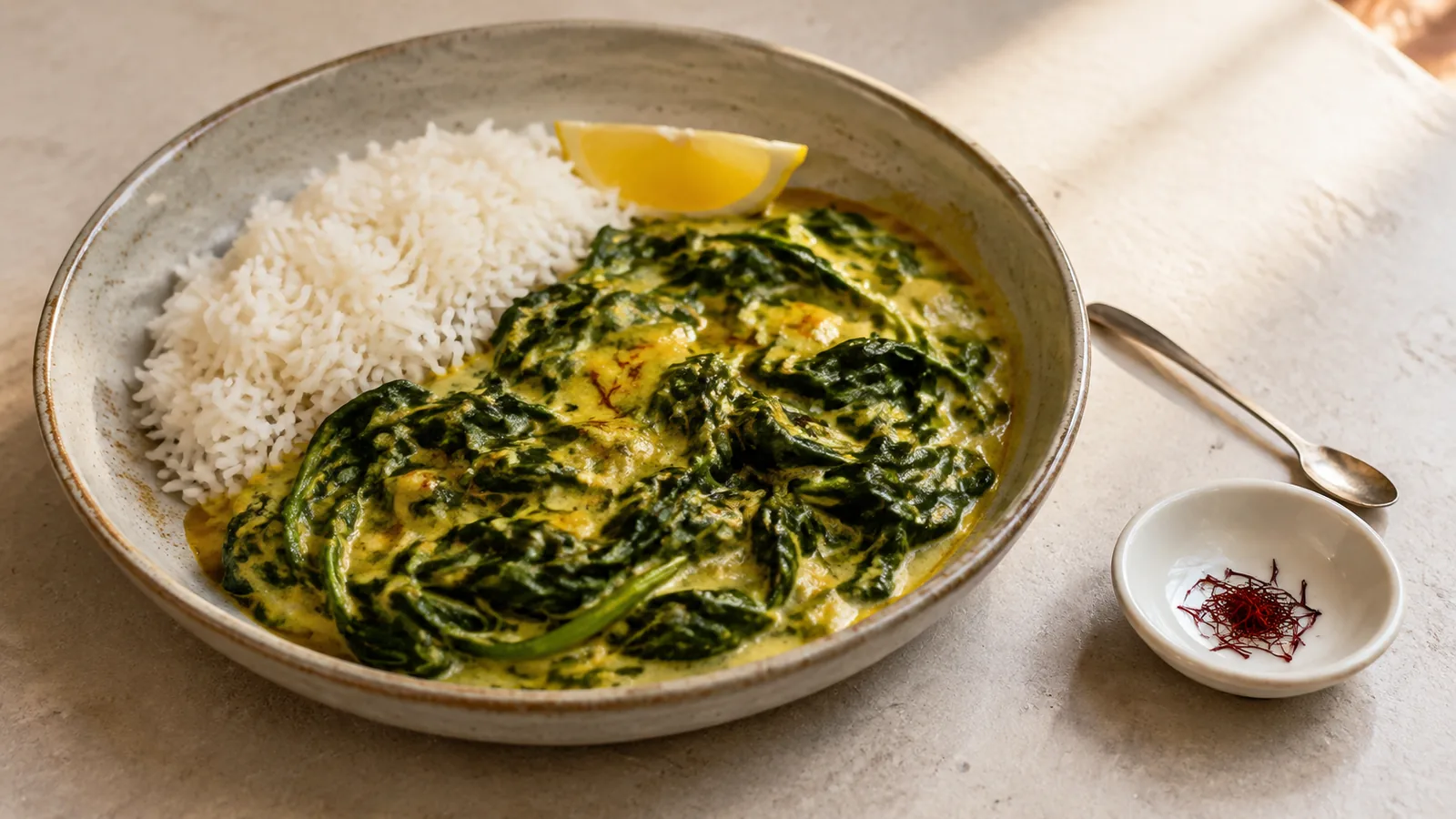
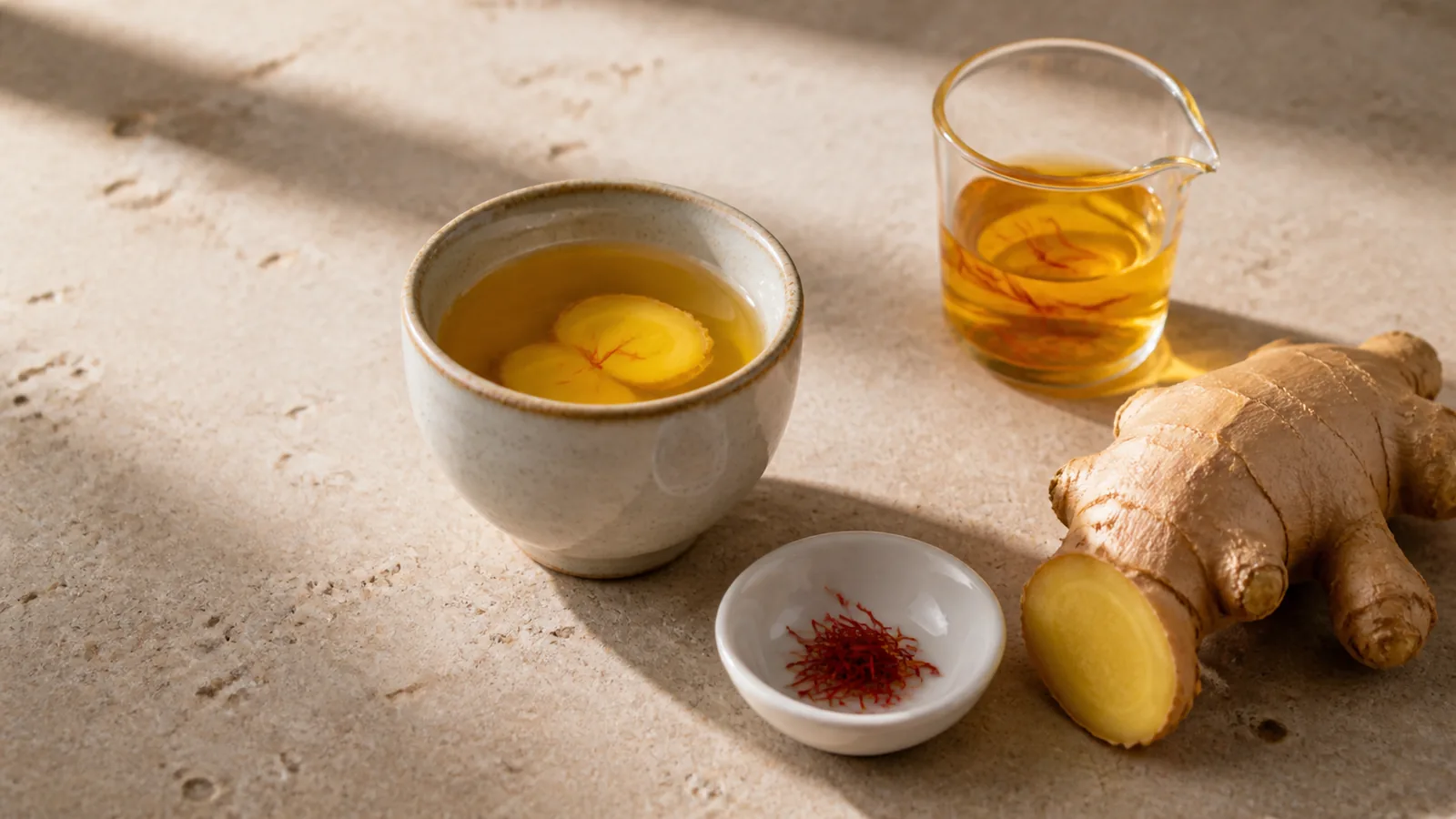
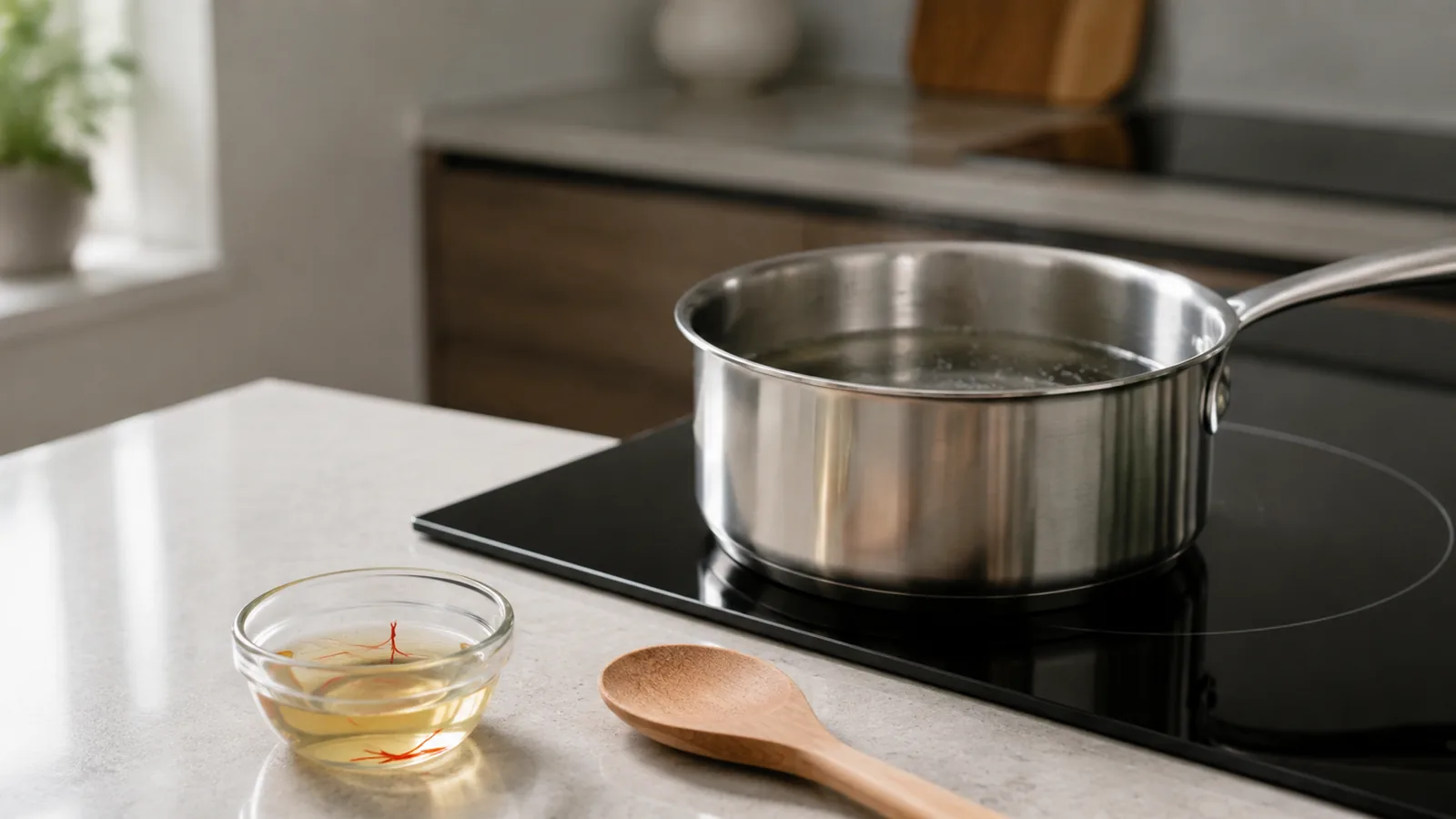
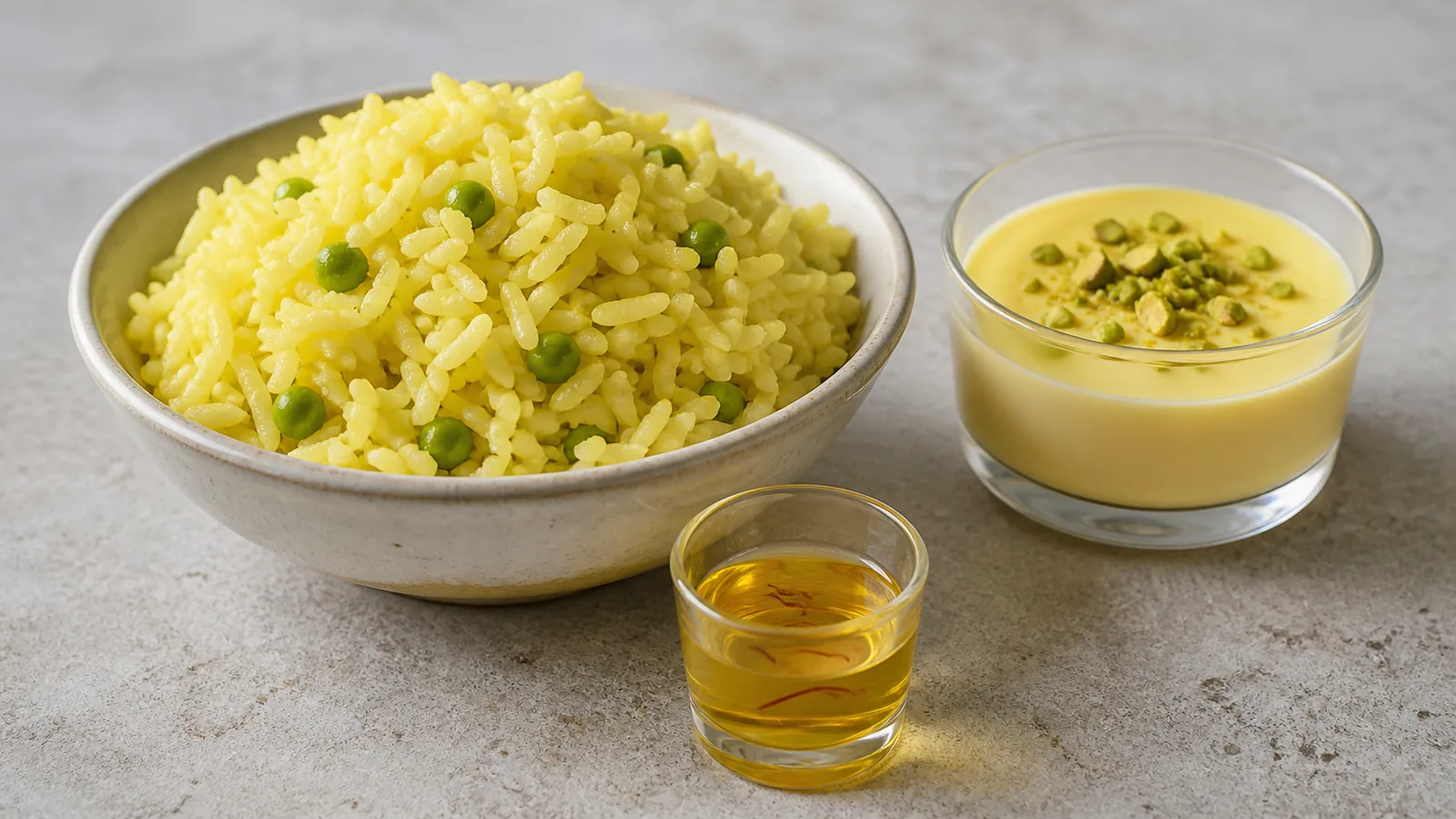
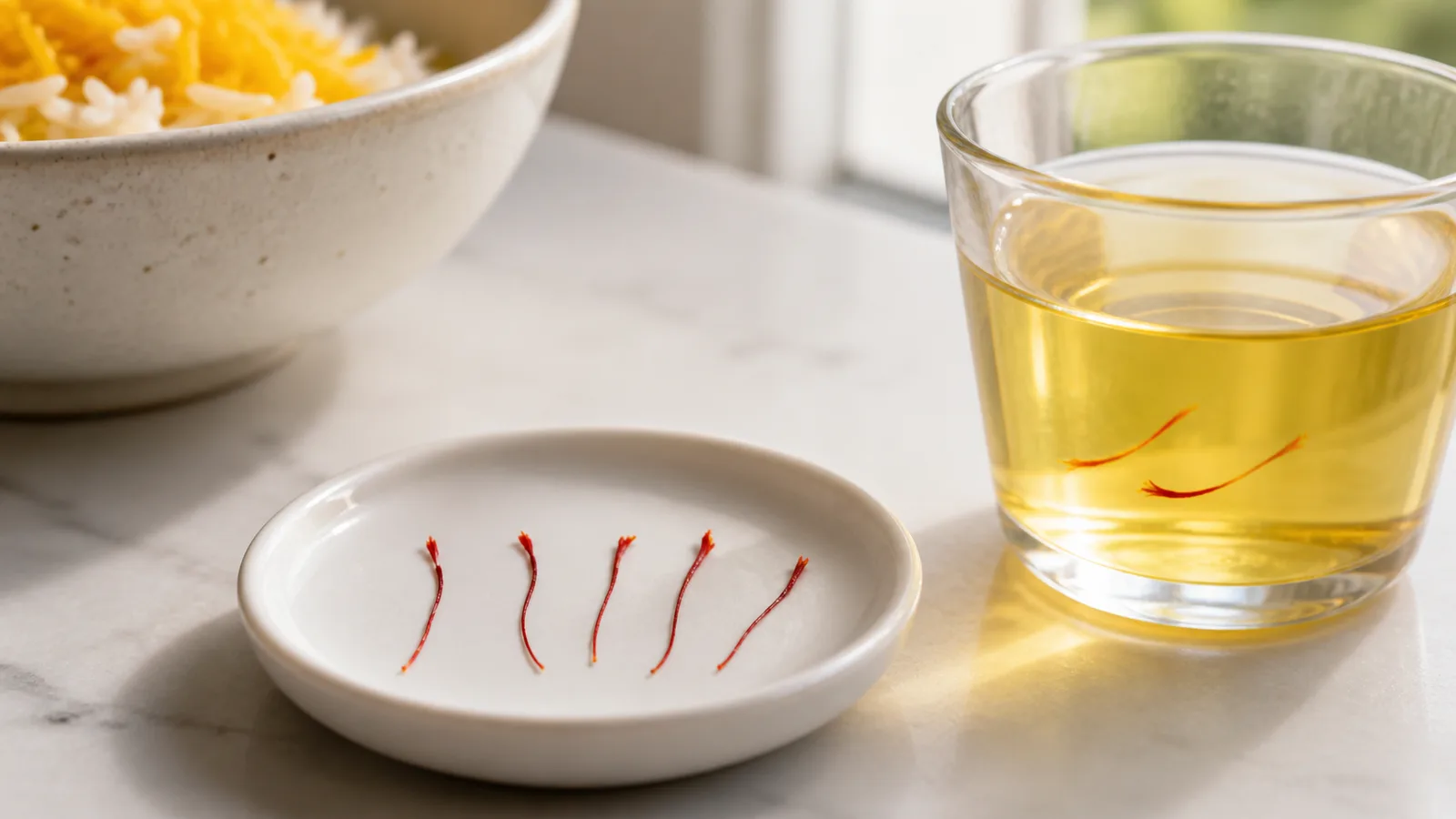
At home, saffron is used by the pinch. Blooming a modest amount in warm water, milk or broth helps distribute its aroma and golden colour through rice, sauces, drinks and desserts. The practical cost per serving can therefore be reasonable even when expensive saffron has a striking unit price.
Does the highest price mean the best saffron?
No. A high price can reflect strong red-stigma content, traceability and careful handling, but it can also reflect decorative packaging. A very low price may signal more style material, old stock, powder or adulteration, yet price alone cannot authenticate a batch.
Compare the net price per gram, thread preparation, origin and lot information, storage protection and any meaningful test report. The most expensive kesar is not automatically the best fit for cooking; kesar is simply another widely used name for saffron.
The clear answer
Saffron is the most expensive spice in the usual culinary, price-by-weight sense because three tiny stigmas per flower require intensive hand work and careful processing. It is not the world’s most expensive substance, and neither a record price nor a country name guarantees quality. For current rather than historical figures, use the Rowhani Saffron price page and compare the same quantity and grade.