Can too much saffron be toxic? Yes. A culinary pinch spread through food is very different from swallowing grams of saffron, a concentrated extract or an unknown supplement. If a potentially large amount was taken, do not wait for a blog’s dose threshold or for symptoms: contact your local poison centre or urgent medical service with the product, amount and time.
Can Too Much Saffron Be Toxic?
Saffron poisoning is uncommon in ordinary cooking because the spice is used sparingly. Risk assessment becomes more difficult with deliberate gram-level intake, capsules, extracts, mixed products, children, pregnancy, medication use or an uncertain amount. Product form and the individual matter as much as the number on a scale.
If someone is unconscious, having a seizure, struggling to breathe or showing another life-threatening symptom, call emergency services now. In the United States, Poison Help advises calling 1-800-222-1222 without waiting for signs of poisoning. Elsewhere, use the local poison centre or emergency service. Do not induce vomiting or use activated charcoal unless a poison professional tells you to.
What is the Safe Amount of Saffron to Consume?
How much saffron is too much cannot be answered with one number for every person, purpose and product. In food, use the small amount specified by a tested recipe. A pinch can flavour several servings; more does not necessarily improve the dish and can make it bitter.
The former article’s claims that 1–2 grams a day was recommended and that everyone should stay below 1 gram were not sound general guidance. Clinical trials use particular preparations and monitoring, while culinary threads vary. A trial amount should not become a self-treatment instruction.
Potential Risks of Overconsumption
Saffron overdose side effects vary with the exposure and the person. A 2026 systematic review of human saffron safety evidence found saffron preparations generally well tolerated, but adverse events were reported and gastrointestinal problems were the most frequent. The authors advised more caution and clinical monitoring for higher-dose or prolonged medicinal use.
Can saffron cause diarrhea? Gastrointestinal effects, including diarrhoea, can occur, but the symptom is not specific to saffron and does not tell you whether an exposure is dangerous. Nausea, vomiting, dizziness, headache, fatigue and abdominal discomfort also have many possible causes.
Do not use the absence of symptoms as proof that a concerning exposure is safe. Poison services consider age, weight, health conditions, pregnancy, exact product, route, amount and time. That individual assessment is safer than comparing yourself with a number copied from an article.
Symptoms of Saffron Toxicity
Reported saffron overdose symptoms can include:
- nausea, vomiting, abdominal discomfort or diarrhoea;
- dizziness, headache, weakness or unusual drowsiness;
- bleeding or other unexpected symptoms in a potentially large exposure;
- an allergic reaction, such as hives, swelling or breathing difficulty.
This list cannot diagnose saffron toxicity. The same symptoms may arise from another ingredient, contamination, infection, medication or an unrelated illness. Keep the container and ingredient list available when you call for advice.
What Do “5 g Toxic Dose” and “Lethal Dose” Claims Mean?
Searches for a saffron toxicity dose of 5 g often trace to older reviews and repeated secondary statements. A 2017 toxicology review compiled human, animal, cell and extract evidence across very different exposures. Those sources do not establish one universal 5-gram boundary at which every person becomes poisoned.
Likewise, a saffron overdose “lethal dose” cannot be calculated reliably for an individual from animal LD50 values or old case descriptions. Five grams is not a target, a challenge or reassurance that anything below it is safe. Twenty-gram claims should not be used to decide whether to seek help. If the exposure is gram-level, uncertain, intentional or causing symptoms, get expert advice now.
Who Should Avoid Saffron?
A known saffron allergy calls for avoidance. Pregnancy, low blood pressure, bleeding risk, regular medication, medical conditions and planned surgery are reasons to ask a clinician before supplement-style or repeated high-dose use. A small culinary exposure and a concentrated product should be discussed separately.
Store saffron and supplements out of children’s reach in their original labelled container. Do not transfer a concentrated product into a food jar. If an intentional overdose or self-harm may be involved, contact emergency or crisis support and stay with the person.
How to Use Saffron Safely in Food
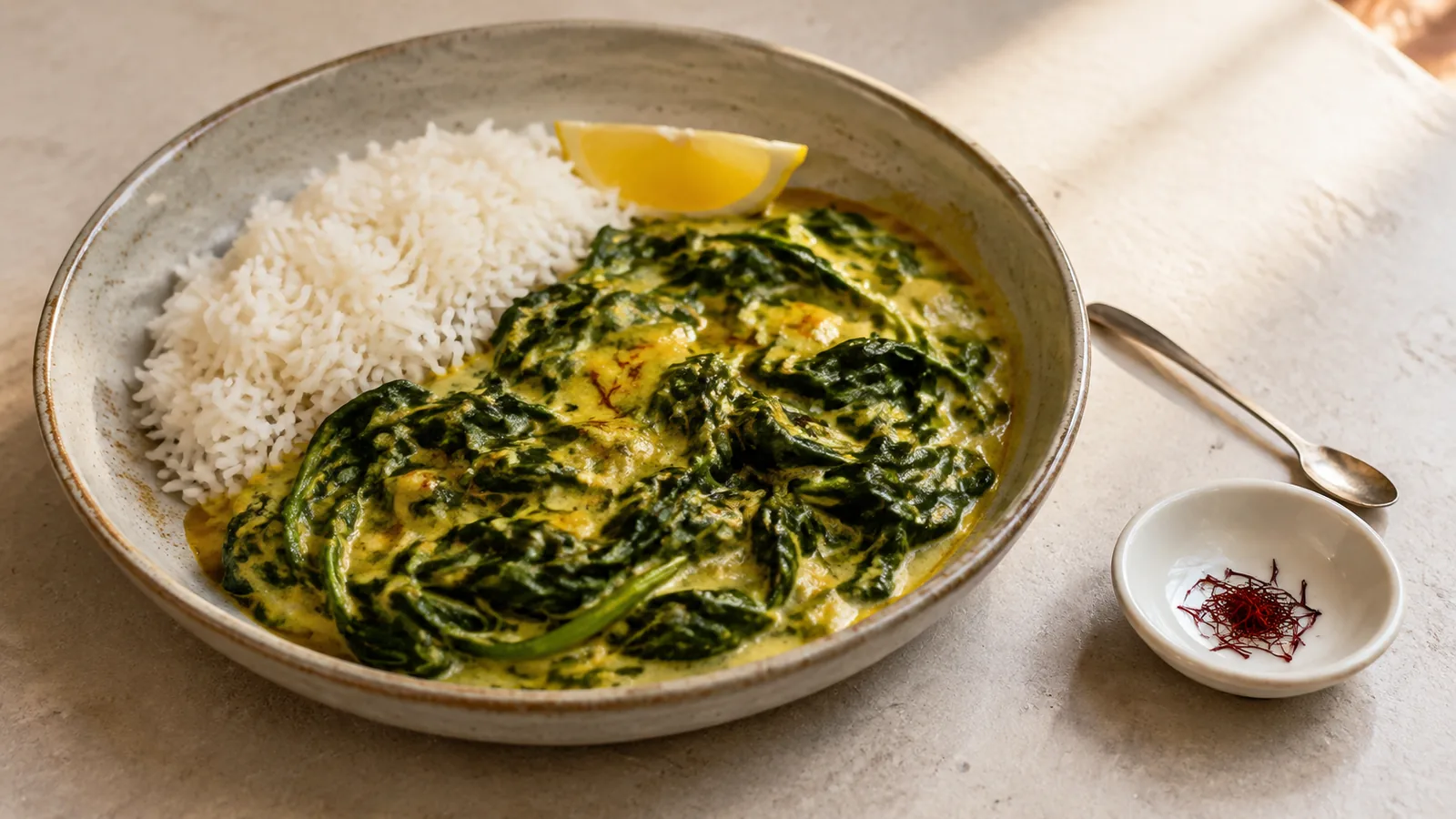
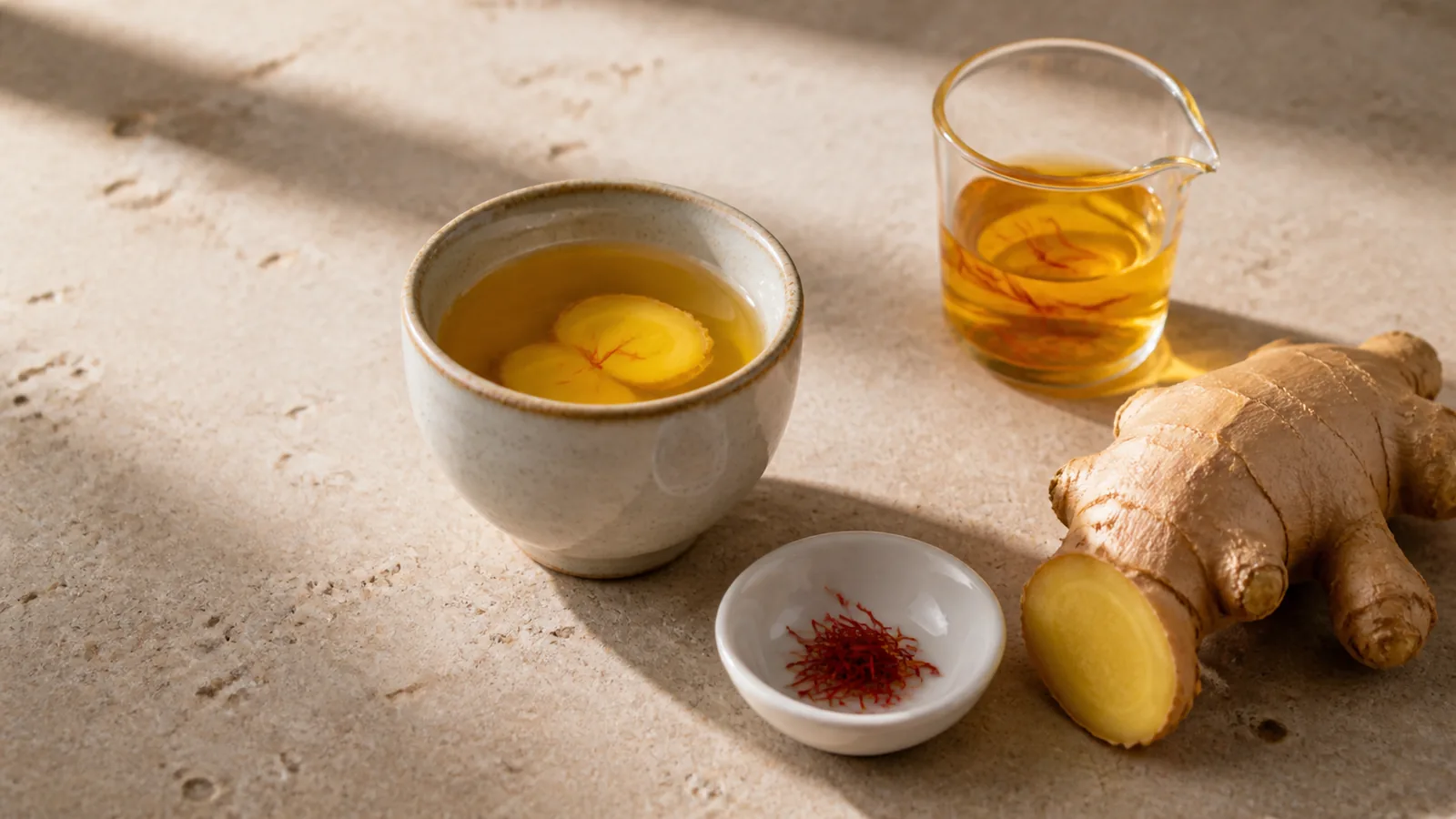
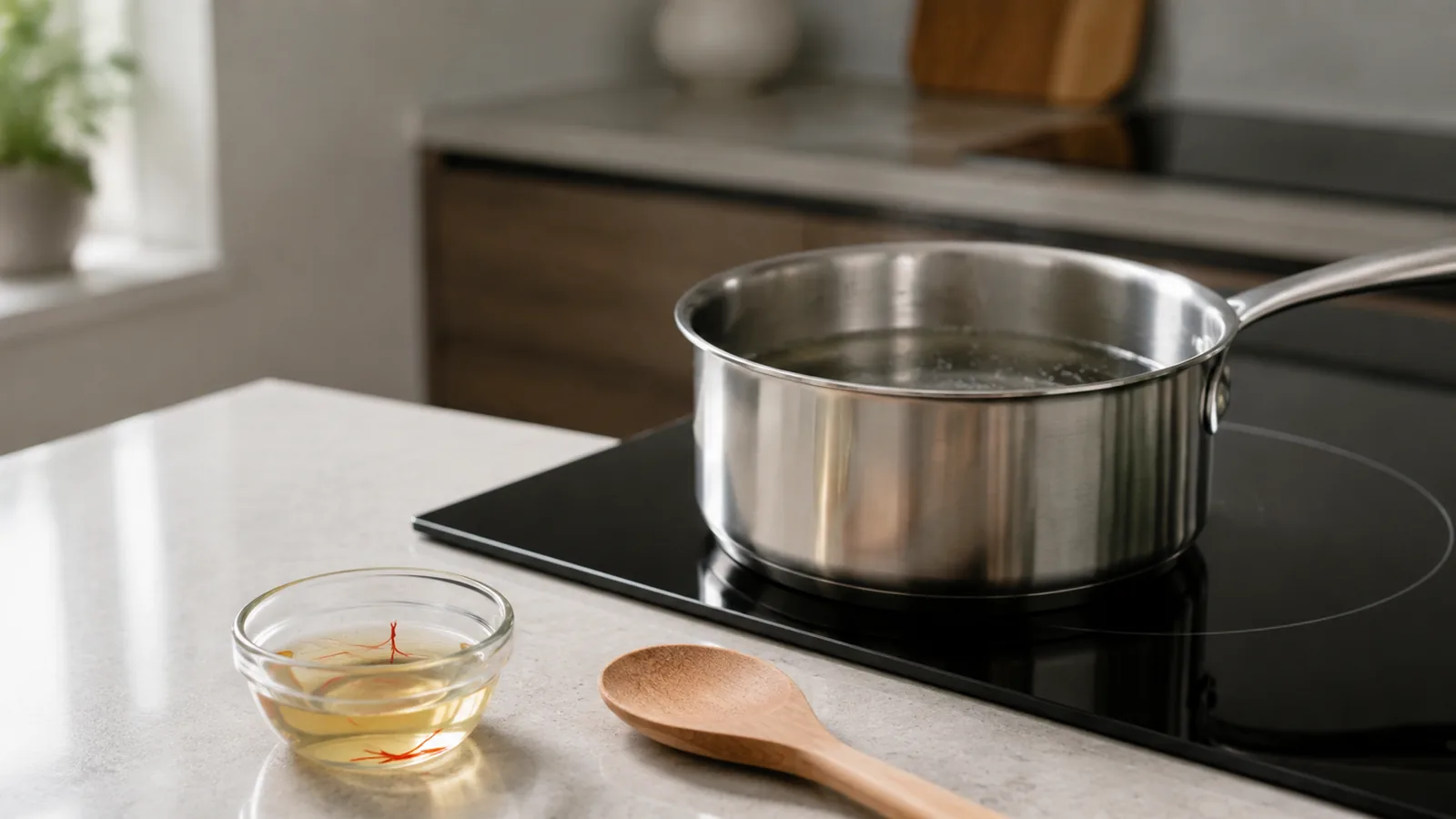
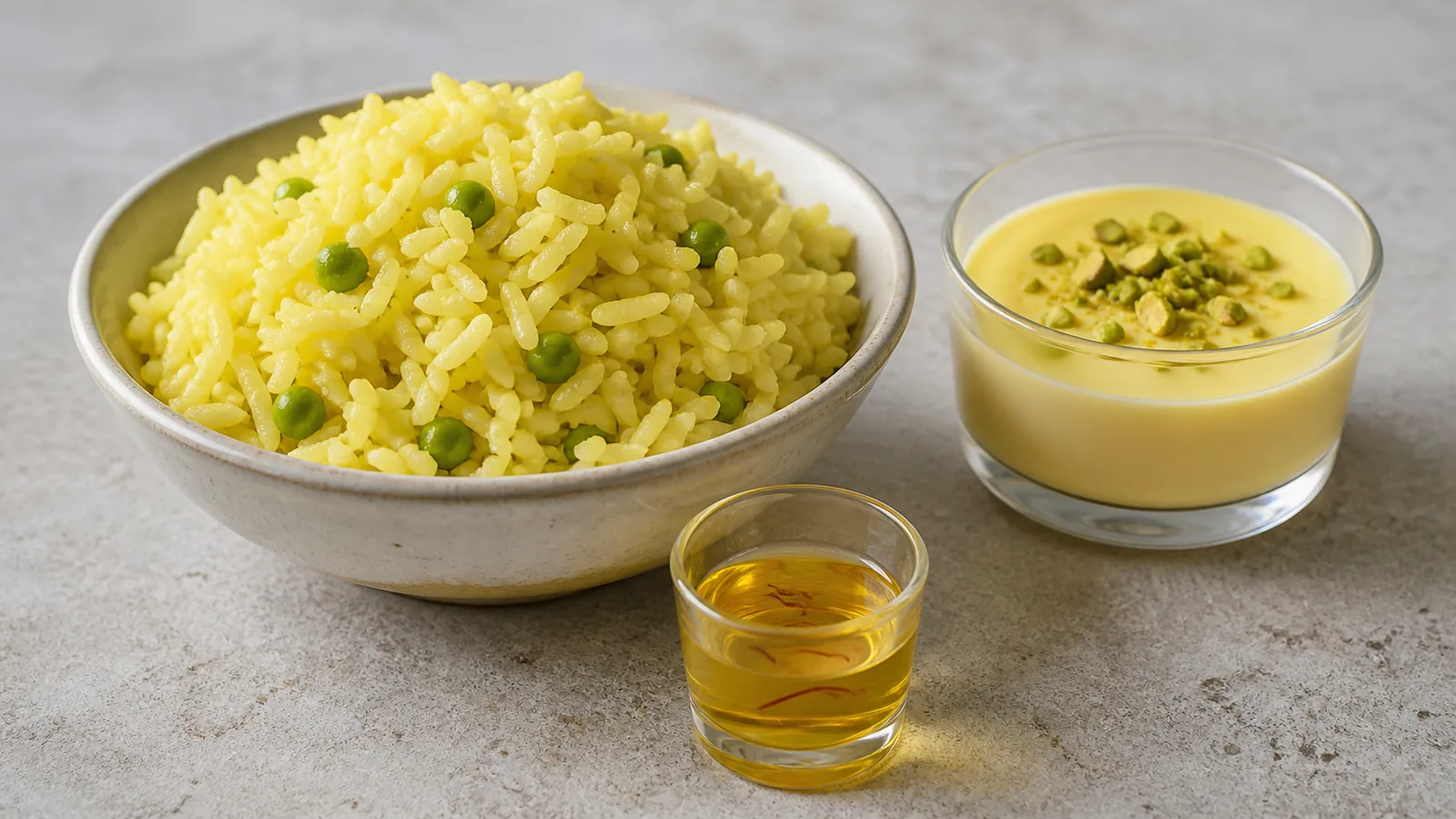
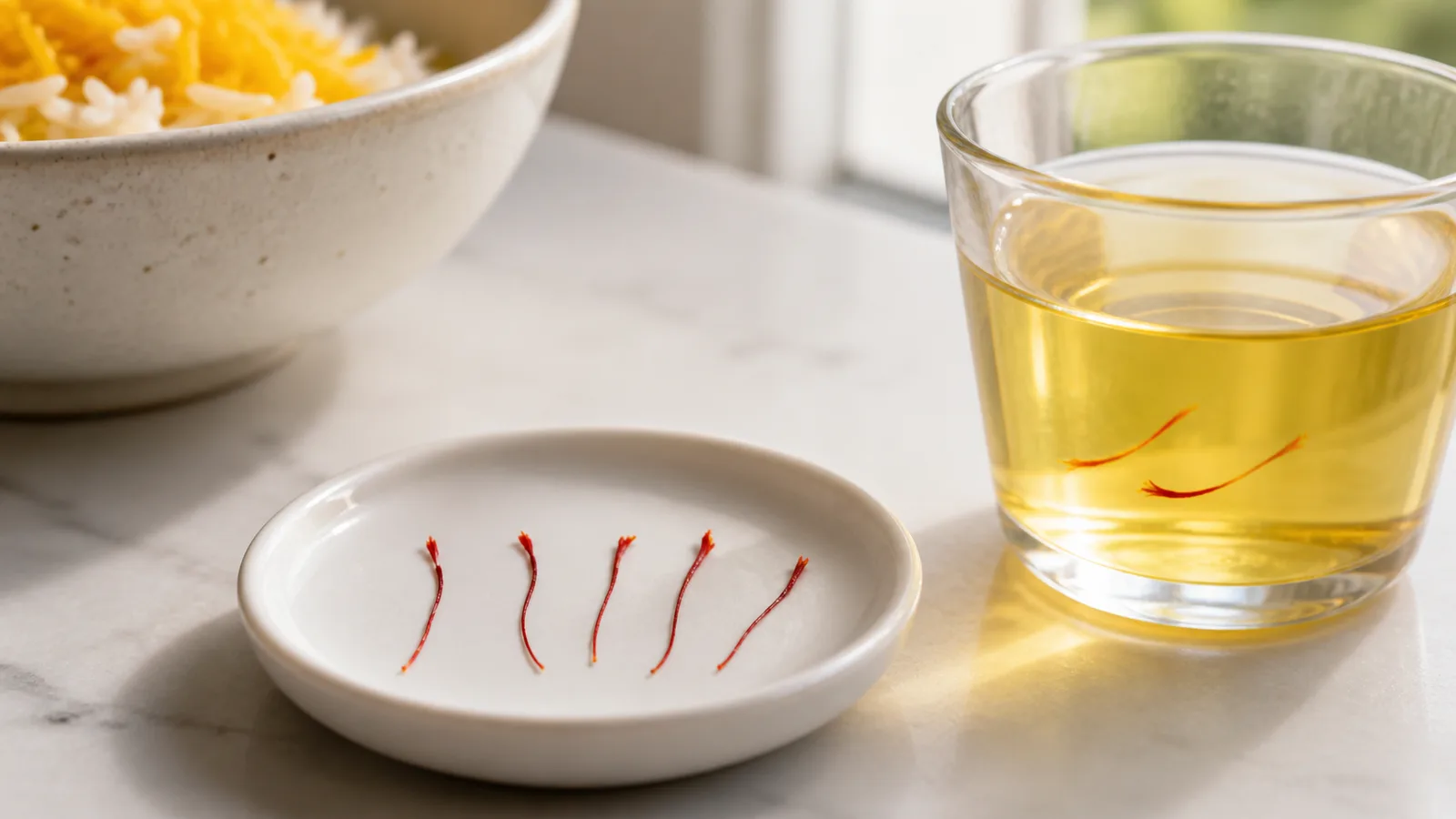
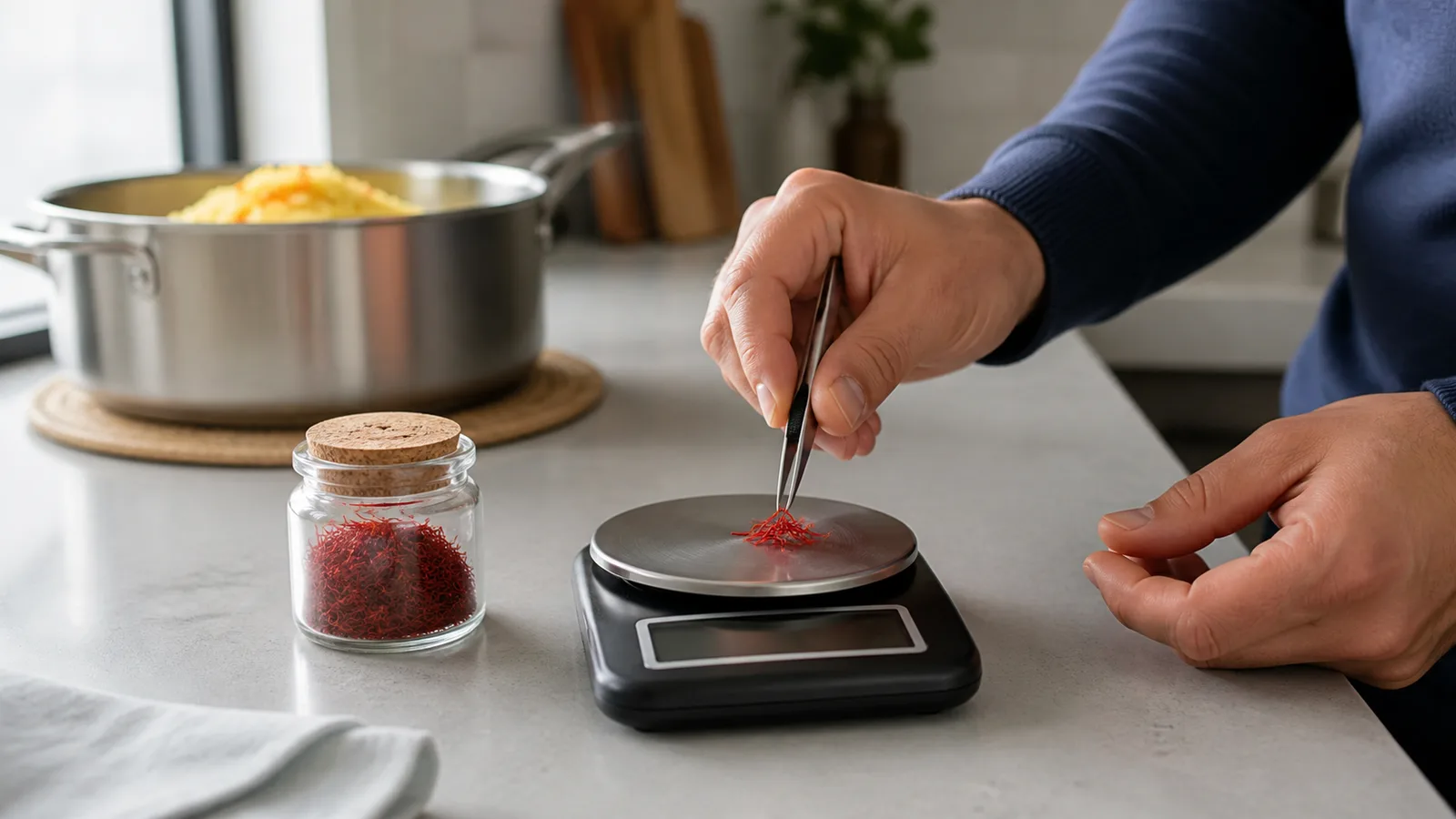
Measure the recipe amount before cooking, especially when using powder. Bloom a small pinch in warm water, milk or stock and distribute it through the whole dish. Do not take extra because colour appears slowly or because a product is marketed as natural.
For ordinary culinary use, browse our saffron products. For people and situations that need additional caution, read who should avoid saffron.
Conclusion
Too much saffron can cause harm, but online gram thresholds are not safe triage tools. Culinary use is normally small; suspected saffron overdose needs an assessment based on the person, product, amount and time. Contact a poison centre promptly rather than waiting for symptoms or testing a “lethal dose” claim.