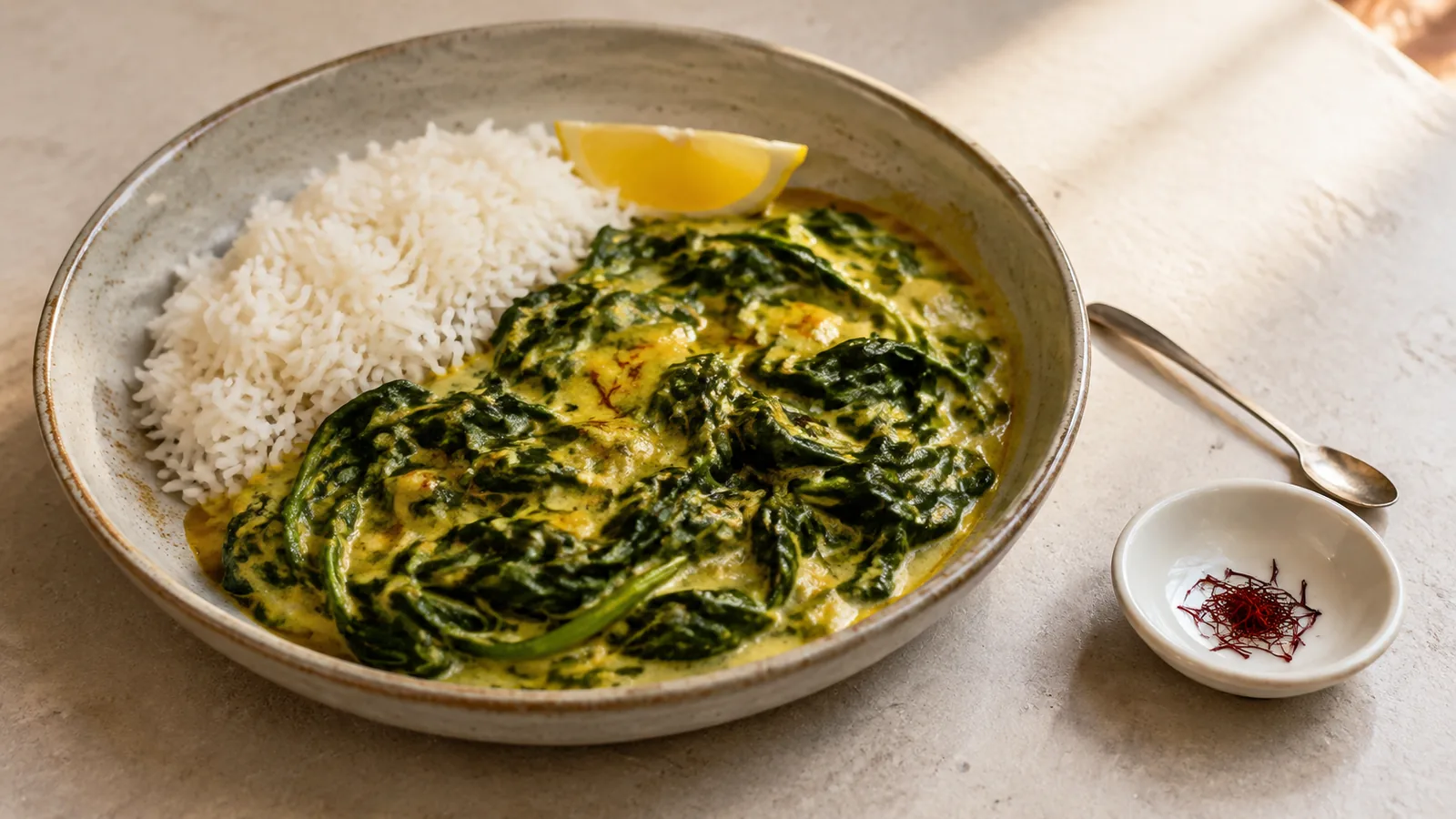
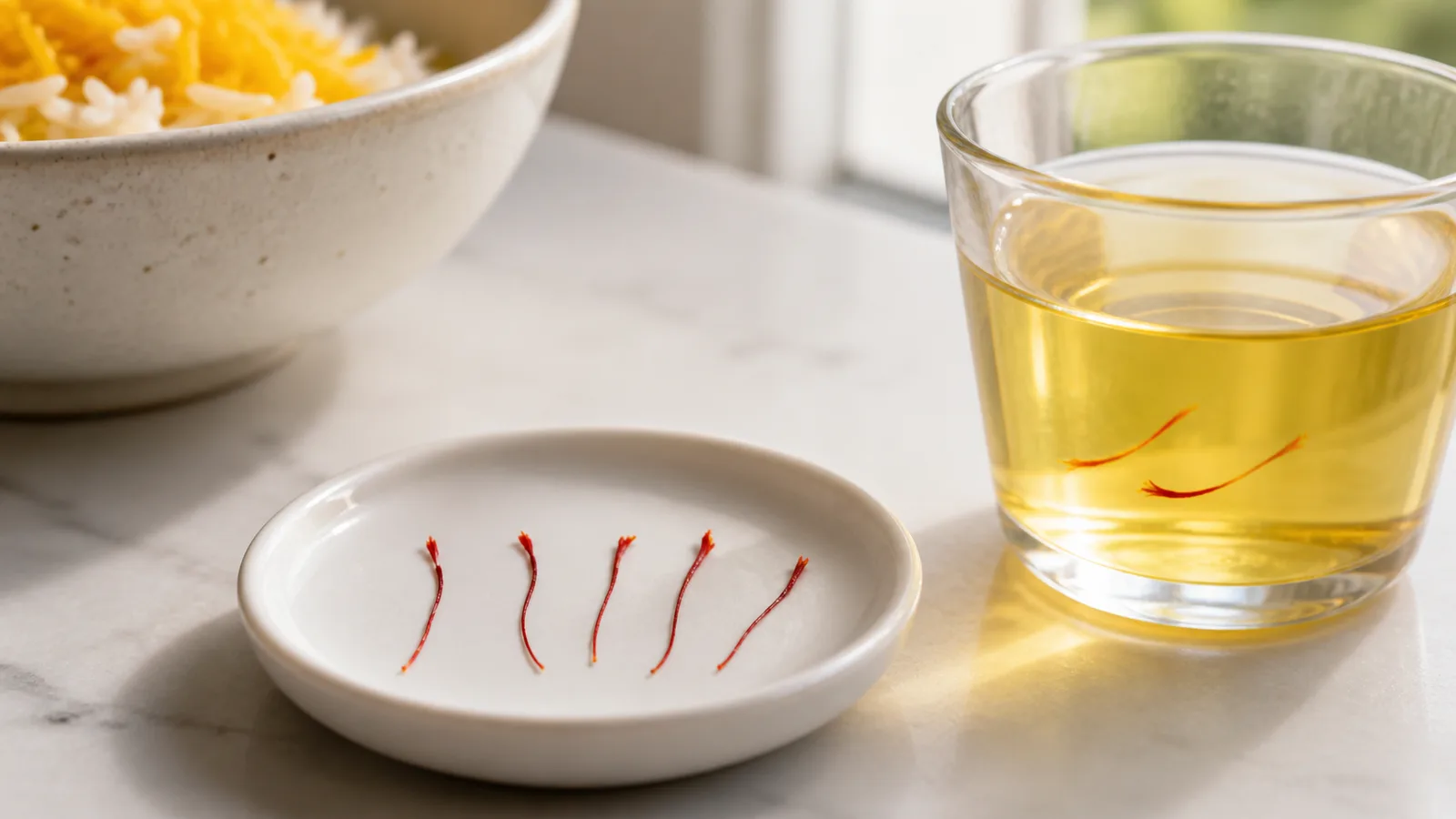
Yes, you can put saffron in curry. Bloom the threads in a little warm water, milk or unsalted stock, then stir the complete infusion into the curry during the later part of cooking. This spreads the colour and flavour evenly without subjecting saffron’s delicate aroma to a long, hard boil.
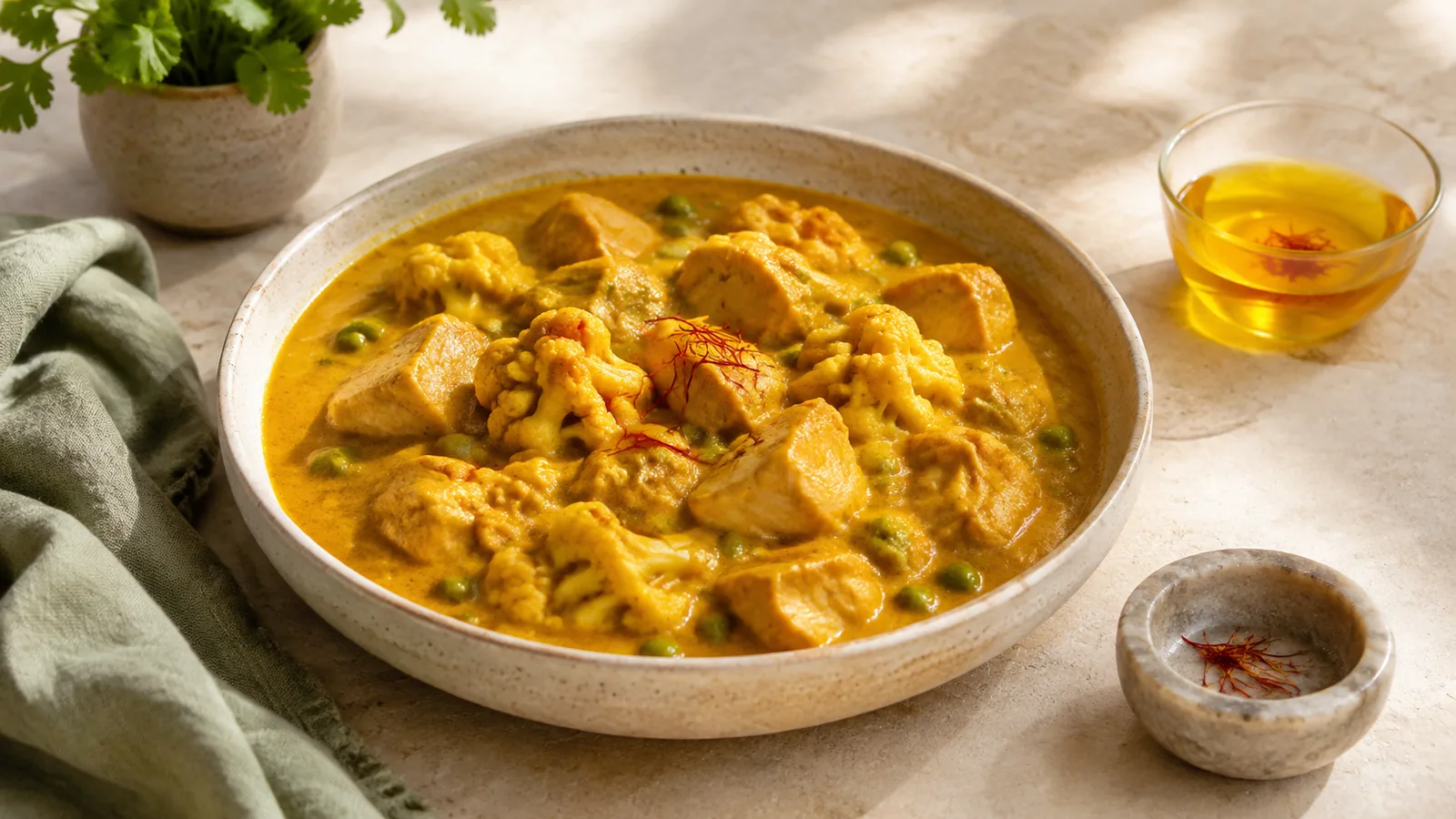
Can I Put Saffron in Curry?
Saffron works particularly well in curries with rice, chicken, lamb, seafood, vegetables or lentils. It can also suit a creamy korma-style sauce. The spice brings a honeyed, hay-like aroma, a gentle bitterness and a golden colour, but it should remain one part of the dish rather than covering every other flavour.
The most useful saffron curry tips concern preparation, timing and balance. Dropping a large bundle of dry threads into a finished sauce is expensive and uneven. Blooming a measured amount first gives you much better control.
How to Prepare Saffron for Curry
- Measure the saffron called for in your recipe.
- Gently crush the threads into coarse pieces in a dry mortar.
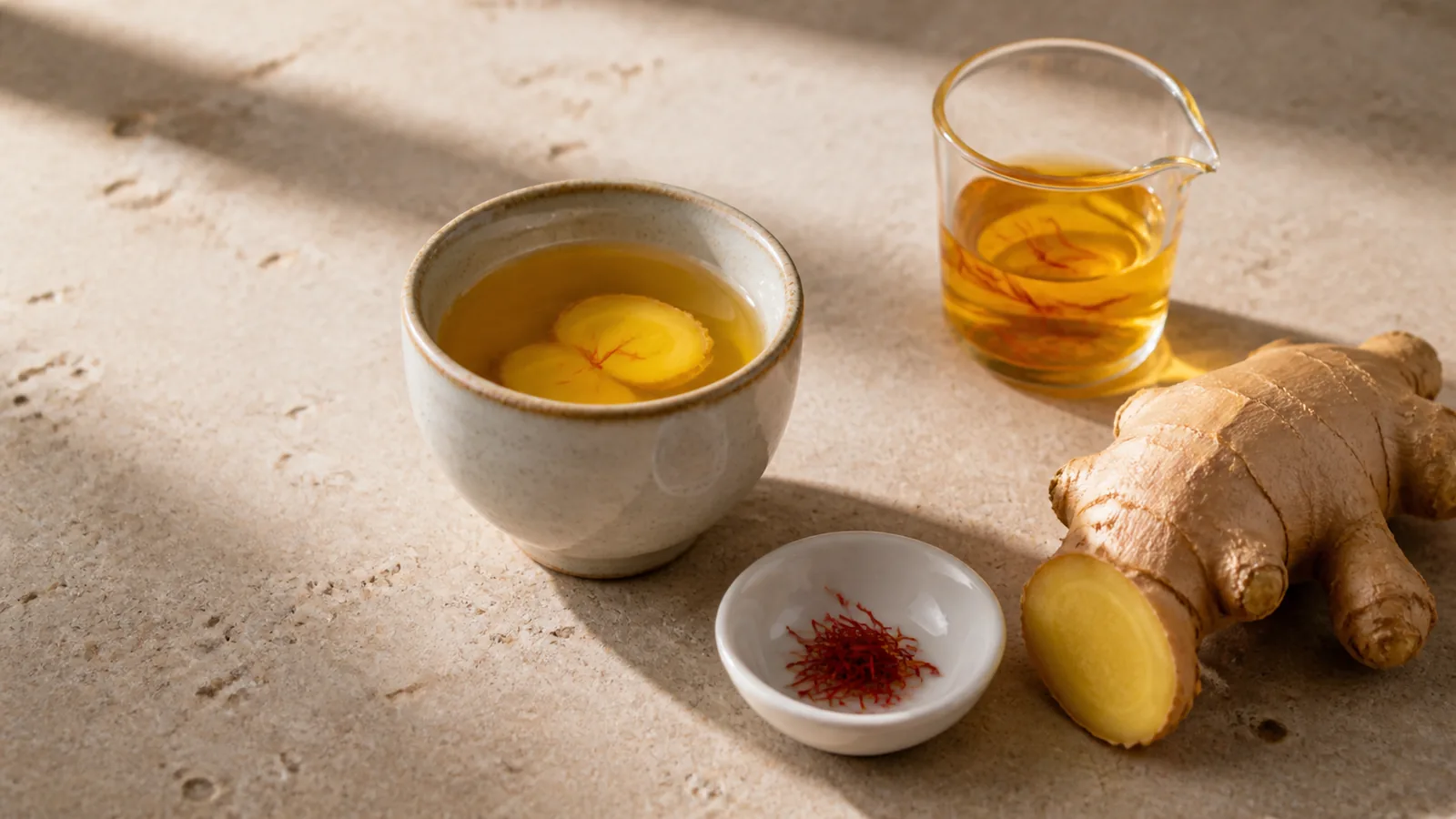
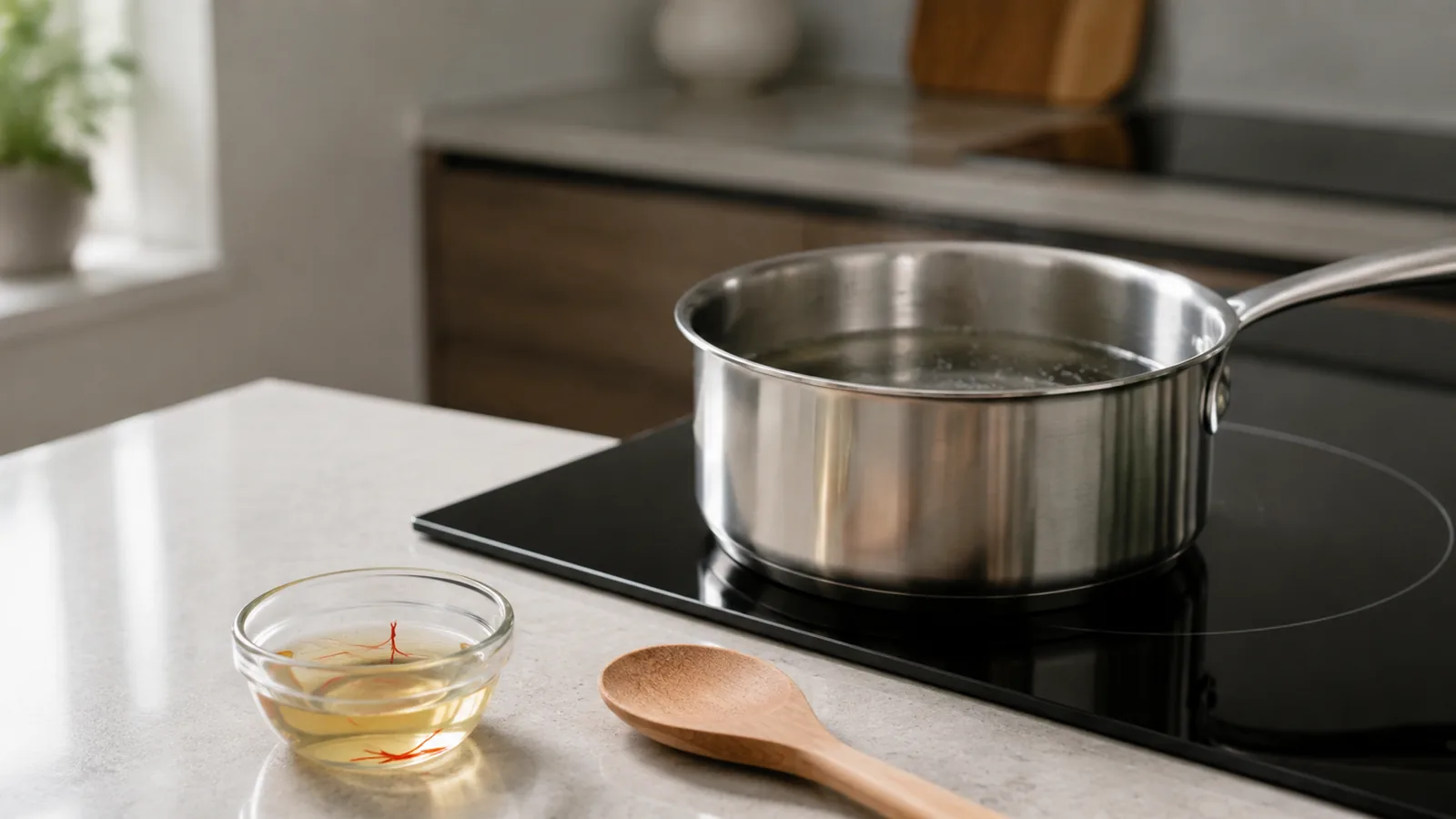
- Cover them with a few spoonfuls of warm water, milk or mild stock.
- Leave the infusion for 10–20 minutes.
- Pour both the golden liquid and the softened threads into the curry.
Water-rich liquids are effective for releasing saffron’s crocins, the compounds chiefly associated with its colour. A 2024 culinary extraction study found that water-rich conditions favoured crocin extraction. Use milk when it already belongs in a creamy curry; otherwise, warm water or unsalted stock avoids changing the recipe unnecessarily.
Count the infusion as part of the dish’s liquid. This matters most in a thick sauce, where even a small extra amount can change the consistency.
When to Add Saffron to Curry
For a curry that simmers for a long time, add the infusion in the final 10–20 minutes. That gives it time to blend into the sauce while keeping more of its aroma noticeable at the table. Research on saffron in boiling water has found that prolonged high heat can adversely affect crocins and safranal, so cooking it for an extra hour is not a route to a stronger result.
A quick seafood or vegetable curry can receive the infusion earlier because its total cooking time is short. If the sauce is already finished, stir in the warm infusion over low heat and let it settle for a few minutes before serving. For more dish-by-dish detail, see when to add saffron to food.
Which Curries Work Well with Saffron?
Creamy Curries
Saffron fits naturally into mild sauces made with yoghurt, cream, coconut milk, ground nuts or a combination of these. Bloom it in a liquid that matches the sauce and add it once the main ingredients are nearly cooked. Keep the heat controlled after adding dairy so the sauce remains smooth.
Chicken and Lamb Curries
Both meats can carry saffron well, especially in a gently spiced sauce. Build the curry’s onion, ginger, garlic and spice base first. Add the meat and cooking liquid, allow it to become tender, then add the saffron infusion toward the end. This sequence keeps the spice from disappearing into a long braise.
Fish and Seafood Curries
The shorter cooking time makes these curries a good match for saffron. Add the infusion to the sauce shortly before the fish or shellfish is fully cooked. Saffron can be overwhelmed by a very hot chilli base, so decide whether you want its aroma to be recognisable before combining it with aggressive heat.
Vegetable and Lentil Curries
Saffron adds depth to cauliflower, potato, pumpkin, peas, chickpeas and mild lentil dishes. Add it once the vegetables or pulses are close to tender. If the curry is very thick, stir the infusion through carefully so it does not remain concentrated in one area.
Spices to Pair with Saffron in Curry
Cardamom, cumin, coriander seed, cinnamon, turmeric and black pepper can all sit beside saffron, but they do not need to appear together. Build the blend around the curry you are making. A creamy chicken curry might use cardamom and a restrained amount of cumin; a vegetable curry may suit coriander and turmeric.
Turmeric supplies a stronger yellow colour for much less money, but it does not replace saffron’s flavour. If you use both, add turmeric with the fried spice base and add the saffron infusion later. Heavy chilli, clove or smoky seasoning can dominate saffron, so reduce those flavours only if the recipe’s purpose is to let saffron lead.
How Much Saffron Should Go into Curry?
Use the amount in a tested recipe or weigh the threads when consistency matters. Thread counts are unreliable because thread length and thickness vary. Start modestly when developing a dish: too much saffron can taste harsh or medicinal, and adding more does not make a curry more refined.
Colour is not a reliable dosing tool on its own. Tomato, turmeric, browned onion and the colour of the stock all change what you see. Smell and taste the finished sauce, then record any adjustment for the next batch rather than repeatedly adding dry threads during cooking.
Should Saffron Be Fried with the Other Spices?
Do not fry delicate saffron threads in very hot oil along with whole cumin, mustard seeds or other tempering spices. Those ingredients may need intense direct heat; saffron does not. Prepare it separately in a warm water-rich liquid and combine it with the sauce after the high-heat frying stage.
Fat in the finished curry can help carry aroma, but an oil-only soak is less effective for distributing saffron’s water-soluble colour. Bloom first, then let the infusion meet the sauce.
Common Mistakes to Avoid
- Using too much: excess saffron can make the curry bitter and unbalanced.
- Adding dry threads to one corner: the flavour and colour will not spread evenly.
- Boiling it from the first minute: reserve the infusion for the later stage of a long-cooked curry.
- Frying it over fierce heat: bloom saffron separately instead of treating it like a whole tempering spice.
- Using colour as the only test: turmeric and other ingredients can conceal how much saffron is present.
- Crowding the spice blend: leave room for saffron’s aroma if it is meant to be a feature.
A Simple Saffron Curry Method
Prepare the curry base and cook the main ingredients until they are nearly ready. Meanwhile, crush and bloom the measured saffron. Stir the infusion into the sauce for the final 10–20 minutes, using less time for a quick curry. Taste only after it has had a chance to disperse.
That is the practical answer to “can you put saffron in curry?”: yes, provided it is measured, bloomed and added at a stage that suits the cooking time. Our guide to using saffron in food covers the wider preparation method, and the saffron shop lists the current whole-thread options.