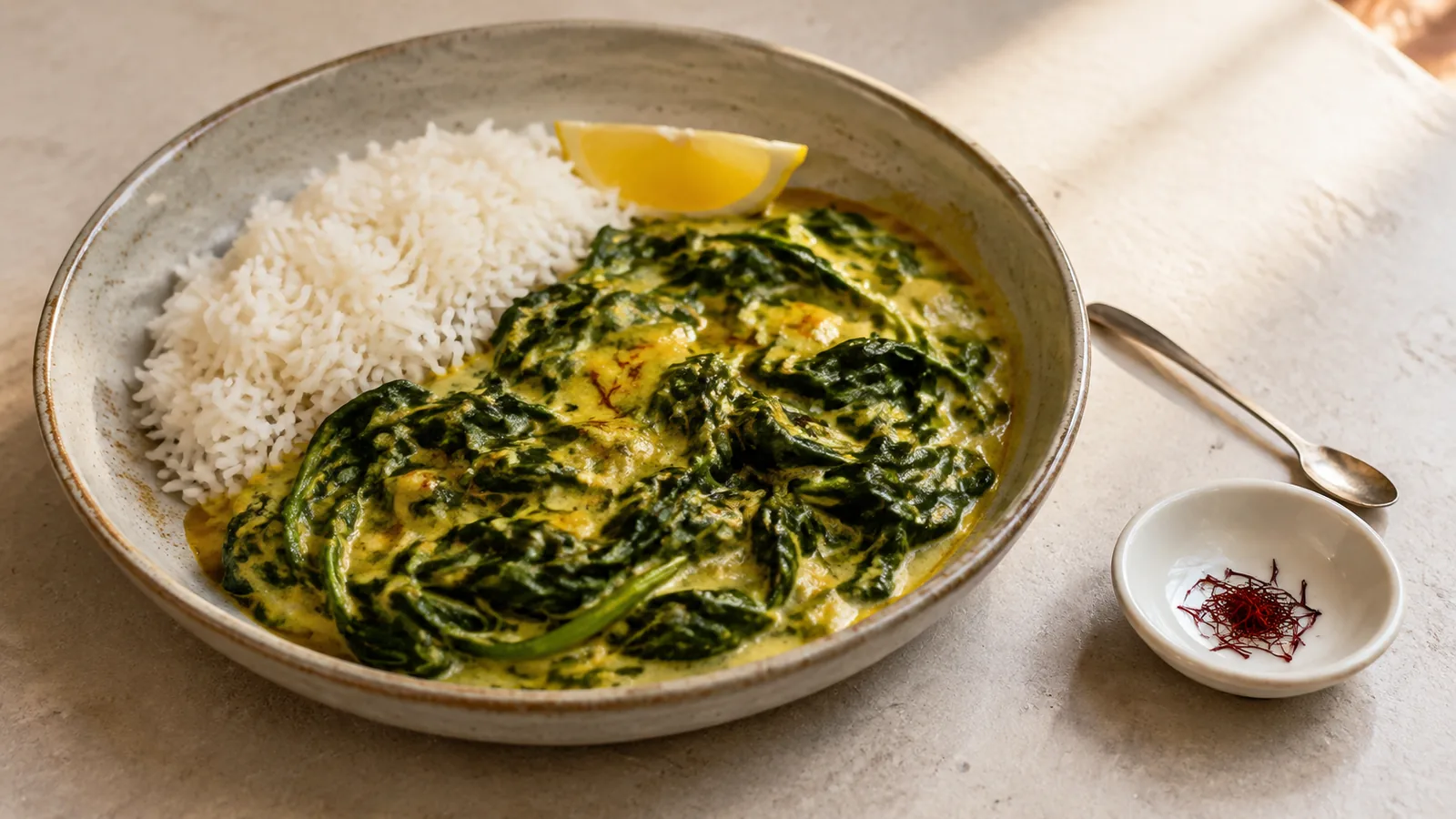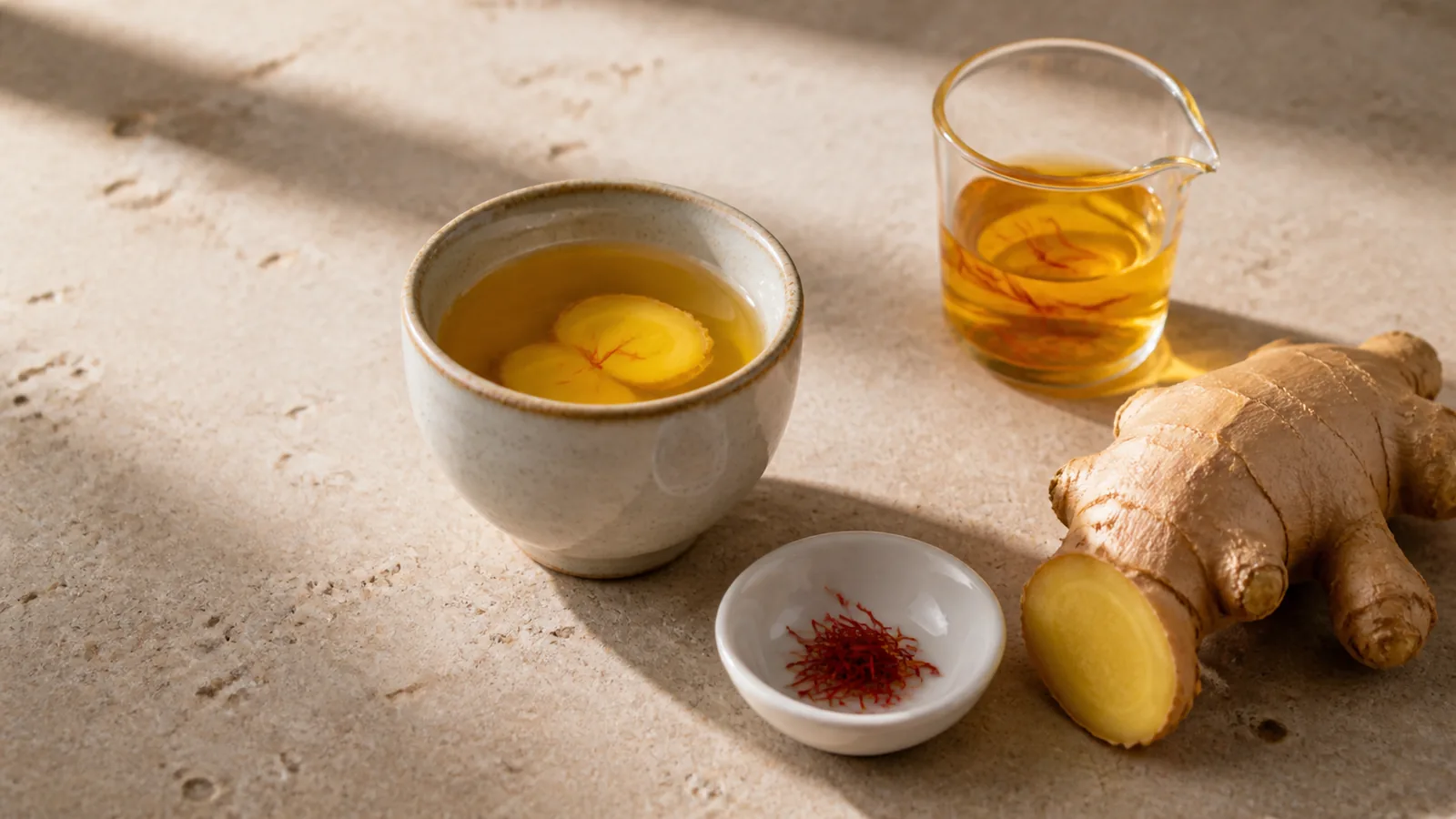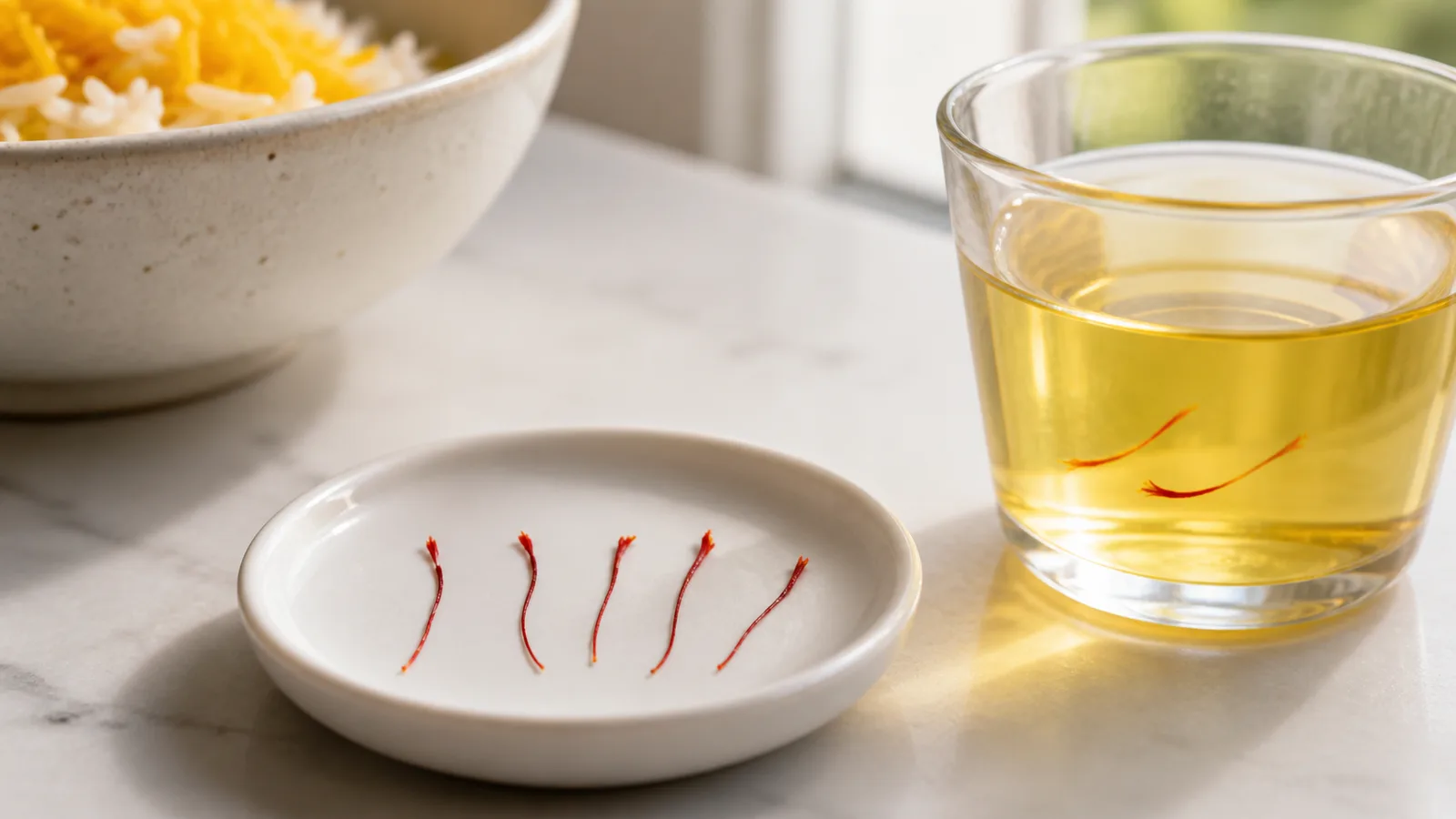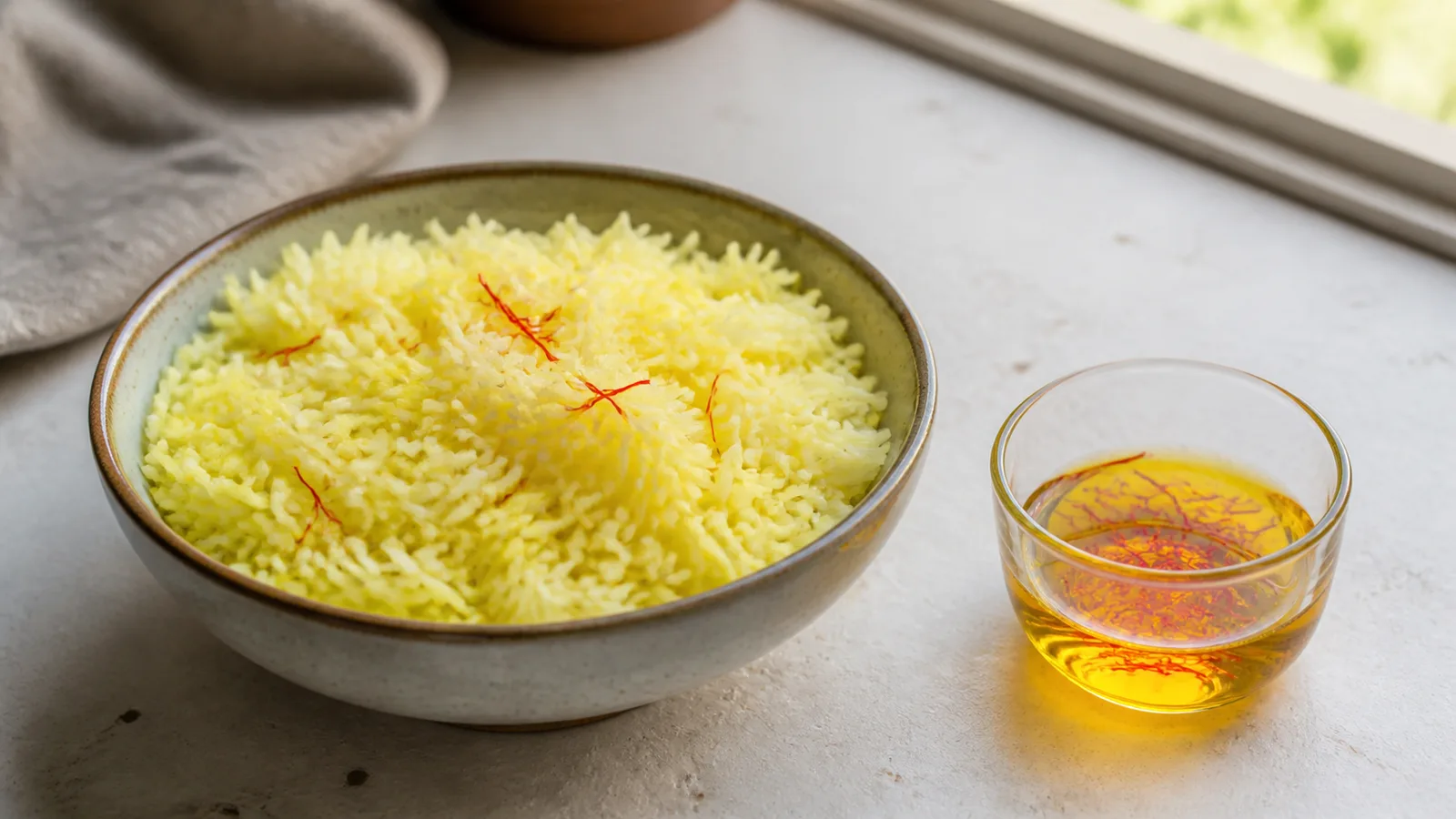
Yes, saffron threads are edible. If a few remain in your rice, tea or milk after steeping, you can eat them along with the dish. Eating saffron threads directly is also possible, although blooming them first usually gives you more of the aroma, colour and flavour you paid for.
The useful distinction is between a small culinary amount and a concentrated supplement or unusually large quantity. Whole threads in a recipe are food; capsules and extracts come with their own measured directions.
The spice contains compounds including crocin, safranal and picrocrocin, which contribute to its colour, aroma and taste. Their presence does not by itself prove that eating a few threads will relieve stress, balance hormones or deliver a particular health result.
Is it OK to swallow saffron threads?
For most adults, swallowing the small amount used in ordinary cooking is not a concern. The threads soften in liquid but do not need to dissolve completely. Their texture can be slightly fibrous, and they may taste bitter if chewed on their own.
There is no need to remove bloomed threads before serving. If you prefer a completely smooth drink, you can strain them out after steeping; that is a matter of texture, not a safety requirement.
How to consume saffron threads
Saffron can be added directly, crushed into food or steeped first. The best method depends on the dish.
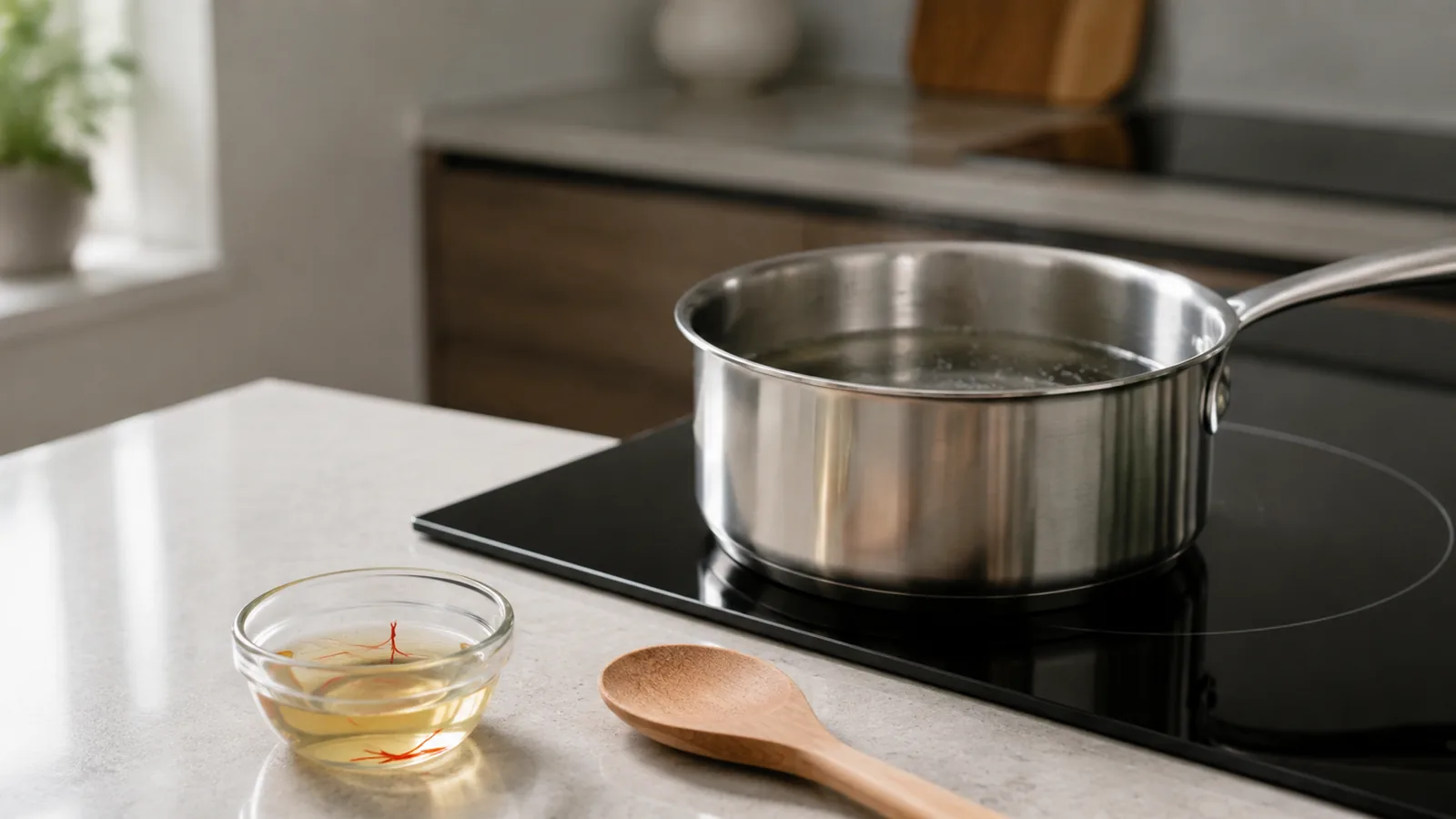
Bloom them for an even result
- Take the modest amount called for in your recipe.
- Lightly crush the dry threads with clean fingers or a mortar and pestle.
- Cover them with a few spoonfuls of warm water, milk or broth.
- Leave them for 10 to 15 minutes, then add both the liquid and threads.
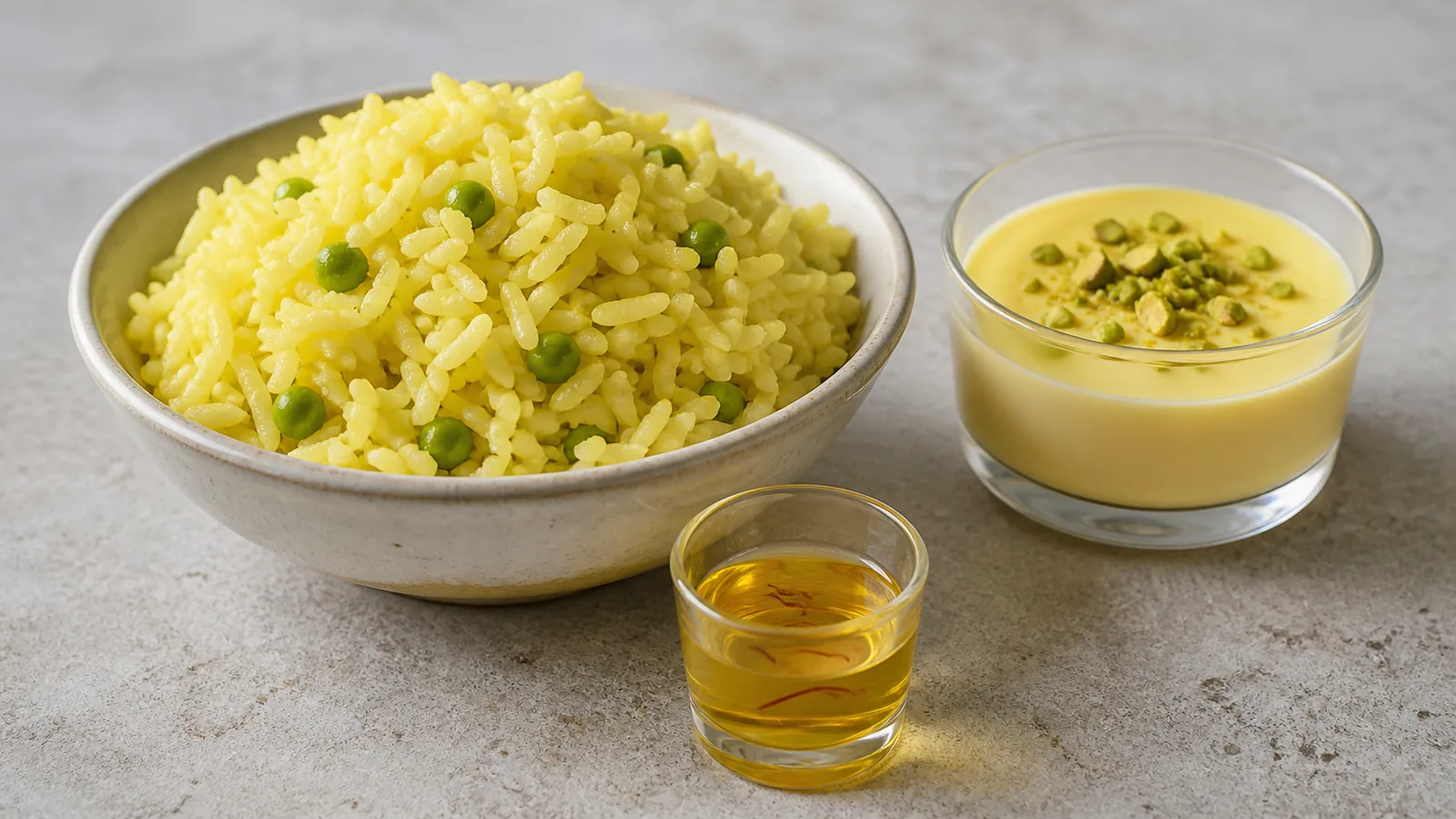
Blooming spreads the colour and aroma throughout rice, soup, custard or dough. It also makes it easier to judge the strength before adding more.
Add whole threads when appearance matters
A few intact threads can finish a bowl of rice, a dessert or a cup of tea. They provide a visible cue that saffron was used, but they release less evenly than lightly crushed, bloomed material. Use them sparingly so one bite does not receive a concentrated bitter note.
Can you eat saffron threads every day?
Regular culinary use is different from taking saffron as a daily supplement. A recipe shared by several people may contain only a small pinch, while a capsule provides a measured extract to one person. Do not translate supplement milligrams into a guessed number of threads.
There is no scientifically established daily allowance counted in strands because thread length, thickness and moisture vary. Our guide to saffron strand amounts and dosage explains why a fixed thread count is not a universal safety boundary.
A review of saffron safety research discusses studied doses and possible adverse effects, but it should not be turned into a homemade prescription. If you are pregnant or breastfeeding, take medicines, have a chronic condition, or want to give saffron regularly to a child, ask a qualified healthcare professional about your situation. The FDA’s supplement guidance also advises discussing supplements and possible interactions with a healthcare professional.
What if you eat too many threads?
Saffron is so intense that excess is usually noticed first as an unpleasantly bitter, medicinal flavour. Larger-than-culinary amounts may cause nausea, vomiting, dizziness, headache or low blood pressure. Stop using it and seek medical advice if symptoms occur. For a large or unknown ingestion, contact your local poison service rather than relying on a thread-count estimate.
This is also why “five to ten threads” should not be presented as a precise medical limit. Recipe size, individual circumstances and the physical variation between threads make that number too crude. Start small for flavour and follow measured professional or labelled directions for anything beyond food.
Choose threads you can inspect
Whole saffron is easier to examine than anonymous powder. Look for predominantly deep-red stigmas with a characteristic floral, hay-like aroma. When placed in warm water, genuine threads release golden-yellow colour gradually rather than instantly shedding a harsh dye. No home test proves quality or origin on its own, so supplier traceability still matters.
Keep saffron dry, sealed and away from light and heat. Clean, dry utensils prevent moisture from entering the container and help preserve the aroma between uses.
The simple answer
Can you eat saffron threads? Yes: the small amount left in normal food or drink can be swallowed, and it does not have to be strained out. Blooming is usually the better culinary choice because it distributes the spice more evenly. Enjoy saffron as a flavouring, be cautious with large or daily supplemental amounts, and choose intact threads from a supplier you can identify. Our saffron products are available for cooking, tea and desserts.