Saffron is powerful in flavour, so most dishes need only a small amount. That does not mean there is one scientifically proven number of threads that is safe for everybody. If you are wondering how many strands of saffron is too much, the practical answer is to use the smallest amount that gives the food or tea the colour and aroma you want, and to treat supplements or unusually large amounts as a separate safety question.
Saffron dosage guidelines for food and tea
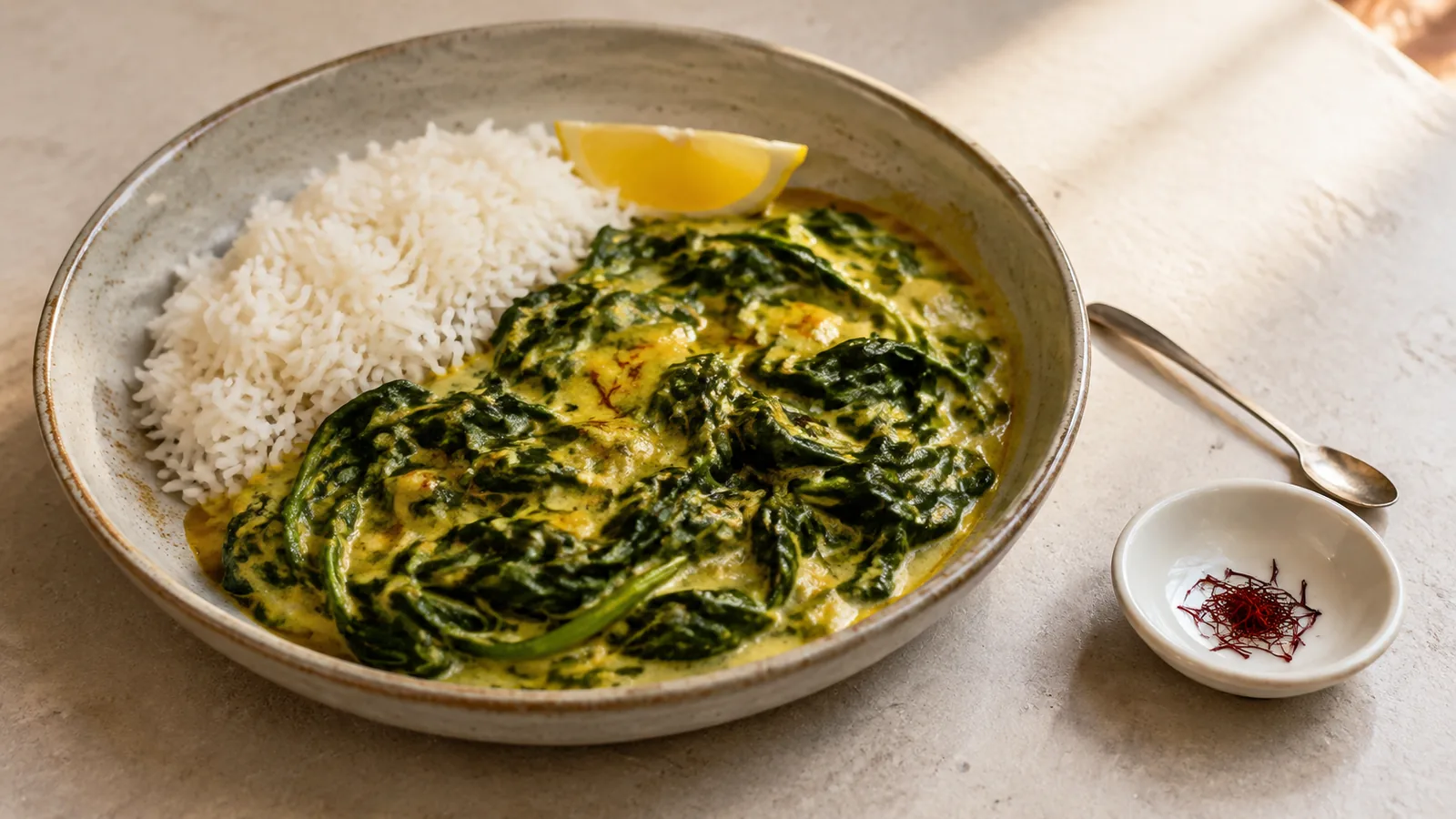
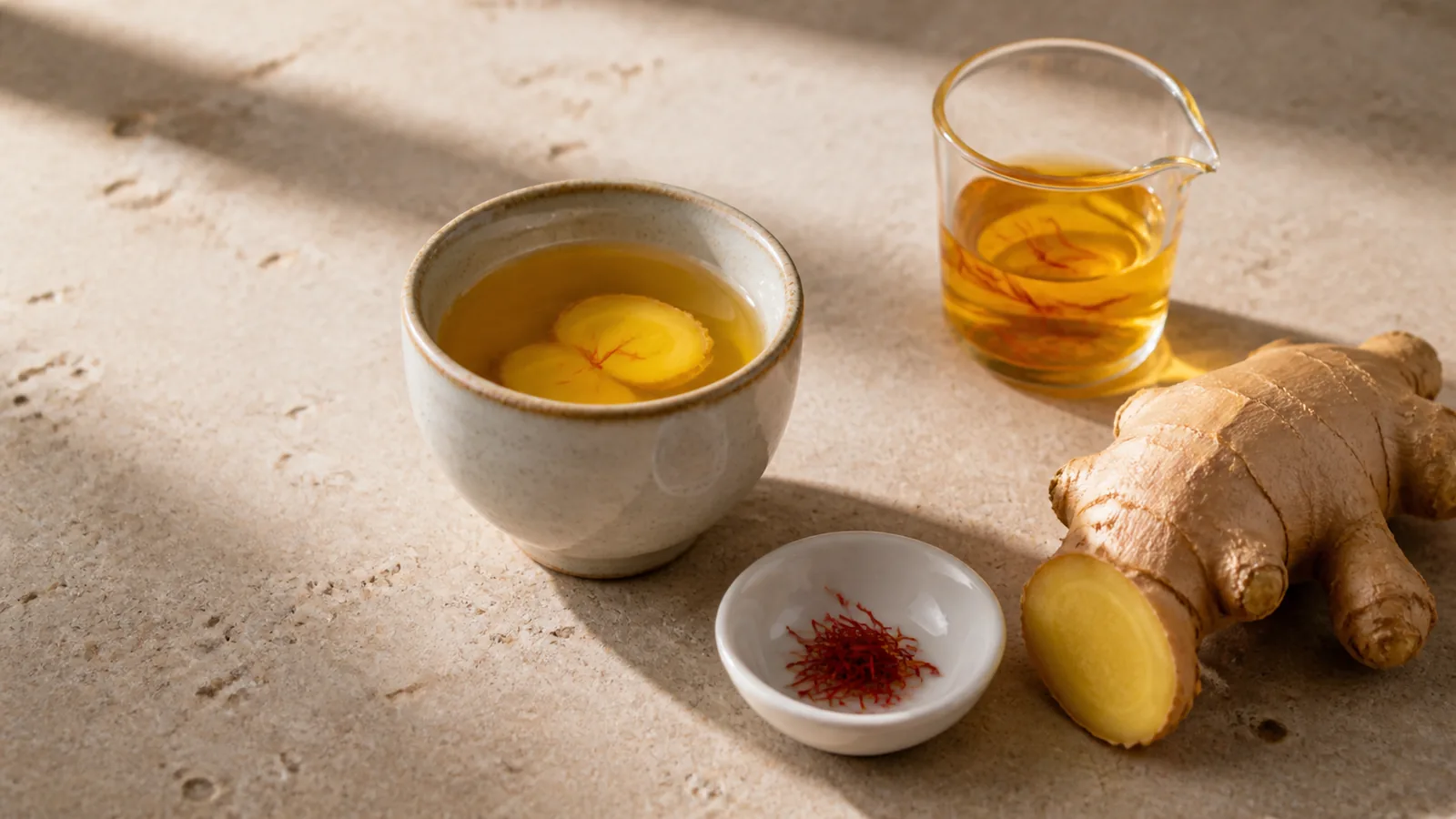
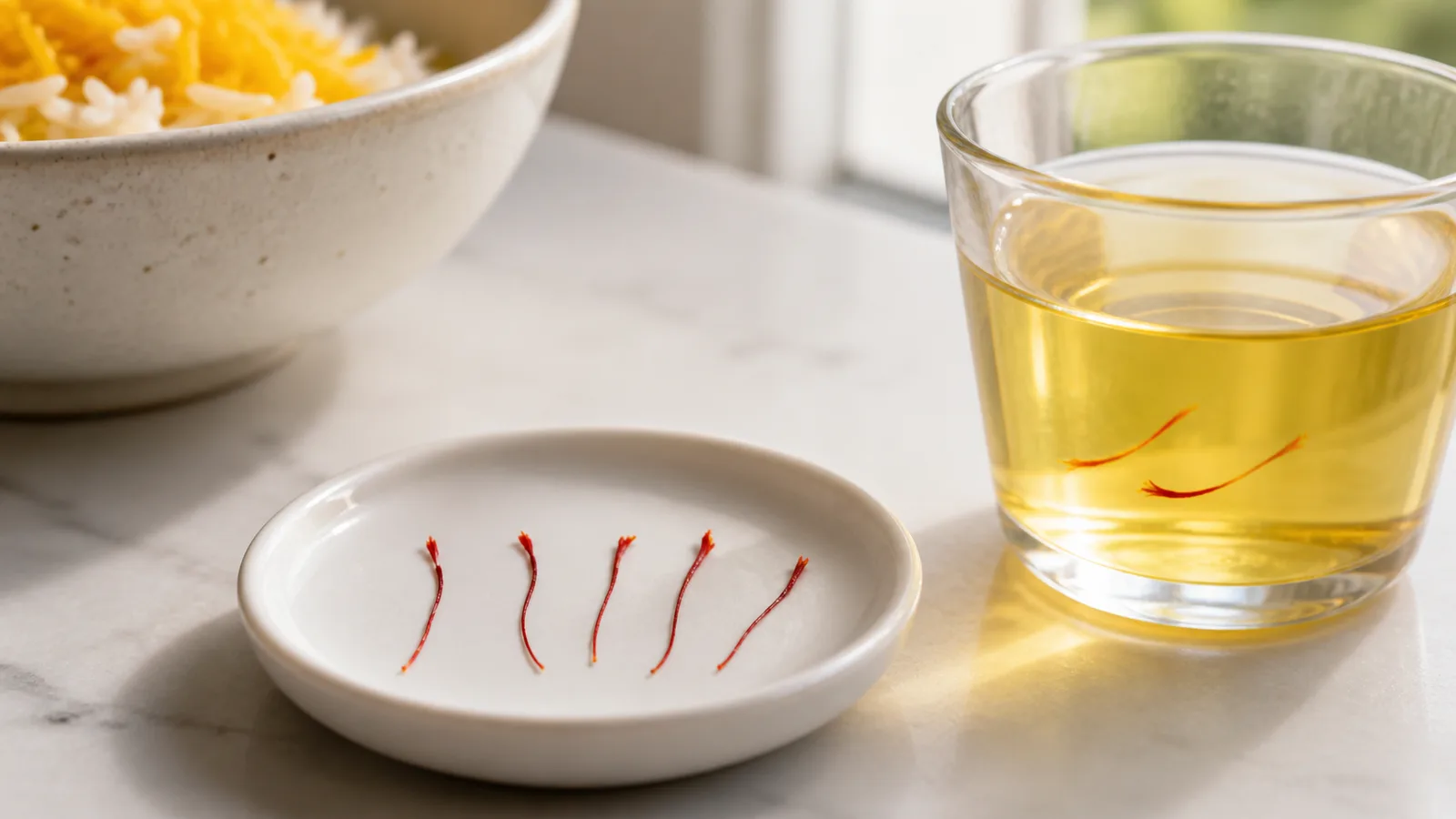
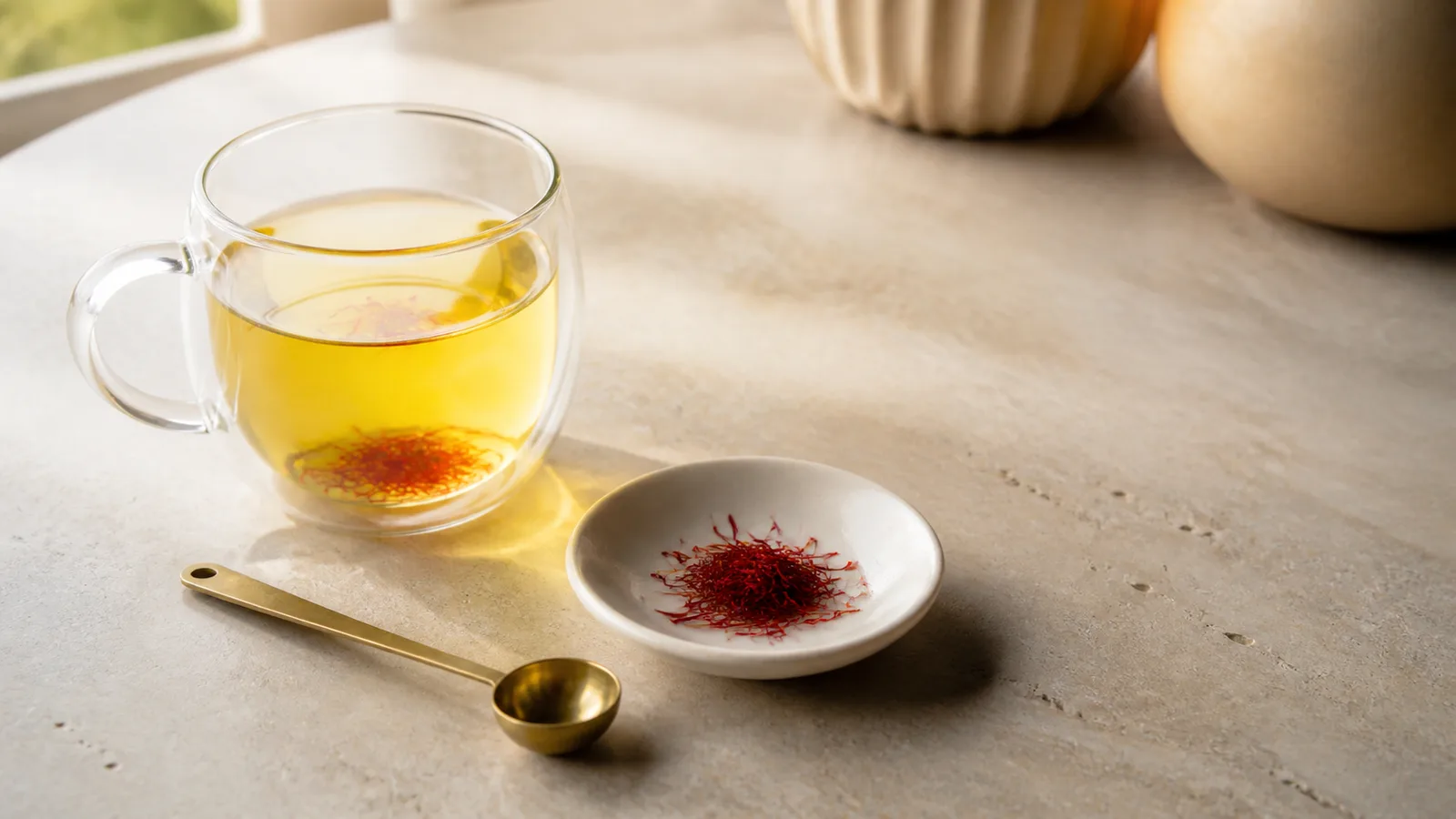
If you are deciding how many strands of saffron for tea, two or three threads in a single cup are a sensible flavour starting point. For a family-size rice dish, a small pinch may be enough once it has been bloomed. These are culinary starting points, not medical dose limits. Thread size and weight vary, and different recipes distribute the saffron across different numbers of servings.
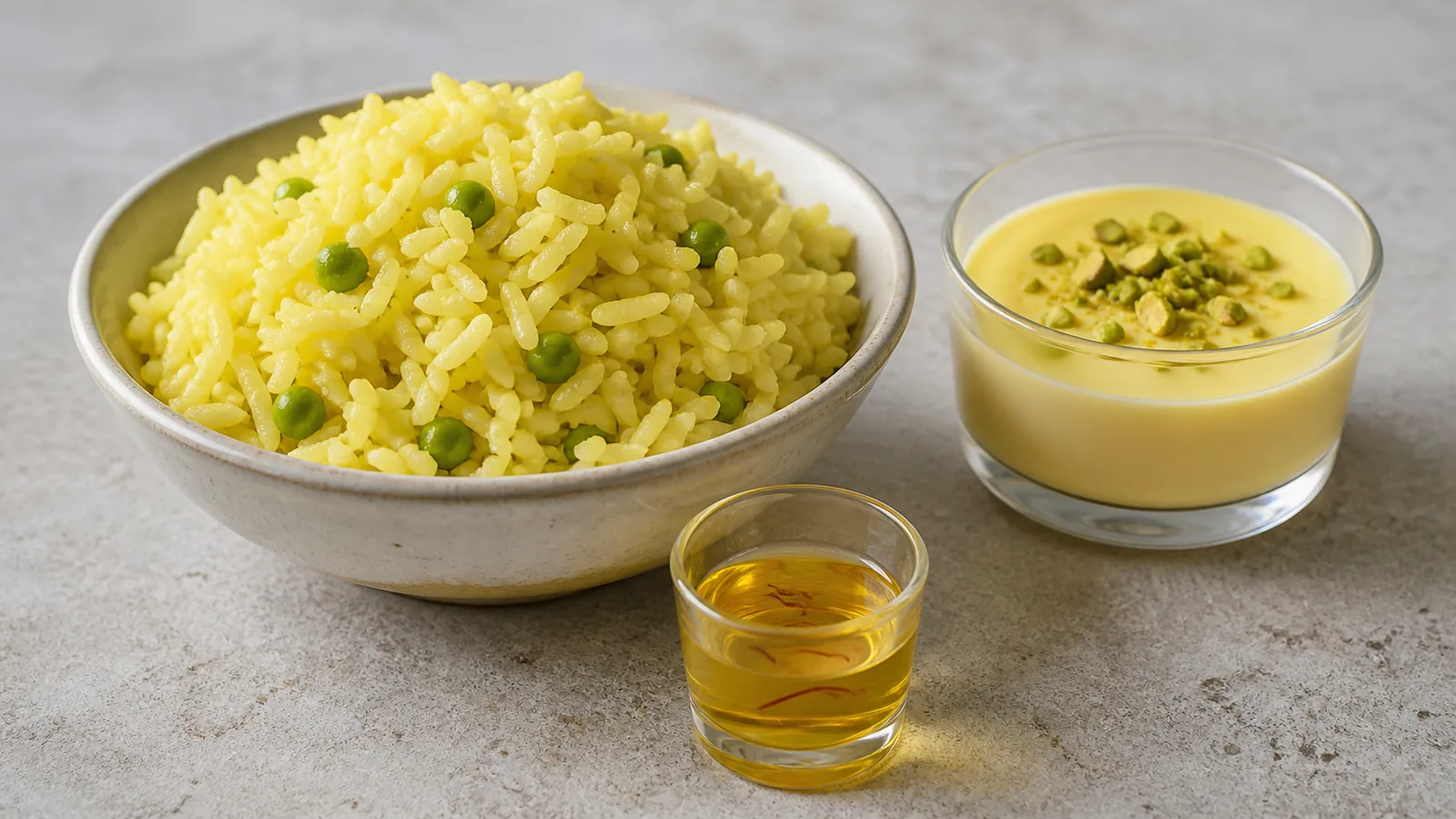
Add a little first, then taste. Too much saffron can make a dish bitter and medicinal long before it becomes a poisoning emergency. The same principle applies when deciding how much saffron to use in milk, broth, desserts or rice.
Why threads cannot be converted reliably into milligrams
Questions such as “how many strands is 30 mg of saffron?” and “how many strands of saffron are in 1 gram?” do not have a dependable answer by counting alone. A long, intact stigma can weigh more than a short or broken one. Moisture, drying and handling also affect the weight. If a research paper, clinician or product label gives a quantity in milligrams, use an accurate scale or the measured product; do not estimate it by eye.
This distinction matters because saffron dosage in a clinical study is not the same as the amount used to season one plate of food. Extracts and capsules can also be more concentrated than a few whole threads. Follow the labelled saffron supplement dosage and ask a qualified healthcare professional about personal suitability rather than translating it into a homemade thread count.
How much saffron is toxic?
There is no useful household “toxic number” of threads. Published safety literature discusses measured amounts, preparations and controlled settings; it does not establish a universal daily strand limit for every person. A review of saffron safety and clinical research reports that studied therapeutic doses were generally tolerated, while also describing adverse effects and the importance of dose. That evidence should not be read as permission to consume large quantities.
Taking substantially more than a culinary amount, swallowing an unknown amount, or misusing a concentrated extract can cause nausea, vomiting, dizziness, headache or changes in blood pressure. Do not use an online estimate to test how much saffron is toxic or whether saffron can kill you. If a large or unknown amount has been swallowed and symptoms are present, contact your local poison service or emergency service promptly. In the United States, Poison Control provides immediate, case-specific guidance.
How many strands of saffron per day?
There is no official daily thread allowance. For normal cooking, think in terms of the recipe and its servings rather than a personal daily quota. Someone who drinks saffron tea and also eats a saffron dish on the same day should count both uses instead of treating each one in isolation.
Speak with a clinician before regular supplement use if you are pregnant or breastfeeding, take medicines that affect blood pressure or blood clotting, have a chronic condition, or are considering saffron for a child. Supplements can interact with medicines and are not evaluated in the same way as ordinary foods. The FDA’s dietary supplement guidance advises discussing supplements with a healthcare professional and reporting adverse reactions.
How to get more from a small amount
- Lightly crush the threads with clean, dry fingers or a mortar and pestle.
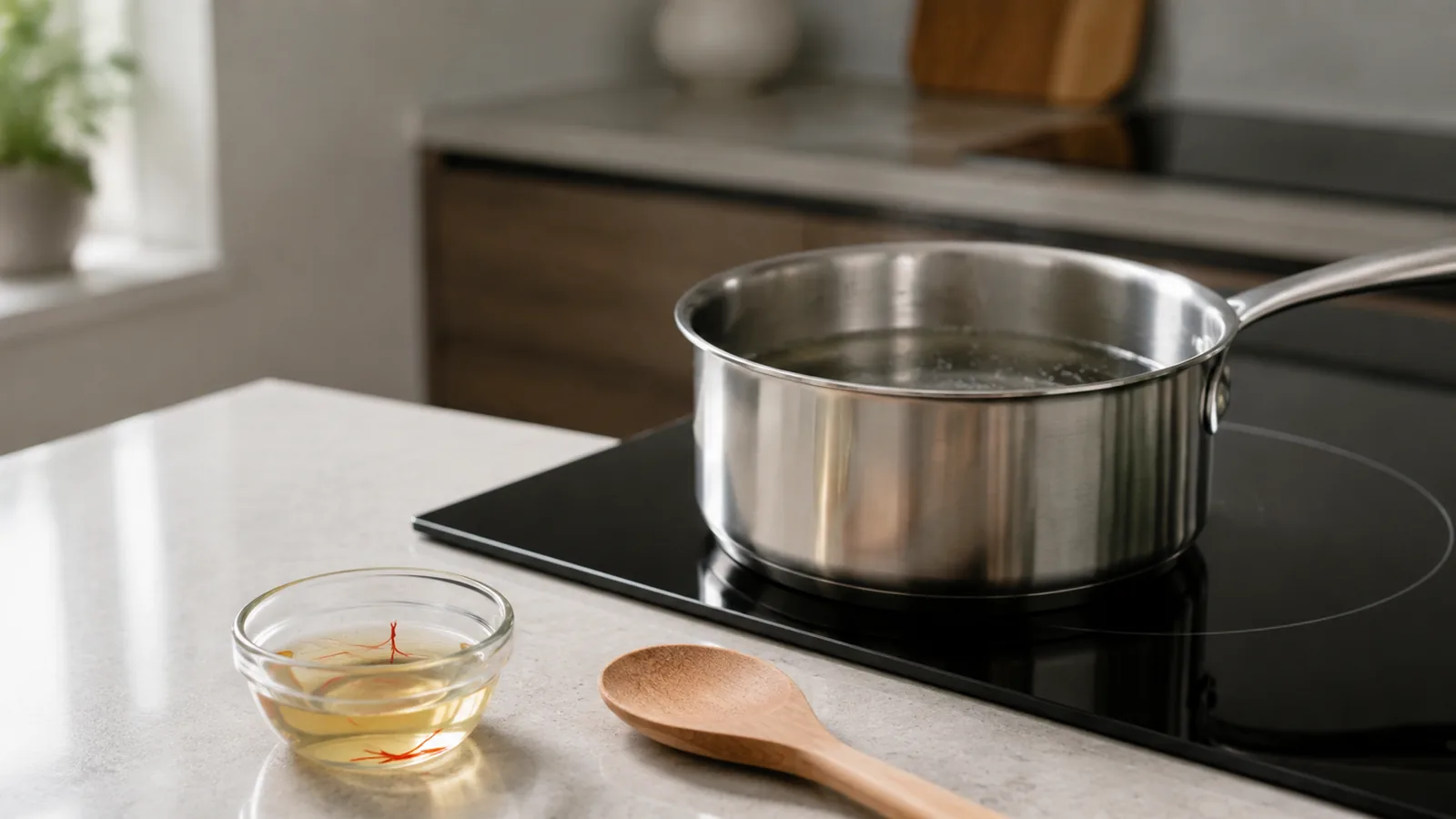
- Cover them with a few spoonfuls of warm water, milk or broth.
- Leave the saffron to bloom for 10 to 15 minutes.
- Add both the liquid and threads to the dish, then allow the flavour to spread before adding more.
Warm liquid releases colour and aroma efficiently; it does not need to be aggressively boiling. Measuring carefully also helps you reproduce a good result next time instead of adding an uncertain handful.
Quality matters when counting threads
Whole, deep-red threads are easier to inspect and portion than an unidentified powder. Genuine saffron should have a complex floral, hay-like aroma and should release colour gradually when bloomed. Adulterated material makes both flavour and quantity harder to judge. Buy from a supplier that identifies the product clearly and handles it carefully; our saffron products are available as intact threads for cooking and tea.
A practical answer
For food or tea, begin with a few threads and increase only when the recipe genuinely needs more flavour. Do not rely on a fixed number such as five or ten strands as a universal safety boundary, and do not convert a milligram dose into threads without weighing it. Culinary use, a measured supplement and an accidental large ingestion are different situations. Keeping those categories separate is the clearest way to follow sensible saffron dosage guidelines without losing the pleasure of the spice.