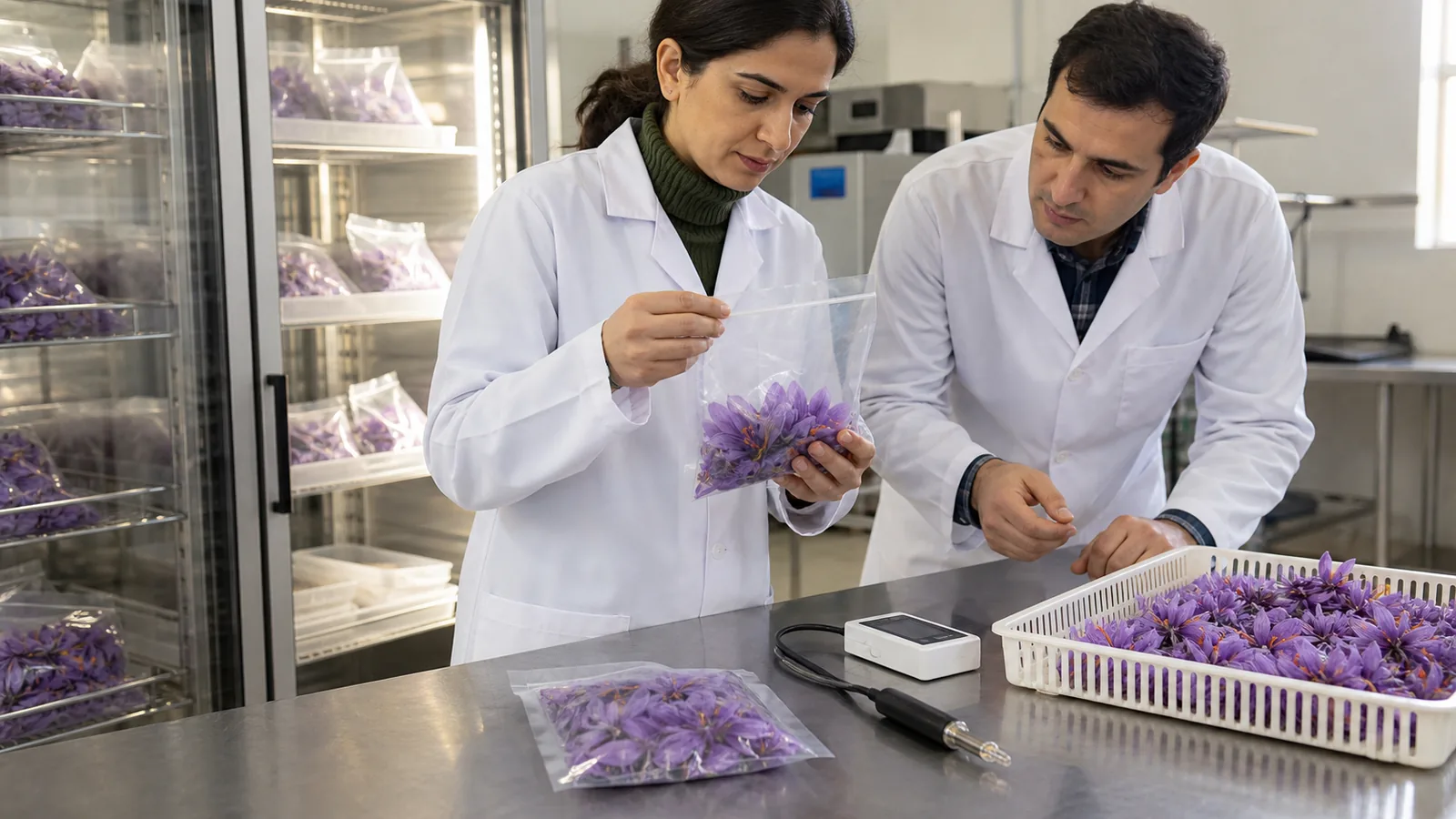
The storage time of Iranian saffron flowers increased
The storage time of Iranian saffron flowers increased to as much as 15 days in an earlier controlled research project using modified-atmosphere packaging and low-temperature ... Read More...




The storage time of Iranian saffron flowers increased to as much as 15 days in an earlier controlled research project using modified-atmosphere packaging and low-temperature ... Read More...
Zarand saffron production was reported at 170 hectares and about 800 kilograms in the archived season, placing the county first in Kerman province. Later official ... Read More...
The production of 50 kg of saffron in Lorestan province was announced in an earlier report by Ishaq Taheri Moghaddam, then identified as head of ... Read More...
The headline “13% of agricultural production in Khorasan province is saffron” refers to economic value, not 13 percent of the province's physical crop volume. In ... Read More...
“Spain exports Iranian saffron to 140 countries!” was the central claim in an earlier Iranian trade report. It said Spain bought Iranian saffron, repackaged or ... Read More...
The reported area of saffron cultivation in Neishabour increased from 3,400 to 4,000 hectares, but not all 4,000 hectares were producing flowers. Of the total, ... Read More...
The statement that Hamedan province is the main source of saffron in terms of history came from a provincial agricultural official describing cultivation around the ... Read More...
The statement that rainfall is a limiting factor in the production of Iranian saffron came from a specific regional concern, not a rule that rain ... Read More...
Reports of serious damage to saffron fields in Gonabad city described a season in which low winter rainfall, intense summer heat and sudden cold events ... Read More...
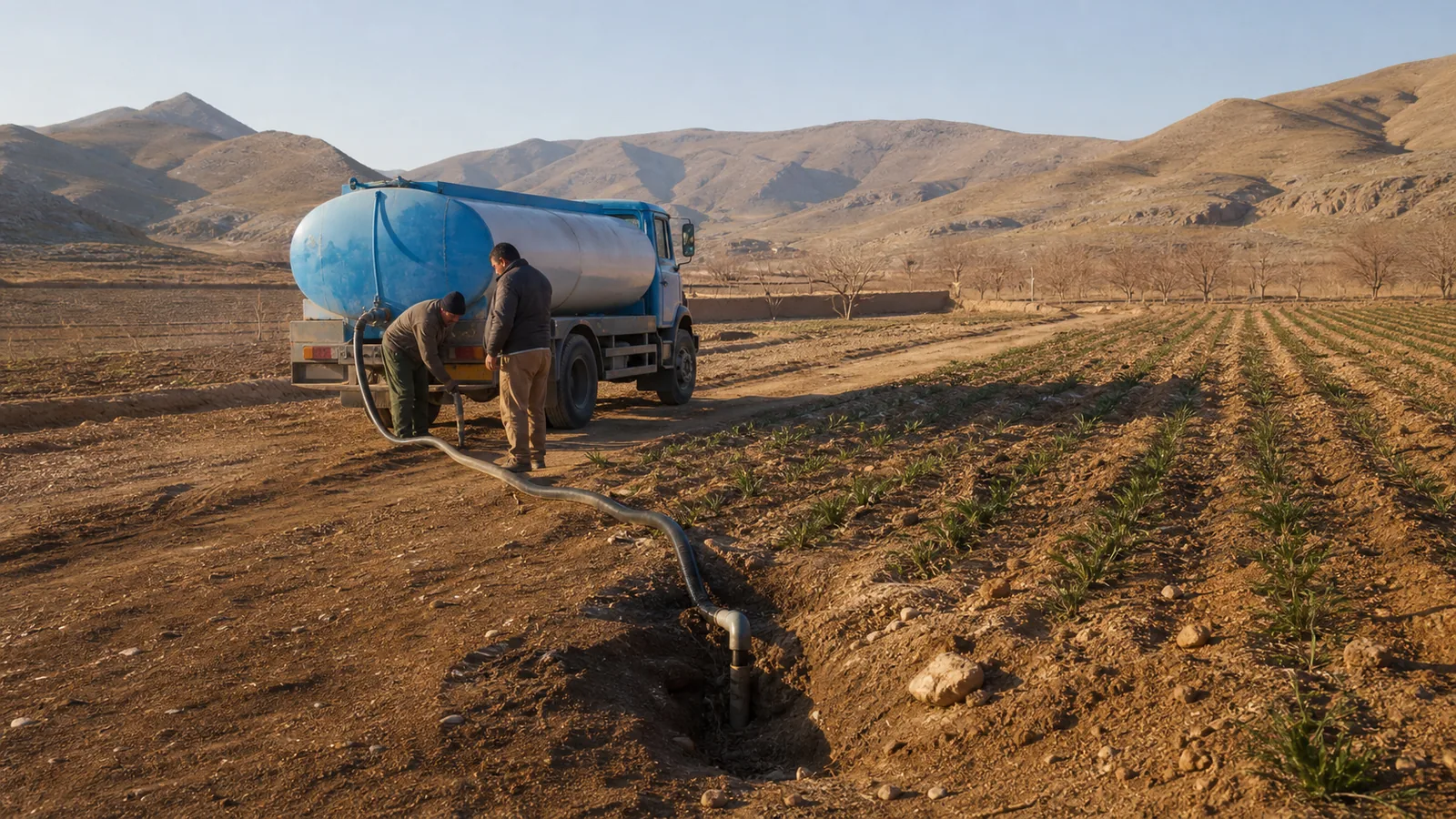
Bardaskan saffron fields faced two connected pressures in the historical reports: more than 600 hectares in the foothills needed water deliveries, while production across the ... Read More...