Saffron Side Effects: Who Should Avoid This Spice?
Someone with a known saffron allergy should not eat it. People who are pregnant, take medicines, have a bleeding or blood-pressure condition, are preparing for surgery, or want to use a concentrated saffron supplement should obtain individual advice rather than treating food use and medicinal use as the same thing. A few threads in a shared dish are a different exposure from a capsule, extract or large repeated amount.
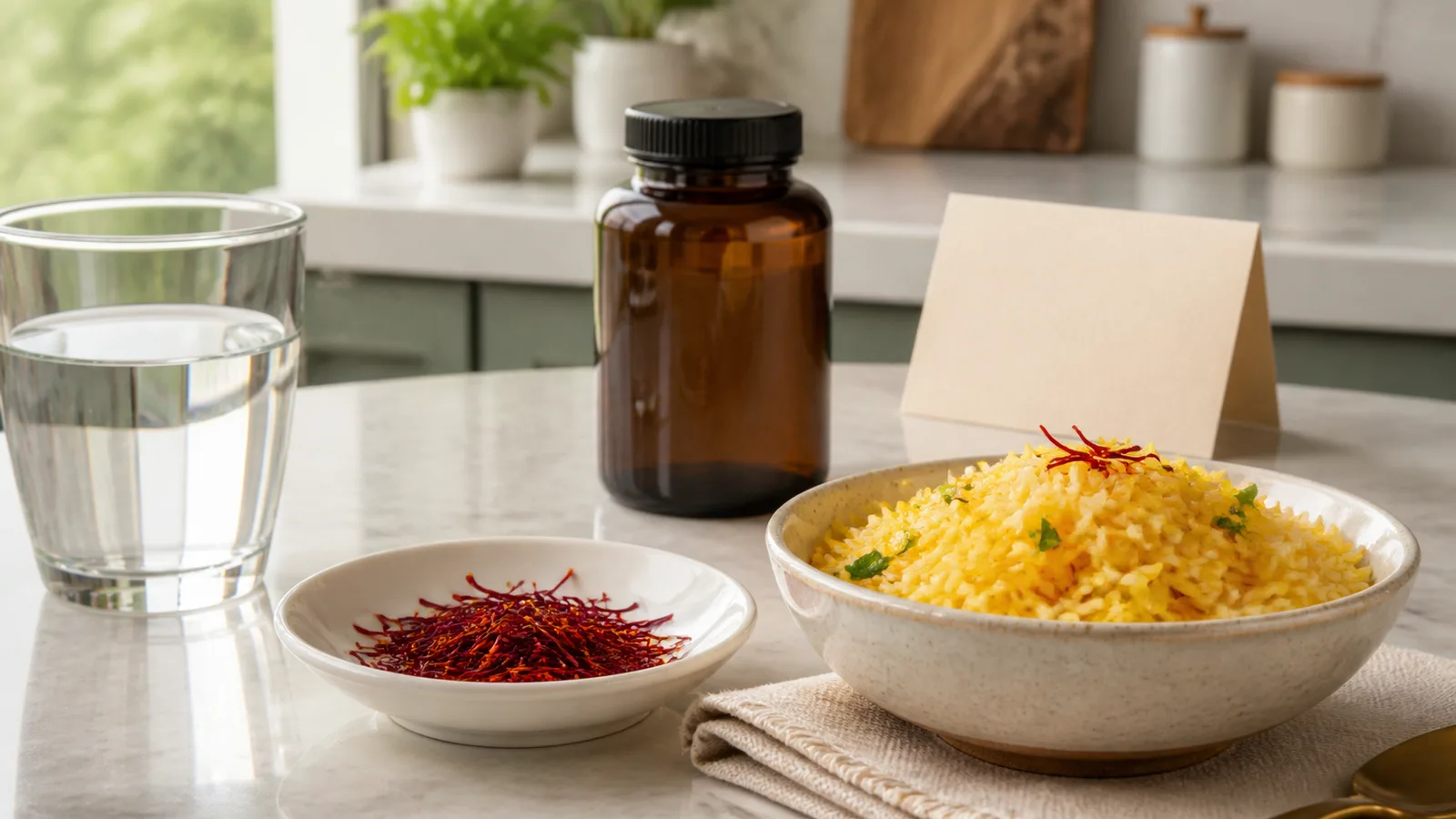
Saffron is the dried stigma of Crocus sativus, used as a spice for colour, aroma and flavour. “Zafarani” or “kesar” may refer to saffron in different languages and food traditions. Whatever the name, the relevant safety questions are the form, amount, frequency, other ingredients and the person using it.
Who should not take saffron without advice?
The phrase “saffron contraindications” can sound absolute, but risk is often conditional. A person may be able to eat a normally seasoned meal yet need to avoid an extract, or may need to avoid the ingredient completely because of an allergy. The sections below explain the distinction instead of applying one rule to everyone.
Pregnancy and Saffron
Pregnancy calls for caution with medicinal amounts, concentrated extracts and products promoted to trigger uterine contractions or start labour. Those are not safe do-it-yourself uses. A current review of saffron practices and pregnancy evidence found that conclusions depend on preparation, amount and timing and that the evidence remains limited.
This does not mean every food containing a few saffron threads has the same exposure as a supplement. Ask the maternity-care professional who knows the pregnancy and show them the actual product. Do not use claims that saffron makes a baby fairer, guarantees easier labour or is safe after a particular month as a substitute for advice.
Blood Disorders and Saffron
The old article stated that saffron has anticoagulant properties and may thin the blood. Human evidence is not strong enough to turn that into a predictable effect for every culinary use. The practical concern is that a concentrated supplement may be added to anticoagulant or antiplatelet medicine, a diagnosed bleeding disorder or the period around surgery without a product-level review.
Do not stop a prescribed blood thinner to make room for saffron. Ask the prescriber or pharmacist before medicinal use, especially if you bruise or bleed unusually. Heavy bleeding, black stools, vomiting blood, fainting or a severe new headache requires urgent care rather than an online ingredient check.
Allergic Reactions to Saffron
Can you be allergic to saffron? Yes. Published research on saffron hypersensitivity identified IgE-recognised proteins in a small group, although it does not tell us how common saffron allergy is in the wider population. Occupational exposure to saffron pollen is also not identical to eating the dried stigmas.
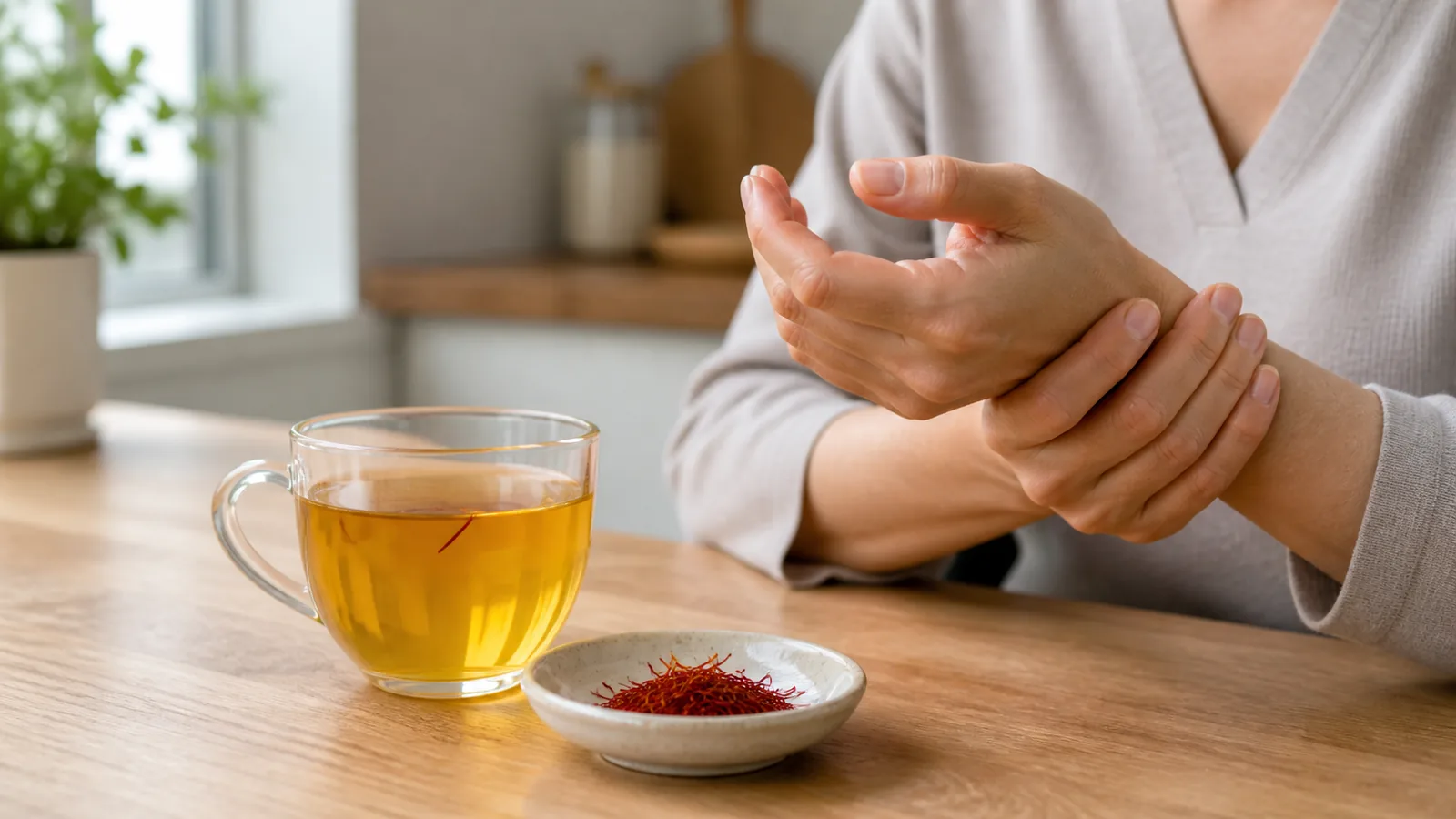
An allergic reaction to saffron can include itching, hives, rash, swelling, wheezing, stomach symptoms or a rapidly developing reaction. Saffron allergy symptoms vary, and a mild first reaction does not guarantee that the next one will stay mild. Do not “test” a suspected allergy by eating a small amount at home. Avoid the suspect product and seek appropriate assessment. Trouble breathing, throat or tongue swelling, collapse or a severe widespread reaction needs emergency help; the NHS anaphylaxis guidance explains the urgent signs.
A reaction may also involve another ingredient in a tea, sweet, capsule or mixed powder. Keep the package and full ingredient list. A saffron allergy rash cannot be confirmed from an image alone.
Low Blood Pressure and Saffron
Saffron is sometimes marketed as a reliable way to lower blood pressure. Clinical results do not support predicting a large effect for every person or saying saffron always lowers it. Even so, someone with symptomatic low blood pressure or blood-pressure treatment should review a concentrated product rather than adding it casually.
Dizziness has many causes. If it starts after a new saffron supplement, stop and assess the timing, serving and other ingredients. Fainting, chest pain, shortness of breath, weakness on one side or another severe symptom needs urgent evaluation. Do not use saffron to raise or lower a prescribed medicine dose.
Medicines, surgery and health conditions
What should you not take with saffron? There is no short interaction list that covers every extract and medicine. Anticoagulant and antiplatelet medicines, blood-pressure treatment, sedating products and medicines with a narrow therapeutic range deserve a product-specific check. So do mixed supplements containing several botanicals.
The FDA advises consumers to review dietary supplements alongside medicines because combinations can increase, reduce or unpredictably alter effects. Bring the bottle or label, not only the word saffron. Tell the surgical team about supplements before a procedure and follow their instructions on when to stop them.
People with liver or kidney disease, a seizure disorder, a serious mental-health condition, a complex medicine regimen or unexplained symptoms should not use saffron as a replacement for diagnosis or treatment. Children and breastfeeding people also need age- and product-specific advice for concentrated use.
Excessive Saffron Consumption
Saffron side effects are more relevant when a person moves from seasoning to repeated medicinal exposure. A 2026 systematic review of human adverse events found single-ingredient saffron preparations generally tolerated in clinical studies, but adverse effects still occurred and were most often gastrointestinal. The authors identified more reason for monitoring with higher-dose or prolonged use.
Does saffron have side effects? It can. Reported symptoms around saffron products include nausea, vomiting, abdominal discomfort, diarrhoea, headache, dizziness and drowsiness. Can saffron cause diarrhea? Can saffron cause headaches? Can saffron make you dizzy? The timing can raise suspicion, but these symptoms are not unique to saffron and do not prove the cause; a persistent or marked reaction should not be ignored.
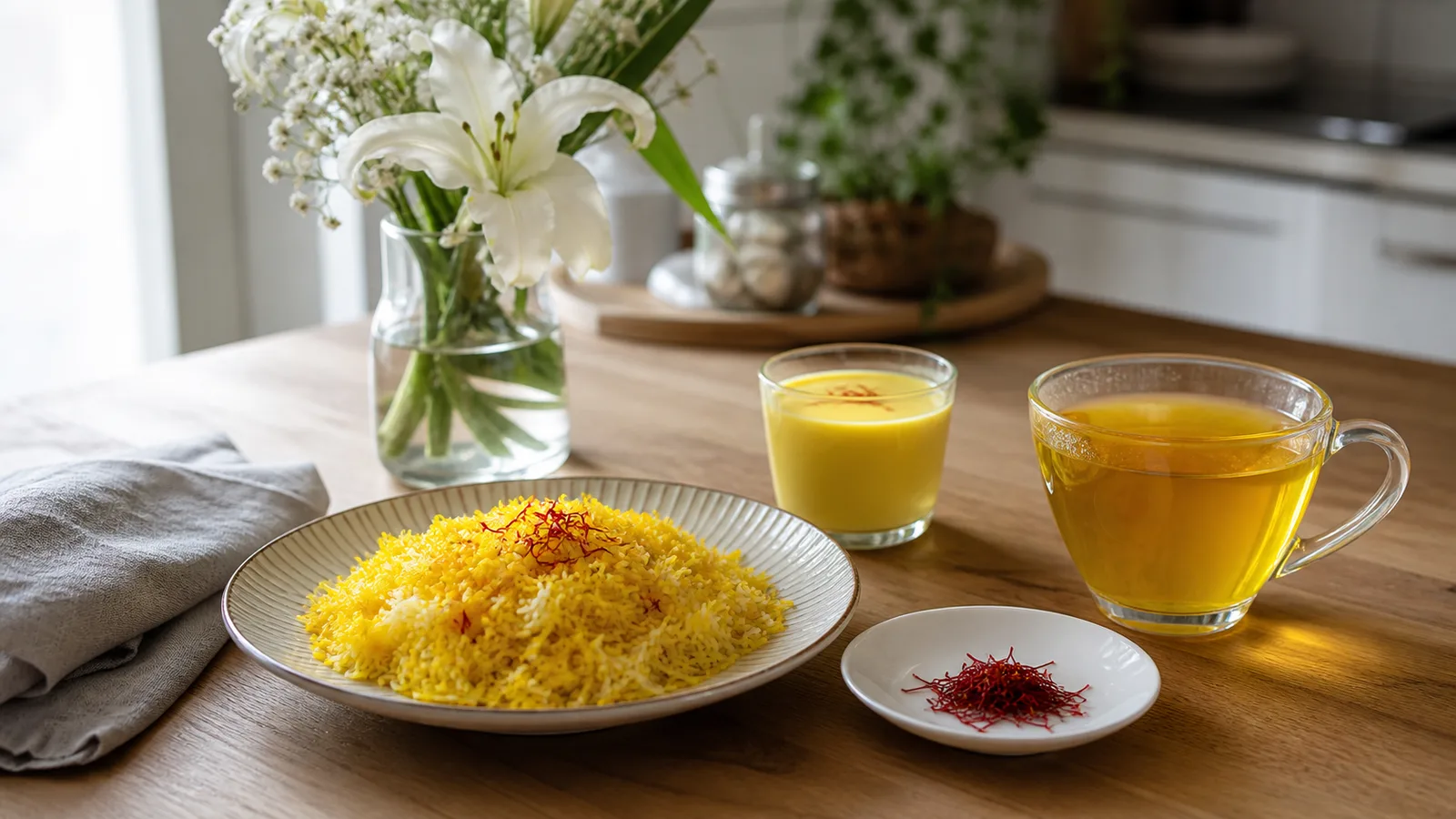
Kesar side effects are saffron side effects because kesar is another name for the spice. Saffron extract side effects may differ from a shared culinary dish because the exposure and other ingredients differ. A capsule, tablet, extract, tea and saffron water should not be treated as equivalent, particularly when several servings or products are combined.
There is no universal household line below which every saffron supplement is risk-free. Do not use grams-level quantities or repeat a large serving to test tolerance. A suspected saffron overdose is a reason to contact a poison-information service or urgent medical care and provide the product details, especially if the amount is unknown or symptoms are concerning.
Who can usually eat saffron as food?
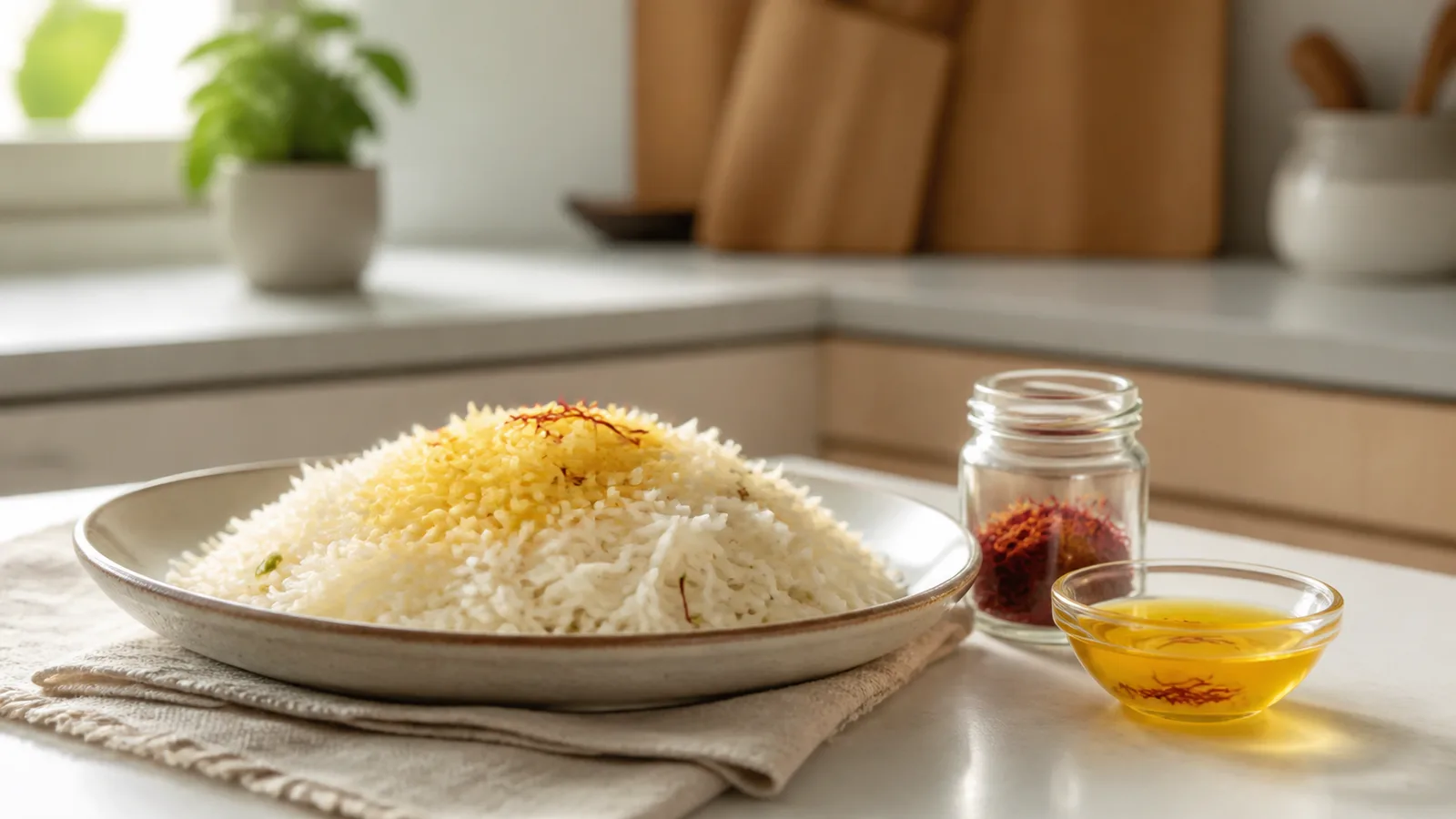
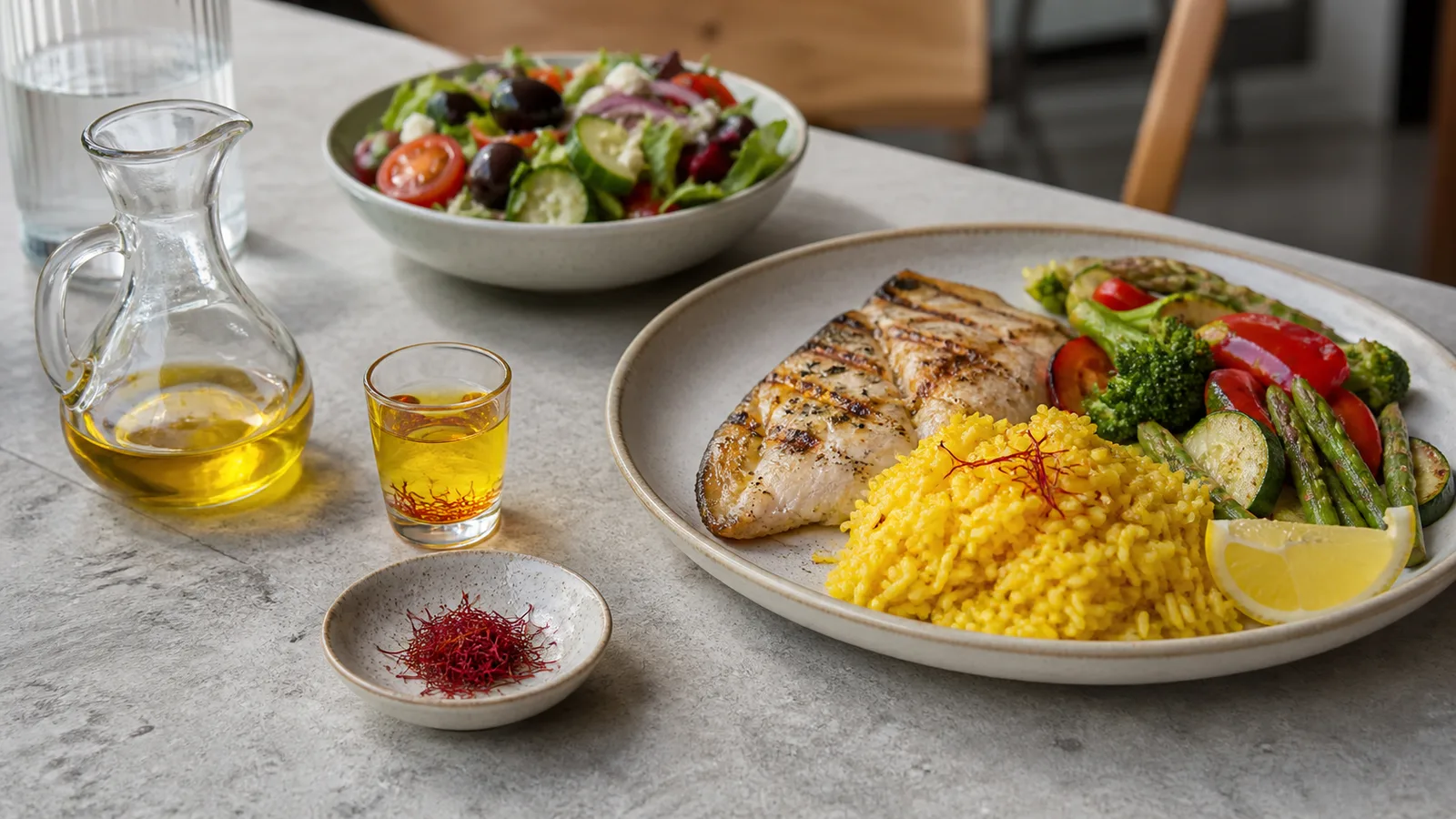
Many people without an allergy or relevant restriction can eat the small amount of saffron used to flavour a shared meal. Whole threads from a traceable source are easier to inspect than an unknown powder. Damp, mouldy, insect-damaged or chemically scented material should not be used.
Can saffron be eaten directly? A few genuine threads are a food ingredient, but swallowing dry piles provides no advantage over blooming a modest amount in warm water and adding it to the dish. The culinary aim is an even aroma and colour, not a medicinal challenge.
Consulting a Healthcare Provider
Ask a clear question: Is this small food amount suitable, or is this exact supplement suitable? Show the full label, serving directions and other ingredients. Mention pregnancy, allergies, diagnoses, surgery, medicines and other supplements. That gives a clinician or pharmacist something specific to assess.
Our related guide to when not to use saffron explains warning signs and product review in more detail. It does not replace advice for an individual condition.
Conclusion
Who should not eat saffron? Anyone with a confirmed allergy should avoid it, while several other groups need to distinguish a normal recipe amount from concentrated medicinal use and obtain advice for the exact product. Pregnancy, medicines, bleeding concerns, low blood pressure, surgery and chronic illness should not be reduced to blanket internet rules.
Use saffron as a spice when it is appropriate for you, and treat extracts or repeated high exposure as a different decision. If a reaction occurs, stop, keep the label and respond to the symptom rather than trying another dose.