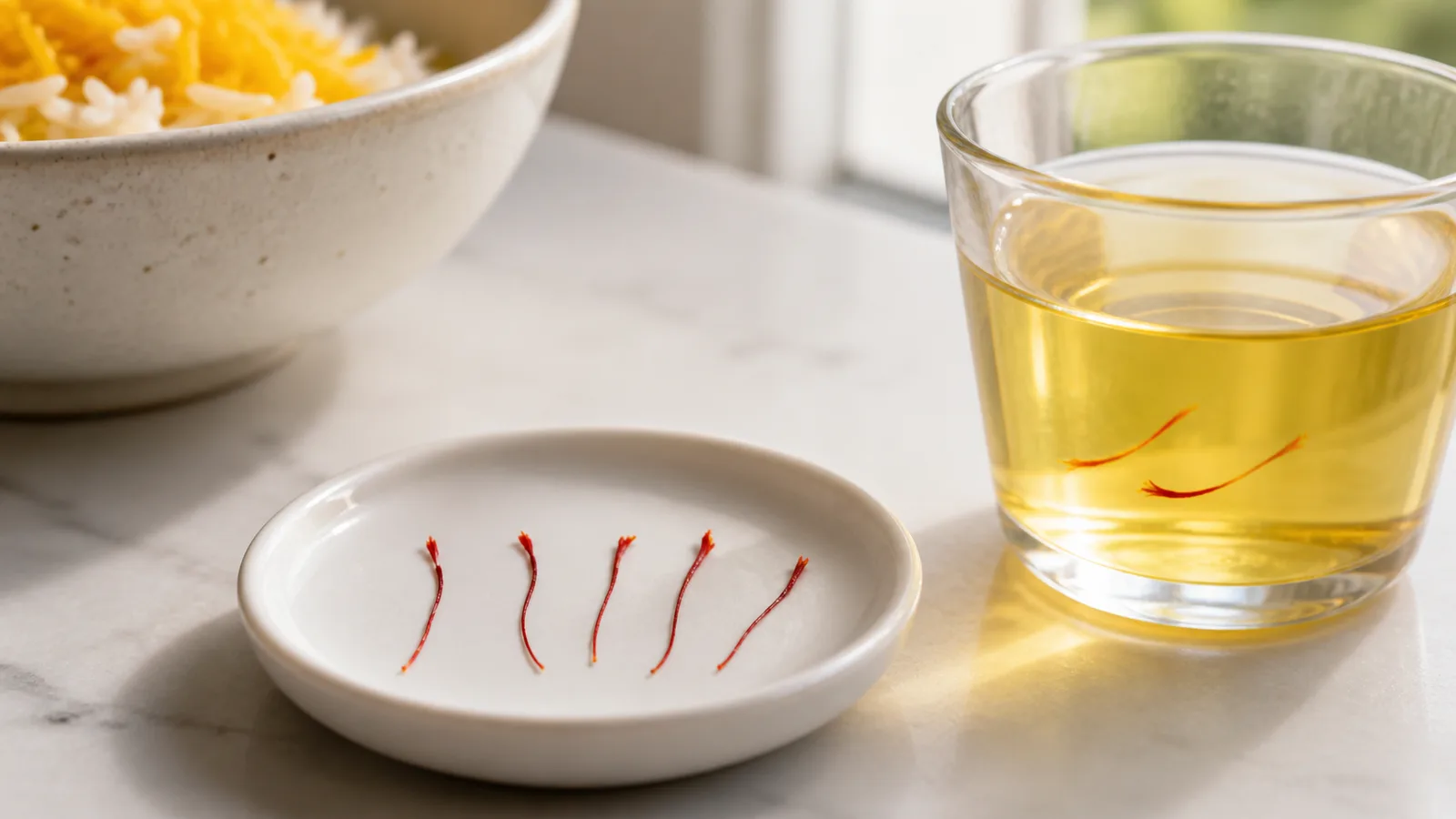
Who buys saffron? Home cooks buy small jars, while restaurants, caterers, food makers and specialist retailers may buy larger lots. Ingredient and research organisations can also source saffron or standardised extracts, but they need documentation quite different from a shopper choosing threads for dinner.
Who Buys Saffron?
Saffron buyers are not one market. A cook may care most about aroma, thread condition and pack size. A restaurant needs consistency from service to service. A manufacturer also needs lot records, specifications, food-safety documents and dependable supply. Understanding the intended use explains why two buyers can judge the same saffron differently.
Chefs and Restaurants
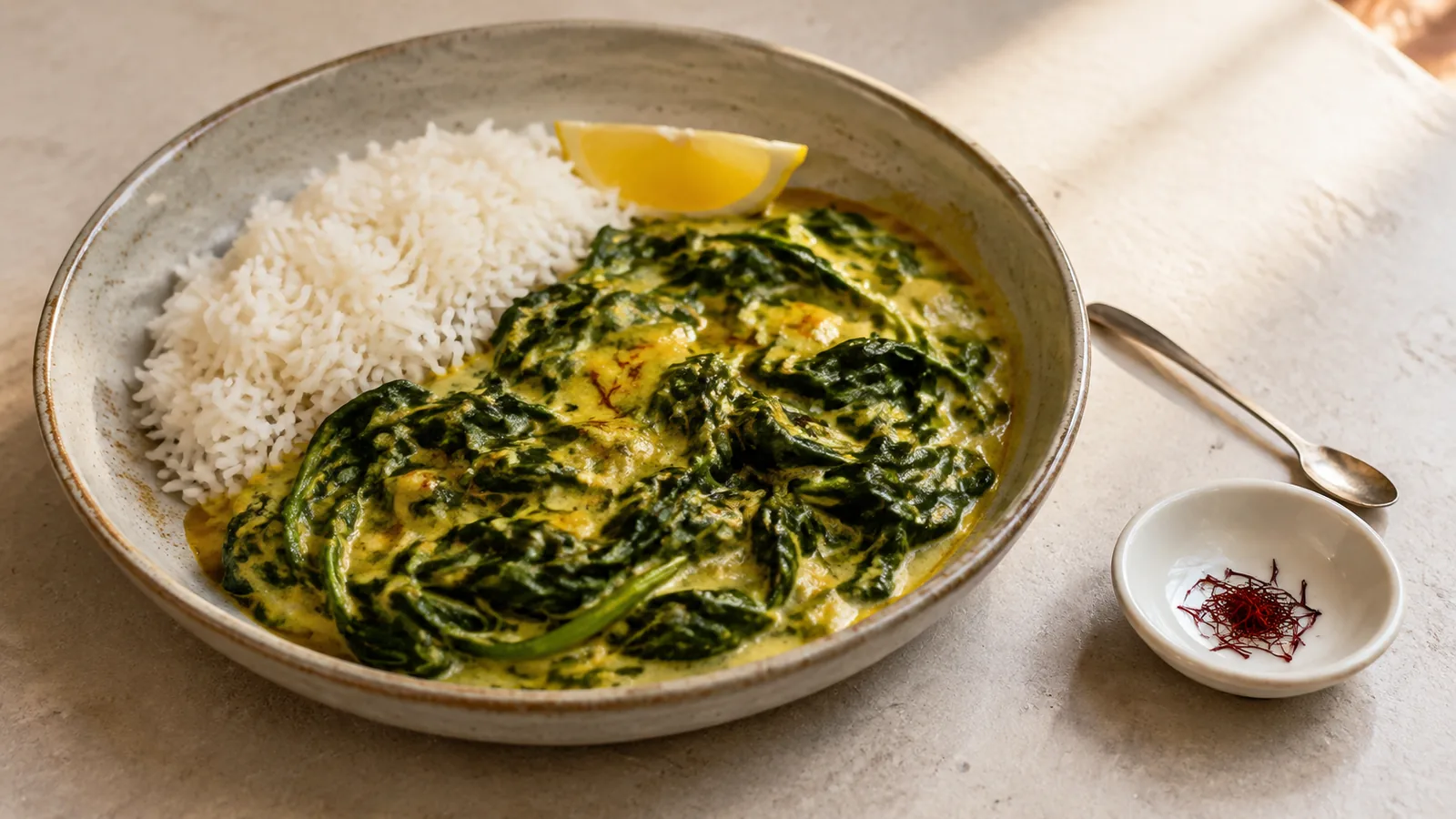
Restaurants buy saffron for dishes where its flavour and colour are recognisable: risotto alla milanese, paella, Persian rice, biryani, bouillabaisse, desserts and drinks. Fine-dining kitchens are part of this group, but saffron use is not limited to luxury restaurants. Caterers, bakeries and regional restaurants may use it routinely.
A professional kitchen looks for repeatability. The chef needs the next pack to bloom, smell and taste much like the last one. Useful purchasing details include net weight, thread style, harvest or packing information, lot identity, origin, storage condition and a sample that can be tested in the actual recipe.
Food Manufacturers
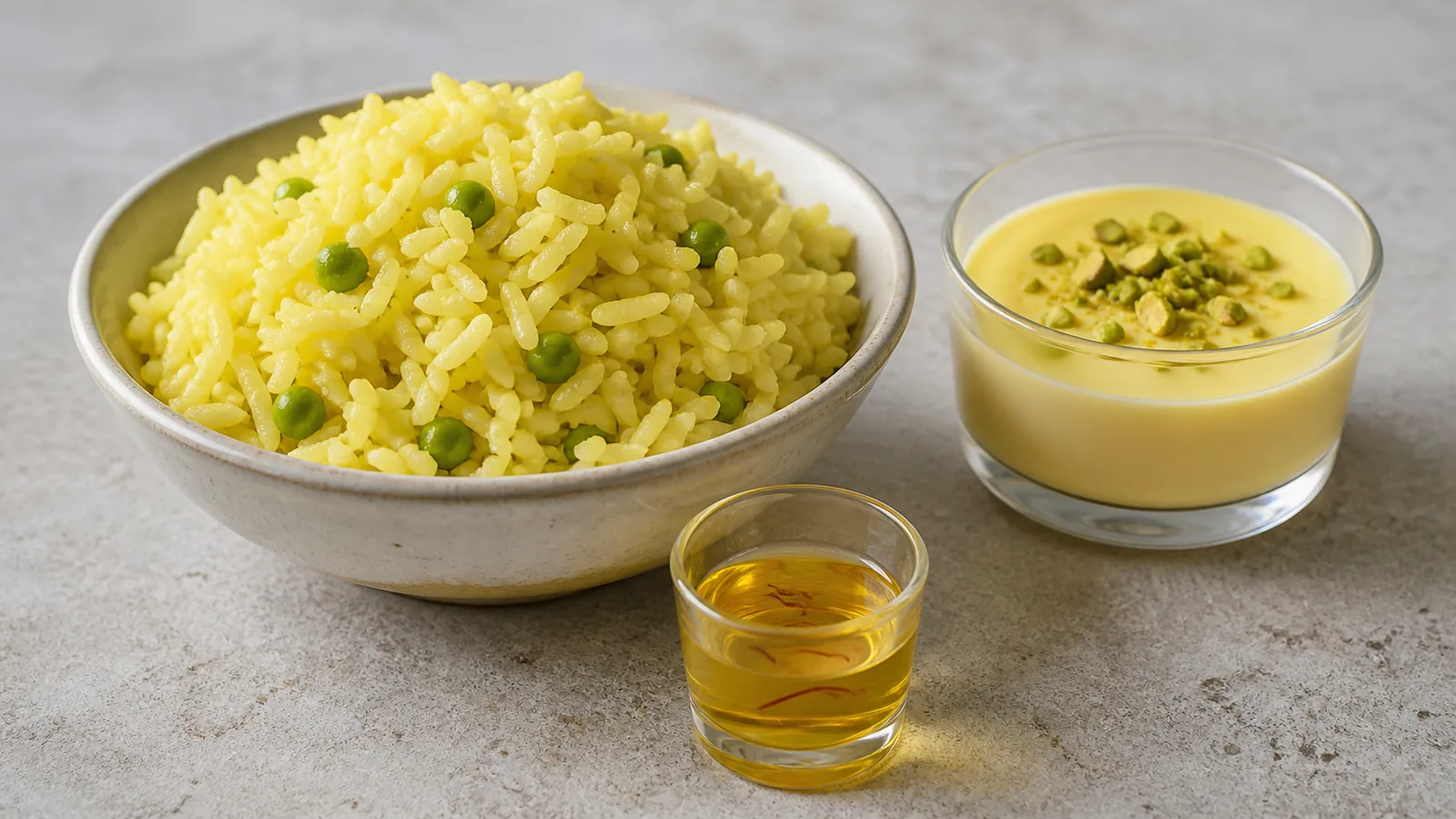
Food businesses use saffron in rice products, sauces, confectionery, ice cream, bakery items and beverages. Their priority is not simply the reddest thread. They need an ingredient that meets the product specification and can be traced through receiving, storage and production.
A manufacturer may request a certificate of analysis, microbiological or contaminant information, allergen statements, country-of-origin documents and evidence linked to the supplied lot. Whole threads, cut threads, powder and liquid flavour preparations are not interchangeable in a production process.
Health Enthusiasts and Herbal Medicine Buyers
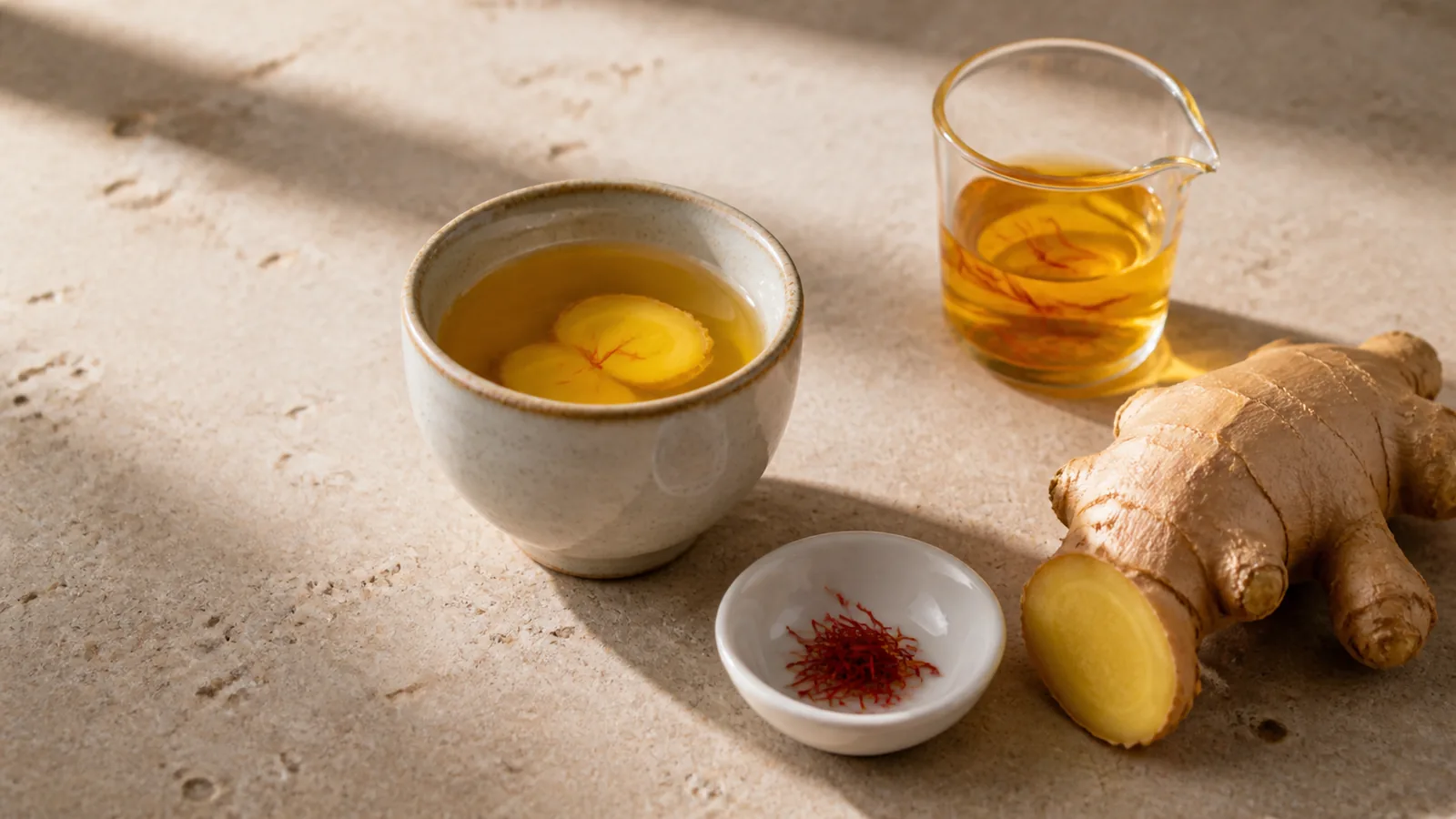
Some consumers buy saffron for tea or because they have read about saffron research. They should distinguish a culinary spice from a capsule, tincture or standardised extract. Studies commonly identify the preparation and measured amount; a few threads in a drink cannot be assumed to reproduce the result.
Traditional use can explain why a product is popular, but it is not proof that it treats a condition. A meta-research review of saffron health evidence found promising results alongside quality limitations in existing reviews and trials. Buyers considering medicinal use should discuss the exact product with a qualified clinician.
Pharmaceutical Companies
Research laboratories, extract makers and supplement companies may purchase saffron raw material or specified extracts. Calling all of them “pharmaceutical companies” is too broad: medicines, dietary supplements and research materials sit under different regulatory and quality systems.
These buyers may require botanical identity, chemical markers, extraction details, stability data, contaminant testing and validated manufacturing controls. Saffron’s presence in a formulation does not by itself show that the finished product treats depression, anxiety, Alzheimer’s disease or another condition; authorisation and evidence apply to the specific product and claim.
Consumers and Home Cooks
Individual shoppers often buy the smallest useful amount because saffron is potent and slowly loses aroma after opening. They use it for familiar family recipes, learn a regional cuisine, prepare a special meal or give a food gift. Threads are easier than powder to inspect before use.
A home buyer should look for a sealed food pack, clear net weight, identifiable seller, origin or packing information, practical storage advice and dry aromatic threads. Price per gram is more informative than box price. A high price alone does not prove quality, and a decorative package may account for much of the cost.
Retailers, Distributors and Gift Businesses
Specialist grocers, spice shops, wholesalers and gift businesses buy saffron for resale. Their work adds another layer: packaging must protect the spice and provide the information required in the market where it will be sold. They also need stock rotation and a way to trace complaints back to a lot.
If you are buying for cooking, review our saffron selection and the guide to checking saffron before purchase.
Conclusion
Chefs, manufacturers, ingredient businesses, retailers and home cooks all buy saffron, but their purchasing decisions are different. The common ground is a product that is genuine, appropriately documented, well stored and suitable for its intended use. Quality is more than a vivid colour or a premium-looking box.