The most expensive spice in ordinary commercial trade is saffron. It costs more per kilogram than vanilla, cardamom and most other familiar spices because each Crocus sativus flower yields only three red stigmas, the harvest is brief, and much of the picking and separation is still done by hand.
What is the most expensive spice in the world?
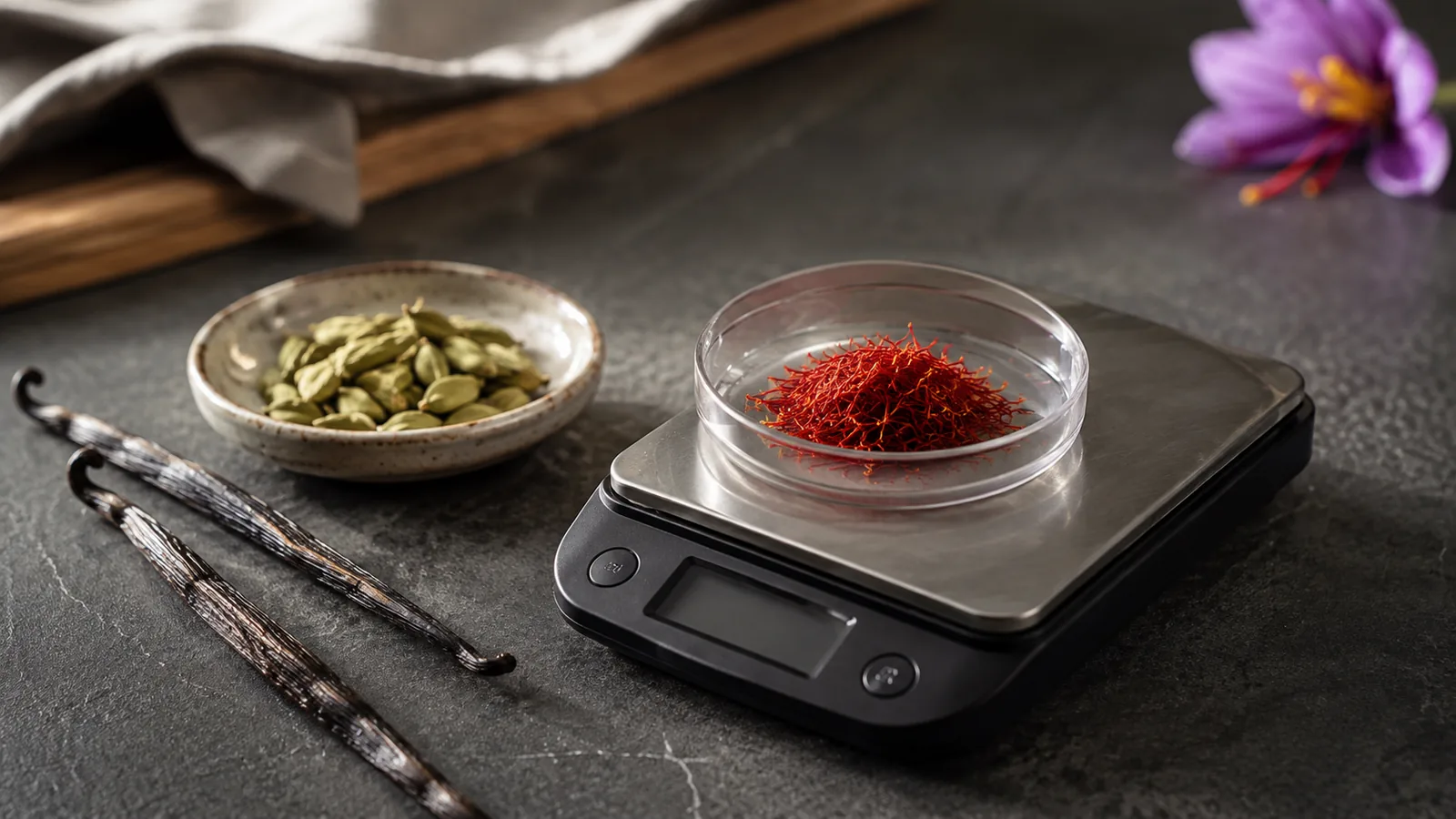
Saffron holds that title when spices are compared by weight. The Royal Botanic Gardens, Kew describes vanilla as the second-most expensive spice after saffron. Cardamom can also be costly, especially in poor harvest years, but it does not usually approach genuine saffron on a like-for-like retail basis.
The qualification matters. A rare collector’s ingredient, a tiny auction lot or a branded gift box may carry a higher headline price than typical saffron. Extracts are not directly comparable with whole spices either. For the spices a cook can normally buy by the gram, however, saffron remains the priciest.
Why is saffron so expensive?
Each flower gives very little spice
Saffron is made from the red stigmas of the autumn-flowering saffron crocus. There are three in each flower. University of Vermont Extension estimates that about 150–170 flowers are needed for one gram of dried saffron. That means a small household jar represents hundreds of individual flowers.
The harvest window is short
Flowers appear over a concentrated autumn period and must be collected promptly. A grower cannot spread the same harvest across the whole year. Labour, workspace and drying capacity have to be ready when the flowers open.
Separation is delicate work
After picking, the red stigmas are separated from the rest of each flower. Careless handling can mix in excess yellow style, crush the material or delay drying. Mechanisation is difficult because the useful part is small and quality depends on clean, controlled handling.
Drying reduces the weight
Fresh plant material contains water. Once the stigmas are dried to a stable product, the sellable weight is only a fraction of the harvested flowers. The final price must carry the cost of cultivation, picking, separation, drying, testing, packaging, storage and trade losses.
Quality and authenticity require proof
High value attracts adulteration. Powder can be extended with cheaper coloured material, while threads may be mixed with other plant parts or sold with excess moisture. Reliable suppliers pay for traceability, representative sampling and quality control, which adds cost but protects the buyer.
How expensive is saffron spice?
There is no useful permanent worldwide price. Saffron prices move with the harvest, origin, grade, test results, lot size, packaging, exchange rates and the point in the supply chain. A farm-gate kilogram, an export carton and a one-gram retail jar are different products with different costs.
Older articles often repeat that saffron can cost “thousands of dollars per pound” or quote a single record price. Those statements may describe a particular year, but they are not live quotations. For a current dated figure, consult the saffron price page and check the currency, unit, grade and date before comparing offers. A wholesale buyer who needs a defined lot can request specifications and a dated quote.
Retail saffron is usually bought in fractions of a gram or a few grams, so the cost of one dish is far lower than the kilogram price suggests. A paella, risotto or pot of rice needs only a measured pinch. Buying a large discounted pack is not economical if it loses aroma before it is used.
Is the most expensive saffron always the best?
No. Price can reflect genuine quality, but it can also reflect a small package, ornate presentation, import costs or a seller’s positioning. Country of origin alone does not establish grade. Iran, Spain and India all produce respected saffron, and quality varies within every origin.
The current ISO 3632-1:2025 saffron specification covers dried saffron in filaments, cut filaments and powder. Laboratory assessment considers the product itself; a regional name or “red gold” label cannot replace it.
For a household purchase, look for whole, dry, deep-red threads with a fresh characteristic aroma, a clearly stated net weight, origin and batch details, protective packaging and a supplier able to explain the grade. A realistic price is another useful clue: genuine saffron is costly to produce, so an offer far below the market deserves scrutiny.
What makes one saffron price higher than another?
- Thread composition: lots with more red stigma and less yellow style often command more.
- Analytical quality: colour, aroma, flavour-related measures, moisture and foreign matter influence classification and value.
- Harvest and processing: prompt picking, clean separation and controlled drying help preserve quality.
- Traceability: documented lot identity and testing reduce uncertainty for wholesale buyers.
- Form: powder is convenient, but whole threads are easier for a buyer to inspect and harder to adulterate invisibly.
- Quantity and packaging: a tiny retail jar has a much higher packaging and distribution cost per gram than a wholesale lot.
- Market conditions: crop size, demand, currency and transport change from season to season.
How to identify authentic saffron
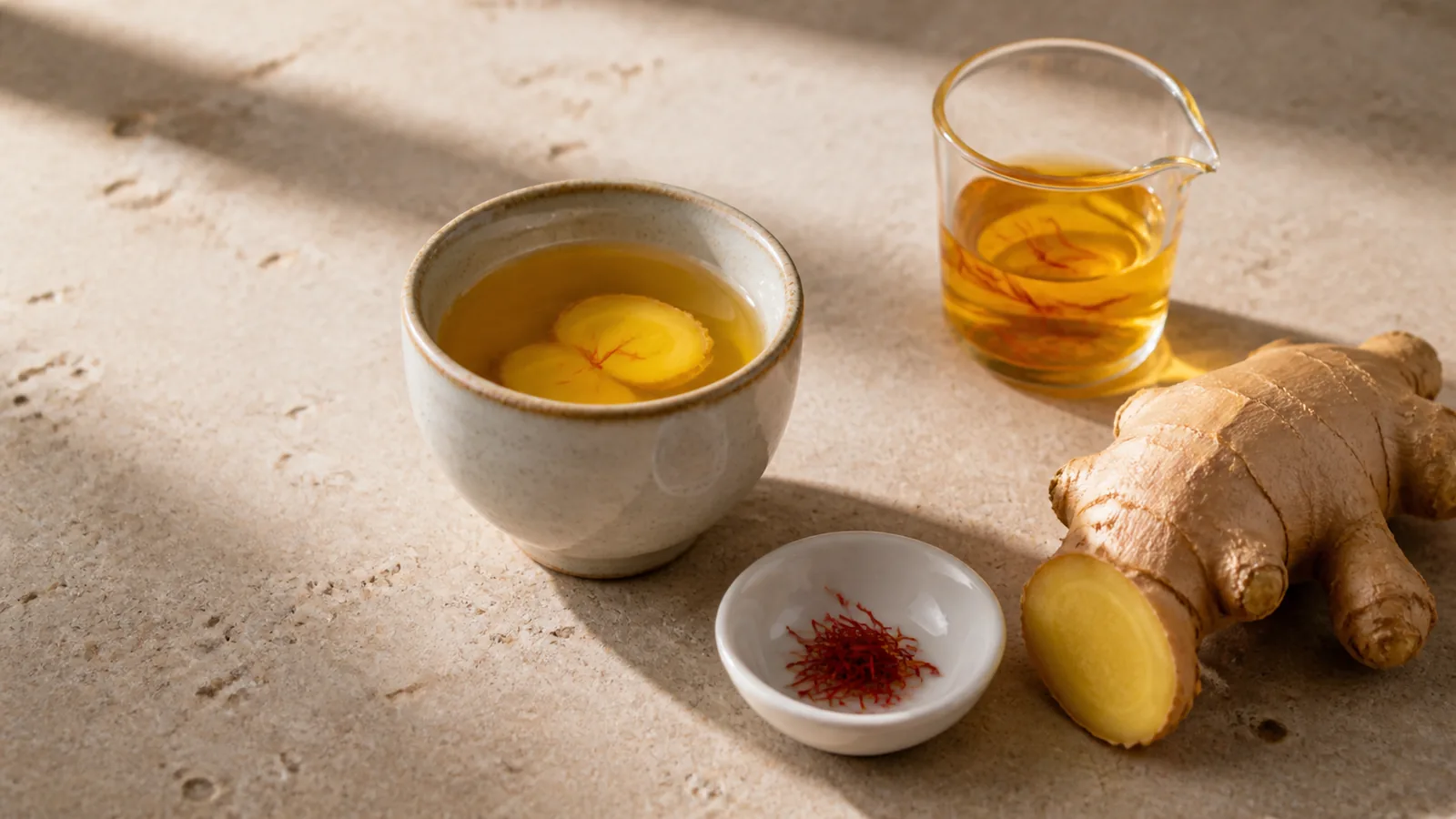
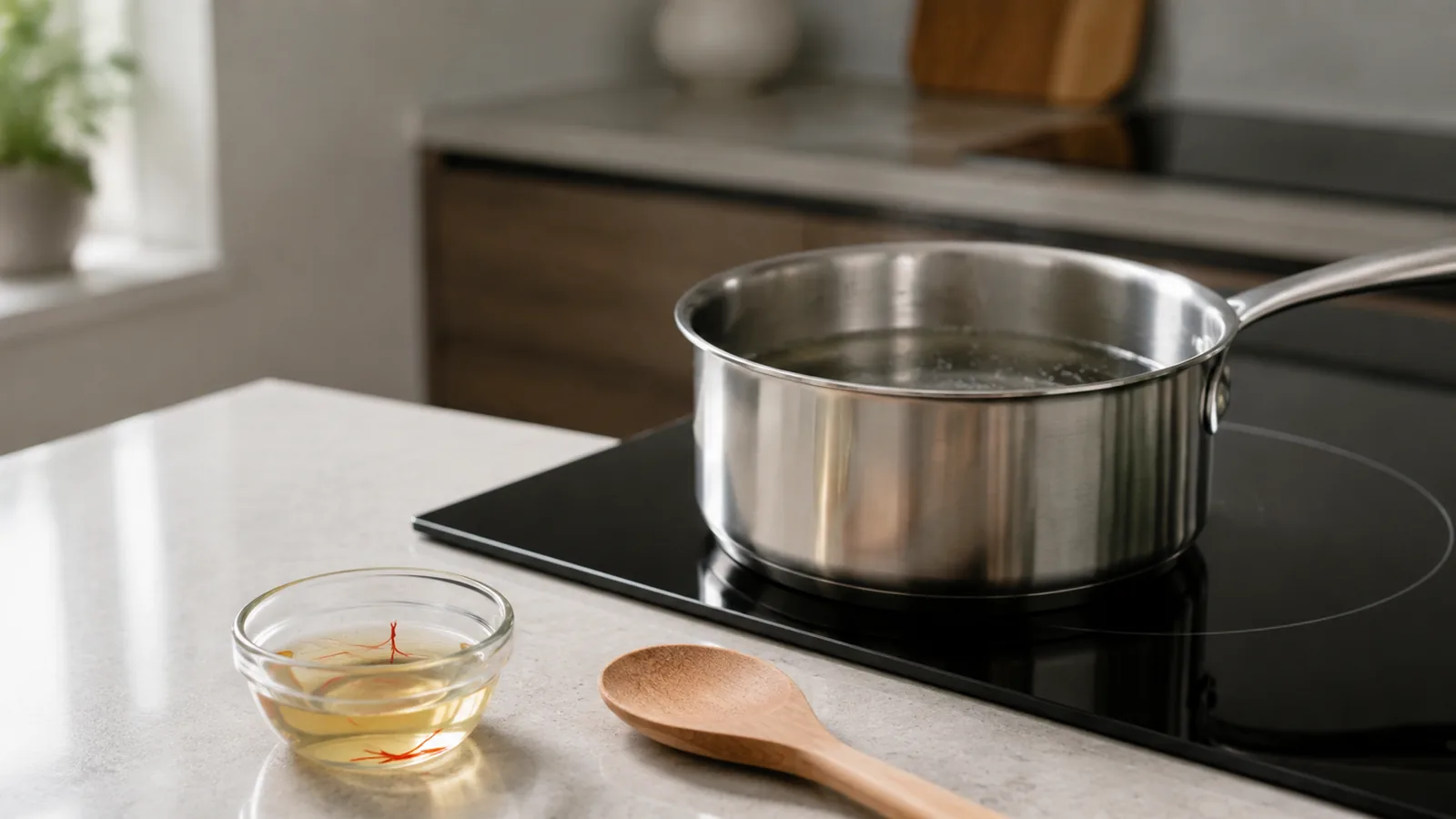
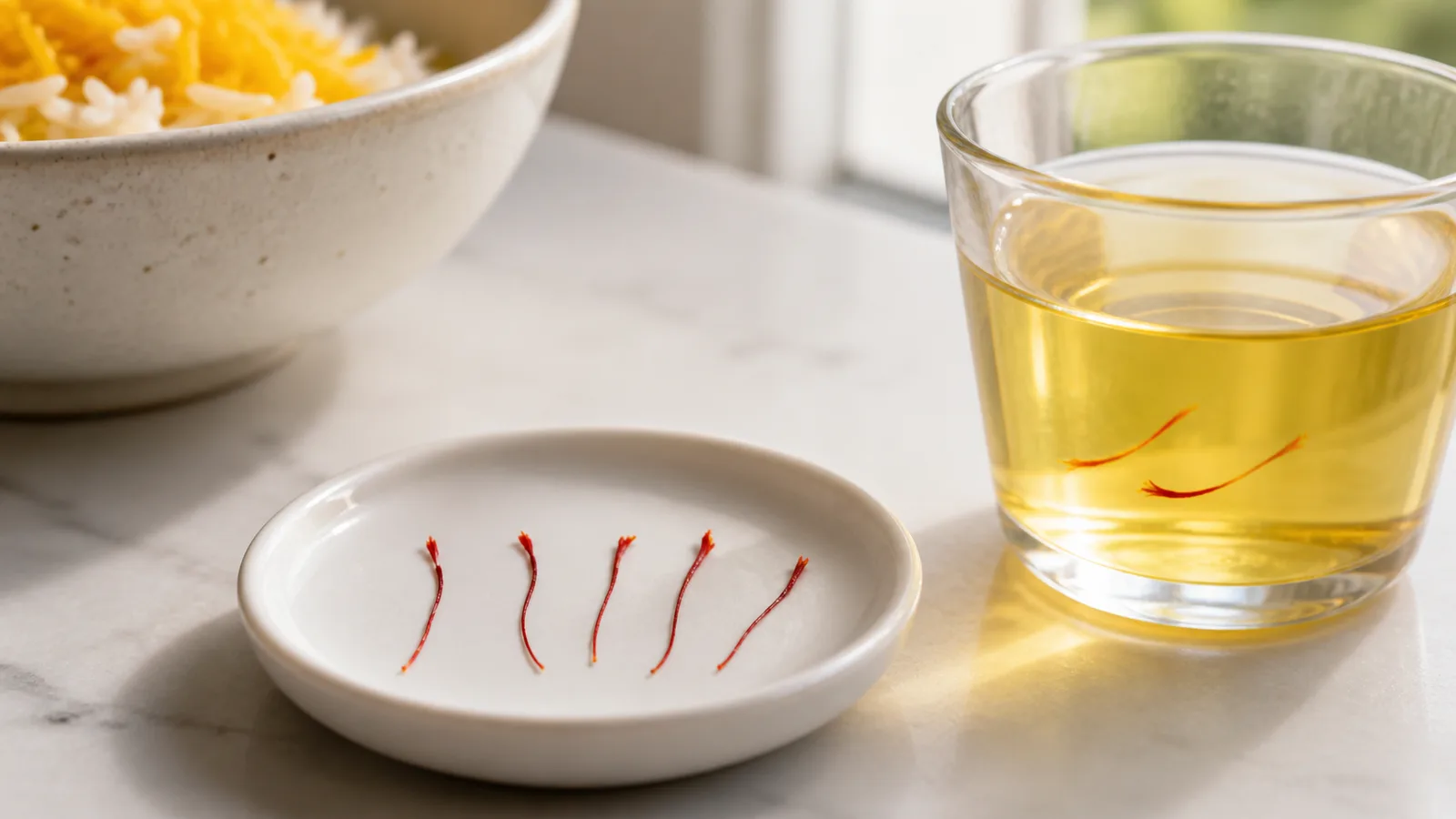
Visual inspection is useful but not a laboratory test. Authentic threads have a distinctive shape rather than looking like uniform red fibres. They smell complex—often described as hay-like, warm or honeyed—and release golden-yellow colour gradually into water.
A sudden opaque red cloud, strong artificial perfume or perfectly identical strands is a warning sign. Still, a convincing home water test cannot prove purity. ISO explains that standardised saffron testing helps detect foreign matter and assess colour, aroma, flavour and moisture. Commercial buyers should rely on representative sampling and appropriate laboratory results.
Powder is harder to judge by sight. If convenience is important, buy it in a sealed, traceable pack from a supplier you trust. Otherwise, whole threads offer the clearest starting point. Our all-red saffron guide explains what that common trade description does and does not tell you.
Why vanilla and cardamom are also expensive
Vanilla is another labour-intensive crop. Its flowers have a short window for pollination, often require hand pollination, and the pods undergo a lengthy curing process. Supply is concentrated in a few regions and can be disrupted by weather, which helps explain its high price.
Cardamom requires suitable tropical conditions, repeated harvesting and careful drying. Premium green pods can be expensive, but each fruit yields many seeds and the crop is traded in much greater culinary quantities than saffron stigmas.
The comparison is not meant to diminish either spice. It shows why the phrase “most expensive” depends on unit, form, grade and date. A bottle of vanilla extract, a kilogram of cardamom pods and a gram of saffron threads should not be compared from their shelf price alone.
What saffron is used for
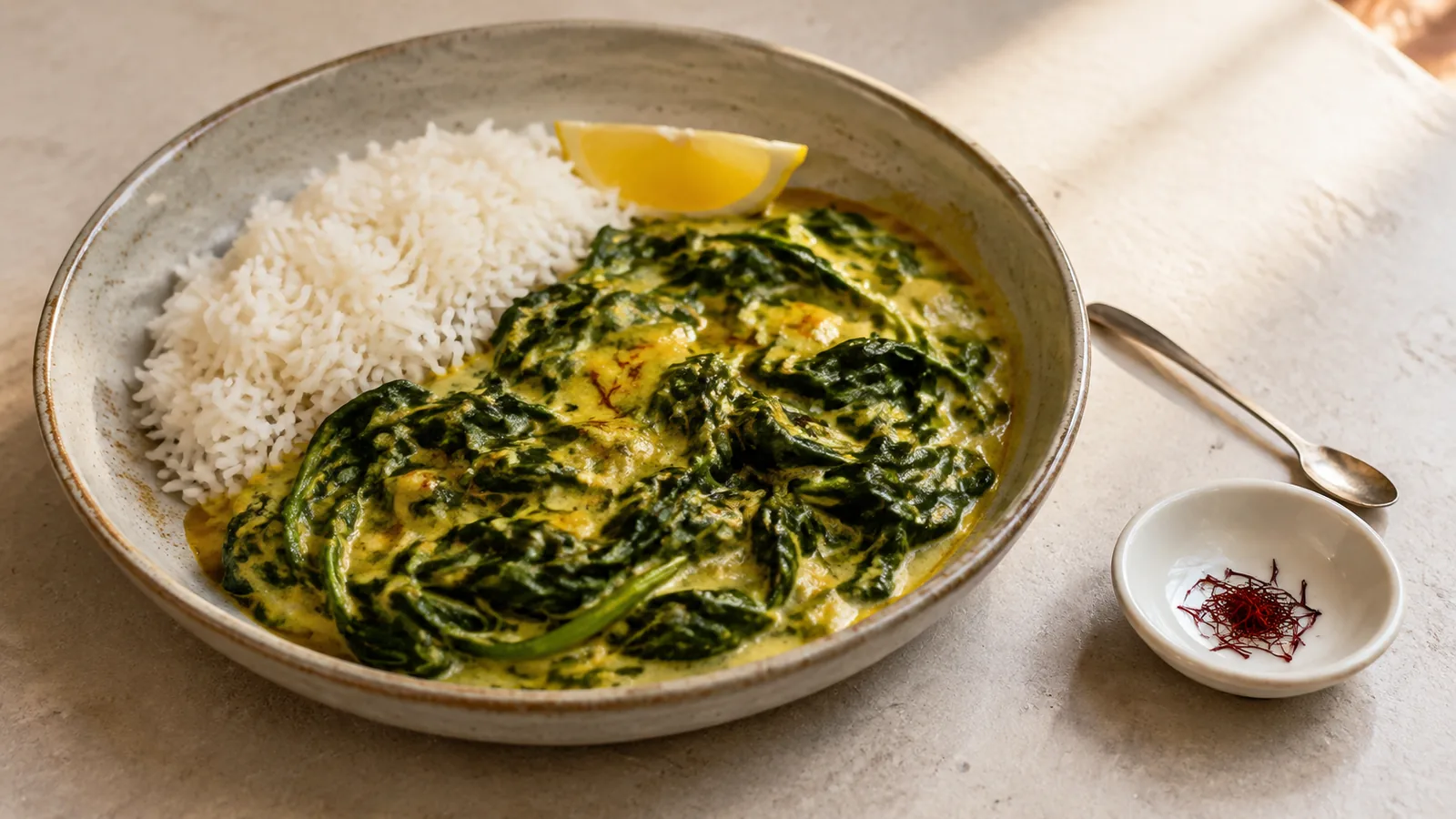
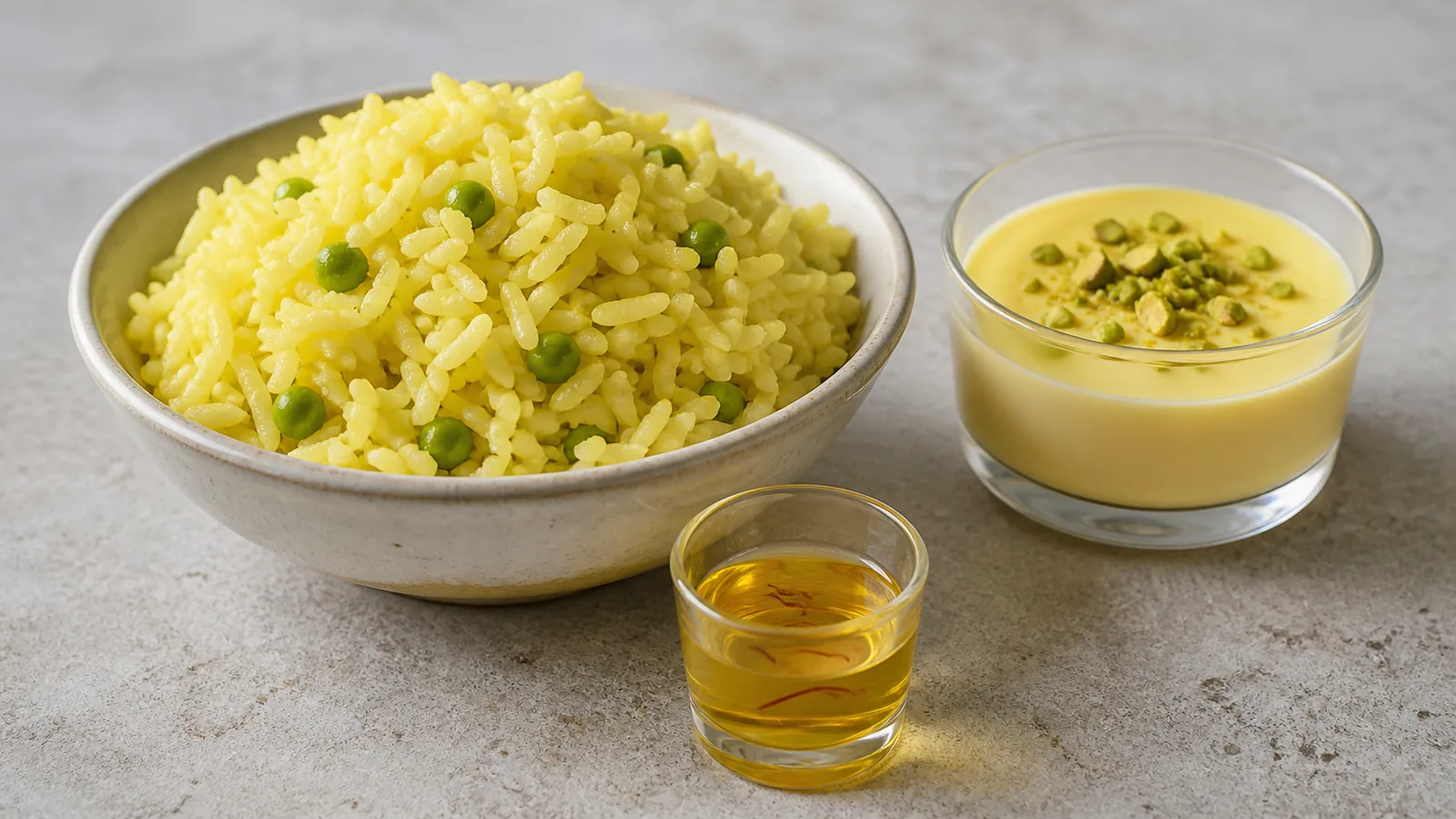
Saffron colours and flavours rice, paella, risotto, stews, breads, custards, drinks and sweets. Its appeal is that one ingredient contributes colour, aroma and taste in a very small quantity. It also has a long history in dyeing, fragrance and traditional practices.
The earlier version of this article referred broadly to “numerous health benefits” and medicinal properties. Those claims are not a reason to pay a higher culinary price, and they should not be treated as treatment advice. Food-grade quality, supplement standardisation and clinical evidence are separate questions.
The costliest spice, used by the pinch
Saffron is the world’s most expensive spice by weight because the useful part of every flower is tiny and the route from field to dry thread demands concentrated labour and care. The label does not mean every high-priced jar is excellent or that the most expensive origin is automatically superior.
Compare like with like: the same form, grade, weight, test evidence and date. Then buy only what you can store airtight, cool and dark. That turns an intimidating kilogram price into what saffron actually is in the kitchen—a potent spice used a few threads at a time.