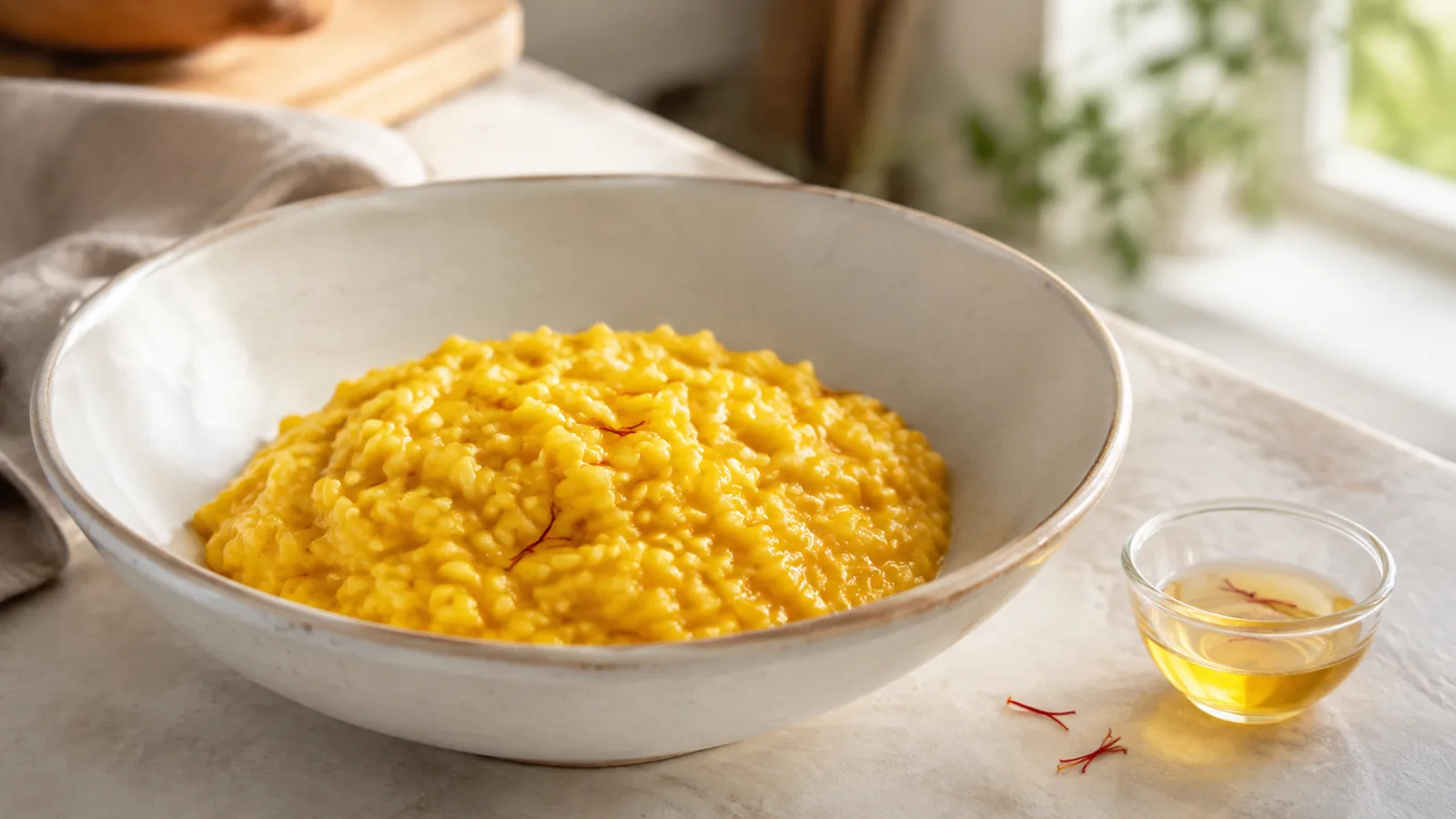
The best way to eat saffron is to gently crush a small pinch, infuse it in warm water, milk or broth, and add the entire infusion to your food. For anyone looking for the best way to consume saffron in everyday cooking, this preparation spreads its colour, aroma and flavour more evenly than scattering dry threads over a finished dish. The softened threads are edible, so they can go into the recipe with the liquid.

A practical saffron eating method
Saffron is concentrated. It works best as a seasoning within food, not as something eaten by the spoonful. Start with the amount your recipe calls for; if there is no guidance, a modest pinch is usually enough for a family-sized dish. It is easier to add a little more next time than to correct a bitter, over-saffroned meal.
- Measure the threads. Keep them dry until you are ready to cook.
- Crush them lightly. Use a clean mortar and pestle or crumble them between dry fingers. Aim for short pieces, not dust.
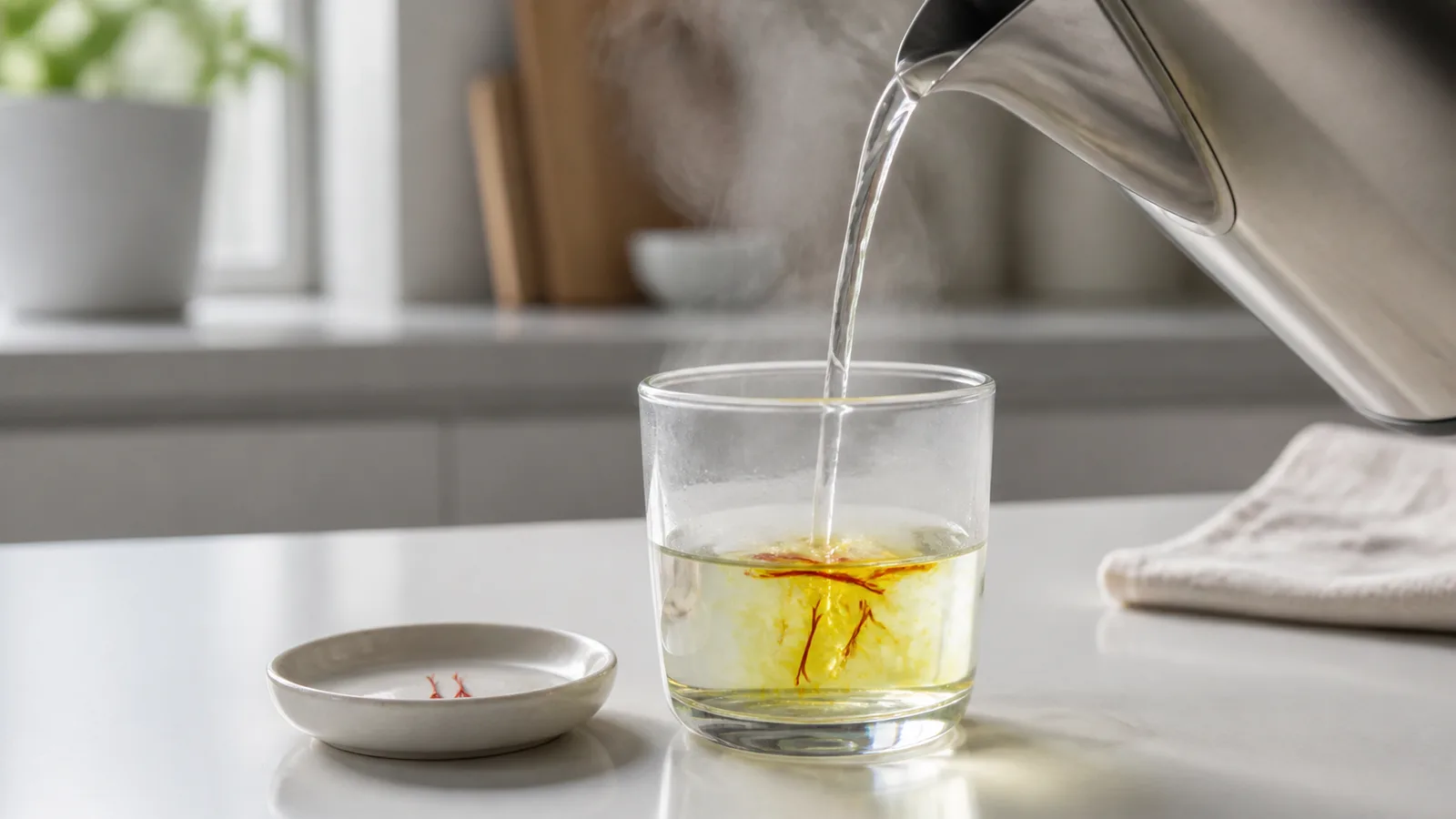
- Add a small amount of warm liquid. Choose water for versatility, milk for dairy dishes, or unsalted broth when it suits the recipe.
- Leave the infusion to develop. Ten to fifteen minutes is a useful kitchen starting point; a little longer is fine.
- Add liquid and threads to the dish. Stir them through so the colour and flavour are distributed rather than concentrated in one spot.
A peer-reviewed study of saffron extraction at different temperatures and times shows why method matters: its major sensory compounds do not all behave in the same way across water and oil. For everyday cooking, a small warm infusion is a forgiving way to capture both aroma and colour without prolonged harsh heating.
Can you eat saffron threads directly?
Yes. Genuine saffron threads are the dried stigmas of Crocus sativus and can be eaten as part of a dish. There is no need to strain them from an infusion unless their texture is unwanted.
Chewing several dry threads, however, is rarely the best use of the spice. The flavour arrives unevenly, some aroma remains trapped in the plant material, and the experience can be more bitter than fragrant. Infusion gives those threads a chance to soften and contribute to the whole serving.
Warm water, milk or broth?
Choose the liquid according to the food rather than looking for one compulsory option.
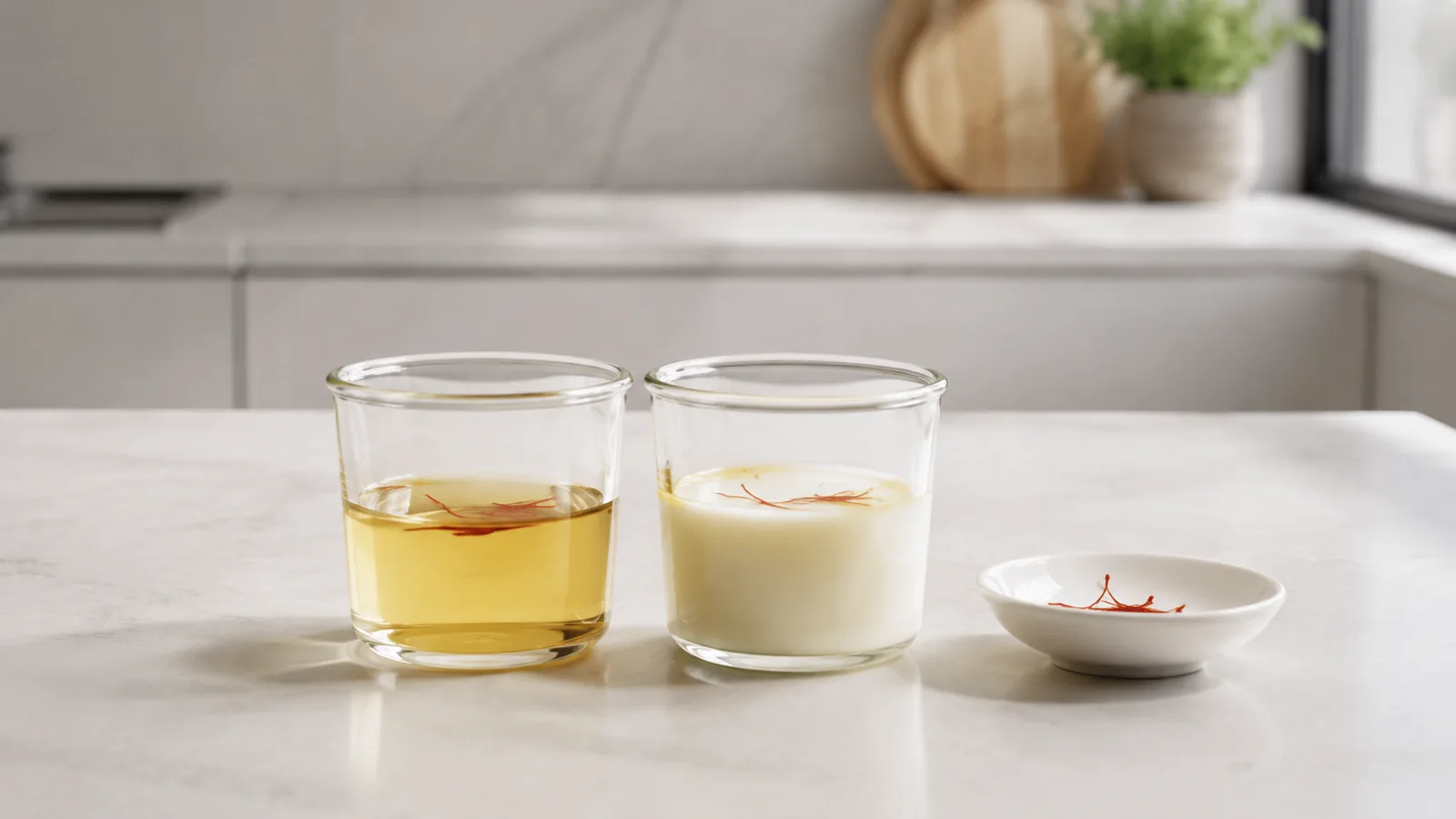
- Warm water is neutral and works well for rice, bread dough, tea and dishes where extra dairy is not wanted.
- Warm milk suits custards, puddings, ice cream bases and milk drinks. Because milk is opaque, its final colour may appear softer than a clear water infusion.
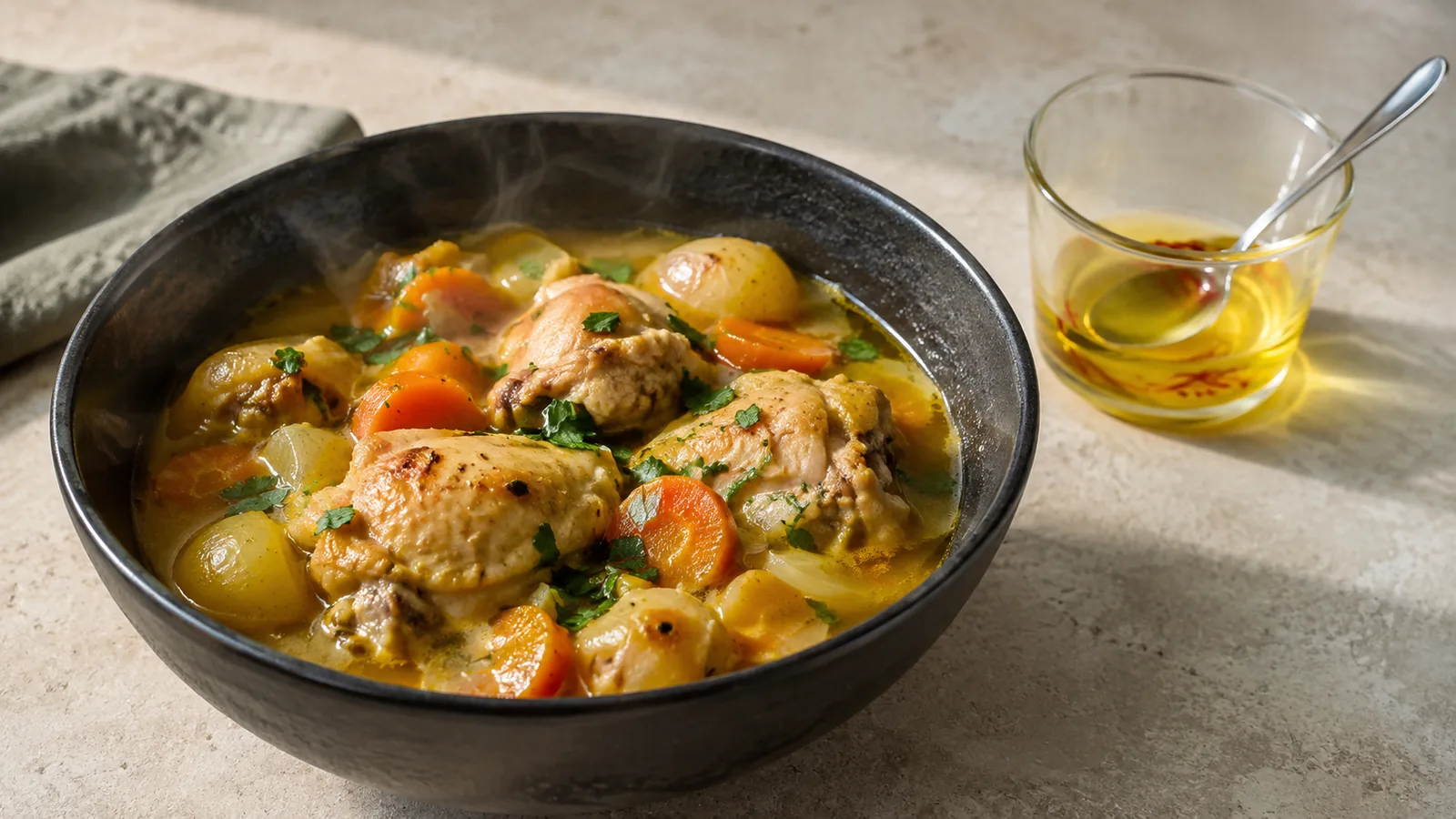
- Broth can carry saffron into soups, grains, stews and savoury sauces without diluting their character.
Whichever you use, warm does not mean aggressively boiling. Very high heat and long cooking can flatten the aroma you were trying to preserve. Our guide to brewing saffron before cooking compares the preparation methods in more detail.
Good ways to eat saffron in everyday food
Once prepared, saffron is easy to fold into familiar dishes. It does not require a ceremonial recipe.
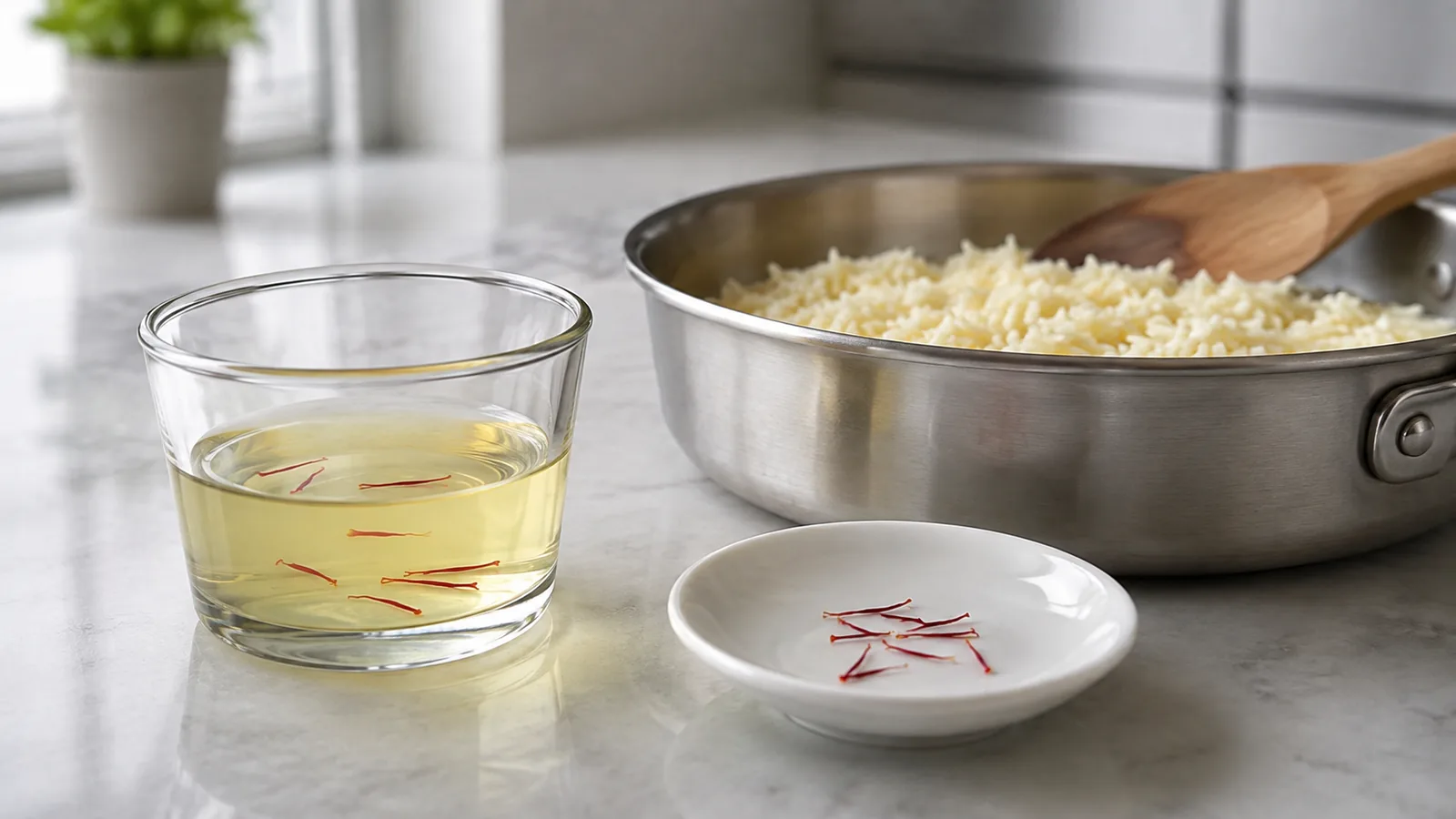
- Rice and grains: stir the infusion into part or all of the cooking liquid, or mix it through a small portion of cooked rice for a contrasting golden layer.
- Soups and stews: add it with enough cooking time for the flavour to spread, but avoid boiling it for longer than the dish needs.
- Sauces: blend the infusion into a cream, tomato or stock-based sauce where its floral-earthy character complements the other ingredients.
- Desserts: use milk infusion for custard, rice pudding, cake syrup or frozen desserts.
- Tea and milk drinks: steep the threads in the liquid and leave them in the cup if you enjoy their appearance and texture.
A few threads can also garnish a dish after the main saffron flavour has been infused. Dry garnish alone looks attractive, but it does not distribute the spice as effectively as adding the prepared liquid.
Should saffron be eaten for health benefits?
Use saffron in this context because you enjoy what it brings to food. Claims that eating it will automatically improve mood, “boost immunity” or deliver a particular medical result are not a sound basis for a recipe, and the old version of this article overstated them.
Culinary seasoning and a concentrated saffron extract are also not interchangeable. Supplements may contain standardised extracts at amounts unlike those used in a pot of rice. The US National Center for Complementary and Integrative Health advises that botanical supplements require their own safety assessment, including possible interactions and product-quality concerns. If you are considering saffron for a health condition, discuss the product and dose with a qualified healthcare professional rather than using a cooking guide as treatment advice.
What about saffron powder?
Powder can be infused in the same way and disperses quickly, but it is harder to inspect visually and loses aroma more readily once exposed to air. If you grind whole threads yourself, prepare only what you need. Commercial powder should come from a supplier you trust and remain tightly sealed between uses.
Do not expect all visible material to vanish. Fine particles may remain after the soluble colour and flavour compounds move into the liquid. That is normal and does not make the infusion unsuccessful.
The simplest answer
For the most consistent result, lightly crush the threads, give them time in a little warm liquid, then add both the infusion and saffron to the food. Use a recipe-sized amount, choose a liquid that belongs in the dish, and let saffron support the other ingredients rather than overwhelm them. That method works for rice, sauces, drinks and desserts—and it wastes far less of the spice’s character than eating the threads dry.