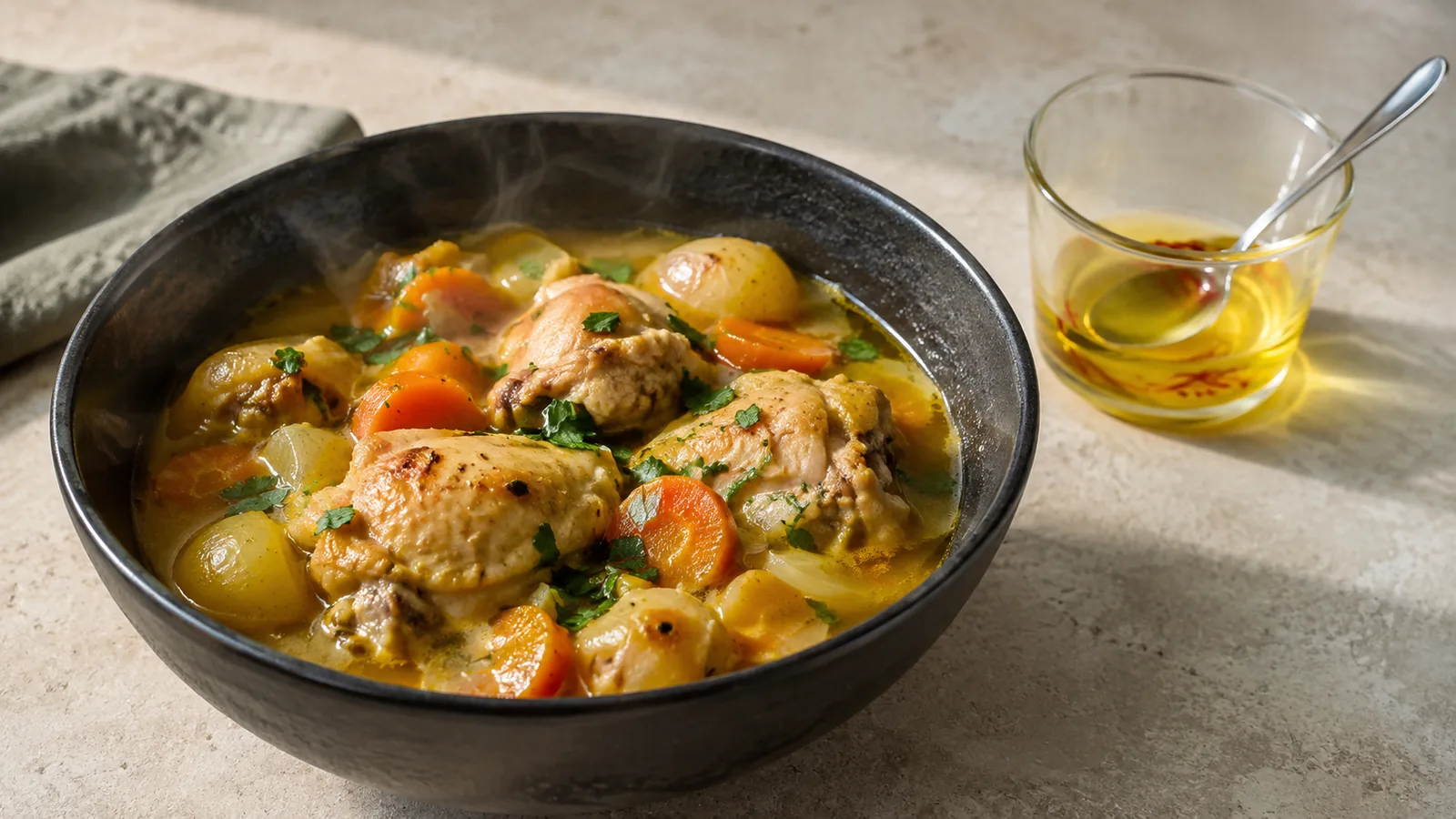
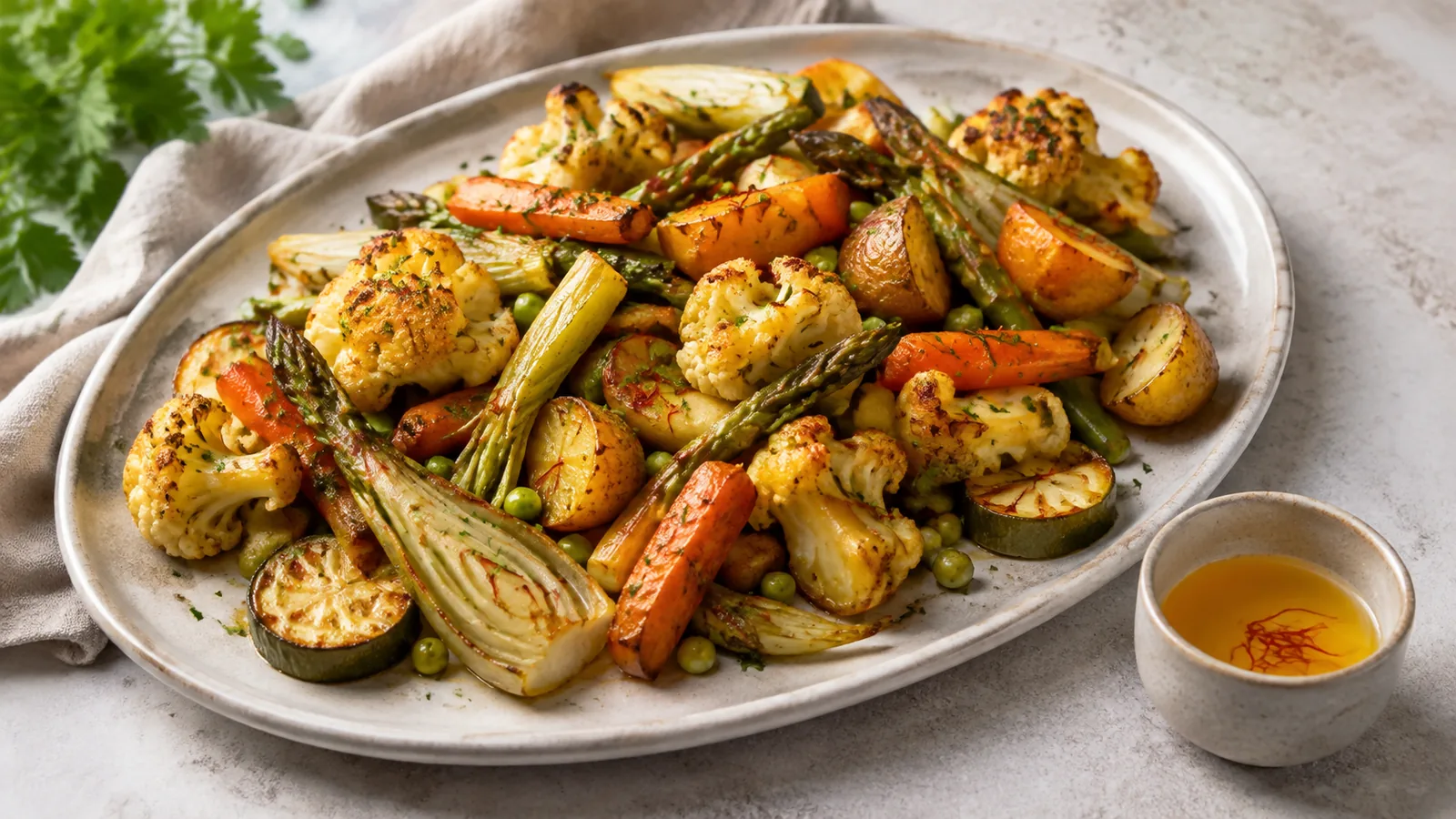
Carrots, potatoes, sweet potatoes, cauliflower, fennel, squash, peas, asparagus, zucchini and mushrooms all go well with saffron. The best vegetables cooked with saffron have enough sweetness, starch or gentle earthiness to support the spice without covering its floral aroma.
Which Vegetables Go with Saffron?
Saffron is flexible, but it is delicate. Mild vegetables allow its aroma and warm golden color to remain clear. Stronger vegetables can still work when the recipe gives them a supporting role and uses acid, fat and seasoning in proportion.
The cooking method matters as much as the vegetable. A saffron broth suits potatoes and peas; an oil-based infusion coats roasted cauliflower and carrots; a little saffron milk can enrich squash or a creamy vegetable soup.
Popular Vegetables to Pair with Saffron
Root Vegetables and Tubers
Carrots
Carrots echo saffron’s warm colour and bring natural sweetness that softens its bitter edge. Roast them with olive oil and a saffron-water infusion, or cook them gently with rice and peas. Lemon or yoghurt keeps the result from feeling overly sweet.
Potatoes
Potatoes absorb seasoned liquid well and give saffron a neutral, starchy base. They work in broth, gratins, stews and roasted dishes. For roasting, add some of the saffron infusion before cooking and reserve a small amount to toss through after the potatoes leave the oven.
Sweet Potatoes and Beets
Sweet potatoes can carry floral and earthy notes, particularly with citrus, chilli or cumin for contrast. Beets are more assertive and can overpower the spice if used heavily. Pair a smaller amount of beet with potato, carrot or a grain rather than expecting saffron to dominate a plate of deeply roasted beetroot.
Brassicas That Work with Saffron
Cauliflower
Cauliflower is one of the easiest pairings. Its mild flavour takes on saffron, butter or olive oil and warm spices without losing its own texture. Roast florets until their edges brown, then finish with a measured saffron infusion, lemon and herbs.
Cabbage and Broccoli
Tender cabbage can work in a rice dish or light braise, but its sulphurous aroma becomes stronger when overcooked. Broccoli is similarly bold. Use saffron in the surrounding sauce or grain rather than relying on it to season a large quantity of broccoli by itself.
Green Vegetables
Peas
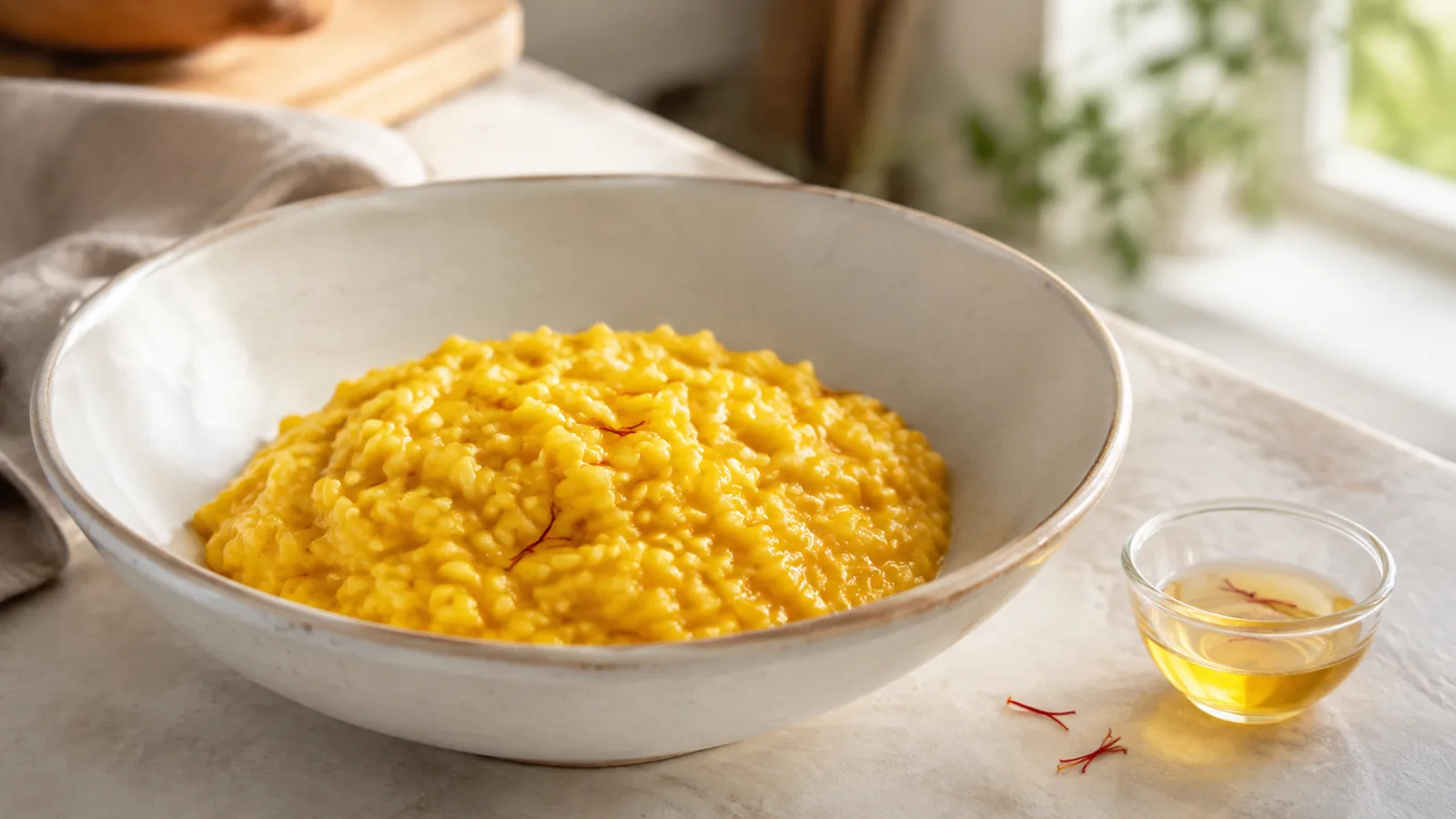
Peas add fresh sweetness and a clear colour contrast. They are especially useful in saffron rice, risotto, pilaf and light soup. Add them late enough to stay bright and tender.
Asparagus
Asparagus pairs well with a saffron cream, butter sauce or risotto. Keep the saffron measured and do not overcook the spears; their fresh, slightly grassy character should remain part of the dish.
Zucchini and Leafy Greens
Zucchini has a mild flavour but releases water, so brown it before adding a saffron sauce or fold it into a rice dish near the end. Spinach and chard can accompany saffron, though a large amount of dark leafy green will shift the balance towards mineral and earthy flavours.
Aromatic and Earthy Vegetables
Fennel, Leeks and Onions
Fennel’s light anise note can make saffron seem more floral, while leeks and onions build a savoury base. Cook them gently rather than deeply charring them. They are reliable starting points for saffron soup, risotto and braised vegetables.
Mushrooms
Mushrooms bring earthiness and umami. Brown them separately so they do not water down the dish, then combine them with saffron rice, cream or stock. Very smoky dried mushrooms can dominate; mild fresh mushrooms leave more room for saffron.
Tomatoes and Peppers
Tomato acidity creates useful contrast in stews and rice, but a strongly reduced tomato sauce may cover the spice. Sweet peppers work in pilaf, soup and roasted medleys. Use saffron in the cooking liquid so it can reach every ingredient.
Cooking Tips: How to Prepare Saffron for Vegetables
- Measure 15 to 25 threads for a four-serving vegetable dish.
- Crush them gently with a mortar and pestle or between clean fingers.
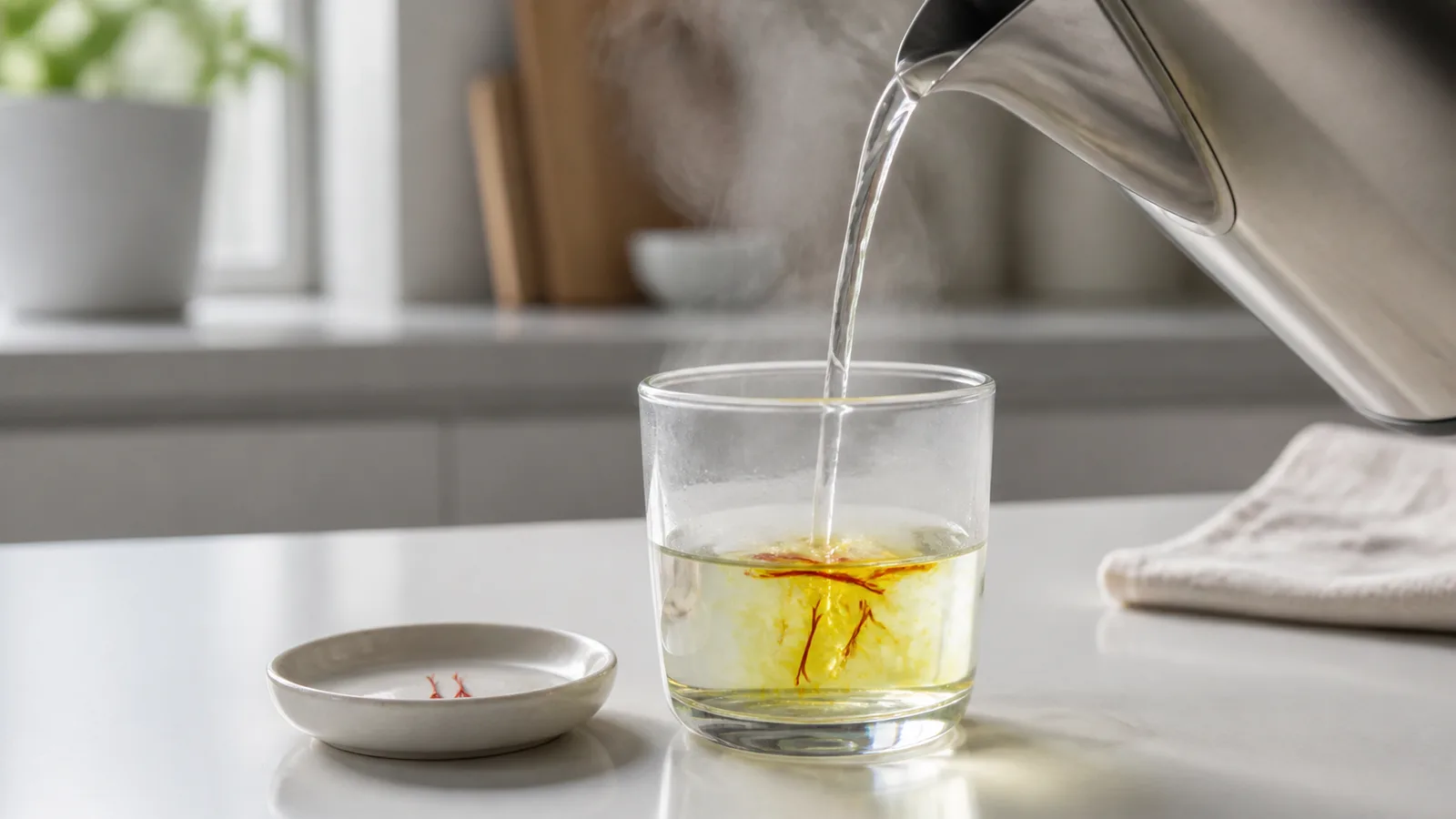
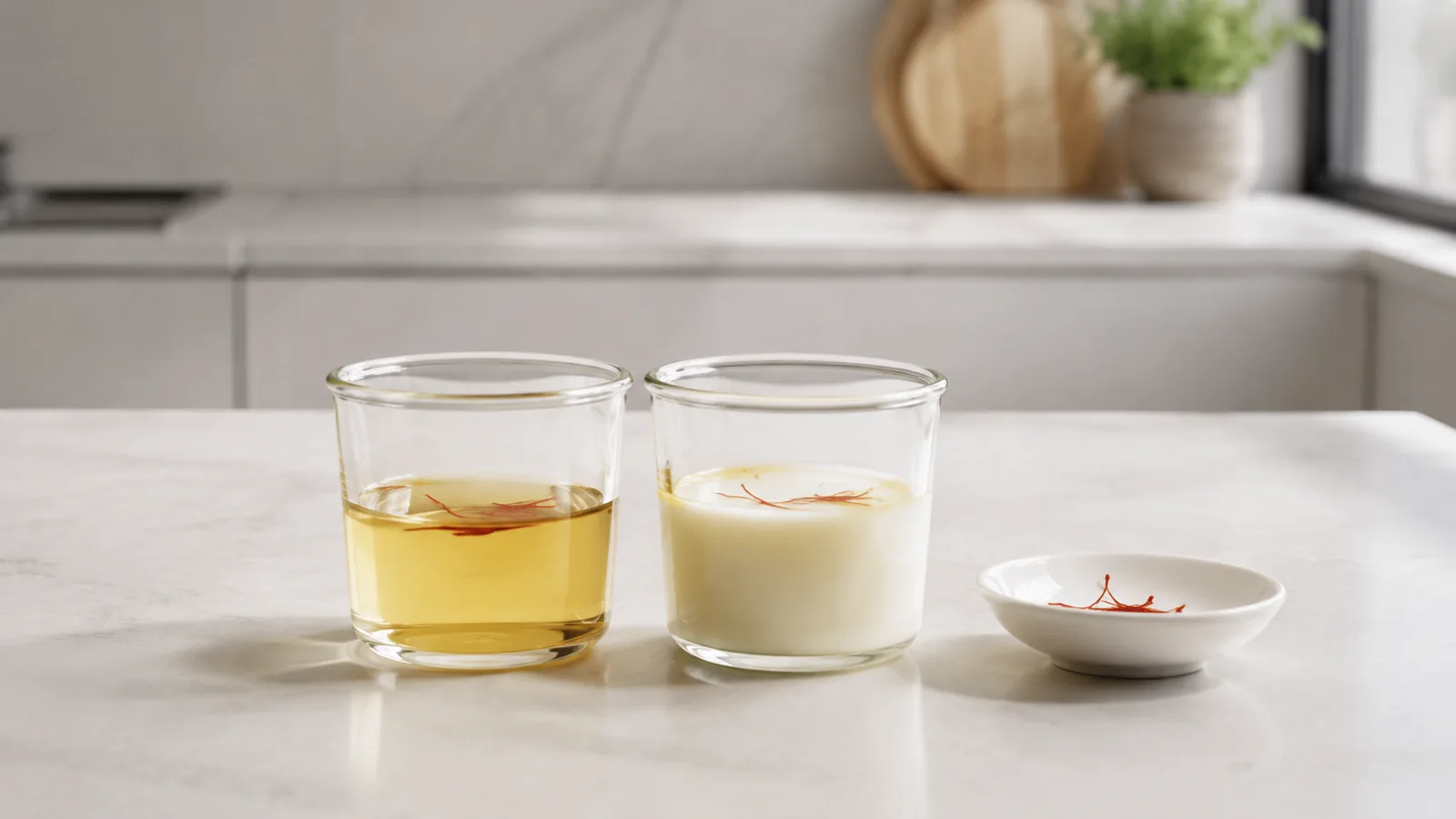
- Add two tablespoons of warm water, broth or milk.
- Cover and leave for 10 to 15 minutes.
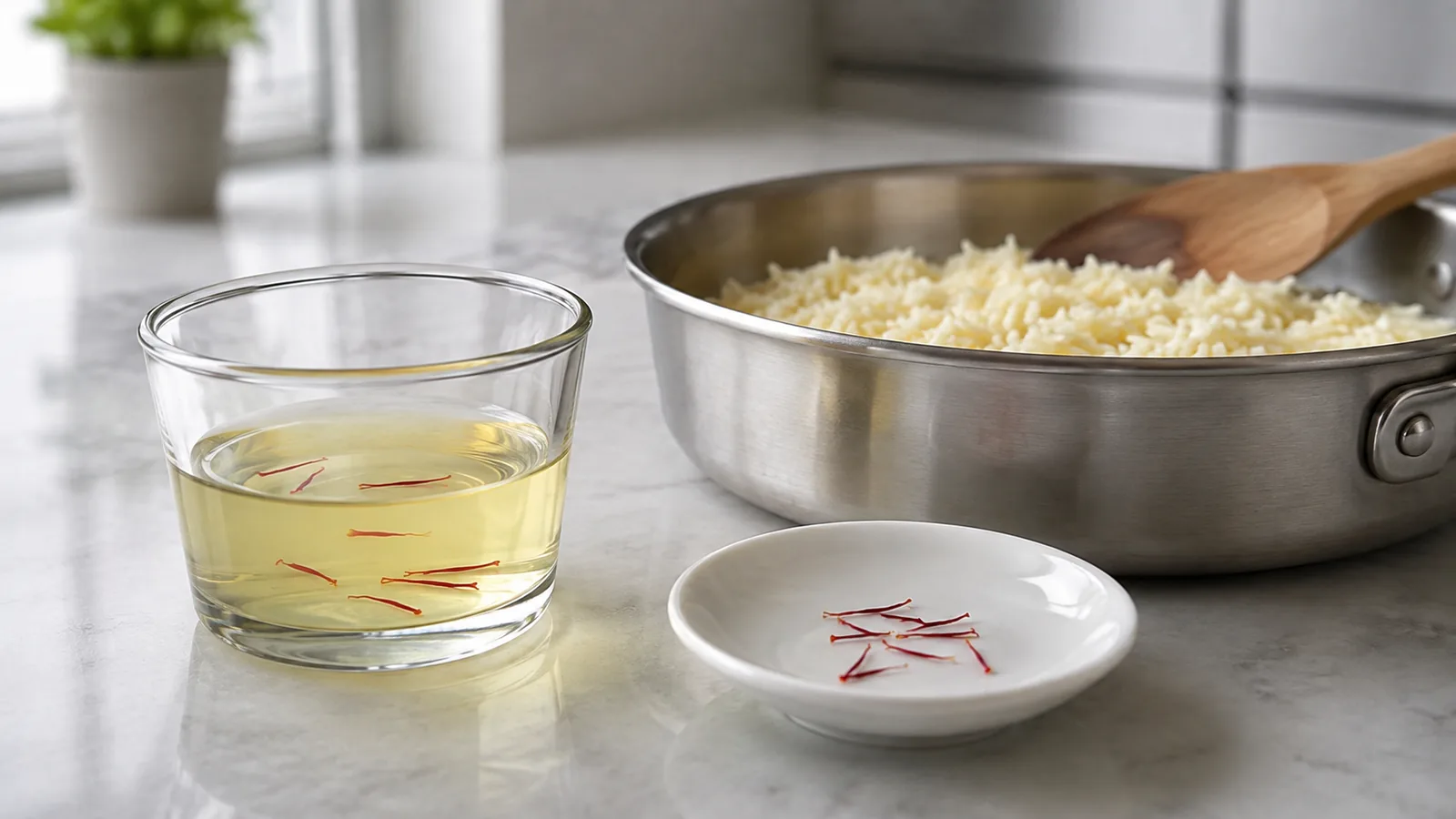
- Add the golden liquid and softened threads at the point when they can spread through the dish.
Water is the most versatile choice. Broth suits soups, pilafs and braises. Milk or cream belongs in a deliberately creamy recipe. For a fuller explanation of timing and liquid, see how to add saffron to a dish.
Three Practical Vegetable Ideas
The same method can be adapted to vegetable risottos, pilafs, soups and roasted vegetable medleys. The three examples below show where the infusion belongs.
Saffron-Roasted Cauliflower and Carrots
- Bloom 20 saffron threads in two tablespoons of warm water.
- Toss cauliflower florets and carrot batons with olive oil, salt and half the infusion.
- Roast at 220°C (425°F) until browned at the edges and tender.
- Toss with the remaining infusion, lemon juice and chopped parsley.
Carrot and Pea Saffron Pilaf
Cook onion and diced carrot gently in oil, add rinsed rice and measured stock, then stir in a saffron-water bloom. Add peas near the end so they keep their colour. Let the rice rest before fluffing it, which helps the aroma settle through the grains.
Saffron Potato and Fennel Soup
Soften leek and fennel in butter or olive oil. Add potato and mild vegetable stock, simmer until tender, then stir in the saffron infusion for the final 10 minutes. Blend part of the soup for body while leaving some pieces intact.
More combinations appear in our guide to recipes that use saffron.
Flavours to Add with Saffron and Vegetables
- For brightness: lemon, orange zest or a small amount of vinegar
- For richness: olive oil, butter, yoghurt, cream or a mild cheese
- For warmth: cumin, coriander seed, ginger or mild paprika
- For freshness: parsley, dill, coriander or mint
- For texture: toasted almonds, pistachios or pumpkin seeds
These are options, not a checklist. A simple dish often shows saffron more clearly than one loaded with competing spices and garnishes.
Common Mistakes
- Using too much saffron: bitterness can overwhelm mild vegetables.
- Judging by yellow colour alone: turmeric, carrots and peppers also affect appearance.
- Adding dry threads at the last second: they will not distribute evenly.
- Overcooking green vegetables: dull flavour and texture weaken the whole dish.
- Mixing too many strong vegetables: choose a few compatible ingredients with different textures.
- Boiling the infusion for a long time: prolonged hard heat can flatten the aroma.
Choosing and Storing Saffron
Whole red threads are easier to inspect and measure than an unidentified powder. Store them tightly closed, dry and away from heat and direct light. If you need a fresh supply, compare thread-form choices in the saffron shop.
Conclusion
Saffron pairs particularly well with carrots, potatoes, cauliflower, fennel, squash, peas, asparagus, zucchini and mushrooms. Bloom a modest amount first, choose a liquid that suits the recipe and let the vegetables keep their own character. The result should be aromatic and naturally golden, not merely colourful or dressed up as luxurious.