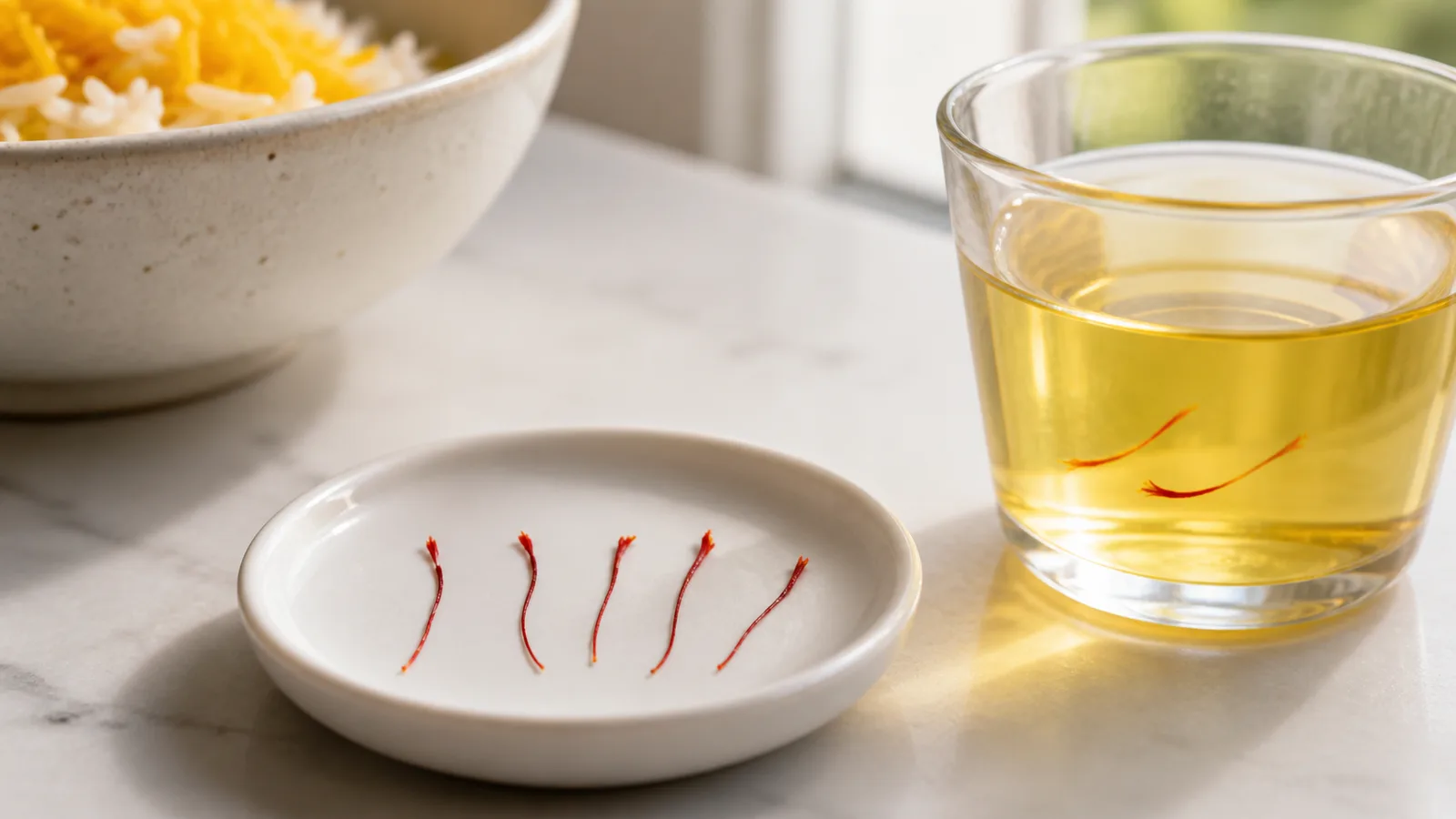
What time of day should you take saffron? There is no single best hour for every form or goal. Culinary saffron can be used whenever it suits the meal. For a saffron supplement, follow the exact label or a clinician’s plan: some research protocols use evening intake, some divide servings, and timing evidence is not strong enough to prescribe one universal schedule.
Best Time to Take Saffron: A Practical Decision
The best time to consume saffron depends on three things: whether it is food or an extract, why you are using it and what the specific directions say. The clock matters less than keeping the form and amount consistent.
This distinction protects against a common mistake. A few threads in rice or tea cannot be treated as the same exposure as a standardised capsule used in a clinical trial. A positive study also does not prove that shifting saffron from breakfast to bedtime creates the effect.
Taking Saffron in the Morning
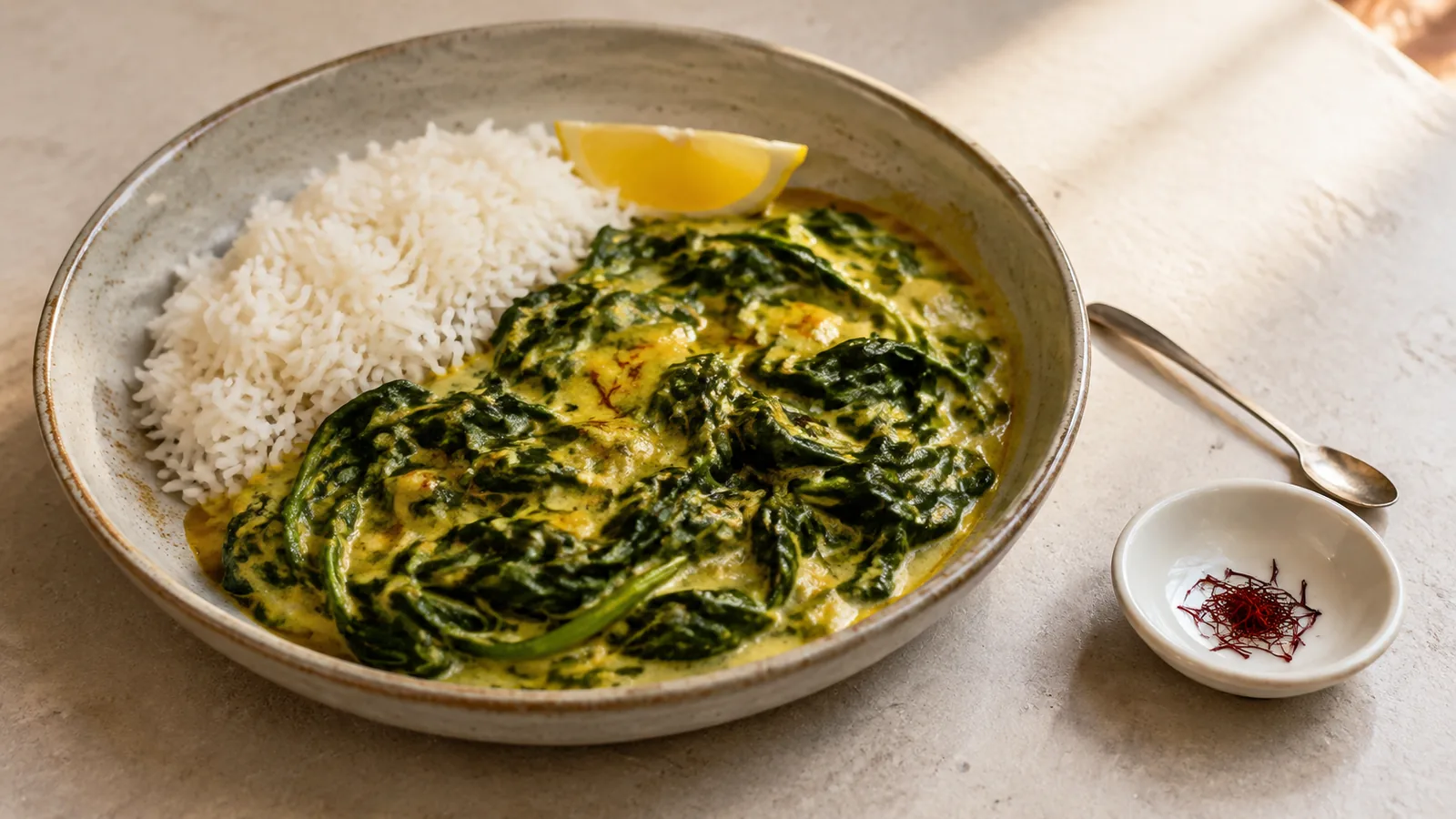
Can I take saffron in the morning? Yes, when it belongs in breakfast, tea or another normal food routine and you do not have a reason to avoid it. Morning may also be convenient for a once-daily supplement if its label permits that schedule.
Do not expect the hour itself to provide an energy, serotonin, focus or mood boost. The previous article made those claims without timing-specific evidence. Saffron extracts have been researched for mood outcomes, but that does not establish morning as the active ingredient. A recent GRADE-assessed review of randomised trials found potential antidepressant and anxiolytic effects alongside important certainty limits; it did not identify a universally superior time of day.
For a new product, daytime use may make it easier to notice nausea, dizziness or another unexpected effect. That is a practical observation, not proof that morning is more effective.
Taking Saffron at Night
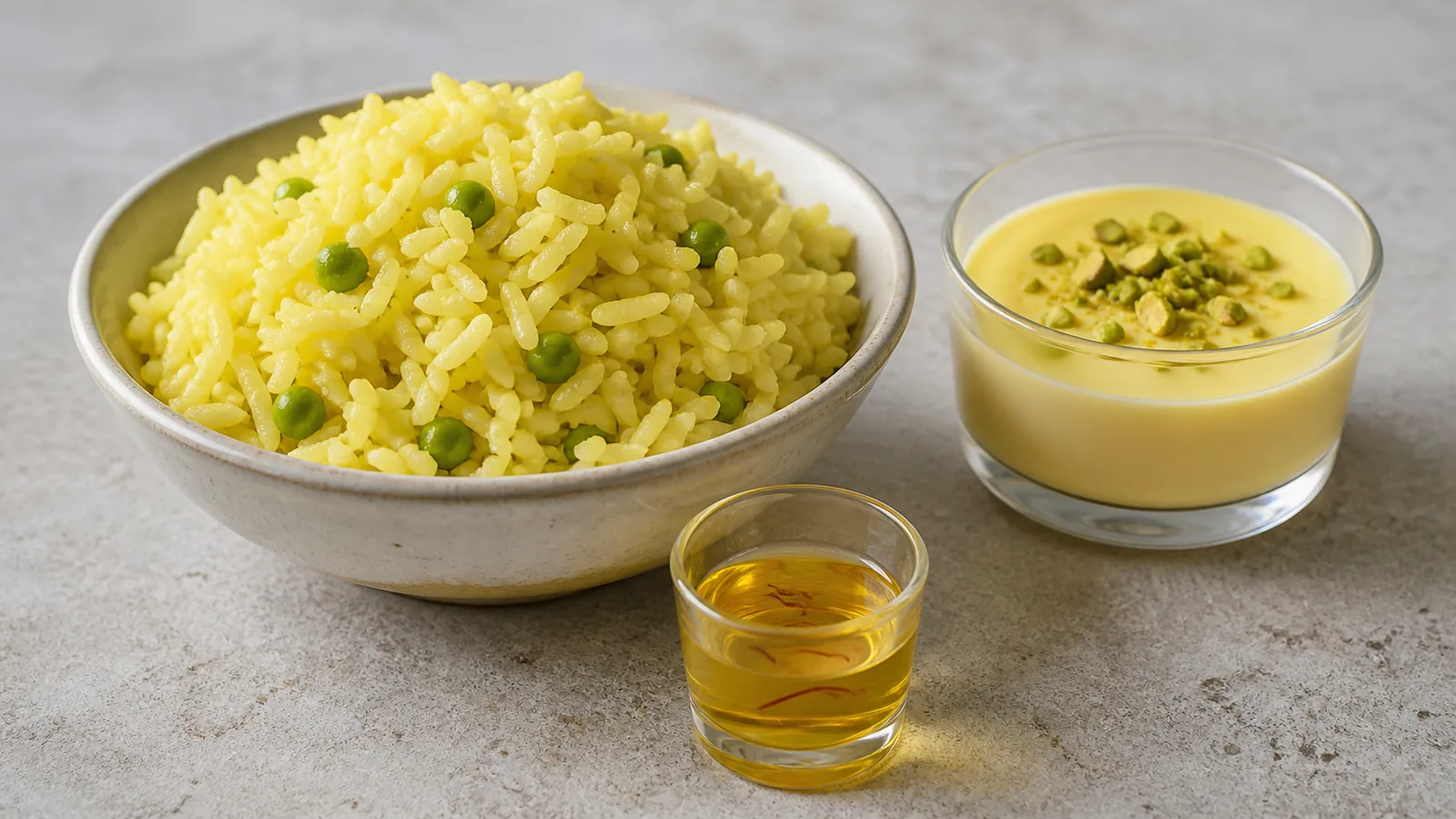
Can you take saffron at night? A modest culinary infusion can fit an evening routine. Night also has direct research precedent for some sleep-focused extracts. In a 28-day randomised trial, adults with unsatisfactory sleep took a standardised extract one hour before bed. Some sleep-quality outcomes improved more than with placebo, while several other measures did not differ. The authors called for longer studies with objective measurements; the evening-intake trial gives the exact product and protocol.
That evidence does not make saffron a sedative, prove that saffron milk at night treats insomnia, or show that everyone should switch to bedtime. Another sleep trial used an extract twice daily, illustrating the variation between protocols. See the twice-daily randomised trial.
If evening use causes discomfort, wakefulness or another unwanted effect, stop the product and seek advice. Do not combine it casually with sleep medicine or several calming supplements.
Best Time to Take a Saffron Supplement
The best time to take saffron supplement products is the time printed on that product’s label or agreed with a qualified professional. This is the page’s most important supplement rule. Extract concentration, other ingredients and serving schedules vary; one bottle’s instructions cannot be transferred to another.
For anyone asking about the best time of day to take saffron extract, use this order:
- Read the serving directions. Check the amount per serving, frequency, with-food instructions and warnings.
- Keep divided servings divided. Do not combine a morning and evening serving into one larger amount.
- Match a health plan. If a clinician recommended the product, use the timing that was reviewed with your medicines and condition.
- Stop after an adverse reaction. Changing the hour is not a safe way to work around a recurring symptom.
Saffron supplement timing should therefore be product-specific. “Saffron supplement morning or night?” is not answerable from the ingredient name alone. The U.S. Food and Drug Administration advises consumers to take supplements only as described on the label and to discuss benefits, risks and medicine interactions with a health professional. See its dietary-supplement guidance.
Best Time to Drink Saffron Tea or Water
The best time to drink saffron tea is when it suits the rest of the drink and your routine. A caffeinated black-tea blend may be better earlier for someone sensitive to caffeine; a caffeine-free infusion avoids that particular issue. This difference comes from the complete drink, not a universal property of saffron.
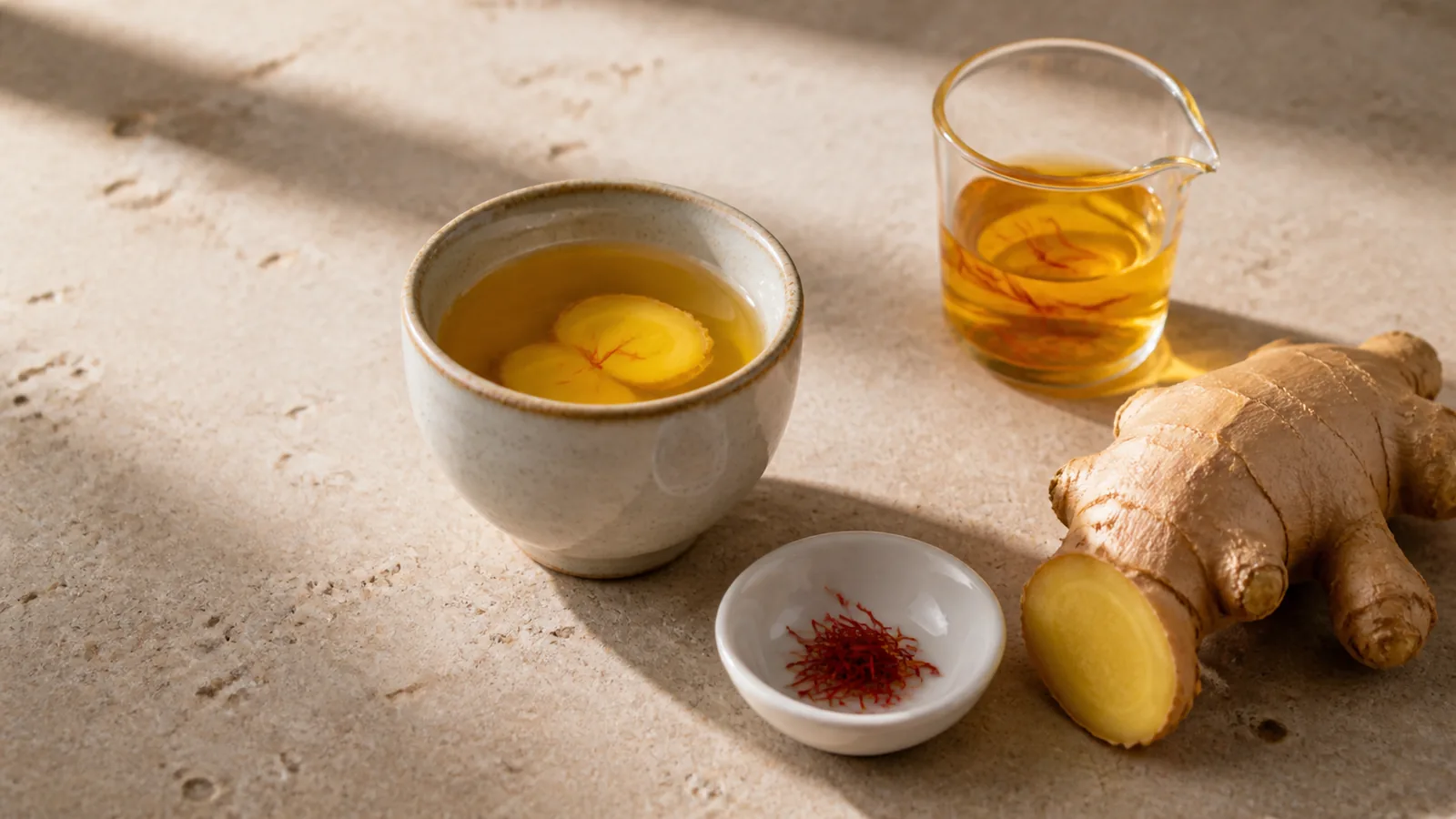
The best time to drink saffron water is similarly flexible. There is no dependable evidence that drinking it on an empty stomach, leaving it overnight or choosing a specific hour unlocks extra benefits. A few threads in warm water are a culinary infusion, not a substitute for a measured research extract.
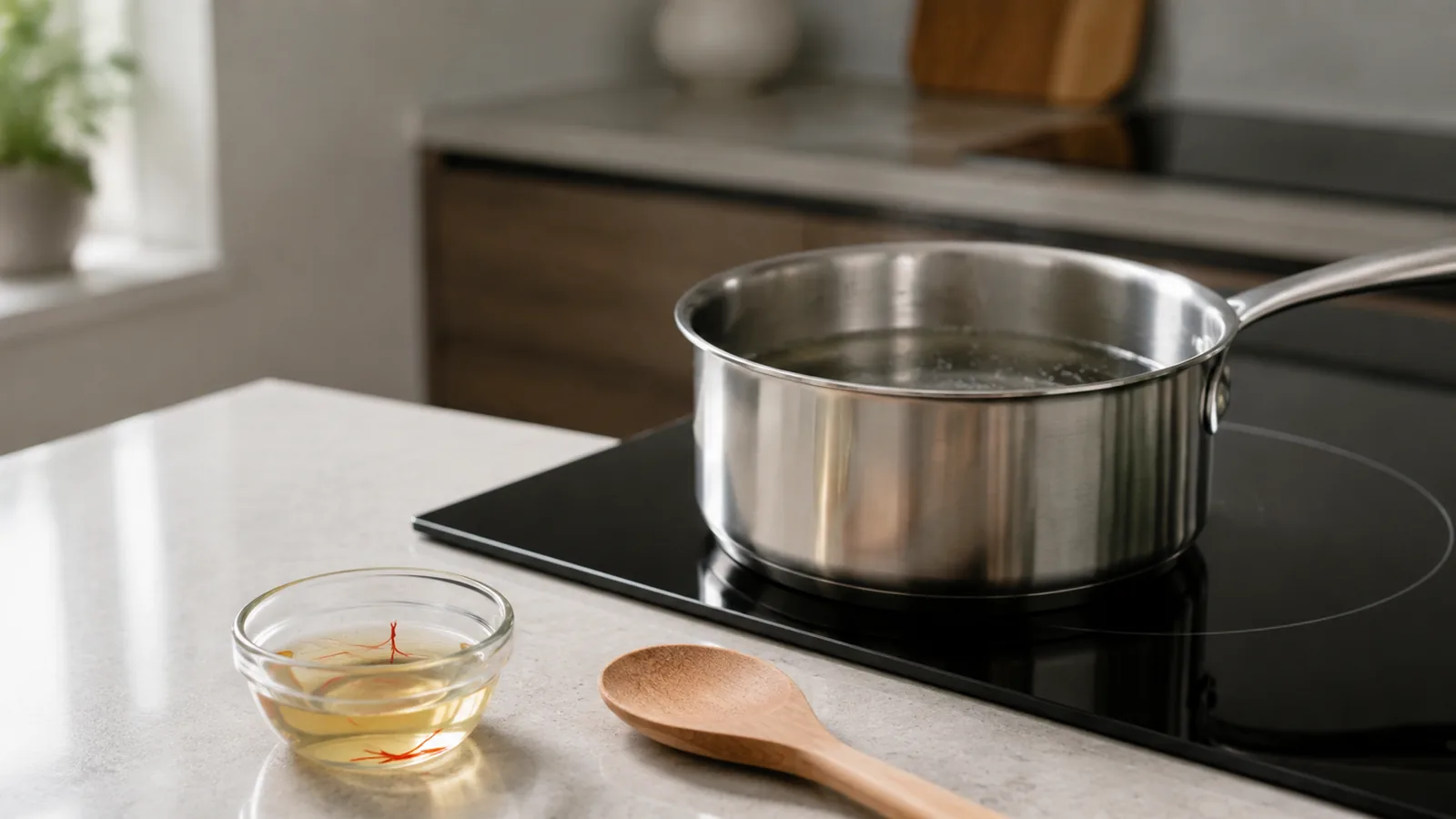
To prepare one, bloom a small culinary pinch in warm water and use the liquid and threads. Our broader guide explains ways to take saffron in food, tea or an extract.
Saffron With or Without Food
Culinary saffron is commonly eaten with food. If a supplement says to take it with a meal, follow that direction. If the label permits either approach but an empty stomach causes discomfort, ask a pharmacist whether that product can be moved to a meal.
Do not assume fasting increases absorption or benefits. Food directions can reflect the full formulation, so advice for loose threads cannot replace the capsule label.
Timing for Mood, Anxiety, Depression or Sleep
Searches for the best time to take saffron for anxiety, depression or sleep ask a clinical question, not merely a scheduling one. Do not use saffron timing to self-treat a mental-health or sleep disorder, delay assessment, or replace prescribed care. If a clinician agrees that a particular extract is appropriate, follow the studied or labelled schedule they have reviewed.
Persistent low mood, anxiety or insomnia can have several causes and may need tailored treatment. Seek urgent help for thoughts of self-harm or an immediate mental-health crisis.
Pregnancy Does Not Have a “Best Month”
Questions such as “which month use saffron in pregnancy?” or “when to start kesar in pregnancy?” cannot be answered safely with a calendar rule. A few threads in a shared dish and medicinal or supplement-style use are different exposures. Do not start concentrated, repeated or high-quantity use during pregnancy without the obstetric clinician’s advice.
A 2026 systematic review of saffron in pregnancy found limited and varied clinical evidence. It supports caution; it does not prove a trimester in which a supplement becomes universally safe or beneficial.
How Much and How Often?
Timing cannot be separated from amount. “How much saffron should I take daily?” has no one-size-fits-all answer that covers food, loose threads and extracts. Use saffron sparingly in recipes. For a supplement, do not exceed the labelled serving or copy a research dose from a different preparation.
Saffron does not need to be eaten every day to be enjoyed. Consistency is useful only when an appropriate product has a legitimate repeat schedule; it is not a reason to make the amount larger.
Morning or Night: The Short Answer
Is it better to take saffron in the morning or at night? Use morning when it fits food, a daytime routine or the product directions. Use night when the exact label or a professionally reviewed sleep-oriented protocol calls for it. When neither applies, choose a consistent, comfortable time and keep the form unchanged.
For more safety context before starting a repeated routine, read what to avoid with saffron. The best time to take saffron is never a substitute for choosing a suitable product and using it responsibly.