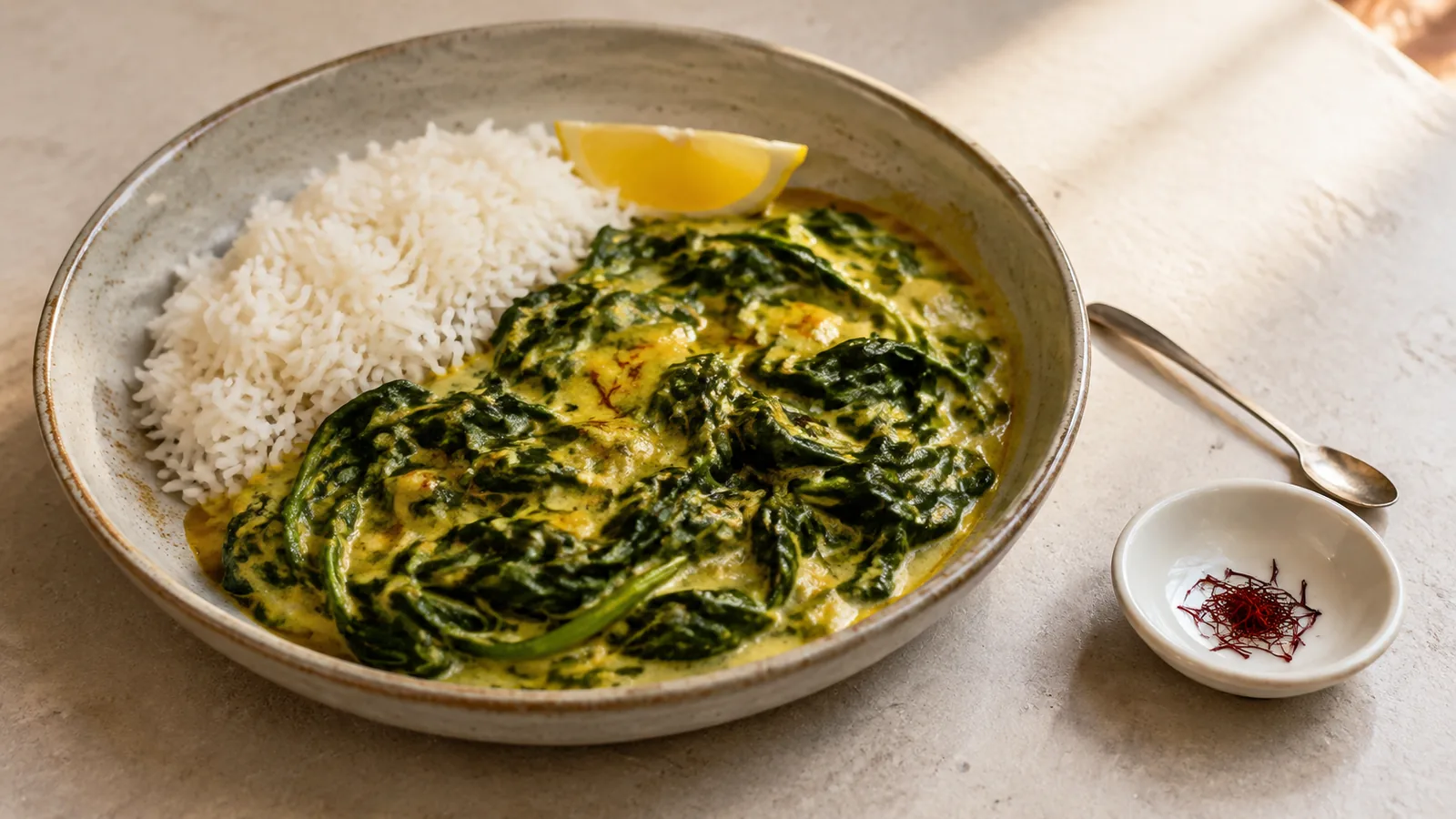
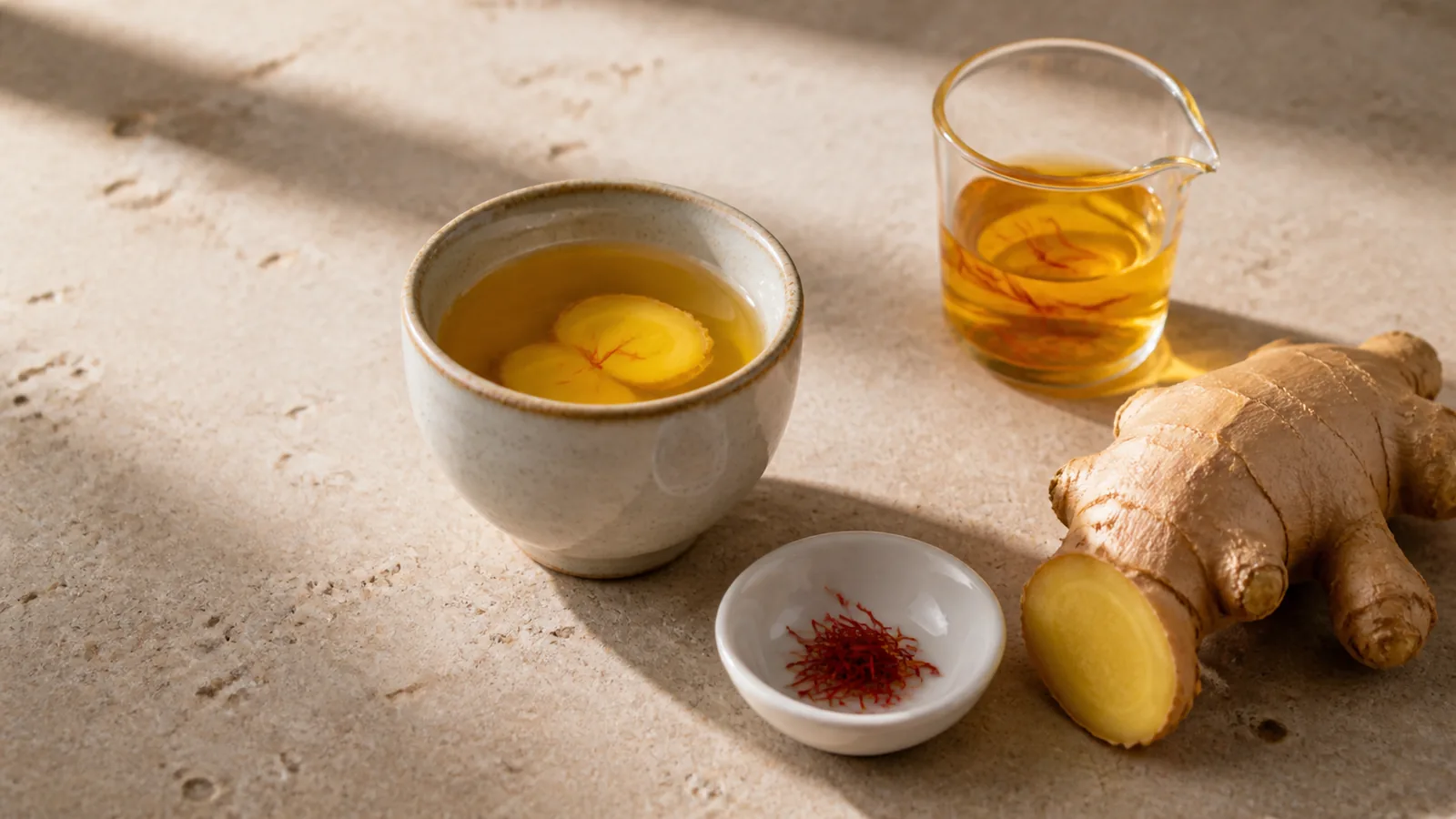
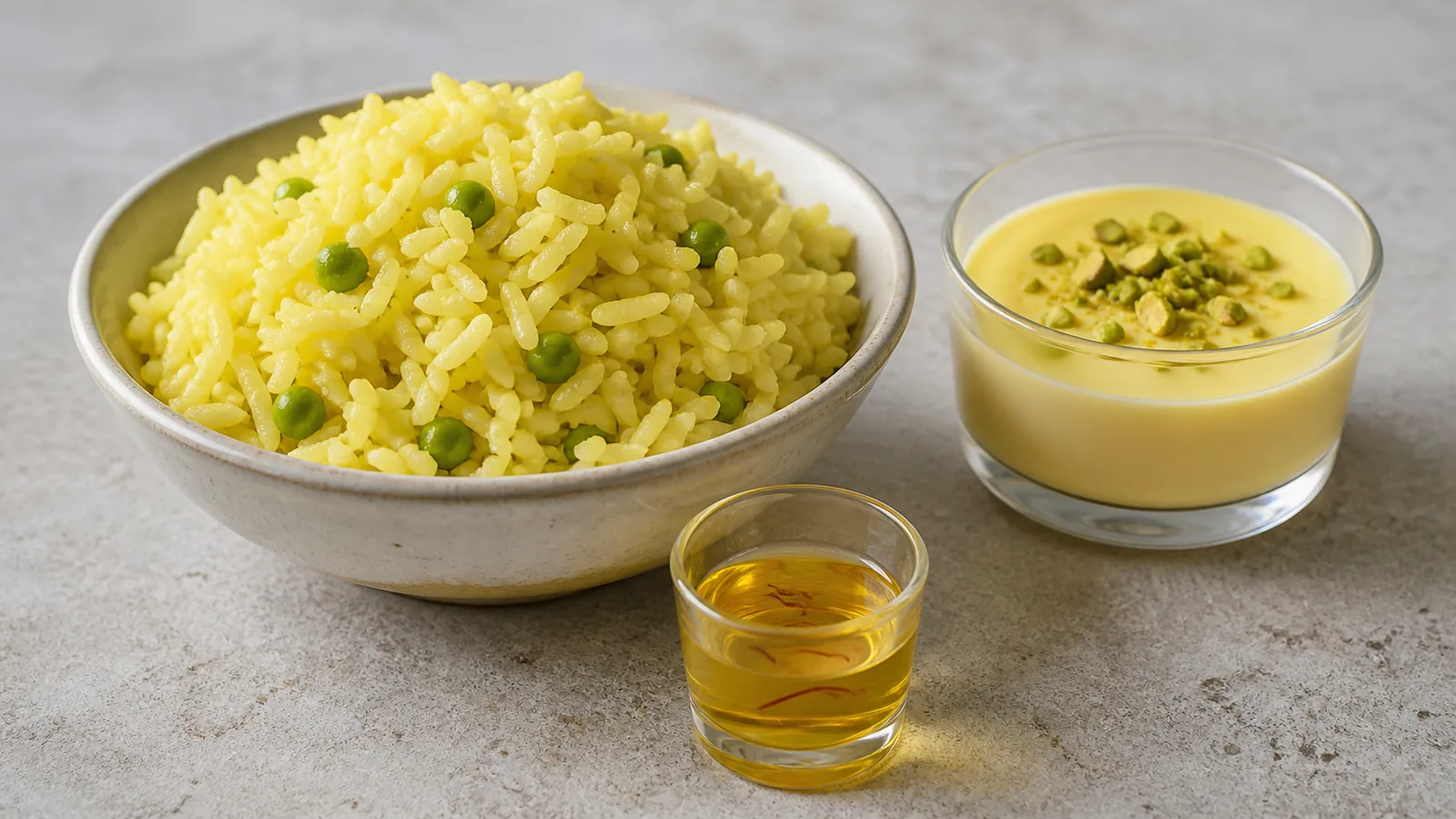
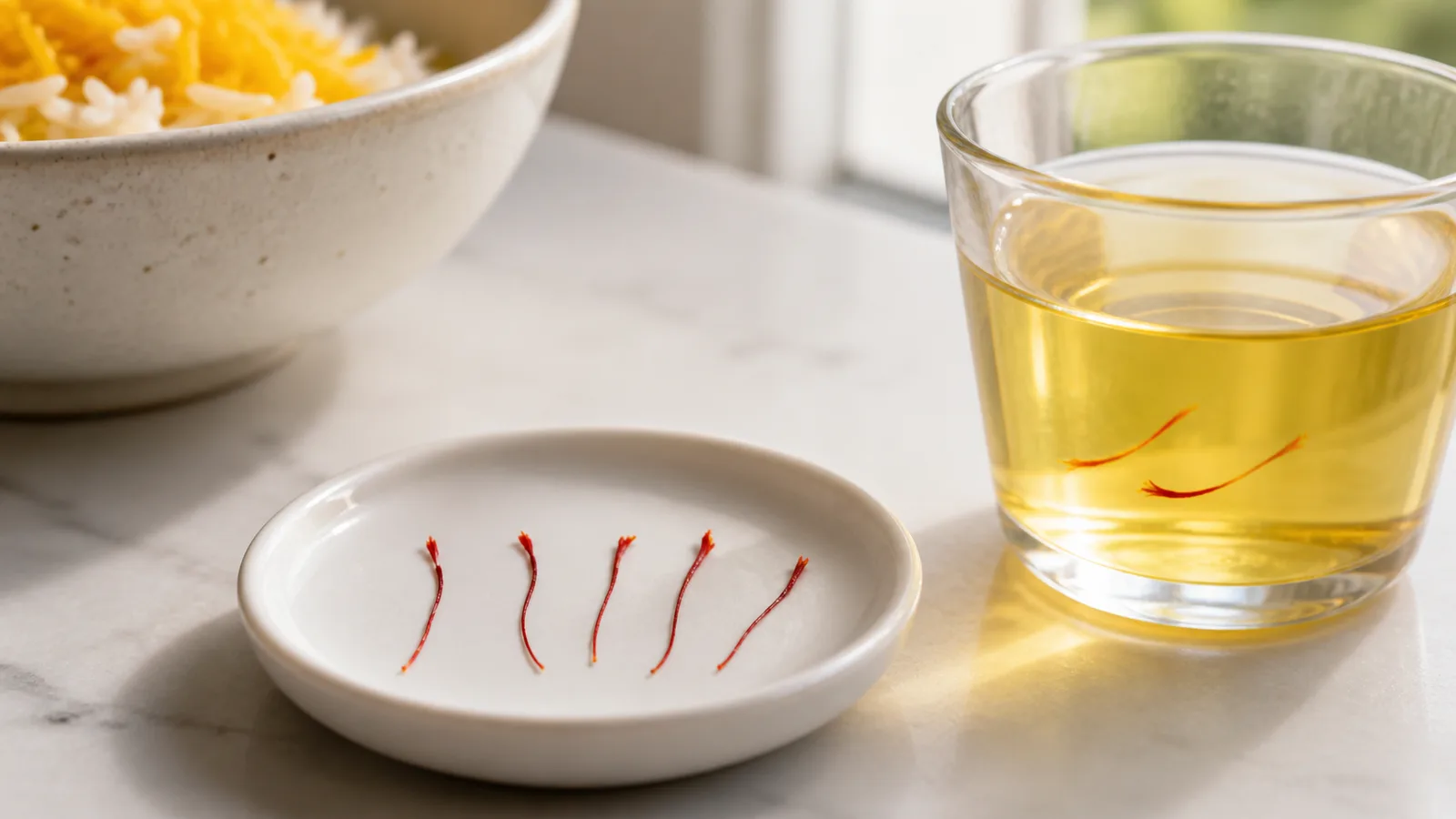
No single spice is truly close to saffron in both flavour and colour. If by the spice closest to saffron you mean a practical stand-in, turmeric is the nearest common choice for golden colour. Its earthy taste is quite different, so use only a small amount and do not expect it to reproduce saffron’s aroma.
Why there is no exact saffron substitute
Saffron combines three qualities that do not occur together in another everyday spice: a vivid yellow-gold colour, a floral and hay-like aroma, and a restrained bitter taste. A peer-reviewed review of saffron’s principal compounds and commercial quality identifies crocins with colour, picrocrocin with taste and safranal with aroma.
A replacement can imitate one of those jobs, but not all three. It is therefore more useful to ask what the saffron is doing in your recipe: colouring rice, perfuming a broth, or adding complexity to a dessert.
What spice is most similar to saffron?
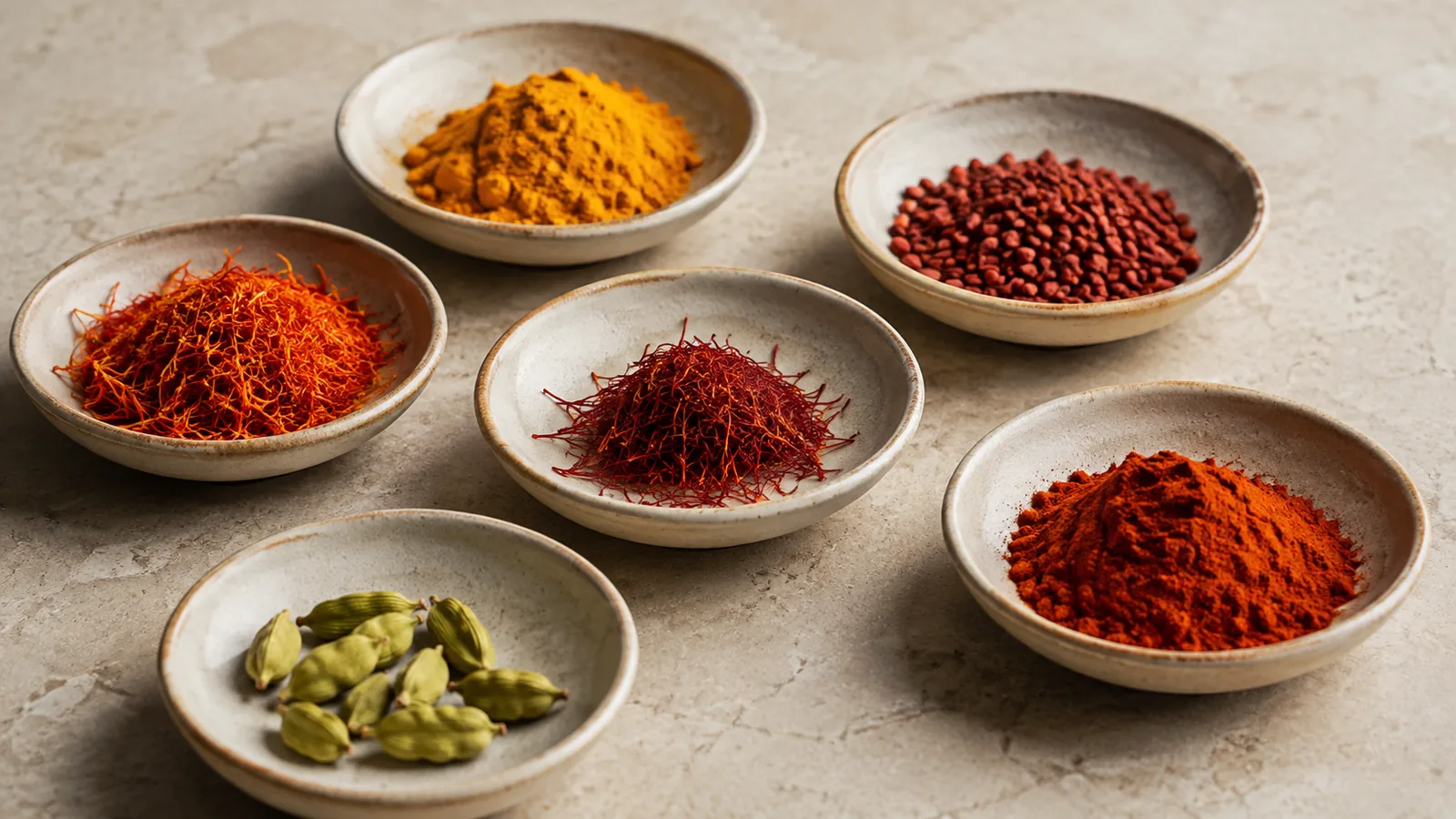
For colour, turmeric is the closest widely available spice. A very small pinch can turn rice, soup or sauce yellow, but too much brings a strong earthy bitterness and makes the dish taste of turmeric. Start with less than you think you need, stir, and add more only after seeing the colour.
For flavour, there is no convincing one-for-one alternative. Cardamom can add fragrance to milk, rice and desserts, but it tastes cool, citrusy and resinous rather than like saffron. It works as a new flavour direction, not an imitation.
Other spices like saffron: what each one can and cannot do
Annatto
Annatto seeds or achiote paste give food an orange-gold colour and a mild earthy character. They suit rice, stews and sauces where colour matters more than saffron’s floral aroma. Annatto is stronger toward orange and does not taste like saffron.
Safflower
Dried safflower petals are sometimes sold as a visual alternative because their thin red-orange strands resemble saffron at a glance. They can tint liquid lightly, but their flavour and colouring strength are much weaker. Safflower is not a spice with saffron’s sensory profile, and it should never be presented or sold as genuine saffron.
Food-grade calendula petals
Edible calendula petals can add yellow flecks and a gentle herbal bitterness. Use only petals specifically sold for culinary use; ornamental flowers from a garden centre or florist are not a safe assumption. Calendula changes the appearance of a dish more than it replaces saffron’s flavour.
Paprika
Paprika contributes red colour and, depending on the variety, sweet, peppery or smoky notes. It may belong in paella or a stew for its own qualities, but it is not close to saffron. Smoked paprika in particular can dominate the delicate aroma the original recipe intended.
Curry powder
Curry powder is a blend rather than a single spice. Many versions contain turmeric, which explains the yellow colour, but the cumin, coriander, fenugreek and other seasonings create a very different result. Use it only when that fuller spice profile suits the dish.
Choose the replacement by recipe
Rice, paella and biryani
Use a tiny amount of turmeric when the goal is yellow rice. Annatto is useful when a warmer orange-gold shade fits the dish. Neither will recreate the fragrance, so rely on the stock, aromatics and other seasonings already in the recipe instead of adding several unrelated spices at once.
Soups, stews and sauces
Turmeric is usually the simplest colour substitute. If the recipe already includes paprika or achiote, let those ingredients do their own work rather than forcing the dish to mimic saffron.
Baking and desserts
A minute pinch of turmeric can provide colour, but it becomes noticeable quickly in pale cakes, custards and ice cream. For aroma, cardamom, vanilla, citrus zest or rose water can make a good dessert in a different style. None should be described as saffron flavour.
Can you combine spices to copy saffron?
You can combine turmeric for colour with a gentle aromatic ingredient, but the result will still be its own seasoning. Mixing turmeric, paprika and cardamom does not create saffron; it usually produces a busier flavour that may overwhelm delicate rice, dairy or seafood.
If saffron is central to the dish, reducing the quantity or choosing another recipe is often better than building an elaborate imitation. When it plays a smaller visual role, a modest colour substitute can be perfectly practical.
A useful rule for choosing a saffron replacement
Choose turmeric for yellow colour, annatto for an orange-gold hue, or cardamom when you want fragrance but accept a different taste. Treat safflower and culinary calendula as visual garnishes rather than flavour matches. For more recipe-specific options and quantities, use our guide to choosing a good substitute for saffron.
If you need a similar spice to saffron for appearance, turmeric is the closest common choice, but no spice tastes the same as saffron. Pick the quality your dish needs most, use the alternative sparingly, and let it be what it is.