What is the difference between cheap and expensive saffron? Price can reflect harvest labour, grade, testing, origin, packaging and the seller’s supply chain. It can also reflect branding. Expensive saffron is not automatically excellent, and cheap saffron is not automatically fake; the useful question is what evidence supports the price.
A credible seller should be able to describe the product as more than “premium.” Look for the form, harvest or packing information, net weight, batch traceability, storage conditions and, where relevant, laboratory grading.
What Is the Difference Between Cheap and Expensive Saffron?
Saffron is costly because each flower produces only three stigmas and the usable threads are harvested and separated by hand. Drying, sorting, testing and protected transport add further expense. Those fundamentals set saffron apart from ordinary spices, but they do not justify every retail markup.
When comparing cheap vs expensive saffron, calculate the price for the same weight and currency. A low-looking pack price may simply buy a fraction of a gram, while a larger pack may have a lower per-gram price without lower quality.
Quality of the Saffron Threads
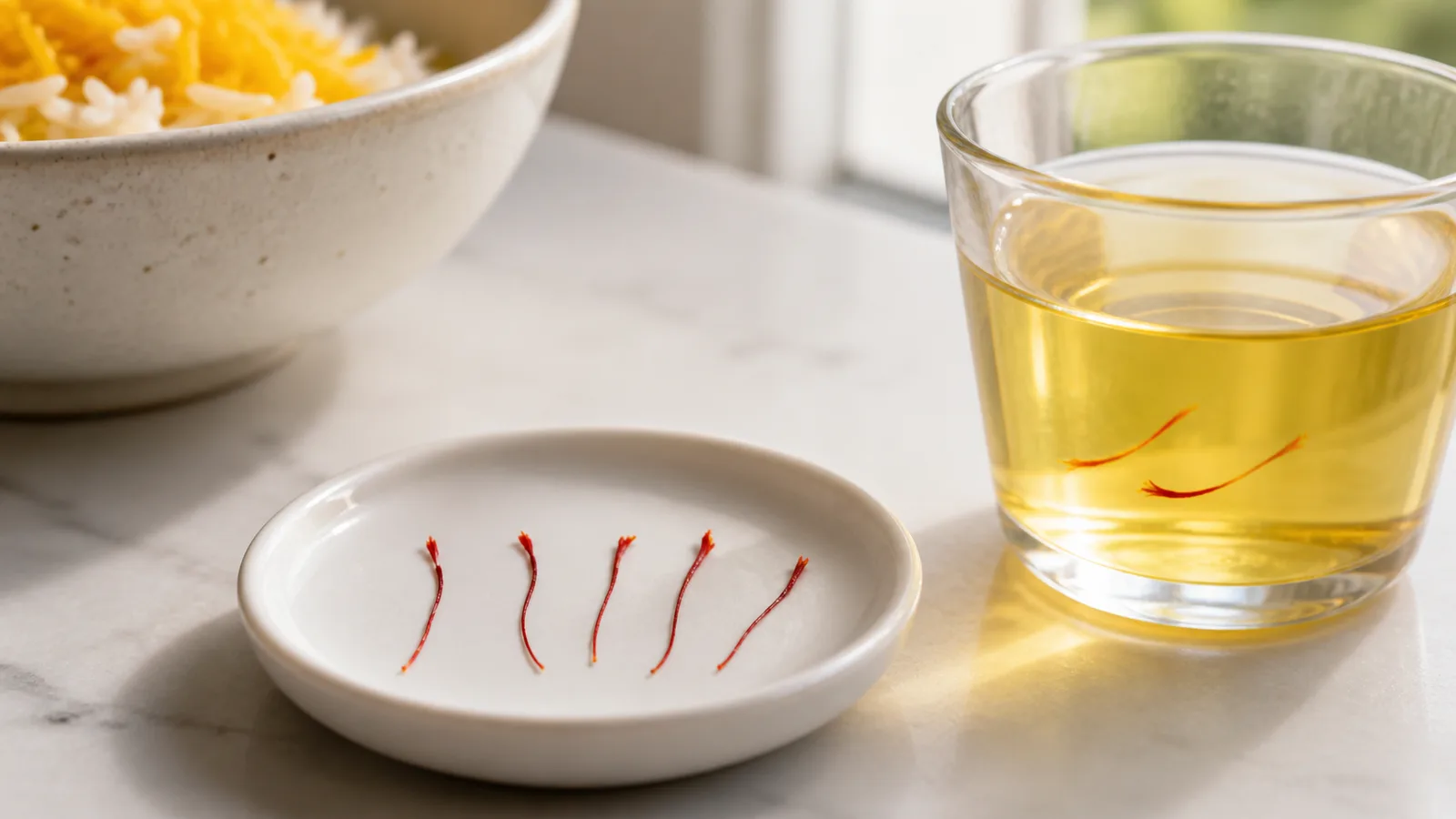
Good whole saffron shows recognisable red stigma tissue, often with a trumpet-shaped or flared end. A small amount of yellow style material may indicate a different commercial grade. Long, intact threads make visual inspection easier, but breakage alone does not prove weak colour or aroma; genuine threads can break during packing and transport.
Colour strength is associated with crocin-related compounds, bitterness with picrocrocin and aroma with volatile compounds including safranal. These characteristics can be tested. The current ISO 3632-1:2025 saffron specification applies to filaments, cut filaments and powder, so powder or shorter threads should not be dismissed purely because of their form.
Origin of the Saffron
Origin affects climate, cultivation, labour costs, trade routes and local grading. Iran is the world’s leading producer, while Spain, Afghanistan, India, Greece and other regions have their own traditions and supply chains. No country name alone guarantees a particular laboratory grade or sensory profile.
“Safran vs saffron” is not a quality comparison: safran is simply the word used in several languages. What matters is whether the pack identifies a genuine Crocus sativus product and whether the origin claim is traceable.
Purity of the Saffron
Pure saffron consists of the dried pistil material allowed by its specification, without unrelated petals, fibres, added dye, excess moisture or foreign matter. The Codex standard for dried saffron addresses identity, quality, hygiene, contaminants and adulteration.
High value makes saffron a target for substitution, yet an elevated price is not a purity test. Whole threads reduce some visual uncertainty; sealed packaging, a batch code, a responsible-business address and a defensible test report are stronger buying signals than a dramatic marketing story.
Color and Aroma
Dry threads should be predominantly red and have a distinct warm, hay-like, floral aroma with a slightly bitter edge. “The strongest smell possible” is not an objective grade. Aroma can be lost through age, heat, moisture, light and poor packaging, and a harsh artificial scent is not a virtue.
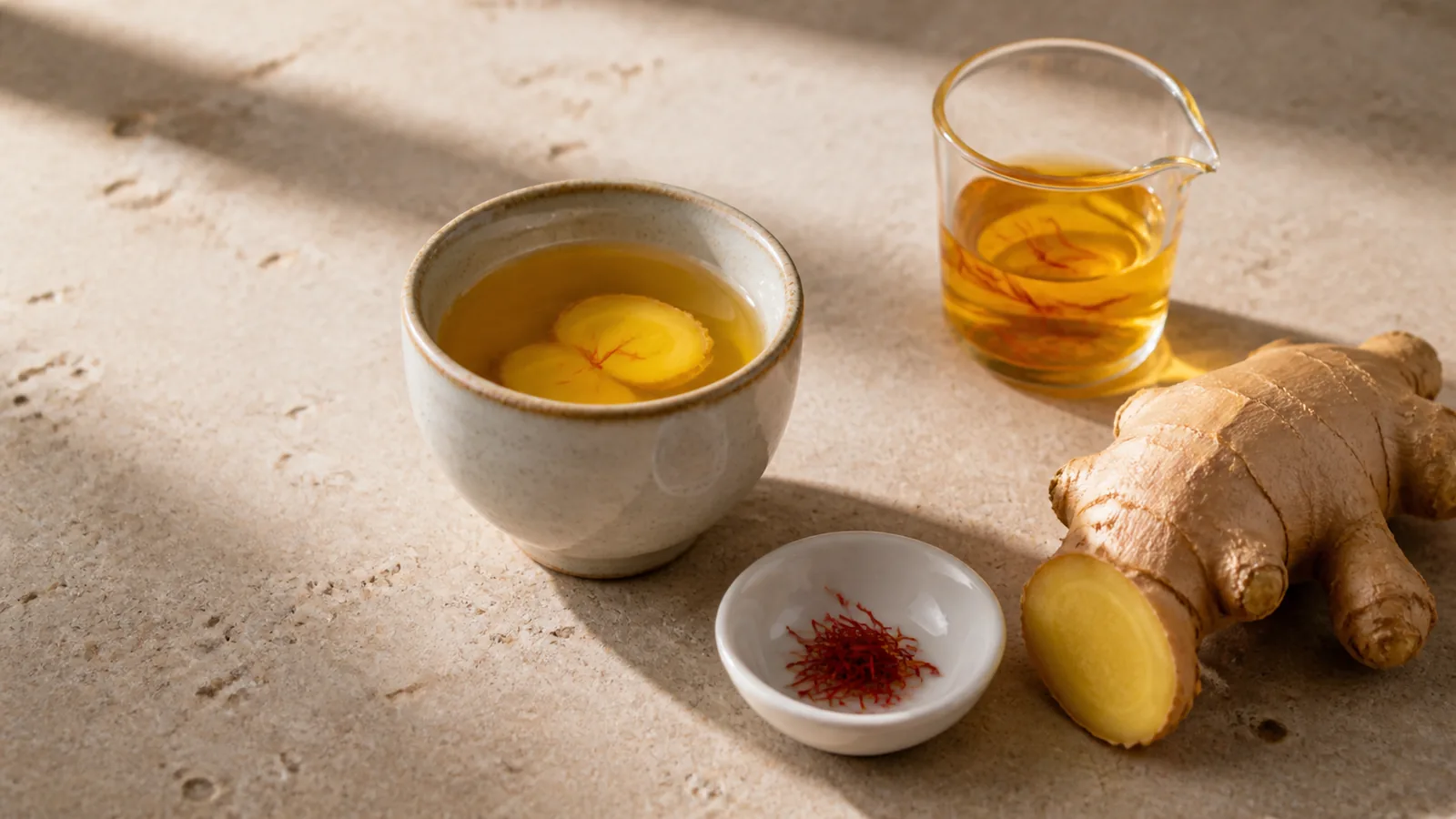
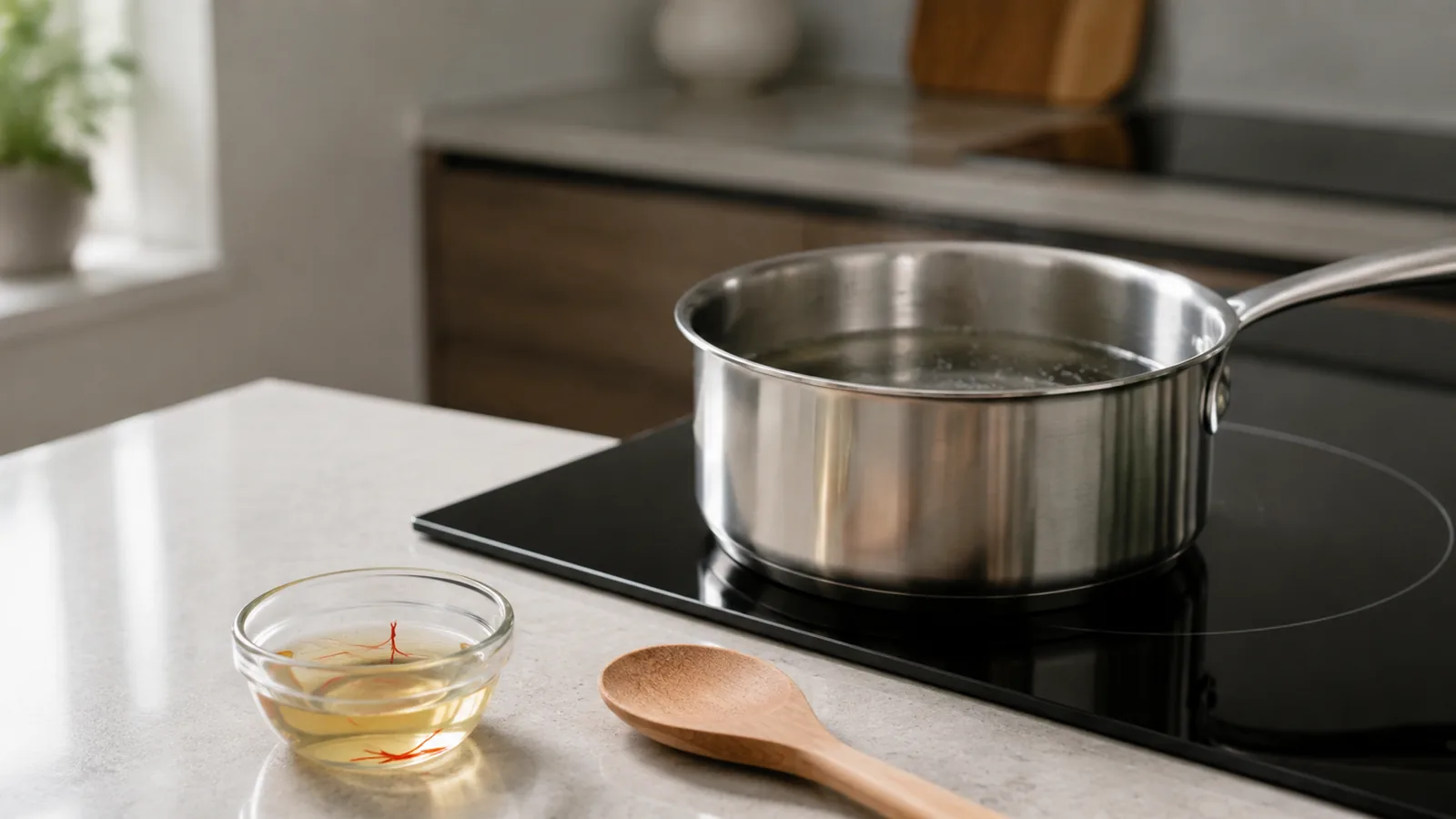
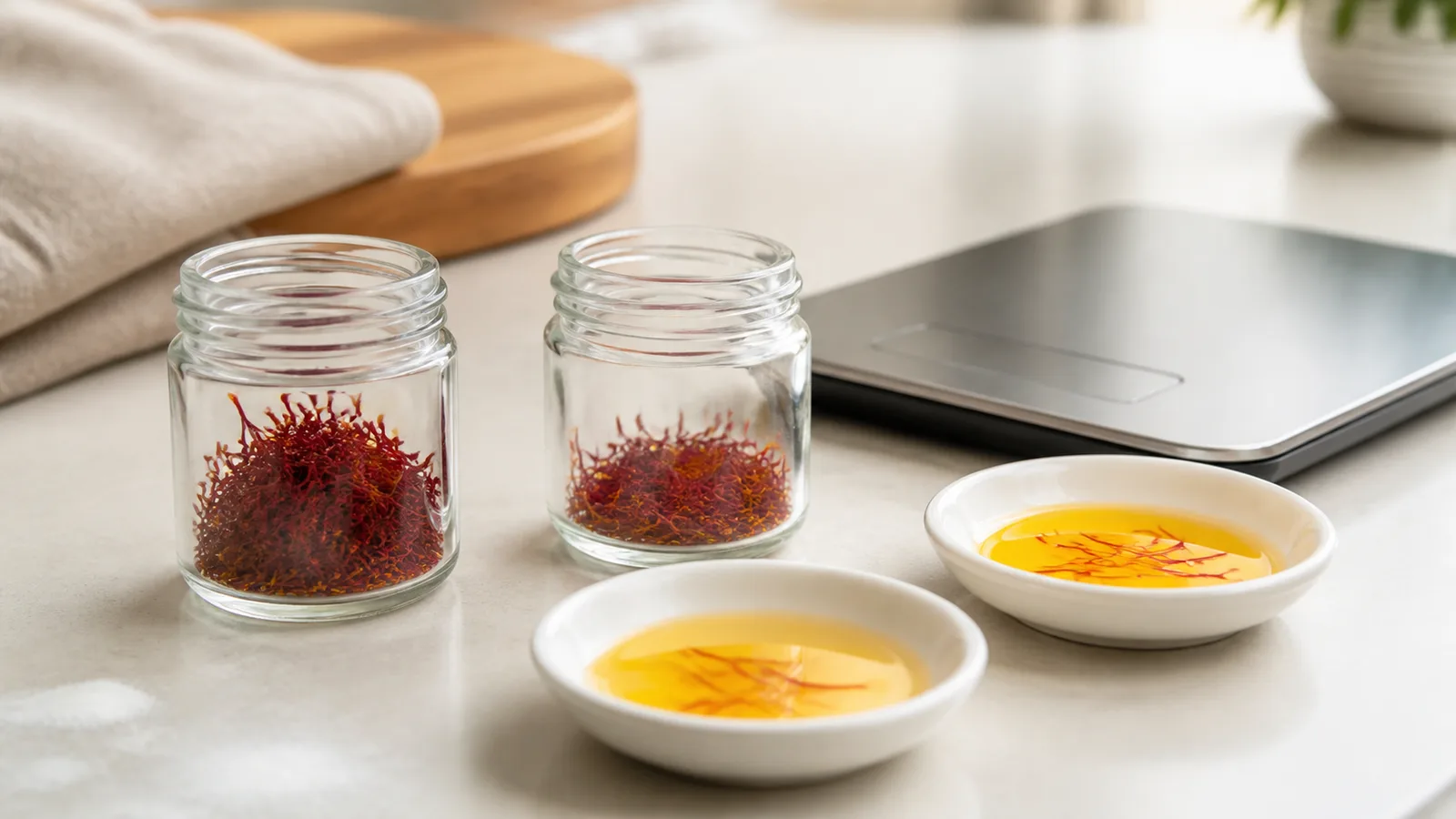
When infused in warm water, genuine saffron normally releases colour gradually while the threads remain visible. One home water test cannot certify purity, origin or grade. Artificial colour can behave differently, but a convincing infusion is still not a substitute for traceability and laboratory analysis.
Cost Considerations
Is saffron expensive? Relative to most spices, yes, but recipes use it in small quantities. Value depends on how much aroma, colour and flavour a modest pinch delivers, not merely the shelf price per packet.
Pay for information you can verify: stated net weight, protected packaging, batch identity, recent packing, clear origin and suitable test documentation. Be cautious when the price is implausibly low, but also when luxury packaging carries no evidence about the contents.
Storage affects the value after purchase. Keep saffron airtight, dry and away from heat and light. Buying more than you can use while it remains aromatic can make a “better” unit price a false economy.
Conclusion
The real difference between low-cost and high-quality saffron is not one visual trick. It is the combined evidence from identity, sensory condition, grade, purity, traceability, packaging and seller accountability. Broken threads can still be good; beautiful threads can still carry an unsupported origin claim.
You can compare our saffron products and read our guide to identifying pure saffron. If you need batch or product details before buying, contact us.