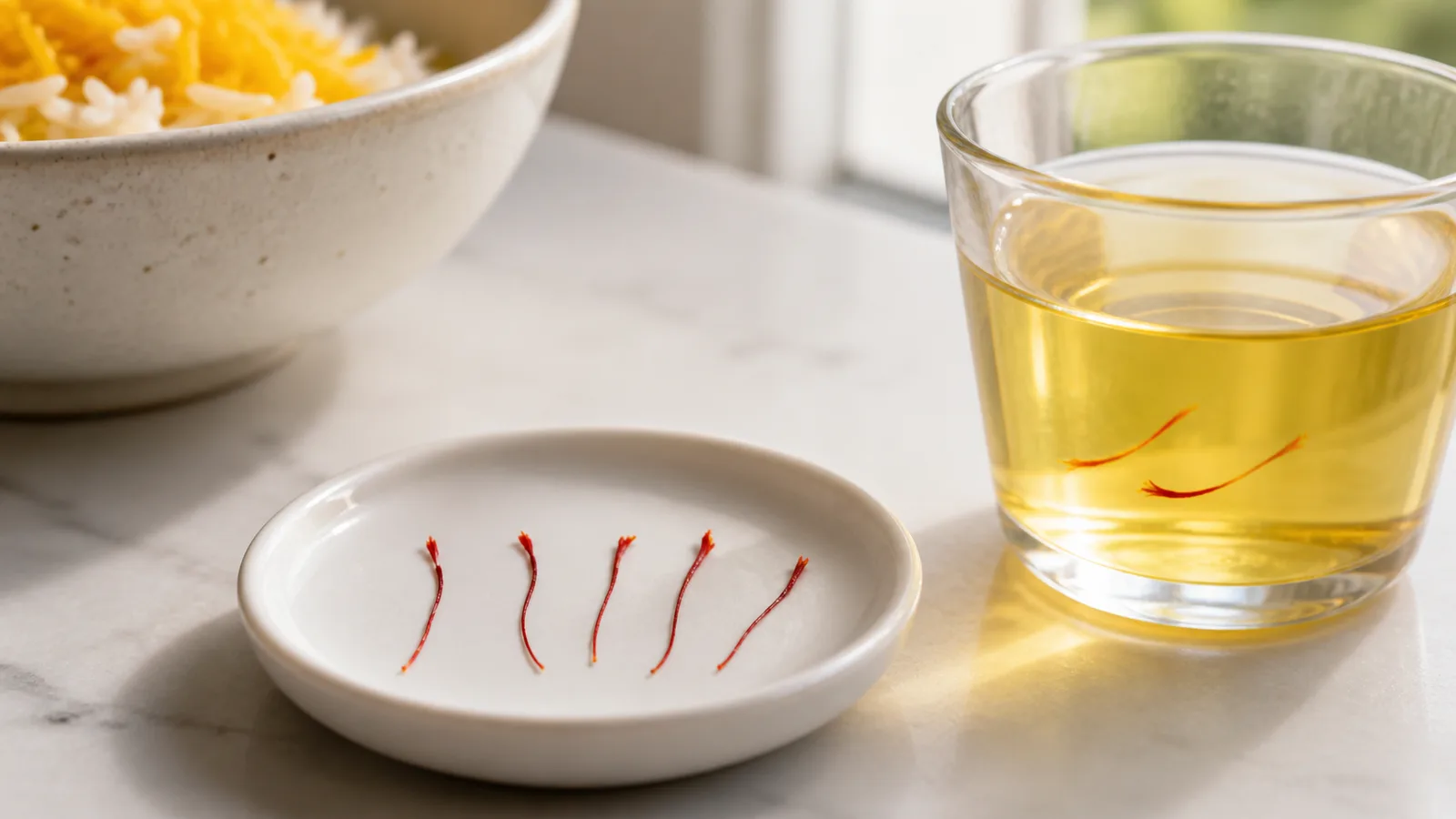
There is no official #1 spice in the world. If “number one” means the most expensive culinary spice by weight, saffron is the usual answer. If it means the most commonly used or the largest trade volume, pepper, chillies or paprika may lead instead.
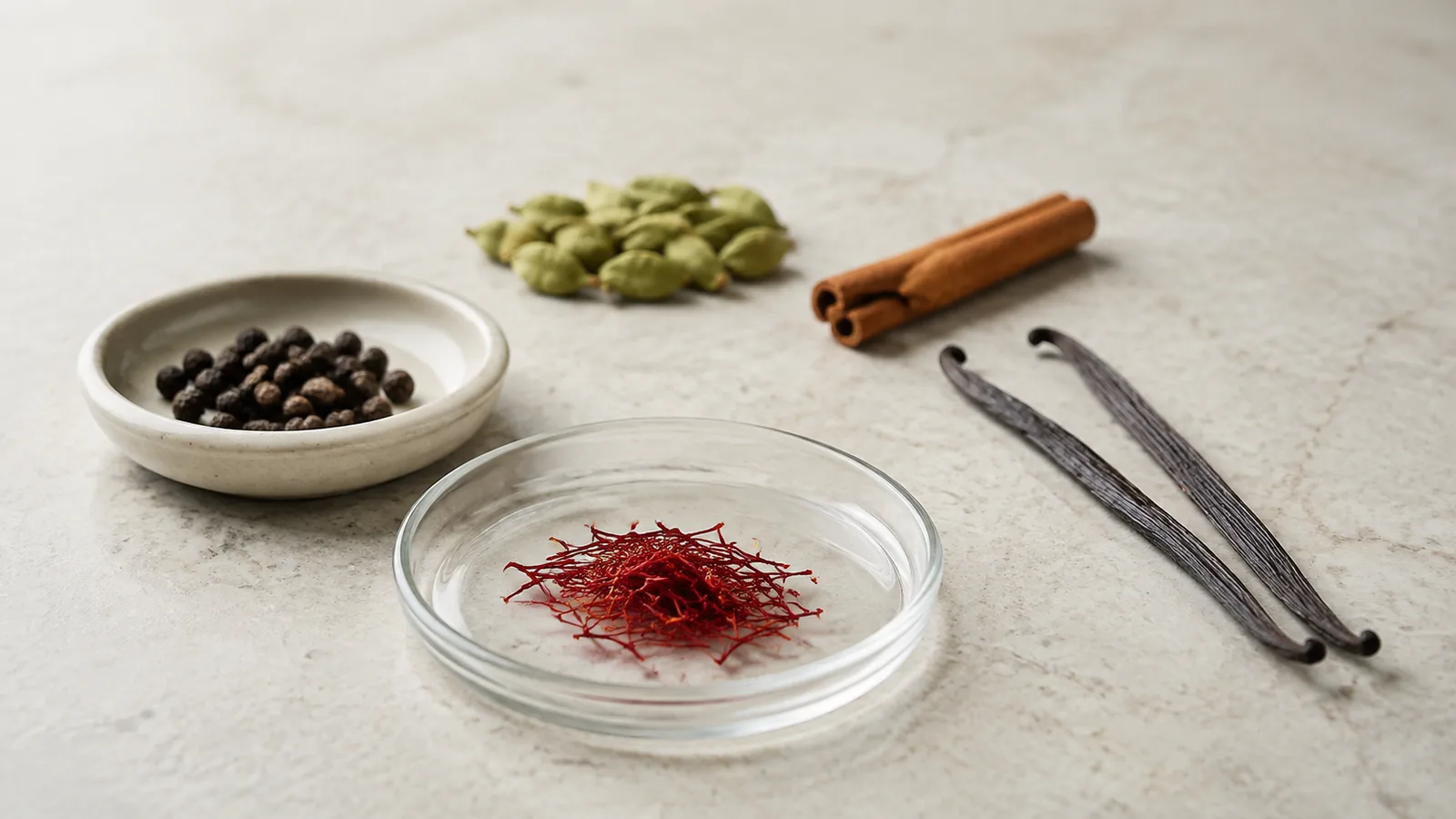
What is the #1 spice in the world?
Saffron deserves the top spot in one clear category: value per unit of weight. Genuine dried saffron threads are produced in tiny quantities from the stigmas of Crocus sativus, and the harvesting and separation work is concentrated into a short flowering season. That combination makes saffron widely recognised as the world’s most expensive spice.
“Most valuable” is not the same as “most popular.” There is no global body that awards one spice first place across price, household use, restaurant demand, trade volume and cultural importance. A useful answer therefore states the measure rather than turning a preference into a fact.
Why saffron ranks first by price
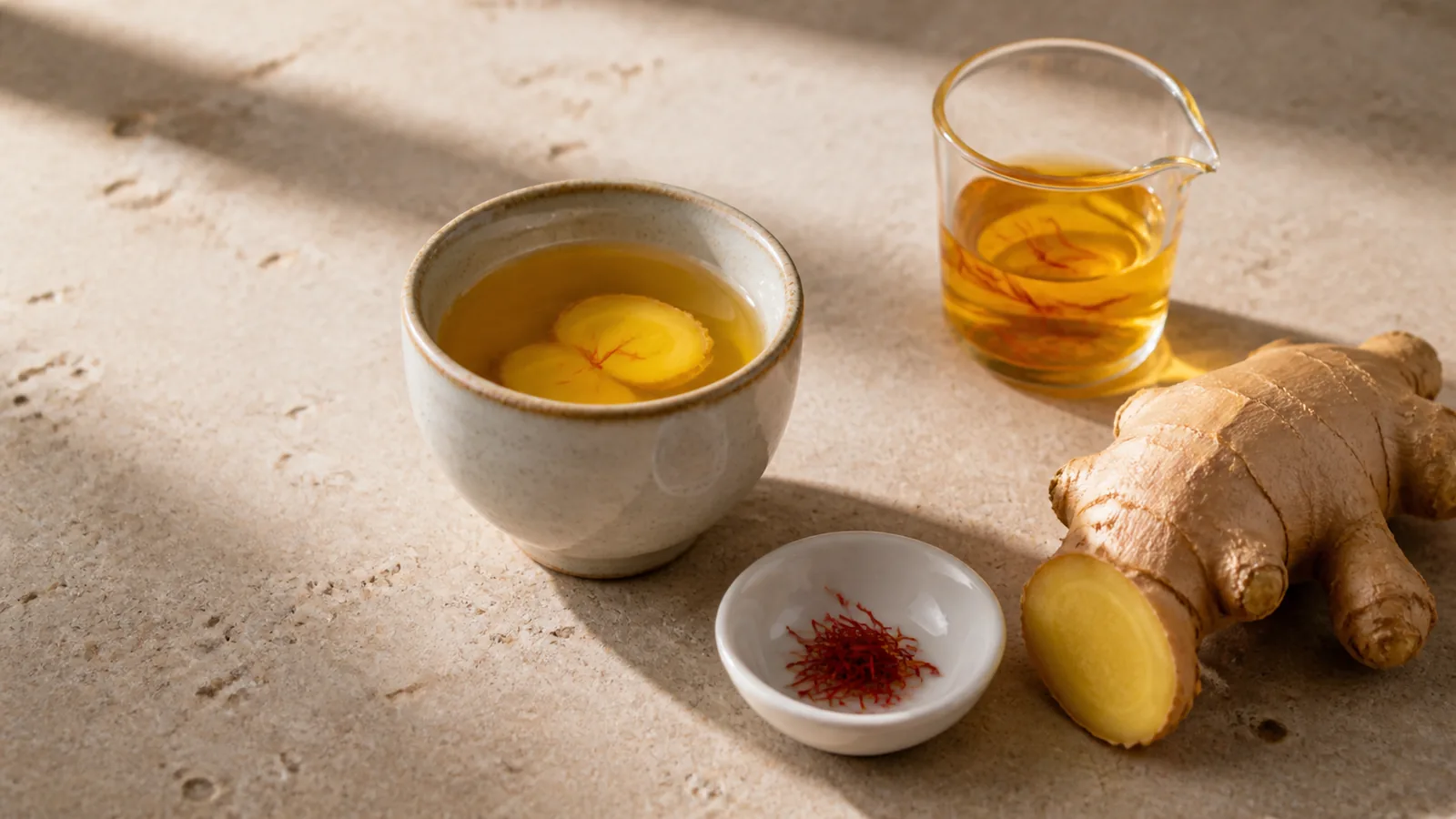
Every saffron flower carries only three red stigmas. The flowers have to be picked on time, the stigmas separated, and the delicate material dried correctly to develop and preserve its aroma, colour and flavour. An FAO review of saffron production describes early-morning harvesting, same-day separation and the large amount of fresh floral material behind a small dry yield.
That work also explains why flower-count estimates vary. Field yield, flower size, moisture loss, trimming and grade all affect the result, so “exactly 150,000 flowers per kilogram” should not be treated as a universal rule. What remains consistent is the unusually high labour and land requirement for a small finished weight.
Prices then vary with origin, crop size, thread condition, colour strength, aroma, certification, laboratory testing, packaging and seller margin. A premium retail jar can reach a very high price per kilogram, but a fixed $10,000 ceiling is not a permanent market fact. Our current saffron price page provides dated store context.
Which spice is number one for popularity?
That depends on place and method. Household surveys, supermarket sales, restaurant purchasing and customs data measure different things. Pepper is a strong candidate for everyday reach in many markets, while dried chillies and paprika move in very large volumes.
For a current example, a CBI market review updated in February 2026 describes pepper as Europe’s most common spice. Its UN Comtrade-based figures show 88,200 tonnes of pepper imported directly from developing countries in 2024, while chillies and paprika were higher at 146,400 tonnes. Saffron volume was much smaller, around 100 tonnes, which is entirely consistent with its high value and low dose per dish. The CBI spices and herbs demand report makes clear that volume and value tell different stories.
Those European figures do not create a worldwide popularity league. They simply show why the answer changes when “#1” means tonnes imported rather than price per gram.
What makes saffron distinctive beyond price?
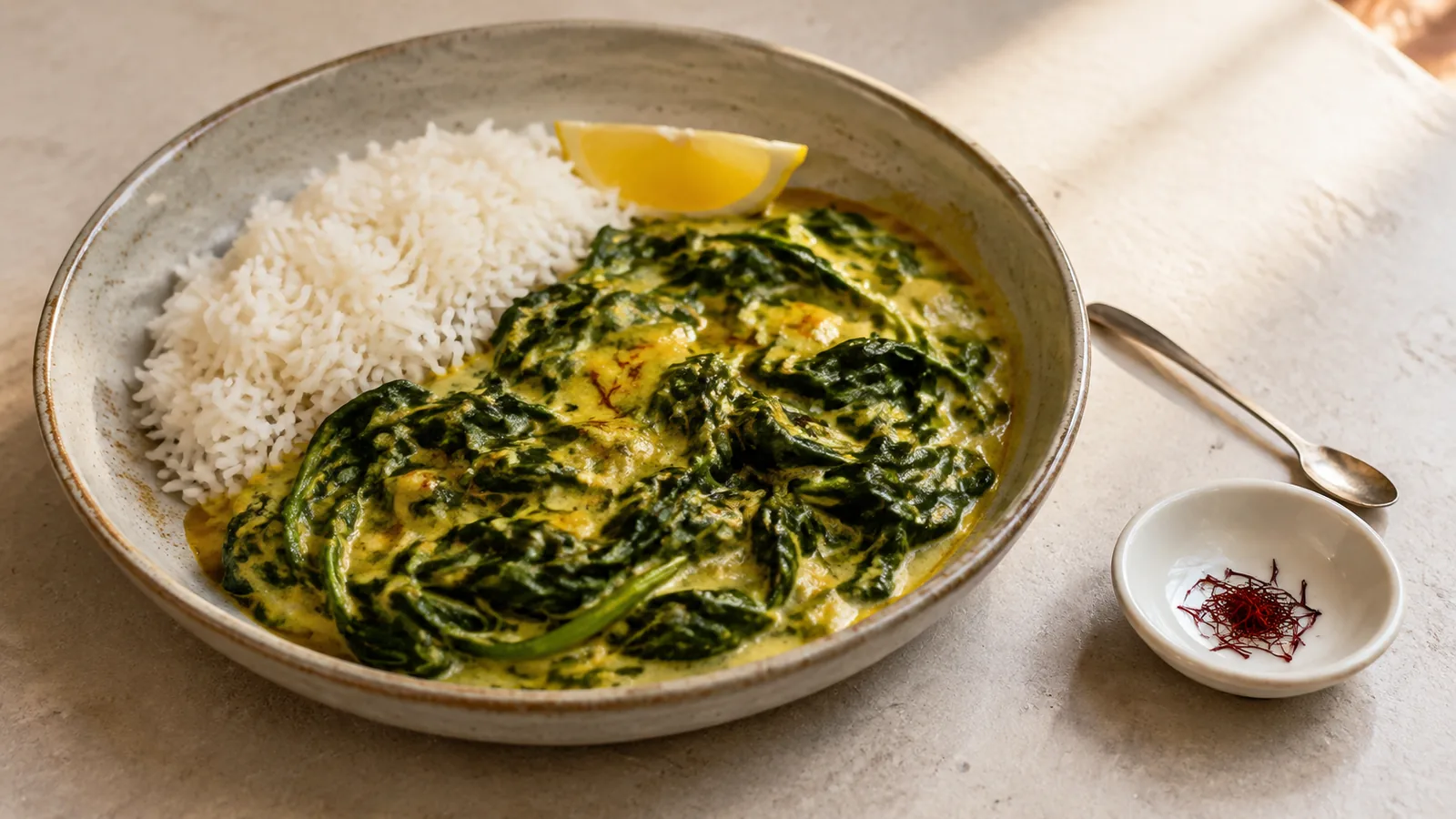
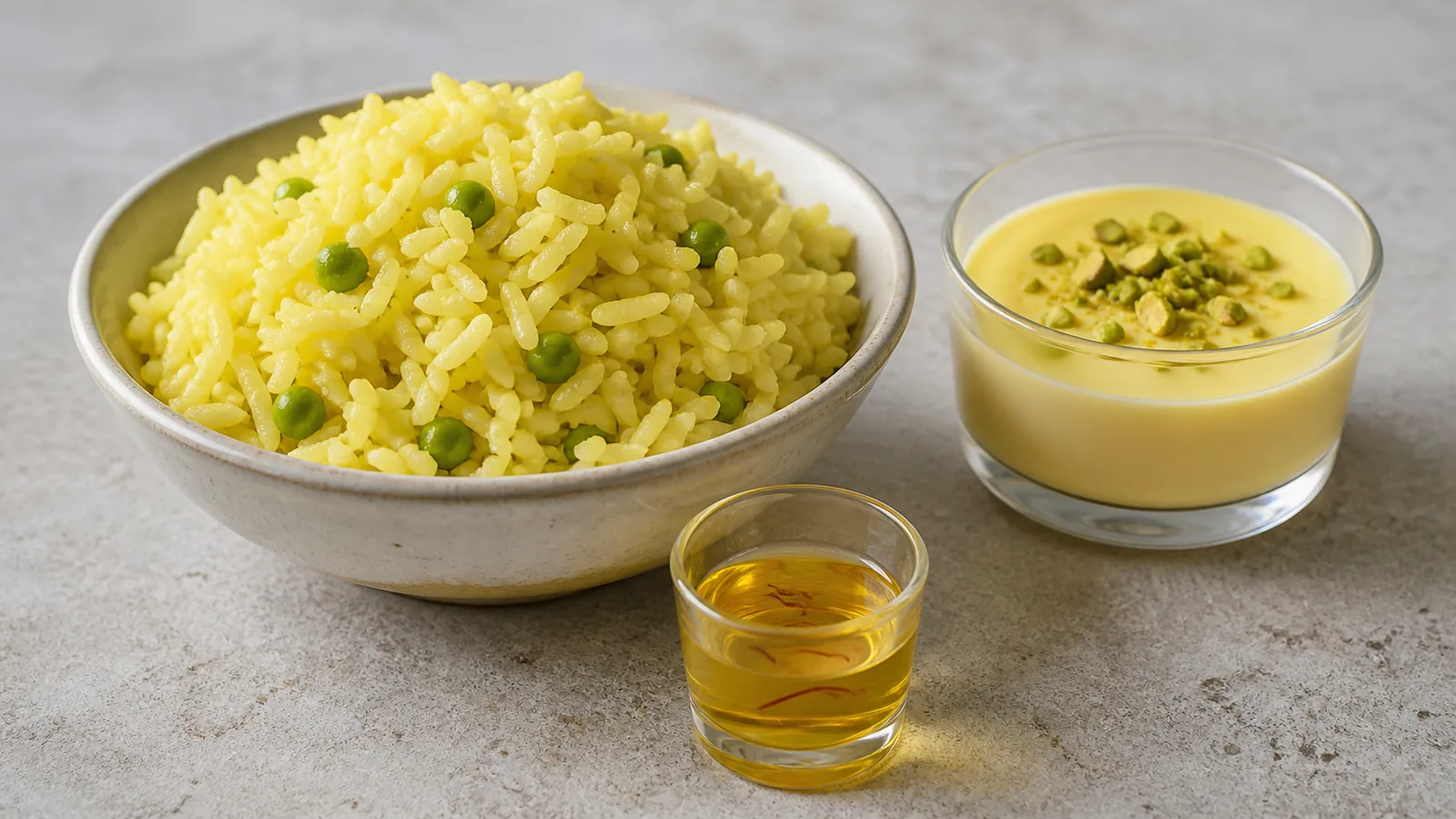
Saffron contributes three culinary qualities at once: a golden colour, a recognisable aroma and a gently bitter flavour. Small measured amounts can shape rice, broth, sauce, bread, drinks and desserts. It appears in Persian rice and stews, Indian biryani, Spanish paella, Italian risotto and many regional sweets.
Its strength is specificity rather than universality. Black pepper fits far more everyday savoury dishes; cinnamon may dominate a baker’s cupboard; cumin can define a regional spice base. Saffron performs a narrower job, but there is no close substitute that reproduces its aroma, taste and colour together. Our guide to saffron’s role in cooking explains how those qualities behave in food.
Potential health effects are a separate clinical question, not a reason to crown a culinary winner. A spice does not become “number one” because isolated studies exist, and a recipe should not be presented as treatment.
How saffron compares with other prized spices
Vanilla
Natural vanilla pods require careful cultivation, pollination and curing, and their price can rise sharply after poor harvests. Even so, saffron is generally more expensive gram for gram. The comparison must use whole pods rather than inexpensive flavouring or synthetic vanillin; our saffron and vanilla price comparison explains the units and product forms.
Cardamom
High-quality green cardamom can be costly because pods are harvested and processed carefully. It is normally used and traded at a much larger weight than saffron, so retail price per gram is usually lower.
Black pepper
Pepper earns its reputation through global culinary reach rather than extreme price. It is familiar, versatile and bought in substantial volumes. Calling it the “king of spices” is a cultural nickname, not a regulated ranking.
Chillies and paprika
This broad group spans inexpensive commodity products and distinctive protected or specialist peppers. Large trade volume can make it number one by one measure even though an individual gram costs far less than saffron.
How to judge a claim that a spice is “the best”
Before accepting any ranking, ask:
- Is the claim about price, sales value, trade weight, household use or culinary prestige?
- Does it cover the world, one country or one market?
- What year does the data describe?
- Are whole spices being compared with powders, extracts or blends?
- Is the source reporting evidence or repeating a nickname?
This quick check prevents a neat headline from becoming a misleading universal fact.
Questions about the world’s leading spices
What is the most expensive spice in the world?
Saffron is generally recognised as the most expensive culinary spice by weight. Exact prices change with grade, origin, pack size, currency and market date.
Is saffron the most popular spice?
Not by every useful measure. Saffron is known globally but used in small quantities. Pepper and chillies have broader everyday use and much larger trade volumes in many markets.
Why is saffron called a luxury spice?
A short harvest, low dry yield, manual separation and careful drying make genuine saffron costly. Its distinctive culinary effect and long history add to its prestige, but price alone does not guarantee quality.
The short answer
Saffron is the strongest answer when #1 means the most expensive spice by weight. For popularity, consumption or trade volume, there is no single worldwide winner. Name the measure, market and date, and the comparison becomes both clearer and more honest.