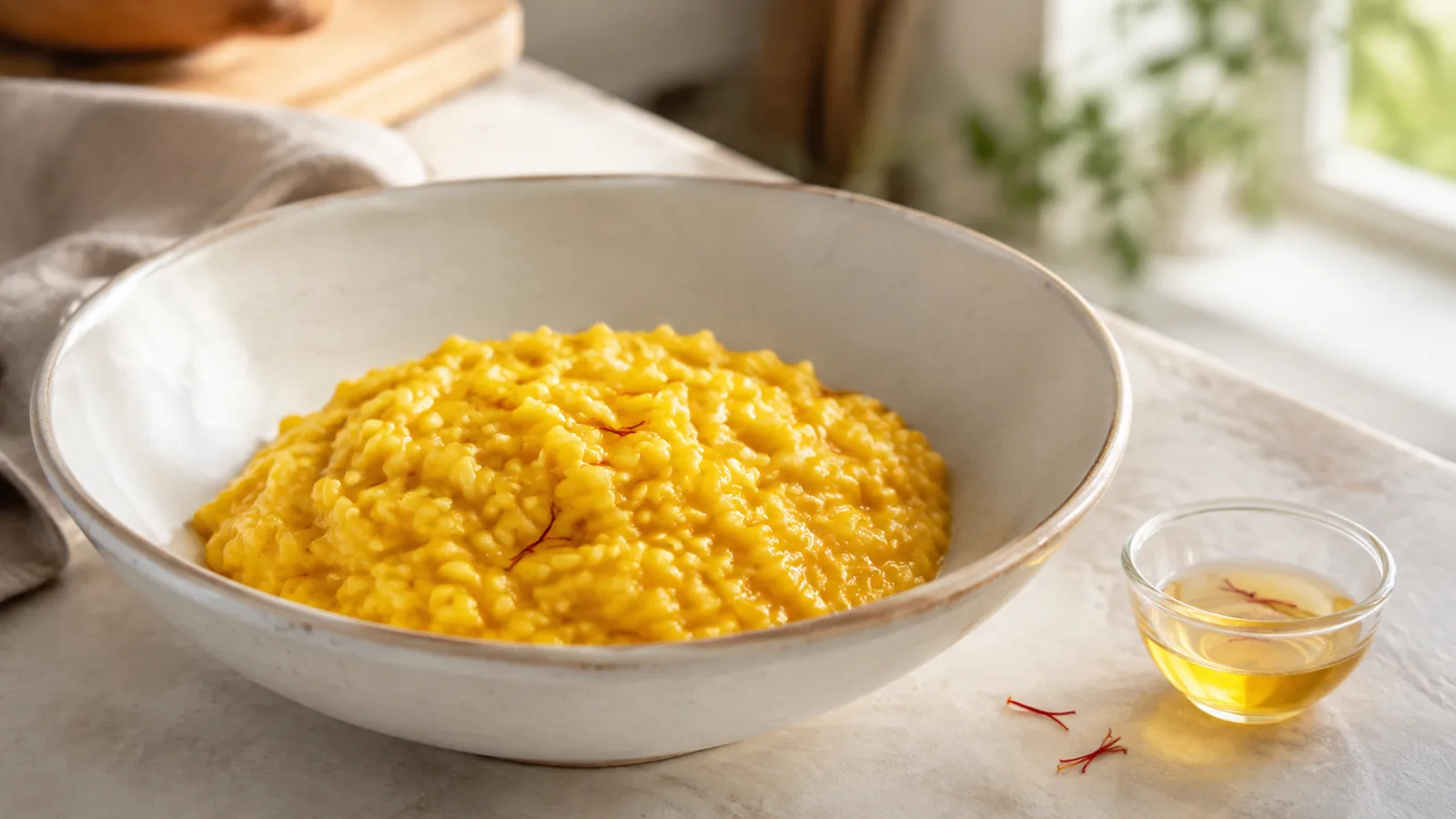
Foods that pair with saffron include rice, grains, mild seafood, chicken, lamb, root vegetables, legumes, dairy, citrus, nuts and gently spiced desserts. The best partners give saffron room to contribute its warm aroma, golden colour and slightly bitter edge without covering them with heavy seasoning.
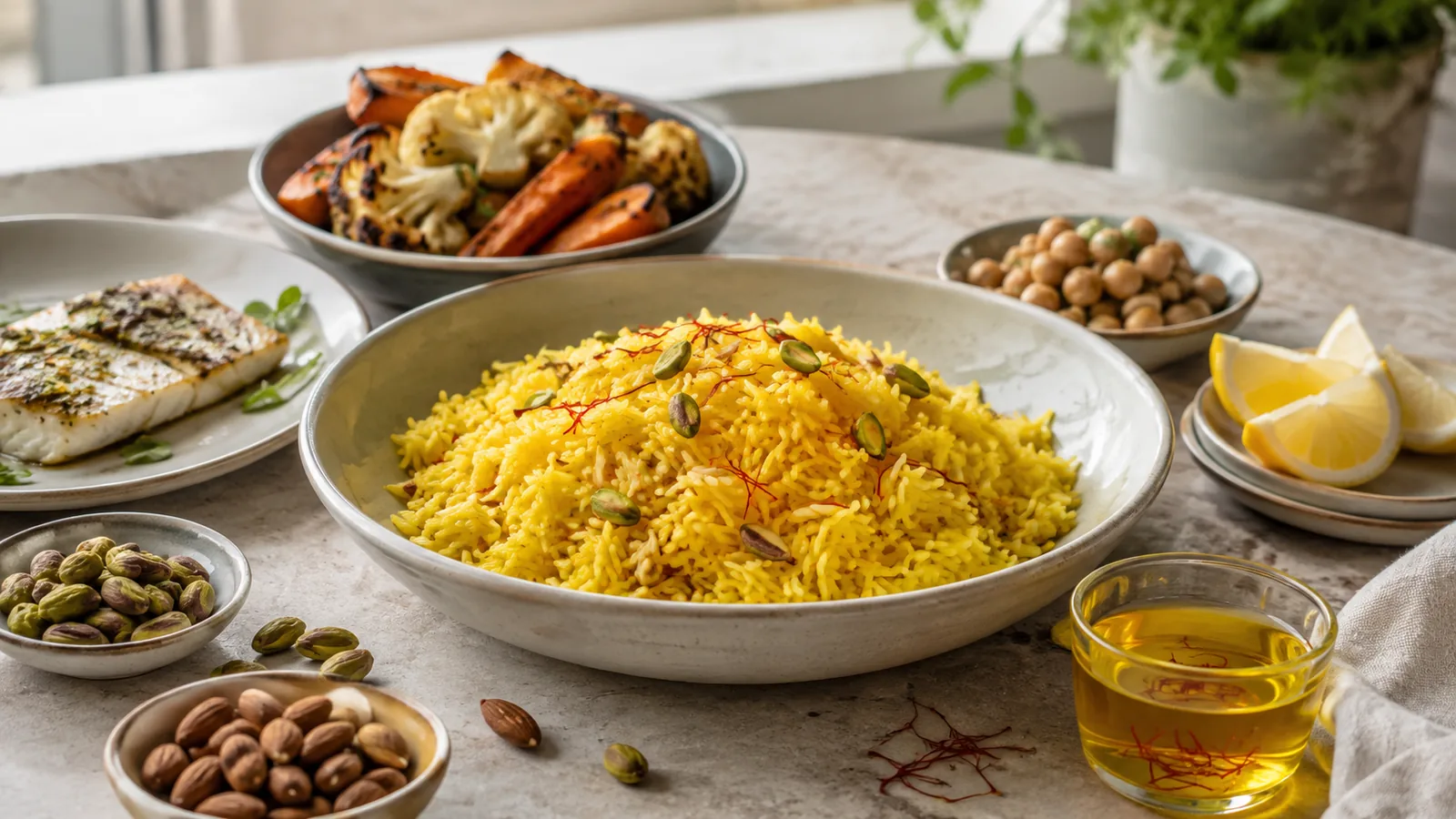
Foods That Pair with Saffron: Enhance Flavor in Recipes
Saffron is distinctive, but it is not difficult to pair. Think about balance rather than luxury: a starchy or creamy base carries the infusion, a modest amount of fat rounds the flavour, and an acidic or herbal note can keep the finished dish lively.
The ingredient also matters less than the way it is seasoned. A gently cooked piece of fish can suit saffron beautifully, while the same fish under a very smoky or chilli-heavy sauce may leave little of the spice to notice. These saffron flavor pairings are starting points, not rigid rules: adjust salt, acidity and supporting spices around the saffron rather than adding more threads.
Saffron with Rice and Grains
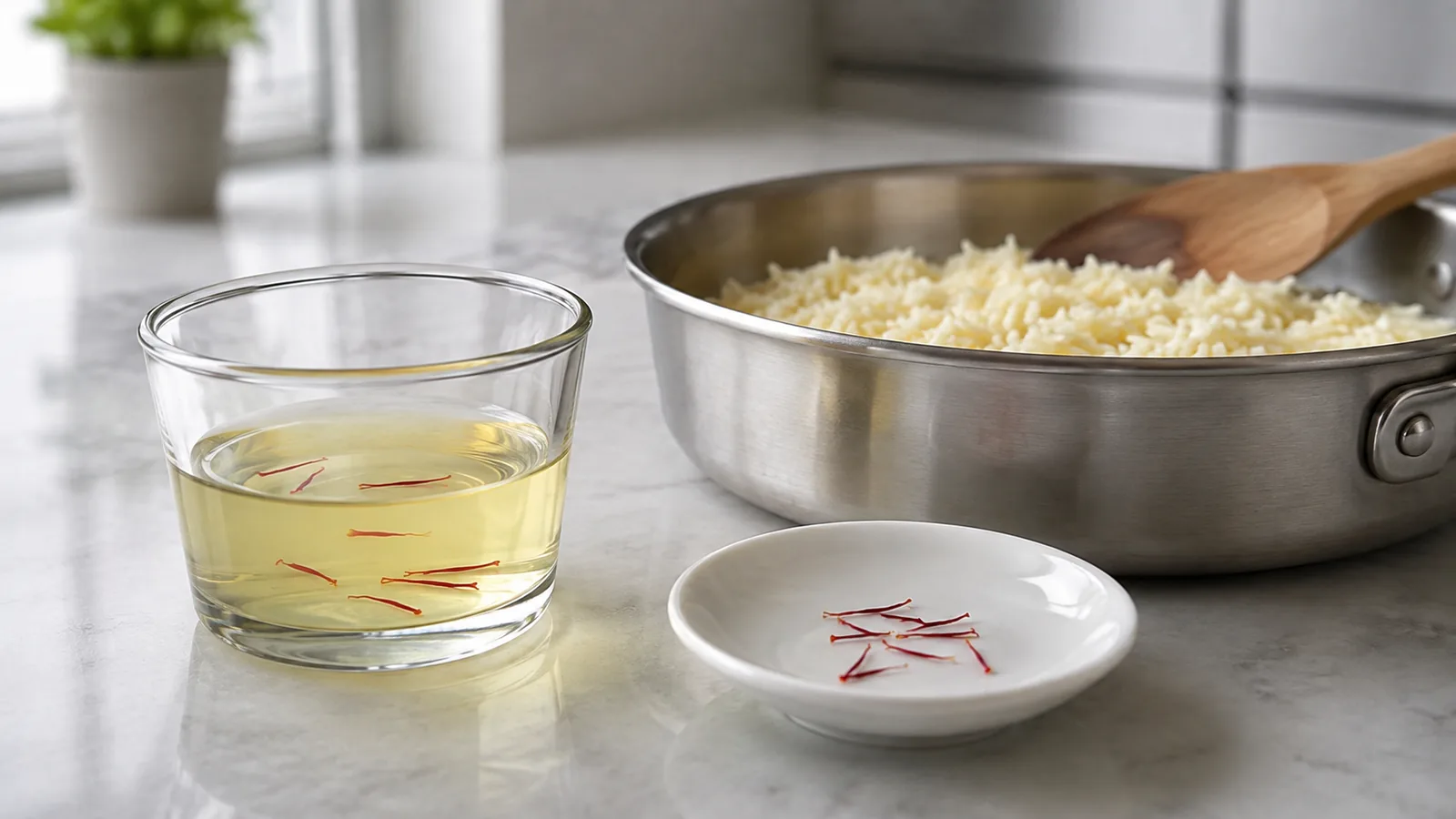
Rice is the classic answer because it absorbs an infusion evenly while keeping a fairly neutral flavour. Basmati rice works in biryani and Persian-style pilaf, short-grain rice carries saffron through risotto, and the rice in paella takes on both the stock and the spice. The result can be evenly golden or deliberately marbled, depending on when the infusion is added.
Quinoa and couscous also work well. Use saffron in the cooking liquid, then pair the grain with vegetables, herbs, nuts or dried fruit. Barley and bulgur can take the same approach, although their nuttier flavour calls for a slightly more savoury stock.
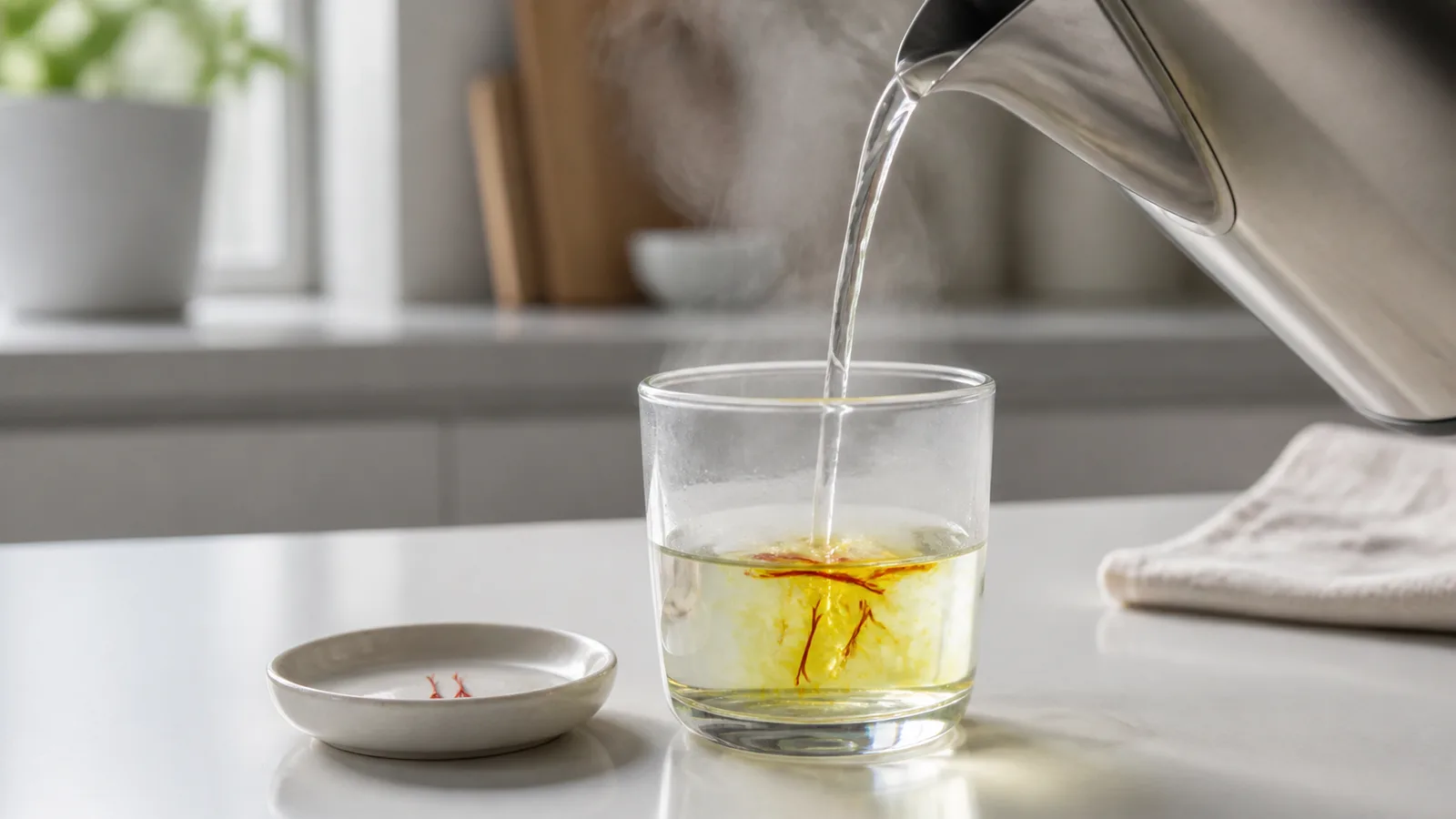
For any grain, prepare the spice before it reaches the pot. Our guide to adding saffron to a dish explains how to measure, crush and steep the threads without wasting them.
Saffron with Meat and Seafood
Chicken and Lamb
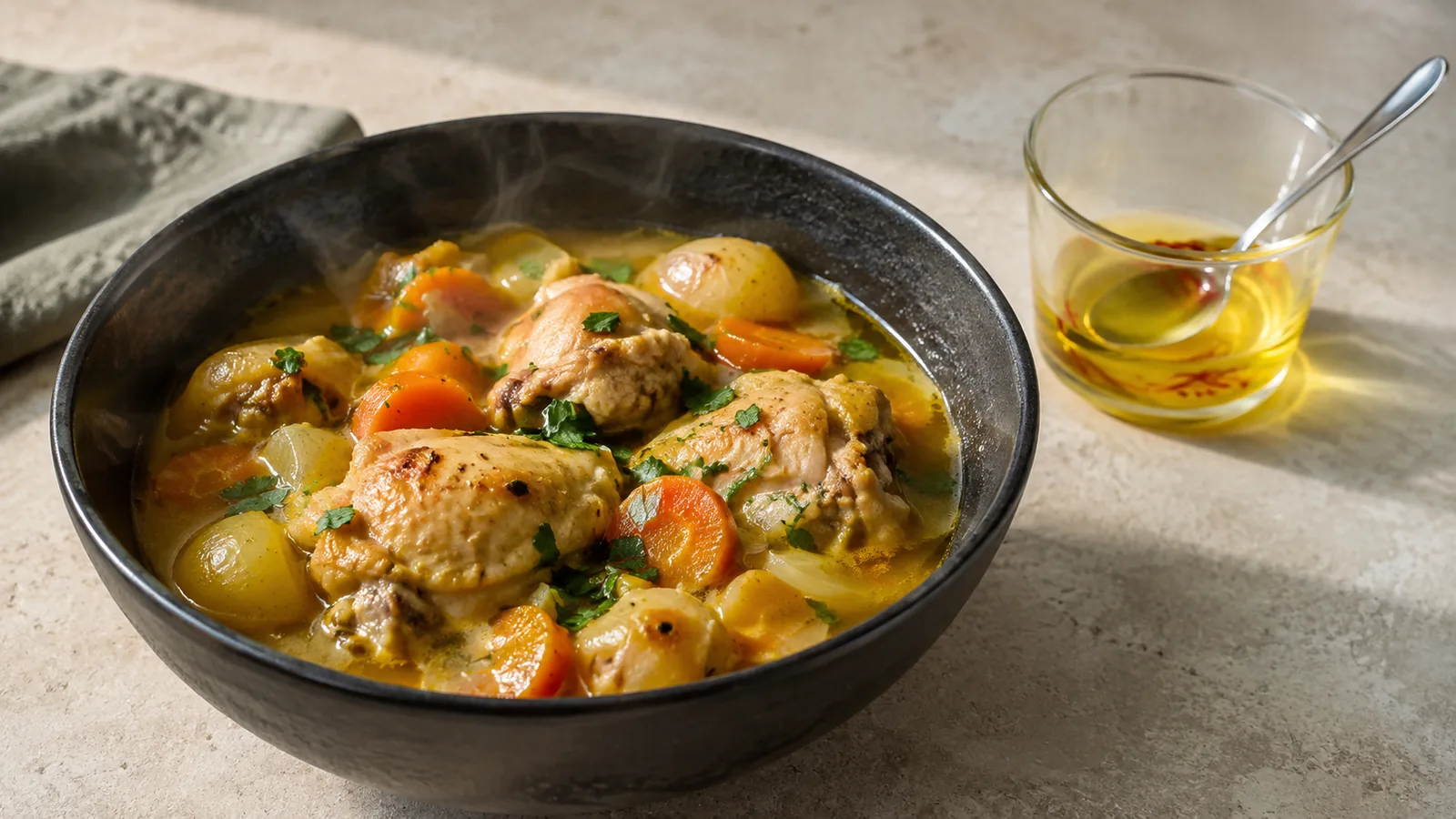
Chicken gives saffron a mild canvas, especially in a braise, curry, kebab marinade or creamy sauce. Lemon, onion, garlic, cardamom and a restrained amount of black pepper can support the pairing. Add the saffron infusion to a moist part of the recipe so it spreads beyond the surface.
Lamb has a deeper flavour, so saffron often works best alongside rice, yoghurt, onion or a fruit element such as apricot or prune. It should add fragrance and colour rather than compete with a large quantity of cumin, smoked seasoning or hot chilli.
Fish and Shellfish
White fish, prawns, mussels, clams and scallops are natural partners for saffron. Their gentle sweetness fits the spice in broths, rice dishes and light cream sauces. Tomato, fennel, leek, garlic and citrus are useful supporting ingredients.
Seafood cooks quickly, while saffron benefits from time in warm liquid. Make the infusion first and add it to the broth or sauce before the seafood goes in. That gives the flavour time to disperse without overcooking the fish.
Saffron with Vegetables and Legumes
Carrots, pumpkin, squash, sweet potato and ordinary potatoes echo saffron’s warm colour and slight sweetness. Cauliflower, fennel and leeks are milder choices that let its aroma remain clear. Bell peppers and peas bring colour contrast and work particularly well in rice dishes.
Lentils and chickpeas can carry saffron in soup, stew, pilaf or a warm salad. Their earthy flavour benefits from lemon, yoghurt or fresh herbs at serving time. If the dish already contains many assertive spices, keep one or two as the main supporting notes rather than turning the mixture into a crowded spice blend.
Spinach and other dark greens can work too, especially with rice, beans or a mild cheese. Add the green element late enough to keep its fresh character and use the saffron in the base liquid.
Dairy, Nuts and Fruit That Suit Saffron
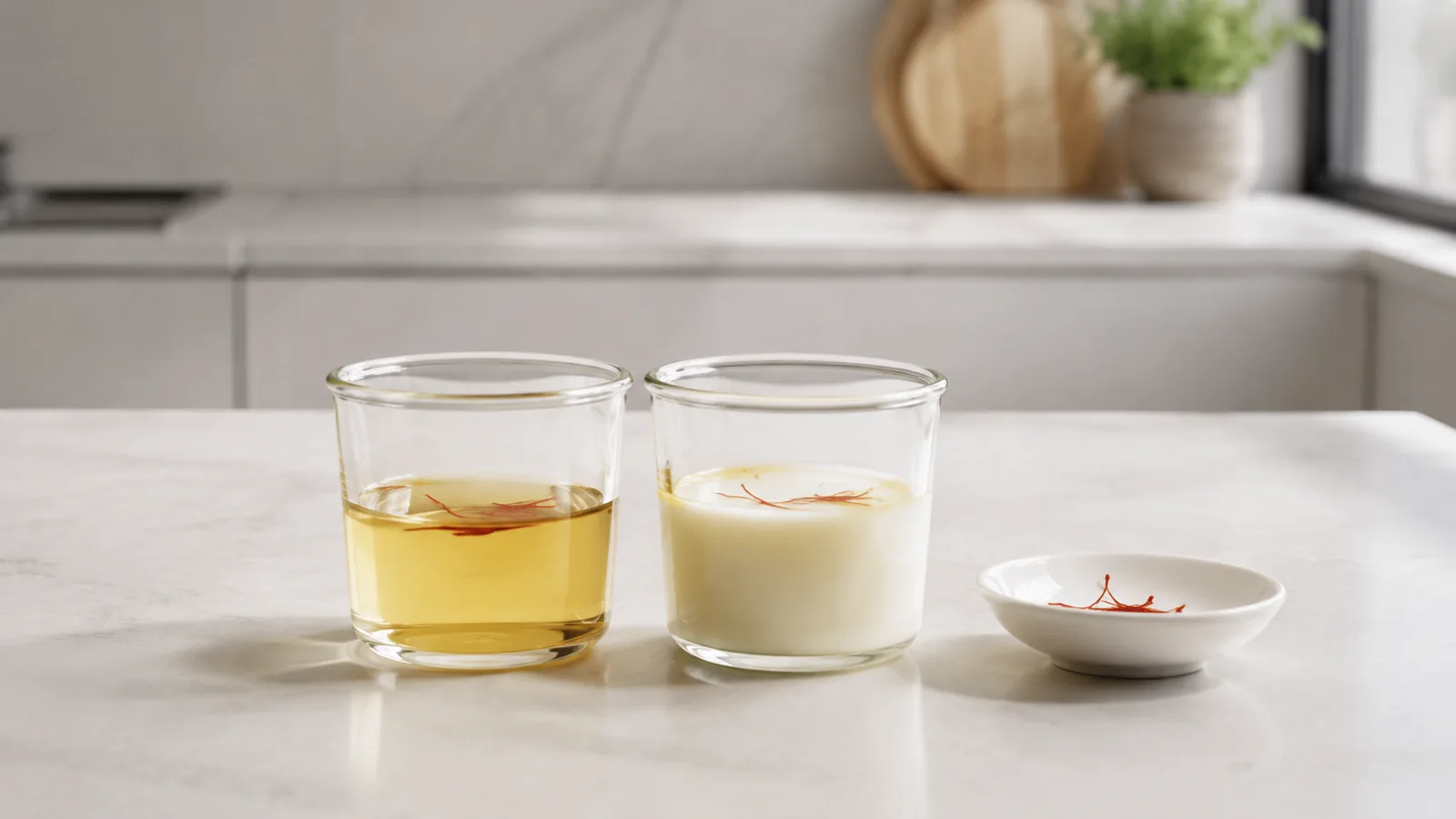
Milk, cream and yoghurt soften saffron’s bitter edge and hold its aroma. That is why the spice feels at home in custard, rice pudding, kheer, ice cream and savoury yoghurt sauces. Warm part of the recipe’s milk for the infusion instead of adding extra water that could thin the texture.
Pistachios and almonds are especially reliable. They bring richness and a clean nutty flavour without dominating. Cashews work in creamy savoury dishes, while walnuts are better in combinations that also have fruit, rice or lamb.
Among fruits, orange and lemon are useful for brightness; pear, apple, apricot and peach offer gentle sweetness; dates and raisins make sense in rice and desserts. Rose water and cardamom are traditional companions, but both can overwhelm saffron. Add them sparingly and taste before increasing either one.
Saffron in Desserts and Beverages
Custards, puddings, kheer and ice cream give saffron enough moisture and fat to disperse well. It also suits simple cakes, buns and biscuits when the infusion is mixed into the recipe’s milk or other liquid. Vanilla can support the flavour, provided it remains in the background.
For drinks, saffron tea pairs well with ginger, cardamom, citrus or a small amount of honey, while warm milk can carry it into a simple milk drink or latte. A latte does not need a thick layer of spice on top; most of the saffron should be infused into the drink, with only a few softened threads used as garnish if desired.
For a consistent infusion, follow the practical steps in our guide to brewing saffron.
What Does Saffron Extract Pair Well With?
In culinary searches, “saffron extract” may mean the liquid made by steeping crushed threads in warm water, stock or milk. That infusion pairs with the same foods as the whole spice: rice, seafood, poultry, vegetables, dairy and desserts. Choose the extraction liquid to match the dish, then count it as part of the recipe’s total liquid.
A bottled supplement or concentrated commercial extract is different. Its strength, ingredients and intended use vary, so it should not be treated as a direct substitute in a recipe unless its label specifically gives culinary directions.
Spices and Herbs to Use Alongside Saffron
- Cardamom: useful in rice, milk drinks and desserts, but easy to overuse.
- Cinnamon: best as a warm background note in rice, fruit and baking.
- Ginger: adds freshness or heat to tea, seafood, chicken and vegetables.
- Turmeric: can deepen colour in savoury food, although too much masks saffron’s aroma.
- Parsley, dill and mint: bring a fresh contrast to rice, yoghurt, legumes and seafood.
- Fennel and bay: suit broths and seafood when used with restraint.
Saffron does not need all of these at once. One or two supporting flavours usually make a clearer dish than a long spice list.
Pairings That Need More Care
Very smoky sauces, large amounts of chilli, strongly bitter greens and heavily aged cheeses can obscure saffron. They are not forbidden combinations, but the spice may become an expensive source of colour rather than a flavour the diner can recognise.
Too much saffron creates its own problem: a bitter or medicinal edge that no pairing can hide. Measure a small amount, bloom it, and taste the finished base before deciding whether the dish needs more.
A Simple Way to Build a Saffron Dish
- Choose a carrier such as rice, stock, milk, yoghurt or a light sauce.
- Add one main ingredient: seafood, chicken, lamb, vegetables, legumes or fruit.
- Select one fresh counterpoint, such as lemon, herbs or a mild tomato base.
- Use one restrained supporting spice or nut if the dish needs more depth.
- Prepare the saffron infusion separately and add it at the recipe’s useful moist stage.
- Taste for salt, acidity and sweetness before adding more saffron.
Conclusion
The most dependable saffron pairings combine a gentle carrier with one clear main ingredient and a few restrained supporting flavours. Rice, seafood, chicken, lamb, vegetables, legumes, dairy, nuts and light fruit all give the spice room to work. Build the dish around balance, prepare the infusion properly, and let aroma—not an oversized dose—lead. Whole threads suitable for cooking are available on our products page.