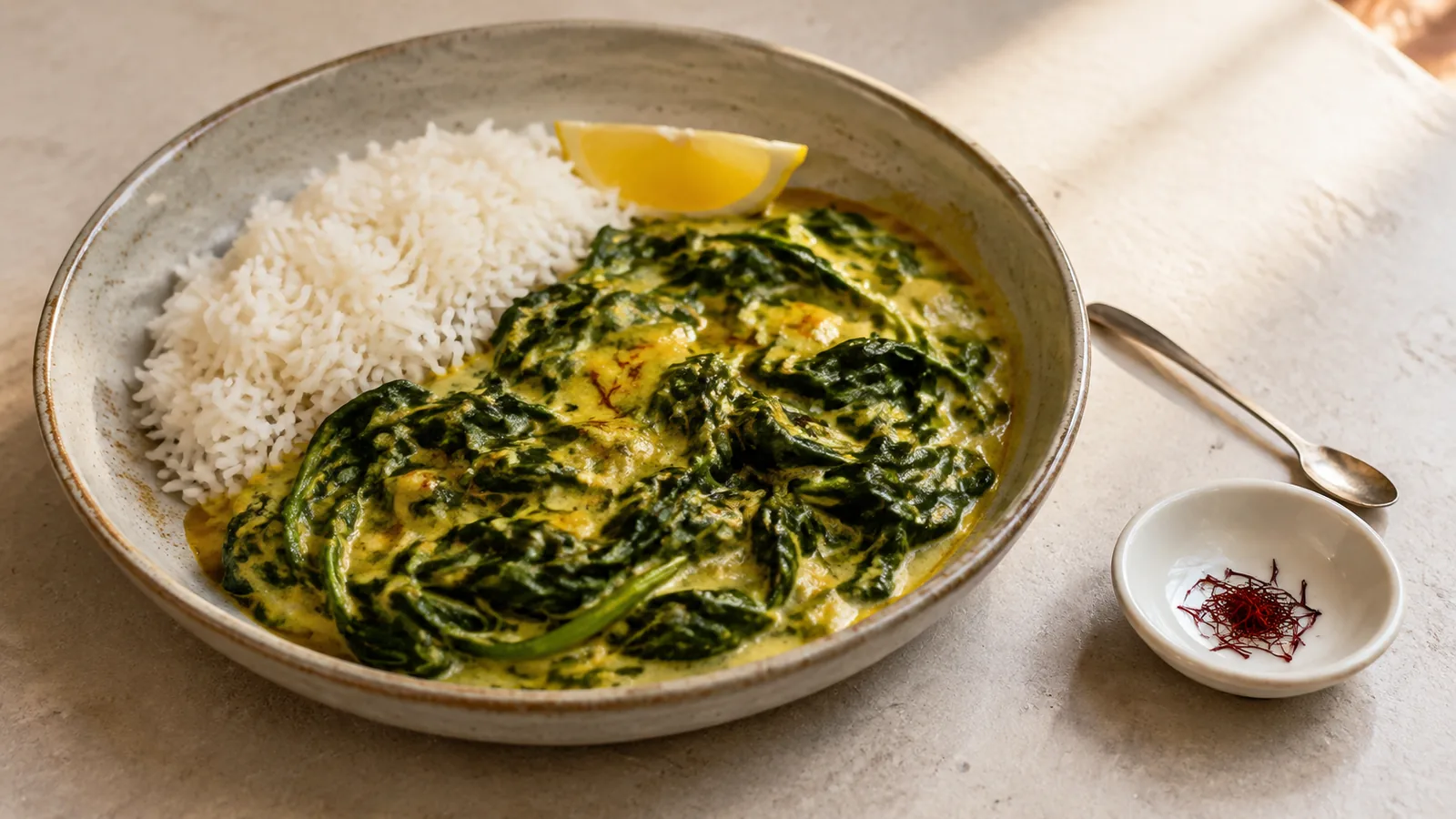
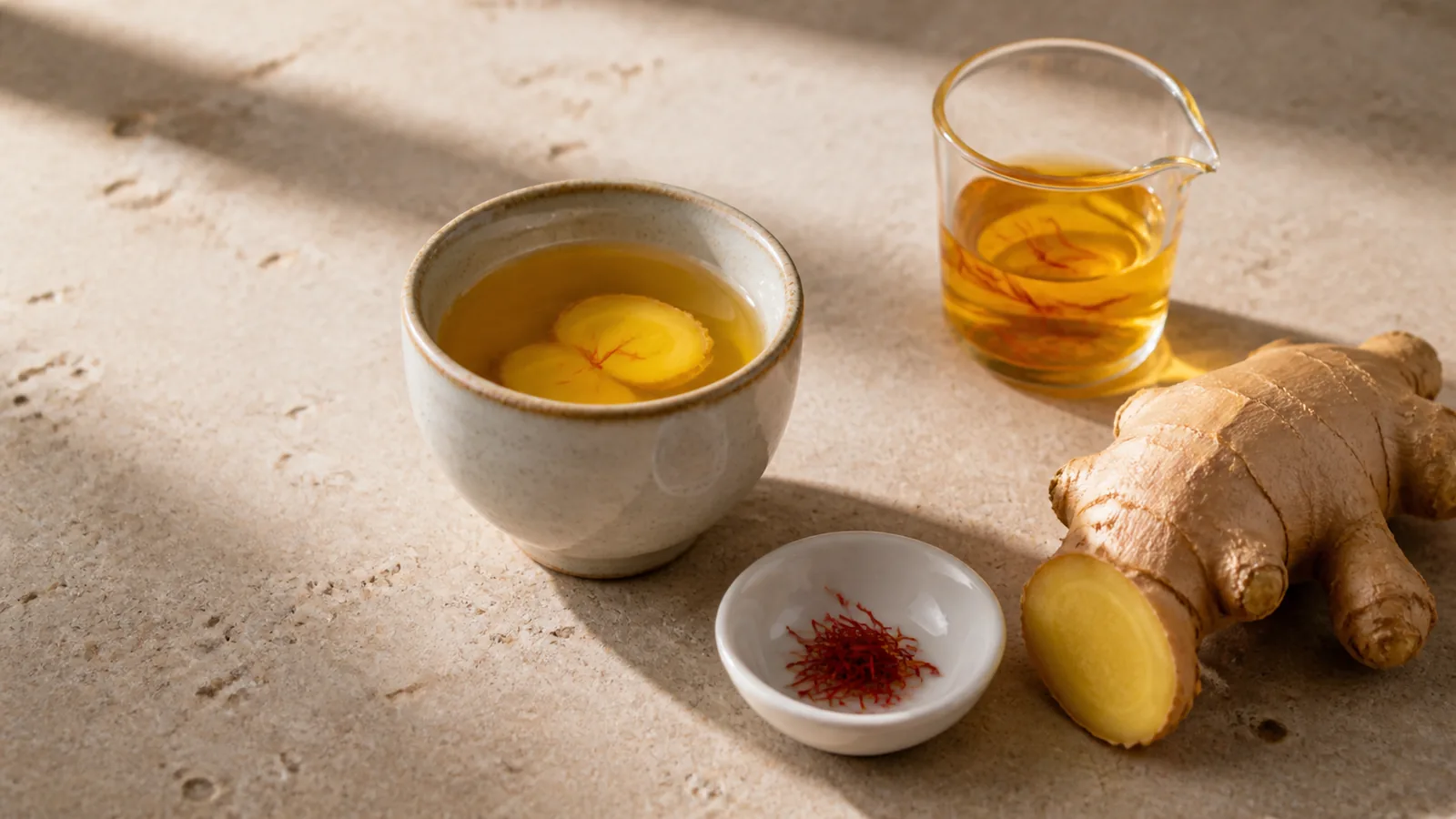
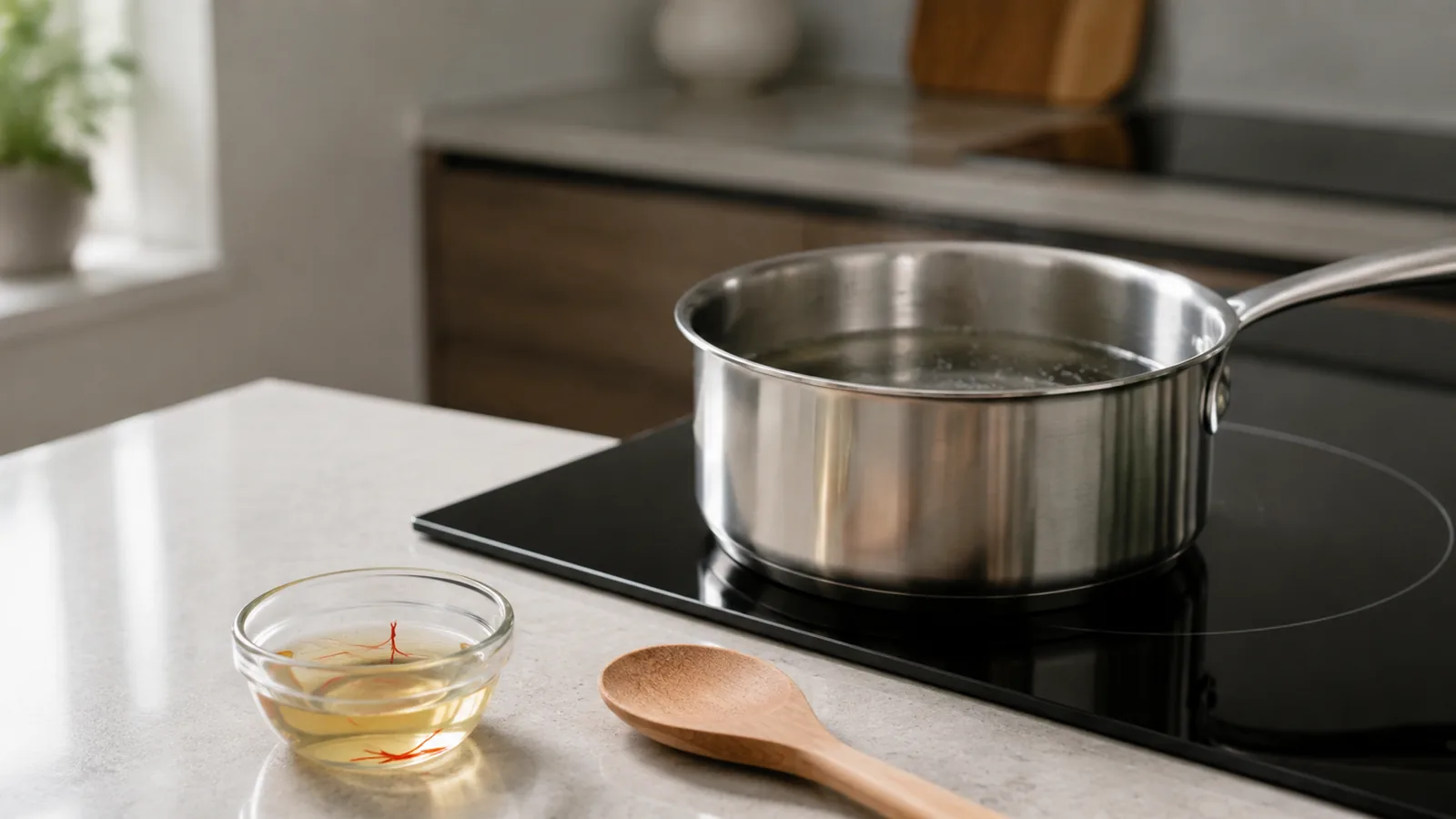
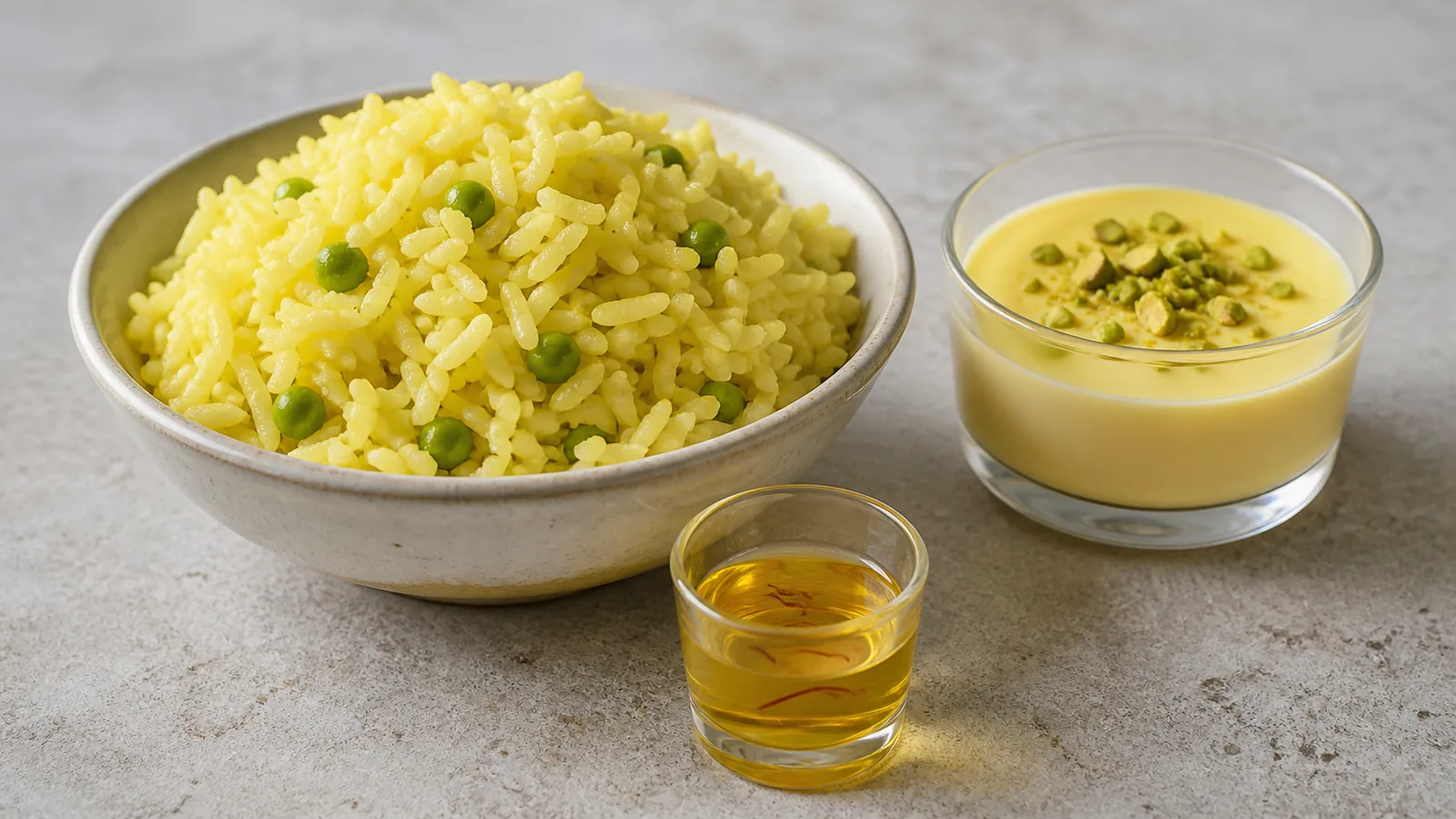
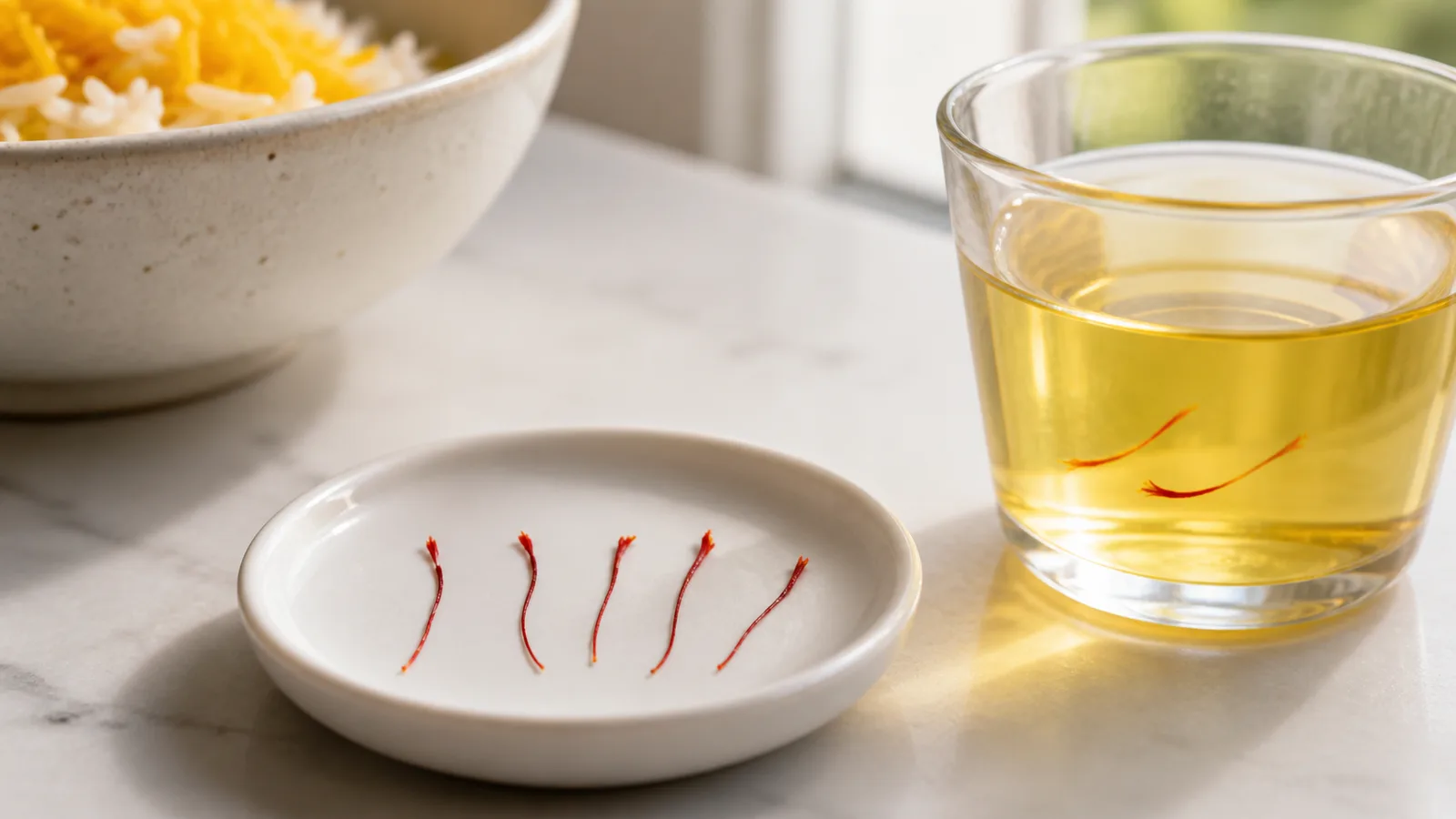
Saffron cuisine belongs to many cultures, not just one. It is especially important in Persian and Iranian cooking, across South Asia, and in parts of Spain, Italy, France, North Africa, Turkey, the Gulf, Afghanistan and Central Asia. Each tradition handles the spice differently: some bloom it for rice, some steep it in milk, and others add it to broth, pastry or tea.
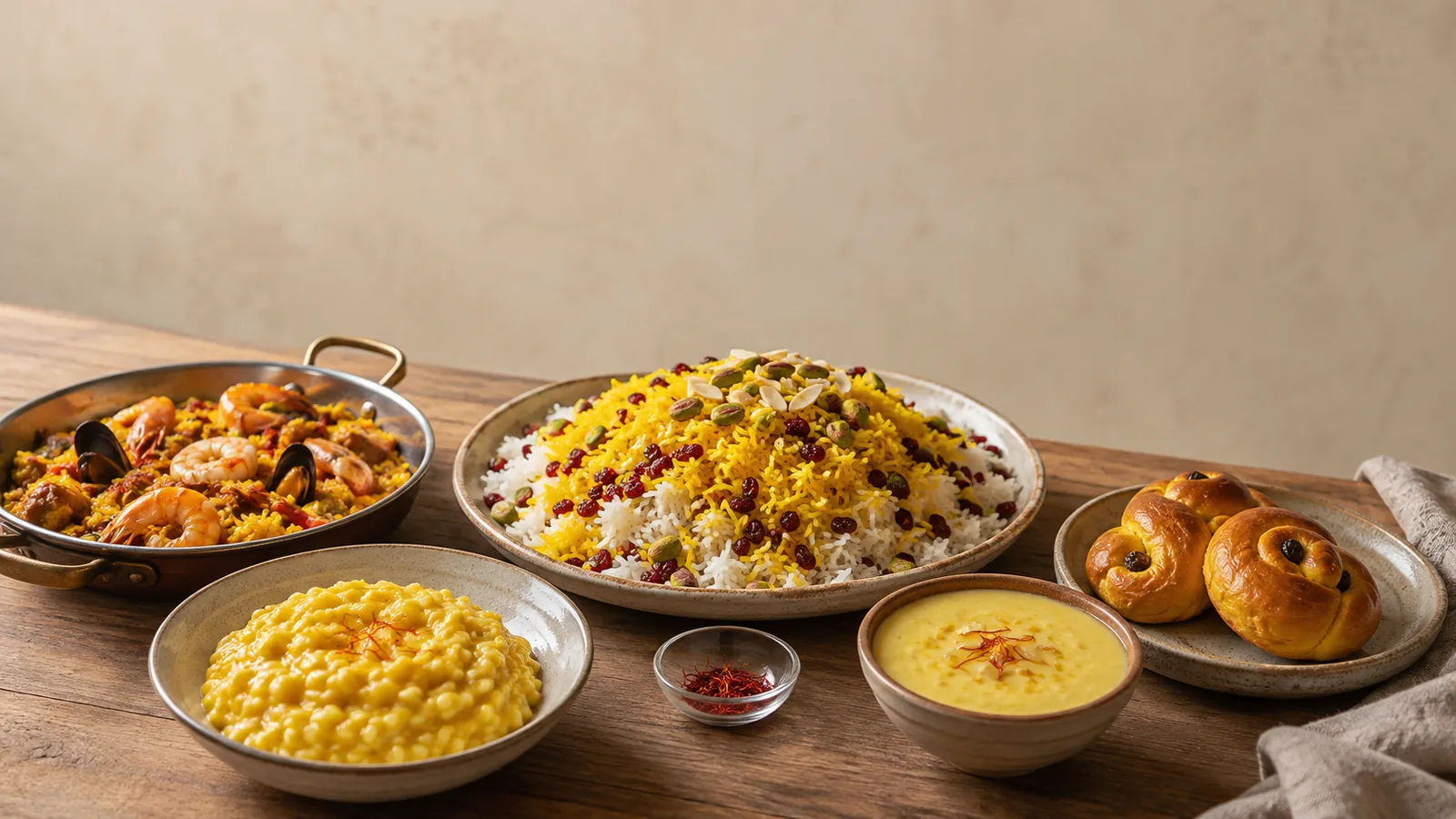
Saffron Cuisine: Cultures That Use This Precious Spice
Saffron has travelled across trade routes and family kitchens for centuries. Its colour is easy to notice, but cooks also value the warm, hay-like aroma and gently bitter depth that a small amount can give a dish. That combination explains why the spice appears in both everyday regional foods and dishes reserved for guests, weddings or religious holidays. Across the world, it belongs in both savory and sweet dishes.
There is no single worldwide method and no honest list can make every recipe universal. A paella cook, a Persian rice cook and an Indian sweet-maker may all use saffron, yet choose different liquids, timings and supporting flavours. The cultures below show how broad the tradition is without treating every household as identical.
Persian and Iranian Saffron Traditions
Iranian cooking gives saffron one of its most varied culinary roles. Cooks dissolve finely ground threads in a little warm water, or sometimes use ice as part of the blooming method, before adding the liquid to rice, marinades, stews and sweets. This helps distribute a small quantity more evenly than scattering dry threads over a large pot.
Golden saffron rice may form the crisp crust of tahdig, colour part of a platter of steamed rice, or flavour layered dishes such as tahchin. It also appears with barberries in zereshk polo and in elaborate versions of jeweled rice. Saffron-infused sweets include sholeh zard, a saffron rice pudding scented with rosewater, as well as ice cream, halva and confectionery.
The spice is not there simply to make food look luxurious. In a well-balanced Persian dish, it contributes aroma and a restrained bitterness alongside ingredients such as rosewater, cardamom, pistachio, almond or tart berries. Our guide to Iranian dishes made with saffron looks more closely at those combinations.
Indian and South Asian Uses
Across India and neighbouring South Asian food cultures, saffron is known as kesar or zafran in several languages and culinary contexts. It is used selectively rather than in every dish. Biryani and pulao may receive saffron steeped in warm milk or water near the final layering stage, creating fragrant golden patches instead of colouring every grain uniformly.
Milk-based sweets are another natural home for the spice. Saffron milk, kheer, kulfi and festive milk drinks can carry its aroma well because fat and warmth help spread the flavour. Some versions of gulab jamun use saffron in the syrup, although it is a variation rather than a requirement for every recipe. Nuts, cardamom and rose are common companions, but the balance changes from region to region.
South Asian cooks also use saffron in celebratory breads, meat dishes and tea. Because these foods already contain strong spices or rich dairy, the aim is usually integration, not making saffron the only flavour a diner can detect.
Spanish Saffron and Paella
Spain is closely associated with saffron through rice cooking, especially paella and related regional dishes. Saffron is normally introduced through warm stock or an infusion so its colour and aroma can move through the rice. Not every paella recipe uses the same ingredients, and saffron alone does not make a dish authentically Valencian; the rice, stock, pan, heat and local recipe matter too.
Spanish cooks also use saffron in fish stews, shellfish dishes, sauces and some desserts. In savoury cooking it often works with seafood, garlic, tomato and mild paprika. The spice should support the stock rather than cover its flavour.
Italian Saffron Cooking
In northern Italy, risotto alla Milanese is the best-known saffron dish. The threads or infusion are added during cooking so the rice develops its familiar golden colour while remaining creamy. Saffron’s aroma sits alongside stock, butter and cheese rather than competing with them.
Italian regional cooking also includes saffron in pasta, breads, cheeses and seafood dishes. Sardinian traditions, for example, have long used the spice in both savoury food and baking. As elsewhere, its presence depends on the local recipe; it is not a standard ingredient in all Italian cooking.
French and Mediterranean Fish Dishes
Saffron is associated with bouillabaisse and related fish soups from the Mediterranean coast of France. It gives the broth aroma and colour, but the character of the dish still depends on the fish, shellfish, aromatics and cooking method. Some recipes use only a modest infusion because too much saffron can make a delicate broth taste medicinal or harsh.
Other Mediterranean kitchens use the spice in rice, couscous, seafood and sauces. Shared ingredients do not erase regional differences: neighbouring ports may use saffron in distinct ways, or leave it out entirely in a local version.
North African, Turkish and Middle Eastern Cooking
In parts of Morocco and North Africa, saffron seasons selected tagines, couscous dishes, soups and celebratory foods. It may be paired with ginger, cinnamon, preserved lemon, olives or dried fruit. The exact blend matters, since a long ingredient list can easily overwhelm saffron’s aroma.
Turkish and former Ottoman culinary traditions use saffron in some rice dishes, desserts, confectionery and zerde, a saffron-coloured rice pudding. Across the Arab Gulf and the wider Middle East, it can appear in spiced rice, coffee or tea, sweets and foods prepared for hospitality. These are diverse cuisines, so it is more accurate to name particular dishes than to suggest that everyone in the region cooks alike.
Afghan and Central Asian Rice Traditions
Afghan cooks may use saffron in refined versions of rice dishes, including celebratory palaw, as well as tea and desserts. In Central Asian cooking, the spice can appear in special-occasion rice and pilaf traditions, though cumin, carrot, onion and meat often carry the main flavour.
Saffron use in these areas reflects both local agriculture and centuries of exchange between Persian, South Asian and Central Asian food cultures. A recipe may share a name or technique across borders while still belonging to its own place and family tradition.
Swedish Saffron Baking
Sweden offers a distinctive northern European example. Saffron is used in lussekatter, the yellow, curled buns traditionally baked around St Lucia’s Day in December. Here the spice works in a lightly sweet yeast dough rather than rice or broth, often with raisins added before baking.
Modern Swedish bakers also use saffron in cakes, cookies and enriched breads during the winter season. The custom shows how a costly imported spice can become closely tied to a local celebration.
Modern Fusion and Diaspora Kitchens
Migration and restaurant cooking have carried these traditions into new settings. A cook might use Persian blooming methods in a roast chicken, add saffron to a familiar custard, or pair it with local seafood. Modern fusion can be thoughtful when the result respects the spice and clearly describes what has changed.
The useful question is not whether a new dish belongs to an old national category. It is whether saffron improves the food. It works best when the base has enough moisture or fat to carry the aroma and when strongly bitter, smoky or heavily spiced ingredients do not bury it. For practical pairings, see which foods taste good with saffron.
How Culture Changes the Way Saffron Is Added
Rice traditions often distribute saffron through stock, warm water or milk. Desserts may steep it in dairy or syrup. Bakers disperse it in the liquid used for dough, while soup and stew recipes usually add an infusion early enough to blend but not so early that long, fierce cooking wastes the aroma.
Grinding a small pinch and blooming it is common, but whole threads may be used when their appearance matters. The right quantity depends on the dish, the grade and freshness of the saffron, and the volume being cooked. Our step-by-step explanation of how to add saffron to a dish covers the practical choices.
A Note on Authenticity
Saffron can be part of an authentic regional recipe, but its presence is not proof of authenticity by itself. Recipes change between towns, families and seasons. Some cooks use saffron only for a special version; others substitute turmeric or leave the colour pale when the spice is unavailable.
It is better to identify a dish and its tradition precisely than to label anything made with saffron as Persian, Indian, Spanish or Moroccan. That approach respects the culture and gives the reader useful information instead of relying on luxury language.
Conclusion
Saffron cuisine stretches from Persian rice and South Asian biryani to Spanish paella, Italian risotto, Mediterranean fish soup, North African tagines and Swedish holiday buns. Together, these traditions show saffron’s cultural heritage and global appeal without reducing them to one style of cooking. What connects these foods is not one recipe but careful use of a concentrated spice. Each culture has developed its own way to release the colour, preserve the aroma and fit saffron into a familiar dish. Genuine threads for traditional or modern cooking are available through our products page.