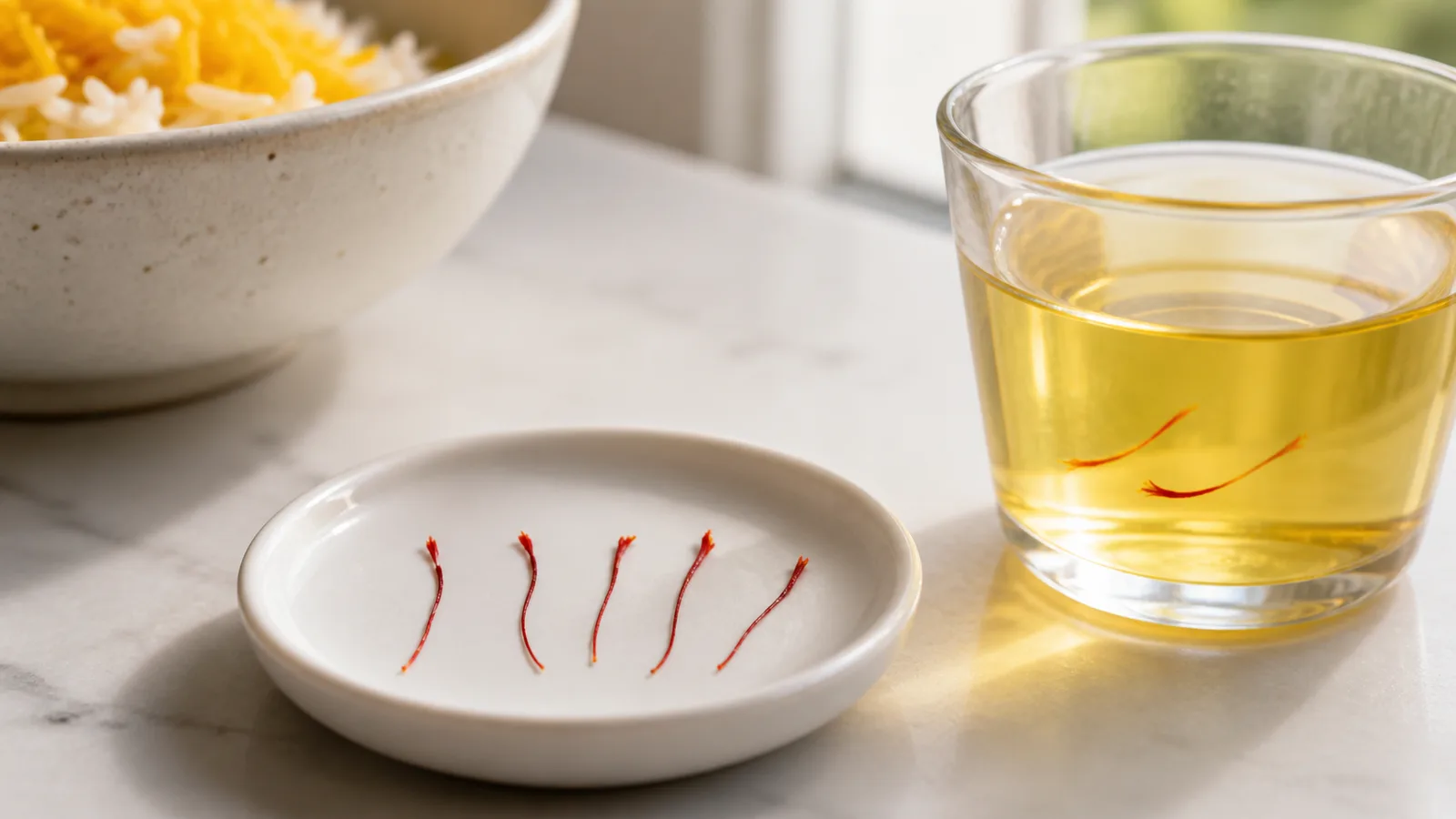
Saffron ranks among the most expensive foods in the world and is often called the most expensive food, but the careful answer is narrower: it is generally regarded as the most expensive spice by weight and one of the costliest culinary ingredients. Whether it outranks caviar, truffles, and edible gold depends on the product, grade, season and the unit being compared.
Most Expensive Food: Is Saffron Truly the Costliest?
Saffron deserves its expensive reputation. Each crocus flower provides only three red stigmas, a large harvest becomes a small weight of dried spice, and much of the picking and separation is done by hand. Even so, “the world’s costliest food” is not a fixed scientific title. Food prices move, rare products are sold in different grades, and some headline comparisons mix wholesale crops with luxury retail packages.
A more useful question is why saffron costs so much and what a buyer receives for that price. If the practical question is “is saffron expensive?”, the answer is yes, but context matters. Unlike an ingredient eaten by the spoonful, saffron is normally used by the pinch. Its price per kilogram can be startling while the cost in a pot of rice or a dessert remains much smaller.
Is Saffron the Most Expensive Food by Weight?
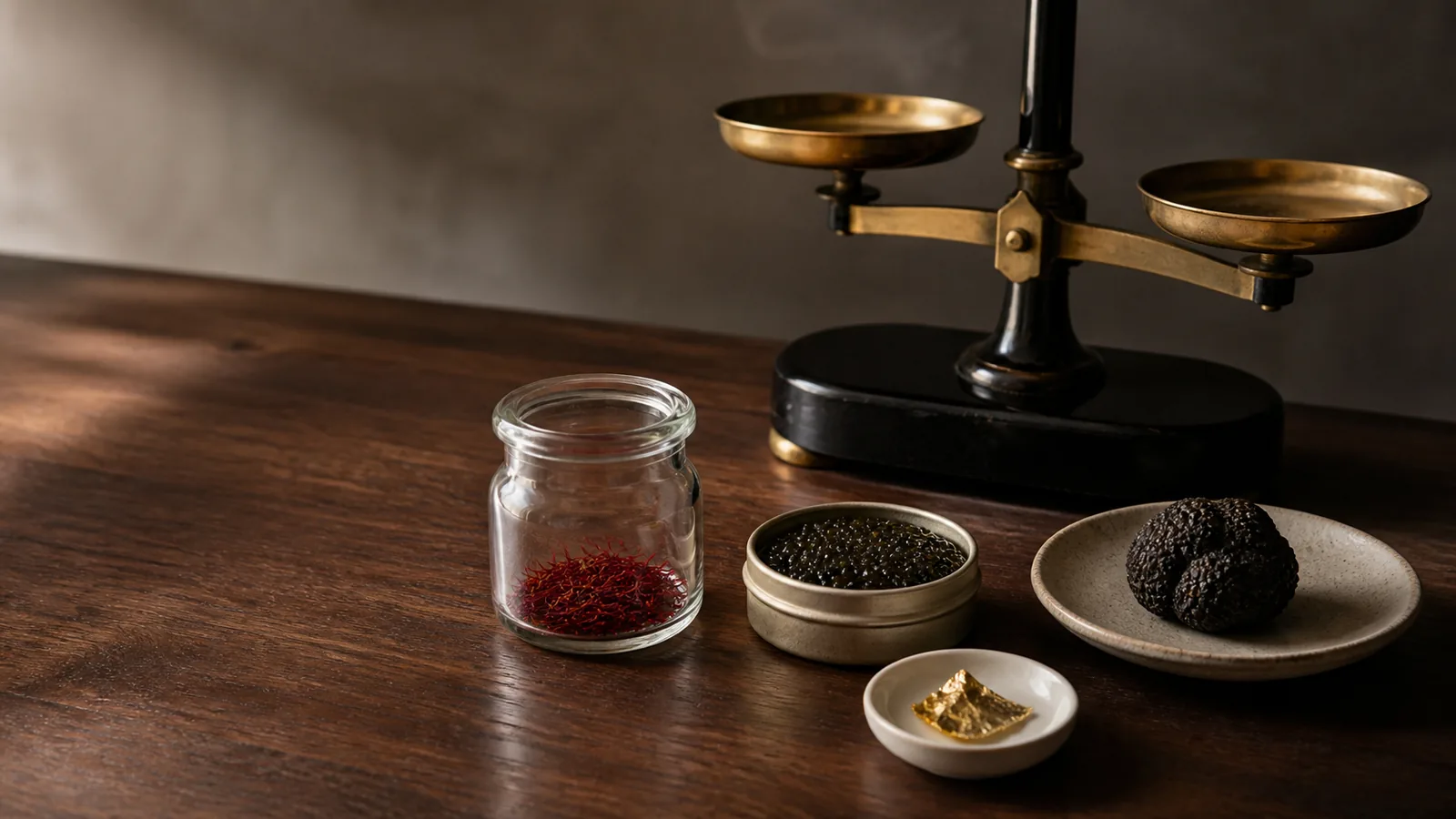
Saffron is commonly described as the world’s most expensive spice by weight. That claim is more defensible than saying it is always the most expensive food. Exceptional white truffles, premium caviar, specialist mushrooms, edible gold and one-off auction products can exceed particular saffron prices. Their markets and serving sizes are not directly comparable.
The answer also changes with the point in the supply chain. A farm-gate price is not a retail price, and a large trade lot is not the same as a one-gram gift jar. Origin, harvest year, laboratory evidence, thread grade, packaging, tax and seller margin all affect the figure. For a focused comparison, see whether saffron is the most expensive spice by weight.
Labor-Intensive Harvesting
A saffron flower produces three crimson stigmas. Those delicate parts become the spice after they are separated and dried; the petals and most of the flower do not. An FAO publication estimates that producing one kilogram of saffron requires roughly 150,000 to 170,000 flowers.
Flowering happens over a short autumn period, so farms need enough workers at the same time. Flowers are picked promptly, then opened so the stigmas can be separated without excessive foreign plant material. This labor-intensive harvesting is difficult to automate at the speed and care required for a quality crop.
The number of flowers is only part of the cost. Growers prepare beds, select and plant corms, manage weeds and disease, and wait for the flowering season. A weak harvest cannot simply be replaced by sowing another quick crop a few weeks later.
Limited Cultivation Regions, but Not One Tiny Area
The old statement that saffron grows only in a handful of places is too absolute. Commercial cultivation occurs in Iran, India, Spain, Afghanistan, Greece, Morocco and other countries. Iran is the dominant producer, but it is not the only place where the crop can grow.
There are still practical limits. Successful crops need specific climates and suitable seasonal conditions, with dry, well-drained soil rather than waterlogged ground and abundant sunlight during growth. Corm quality, winter cold, summer dormancy, rainfall, irrigation and field management influence flowering. Iran, Spain, and India have long saffron-growing traditions, while these requirements create limited cultivation regions in a commercial sense without making cultivation geographically exclusive.
Production clusters also depend on knowledge, experienced labour, healthy planting material, drying facilities and access to buyers. A climate may be plausible for saffron while the local supply chain is not yet able to produce it competitively.
Meticulous Processing After the Harvest
Fresh stigmas contain moisture and do not yet have the stability of finished saffron. Producers dry them under controlled conditions to maintain color, aroma, and flavor. Drying too slowly can create quality problems; excessive heat can damage the compounds that give saffron its character.
This meticulous processing continues with cleaning, sorting and storage. Lots may differ in the amount of red stigma, yellow style, broken material and moisture they contain. Packaging has to protect the threads from humidity, light, odours and contamination.
Strict quality standards do not automatically make every expensive jar excellent, but testing and traceability add legitimate costs. A trustworthy seller needs evidence for claims about identity, purity, origin and grade rather than relying on a bright package or a dramatic price.
Why Rarity Raises the Price
Saffron is rare as a finished spice because the usable yield from each flower is tiny and the harvest cannot be spread evenly through the year. Its cultivated plant is not simply a wild rarity found in one secret location. Farmers grow it intentionally, yet corm-based propagation, short flowering, manual work and drying constrain how much clean spice reaches the market.
High demand meets that limited output. Home cooks, restaurants, food manufacturers and long-established culinary traditions all buy from the harvest. Supply changes with weather, planted area, labour and quality, while demand and stocks change too. Our explanation of why saffron is rare separates crop biology from luxury marketing.
Comparison with Other Luxury Foods
Caviar, truffles and edible gold are often named beside saffron, but each comparison needs a consistent basis. Caviar is sold in several species, grades and tin sizes. Fresh truffle prices can rise sharply in a poor season and the product is perishable. Edible gold is a decorative material sold in extremely thin sheets or flakes, so its retail price per gram can reflect processing and packaging as much as the amount used.
Saffron is different because it is a dried agricultural spice with an active international trade. A gram from one crop and grade should not be compared casually with a rare restaurant dish, a charity auction or a tiny ornamental package. “Often surpasses them by weight” can be true for selected products and false for others.
The serving-cost comparison tells another story. A cook may use a small pinch of saffron in a dish shared by several people, while caviar or truffle can be served in a larger edible amount. High price per kilogram does not necessarily mean saffron creates the most expensive plate.
What Actually Determines a Saffron Price?
Thread form, grade, origin, harvest date, moisture, purity evidence and package size all matter. Whole red threads usually command more confidence than anonymous powder because they are easier to inspect, although visual inspection alone cannot prove purity. Small consumer packs also cost more per gram than bulk lots because the jar, label, filling and distribution costs are divided across less spice.
Currency movements, freight, import requirements and retailer overhead can change the final figure without changing the flower itself. This is why one permanent internet price is misleading. Our guide to saffron’s high rate explains these layers in more detail.
Does a Higher Price Guarantee Better Saffron?
No. Price is one signal, not proof. An implausibly cheap product deserves caution because genuine production has unavoidable costs, but a seller can also charge too much for old, weak or adulterated saffron.
Look for a clear net weight, whole-thread appearance, harvest or batch information, storage guidance and evidence behind any grade claim. The aroma should be distinctive rather than perfumed, and the threads should release colour gradually in water rather than behave like instant dye. Buy only the amount you can store well and use while it remains aromatic.
Cost per Gram versus Cost per Dish
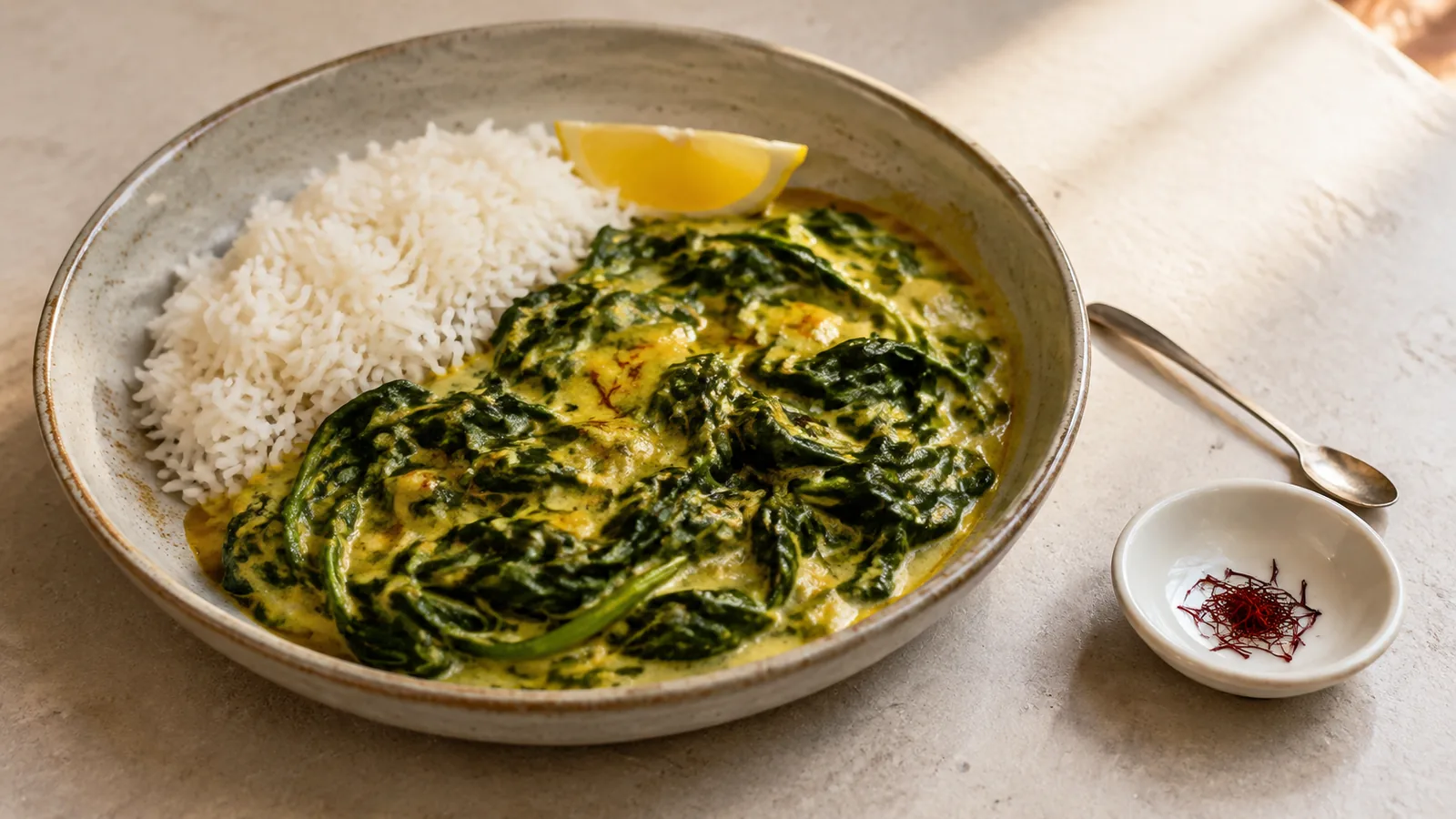
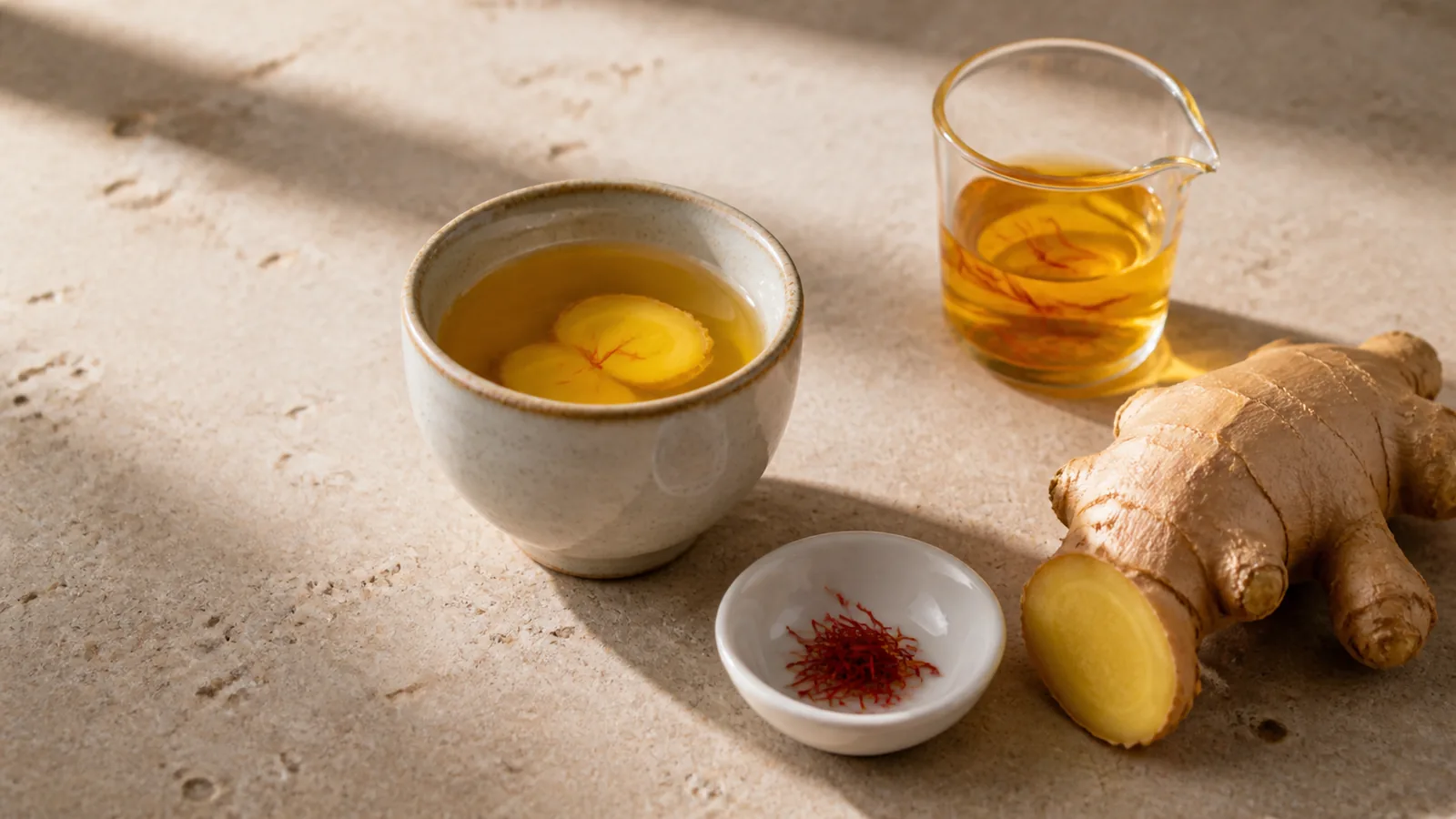
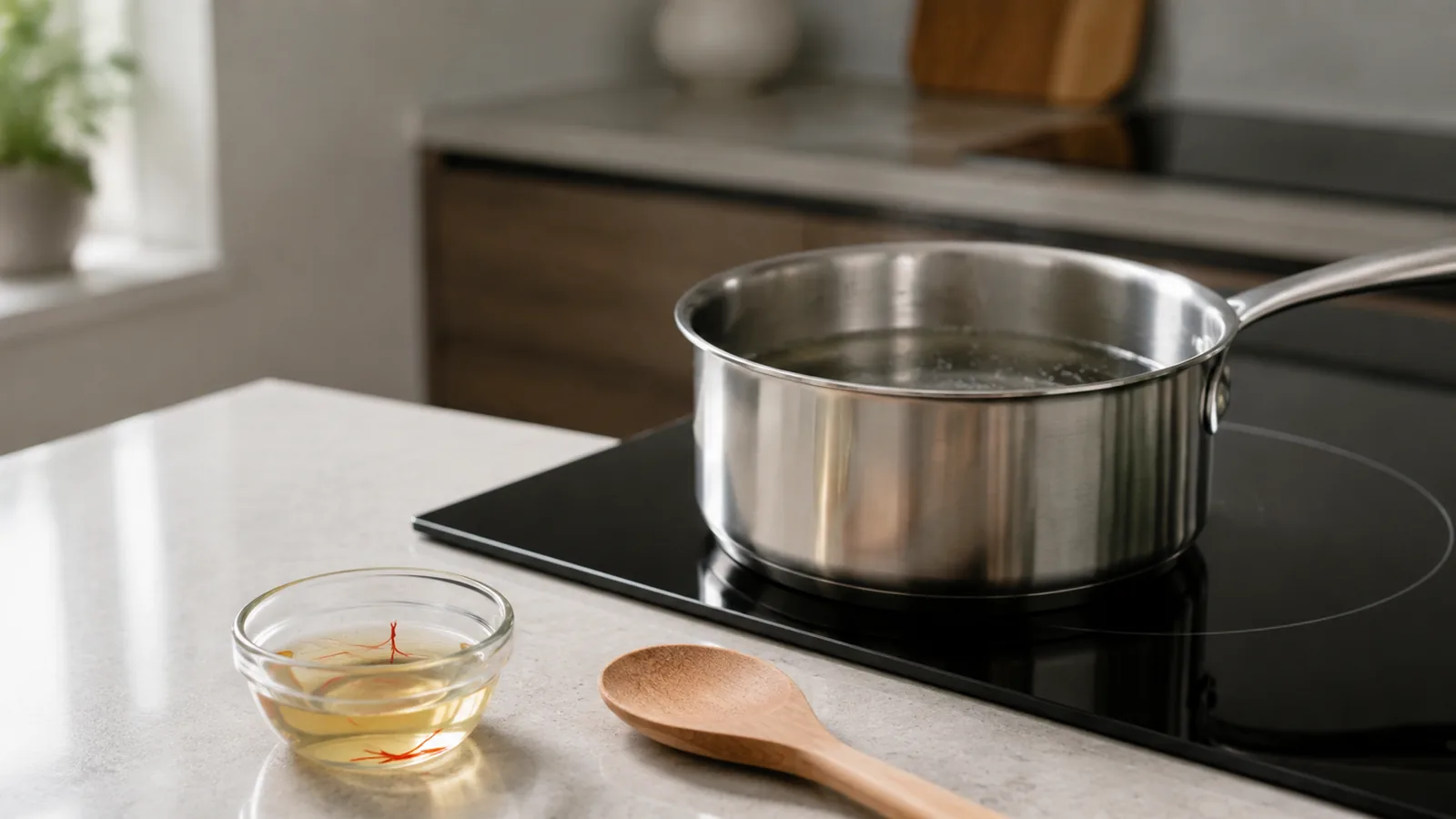
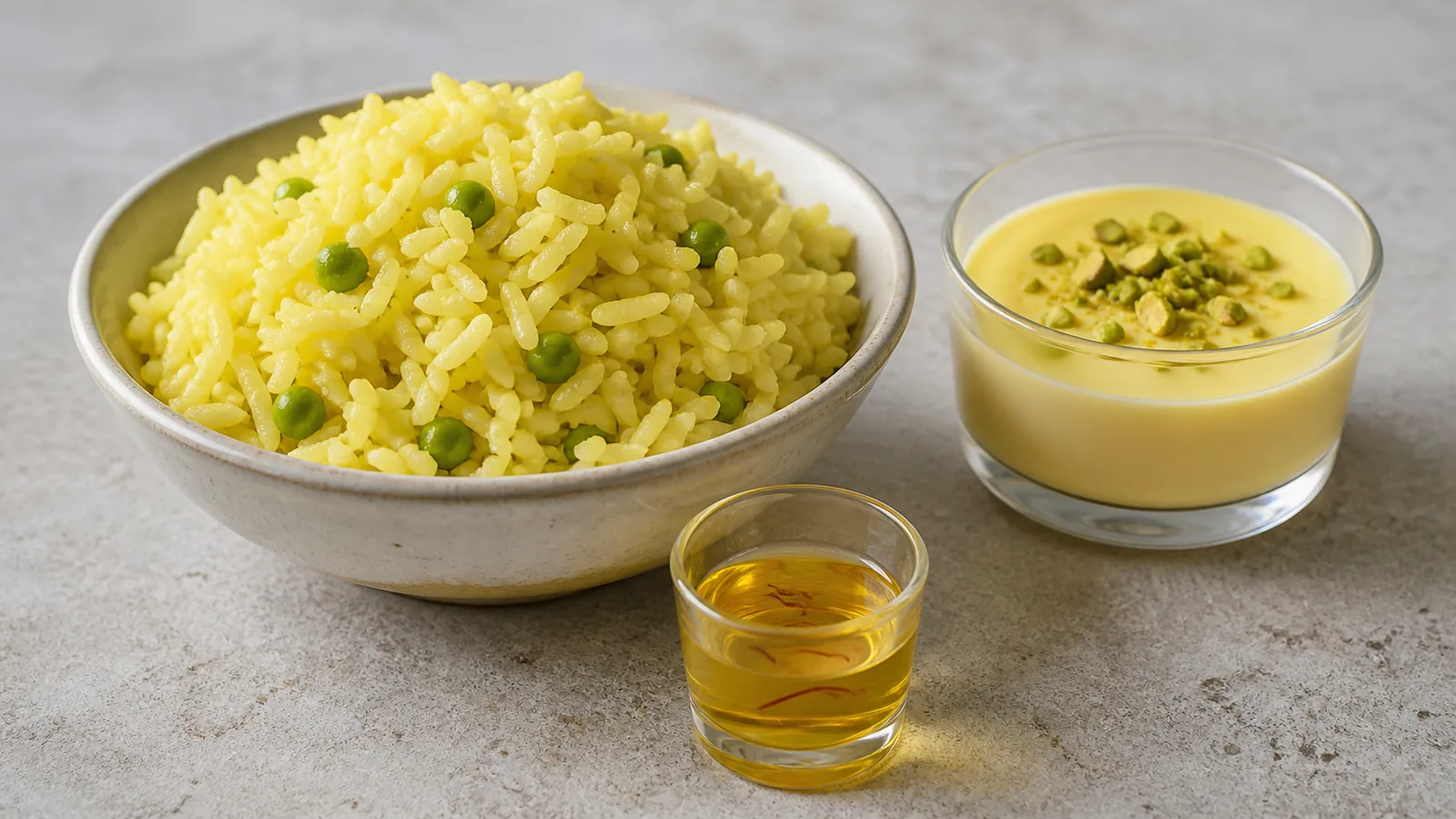
Saffron becomes less intimidating when measured for a recipe. One gram can season several dishes, depending on their size and the intensity required. Crushing and blooming a small measured amount in warm water or milk helps distribute it, making waste less likely than dropping many dry threads into one corner of a pot.
Compare products by the same net weight and form, then consider how many servings that amount will make. Current retail information belongs on a dated source rather than in a timeless article; the site’s unchanged saffron price page provides that live context.
Conclusion
Saffron is one of the most expensive foods and is widely regarded as the costliest spice by weight, but it cannot honestly be declared the permanent winner over every luxury ingredient. Labor-intensive harvesting, suitable but limited cultivation regions, meticulous processing, strict quality standards and high demand explain its premium cost. Judge the value by purity, traceability and cost per dish—not by the headline alone.