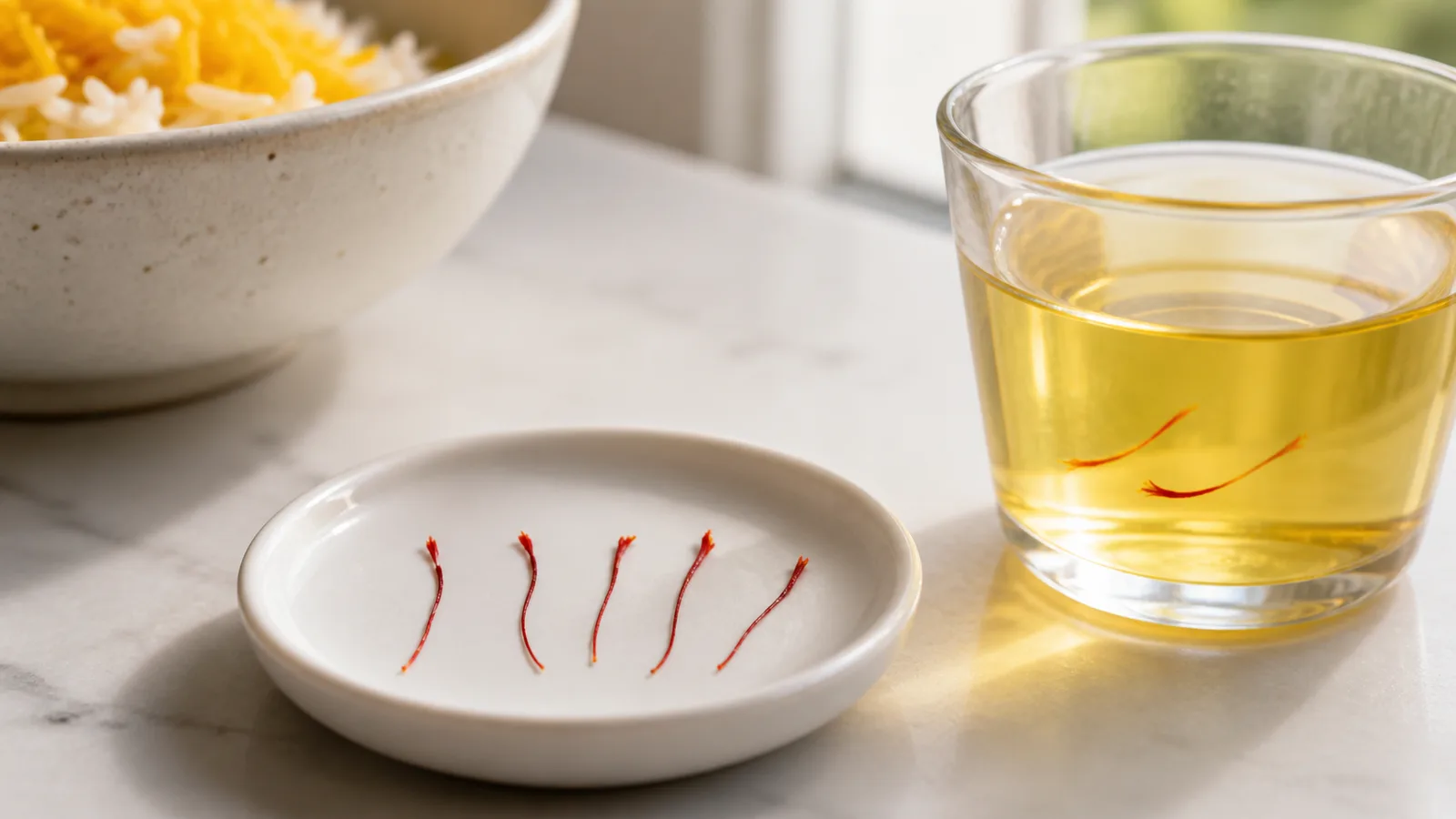
Saffron in cuisine is most closely associated with Persian and Iranian food, South Asian cooking, Spanish rice dishes, northern Italian risotto, Mediterranean fish soups, and selected North African, Turkish and Middle Eastern recipes. It appears in traditional and modern dishes, including rice, stews, desserts, breads and drinks, but each tradition uses it in its own way.
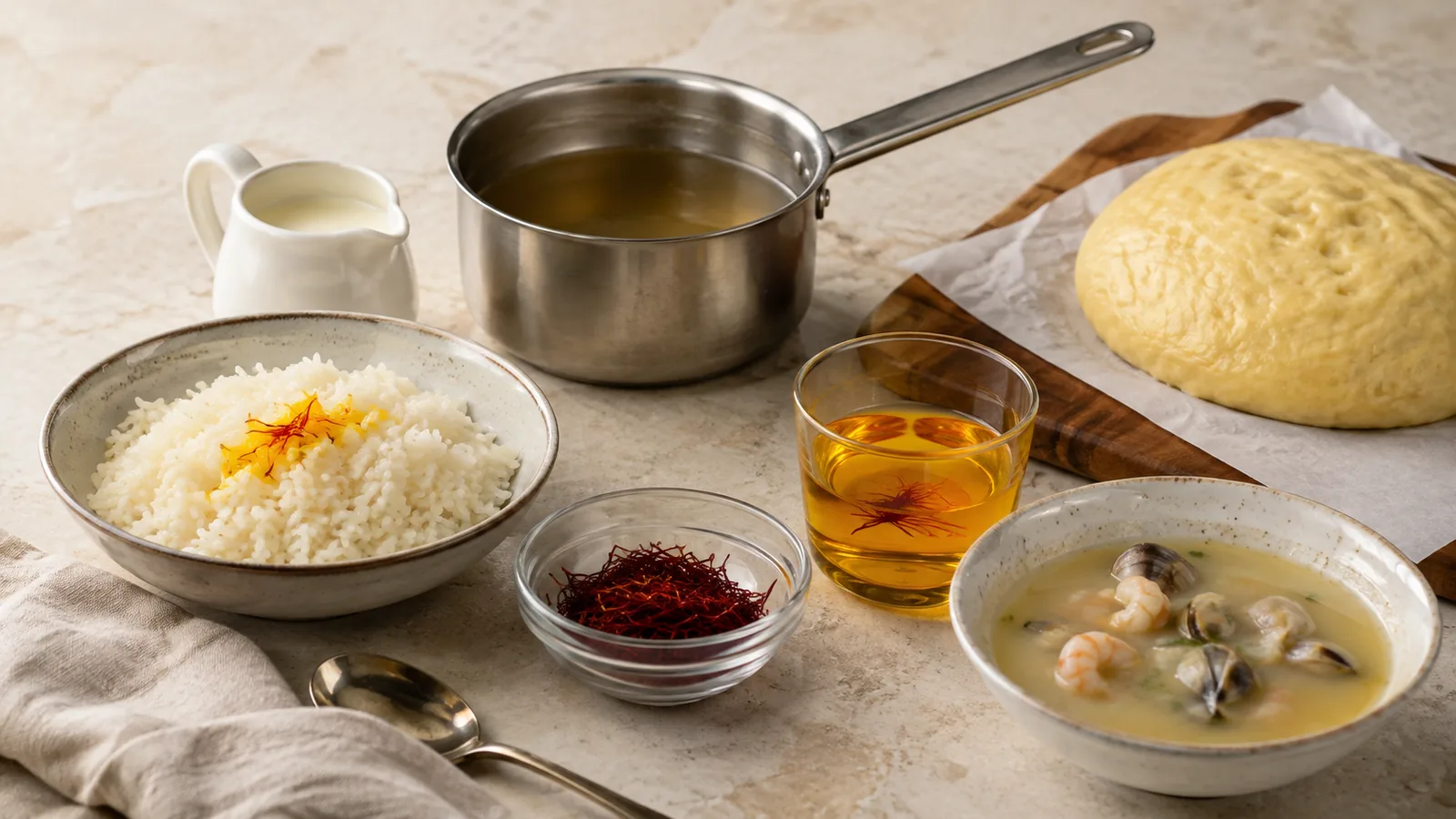
Saffron in Cuisine: Popular Dishes and Culinary Uses
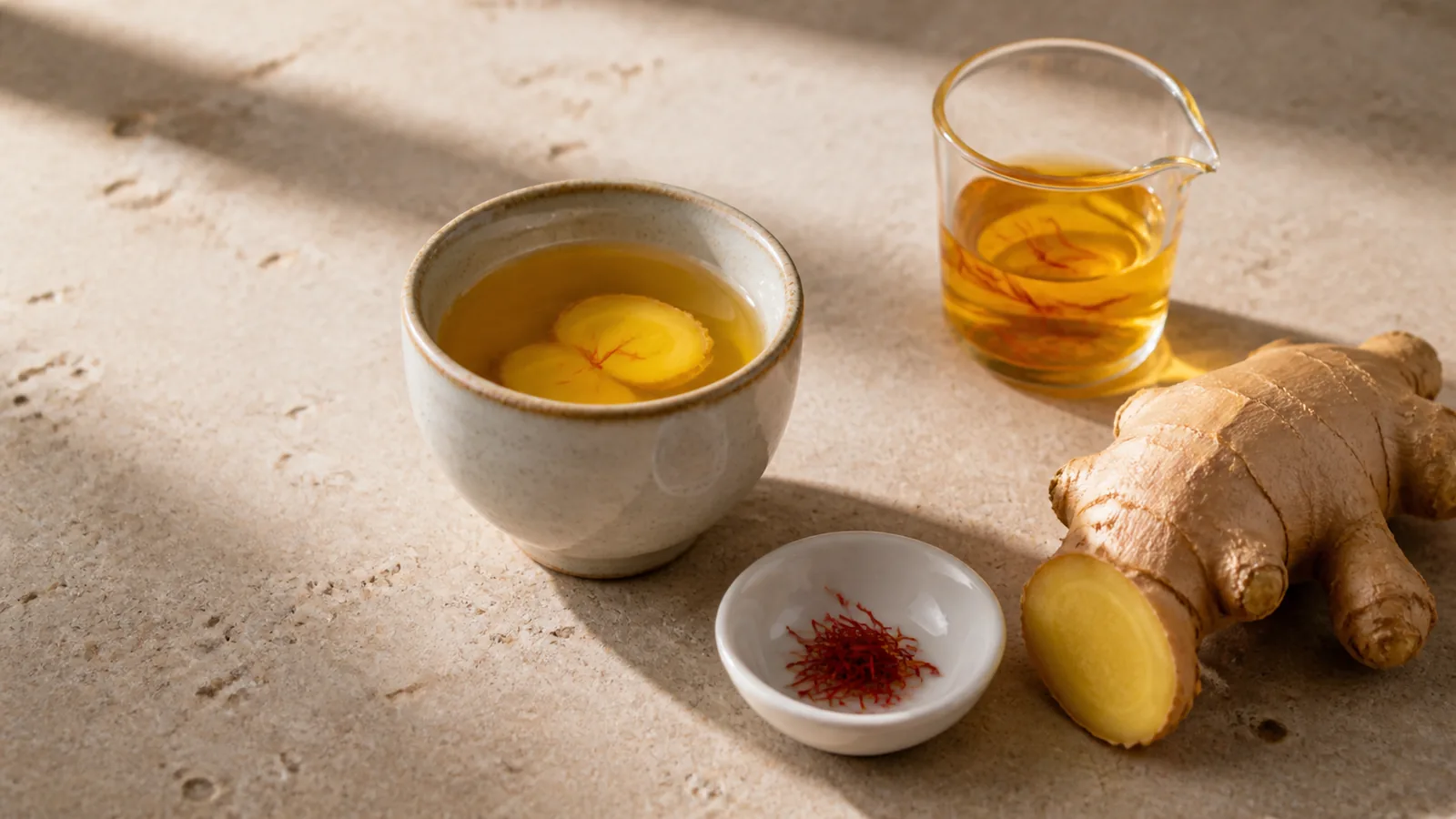
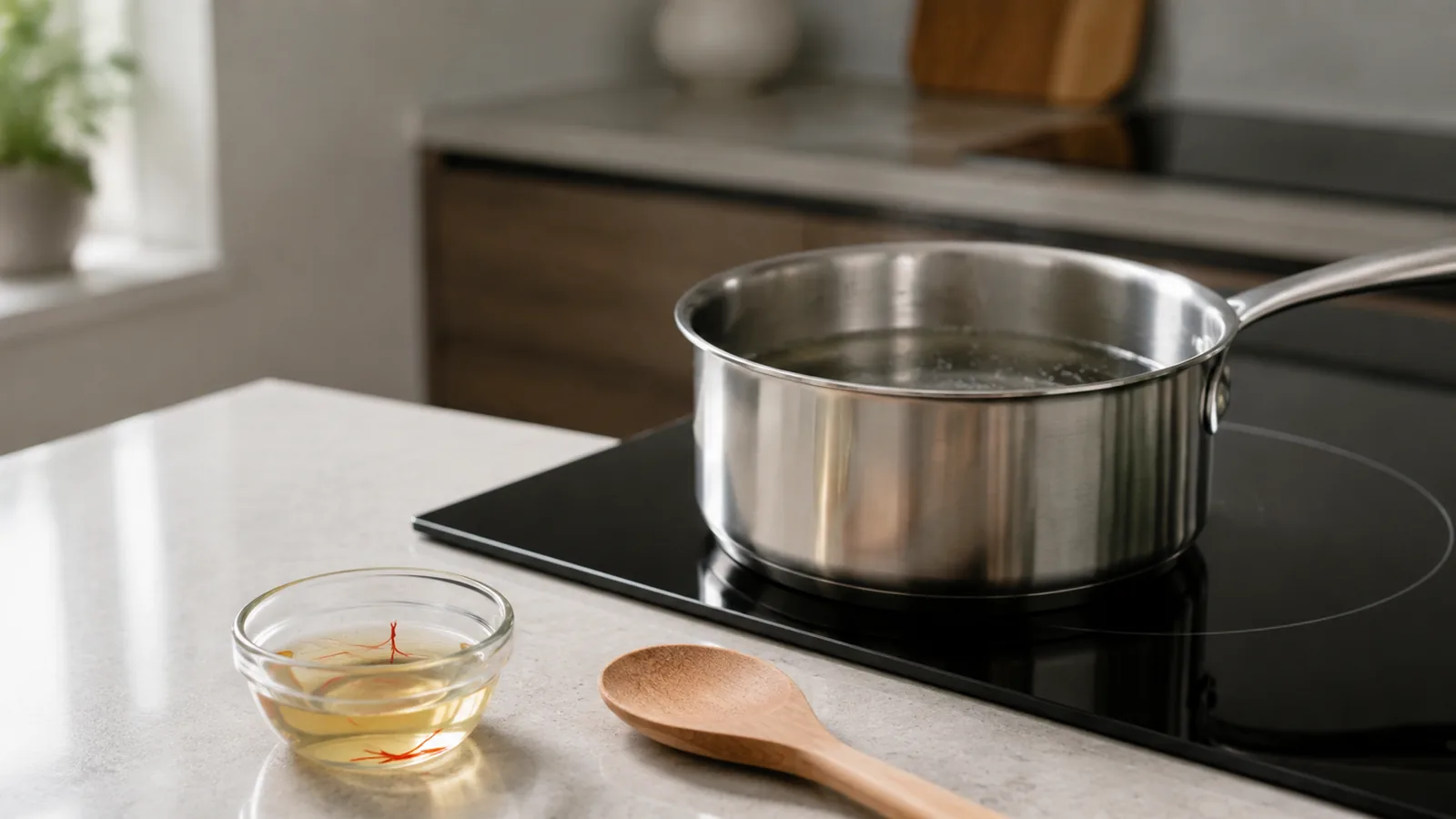
Saffron’s unique aroma, flavor, and vibrant color make it useful in foods that can carry a delicate spice without burying it. Cooks often crush and steep the threads in warm water, stock or milk before adding the infusion. That simple step spreads a small amount through a dish and avoids dark clumps of dry threads.
Understanding saffron in cuisine means looking beyond a list of countries. Its cultural significance comes from particular dishes and occasions, while its culinary versatility comes from the liquids, fats and starches that hold its aroma. A rice cook needs a different method from a baker or a maker of milk pudding.
Middle Eastern and Persian Cuisine
In Iran and the Middle East, cooks use saffron across savoury and sweet food. In rice dishes, a concentrated infusion may colour part of the cooked rice before it is folded back through the platter or used as a golden top layer. Tahchin, zereshk polo, Persian jeweled rice and some forms of tahdig show how colour can be placed deliberately rather than spread uniformly.
It also seasons chicken, kebabs, selected stews, soups and marinades. In desserts, sholeh zard, ice cream, halva and saffron-infused sweets pair it with rosewater, cardamom or nuts. Used carefully, the spice gives a rich golden color and delicate aroma without making the food bitter.
The wider Middle East includes many distinct cooking traditions, not one uniform cuisine. Saffron may appear in rice, coffee, tea, confectionery and dishes prepared for guests, but use varies by country and household. The guide to Iranian dishes with saffron gives the Persian examples more room.
Indian and South Asian Cuisine
India has a long tradition of using saffron, often called kesar or zafran. Its saffron traditions include biryanis, desserts, and beverages. In biryani, an infusion of saffron milk or water is commonly drizzled over the rice during layering, creating aromatic patches of white and gold. Kesar pulao uses the spice in a gentler rice preparation.
Kheer, kulfi and warm milk can carry saffron well because dairy spreads its aroma and softens its bitterness. Some versions of gulab jamun include saffron in the syrup. These dishes are often prepared for festivals and gatherings, although recipes and budgets differ between regions and families.
Saffron is not a general replacement for turmeric and it does not belong in every curry. It is usually reserved for dishes where a small amount can be noticed among cardamom, nuts, rose, rice or dairy.
Spanish Rice and Seafood
European cuisine provides several distinct saffron traditions. In Spain, paella is the best-known example, though not every regional or household version uses exactly the same ingredients. The threads are commonly toasted very gently or infused in warm stock before the liquid reaches the rice. Saffron then supports the flavour of the stock and contributes a warm colour.
The spice also appears in Spanish seafood stews, sauces and other rice dishes. It works naturally with shellfish, fish, garlic, tomato and mild paprika, but it should not overpower them. Our article on why saffron is used in paella explains its role without claiming that colour alone makes a rice dish authentic.
Italian Cuisine
In Italy, risotto alla Milanese is the classic example. Saffron is added during cooking so the rice becomes golden while retaining its creamy texture. Stock, butter and cheese provide the body of the dish; saffron adds aroma, gentle bitterness and colour.
Regional Italian cuisine also uses saffron in some pasta, seafood, bread and cheese preparations. Sardinian cooking has its own saffron traditions. The important point is specificity: it enriches selected regional recipes rather than appearing throughout all Italian food.
French and Mediterranean Cuisine
In French cuisine, bouillabaisse and related fish soups from the Mediterranean coast may use saffron in their broth. The spice adds aroma, color, and depth to the dishes, but fish, shellfish, aromatics and stock remain central. A restrained infusion is preferable to enough saffron to make a delicate broth harsh.
Around the Mediterranean, cooks also use saffron in fish stews, rice, sauces and bread. Neighbouring places can share ingredients while keeping distinct recipes, so “Mediterranean saffron dish” should not replace the name and origin of the actual food.
North African Cuisine
Selected Moroccan and other North African dishes use saffron in tagines, couscous, soups and celebratory cooking. It can sit beside ginger, cinnamon, preserved lemon, olive or dried fruit. The spice blend needs balance: too many strong aromatics can hide the saffron that made the dish expensive.
Saffron may also appear in tea and sweets. Use is not universal across North Africa, and local alternatives can colour food when saffron is unavailable. A recipe is clearer when it names the country and dish instead of treating the whole region as one kitchen.
Turkish and Ottoman-Inspired Uses
Turkish cuisine includes saffron in selected rice dishes, breads, confectionery and desserts. Zerde, a festive rice pudding, is one well-known example. Some recipes descended from Ottoman court cooking use saffron for colour and aroma, while everyday versions may rely on other ingredients.
Contemporary Turkish chefs also use it in seafood, sauces and modern pastries. These examples show continuity and adaptation rather than proof that saffron belongs in every dish described as Turkish.
Saffron in Rice Dishes
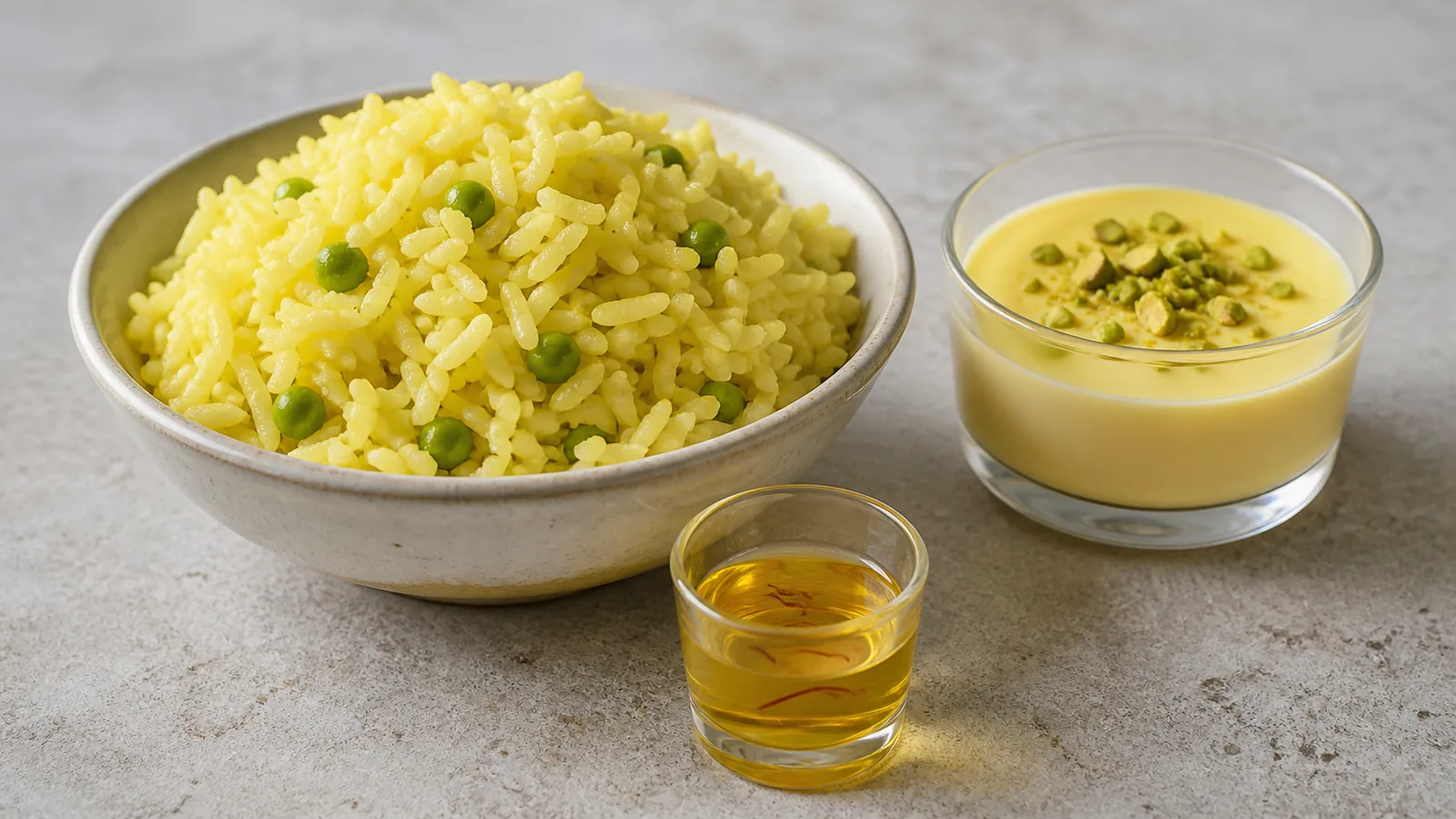
Rice is one of saffron’s best partners because the grains absorb an infusion and present the colour clearly. Persian steamed rice, biryani, pulao, paella and risotto use different grains and techniques, yet all benefit from controlled distribution.
For fluffy Persian or South Asian rice, cooks may colour only a portion and then layer or garnish with it. Paella receives saffron through its cooking liquid. Risotto develops colour as stock is gradually absorbed. Those methods are not interchangeable, even though the same spice appears in each.
Desserts, Baking and Drinks
Dairy desserts give saffron a rounded flavour. Rice pudding, custard, ice cream and kulfi can be infused through warm milk or cream. Rosewater, cardamom, vanilla and nuts are natural companions when used with restraint.
Bakers add saffron to enriched dough and cake batter, often by steeping it in the recipe’s liquid first. Swedish lussekatter are a distinctive winter example. Drinks range from saffron milk and tea to selected coffee traditions, where only a small infusion is needed.
Stews, Soups, Sauces and Marinades
Saffron can brighten a broth or sauce without turning it into a rice dish. Fish soup, shellfish sauce, chicken stew and a yoghurt-based marinade can all carry it. Warm liquid helps release the aroma before the infusion is mixed into the larger preparation.
Long, aggressive boiling is rarely helpful. Add saffron early enough to blend with the dish but avoid hours of unnecessary high heat. The practical guide to adding saffron to a dish explains grinding, blooming and timing.
Modern and Fusion Cuisine
Modern chefs incorporate saffron into pasta, roast chicken, vegetable purées, custards, cocktails and other new combinations. Good fusion cooking starts with what the spice actually contributes rather than adding a few threads for luxurious appeal worldwide.
Saffron works especially well with rice, dairy, seafood, chicken, mild vegetables, citrus, nuts and floral aromatics. Very smoky, bitter or heavily spiced food can obscure it. For ingredient ideas, see foods that taste good with saffron.
How to Choose the Right Saffron Use
First decide whether the dish needs aroma, colour or both. Then choose a liquid already present in the recipe and make a small infusion. Add it where it can spread evenly, taste the finished balance, and resist using more merely to make the colour brighter.
Whole threads are useful when their appearance is part of the presentation, while finely crushed saffron distributes more evenly. Freshness and grade affect strength, so a fixed universal quantity is less reliable than a tested recipe and a measured pinch.
Conclusion
The global culinary uses of saffron extend from Persian rice and South Asian biryani to paella, risotto alla Milanese and bouillabaisse. Turkish, North African, and fusion cuisines add further uses in desserts, tagines and modern dishes. That range reflects a rich culinary heritage across cultures, but the methods remain local and specific. Use the spice where its aroma, colour and gentle bitterness improve the food. Genuine threads for sweet and savory dishes are available through our products page.