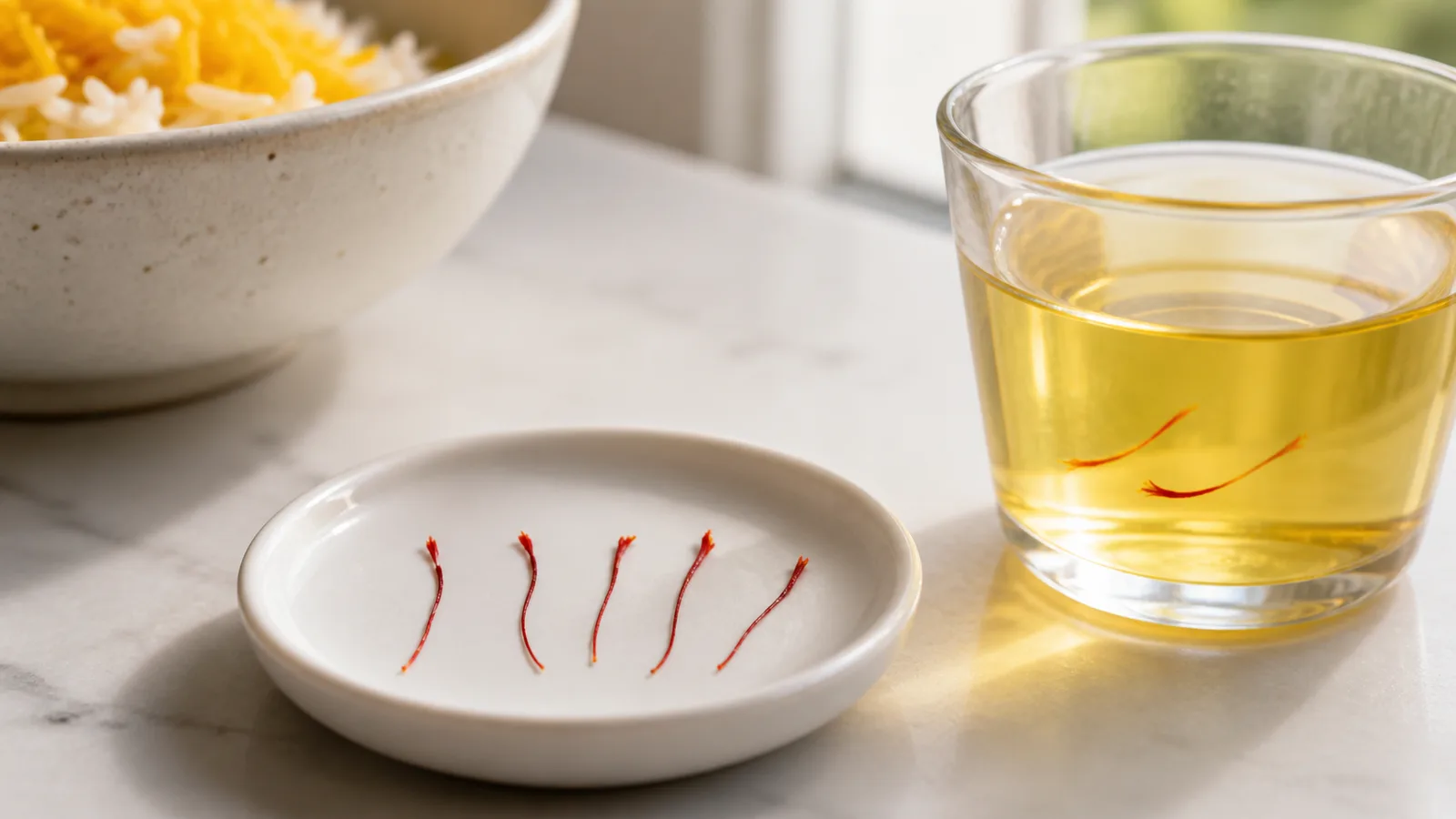
There is no single country that produces the best saffron in every batch. Iran is the world’s largest producer and has a long saffron tradition, while Spain, India, Greece and Morocco have respected regional products of their own. Among the best saffron producing countries, origin tells part of the story; freshness, purity, processing and storage tell the rest.
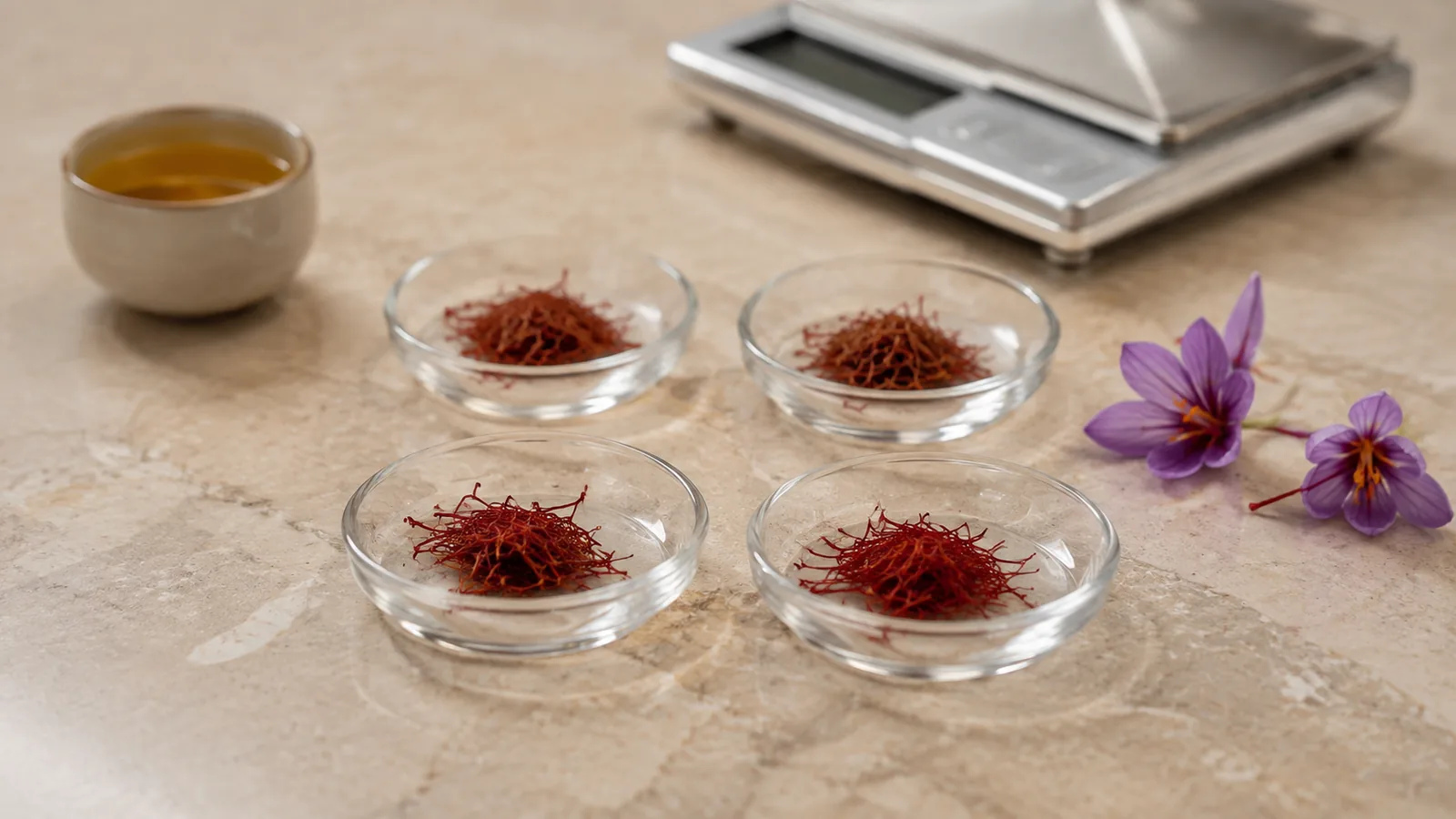
Best Saffron Producing Countries
Iran is the clearest answer if “best” means the country most closely associated with saffron production. The Food and Agriculture Organization’s account of Iran’s qanat-based saffron system identifies Iran as the largest producer and describes a cultivation tradition shaped by an arid climate and carefully managed irrigation.
That scale does not make every Iranian batch identical, nor does it make good saffron from another country inferior. Saffron quality varies between farms, harvests, grades and packages. A well-dried, fresh and properly stored batch from a smaller producer can be a better purchase than an old or poorly handled batch carrying a famous country name.
What “Best Saffron” Actually Means
People use “best” to mean several different things. A cook may want strong aroma and color release. A buyer may care more about intact threads, traceable origin or laboratory testing. Someone preparing a delicate dessert may prefer a different flavor balance from a cook making a heavily seasoned rice dish.
A fair comparison therefore looks at the saffron itself:
- Purity: the package should contain saffron stigmas, not dyed fibers, unrelated plant material or added weight.
- Condition: dry, well-kept threads should not be damp, musty or crushed into unexplained dust.
- Aroma: genuine saffron has a complex floral, hay-like and gently bitter character rather than a sweet perfume alone.
- Color and flavor: good saffron releases color gradually and contributes flavor as well as a yellow-gold hue.
- Traceability: a clear producer, origin, harvest or batch reference is more useful than an unsupported superlative on the front of a package.
- Storage: light, air, heat and moisture can weaken a good harvest before it reaches the kitchen.
Other Leading Producers
Spain and La Mancha
Spain has a deep culinary relationship with saffron, especially in rice dishes. “Azafrán de La Mancha” is a protected designation of origin rather than a loose marketing phrase. Its official European Union product specification defines the geographic area and requirements for saffron threads sold under that name.
Spanish saffron is often associated with a roasting or toasting stage after the stigmas are separated. That processing tradition can influence the finished aroma, but shoppers should still judge the particular product and its condition rather than assume that every package marked “Spanish saffron” meets a protected specification.
India and Kashmir
Kashmir is India’s best-known saffron region. “Kashmir Saffron” is registered as a geographical indication with India’s official Geographical Indications Registry. The registration establishes a protected regional identity; it is not a promise that every unverified online seller using the word Kashmir is supplying the registered product.
Kashmiri saffron is prized for its deep-colored threads and distinctive aroma. Production is much smaller than Iran’s, which can make genuine, traceable material harder to find and more expensive. Buyers should be cautious when a low-priced product makes a premium Kashmir claim without meaningful origin information.
Greece
Greek saffron is closely associated with the Kozani area. It is another example of a regional product whose identity comes from place, local practice and control of the name. As with saffron from any origin, the condition of the threads when they reach the buyer remains important.
Morocco
Moroccan saffron is strongly linked with Taliouine and the surrounding area. Small-scale cultivation and local harvesting traditions give it a distinct place in Morocco’s food culture. Limited supply does not automatically prove higher quality, but a transparent producer and recent harvest can make it an excellent choice.
Factors That Determine Quality
Climate and soil affect the crop, but much happens after the flower opens. The stigmas must be collected during a short flowering season, separated from the rest of the flower, dried and protected from moisture. Drying that is too harsh can flatten the aroma; poor storage can undo careful work at the farm.
International saffron specifications cover dried saffron in whole filaments, cut filaments and powder, while laboratory methods can measure characteristics related to coloring strength, aroma and bitterness. Those tests are more reliable than judging a country name or a photograph. A seller who provides credible batch testing gives the buyer evidence about the product in the package, not just its story.
Threads, Powder and Visible Clues
Whole threads make a basic visual inspection easier. Genuine stigmas are not perfectly uniform factory strands, and the red portion may broaden slightly at one end. Some yellow or orange style can occur, but a package dominated by pale material offers less of the part normally prized for color and aroma.
Powder is convenient and can be genuine, but it hides the structure of the spice and is easier to adulterate. Buy it only from a supplier with strong traceability. For a practical explanation of what home checks can and cannot reveal, use the guide to identifying pure saffron.
Does Country of Origin Change the Taste?
Origin, cultivar conditions, drying and storage can all influence how a batch smells and tastes. Even so, broad descriptions such as “Iranian is strongest” or “Spanish is milder” are too simple to apply to every product. Two harvests from the same region can differ, and an older batch may seem weaker than a fresher one from elsewhere.
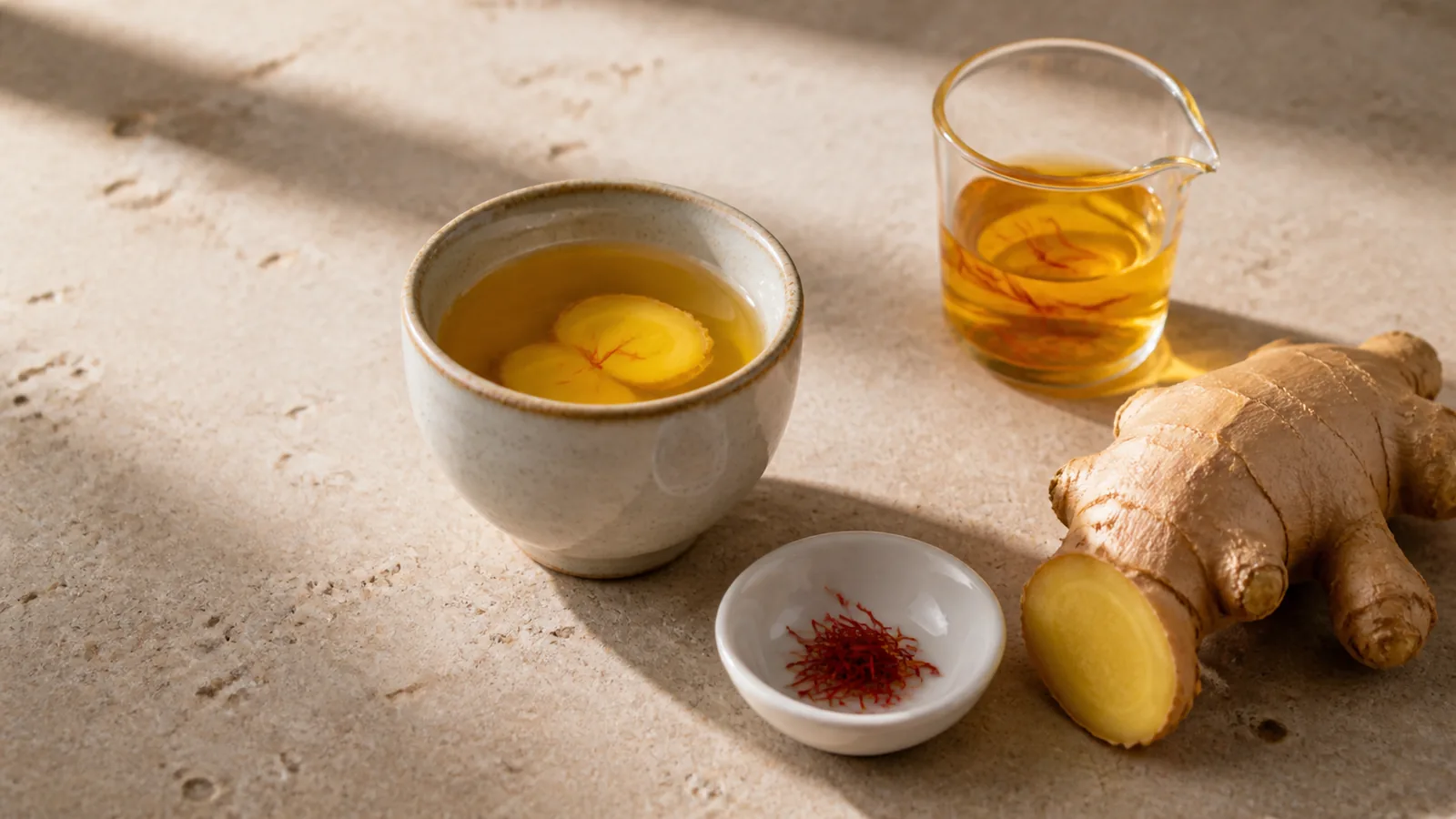
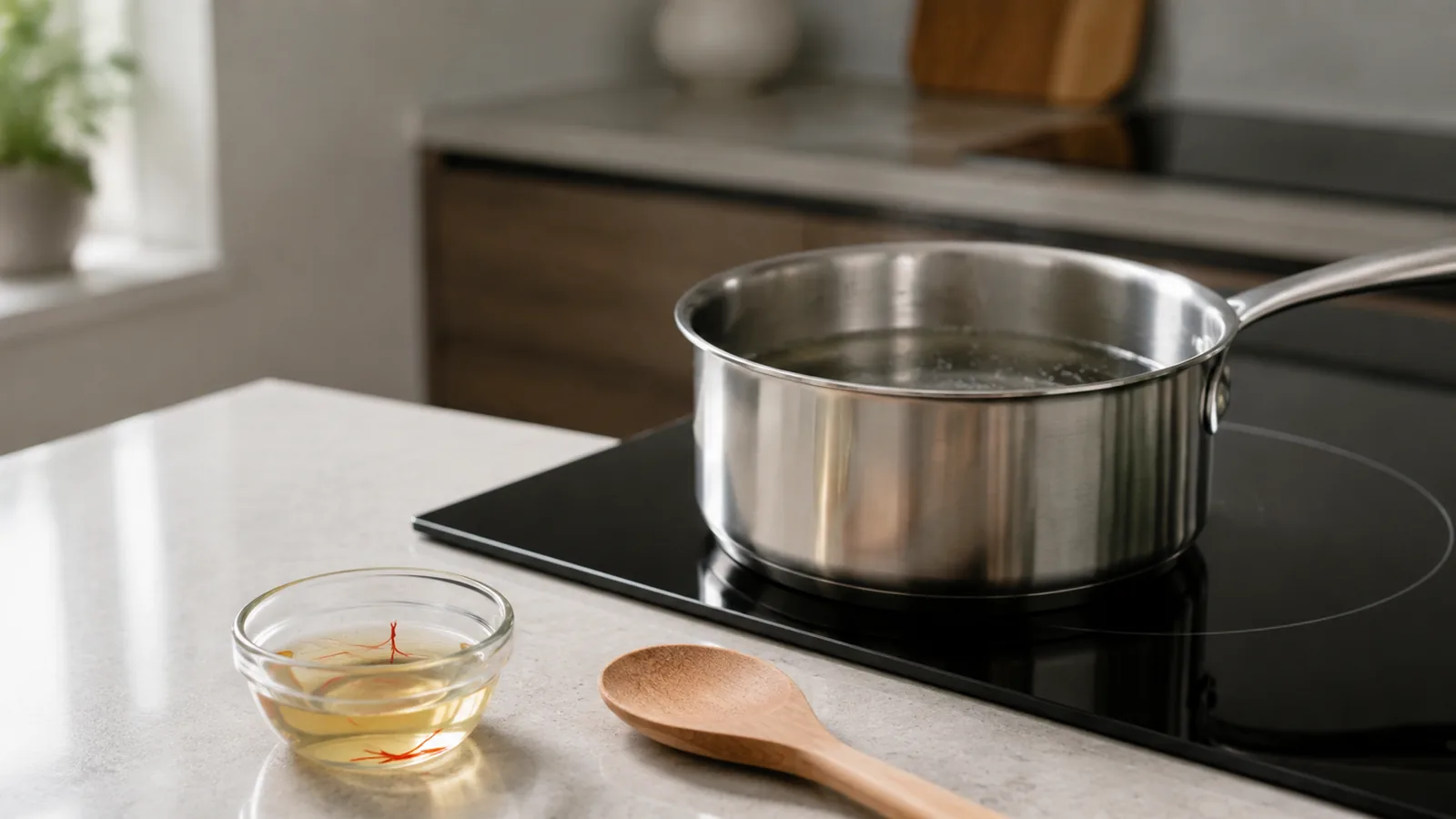
The best comparison is made at the same dose and with the same preparation. Bloom a measured amount from each sample in warm—not boiling—water, then compare aroma, color development and flavor. This controls more variables than comparing two finished dishes made by different cooks.
Where to Buy Authentic Saffron
Choose a seller that identifies the product clearly and does not rely on impossible promises. Look for whole threads, a sensible net weight, a sealed light-protective container, origin or batch details and, where available, credible testing information. Be wary of a price far below the normal market without a clear explanation.
A protected origin name can be useful when it is genuine, but it should sit alongside evidence about the actual batch. The site’s saffron price guide explains why grade, form and packaging affect cost, and the saffron shop shows the available formats.
Which Country Has the Best Saffron?
Iran is the leading answer for scale, history and worldwide availability, and many excellent batches come from there. Spain’s La Mancha, India’s Kashmir, Greece’s Kozani region and Morocco’s Taliouine area also produce respected saffron with strong regional identities.
For the person opening the jar, the best saffron is the authentic, fresh and well-stored batch that suits the intended dish. Use country of origin to understand the product, then make the final judgment from purity, traceability, aroma, handling and test evidence. That is safer than declaring one flag the winner and ignoring what is actually inside the package.